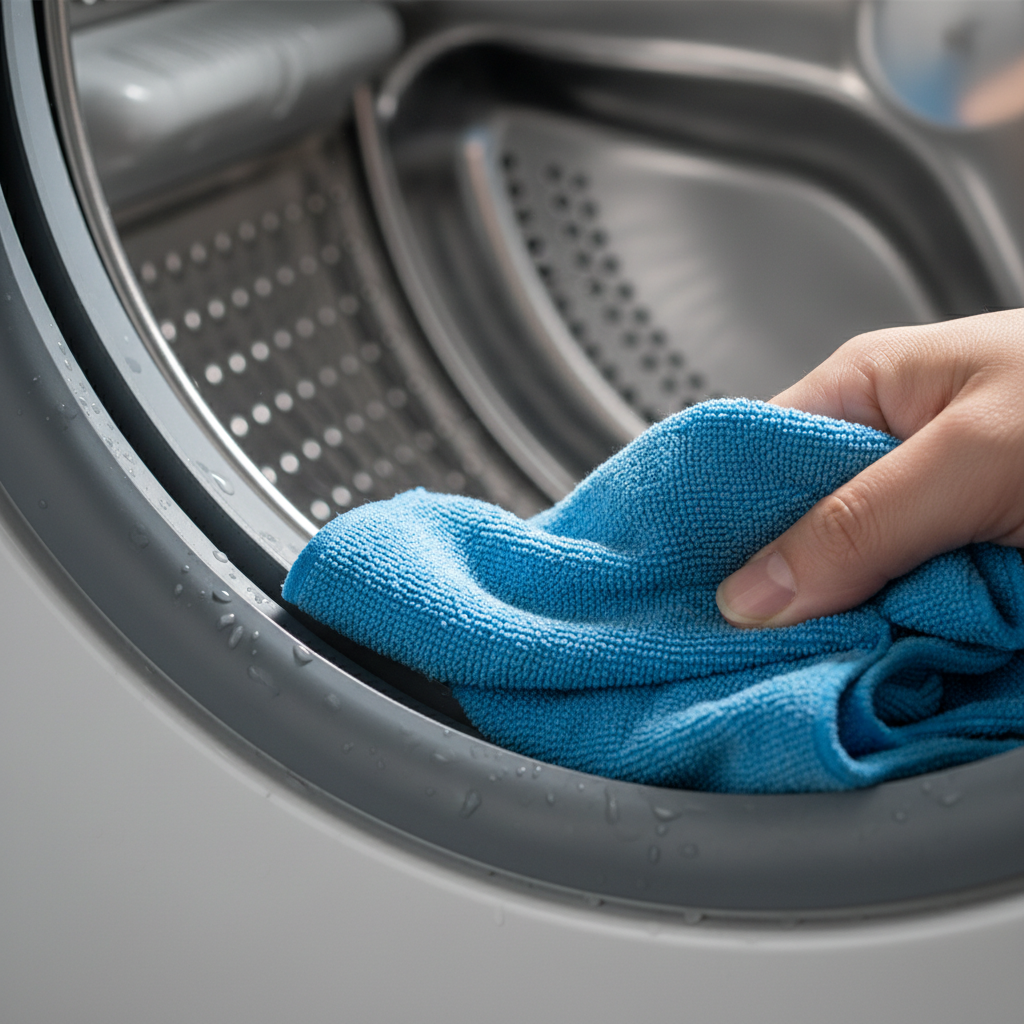
- Trapped Moisture: The primary cause of gasket mold is water that gets trapped in the gasket's folds after a wash cycle.
- Detergent & Fabric Softener Residue: Excess detergent and fabric softener can leave a film that mold feeds on.
- Closed Door: Keeping the door shut immediately after a wash creates a dark, humid environment perfect for mold growth.
- High Humidity: If your laundry room is naturally humid, it will be more challenging to keep mold at bay.
- Infrequent Cleaning: Without regular cleaning, even a small amount of moisture and residue can lead to a major mold problem.
General remodeling · Renovation planning
| Project category | General remodeling |
|---|---|
| Problem type | Renovation planning |
| Trade required | General contracting |
| Urgency | Planned project |
| Safety risk | Low safety risk |
| DIY suitability | Pro recommended |
| Cost category | Major investment |
| Typical timeline | Design and permitting often 2–4 months before work starts |
| Contractor type | General contractor |
Repair option
Phase the work and fix the building envelope first.
Replacement option
Full renovation with permits, design, and a general contractor.
Common causes
- Space no longer fits how the household lives
- Resale preparation
- Deferred maintenance stacking up
Relevant tools:project cost estimatorcompare quoteshome improvement material prices
Published June 8, 2026Last updated August 17, 2026
Tools & materials you'll need
Affiliate links- AmazonMicrofiber Cloths2-3 · You'll need at least two: one for cleaning and one for drying.
- AmazonSoft-Bristled Brush1 · An old toothbrush is perfect for scrubbing the gasket folds.
- AmazonSpray Bottle1 · For applying the vinegar and water solution.
- AmazonProtective Gloves1 pair · Protect your hands from mold and cleaning solutions.
As an Amazon Associate FixlyGuide earns from qualifying purchases — at no extra cost to you. Prices and availability are accurate as of publication and subject to change.
Quick Answer
To eliminate washing machine gasket mold, thoroughly clean the gasket with a 1:1 solution of white vinegar and water or a specialized washing machine cleaner. For stubborn mold, use a paste of baking soda and water. The key to preventing regrowth is a monthly 10-minute cleaning routine and adopting simple habits like leaving the door ajar and wiping the gasket after each use.
The Problem
That unmistakable musty smell clinging to your "clean" laundry is a tell-tale sign of a common front-load washing machine problem: mold. Upon closer inspection, you'll likely find black, slimy patches lurking within the folds of the rubber door gasket. This isn't just an unsightly nuisance; it's a thriving colony of mildew and bacteria that can transfer to your clothes, negating the entire washing process. For individuals with allergies or sensitivities, this mold can trigger reactions, turning laundry day into a health hazard. The airtight, humid environment of a closed washing machine is the perfect breeding ground for these unwelcome guests, making this a persistent issue for many homeowners.
How It Works
The rubber gasket on your front-load washer is designed to create a watertight seal, preventing leaks during the wash cycle. However, its folded design also makes it an ideal trap for residual water, detergent, and fabric softener. This trapped moisture, combined with the warmth from your home and the darkness inside the drum, creates a perfect petri dish for mold spores to flourish. Our 10-minute monthly routine works by disrupting this cycle. It involves a two-pronged attack: regularly removing the existing mold and grime, and creating an environment where it's difficult for mold to grow back. By consistently cleaning the gasket and taking preventative measures to reduce moisture, you can keep your machine fresh and your laundry truly clean.
Step-by-Step Fix
Safety First: Before you begin, unplug your washing machine from the electrical outlet to ensure there is no risk of electric shock.
Step 1: Prepare Your Cleaning Solution (2 minutes)
Mix a solution of equal parts white vinegar and warm water in a spray bottle or a small bowl. Alternatively, you can use a commercial washing machine gasket cleaner. For tougher mold stains, create a thick paste using baking soda and a small amount of water.
Step 2: Initial Wipe-Down (1 minute)
Take a clean microfiber cloth and thoroughly wipe down the entire visible surface of the gasket to remove any loose debris, hair, and initial layers of grime.
Step 3: Apply the Cleaning Solution (1 minute)
Thoroughly spray your vinegar solution or apply your commercial cleaner directly onto the gasket. If using the baking soda paste, apply it generously to the moldy areas with your gloved fingers or a small brush.
Step 4: Let It Sit (5-10 minutes)
Allow the cleaning solution or paste to sit on the gasket for at least 5-10 minutes. This will give it time to break down the mold and make it easier to scrub away.
Step 5: Gentle Scrubbing (3 minutes)
Using a soft-bristled brush (an old toothbrush works well), gently scrub the entire gasket, paying close attention to the folds and crevices where mold tends to hide. Be thorough but avoid scrubbing so hard that you damage the rubber.
Step 6: Deeper Cleaning (2 minutes)
Carefully pull back the gasket to clean underneath and inside the folds. This is where the majority of the mold and gunk accumulates. Apply more cleaning solution and scrub these hidden areas.
Step 7: Rinse Thoroughly (1 minute)
Wipe away the cleaning solution and dislodged mold with a fresh, damp microfiber cloth. Rinse the cloth frequently with clean water to avoid redistributing the grime. Make sure to remove all traces of the cleaning solution.
Step 8: Dry the Gasket (1 minute)
Using a dry, clean cloth, thoroughly dry the entire gasket. This is a crucial step to prevent mold from immediately starting to regrow. Ensure the folds and hidden areas are completely dry.
Step 9: Clean the Drum (Optional but Recommended)
Run a hot water cycle with two cups of white vinegar or a washing machine cleaning tablet to clean the drum and eliminate any lingering mold spores.
Step 10: The Monthly Routine (The 10-Minute Prevention)
Once a month, repeat steps 1-8. This regular maintenance will prevent significant mold buildup and keep your machine smelling fresh. Each monthly clean should take no more than 10 minutes once you get the hang of it.
Step 11: Leave the Door Ajar
After every wash, leave the washing machine door slightly open to allow air to circulate and the interior to dry out. A magnetic door prop can be a useful tool for this.
Step 12: Wipe After Each Use
For the ultimate prevention, keep a dedicated microfiber cloth near your washer and give the gasket a quick wipe after the last load of the day to remove any residual moisture.
Common Causes
- Trapped Moisture: The primary cause of gasket mold is water that gets trapped in the gasket's folds after a wash cycle.
- Detergent & Fabric Softener Residue: Excess detergent and fabric softener can leave a film that mold feeds on.
- Closed Door: Keeping the door shut immediately after a wash creates a dark, humid environment perfect for mold growth.
- High Humidity: If your laundry room is naturally humid, it will be more challenging to keep mold at bay.
- Infrequent Cleaning: Without regular cleaning, even a small amount of moisture and residue can lead to a major mold problem.
Common Mistakes
- Using Harsh Chemicals: Bleach can degrade the rubber gasket over time, leading to cracks and leaks. Stick to vinegar or specialized cleaners.
- Scrubbing Too Hard: Aggressive scrubbing with abrasive tools can damage the gasket, requiring a costly replacement.
- Not Cleaning the Folds: A superficial wipe-down is not enough. The majority of the mold resides in the hidden folds of the gasket.
- Closing the Door Immediately: This is a surefire way to encourage mold growth. Let it air out!
- Ignoring the Problem: A small amount of mold will only get worse, leading to smelly clothes and potential health issues.
Cost & Time Breakdown
| Item | Cost (USD) | Time | Notes |
|---|---|---|---|
| Initial Deep Clean | 30-45 minutes | The first cleaning will take the longest. | |
| White Vinegar (64 oz) | $3 - $5 | A household staple, so you may already have it. | |
| Baking Soda (1 lb) | $1 - $2 | Another common and inexpensive household item. | |
| Mircofiber Cloths (3-pack) | $5 - $10 | Reusable and essential for cleaning and drying. | |
| Soft-bristled brush | $2 - $4 | An old toothbrush can be used for free. | |
| Specialized Cleaner | $8 - $15 | An alternative to vinegar and baking soda. | |
| Monthly Maintenance | 10 minutes | Quick and easy once you get into the routine. | |
| Total Initial Cost | $11 - $36 | Depending on what you already own. |
Tips & Prevention
- Use the Right Amount of HE Detergent: High-efficiency washers require special HE detergent. Using too much or the wrong kind can lead to excess suds and residue.
- Run a Monthly "Clean" Cycle: In addition to cleaning the gasket, run a hot water cycle with a washing machine cleaner tablet or two cups of vinegar to keep the entire machine fresh.
- Consider a Dehumidifier: If your laundry room is in a damp basement, a dehumidifier can make a significant difference in preventing mold growth.
- Wipe Down the Gasket After Each Wash Day: This simple 30-second habit is one of the most effective ways to prevent moisture buildup.
- Switch to a Powdered HE Detergent: Some users report less residue and buildup when using powdered detergent instead of liquid.
When to Call a Professional
While cleaning the gasket is a straightforward DIY task, there are a few situations where you might want to call a professional appliance repair technician:
- The Mold is Extreme and Won't Go Away: If you've tried multiple cleanings and the mold persists, it may have penetrated deep into the gasket or even behind it, requiring professional removal and sanitation.
- The Gasket is Damaged: If you notice any tears, cracks, or warping in the gasket, it needs to be replaced. A damaged gasket can lead to serious water leaks. Gasket replacement is a more involved repair that often requires partial disassembly of the washer.
- You Suspect a Deeper Problem: If you have persistent musty smells even after thoroughly cleaning the gasket and drum, there could be a clog in the drain pump filter or a more serious internal issue that a professional should diagnose.
Should you do this yourself?
Answer five quick questions before you start. Safety outranks savings every time.
Your experience with work like this
How high do you have to work?
Does the job involve any of these?
Will it need a permit?
Specialty tools
Free and instant. Educational guidance only — not a quote, inspection, or professional diagnosis.
What should this project cost?
Enter your project details for a realistic cost range before you call anyone.
Cost depends heavily on which system turns out to be the source.
- Regional adjustment
- National average
- Labor share (typical)
- ~$1,620
- Quotes to collect
- 3 written estimates
Educational estimate based on national averages — not a binding quote. Always confirm with written local estimates.
Recommended for DIYers & woodworkers
Sponsored
The Top 20 Tools for Workshops of Any Budget
No stationary machines or power tools required — plus 3 fundamental tools that can't be bought at any price.
Get the free guide
Ted's Woodworking — The #1 Woodworking Resource
Detailed instructions, dimensioned drawings, materials & cutting lists, and 3D schematics for every skill level.
See the plansSponsored: links above are affiliate links. FixlyGuide may earn a commission on qualifying purchases — at no extra cost to you.
Frequently asked questions
Can I use bleach to clean the mold on my washing machine gasket?+
It is not recommended to use bleach. While bleach can kill mold, it can also degrade the rubber of the gasket over time, leading to cracks, brittleness, and eventually, leaks. A solution of equal parts white vinegar and water is a safer and effective alternative.
How often should I clean my washing machine gasket?+
For best results, perform a thorough 10-minute cleaning of the gasket once a month. As a daily preventative measure, it's highly recommended to wipe the gasket dry and leave the door ajar after you're finished doing laundry for the day.
Why do my clothes still smell musty after cleaning the gasket?+
If you've cleaned the gasket and your clothes still have a musty odor, the problem might be deeper. You could have mold or biofilm buildup inside the drum, in the drain line, or in the detergent dispenser. Try running a hot 'clean' cycle with a washing machine cleaning tablet or two cups of vinegar. If the smell persists, you may need to clean out your washer's pump filter.
Is it worth replacing a moldy washing machine gasket?+
If the mold is extensive and has permanently stained or damaged the gasket, or if the gasket is torn or warped, then replacement is the best option. A new gasket costs between $50 and $200, plus labor if you hire a pro. However, if the gasket is structurally sound, a thorough cleaning is usually sufficient to resolve the issue.
Discussion
Loading comments…