- The Scummy Secret: Why Your Bathtub Still Feels Grimy After Scrubbing — Don't let that lingering film ruin your relaxing soak. I'll show you why your bathtub feels grimy even after cleaning and how to get it tru…
- The Grimy Mystery: Why Your Garbage Disposal Stinks (Even After You Clean It) — If your garbage disposal still stinks after you've run all the usual home remedies, it's not you – it's likely a hidden build-up causing th…
- The Invisible Culprit Behind Your Cloudy Glasses (It Ain't Just Hard Water) — Ever pulled a supposedly clean glass from the dishwasher only to find it covered in a hazy, white film? It's not always hard water, and thi…
- That Peeling Caulk Around Your Sink? It’s a Sign of Bad Prep. — Don't just slap new caulk over old, failing caulk around your sink; learn the pro technique for proper adhesion and a long-lasting, waterti…
- The Caulk Joint Mystery: Why Your Shower Base Keeps Leaking (Even After Recaulking) — Discover why your shower base might still be leaking after recaulking, focusing on common missed spots and structural issues that caulk alo…
General remodeling · Renovation planning
| Project category | General remodeling |
|---|---|
| Problem type | Renovation planning |
| Trade required | General contracting |
| Urgency | Planned project |
| Safety risk | Low safety risk |
| DIY suitability | Pro recommended |
| Cost category | Major investment |
| Typical timeline | Design and permitting often 2–4 months before work starts |
| Contractor type | General contractor |
Repair option
Phase the work and fix the building envelope first.
Replacement option
Full renovation with permits, design, and a general contractor.
Common causes
- Space no longer fits how the household lives
- Resale preparation
- Deferred maintenance stacking up
Relevant tools:project cost estimatorcompare quoteshome improvement material prices
Published September 24, 2026Last updated September 24, 2026
Tools & materials you'll need
Affiliate linksAs an Amazon Associate FixlyGuide earns from qualifying purchases — at no extra cost to you. Prices and availability are accurate as of publication and subject to change.
Quick Answer
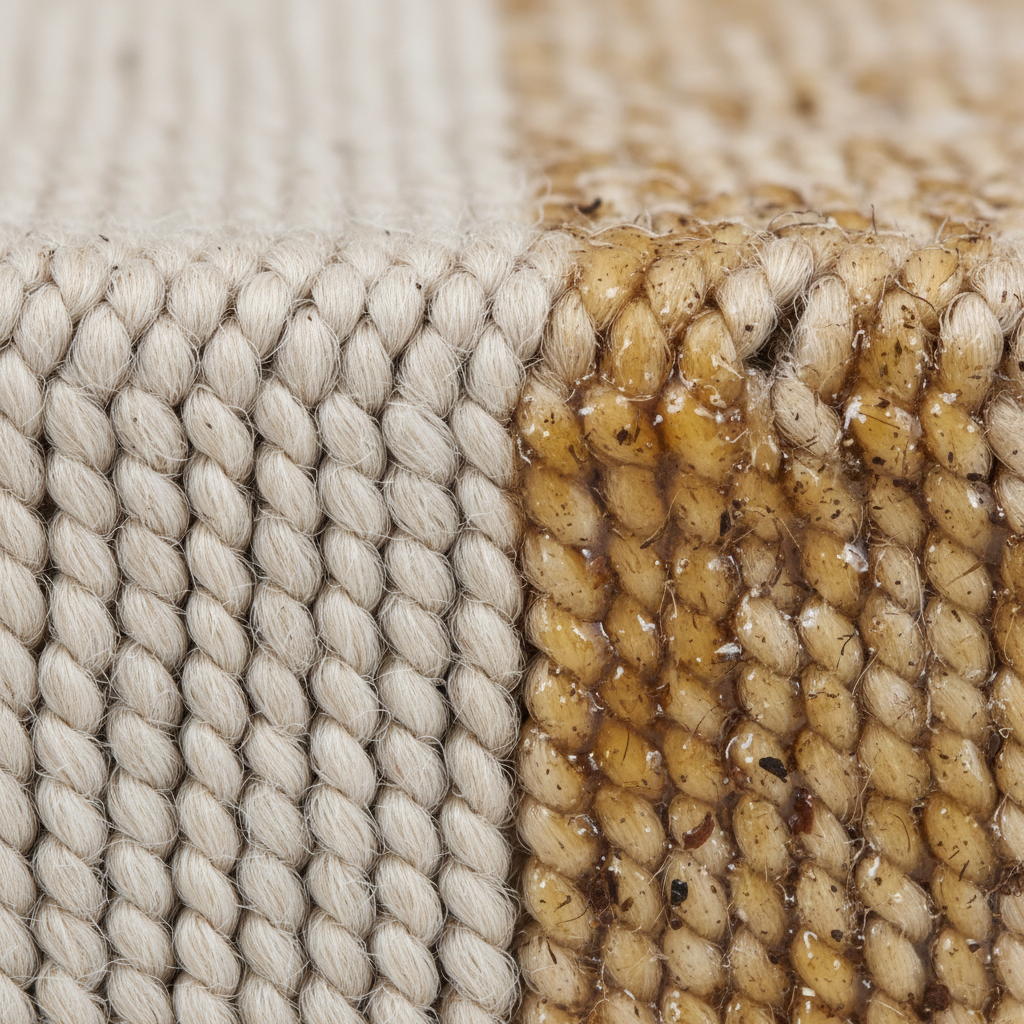
Ever vacuum a carpet and still think, “Why does this thing look dirty?” Yeah, I’ve been there. The vacuum’s not always the bad guy. A lot of the time, the real problem is a sticky film left behind by spills, foot traffic, or the wrong cleaning product. That film grabs onto fresh dirt like Velcro, and once it’s there, your carpet starts looking grimy again no matter how often you run the machine. The fix isn’t just sucking up loose debris — you’ve got to break down that residue.
The Problem
I’ve seen this a hundred times on job sites. Homeowners tell me, “I vacuum every week, but the carpet still looks awful.” And I get it. You do the work, but the room still looks tired. It’s like washing your truck and then noticing it’s hazy again before you’ve even put the hose away.
Usually, it’s not laziness and it’s not a busted vacuum. It’s that thin film sitting on the carpet fibers. That film can come from sugary drinks, cooking oils, pet dander, tracked-in dirt, and yep, even some carpet shampoos that leave soap behind. I pulled a carpet in Frisco last month that had exactly this kind of buildup in the hallway — looked clean at a glance, but under the light? No dice.
That residue is sneaky. It’s invisible to most folks, but it acts like a dirt magnet. Dust, pet hair, skin flakes — they stick to it and stay put. So you can vacuum all day long, but the bonded junk is still in there. That’s why high-traffic paths start looking like a muddy trail even when nobody’s tracked in fresh dirt for days.
How It Works
Think of carpet fibers like little trees in a patch of woods. When they’re clean, they stand up nice and tall, bounce light back, and look plush. Dirt, dust, and grit settle down between them. A decent vacuum uses suction and agitation (that beater bar doing its thing) to knock loose debris free and pull it into the bag or canister. That’s the easy part.
Then the trouble starts. Spill something sugary and the liquid dries, but the sticky stuff stays behind. Use a soap-heavy cleaner and, if it doesn’t get rinsed out all the way — which is tough with most home machines — it dries into a film. Same deal with oily cooking fumes and body oils from pets and people. Those residues attract moisture and particles, so they keep collecting grime.
Now you’ve got a microscopic layer of glue sitting on the fibers. When somebody walks across the room, or dust settles out of the air, that junk sticks right to it. The fibers get matted down and stop standing up straight. That changes how the carpet reflects light, so it looks darker and duller even if the loose surface dirt is gone. Why does it keep coming back so fast? Because you’re not just dealing with dirt — you’re dealing with a bond. And a vacuum alone isn’t going to break that.
Step-by-Step Fix
Alright, let’s get the carpet actually clean. This isn’t just a vacuum job. You’ve got to break down that sticky film and get it out.
-
Pre-Vacuum Thoroughly – Get the loose stuff out first. Before any moisture hits the carpet, pull out every bit of dry dirt, dust, and pet hair you can. Use a good vacuum with strong suction and a beater bar. Hit high-traffic areas more than once, and come at them from different directions. That step matters. Any loose debris left behind turns to mud once it gets wet, and then you’re making a bigger mess.
-
Spot Treat Stains – Handle the ugly spots first. Before you clean the whole area, knock out the visible stains. Use a carpet-safe spot remover. Put it on a clean cloth, then blot from the outside in. Don’t rub — you’ll just spread the stain and rough up the fibers. Let it sit for a few minutes, then blot it dry. For protein-based stains like food or pet accidents, an enzyme cleaner usually does the trick. Test it in a hidden spot first so you know it won’t mess with the color.
-
Mix Your Cleaning Solution – Keep it simple. For breaking down sticky residue without leaving more junk behind, I like a basic mix. Stir 1/4 cup of white vinegar into 1 gallon of warm water. If the carpet’s really dirty, you can add 1 tablespoon of liquid dish soap (Dawn is good – just a tiny bit, it’s concentrated!) to that vinegar mix, but you’ll need to rinse very well afterward. The vinegar helps with odors and cuts through some of that residue. If you’re using a rental machine or a home carpet cleaner, follow its directions for the cleaner tank, but I’d still lean toward your own vinegar mix if you want less residue left behind.
-
Test in an Inconspicuous Area – Don’t skip this. Before you go full send, find a hidden spot — inside a closet, under a couch, somewhere out of sight — and put a little of the solution there. Let it sit for 5-10 minutes, then blot it with a white cloth. Watch for color bleeding or any weird discoloration. If it holds, you’re good to keep going.
-
Apply Cleaning Solution (Don't Over-Wet!) – Light and even is the name of the game. If you’ve got a carpet cleaning machine (a "steam cleaner" or "extractor"), fill the solution tank with your mix. Move it slowly over a small section, forward and back, so the cleaner gets worked in. If you’re doing it by hand, use a spray bottle and mist the carpet lightly, or dip a clean scrub brush in the solution, wring it out, and work a small area. You want damp, not soaked. Over-wetting can cause mildew, brown spots, and damage to the backing. And once that backing gets hurt, that’s a whole different headache.
-
Agitate the Fibers – Loosen the bond. This is where you physically break that sticky layer free. If you’re using a machine, the brushes handle it. If you’re cleaning by hand, use a medium-bristle brush — a deck brush or a stiff utility brush works — and gently work the solution into the fibers. Use small overlapping sections. You’ll see the residue start to lift. Don’t attack it like you’re scrubbing concrete; you can damage the pile if you go too hard.
-
Extract or Blot the Solution – Get the dirty water out. If you’re using a machine, switch to the rinse/extraction cycle with plain warm water. Make several passes over the same area and pull up as much water as you can. Keep going until the extracted water looks clear. If you’re working by hand, grab clean dry white towels. Press them down firmly — step on them if you need to — to blot up the dirty solution. Swap towels out as they get filthy. This is the rinse stage, and it matters. You’ve got to get that residue-laced water out of the carpet.
-
Repeat as Needed – Don’t quit too early. For heavier traffic areas or sticky spots that’ve been there a while, you might need to run steps 5-7 again. You’ll know you’re getting somewhere when the water you’re pulling up starts looking cleaner and cleaner.
-
Speed Up Drying – Keep mildew out of the picture. Air movement is your friend here. Crack a few windows, turn on ceiling fans, or set portable fans so they blow across the damp carpet. Don’t walk on it until it’s fully dry, which can take anywhere from 6 to 24 hours depending on humidity and how wet it got. If you keep stepping on it while it’s damp, you’ll just push dirt right back in — and sometimes you’ll leave damage behind.
-
Final Vacuum – Fluff it back up. Once the carpet’s bone-dry, vacuum it one more time. That lifts the pile back up, makes it feel softer, and clears out any dried particles left on top. You’ll notice the difference right away.
Common Causes
- Spills and Stains: Sugary drinks, coffee, oily foods, pet accidents — all of that leaves behind sticky residue that grabs dirt. Even if you wipe the top clean, a lot of that junk works its way into the fibers.
- Improper Cleaning Products: A lot of store-bought carpet shampoos are soap-based and built to foam. If they don’t get rinsed out well — and that’s tough with most rental machines or small home units — they leave behind a sticky surfactant film that acts like a dirt magnet. I can
Related Articles
Keep troubleshooting with these hand-picked guides from FixlyGuide:
- The Scummy Secret: Why Your Bathtub Still Feels Grimy After Scrubbing — Don't let that lingering film ruin your relaxing soak. I'll show you why your bathtub feels grimy even after cleaning and how to get it tru…
- The Grimy Mystery: Why Your Garbage Disposal Stinks (Even After You Clean It) — If your garbage disposal still stinks after you've run all the usual home remedies, it's not you – it's likely a hidden build-up causing th…
- The Invisible Culprit Behind Your Cloudy Glasses (It Ain't Just Hard Water) — Ever pulled a supposedly clean glass from the dishwasher only to find it covered in a hazy, white film? It's not always hard water, and thi…
- That Peeling Caulk Around Your Sink? It’s a Sign of Bad Prep. — Don't just slap new caulk over old, failing caulk around your sink; learn the pro technique for proper adhesion and a long-lasting, waterti…
- The Caulk Joint Mystery: Why Your Shower Base Keeps Leaking (Even After Recaulking) — Discover why your shower base might still be leaking after recaulking, focusing on common missed spots and structural issues that caulk alo…
- The Invisible Film Making Your Bathroom Mirror Streaky – And How to See Clearly — Discover why your bathroom mirror always looks streaky, even after cleaning, and learn the pro trick to get a perfectly clear, fog-free ref…
What should this project cost?
Enter your project details for a realistic cost range before you call anyone.
Cost depends heavily on which system turns out to be the source.
- Regional adjustment
- National average
- Labor share (typical)
- ~$1,620
- Quotes to collect
- 3 written estimates
Educational estimate based on national averages — not a binding quote. Always confirm with written local estimates.
Get the print-ready PDF of this guide
A clean, ad-free, printable version you can keep on your phone or pin to the workshop wall. Free with a FixlyGuide account.
- Print-optimized layout
- Tools, materials & every step included
- Saved to your account
Recommended for DIYers & woodworkers
Sponsored
The Top 20 Tools for Workshops of Any Budget
No stationary machines or power tools required — plus 3 fundamental tools that can't be bought at any price.
Get the free guide
Ted's Woodworking — The #1 Woodworking Resource
Detailed instructions, dimensioned drawings, materials & cutting lists, and 3D schematics for every skill level.
See the plansSponsored: links above are affiliate links. FixlyGuide may earn a commission on qualifying purchases — at no extra cost to you.
Frequently asked questions
Why does my carpet still look dirty after I vacuum it?+
It's likely due to sticky residues from spills, cleaning products, or airborne oils that attract and trap new dirt deep within the fibers. Your vacuum removes loose dirt but leaves the sticky film that holds onto embedded grime.
What causes sticky residue in carpets?+
Common culprits include sugary spills, improperly rinsed soap-based carpet shampoos, cooking oils, pet dander, and general environmental pollutants. These residues create a bond with dirt particles, making them hard to remove with just a vacuum.
Can regular vacuuming make my carpet dirtier?+
Not directly, but if there's sticky residue present, vacuuming only removes the loose surface dirt. The underlying sticky film continues to attract new particles, making the carpet appear to re-soil faster than if it were truly clean.
Is white vinegar safe to use on carpets?+
Yes, white vinegar is generally safe for most carpets and effective at breaking down many types of residues and neutralizing odors. Always test in an inconspicuous area first to ensure colorfastness, especially on wool or delicate carpets.
How can I prevent my carpet from getting sticky residue?+
Immediately blot spills, use residue-free cleaning methods, vacuum regularly, and consider having your carpets professionally cleaned every 12-18 months. Using walk-off mats at entryways also helps reduce tracked-in grime.
How often should I deep clean my carpets?+
For most homes, deep cleaning (using an extractor or professional service) every 12 to 18 months is a good baseline. High-traffic areas or homes with pets/children might benefit from more frequent cleaning, perhaps every 6-9 months.
What's the difference between a steam cleaner and a carpet extractor?+
Most consumer 'steam cleaners' are actually hot water extractors that spray a cleaning solution and immediately vacuum it up. True steam cleaners use high-temperature steam without chemicals, which can be great for sanitizing but less effective for deep-seated sticky dirt removal.
Can I use dish soap to clean my carpets?+
You can use a *tiny* amount of clear, dye-free liquid dish soap (like Dawn) mixed with water for tough spots, but be extremely careful. Dish soap is designed to create suds and can leave a very sticky residue if not rinsed out almost perfectly, which is hard to do with home equipment.
Discussion
Loading comments…