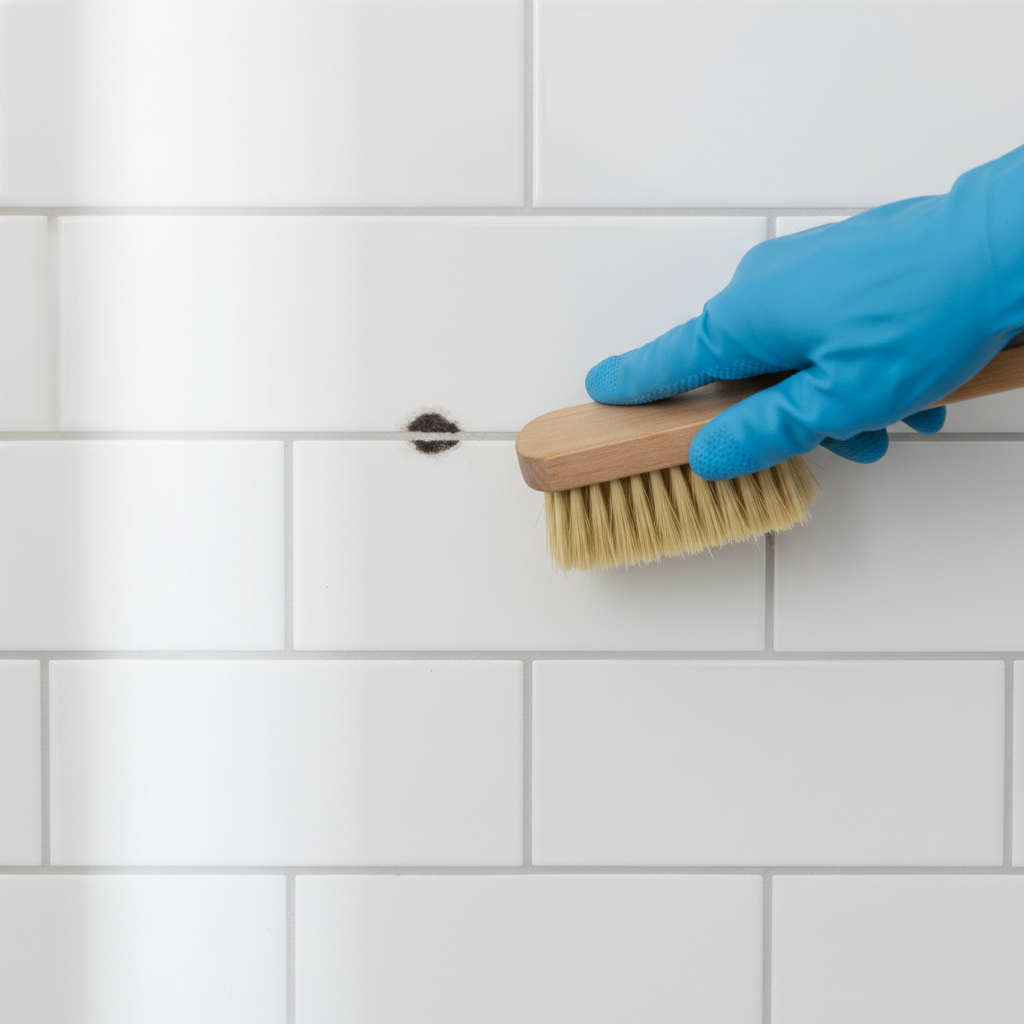
- Poor Ventilation: This is the big one. If your bathroom doesn’t dry out fast after a shower, you’ve built a perfect little breeding ground. Run the fan for at least 20 minutes post-shower.
- Porous Grout: Unsealed or poorly sealed grout drinks up moisture like a sponge. That’s prime real estate for mold.
- Soap Scum & Residue: Those organic leftovers feed mold and mildew. If you’re not cleaning regularly, you’re basically feeding the problem.
- Leaky Pipes or Fixtures: Sometimes the moisture isn’t even coming from the shower itself. A hidden leak behind the wall can keep grout wet all the time.
- Infrequent Cleaning: Let soap scum and moisture build up for weeks and you’re rolling out the welcome mat for fungal growth.
Published September 1, 2026Last updated September 1, 2026
Tools & materials you'll need
Affiliate linksAs an Amazon Associate FixlyGuide earns from qualifying purchases — at no extra cost to you. Prices and availability are accurate as of publication and subject to change.
Quick Answer
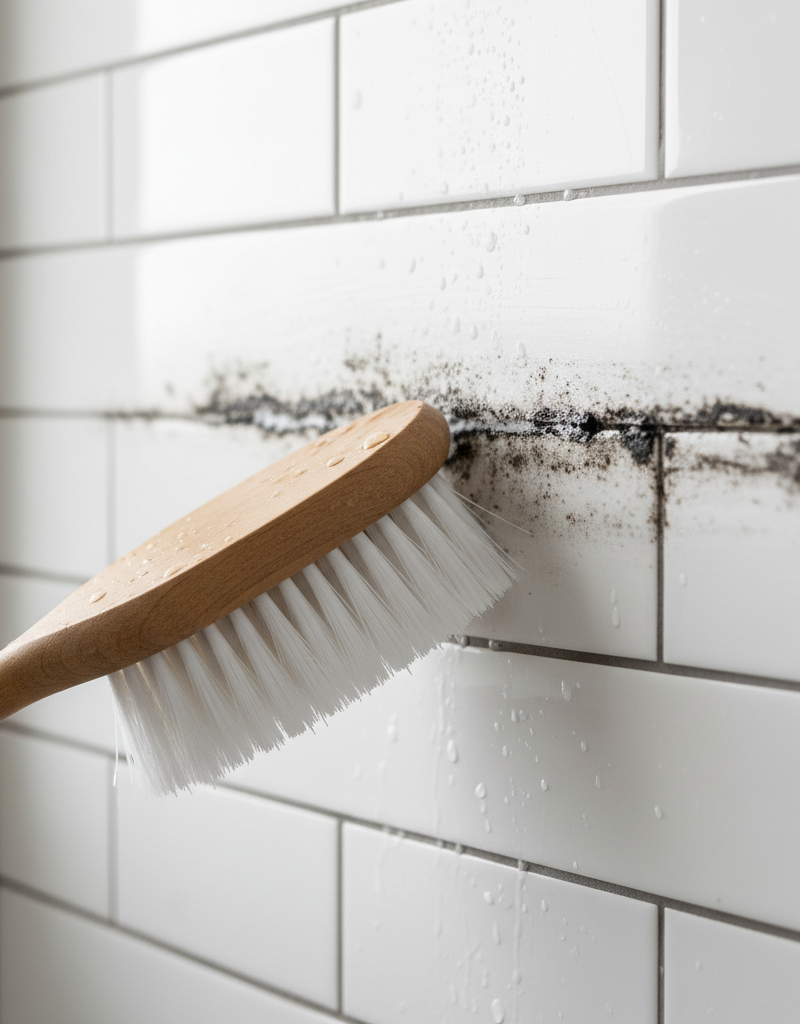
That nasty black gunk you're seeing in your shower grout? It's usually mildew or mold, microscopic fungi that love warm, wet, humid bathrooms. Soap alone won't kill it. You’ve got to hit it with the right antimicrobial cleaner. Once it’s dead, you can clean it out and then set things up so it doesn’t keep coming back.
The Problem
Alright, let’s talk straight about that black stuff. I’ve seen it in hundreds of bathrooms, from shiny new builds to old houses that had more stories than the people living in them. It pops up in those skinny lines between the tiles, and it can make a clean shower look flat-out dirty. Most folks go after it with regular shower cleaner, then wonder why it just smears around or shows back up a week later. That’s because you’re not just cleaning grime — you’re dealing with a living organism. Mold and mildew don’t just look bad either; they can drag down indoor air quality, and some people are sensitive to the spores, which can trigger respiratory issues.
How It Works
Think of your shower like a little greenhouse for these microscopic pests. Mold and mildew spores are floating around all the time. They just need moisture, something to feed on, and the right temperature to get going. Grout lines, especially sanded grout, are porous. They soak up water after you shower like a sponge. Then you’ve got skin cells, soap scum, and shampoo residue hanging out in those tiny cracks and edges — that’s a buffet. Hot showers crank the whole thing up even more. The fungi send out roots, called hyphae, into the grout, which is why wiping the surface won’t cut it. You’re leaving the main body behind, and it’s ready to grow right back. Bleach or hydrogen peroxide works by breaking down the cellular structure of those fungi and killing them at the source. Good ventilation — a solid exhaust fan or even cracking a window — helps by drying the shower fast and cutting off the moisture they need. No water, no party.
Step-by-Step Fix
I’ve killed more mildew than I care to count, and I’ve learned what works the hard way. I pulled a shower apart in Frisco last month that had exactly this leak-looking grime in the grout, and the homeowner had been scrubbing it for months with no dice. Here’s the method I use. Safety first — you’re working with chemicals here.
-
Prep the Area — Clear everything out and make room to work. Pull out all the shower clutter before you start — shampoo bottles, loofahs, sponges, all of it. You want the area wide open. Get the bathroom moving air too; crack a window, run the exhaust fan, and if you’ve got a box fan, point it out the door. Don’t skip that part. You’ll thank yourself later.
-
Protect Yourself — Gloves and goggles, no excuses. I’ve had bleach splash back and sting my eyes, and that’s a bad time. Wear rubber gloves and safety goggles. An old long-sleeved shirt and pants don’t hurt either. You don’t want this stuff on your skin or clothes.
-
Choose Your Weapon — Bleach or Hydrogen Peroxide: pick your poison. For bad black mold, a 1:1 solution of household bleach (5.25% sodium hypochlorite) and water is usually my first move. Mix it in a spray bottle or a small bowl. If you don’t want bleach around, or you’re working with colored grout, hydrogen peroxide (3%) is a gentler option that still gets the job done. You can use it straight from the bottle. Never mix bleach with anything but water — especially not ammonia-based cleaners like Windex, or you’ll make toxic gas. I had a guy once in Canton, Ohio, try to whip up his own “super cleaner” with bleach and toilet bowl cleaner; he ended up in the ER with chemical burns. Not worth it. Not even close.
-
Apply the Cleaner — Get it right on the gunk. If you’re using the bleach mix, spray or dab it right onto the stained grout lines. Don’t just fog the area; you want the grout soaked. With hydrogen peroxide, use a spray bottle, a sponge, or even cotton balls pressed onto the grout lines. You want good contact time. If the mess is really stubborn, oxygen bleach powder with a little water can be mixed into a paste and spread right on there.
-
Let it Dwell — Give it time to work. This is where people get impatient and mess it up. Let the bleach solution sit for at least 15-20 minutes, and up to an hour if the spots are really stubborn. Hydrogen peroxide may need a little longer, around 30-45 minutes. A lot of times you’ll see the black start to fade before you even grab a brush. Don’t let it dry out completely; hit it again if you need to keep the grout wet with cleaner.
-
Scrub it Out — Elbow grease makes the difference. Now you go to work. Use a stiff-bristled scrub brush or an old toothbrush. Push the cleaner into the grout lines with some real pressure. You’ll see the last of that junk loosen and lift out. For tight little corners, an old utility knife or screwdriver can carefully scrape out the deepest, darkest bits, but go easy — you don’t want to chip the tile or chew up the grout.
-
Rinse Thoroughly — Wash all that crud away. After scrubbing, rinse the whole shower with clean water. Make sure every bit of cleaner residue and loosened gunk goes down the drain. You don’t want leftover chemical smell, and you definitely don’t want slick spots under your feet.
-
Dry It Out — Don’t let it settle back in. Once you’re done rinsing, dry the walls and floor as best you can. Use an old towel, a squeegee, or, if you’re feeling extra motivated, a leaf blower — kidding, mostly. The quicker it dries, the less chance new spores have to land and start growing again.
-
Consider Sealing (Optional but Recommended) — Protect the work you just did. Once the grout is clean and dry, think about putting on a grout sealer. That gives you a barrier that helps repel water and makes the grout less porous, so mold and mildew have a harder time grabbing on. Follow the manufacturer’s instructions for application and reapplication intervals, which is usually every 6-12 months.
Common Causes
- Poor Ventilation: This is the big one. If your bathroom doesn’t dry out fast after a shower, you’ve built a perfect little breeding ground. Run the fan for at least 20 minutes post-shower.
- Porous Grout: Unsealed or poorly sealed grout drinks up moisture like a sponge. That’s prime real estate for mold.
- Soap Scum & Residue: Those organic leftovers feed mold and mildew. If you’re not cleaning regularly, you’re basically feeding the problem.
- Leaky Pipes or Fixtures: Sometimes the moisture isn’t even coming from the shower itself. A hidden leak behind the wall can keep grout wet all the time.
- Infrequent Cleaning: Let soap scum and moisture build up for weeks and you’re rolling out the welcome mat for fungal growth.
Common Mistakes
- Scrubbing without Killing: If you just scrub with a brush and plain water or mild soap, you’re not killing the mold. You’re just moving it around and fooling yourself.
- Mixing Chemicals: Never, ever mix bleach with ammonia, vinegar, or other cleaners. The fumes can be deadly. Stick with one product at a time, or bleach and water only.
- Ignoring Ventilation: Thinking one cleaning will make it stay gone without fixing the moisture problem is wishful thinking. You’ve got to dry that bathroom out.
- Not Letting it Dwell: Spraying a cleaner and immediately scrubbing usually doesn’t do much. The chemical needs time to break down the mold and mildew. Give it 15-30 minutes, minimum.
- Using Abrasive Tools: A stiff brush is fine, but don’t attack your grout with steel wool or some aggressive wire brush. You can wreck the grout and make it even more porous, which just invites the problem back.
- Forgetting Grout Sealer: Skipping sealing after a deep clean leaves your grout exposed. It
Related Articles
Keep troubleshooting with these hand-picked guides from FixlyGuide:
- The Black Gunk in Your Grout Isn't Just Dirt — And How to Erase It — Tired of scrubbing at discolored grout only to have it reappear? That black gunk isn’t just surface dirt; it’s often mold or mildew. Learn…
- The Mystery Smell: Why Your Fridge Stinks (Even After Cleaning It) — That persistent, foul odor in your refrigerator isn't just gross; it's often a sign of hidden issues. Learn the real culprits behind linger…
- The Rusty Ring In Your Toilet? It's Not Just Ugly, It's a Symptom. — Stubborn rust rings in your toilet bowl are an eyesore and a sign of hard water or corroded pipes, but you can remove them with the right a…
- The Caulk Stain That Won't Quit: Why Your Shower Stays Grimy — Is that stubborn, discolored caulk making your clean shower look perpetually dirty? It's not just surface grime; it's often mold or mildew,…
- The Grimy Cloud: Why Your Glass Shower Doors Won't Sparkle — Tired of scrubbing your glass shower doors only for them to remain cloudy and grimy? I'll show you why those hard water stains and soap scu…
- That Mildew Smell in Your Washer? Here’s the Real Reason — Is a musty odor taking over your laundry room? That mildew smell from your washing machine isn't just unpleasant—it's a sign of a deeper pr…
Should you do this yourself?
Answer five quick questions before you start. Safety outranks savings every time.
Your experience with work like this
How high do you have to work?
Does the job involve any of these?
Will it need a permit?
Specialty tools
Free and instant. Educational guidance only — not a quote, inspection, or professional diagnosis.
What should this project cost?
Enter your project details for a realistic cost range before you call anyone.
Mid-range remodels commonly $12,000–$22,000; small repairs often under $600.
- Regional adjustment
- National average
- Labor share (typical)
- ~$5,603
- Quotes to collect
- 3 written estimates
Educational estimate based on national averages — not a binding quote. Always confirm with written local estimates.
Before you start
Check the difficulty, permits, and safety risk — then decide whether to call a pro.
- Estimate this projectGet a cost range for your scope and ZIP before you call anyone.Open
- Get local estimatesSend one request and compare written estimates from vetted pros.Open
Free, no signup required. Estimates are educational guidance, not a quote or an inspection.
Get the print-ready PDF of this guide
A clean, ad-free, printable version you can keep on your phone or pin to the workshop wall. Free with a FixlyGuide account.
- Print-optimized layout
- Tools, materials & every step included
- Saved to your account
Frequently asked questions
What is the black stuff in my shower grout?+
That black gunk is almost always mildew or mold, which are types of fungi that thrive in damp, warm environments. They feed on soap scum and skin cells, taking root in porous grout lines.
Is black mold in the shower dangerous?+
While most common shower mold is mildew and generally not highly toxic, prolonged exposure can exacerbate allergies or respiratory issues in sensitive individuals. It's best to remove it for health and hygiene reasons.
Can I use vinegar to clean black grout?+
Vinegar can be effective for lighter mold and mildew, especially on non-porous surfaces. However, for stubborn black growth in grout, stronger agents like bleach or hydrogen peroxide are often more effective at killing the roots.
How often should I clean my shower grout?+
For prevention, a light cleaning with a mild cleaner and squeegeeing after each shower helps. For deeper cleaning to prevent black growth, aim for at least once a month, with a deep scrub using an antimicrobial cleaner every 2-3 months.
Will painting over mold kill it?+
No, painting over mold does not kill it. The mold will continue to grow beneath the paint, eventually reappearing and potentially causing structural damage or health issues. Always kill and remove mold completely before painting.
Can I prevent black grout without harsh chemicals?+
Yes, prevention is key. Focus on excellent ventilation, squeegeeing the shower after each use, and regularly cleaning with natural mold inhibitors like tea tree oil solutions. Sealing grout also helps tremendously.
How long does grout sealer last?+
The longevity of grout sealer varies by product and shower usage, but generally, it lasts anywhere from 6 months to 3 years. It's a good practice to reapply it annually or whenever you notice water soaking into the grout again.
Why does my grout turn black so quickly after cleaning?+
If it returns quickly, it's likely the mold wasn't fully killed, or the underlying moisture issue persists. Ensure proper ventilation, use a strong anti-fungal cleaner that dwells long enough, and consider sealing your grout to prevent rapid recurrence.

Discussion
Loading comments…