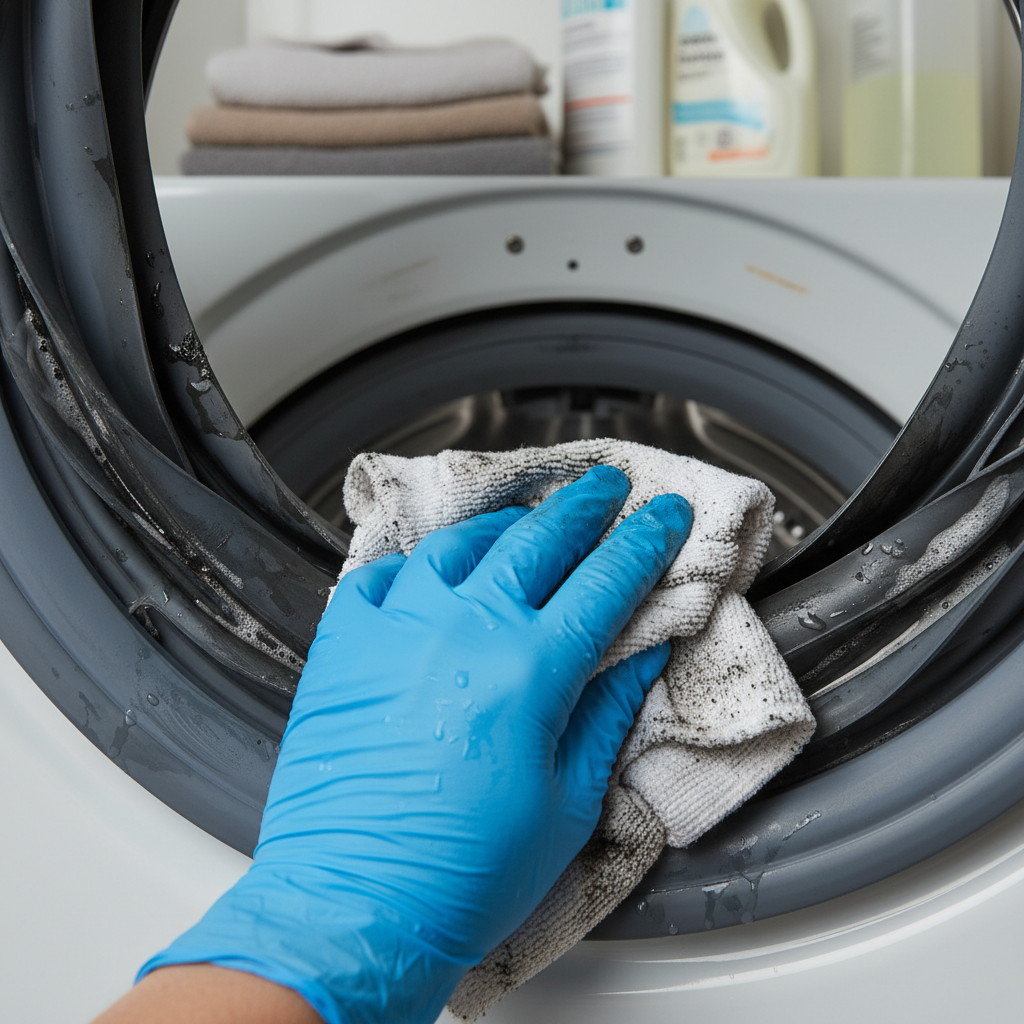
- Trapped Moisture: The airtight rubber door seal is the primary culprit, trapping water in the drum and gasket folds after each cycle.
- Excessive Detergent/Softener: Using more than the recommended amount of HE detergent, or using non-HE detergent, creates a residue that microbes feed on.
- Low-Temperature Washes: Constantly washing in cold water saves energy but fails to kill or inhibit mold and bacteria, allowing them to proliferate.
- Shutting the Door: Closing the washer door immediately after a cycle seals in the humidity, creating a perfect breeding ground.
- Clogged Drain Filter: A filter clogged with lint and debris can prevent the machine from draining completely, leaving stagnant, smelly water at the bottom.
HVAC · High energy usage
| Project category | HVAC |
|---|---|
| Problem type | High energy usage |
| Trade required | HVAC |
| Urgency | Planned project |
| Safety risk | Low safety risk |
| DIY suitability | DIY for experienced homeowners |
| Cost category | High cost |
| Typical timeline | Assessment within weeks; replacement planned off-season |
| Contractor type | Licensed HVAC technician |
Repair option
Duct sealing, insulation, and a tune-up before touching the equipment.
Replacement option
High-efficiency replacement sized by a load calculation, not a rule of thumb.
Common causes
- Aging, low-efficiency equipment
- Leaking ducts losing conditioned air
- Insufficient attic insulation
- Oversized system short-cycling
Relevant tools:project cost estimatorrepair or replace
Published June 15, 2026Last updated August 17, 2026
Tools & materials you'll need
Affiliate links- AmazonMicrofiber Cloths3 · At least 3: one for cleaning, one for rinsing, one for drying.
- AmazonRubber Gloves1 pair · To protect your hands from mold and cleaners.
- AmazonOld Toothbrush or Small Scrub Brush1 · For cleaning the gasket and dispenser.
- AmazonShallow Pan or Tray1 · To catch water from the drain pump filter.
- AmazonOld Towels2 · To place under the drain pump to absorb water.
As an Amazon Associate FixlyGuide earns from qualifying purchases — at no extra cost to you. Prices and availability are accurate as of publication and subject to change.
Quick Answer
Your front-load washer smells because of a buildup of mold, mildew, and bacteria feeding on detergent residue, body oils, and fabric lint inside the warm, moist, airtight environment. The fix is a two-part deep cleaning: physically scrubbing the rubber gasket and detergent dispenser, then running two separate hot cleaning cycles through the drum—one with vinegar and baking soda, and another with a machine cleaning tablet.
The Problem
You invested in a high-efficiency (HE), front-loading washing machine. It uses less water, it's gentler on clothes, and it looks sleek in your laundry room. But it has a dirty, smelly secret. A persistent, musty odor, sometimes smelling like a damp basement or even rotten eggs, has begun to emanate from the drum. It might be faint at first, but soon it's unmistakable. You might notice your "clean" laundry doesn't smell fresh anymore; it carries a faint, mildewed taint. This isn't just unpleasant—it's an airborne announcement that a thriving ecosystem of fungus and bacteria has taken up residence in your appliance.
The very design features that make your washer efficient are the primary culprits. The airtight door seal, crucial for preventing water from leaking out, also traps moisture inside. Combined with the lower water volumes of HE cycles and the often-reduced temperatures of modern "eco" washes, you have a perfect petri dish. This article provides a comprehensive, expert-level diagnostic and cleaning routine that will not just mask the odor, but eradicate the source of the mildew infestation for good.
How It Works
The swampy smell in your front-loader is the result of microbial volatile organic compounds (MVOCs), which are off-gases produced by a living biofilm. This biofilm is a slimy, complex colony of mold, mildew (a specific type of surface-level mold), and bacteria. Understanding how it forms is key to defeating it.
-
The Environment: A front-loader’s drum is a sealed environment. When a wash cycle ends, residual water clings to the drum, the dispenser, and most importantly, inside the folds of the rubber door gasket (also called a bellow). This trapped moisture is the foundation for microbial growth.
-
The Food Source: Microbes need food to thrive. In your washer, they feast on a rich buffet. This includes body soil, skin cells, and hair from your clothes. However, the most significant food source is often an overabundance of laundry detergent and fabric softener. Non-HE detergents or even just using too much HE detergent creates excessive suds that the low-water rinse cycles can't fully wash away. This leaves behind a sticky residue of surfactants, cellulase, and other organic compounds—a veritable banquet for bacteria.
-
The Resulting Biofilm: Over weeks and months, this combination of moisture and food allows the microbes to form a self-sustaining biofilm. It coats the unseen parts of the inner drum, the detergent dispenser, the drainpipe, and most visibly, the rubber gasket. This is the gray or black, slimy, and incredibly smelly substance you might find when you peel back the gasket. It’s this living colony that releases the foul-smelling gases and can redeposit spores onto your laundry, defeating the purpose of washing them.
Our cleaning plan attacks this problem on all three fronts: manual removal of the visible biofilm, chemical dissolution of the unseen grime in the drum, and a long-term prevention strategy.
Step-by-Step Fix
This is a methodical, two-hour deep cleaning process. Follow the steps in order to ensure you eliminate the problem at its source. Always work in a well-ventilated area.
Safety Note: Wear rubber gloves to protect your hands from cleaning agents and direct contact with mildew. Never mix bleach with other cleaners, especially ammonia or vinegar, as this can create toxic chlorine gas.
-
Gasket Inspection & Initial Wipe — Begin by opening the washer door fully. Using a microfiber cloth, carefully peel back the gray rubber door gasket, inspecting the crevice between the seal and the drum. You will likely find a combination of hair, lint, and a slimy, possibly black or gray, film. Do an initial dry wipe to remove any loose debris.
-
Mix Your Gasket Cleaner — In a small bowl or spray bottle, create a solution of equal parts white vinegar and warm water. This solution is acidic enough to start breaking down the mildew and soap scum without being so harsh that it damages the rubber gasket over time. For extremely stubborn, visible mold spots, you can make a paste of baking soda and a few drops of water.
-
Scrub the Gasket Thoroughly — Dip a microfiber cloth or an old toothbrush into your vinegar solution. Systematically work your way around the entire gasket, folding it back to clean deep inside the crevice. Apply firm pressure to scrub away all traces of the slimy biofilm. Apply the baking soda paste to any persistent spots and let it sit for 5-10 minutes before scrubbing again. When finished, use a clean, damp cloth to wipe away all residue, then dry it completely with a final cloth.
-
Deep Clean the Dispenser Drawer — Slide the detergent dispenser drawer out as far as it will go. Look for a release tab or button (often labeled "PUSH") on the back or underside of the drawer. Press it and pull the entire drawer assembly out of the machine. Take it to a sink and disassemble it into its component parts (the liquid bleach cup, softener tray, etc.). Use hot water and a bottle brush to scrub away the caked-on detergent and slimy buildup in every nook and cranny. Soak heavily soiled parts in your vinegar/water solution for 15 minutes before scrubbing. Dry all parts thoroughly.
-
Clean the Dispenser Housing — Before replacing the drawer, use your toothbrush and vinegar solution to clean inside the cavity where the drawer sits. Mold and gunk often build up on the "ceiling" of this cavity, where water jets spray down. Wipe it clean and dry with a cloth.
-
Initiate the First Cleaning Cycle — Now, attack the inner drum. Add 1/2 cup of baking soda directly into the empty washing machine drum. The baking soda acts as a gentle abrasive to scrub the interior and helps neutralize odors. Pour 2 cups of distilled white vinegar into the detergent dispenser drawer where you would normally put liquid detergent. Reinsert the clean and dry drawer.
-
Run the Hottest, Longest Cycle — Set your washing machine to its hottest and largest-load setting. Many modern washers have a dedicated "Tub Clean," "Sanitize," or "Clean Washer" cycle; use this if available. If not, choose the "Whites" or "Stains" setting with an extra rinse on the highest temperature setting (ideally 140°F / 60°C or higher). The combination of vinegar’s acidity and the hot water will dissolve mineral deposits and kill a significant portion of the remaining mildew and bacteria.
-
Initiate the Second Cleaning Cycle — One cycle is good, but two is better for a full reset. After the vinegar cycle is complete, place one commercial washing machine cleaning tablet (like Affresh or Tide Washing Machine Cleaner) into the empty drum. Run a second "Tub Clean" or hot cycle. These tablets are formulated with powerful surfactants and oxygen-based bleaching agents that break down residue the vinegar might have missed.
-
Clean the Drain Pump Filter — This is a critical and often-neglected step. Locate the small access door on the bottom-front of your washer. Place a shallow pan and a thick towel on the floor in front of it. Open the door. You'll see a round cap and possibly a small drain hose. Unclip the small hose first, point it into the pan, and unstop it to drain the residual water. Then, slowly and carefully twist the large filter cap counter-clockwise. Be prepared for more water to come out. Once removed, clean the filter of all trapped lint, hair, coins, and gunk. Wipe out the inside of the filter housing before screwing the filter back in securely.
-
Final Dry Down — Once all cleaning cycles are complete, use a clean, dry microfiber cloth to wipe down the inside of the drum, the inside of the door glass, and the gasket one last time. Leave the door and the detergent dispenser drawer wide open to allow air to circulate and evaporate every last bit of moisture.
Common Causes
- Trapped Moisture: The airtight rubber door seal is the primary culprit, trapping water in the drum and gasket folds after each cycle.
- Excessive Detergent/Softener: Using more than the recommended amount of HE detergent, or using non-HE detergent, creates a residue that microbes feed on.
- Low-Temperature Washes: Constantly washing in cold water saves energy but fails to kill or inhibit mold and bacteria, allowing them to proliferate.
- Shutting the Door: Closing the washer door immediately after a cycle seals in the humidity, creating a perfect breeding ground.
- Clogged Drain Filter: A filter clogged with lint and debris can prevent the machine from draining completely, leaving stagnant, smelly water at the bottom.
Common Mistakes
- Using Bleach Recklessly: While chlorine bleach can kill mold, regular use can degrade the rubber gasket, causing it to become brittle and fail. It also doesn't penetrate biofilm as effectively as targeted cleaners.
- Ignoring the Dispenser Drawer: The dispenser drawer and its housing are major hotspots for mold growth and are often overlooked during cleaning.
- Forgetting the Drain Pump Filter: Failing to clean the filter allows a pocket of stagnant, debris-filled water to fester at the bottom of your machine, creating a constant source of odor.
- Adding More Soap: Trying to mask the smell with more fragrant detergent or softener only adds more food for the biofilm, making the problem worse in the long run.
- Not Wiping the Gasket: A quick wipe of the gasket and door glass after the last wash of the day takes 15 seconds and is the single most effective prevention habit.
- Never Running a Hot Cycle: Exclusively using cold water washes allows the microbial ecosystem to grow completely unchecked.
Cost & Time Breakdown
This is a premier DIY task. The costs are minimal and the time is mostly passive as you wait for cycles to complete. A professional call is generally for diagnostics or when cleaning fails.
| Task | DIY Cost | Pro Cost | Time Commitment |
|---|---|---|---|
| Supplies Acquisition | $5 - $20 | N/A | 20 minutes |
| Gasket & Dispenser Scrub | $0 | N/A | 20-30 minutes |
| Vinegar/Baking Soda Cycle | (Included in supplies) | N/A | 60-90 minutes (passive) |
| Machine Cleaner Cycle | (Included in supplies) | N/A | 60-90 minutes (passive) |
| Drain Pump Filter Clean | $0 | N/A | 10 minutes |
| Totals | $5 - $20 | $125 - $250 | ~2.5 hours |
Tips & Prevention
- Leave It Open: After your final load, always leave the washer door and the detergent dispenser drawer ajar to promote air circulation and dry out the machine.
- Dose Detergent Properly: Use a high-quality HE detergent and measure it precisely according to the manufacturer's instructions for your load size. For most loads, this is only 1-2 tablespoons.
- Wipe it Down: Perform a quick wipe of the rubber gasket and the inside of the door with a dry cloth after you're done with laundry for the day.
- Run a Monthly Maintenance Clean: At least once a month, run an empty "Tub Clean" cycle with a washing machine cleaner tablet to keep biofilm from ever establishing a foothold.
- Use Warm and Hot Water: Don't wash all loads in cold water. Use hot water for towels, bedding, and whites to regularly kill off microbes in the machine.
- Clean the Filter Quarterly: Make a calendar appointment to check and clean your drain pump filter every three months to ensure proper drainage.
When to Call a Professional
While this comprehensive cleaning solves the problem 99% of the time, there are situations where you need to call an appliance repair professional. If the foul odor persists even after performing this deep clean twice, it could indicate a more severe issue. The biofilm may have penetrated deep into non-serviceable parts, like the outer tub or drain lines, which may require partial disassembly of the machine to clean. Furthermore, if you find the drain pump filter is impossible to remove, if the machine is leaking water, or if you suspect a blockage further down the drain line that you cannot access, it's time to stop and call for service. A professional can diagnose and fix underlying mechanical issues, such as a failing drain pump or a compromised seal, that cleaning alone will not resolve. The average service call fee is between $125 and $250, which includes a diagnosis and sometimes a minor repair.
What should this project cost?
Enter your project details for a realistic cost range before you call anyone.
Cost depends heavily on which system turns out to be the source.
- Regional adjustment
- National average
- Labor share (typical)
- ~$1,620
- Quotes to collect
- 3 written estimates
Educational estimate based on national averages — not a binding quote. Always confirm with written local estimates.
Get the print-ready PDF of this guide
A clean, ad-free, printable version you can keep on your phone or pin to the workshop wall. Free with a FixlyGuide account.
- Print-optimized layout
- Tools, materials & every step included
- Saved to your account
Frequently asked questions
Is the black stuff in my washer gasket mold or mildew?+
Mildew is a type of mold. The term 'mildew' usually refers to the flat, powdery, or downy mold growth you see on surfaces. If you see black, slimy buildup in your gasket, it's a well-established mold colony (biofilm). Both are fungi and should be removed with the same cleaning process for health and odor reasons.
Can I just use bleach to kill the washer mold?+
While a small amount of bleach can be used in a maintenance cycle, it's not the best solution for a deep clean. Bleach can degrade the rubber gasket over time, causing it to crack. Furthermore, it's less effective at breaking down the entire soap-scum and lint biofilm compared to a multi-pronged attack with vinegar, baking soda, and a dedicated machine cleaner.
How often should I be deep cleaning my front-load washer?+
You should perform this entire deep cleaning routine whenever you notice a smell returning, or proactively every 6 months. For monthly maintenance, run an empty hot cycle with a machine cleaner tablet and wipe the gasket down weekly. The drain pump filter should be checked and cleaned quarterly.
Will using vinegar make my clothes smell like a salad?+
No. The amount of vinegar used is relatively small compared to the volume of water in the rinse cycle. The machine's final rinses will completely wash away any lingering vinegar scent, leaving the machine simply smelling neutral and clean.


Discussion
Loading comments…