- Poor Ventilation: Inadequate airflow, especially in kitchens and bathrooms, allows grease and moisture to settle and build up on surfaces, leading to sticky films and mold/mildew growth.
- HVAC Neglect: Your heating, ventilation, and air conditioning (HVAC) system is the respiratory system of your home. A dirty filter recirculates dust, pollen, pet dander, and other allergens, depositing them on every surface.
- Cooking Byproducts: Aerosolized oils from cooking travel farther than you think, settling on cabinets, walls, and even the ceiling, creating a sticky magnet for dust particles.
- Humidity & Moisture: High humidity levels, whether from showering, cooking, or your climate, create an ideal environment for dust mites, mold, and mildew to thrive, especially in porous surfaces and hidden crevices.
Published June 15, 2026Last updated August 17, 2026
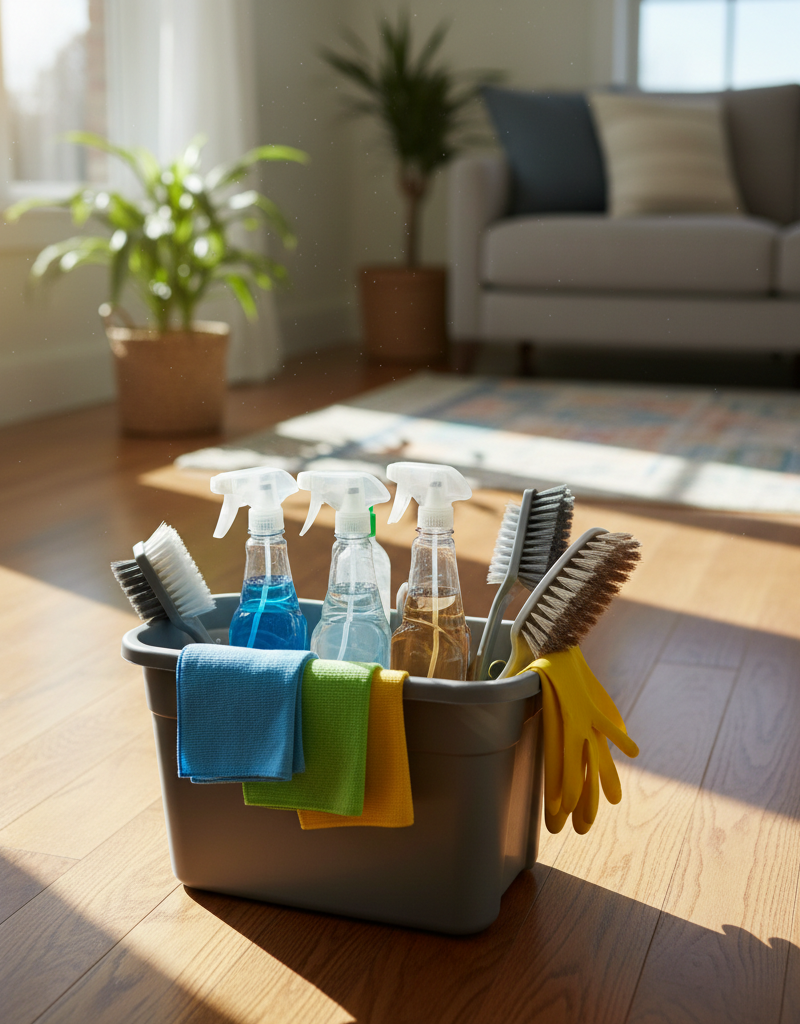
Tools & materials you'll need
Affiliate links- AmazonExtendable Duster
As an Amazon Associate FixlyGuide earns from qualifying purchases — at no extra cost to you. Prices and availability are accurate as of publication and subject to change.
Quick Answer
A quarterly whole-house deep clean goes beyond routine tidying by focusing on neglected areas where dust, allergens, and grime accumulate. This systematic approach involves cleaning from top to bottom, addressing everything from light fixtures and ceiling fans down to baseboards and appliance interiors, ensuring a healthier and truly clean living environment.
The Problem
You vacuum every week. You wipe down the counters daily. You even have a schedule for cleaning the bathrooms. From all visible angles, your house looks clean. So why does it still feel... murky? Why do you find yourself sneezing in the "clean" living room, or notice a faint, persistent odor you can't quite trace? The problem isn't your daily or weekly routine; it's what lies beyond it. The real issue is the slow, insidious buildup of grime in the dozens of places your vacuum cleaner can't reach and your regular wipes don't touch.
We're talking about the greasy film on top of your kitchen cabinets, the thick layer of dust on your ceiling fan blades, the colony of crumbs living inside your oven, and the lint-clogged arteries of your dryer vent. This is the forgotten grime—the stuff that impacts your home's air quality, degrades its surfaces, and harbors allergens and bacteria. A standard cleaning routine is designed for maintenance, not for deep restoration. It’s like mowing the lawn but never dethatching or aerating the soil. Over time, the underlying health of your home environment deteriorates. This hidden dirt is what makes a seemingly clean house feel stuffy, smell off, and look dull. It’s the reason your allergies might be acting up indoors and why your appliances may be running less efficiently. This quarterly deep clean is the solution to that problem.
How It Works
The principle behind a quarterly deep clean is methodical, top-to-bottom, and room-by-room restoration. It works by systematically removing accumulated soil, dust, grease, and allergens from every surface, not just the obvious ones. The "top-to-bottom" strategy is crucial: you start with the highest points in a room (ceiling fixtures, corners) and work your way down to the floor. This ensures that any dislodged dust and debris are captured in the final floor cleaning, preventing the frustrating cycle of cleaning a surface only to have it soiled again from above.
This process is different from regular cleaning in its intensity and scope. Instead of a quick wipe, you’re often scrubbing, degreasing, and descaling. Instead of just cleaning around furniture, you’re moving it to clean behind and underneath it. This approach targets the three main types of hidden household soil: airborne grease and dust that settles on high, flat surfaces; particulate matter (like pet dander, pollen, and dust mites) that gets trapped in textiles and crevices; and caked-on grime that builds up from moisture and use, like soap scum in the bathroom or baked-on food in the kitchen. By dedicating a full day each quarter to this intensive process, you reset your home's baseline of cleanliness, improve indoor air quality by removing a massive load of allergens, and even extend the life of your appliances and finishes by removing corrosive buildup.
Step-by-Step Fix
SAFETY FIRST: Before you begin, ensure your cleaning area is well-ventilated by opening windows. Wear protective gloves, especially when handling potent cleaners or dealing with heavy grime. Never mix cleaning products, particularly bleach and ammonia, as this can create toxic chlorine gas. Always test a new cleaning solution on a small, inconspicuous area of the surface first.
1. The Declutter & Prep — Before any cleaning can commence, do a full-house declutter. Grab a laundry basket and a trash bag. Move through every room, putting away items that are out of place and discarding trash. Strip all beds and gather all linens, towels, and curtains that you plan to wash. This creates a clear and accessible workspace for the deep clean.
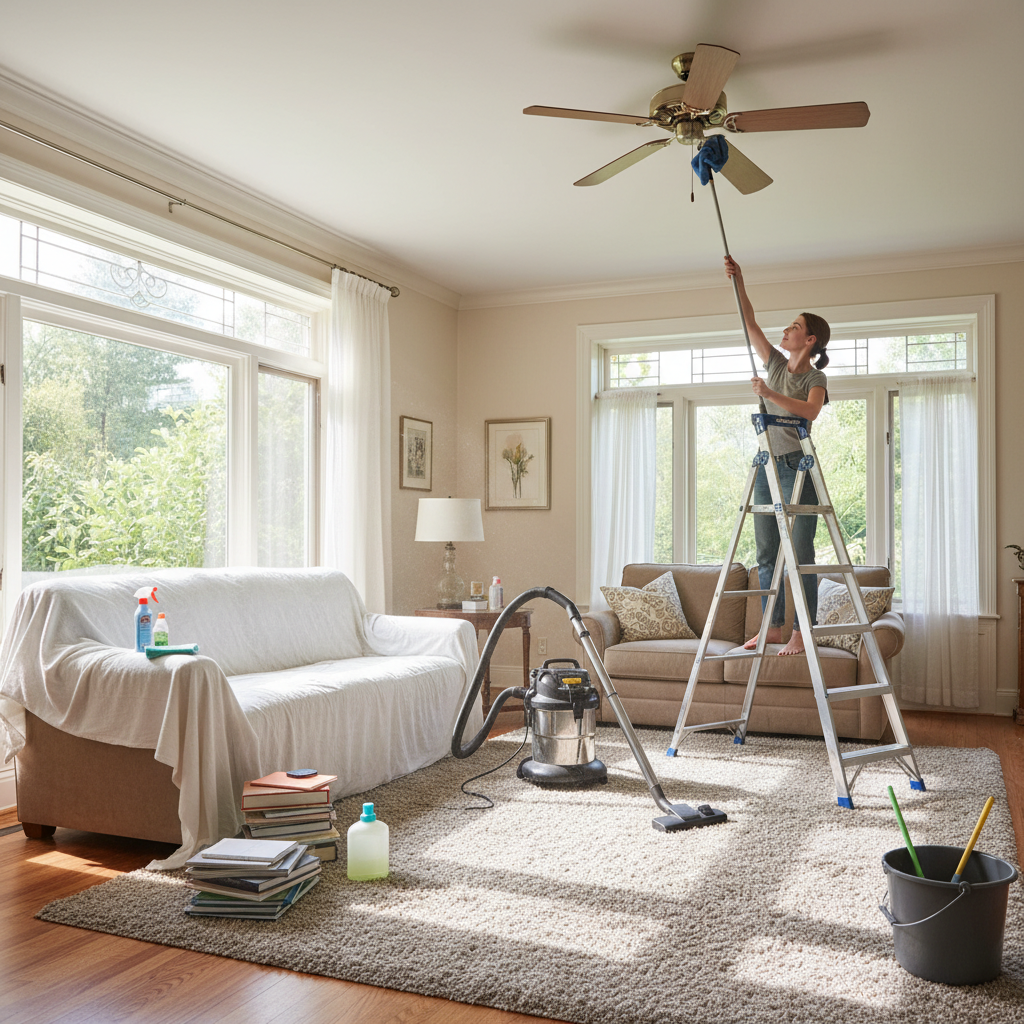
2. Top-Down Dusting Offensive — Start at the highest point in each room. Use an extendable duster with a microfiber head to clean ceiling corners, light fixtures, and ceiling fan blades (turn them off first!). Work your way down, dusting the tops of door and window frames, curtain rods, and tall furniture like bookshelves and cabinets. This ensures you’re not knocking dust onto already-cleaned surfaces.
3. Window & Wall Treatment — Wipe down walls and switch plates with a damp microfiber cloth and a mild all-purpose cleaner. For windows, spray a quality glass cleaner onto a microfiber cloth (not directly on the glass, to prevent drips) and wipe in a "Z" pattern, followed by a dry cloth for a streak-free shine. Use a vacuum with a brush attachment to clean window screens and sills.
4. Upholstery & Curtain Refresh — Use your vacuum’s upholstery attachment to thoroughly clean all fabric surfaces. Go over sofas, chairs, and mattresses, making sure to get into the crevices where crumbs and dust hide. If your curtains are machine washable, take them down and start a load of laundry. For non-washable curtains, a thorough vacuuming or steam cleaning will do the trick.
5. Kitchen Appliance Purge — This is a major focus. Start by cleaning the inside of your microwave: heat a bowl of water and vinegar for 2-3 minutes, then let it sit for another 5 to steam-loosen grime before wiping. For the oven, use a dedicated oven cleaner (follow safety instructions precisely, ensuring ventilation) or a paste of baking soda and water left overnight. Pull your refrigerator out from the wall to vacuum the coils and clean the floor underneath. Inside, remove all shelves and drawers, wash them in warm, soapy water, and wipe down the interior before replacing.
6. Bathroom Deep Scrub — Tackle the toughest room. Spray a grout and tile cleaner on the shower walls and floor and let it sit. Meanwhile, pour a toilet bowl cleaner into the toilet. Scrub the shower and tub vigorously, paying special attention to grout lines. Use a descaling agent on showerheads and faucets to remove mineral buildup. Scrub the toilet bowl and wipe down the entire exterior, including the base and behind the seat. Don't forget to clean the exhaust fan cover.
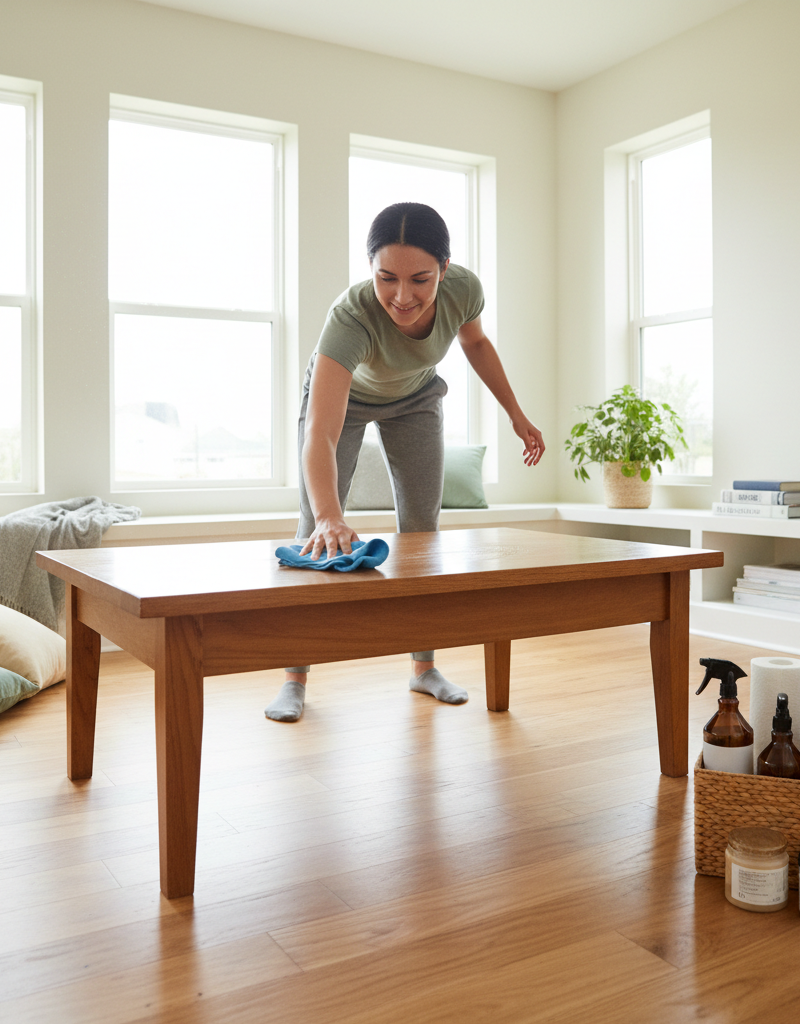
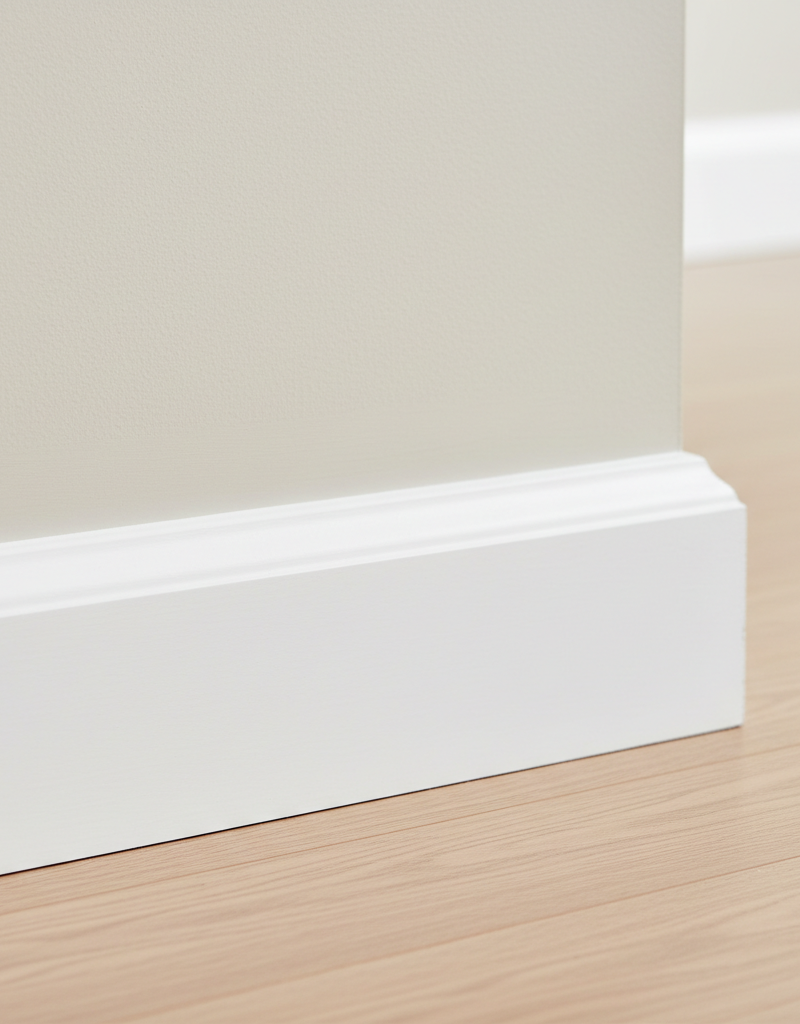
7. The Wood & Hard Surfaces Detail — Go through your home and wipe down all hard surfaces with the appropriate cleaner. For wood furniture, use a wood-specific cleaner or polish to not only clean but also condition the surface. Don't forget baseboards, windowsills, and banisters—these are notorious dust magnets. A magic eraser can be highly effective on scuffed baseboards.
8. Floor Finale — The final and most satisfying step. After all the dust from above has settled, it's time for the floors. Vacuum all carpets and rugs thoroughly. If you have a carpet cleaner, this is the perfect time to use it for a truly deep clean. For hard floors, vacuum first to remove all debris, then mop with a solution appropriate for your flooring type (e.g., pH-neutral cleaner for hardwood, vinegar and water for tile).
Common Causes
The grime you're tackling in a quarterly clean doesn't appear overnight. It's a gradual accumulation from everyday life, often accelerated by a few key factors:
- Poor Ventilation: Inadequate airflow, especially in kitchens and bathrooms, allows grease and moisture to settle and build up on surfaces, leading to sticky films and mold/mildew growth.
- HVAC Neglect: Your heating, ventilation, and air conditioning (HVAC) system is the respiratory system of your home. A dirty filter recirculates dust, pollen, pet dander, and other allergens, depositing them on every surface.
- Cooking Byproducts: Aerosolized oils from cooking travel farther than you think, settling on cabinets, walls, and even the ceiling, creating a sticky magnet for dust particles.
- Humidity & Moisture: High humidity levels, whether from showering, cooking, or your climate, create an ideal environment for dust mites, mold, and mildew to thrive, especially in porous surfaces and hidden crevices.
- Skipping the "Small Stuff": Ignoring baseboards, the tops of cabinets, or the dusty undersides of furniture during weekly cleans allows these areas to become reservoirs of dirt that continuously contribute to the overall soil load of the house.
Common Mistakes
Even with the best intentions, a deep clean can be derailed by a few common errors. Avoiding these will make your efforts far more effective:
- Cleaning from the Bottom Up: The most frequent mistake. If you mop the floors and then dust the ceiling fans, you'll have to clean the floors all over again. Always work from top to bottom in every single room.
- Using the Wrong Cleaners: Applying an acidic cleaner to natural stone or a harsh abrasive on stainless steel can cause permanent damage. Always use cleaners designed for the specific material you are working on.
- Not Letting Cleaners Work: Many degreasers, descalers, and disinfectants need "dwell time" to break down grime. Spraying and immediately wiping is often ineffective. Read the label and give the product the recommended time to do its job.
- Forgetting to Clean Your Tools: Starting a deep clean with a dirty vacuum filter, a grimy mop head, or a saturated microfiber cloth just moves dirt from one place to another. A clean home starts with clean tools.
- Ignoring a Final Rinse: On many surfaces, especially in the kitchen and bathroom, failing to rinse with clean water after using a powerful cleaner can leave behind a chemical residue that attracts dirt even faster than before.
- Rushing the Job: A quarterly deep clean is a marathon, not a sprint. Trying to complete the entire house in just a few hours will lead to cut corners and missed spots. Allocate a full day and approach it methodically.
Cost & Time Breakdown
This budget assumes you own a vacuum. Costs are primarily for consumable cleaning supplies. A professional service will bring their own supplies and equipment.
| Task | DIY Cost | Pro Cost | Time |
|---|---|---|---|
| Supplies Acquisition | $50 - $100 | Included | 30 mins |
| Full House Dusting & Wiping | $0 | $150 - $250 | 2 - 3 hours |
| Kitchen Appliance Deep Clean | $0 | $100 - $150 | 1.5 - 2 hours |
| Bathroom Deep Scrub | $0 | $100 - $150 | 1.5 - 2 hours |
| Window & Wall Cleaning | $0 | $75 - $125 | 1 - 1.5 hours |
| Floor Cleaning (Vacuum & Mop) | $0 | $100 - $175 | 1 - 2 hours |
| Totals | $50 - $100 | $525 - $850 | 7 - 12 hours |
Tips & Prevention
Make your next quarterly clean easier with these maintenance strategies:
- Invest in Better Air Filtration: Use high-quality HVAC filters (MERV 11 or higher) and change them quarterly. Consider adding standalone air purifiers with HEPA filters in high-traffic areas and bedrooms to continuously capture airborne dust and allergens.
- Use Exhaust Fans Religiously: Run your kitchen exhaust fan every time you cook (not just when you burn something) and your bathroom fan during and for 20 minutes after every shower. This drastically reduces grease and moisture buildup.
- Wipe Down High-Grease Zones Weekly: Do a quick weekly wipe-down of the backsplash behind your stove and the top of your microwave. This prevents the grease from baking on and becoming a major scrubbing job later.
- Implement a "No Shoes Inside" Policy: A significant amount of dirt and contaminants are tracked in on the soles of shoes. Placing shoe racks at entryways and having house slippers available can cut down on floor grit dramatically.
- Keep a Duster Handy: Keep a long-handled duster in an accessible closet. On a weekly basis, do a quick 5-minute pass over the tops of doorframes, picture frames, and ceiling fan blades. This "dust maintenance" prevents heavy accumulation.
When to Call a Professional
While a DIY quarterly deep clean is manageable for most homeowners, there are specific situations where calling in a professional cleaning service is the smarter, safer, and more effective choice. If you are dealing with significant mold growth (beyond a small patch of surface mildew in the shower), it’s crucial to hire a mold remediation specialist to address the issue at its source and prevent it from spreading. Similarly, if your home has been affected by a fire, flood, or has had long-term tenants with smoking or pets, a professional restoration cleaning service has the specialized equipment, like ozone generators and thermal foggers, to properly remove stubborn odors and contaminants that regular cleaning can't touch. If you have extremely high ceilings or delicate, hard-to-reach fixtures, the pros have the right ladders, scaffolding, and insurance to do the job safely. Finally, if you simply lack the time or physical ability to dedicate a full day or two to such an intensive task, a professional service can achieve in hours what might take you a weekend, delivering consistent, high-quality results. The cost is an investment in your time, safety, and a guaranteed level of clean.
Your seasonal maintenance checklist
The small jobs that prevent the expensive repairs. Tick them off — progress saves on this device.
Free, no signup. Skip anything that requires roof access or working near live electrical.
What should this project cost?
Enter your project details for a realistic cost range before you call anyone.
Cost depends heavily on which system turns out to be the source.
- Regional adjustment
- National average
- Labor share (typical)
- ~$1,620
- Quotes to collect
- 3 written estimates
Educational estimate based on national averages — not a binding quote. Always confirm with written local estimates.
Stay ahead of the next repair
Turn this guide into a schedule you will actually follow.
- Is this a safe DIY job?Check permits, tools, and risk before you start the steps below.Open
- Estimate this projectGet a cost range for your scope and ZIP before you call anyone.Open
Free, no signup required. Estimates are educational guidance, not a quote or an inspection.
Frequently asked questions
How is a quarterly deep clean different from a spring clean?+
Think of them as very similar, but with a different frequency. A "spring clean" is traditionally an annual event. A quarterly deep clean breaks that massive job into four more manageable, but equally thorough, cleaning sessions throughout the year. This prevents the extreme buildup that a single annual clean has to tackle.
Can I really deep clean my whole house in one day?+
For an average-sized home (under 2,500 sq ft), yes, if you are focused and methodical. Larger homes may require a full weekend. The key is to not get sidetracked. Follow the step-by-step process, room by room, top to bottom. If you're short on time, you can split the checklist, perhaps tackling upstairs one day and downstairs the next.
Is it worth renting professional equipment like a carpet cleaner?+
Absolutely. For a quarterly clean, renting a professional-grade carpet cleaner ($30-$60 per day) will provide a much deeper clean than most consumer-grade models. It extracts more water, which means faster drying times, and removes significantly more embedded dirt and allergens, making it a worthwhile investment four times a year.
What are the most commonly forgotten spots in a deep clean?+
The most overlooked areas are almost always out of direct sightline. These include: the tops of kitchen cabinets and the refrigerator, behind the toilet, the inside of wastebaskets, light fixtures, ceiling fan blades, baseboards (especially the tops), and the coils behind the refrigerator.
Discussion
Loading comments…