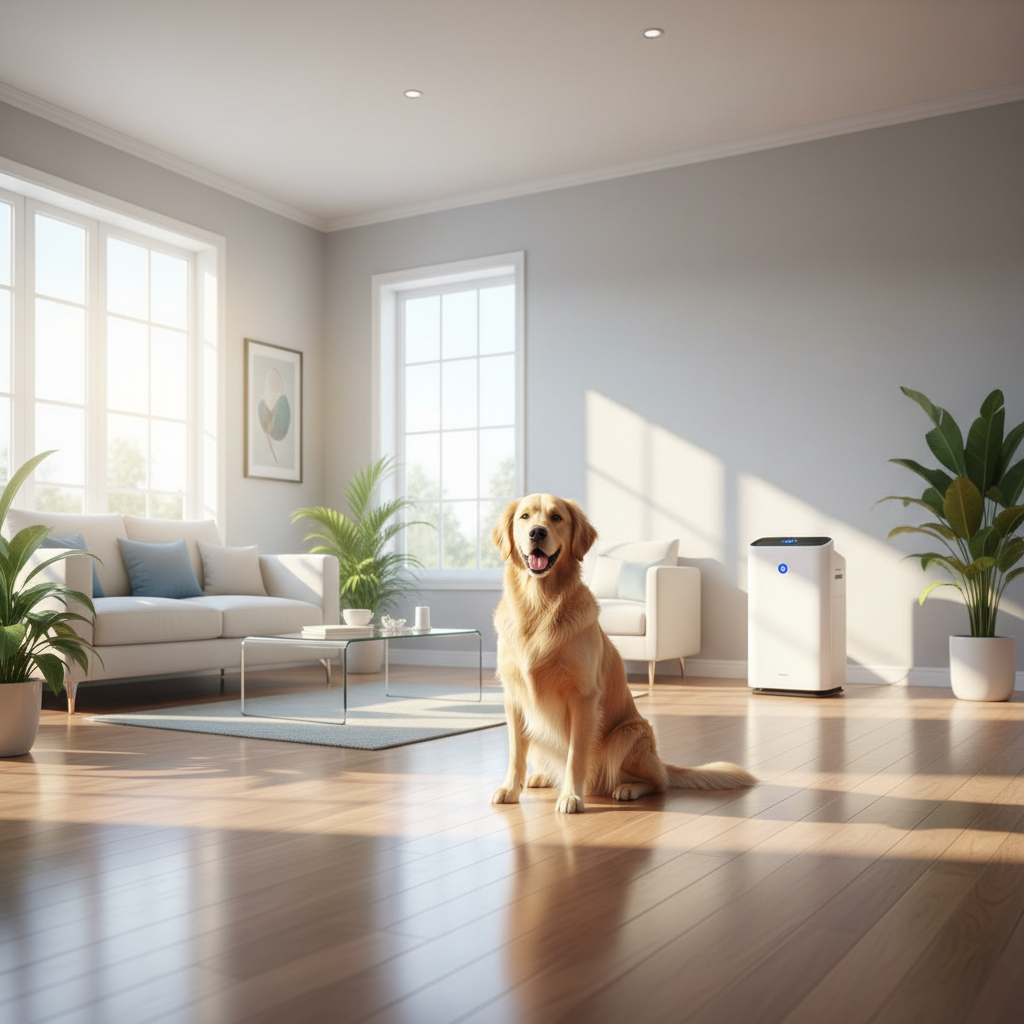
- HEPA-filter Vacuum: Non-negotiable. A model with attachments for upholstery and crevices is essential.
- HEPA Air Purifier: To capture airborne particles stirred up during cleaning.
- Carpet Cleaner or Steam Cleaner (Optional but Recommended): For deep extraction from carpets and upholstery.
- Spray Bottles (2-3): For DIY cleaning solutions.
- Microfiber Cloths (10-12): The only dusting cloth you should use.
Published June 3, 2026Last updated August 17, 2026
Tools & materials you'll need
Affiliate links- AmazonNature's Miracle Advanced Stain and Odor EliminatorEnzymatic cleaner for pet-specific biological stains.
- AmazonKrud Kutter Original Cleaner/DegreaserA powerful degreaser to remove the grime that traps dander.
- AmazonFolex Instant Carpet Spot RemoverExcellent for spot-treating upholstery and carpet stains.
- AmazonOxiClean Versatile Stain RemoverAdd to laundry to help break down organic allergens on fabrics.
As an Amazon Associate FixlyGuide earns from qualifying purchases — at no extra cost to you. Prices and availability are accurate as of publication and subject to change.
'''
Quick Answer
To deep clean a home for pet allergies, you must capture and remove microscopic dander, not just visible hair. Start by washing all fabrics, then work from top-to-bottom: damp-dust high surfaces, use a HEPA-filter vacuum on everything (including upholstery and walls), spot-treat stains with an enzymatic cleaner like Nature's Miracle, and finish by mopping hard floors. Running a HEPA air purifier during and after cleaning is crucial for capturing airborne allergens.
Why This Works
That persistent sniffle, itchy eyes, and nagging cough aren't caused by your pet's fur. The true culprit is dander—a microscopic cocktail of dead skin flakes, dried saliva, and urine proteins. For allergy sufferers, specific proteins like Fel d 1 from cats and Can f 1 from dogs are potent triggers. These particles are incredibly small (often under 10 microns), lightweight, and have a jagged shape, allowing them to cling to surfaces and remain airborne for hours.
This deep-cleaning strategy is built on a multi-pronged attack that addresses the chemical and physical nature of these allergens.
-
Mechanical Removal & Filtration: Simply wiping a dry cloth around only aerosolizes dander. We use damp microfiber cloths because the fibers have a natural positive charge that attracts and traps negatively charged dust and dander. More importantly, we mandate a HEPA (High-Efficiency Particulate Air) filter in your vacuum and air purifiers. A true HEPA filter is certified to capture 99.97% of particles as small as 0.3 microns. This is the only reliable way to physically remove the nearly-invisible dander from your carpets, upholstery, and air without simply redistributing it.
-
Enzymatic Breakdown: Pet stains from urine or saliva aren’t just unsightly; they are concentrated sources of allergens. An enzymatic cleaner (like Rocco & Roxie Stain & Odor Eliminator or Nature's Miracle) doesn't just mask odors. It releases specific enzymes (proteases, amylases) that act as catalysts to break down the complex proteins, lipids, and starches in the bio-waste into smaller, water-soluble molecules. This neutralizes the source of both the smell and the allergic reaction.
-
Surfactant-Based Cleaning: For greasy, stuck-on grime and body oils (which dander sticks to), we use powerful surfactants. Products like Krud Kutter or a few drops of Dawn dish soap in water work by reducing the surface tension of water. Their molecules have a water-loving (hydrophilic) head and an oil-loving (lipophilic) tail. The tail attaches to the greasy soil, and the head pulls it off the surface and into the cleaning solution, allowing it to be wiped away.
By combining HEPA filtration to trap particles, enzymes to destroy protein allergens, and surfactants to lift away the grime they cling to, this method systematically removes allergens from every level of your home—air, surfaces, and deep within fibers.
What You Need
Tools:
- HEPA-filter Vacuum: Non-negotiable. A model with attachments for upholstery and crevices is essential.
- HEPA Air Purifier: To capture airborne particles stirred up during cleaning.
- Carpet Cleaner or Steam Cleaner (Optional but Recommended): For deep extraction from carpets and upholstery.
- Spray Bottles (2-3): For DIY cleaning solutions.
- Microfiber Cloths (10-12): The only dusting cloth you should use.
- Scrub Brushes: Stiff for tile, softer for upholstery.
- Mop and Bucket: Choose a mop style appropriate for your flooring.
- N95 or KN95 Masks: To protect yourself from inhaling allergens during cleaning.
- Rubber or Nitrile Gloves: To protect your skin from cleaners and grime.
Materials:
- Enzymatic Cleaner: Nature's Miracle Advanced Stain and Odor Eliminator or Rocco & Roxie Supply Co. Professional Strength.
- Multi-Surface Cleaner: Krud Kutter Original Cleaner/Degreaser for greasy buildup or a simple solution of 1 tsp. Dawn Dish Soap per gallon of warm water for general cleaning.
- Upholstery & Carpet Cleaner Solution: Folex Instant Carpet Spot Remover for spot treatments, or a dedicated solution for your machine if using a carpet cleaner.
- Laundry Detergent: A high-quality, preferably unscented detergent.
- OxiClean Versatile Stain Remover: Uses sodium percarbonate to release oxygen, brightening fabrics and breaking down organic stains.
- White Vinegar & Water (1:1 Ratio): For cleaning some hard surfaces, but NEVER mix with bleach or hydrogen peroxide.
Step-by-Step Method
-
Gear Up and Ventilate — Before you start, open windows in the rooms you're cleaning to ensure good airflow. Put on your N95 mask and gloves. This is critical to prevent inhaling the very allergens you're trying to remove.
-
Strip All Fabrics — Systematically gather all washable textiles. This includes bedding, pet bed covers, couch cushion covers (if removable), curtains, and any throw blankets or pillows. Start a load of laundry immediately with hot water (if fabric allows), your regular detergent, and a scoop of OxiClean to help break down allergens.
-
Clear and Declutter — Remove all items from floors, tables, and shelves in the room you're starting with. This "clean slate" approach ensures you can access every surface without just moving dust around. Place items in a different room or a cleared-off hallway.
-
Top-Down Dusting — Gravity is your guide. Start with the highest points in the room. Dampen a microfiber cloth with water or your multi-surface cleaner. Wipe down ceiling fan blades, light fixtures, the tops of bookshelves, window casings, and picture frames. The damp cloth traps dander instead of sending it airborne.
-
First HEPA Vacuum Pass: Fabrics & Upholstery — Before touching the floors, use your HEPA vacuum's attachment tools. Thoroughly vacuum all fabric surfaces you couldn't put in the wash: couches, chairs, fabric lampshades, and even the mattress. Use the crevice tool to get deep into seams and corners where dander accumulates.
-
Treat Biological Stains and Odors — Now, address any specific pet stains on carpet or upholstery. Liberally spray your enzymatic cleaner (like Rocco & Roxie) directly onto the spot until it's saturated. Let it sit for the manufacturer-recommended dwell time, often 30-60 minutes. This gives the enzymes time to work. Blot with a clean cloth afterward; do not rub.
-
Deep Clean Carpets and Floors — If you have a carpet cleaner, now is the time to use it according to the manufacturer's directions. For stubborn spots, Folex can be used as a pre-treatment. If you have hard floors, it's time to mop. Use a cleaner appropriate for your surface (e.g., a pH-neutral cleaner for natural stone; a 1:1 vinegar-water solution for some vinyl or tile). Work your way out of the room.
-
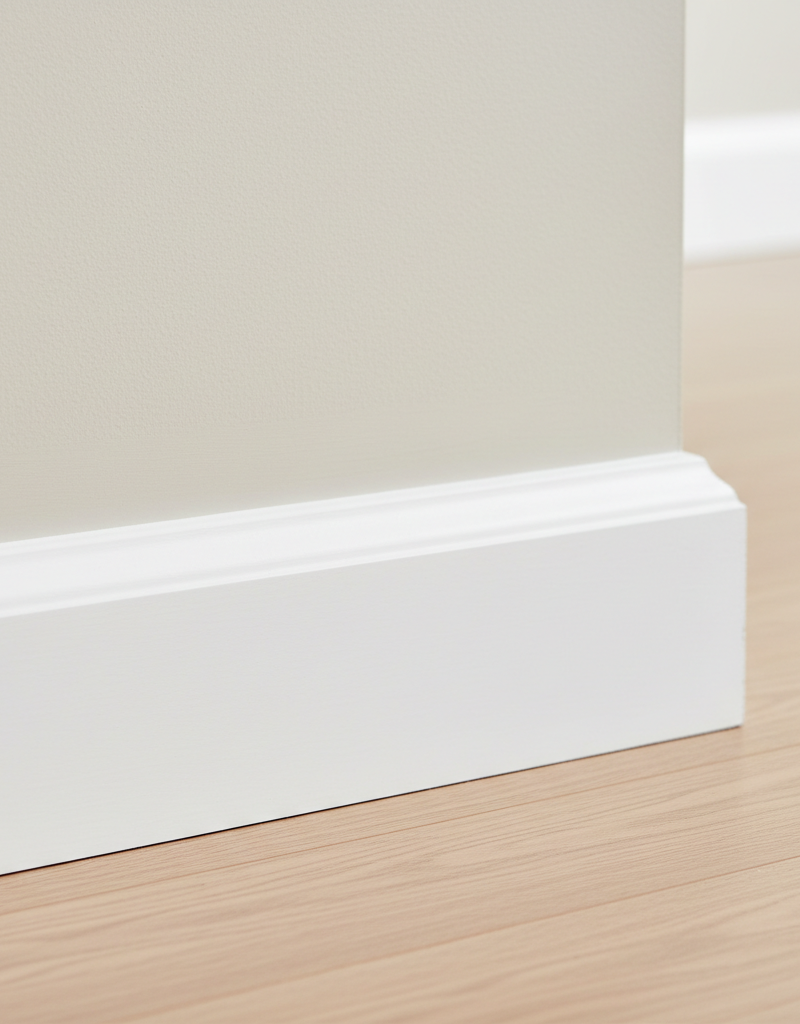
Wipe Down All Hard Surfaces — Switch to a clean, damp microfiber cloth. Spray your cleaner (Krud Kutter is excellent for breaking down the greasy film that traps dander) onto the cloth, not the surface. Wipe down every hard surface: baseboards, window sills, shelves, tables, chair legs, and even walls and doors. Walls are a frequently missed reservoir for dander.
-
The Final HEPA Vacuum — After all the dusting, wiping, and cleaning, particles will have settled on the floor. Now, perform your final, meticulous vacuuming. For carpets, go slowly in overlapping rows in two directions (north-south, then east-west) to lift the carpet pile and extract deeply embedded dander. Use the appropriate attachment for hard floors.
-
Filter Maintenance and Air Purification — Congratulations, the room is clean. Now, keep the air that way. Replace your home's HVAC filter with a fresh, high-MERV rated one (MERV 11-13 is a good target). Turn your HEPA air purifier on to its highest setting and leave it running in the center of the room with the doors and windows closed for several hours to capture any remaining airborne particles.
Common Mistakes
- Using a Non-HEPA Vacuum: This is the most common mistake. Standard vacuums just spew the microscopic dander particles back into the air through their exhaust, making allergies worse.
- Dry Dusting: Using a feather duster or dry cloth simply flings dander and dust into the air. Always use a damp microfiber cloth to trap particles.
- Ignoring a Top-to-Bottom Workflow: Vacuuming the floor before dusting the ceiling fan means you'll just have to vacuum again. Work with gravity, not against it.
- Forgetting to Wash "Pet" Items: Pet beds, soft toys, and blankets are ground zero for dander. They must be washed in hot water weekly.
- Using Harsh Fragranced Chemicals: Overly scented cleaners can be irritants themselves and can trigger respiratory issues, mimicking allergy symptoms. Stick to unscented or low-fragrance options.
- Neglecting Walls and Baseboards: Dander clings to vertical surfaces. Wiping down walls and baseboards is a critical step for a true deep clean.
Cost & Time Breakdown
This breakdown assumes you are starting from scratch and need to buy primary tools.
| Task | DIY Cost Estimate | Professional Cost Estimate | Time Estimate (1,500 sq ft home) |
|---|---|---|---|
| Initial Tool/Material Purchase | $300 - $800+ | N/A | 1-2 hours (shopping) |
| Deep Cleaning (DIY) | $30 - $50 (supplies) | $400 - $700+ | 8 - 12 hours |
| Carpet & Upholstery Cleaning | $100 (rental) or $200+ (buy) | $250 - $400 | 4 - 6 hours |
| HVAC Filter Replacement | $20 - $40 | Included in some services | 10 minutes |
| Professional Air Duct Cleaning | N/A | $450 - $1,000 | N/A |
Note: DIY costs are highly variable based on tools already owned. Professional costs can vary significantly by location and home size.
Prevention & Maintenance
An allergy deep clean is intense. The key is to prevent rapid re-accumulation.
- Run HEPA Air Purifiers 24/7: Set your air purifier to a low, quiet speed and let it run continuously in the bedroom and main living area.
- Groom Your Pet Regularly: Brushing your pet (ideally outdoors or in a well-ventilated space) removes loose fur and dander before it can spread through the house.
- Weekly "Hot Spot" Cleaning: Once a week, wash all pet bedding and your own bedding in hot water. Do a thorough HEPA vacuuming of carpets and furniture your pet frequents.
- Establish Pet-Free Zones: Making the primary allergy sufferer's bedroom a strict "no-pets-allowed" zone provides an eight-hour allergen-free sanctuary each night.
- Upgrade Your Filters: Use a high-MERV (11-13) filter in your HVAC system and change it every 60-90 days, not just when it looks dirty.
- Choose Hard Surfaces: When it's time to renovate or redecorate, opt for hard flooring like hardwood, laminate, or tile over wall-to-wall carpeting. Choose leather or wood furniture over plush upholstery.
When to Call a Professional
While this DIY method is highly effective, there are times when calling in professionals is the best course of action. If the allergy sufferer in your home experiences severe, asthmatic, or unrelenting symptoms, a professional service can establish a baseline of clean that is difficult to achieve on your own.
Consider hiring a professional cleaning service that specializes in allergy cleaning if:
- Your home has extensive wall-to-wall carpeting that hasn't been professionally deep cleaned in several years.
- You suspect that dander and dust have heavily infiltrated your HVAC system. In this case, a dedicated professional air duct cleaning service is necessary. They use specialized high-powered vacuums and rotary brushes to scrub the inside of your ductwork.
- The scale of the job feels overwhelming. A full top-to-bottom deep clean is a significant physical undertaking. If you lack the time or mobility, a professional team can accomplish in one day what might take you a full weekend.
- Despite your best efforts, allergy symptoms are not improving, suggesting a more pervasive issue or a need for heavier-duty commercial equipment. '''
What should this project cost?
Enter your project details for a realistic cost range before you call anyone.
Cost depends heavily on which system turns out to be the source.
- Regional adjustment
- National average
- Labor share (typical)
- ~$1,620
- Quotes to collect
- 3 written estimates
Educational estimate based on national averages — not a binding quote. Always confirm with written local estimates.
Get the print-ready PDF of this guide
A clean, ad-free, printable version you can keep on your phone or pin to the workshop wall. Free with a FixlyGuide account.
- Print-optimized layout
- Tools, materials & every step included
- Saved to your account
Frequently asked questions
How often should I deep clean for pet allergies?+
A full top-to-bottom deep clean like this should be done 2-4 times a year. However, weekly maintenance, including washing pet beds, HEPA vacuuming, and damp-dusting, is critical to keeping allergen levels down in between deep cleans.
Will an air purifier alone solve my pet allergy problem?+
No. While a HEPA air purifier is an essential tool, it can only capture airborne allergens. It cannot remove the dander already embedded in your carpets, furniture, and bedding. It's a crucial part of the solution, but it must be combined with physical removal through cleaning.
Is it better to have carpet or hard floors for pet allergies?+
Hard surface flooring like hardwood, tile, or laminate is significantly better for managing pet allergies. Carpet traps vast amounts of dander, dust, and other allergens, which get kicked back into the air with every step. Hard floors can be cleaned more easily and thoroughly.
What's the difference between cleaning with a steam cleaner vs a carpet cleaner?+
A carpet cleaner (or hot water extractor) uses a cleaning solution and suction to actively wash and extract dirt and allergens from fibers. A steam cleaner uses high-temperature, low-moisture steam to sanitize surfaces and can be effective, but it doesn't physically remove the allergen-containing material. For deep-cleaning carpets for allergies, a carpet cleaner/extractor is generally more effective at removal.
Discussion
Loading comments…