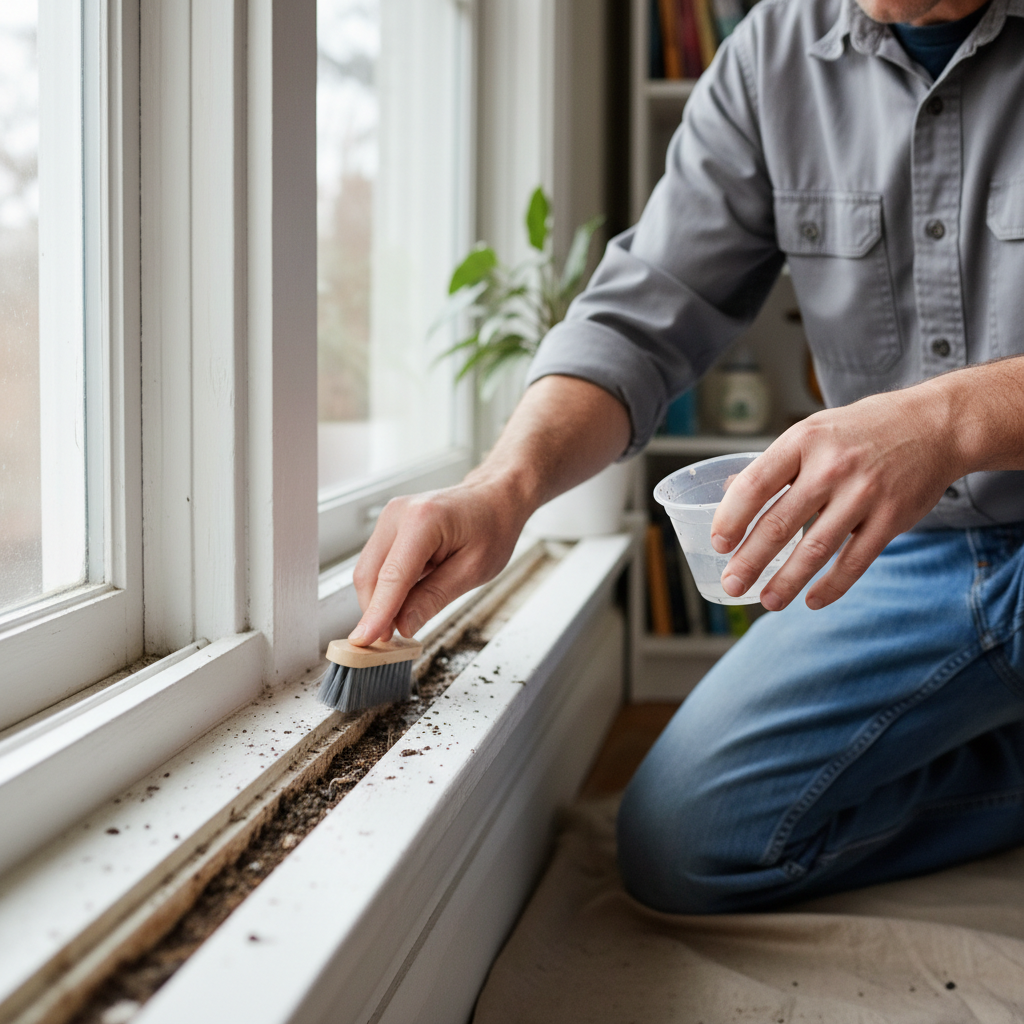
- Dirt and Debris Buildup: This is the 1 offender. Dust, pollen, insects, and general crud pile up in the tracks and create friction that binds the sash.
- Dried Paint: Bad paint job? Paint can seep into the sash tracks and basically glue the window shut, or make it a bear to move. Even a thin film can cause trouble.
- Swollen Wood: On older wood windows, humidity and moisture can swell the frame or sash so it expands and binds in the tracks. Usually worse in damp seasons.
- Loose or Damaged Hardware: Sometimes a screw backs out, or a track liner bends or breaks, and the sash starts snagging.
General remodeling · Renovation planning
| Project category | General remodeling |
|---|---|
| Problem type | Renovation planning |
| Trade required | General contracting |
| Urgency | Planned project |
| Safety risk | Low safety risk |
| DIY suitability | Pro recommended |
| Cost category | Major investment |
| Typical timeline | Design and permitting often 2–4 months before work starts |
| Contractor type | General contractor |
Repair option
Phase the work and fix the building envelope first.
Replacement option
Full renovation with permits, design, and a general contractor.
Common causes
- Space no longer fits how the household lives
- Resale preparation
- Deferred maintenance stacking up
Relevant tools:project cost estimatorcompare quoteshome improvement material prices
Published September 17, 2026Last updated September 17, 2026
Tools & materials you'll need
Affiliate linksAs an Amazon Associate FixlyGuide earns from qualifying purchases — at no extra cost to you. Prices and availability are accurate as of publication and subject to change.
Quick Answer
Ever fought with a window that just won’t budge, or one that grinds open like it’s packed with cement? You’re not alone. Most of the time, that stubbornness ain’t a busted window. It’s usually dirt, grime, or dried paint jammed up in the tracks. Clean the tracks out and give ’em a shot of lubricant, and you’ll usually get that window moving like it ought to in about 15 minutes. No need to call in the cavalry just yet.
The Problem
You know the drill: you want some fresh air, you grab the sash, and nothing. Or maybe it opens a few inches and then hangs up like a truck in soft mud. Frustrating as all get-out, especially on a nice day. You push, you pull, maybe you throw a shoulder into it, and that thing’s got a mind of its own. And it’s not just annoying. A window that won’t open easy can be a fire hazard if you need a fast exit. Who wants a window that looks fine but acts like permanent trim? I hear that complaint all the time, and nine times out of ten, the fix is simpler than folks expect.
How It Works
Most windows, whether they’re old double-hung wood frames or newer vinyl sliders, run on a pretty plain system. The sash — that’s the moving part — slides up and down or side to side in channels, or “tracks,” built into the frame. Those tracks are meant to be low-friction, sometimes with felt or plastic liners, so the sash can glide without a fight.
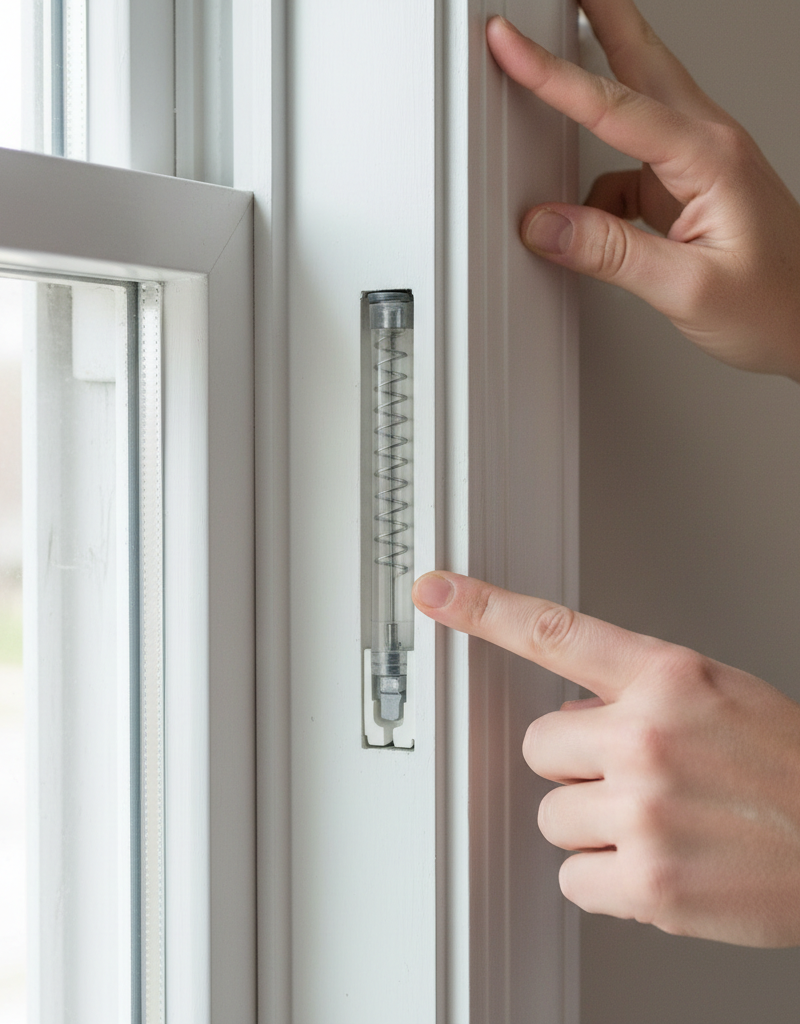
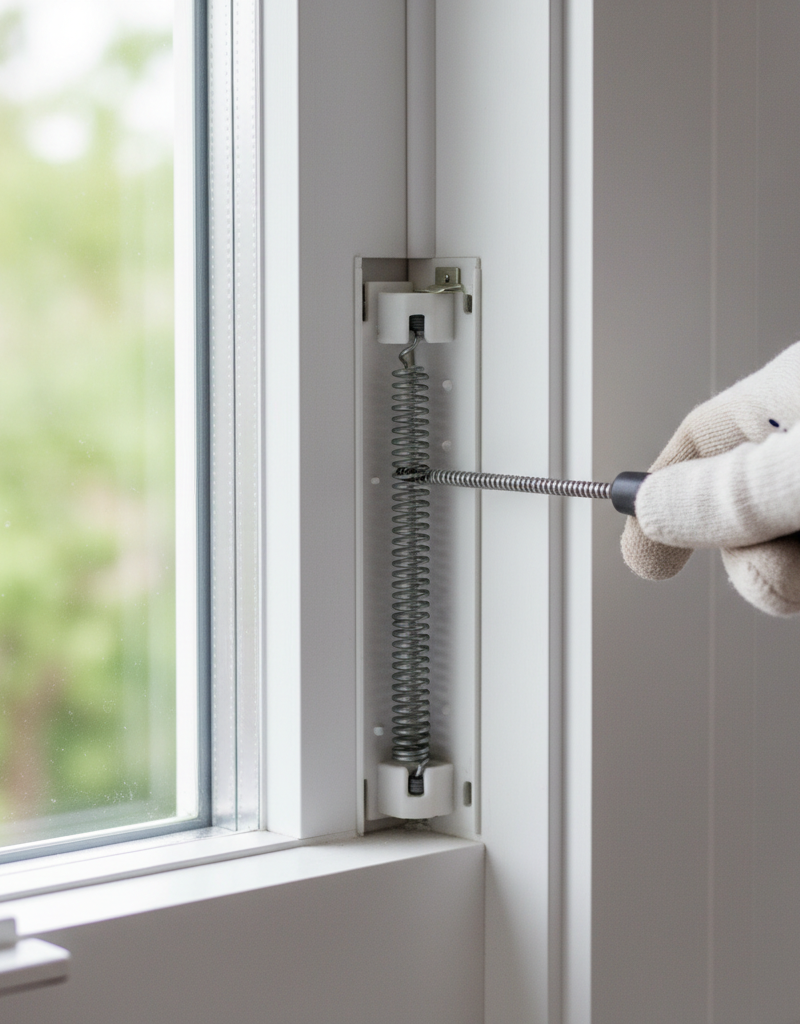
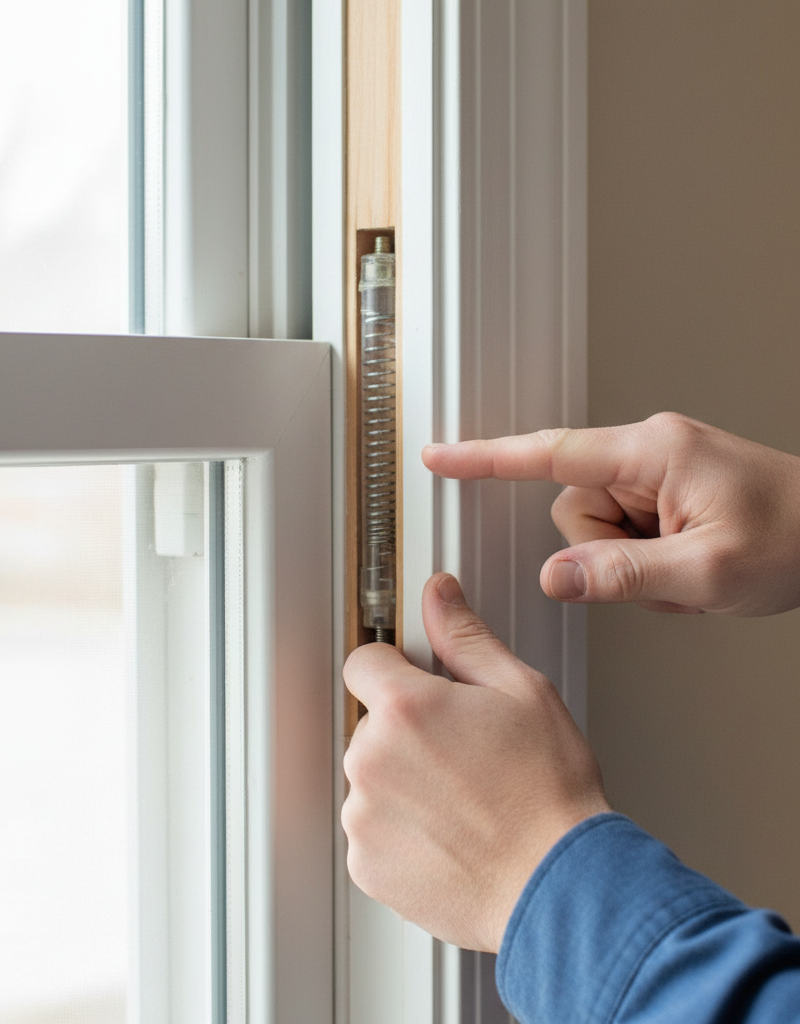
On double-hung windows, the sashes are often counterbalanced with weights inside the wall or spring-loaded setups like block and tackle or spiral balances tucked into the frame. Those parts help the sash feel lighter and stay where you put it. If a window feels heavy or won’t stay up after you lift it, that’s usually a balance problem, not a sticking problem.
The sticking issue we’re talking about? That’s friction in the tracks. Over time, those channels collect all kinds of junk: dust, pet hair, dead bugs, paint chips, pollen — the whole ugly mix. Add a little moisture and that dust turns into a gritty paste. If you’ve painted window trim without masking the tracks, dried paint is another big offender. Even a millimeter can pinch the sash and make it bind. Vinyl windows can expand a bit in extreme temps, sure, but nine times out of ten, it’s still track gunk. The goal is simple: cut the friction down so that sash can move freely again, often with as little as 5 pounds of force.
Step-by-Step Fix
Alright, let’s get that window moving. This ain’t rocket science, but a little patience goes a long way. I spent half a day on a sticky kitchen window in a 1920s bungalow out in Pasadena once, and the homeowner swore it was a “mystery problem” — turned out it had been painted shut years earlier and nobody remembered. Happens more than you’d think.
-
Clear the Area – Safety first, always — Move curtains, blinds, knickknacks, whatever’s in the way. You need full access. Throw down an old sheet or drop cloth, because there’s always more crud in there than you expect. Open the window as far as it’ll go, even if that’s just an inch or two. If it’s really stuck, rock it side-to-side gently while pulling up. Don’t go full gorilla on it; you can crack the glass or mess up the frame.
-
Inspect the Tracks – What’s actually causing the hang-up? — Look hard at the side and bottom tracks. Caked dirt? Paint drips? Loose screws? Damaged liner? Sometimes it’s just a tiny pebble or a busted strip of weatherstripping. On wood windows, check for swollen spots, especially if it’s been damp. If the wood’s swollen, you may need to let it dry a few days before you mess with it, or sand it lightly.
-
Vacuum the Loose Stuff – Don’t turn dust into mud — Grab a shop vac or a regular vacuum with a brush attachment and go over the tracks, grooves, and surrounding frame. Pull out the loose dust, bugs, and paint chips. That step matters, because if you skip it, you’re just smearing grit around later. Hit the corners extra hard — that’s where the junk hides.
-
Scrape Away Dried Paint/Gunk – Get after it, but don’t chew up the frame — For stubborn dried paint or thick grime, you’ll need a scraper. A 5-in-1 painter’s tool, a putty knife, or even a sturdy flat-head screwdriver will do the job. Gently scrape off the hardened stuff in the tracks. Just don’t dig into the frame material, especially with vinyl or wood. If the window’s painted shut, score the paint line where the sash meets the frame with a utility knife before you scrape. That keeps you from ripping off big chunks of visible paint.
-
Clean with Degreaser – Now give it a real cleaning — Mix a little mild detergent, like dish soap, with warm water, or use a general-purpose household degreaser. Dampen a rag or stiff brush and scrub the tracks good. Get into the corners and grooves. A toothbrush can work better than you’d expect. For nasty grime, denatured alcohol on a rag can break through some really sticky junk. Wipe it down with a clean damp cloth, then dry it off with a fresh rag. You want those tracks bone-dry.
-
Lubricate the Tracks – This is the part that makes it glide — Here’s where the trick happens. For most windows — vinyl, metal, or wood — silicone spray lubricant is the way to go. Don’t use oil-based stuff like WD-40; it grabs dirt and can cause problems over time. Spray a light, even coat into the tracks where the sash rides. For older wood windows, paraffin wax — a candle without dye — or even bar soap can work real well. Rub it onto the contact points of the sash and into the tracks. Thin film. That’s all you need.
-
Test and Repeat – Did it free up? — After lubricating, open and close the window a few times. Start slow, then work it a little harder. That helps spread the lubricant and work it into the sticky spots. Moving easy now? Great. If not, go back to step 5 and step 6. Sometimes you’ve gotta make a second pass, especially on neglected windows.
-
Check Weatherstripping – Sneaky little troublemaker — While you’re in there, inspect the weatherstripping along the sides and top of the sash. If it’s torn, mashed flat, or slipping out, it can cause drag or binding too. If it’s just dirty, clean it. If it’s damaged, replacement’s a bigger job. Most of the time, cleaning and lubricating the tracks does the trick, but bad weatherstripping can fool you.
Common Causes
- Dirt and Debris Buildup: This is the #1 offender. Dust, pollen, insects, and general crud pile up in the tracks and create friction that binds the sash.
- Dried Paint: Bad paint job? Paint can seep into the sash tracks and basically glue the window shut, or make it a bear to move. Even a thin film can cause trouble.
- Swollen Wood: On older wood windows, humidity and moisture can swell the frame or sash so it expands and binds in the tracks. Usually worse in damp seasons.
- Loose or Damaged Hardware: Sometimes a screw backs out, or a track liner bends or breaks, and the sash starts snagging.
- Foundation Movement: Less common if it’s just one window, but if multiple windows and doors are sticking around the house, you might be looking at structural movement that’s throwing the frames out of square. That’s a big one, not a DIY fix.
Common Mistakes
- Using the Wrong Lubricant: Don’t use oil-based products like WD-40. They hold onto dust and make the mess worse over time. Stick with silicone spray or a dry window lubricant.
- Not Cleaning Thoroughly Enough: Spraying lube over grime won’t save you. You have to clean the tracks first, or you’re just making sticky soup.
- Forcing the Window: Too much force can crack the glass, damage the sash, or bend the frame. Be firm, sure — but don’t muscle it if it’s locked up tight.
- Ignoring the Top and Bottom Tracks: Folks get tunnel vision on the side tracks, but the horizontal ones, especially on sliding windows, catch just as much crud. Clean all of it.
- Overlooking Paint Issues: Don’t assume it’s always dirt. If the house was painted recently, dried paint in the tracks is a prime suspect.
Cost & Time Breakdown
Here’s what you’re looking at if you tackle that sticky window yourself, or what a pro might charge for similar work (though most won’t show up just to “clean a track” as a standalone job).
| Task | DIY cost | Pro cost | Time |
|---|---|---|---|
| Gather supplies | $0 - $20 | N/A | 5 minutes |
| Initial inspection & vacuum | $0 | N/A | 10 minutes |
| Scrape & clean tracks | $0 - $5 (cleaner) | $75 - $150 (min. call) | 15-30 minutes |
| Lubricate tracks | $5 - $10 | (Included in min. call) | 5 minutes |
| Test and re-clean (if needed) | $0 | (Included in min. call) | 5-10 minutes |
| Total Estimated | $5 - $35 | $75 - $150+ | 30-60 minutes |
Tips & Prevention
- Regular Cleaning: Work track cleaning into your regular window wash routine, maybe twice a year. A quick vacuum and wipe-down can keep buildup from getting ahead of you.
- Proper Painting Technique: When you paint window frames, tape off the tracks. If paint gets in there, wipe it off right away with a damp rag before it dries.
- Don't Over-Lubricate: A thin coat of silicone spray is plenty. More isn’t better; it just turns into dirt magnet later.
- Check for Level: If a new window is sticking, check that the frame’s level and plumb. A little tilt can cause binding.
- Humid Environments: In really humid climates, a dehumidifier can help in rooms with wood windows that like to swell. Makes a difference.
- Inspect Weatherstripping: Make it part of your cleaning routine to check weatherstripping for damage. Swapping out worn stripping can help with smooth operation and energy efficiency.
When to Call a Professional
Look, I’m all for DIY, but you’ve gotta know when to stop. If you’ve cleaned and lubricated the tracks the right way and the window still won’t move, or if you suspect something bigger, it’s time to bring in a pro. That includes a badly warped or rotted wood frame, a broken balance system — especially if the sash just drops like a rock — major frame damage, or signs of foundation settlement. If multiple windows in the house suddenly start sticking or showing stress, that’s a red flag for a larger structural issue that needs a real look. A window repair specialist or a general contractor can sort out the bigger stuff without you making it worse or risking a trip to urgent care. Don’t fool around with structural problems or tricky window hardware if you’re not sure.
Related Articles
Keep troubleshooting with these hand-picked guides from FixlyGuide:
- The Secret Reason Your Interior Door Sticks (and the 15-Minute Fix) — Discover why your interior door sticks and learn a simple, 15-minute fix that can save you frustration and the cost of a professional.
- The Cupped Hardwood Secret: What Your Floor’s Really Telling You — Don't let cupped hardwood floors get you down. This guide tackles the real reasons your wood floor is warping and how to fix it like a pro.
- The Secret Reason Your Interior Door Sticks (It's Not Always Humidity) — Before you blame humidity, learn the true culprits behind a sticky interior door and how to fix them with simple DIY steps.
- The Secret Reason Your Interior Door Sticks (It's Not Always Humidity) — A sticking interior door is a common household nuisance, often attributed to humidity, but frequently caused by easily fixable issues like…
- The 4 Hidden Reasons Your Doorbell Dies (And the 20-Minute Fix) — A non-working doorbell is often caused by simple, hidden issues like a tripped transformer or a corroded button, which homeowners can fix i…
- The $5 Part That Stops Your Fridge From Leaking (And Why It Fails) — A leaking refrigerator can lead to serious floor damage and appliance issues. Often, the culprit is a clogged defrost drain, a simple fix m…
Should you do this yourself?
Answer five quick questions before you start. Safety outranks savings every time.
Your experience with work like this
How high do you have to work?
Does the job involve any of these?
Will it need a permit?
Specialty tools
Free and instant. Educational guidance only — not a quote, inspection, or professional diagnosis.
Estimate your own project cost
National averages are a starting point. Enter your details for a range that fits your house.
Interior paint estimator
- Paint$96
- Supplies (tape, rollers, drop cloth)$35
- Estimated total (DIY)$131
Hiring a pro? Add roughly $1.50–$4.00/sq ft for labor depending on prep work and trim detail.
Educational estimate only — always confirm with written local bids.
What should this project cost?
Enter your project details for a realistic cost range before you call anyone.
Cost depends heavily on which system turns out to be the source.
- Regional adjustment
- National average
- Labor share (typical)
- ~$1,620
- Quotes to collect
- 3 written estimates
Educational estimate based on national averages — not a binding quote. Always confirm with written local estimates.
Get the print-ready PDF of this guide
A clean, ad-free, printable version you can keep on your phone or pin to the workshop wall. Free with a FixlyGuide account.
- Print-optimized layout
- Tools, materials & every step included
- Saved to your account
Recommended for DIYers & woodworkers
Sponsored
The Top 20 Tools for Workshops of Any Budget
No stationary machines or power tools required — plus 3 fundamental tools that can't be bought at any price.
Get the free guide
Ted's Woodworking — The #1 Woodworking Resource
Detailed instructions, dimensioned drawings, materials & cutting lists, and 3D schematics for every skill level.
See the plansSponsored: links above are affiliate links. FixlyGuide may earn a commission on qualifying purchases — at no extra cost to you.
Frequently asked questions
Why is my window so hard to open?+
The most common reason a window is hard to open is the buildup of dirt, dust, and grime in the sash tracks, which increases friction. Dried paint in the tracks or swollen wood (for older wooden windows) are also frequent culprits.
What should I use to lubricate sticky window tracks?+
Always use a silicone-based spray lubricant for modern vinyl or metal windows. For older wooden windows, paraffin wax (like from a candle) or a dry bar of soap can work effectively. Avoid oil-based lubricants like WD-40, as they attract more dirt.
Can paint make a window stick?+
Absolutely. Dried paint is a very common reason for windows to stick or get painted shut. Even a thin layer in the sash tracks can bind the window. You'll need to carefully score and scrape the paint away from the moving parts.
How often should I clean my window tracks?+
It's a good practice to clean your window tracks at least twice a year, perhaps when you do your spring and fall window washing. Regular cleaning prevents significant dirt buildup and helps maintain smooth operation.
My wooden window is swollen and stuck, what should I do?+
If a wooden window is swollen due to humidity, try to lower the humidity in the room using a dehumidifier. You might need to let it dry out for a few days. If it's still stuck, careful sanding of the contact points after drying can help, but avoid aggressive removal of material.
Is it okay to use WD-40 on window tracks?+
No, it's generally not recommended to use WD-40 or other oil-based lubricants on window tracks. While they might provide temporary relief, they tend to attract and hold dust and dirt, ultimately making the sticking problem worse over time. Stick to silicone or dry lubricants.
What if my window still won't open after cleaning and lubricating?+
If cleaning and lubricating don't solve the problem, the issue might be more complex, such as a broken window balance mechanism, a warped frame, or foundation settling. At that point, it's best to consult a professional window repair specialist or a general contractor.
Can a sticking window be a safety hazard?+
Yes, a window that's difficult to open can be a significant safety hazard, especially in case of a fire or other emergency where a quick exit is needed. Ensure all egress windows open freely.
Discussion
Loading comments…