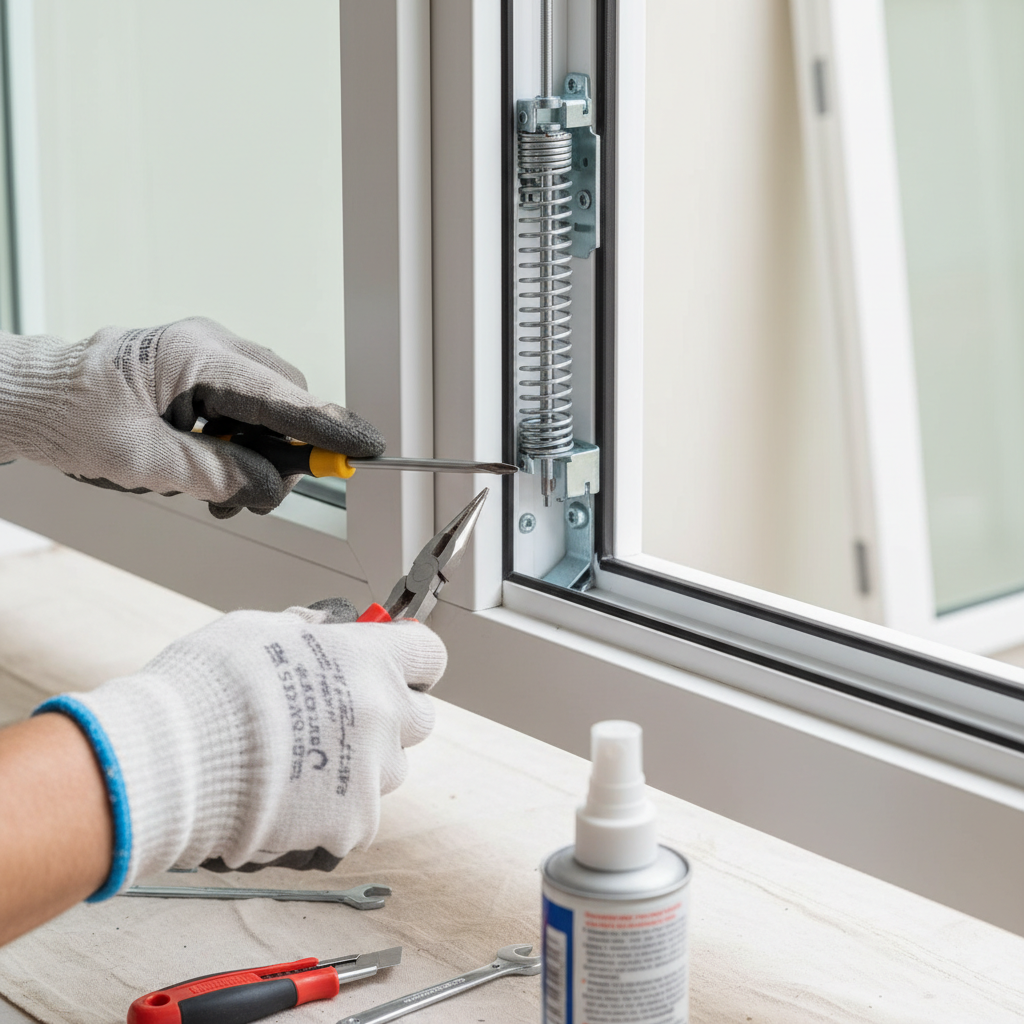
- Dislodged Shoe: Often, the 'shoe' at the bottom of the balance has fallen out of its track or is rotated incorrectly. It should be facing upwards, with its opening ready to accept the sash's pivot bar.
- Broken Pivot Bar: Check the pivot bars on the sash. If one is bent, broken, or missing, the window won't engage the balance.
- Lost Tension: If the shoe is in place but offers no resistance, the spring inside the balance might have lost tension or broken.
General remodeling · Renovation planning
| Project category | General remodeling |
|---|---|
| Problem type | Renovation planning |
| Trade required | General contracting |
| Urgency | Planned project |
| Safety risk | Low safety risk |
| DIY suitability | Pro recommended |
| Cost category | Major investment |
| Typical timeline | Design and permitting often 2–4 months before work starts |
| Contractor type | General contractor |
Repair option
Phase the work and fix the building envelope first.
Replacement option
Full renovation with permits, design, and a general contractor.
Common causes
- Space no longer fits how the household lives
- Resale preparation
- Deferred maintenance stacking up
Relevant tools:project cost estimatorcompare quoteshome improvement material prices
Published July 22, 2026Last updated August 17, 2026
Tools & materials you'll need
Affiliate linksAs an Amazon Associate FixlyGuide earns from qualifying purchases — at no extra cost to you. Prices and availability are accurate as of publication and subject to change.
Quick Answer
Most double-hung windows that refuse to stay open do so because of an issue with their sash balance system. Often, the balance spring assembly has either dislodged, lost tension, or the pivot bar (the small pin on the sash that connects to the balance) has slipped out. A homeowner can usually diagnose and fix this by carefully removing the lower sash and re-engaging or adjusting the balance mechanism. This quick repair can save you the cost of a professional and the annoyance of a window that continually slides shut.
The Problem
You're trying to let in some fresh air, but your window has other plans. You lift it up, let go, and thump – it slides right back down. Maybe it stays up for a few seconds before slowly descending, or perhaps it won't even budge from the closed position without a fight. This isn't just an annoyance; it's a security risk if you can't properly close and lock it, and it's certainly a nuisance for ventilation. The culprit is almost always the sash balance system, the unsung hero that counteracts the weight of the window sash, making it feel light and easy to operate. When this system fails, the window becomes a stubborn, uncooperative slab of glass.
How It Works
To understand the fix, it helps to know how a typical double-hung window stays open. Unlike old-fashioned windows that used ropes and heavy counterweights hidden in the wall, modern double-hung windows (especially those installed in the last 40 years) rely on a spring-loaded sash balance system. There are a few common types, but the most prevalent are constant force balances and spiral balances.
-
Constant Force Balances: These are found in many vinyl and some aluminum or wood windows. They consist of a metal coil spring housed within a metal or plastic tube, with a thin, flexible metal strip (the constant force spring) that spools and unspools as the window opens and closes. One end of this strip attaches to the window frame, and the other to a small pivot bar on the side of the window sash. As you lift the sash, the spring unwinds, providing upward tension to counteract the sash's weight, making it stay put at any height.
-
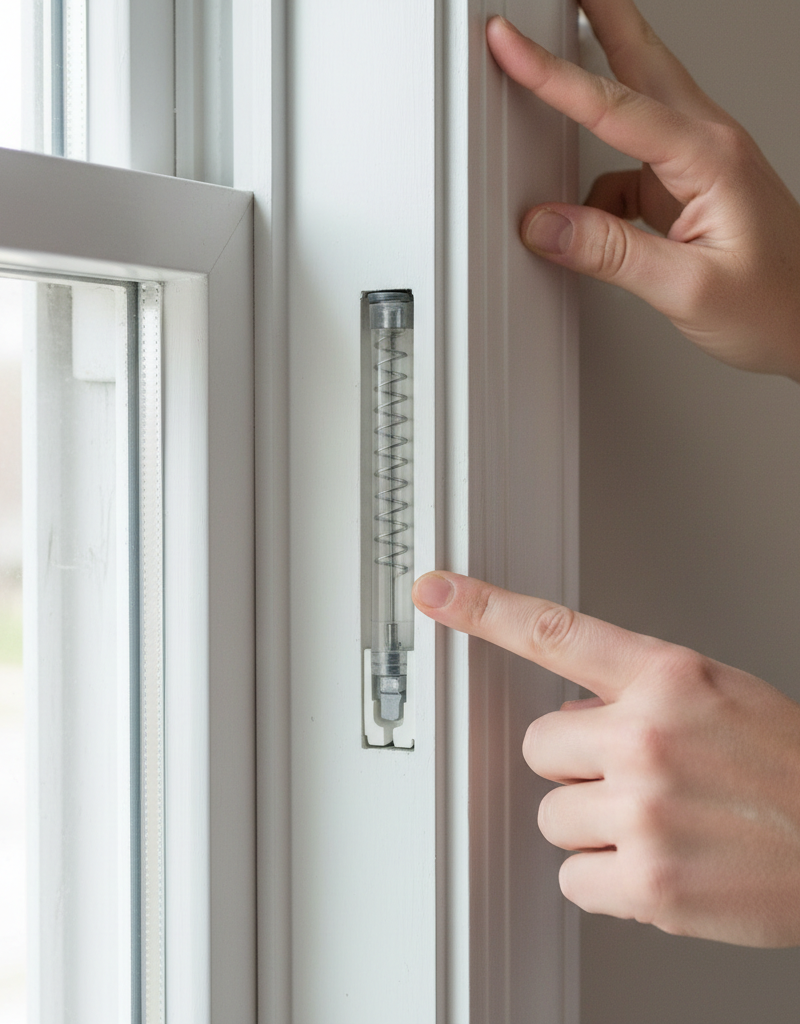
Spiral Balances: Common in older vinyl or aluminum windows, these look like a long, slender tube (often plastic) with a spiral rod inside. A spring inside this tube is pre-tensioned and winds or unwinds as the sash moves. At the bottom of the tube is an L-shaped shoe or clip that rotates. A pivot bar on the bottom of the window sash inserts into this shoe, providing the connection point. To adjust tension, you typically rotate the bottom of the tube.
Regardless of the type, the core principle is the same: stored mechanical energy in a spring system counteracts gravity. When a window won't stay up, it means this delicate balance of forces is off. Either the spring has lost its tension, the connecting pivot bar has come out of its receptacle, or the entire balance assembly has become dislodged from its track.
Step-by-Step Fix
Safety Note: Always exercise caution when handling glass. Wear work gloves to protect your hands. If the window is particularly heavy or difficult to remove, consider having a helper.
1. Prepare the Work Area — Clear obstacles and lay down a drop cloth.
Before you begin, remove any window treatments like curtains or blinds. Clear the windowsill and the area directly beneath the window of any breakables or obstructions. Lay a old sheet or drop cloth on the floor to protect it and catch any small parts. This will create a safe, organized workspace.
2. Locate and Unlock Tilt Latches — Engage the tilt feature for sash removal.
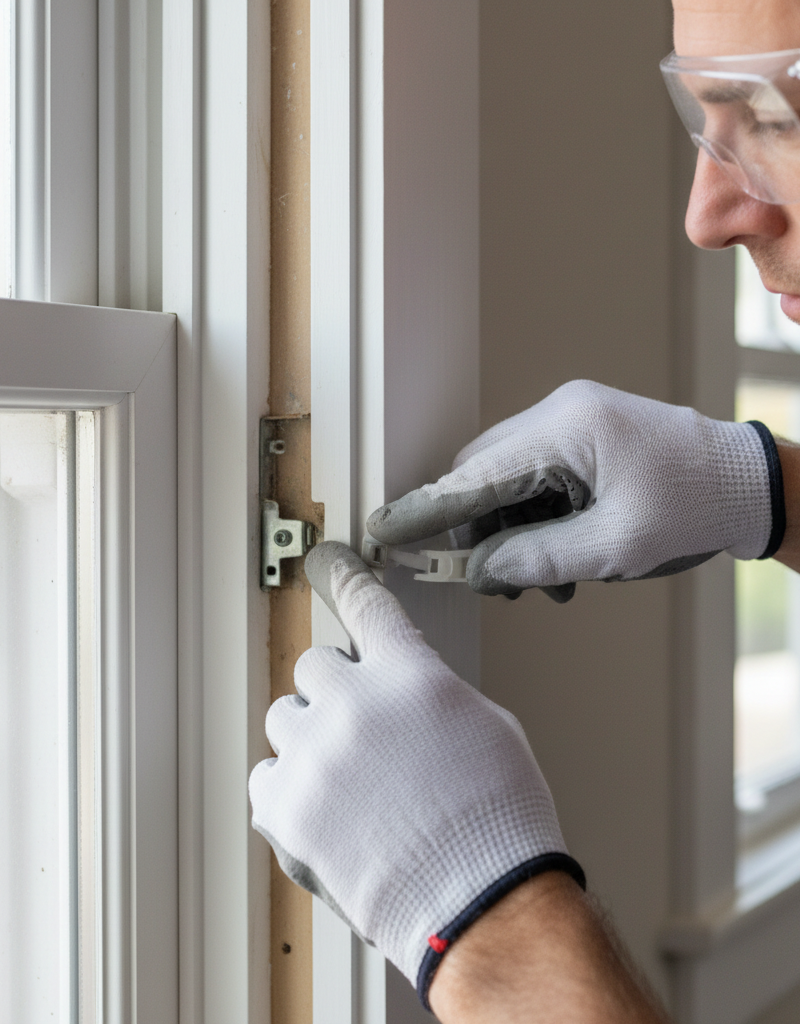
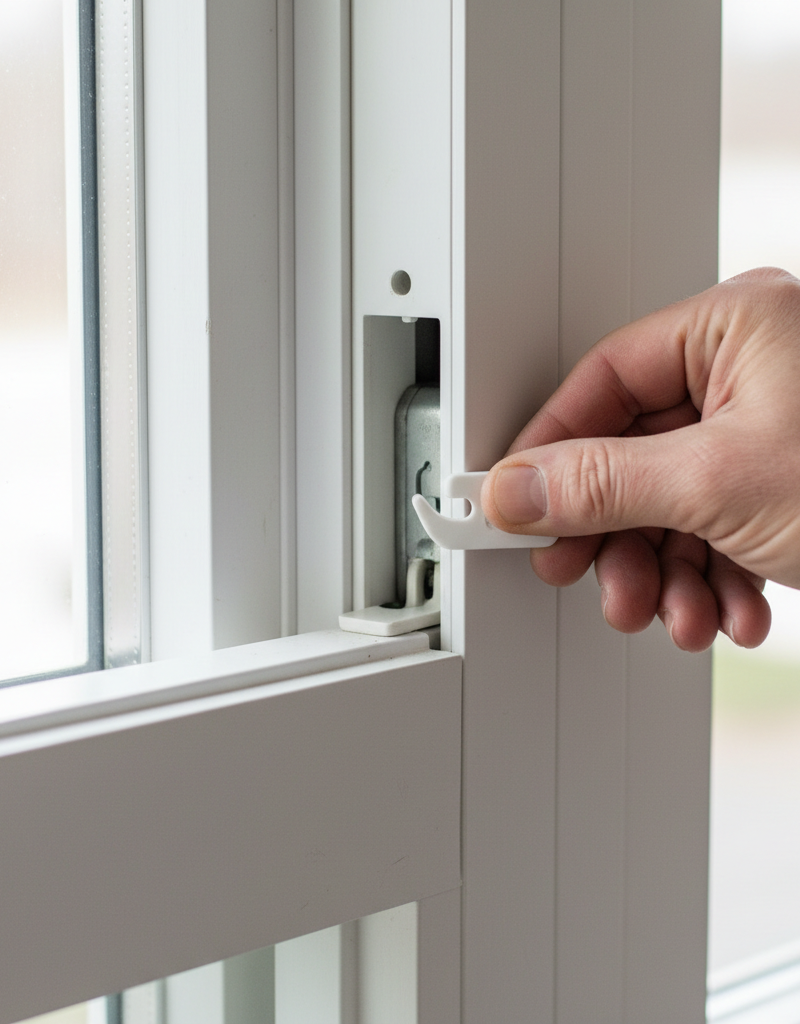
Open the window about 3-4 inches. Look at the top edge of the lower sash, on both sides, for small, recessed tilt latches. These are typically spring-loaded buttons or levers. Push both latches inward simultaneously. Some older windows might have different release mechanisms, such as small plastic clips at the top of the side channels that need to be pushed in or outward.
3. Tilt and Remove the Lower Sash — Carefully free the sash from the frame.
Once the latches are engaged, gently pull the top of the lower sash towards you until it pivots inward, forming roughly a 90-degree angle with the window frame. Now, holding both sides firmly, lift one side of the sash up out of its lower frame track, then the other. It might take a gentle wiggle. Place the sash in a safe, out-of-the-way spot, preferably leaning against a wall or laid flat on your protected floor area. Inspect the sides of the removed sash for the small metal pivot bars that extend out; these are crucial for connecting to the balance system.
4. Identify the Balance System and Problem — Assess the balance mechanism on both sides.
Look into the side channels (jambs) of the window frame where the sash just was. You'll see the sash balance mechanisms. They usually consist of a long, often plastic or metal, tube extending the height of the window. At the bottom of each tube, there's a 'shoe' or 'clip' that should be oriented upwards, ready to receive the pivot bar from the sash.
- Dislodged Shoe: Often, the 'shoe' at the bottom of the balance has fallen out of its track or is rotated incorrectly. It should be facing upwards, with its opening ready to accept the sash's pivot bar.
- Broken Pivot Bar: Check the pivot bars on the sash. If one is bent, broken, or missing, the window won't engage the balance.
- Lost Tension: If the shoe is in place but offers no resistance, the spring inside the balance might have lost tension or broken.
5. Reseat or Adjust the Balance Shoe — Realign or re-tension the balance system.
This is the most common fix. If a 'shoe' at the bottom of the balance channel is dislodged or rotated incorrectly, use a flat-head screwdriver or needle-nose pliers to gently manipulate it back into its upright position, ensuring it moves freely within the channel. It must be at the very bottom of the channel, usually with an open slot facing upwards. If it's a spiral balance and seems to have lost tension, you can sometimes re-tension it. Push the shoe fully down to the bottom of the track and, with one hand holding the shoe down, use pliers to rotate the spiral rod at the bottom of the balance tube counter-clockwise a few full turns (2-4 turns is a good starting point, more if the window is very heavy). Be careful not to over-tension or let go suddenly, as the spring can snap back sharply. There's often a small notch or pin where you can lock the shoe into place after tensioning; make sure it's secure.
6. Reinsert the Window Sash — Carefully re-engage the pivot bars with the balance shoes.
Orient the sash correctly. Tilt the sash slightly, aligning the pivot bars on its sides with the open slots in the balance shoes at the bottom of the tracks. Lower one pivot bar into its shoe, then the other, ensuring they both fully seat. This might require a gentle jiggle. Don't force it. Once seated, push the sash firmly upwards into the frame to lock it into the vertical position. You should hear a soft 'click' as the tilt latches re-engage at the top of the sash.
7. Test the Window — Verify the repair and adjust as needed.
Slowly raise and lower the window sash a few times. Does it now stay open at various heights? Does it operate smoothly? If it still slides down, you might need more tension (for spiral balances), or one of the pivot bars might not be fully seated. Repeat the removal and adjustment steps if necessary. If it's too difficult to open, you may have overtightened a spiral balance spring; remove the sash and reduce tension by one full turn.
Common Causes
- Worn or Dislodged Balance Springs: This is by far the most frequent issue. Over time, the internal springs lose their tension, or the plastic/metal shoe that connects to the sash's pivot bar can pop out of its track or rotate incorrectly.
- Broken Pivot Bars: The small metal pins on the side of the window sash that connect to the balance system can bend, break, or sheer off, preventing proper engagement.
- Dirty or Obstructed Channels: Accumulation of dirt, paint, or debris in the side tracks can impede the smooth movement of the sash or prevent the balance mechanism from operating correctly.
- Damaged Sash or Frame: Warped vinyl, rotten wood, or bent aluminum can create friction points or misalign the sash with the balance system.
- Improper Installation: If a window was not installed correctly (e.g., the frame is not plumb and square), it can put undue stress on the balance system, leading to premature failure.
Common Mistakes
- Forcing a Sticky Window: Yanking a window up or slamming it down will only further damage the sash balance or pivot bars. Always investigate the cause of resistance before applying excessive force.
- Ignoring a Partially Functioning Window: A window that slowly slides down is a sign of a failing balance. Addressing it early can prevent further damage that might require full balance replacement.
- Over-Tensioning Spiral Balances: If you have spiral balances, twisting them too many times can over-tension the spring, making the window very difficult to close or causing the spring to break prematurely. Start with a few turns and test.
- Not Cleaning the Tracks: Even if the balances are the main problem, dirty or painted-over tracks can create resistance and make the repair feel incomplete. Always clean the tracks thoroughly.
- Replacing Only One Balance: If one side's balance is clearly broken or very weak, consider replacing the one on the other side as well, especially if the window is older. Balances tend to wear out at similar rates, and replacing just one might lead to uneven tension and another failure soon after.
Cost & Time Breakdown
| Task | DIY Cost | Pro Cost | Time |
|---|---|---|---|
| Reseat/Adjust Balance | $0–$5 | $75–$150 | 10–30 minutes |
| Replace Balance (1 sash) | $20–$50 | $150–$250 | 30–60 minutes |
| Replace Pivot Bar | $5–$15 | $100–$180 | 15–30 minutes |
| Track Cleaning | $0–$5 | $75–$120 | 15–20 minutes |
Tips & Prevention
- Regular Cleaning: Periodically vacuum or wipe down the window tracks and jamb liners to prevent dirt and debris buildup that can impede sash movement and balance function.
- Lubricate Channels: Every 1-2 years, apply a silicone-based spray lubricant (never oil-based, which attracts dirt) to the side channels where the sash slides. This reduces friction and extends the life of the balance system.
- Gentle Operation: Always operate your windows smoothly and avoid forcing them open or shut. This minimizes stress on the balance springs and pivot bars.
- Inspect Pivot Bars: When cleaning your windows, quickly inspect the pivot bars on the sash for any signs of bending, cracking, or damage. Replacing a minor component early can prevent a larger issue.
- Check for Paint: If you've recently painted, ensure no paint has inadvertently dried within the window tracks or on the balance mechanisms, as this can 'glue' the system in place.
When to Call a Professional
While a misaligned or loose balance shoe is a common and often simple DIY fix, there are times when calling a professional is the smarter and safer option. If, after following the steps, your window still won't stay up, or if you discover a visibly broken balance spring assembly (particularly if it's a sealed unit within the frame), it's likely time for professional help. Additionally, if the window sash itself is warped, cracked, or has severe rot, simply fixing the balance won't resolve the underlying issue, and a window repair specialist can advise on repair versus replacement. If you have older and particularly heavy wood windows with complex counterweight systems, attempting a DIY fix without experience can be dangerous and is best left to a pro. A window professional has the specialized tools, parts, and experience to safely and effectively replace complex balance systems or address structural issues with the window frame and sash, ensuring your window operates correctly and securely.
Related Articles
Keep troubleshooting with these hand-picked guides from FixlyGuide:
- The 4 Hidden Reasons Your Window Won't Stay Up (And the Easy Fixes) — Before you blame a broken window, learn the common culprits behind window sashes that won't stay open and how to fix them yourself.
- The 3 Hidden Reasons Your Window Won't Stay Up (And the Easy Fixes) — Before you call a repairman, learn the three most common reasons your double-hung window won't stay open and how to fix them yourself.
- The 5-Minute Trick to Fix a Window That Won't Stay Open (No Tools Needed!) — Discover the surprisingly simple reasons why your window keeps sliding shut and how to fix it in minutes, often without any tools.
- The 4-Minute Trick to Fix a Sagging Window (No More Prop-Sticks!) — Discover the simple, often-overlooked culprit behind a window that won't stay open and how to fix it in minutes with basic tools.
- The 5-Minute Trick to Fix a Door That Won't Latch (No, It's Not the Latch Itself) — Discover the surprisingly simple trick to fix a door that won't latch properly, often without even touching the latch mechanism itself.
- The #1 Mistake Homeowners Make When Caulking a Bathroom Sink (And How to Fix It) — Discover the most common caulk mistake homeowners make around bathroom sinks and follow simple steps to achieve a lasting, watertight seal.
Should you do this yourself?
Answer five quick questions before you start. Safety outranks savings every time.
Your experience with work like this
How high do you have to work?
Does the job involve any of these?
Will it need a permit?
Specialty tools
Free and instant. Educational guidance only — not a quote, inspection, or professional diagnosis.
What should this project cost?
Enter your project details for a realistic cost range before you call anyone.
Cost depends heavily on which system turns out to be the source.
- Regional adjustment
- National average
- Labor share (typical)
- ~$1,620
- Quotes to collect
- 3 written estimates
Educational estimate based on national averages — not a binding quote. Always confirm with written local estimates.
Before you start
Check the difficulty, permits, and safety risk — then decide whether to call a pro.
- Estimate this projectGet a cost range for your scope and ZIP before you call anyone.Open
- Get local estimatesSend one request and compare written estimates from vetted pros.Open
Free, no signup required. Estimates are educational guidance, not a quote or an inspection.
Recommended for DIYers & woodworkers
Sponsored
The Top 20 Tools for Workshops of Any Budget
No stationary machines or power tools required — plus 3 fundamental tools that can't be bought at any price.
Get the free guide
Ted's Woodworking — The #1 Woodworking Resource
Detailed instructions, dimensioned drawings, materials & cutting lists, and 3D schematics for every skill level.
See the plansSponsored: links above are affiliate links. FixlyGuide may earn a commission on qualifying purchases — at no extra cost to you.
Frequently asked questions
Why won't my double-hung window stay up?+
Most often, your double-hung window isn't staying up because of an issue with its sash balance system. This could be due to a dislodged balance shoe, a broken pivot bar, or a balance spring that has lost its tension and can no longer counteract the weight of the sash.
Can I fix a window that slides down by myself?+
Yes, many common issues causing a window to slide down can be fixed by a homeowner. Often, it involves carefully removing the lower sash to inspect and reseat a dislodged balance shoe or, in some cases, re-tension a spiral balance spring. These repairs typically require only basic hand tools.
How do I know if I have a constant force or spiral balance?+
To identify your balance type, carefully remove your window sash. Look into the side channels. A constant force balance will have a thin, flexible metal strip (like a tape measure) emerging from a coiled mechanism. A spiral balance will be a more rigid, often plastic tube with a visible spiral rod inside, ending in a rotating shoe.
What tools do I need to fix my window?+
For most window balance issues, you'll need minimal tools: a flat-head screwdriver or putty knife (for prying and manipulating parts), needle-nose pliers (for gripping small components or tensioning spiral balances), work gloves for safety, and a damp cloth for cleaning the tracks.
Discussion
Loading comments…