- Degraded Weatherstripping: The most frequent culprit. Over time, foam flattens, rubber stiffens, and felt frays, losing their ability to create a tight seal between moving sashes and the frame.
- Cracked or Shrunken Caulk: Both interior and exterior caulk lines can dry out, shrink, and crack due to age, UV exposure, and temperature fluctuations, creating gaps where air can seep through.
- Settling of the House: Minor structural shifts can cause window frames to move slightly, creating small gaps between the frame and the wall that compromise the caulk seal.
- Loose or Worn Hardware: Latches, locks, and hinges can become loose or worn, preventing the window from closing tightly and compressing the weatherstripping effectively.
- Poor Original Installation: In some cases, windows may have been improperly insulated or sealed when installed, leading to drafts years down the line.
Plumbing · Leak
| Project category | Plumbing |
|---|---|
| Problem type | Leak |
| Trade required | Plumbing |
| Urgency | Emergency — act now |
| Safety risk | High safety risk |
| DIY suitability | DIY for experienced homeowners |
| Cost category | Low cost |
| Typical timeline | Shut water off now; repair usually same or next day |
| Contractor type | Licensed plumber |
Repair option
Isolate at the shutoff, replace the failed component, and dry the cavity fully.
Replacement option
Repipe the run or the branch when corrosion is widespread.
Common causes
- Failed supply line or shutoff valve
- Worn washers, cartridges, or P-trap connections
- Pinhole corrosion in older copper
Relevant tools:emergency checklistdiy or hire a pro
Published May 31, 2026Last updated August 17, 2026
Tools & materials you'll need
Affiliate links- AmazonAcrylic latex caulk with silicone1 tube · For interior applications
- AmazonExterior-grade silicone or polyurethane caulk1 tube · For exterior applications
- AmazonSelf-adhesive foam weatherstripping1 roll
- AmazonWindow insulation film kitOptional, for severe drafts
- AmazonCleaning rags and mild detergent
As an Amazon Associate FixlyGuide earns from qualifying purchases — at no extra cost to you. Prices and availability are accurate as of publication and subject to change.
Quick Answer
Drafty windows are a common culprit behind higher energy bills and uncomfortable rooms. The good news is that many drafts are caused by easily identifiable and fixable issues like deteriorated weatherstripping, cracked caulk, or loose sashes. You can often stop these energy leaks yourself using readily available materials such as new weatherstripping, exterior-grade caulk, or inexpensive window insulation film, usually for less than $20 per window and in under an hour of active work.
The Problem
Imagine a tiny, invisible river of cold air seeping into your warm home during winter, or precious cool air escaping in summer. That's essentially what a drafty window is doing. Beyond the discomfort, this constant air exchange forces your heating and cooling systems to work harder, directly translating into higher utility bills. According to the U.S. Department of Energy, drafts can account for 5% to 30% of your heating and cooling costs. The problem usually isn't the window glass itself, but rather the seals around it – where the moving parts meet the frame, or where the frame meets the wall. Over time, these materials degrade, crack, compress, or simply pull away, creating tiny gaps that compromise your home's thermal envelope.
How It Works
To understand how to seal a draft, it helps to understand how windows are designed to prevent air leakage. Modern windows employ several layers of defense against drafts. First, the sash (the part that holds the glass and opens) has weatherstripping along its edges where it meets the frame. This can be made of foam, felt, rubber, or metal. When the window is closed, this weatherstripping is compressed, forming an airtight seal. Second, the stationary frame of the window is sealed to the rough opening in your wall with insulation (like spray foam or fiberglass) and a bead of caulk or sealant on both the interior and exterior. The exterior caulk prevents water intrusion, while the interior caulk stops air leakage from inside the wall cavity. On double-hung windows, the meeting rail (where the top and bottom sashes overlap) also has specific interlocking weatherstripping. Over time, sunlight, temperature fluctuations, and repeated opening and closing can cause weatherstripping to become brittle, flattened, or torn. Caulk can dry out, shrink, and crack, or lose its adhesion. When these seals fail, even a tiny gap can allow a significant amount of air to pass through due to pressure differences between inside and outside your home, creating that tell-tale draft.
Step-by-Step Fix
Safety First: When working with utility knives, always cut away from your body. Wear gloves to protect your hands from old caulk or sharp edges. If using a ladder for exterior work, ensure it's stable on a flat, solid surface and have a spotter if possible.
1. Identify the Draft Location – The Detective Work
— Pinpointing the exact source of a draft is crucial. On a breezy day, slowly move a lit incense stick or a feather around the perimeter of the closed window, paying close attention to the sashes, the meeting rail, and where the frame meets the wall. A flickering flame or disturbed feather will reveal the exact spot of air infiltration.
- Alternative: You can also lightly dampen your hand and slowly move it around the window frame; if you feel a distinct cold spot, that's likely where the draft is.
2. Clean the Area Thoroughly – A Fresh Start
— For any sealing material to adhere properly, the surface must be clean and dry. Use a damp cloth to wipe down all areas where you plan to apply caulk or weatherstripping, removing dirt, dust, and grime. For exterior surfaces, a mild detergent and water may be needed, followed by a thorough rinse and dry time.
- Crucial: Ensure the surface is completely dry before proceeding; moisture can prevent proper adhesion and cause new sealing materials to fail prematurely.
3. Replace Deteriorated Weatherstripping – Restore the Seal
— Inspect the existing weatherstripping around the sashes and meeting rail. If it's flattened, torn, brittle, or missing, it needs replacement. Carefully peel away the old weatherstripping. Measure the length and width if possible, or take a small sample to a hardware store to find a suitable replacement. Cut the new weatherstripping to size and press it firmly into place, ensuring a tight seal when the window is closed.
- Types: V-seal (tension strip) for sides, foam tape for bottom and meeting rails. Choose a type compatible with your window style.
- If this doesn't work: If the sash itself feels loose in the frame even with new weatherstripping, the issue might be worn sash channels or hardware, which may require professional adjustment or repair.
4. Re-caulk Interior Gaps – Seal the Frame to the Wall
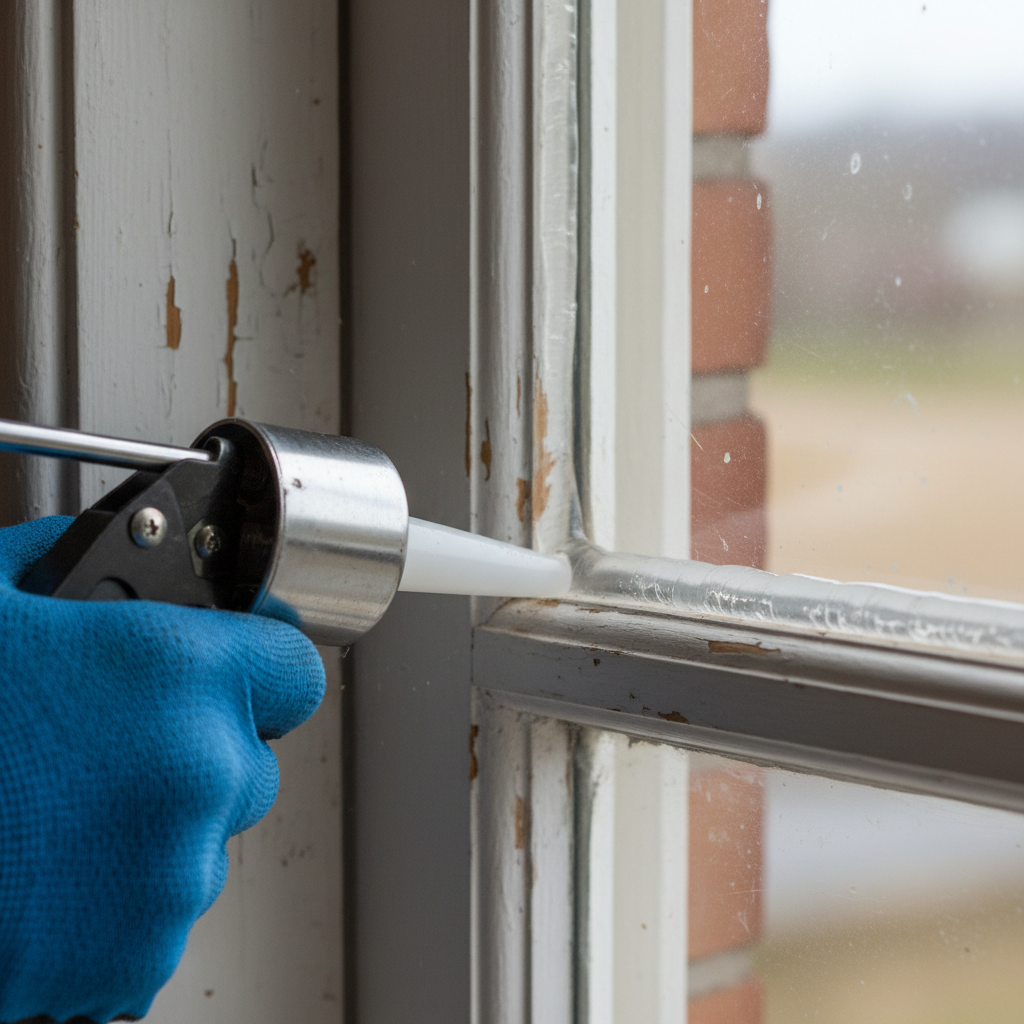
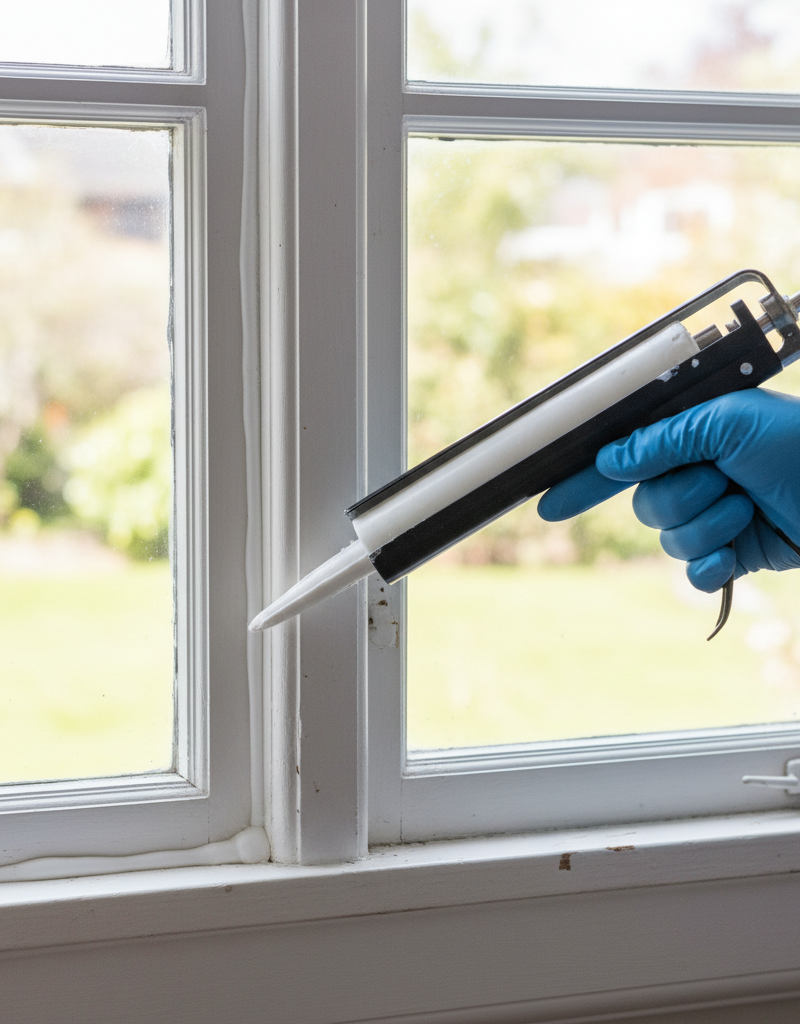
— Inspect the interior caulk bead where the window frame meets the wall. If it's cracked, shrunken, or separated, carefully remove the old caulk using a utility knife and a caulk removal tool. Clean the joint thoroughly. Apply a continuous, even bead of high-quality acrylic latex caulk with silicone, smoothing it immediately with a wet finger or caulk tool for a neat finish.
- Pro Tip: Cut the caulk tube nozzle at a 45-degree angle, making an opening just wide enough to fill the gap. Maintain steady pressure and speed for a consistent bead.
- Safety Note: Avoid breathing in dust when scraping old caulk; some older caulk may contain asbestos (unlikely in modern windows, but possible in very old homes).
5. Re-caulk Exterior Gaps – Protect from Elements
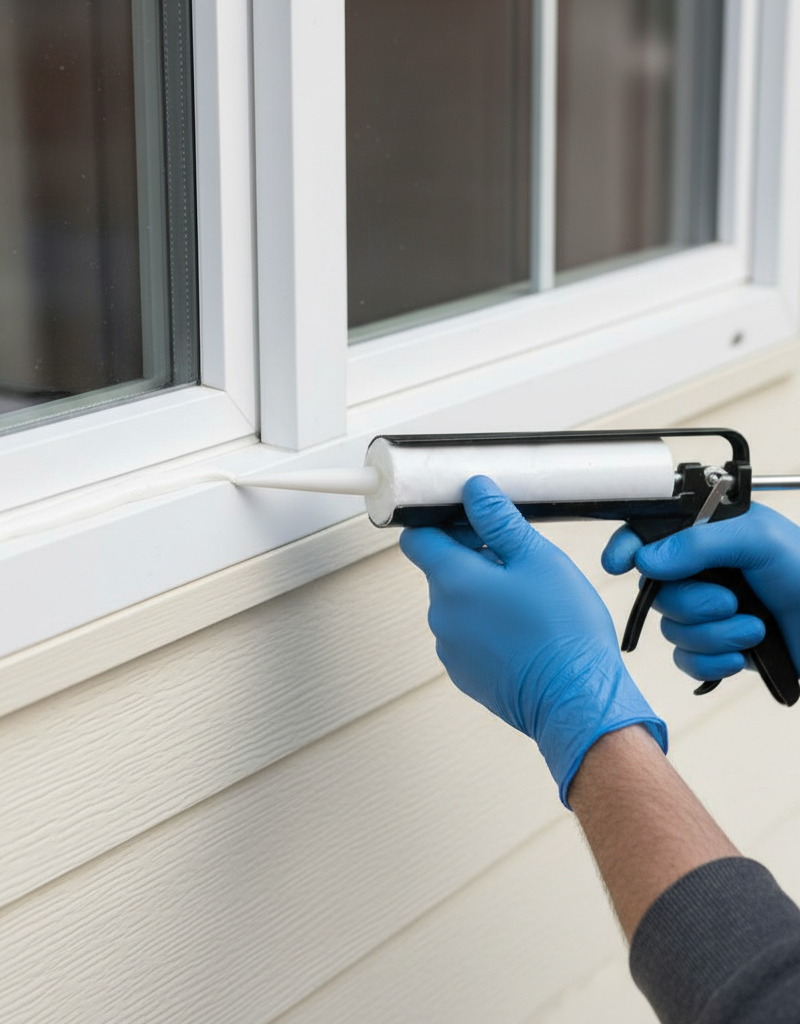
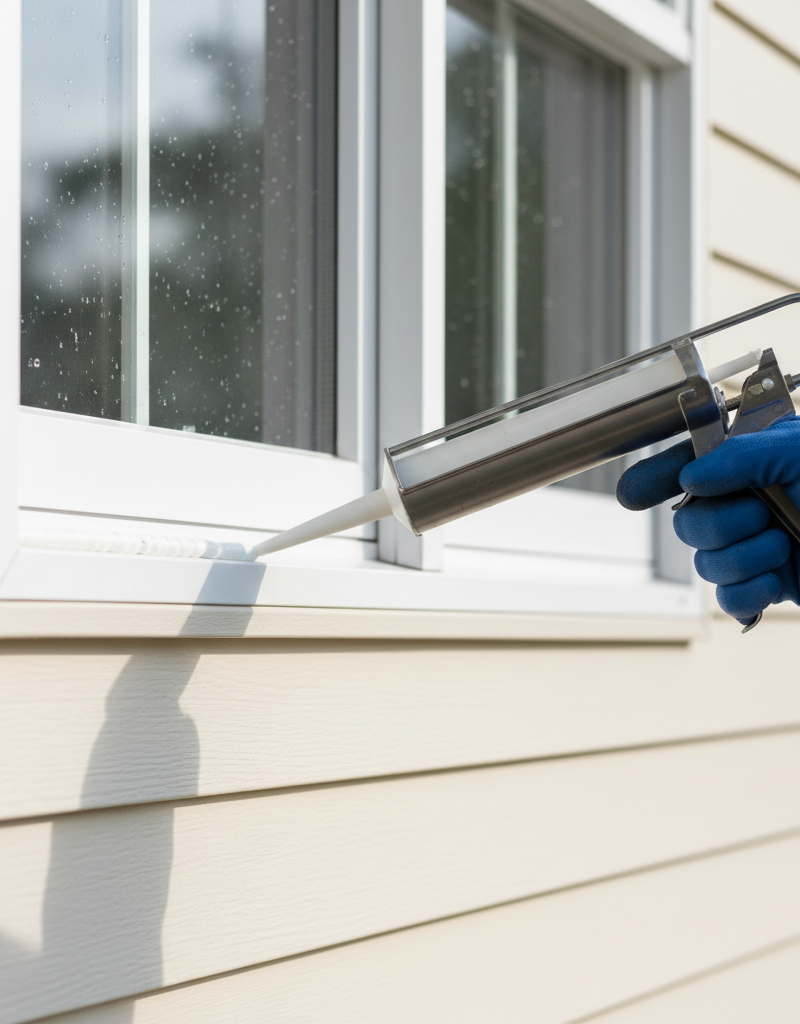
— Just as important as interior caulk, the exterior caulk prevents air and water infiltration from outside. Remove any failing exterior caulk with a utility knife and scraper. Use an exterior-grade, paintable silicone or polyurethane caulk, which offers superior flexibility and weather resistance. Apply a smooth, continuous bead along all seams where the window frame meets the siding or trim.
- Warning: If you see significant rot or structural damage around the exterior of the window frame, caulk alone won't solve the problem, and you may need to consult a carpenter or window professional.
6. Install Window Insulation Film (Temporal Solution) – The Winter Blanket
— For particularly drafty windows, or as a temporary measure during cold months, consider interior window insulation film. This clear plastic film shrinks tight with a hairdryer, creating an insulating air pocket between the window and the room. Clean the window frame, attach the double-sided tape around the perimeter, apply the film smoothly, and then shrink it with a hairdryer.
- Read Instructions: Follow the manufacturer's directions precisely for best results; improper application can lead to a saggy or ineffective seal.
- Benefit: Very effective at stopping drafts and improving energy efficiency for single-pane windows.
7. Add Rope Caulk/Putty (Targeted Fix) – Quick Spot Seal
— For small, specific gaps, especially around the edges of glass panes or very irregular frames, rope caulk (also known as caulk rope or sash cord putty) is an excellent, removable solution. Simply unroll a section and press it into the gap, molding it with your fingers. It's temporary and easily removable without damaging surfaces.
- Best Use: Good for rented homes or historic windows where permanent solutions aren't desired.
8. Check and Tighten Window Hardware – A Stable Foundation
— Loose window sashes can also contribute to drafts. Inspect all locking mechanisms, latches, and hinges. Tighten any loose screws on the sash or frame that may be allowing the window to shift or not close tightly. Sometimes, simply securing the window firmly in its closed and locked position can compress existing weatherstripping enough to eliminate minor drafts.
Common Causes
- Degraded Weatherstripping: The most frequent culprit. Over time, foam flattens, rubber stiffens, and felt frays, losing their ability to create a tight seal between moving sashes and the frame.
- Cracked or Shrunken Caulk: Both interior and exterior caulk lines can dry out, shrink, and crack due to age, UV exposure, and temperature fluctuations, creating gaps where air can seep through.
- Settling of the House: Minor structural shifts can cause window frames to move slightly, creating small gaps between the frame and the wall that compromise the caulk seal.
- Loose or Worn Hardware: Latches, locks, and hinges can become loose or worn, preventing the window from closing tightly and compressing the weatherstripping effectively.
- Poor Original Installation: In some cases, windows may have been improperly insulated or sealed when installed, leading to drafts years down the line.
- Single-Pane Windows: While not a
Related Articles
Keep troubleshooting with these hand-picked guides from FixlyGuide:
- The $7 Secret Why Your Windows Leak Air (And How to Seal Them in an Hour) — Discover the hidden culprits behind drafty windows and learn how to seal them effectively in about an hour with common, inexpensive materia…
- The 4 Hidden Causes of Drafty Windows (and How to Seal Them Tight) — Uncover the surprising reasons your windows are letting in cold air and learn practical, DIY solutions to seal them, saving energy and impr…
- The 15-Minute Deadbolt Swap: Why Your Old Lock Is a Security Risk (And the Easy Fix) — Upgrade your home security in just 15 minutes by replacing an old or faulty deadbolt lock with a new, more secure model.
- The 5-Minute Trick for a Stubborn Door Lock (No New Hardware Needed) — Before you replace a stiff door lock, try this simple lubrication and adjustment trick to restore smooth operation in minutes.
- The 5-Minute Trick to Fix a Window That Won't Stay Open (No Tools Needed!) — Discover the surprisingly simple reasons why your window keeps sliding shut and how to fix it in minutes, often without any tools.
- The #1 Mistake Homeowners Make When Caulking a Bathroom Sink (And How to Fix It) — Discover the most common caulk mistake homeowners make around bathroom sinks and follow simple steps to achieve a lasting, watertight seal.
Should you do this yourself?
Answer five quick questions before you start. Safety outranks savings every time.
Your experience with work like this
How high do you have to work?
Does the job involve any of these?
Will it need a permit?
Specialty tools
Free and instant. Educational guidance only — not a quote, inspection, or professional diagnosis.
Questions to ask before you sign
Ask every contractor the same questions and the cheapest bid stops looking cheapest. Check them off as you go — your progress is saved on this device.
Free, no signup. Bring this to every walkthrough so you compare bids on the same terms.
What should this project cost?
Enter your project details for a realistic cost range before you call anyone.
Per-window replacement commonly $450–$1,400 installed; hardware repairs often under $300.
- Regional adjustment
- National average
- Labor share (typical)
- ~$281
- Quotes to collect
- 3 written estimates
Educational estimate based on national averages — not a binding quote. Always confirm with written local estimates.
Handle this before it gets worse
First steps that limit damage, then a way to reach a qualified pro.
- Emergency repair checklistThe first steps that limit damage before a pro arrives.Open
- Get local estimatesSend one request and compare written estimates from vetted pros.Open
- Estimate this projectGet a cost range for your scope and ZIP before you call anyone.Open
Free, no signup required. Estimates are educational guidance, not a quote or an inspection.
Recommended for DIYers & woodworkers
Sponsored
The Top 20 Tools for Workshops of Any Budget
No stationary machines or power tools required — plus 3 fundamental tools that can't be bought at any price.
Get the free guide
Ted's Woodworking — The #1 Woodworking Resource
Detailed instructions, dimensioned drawings, materials & cutting lists, and 3D schematics for every skill level.
See the plansSponsored: links above are affiliate links. FixlyGuide may earn a commission on qualifying purchases — at no extra cost to you.
Frequently asked questions
How do I find where a window draft is coming from?+
The most effective method is to use a lit incense stick or a feather. On a breezy day, move it slowly around the window frame, sashes, and where the frame meets the wall. A flickering flame or disturbed feather will indicate air movement and the exact location of the draft.
What is the best caulk to seal drafty windows?+
For interior gaps, a good quality acrylic latex caulk with silicone added offers flexibility and paintability. For exterior use, choose an exterior-grade silicone or polyurethane caulk, which provides superior weather resistance and durability against the elements.
Can window film really stop drafts?+
Yes, window insulation film can be surprisingly effective, especially for single-pane windows or those with severe drafts. It creates an insulating air pocket that helps reduce heat transfer and stops drafts, making your room feel warmer. It's a great temporary or seasonal solution.
How long does weatherstripping last?+
The lifespan of weatherstripping varies significantly by material and exposure. Foam typically lasts 1-3 years, while rubber or vinyl can last 5-10 years. Higher quality materials like EPDM rubber or bronze V-strips can last 10-20 years or more with proper care, but all materials eventually degrade.
Discussion
Loading comments…