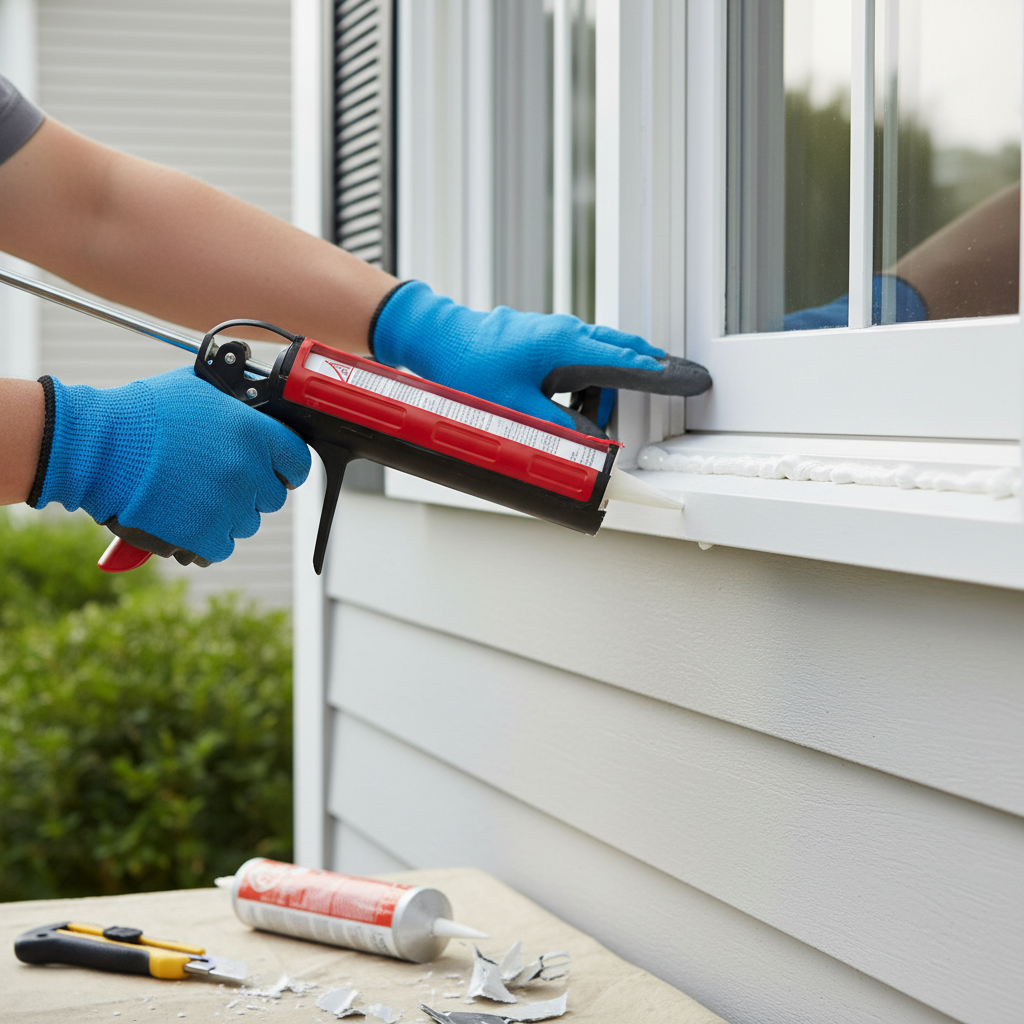
- Degraded Exterior Caulk: Sun, extreme temperatures, and house settling cause caulk to crack, shrink, or pull away, creating gaps where air enters and exits.
- Worn or Missing Weatherstripping: Over time, the compressible material designed to seal moving window sashes can flatten, become brittle, tear, or fall off, losing its ability to block airflow.
- Poorly Fitted or Settled Windows: Windows installed incorrectly or those that have settled unevenly over time can create permanent gaps that are difficult to seal with standard methods.
- Loose Latches or Hardware: If latches don't pull the window sashes tightly against the frame, the weatherstripping can't do its job effectively.
Plumbing · Leak
| Project category | Plumbing |
|---|---|
| Problem type | Leak |
| Trade required | Plumbing |
| Urgency | Emergency — act now |
| Safety risk | High safety risk |
| DIY suitability | DIY for experienced homeowners |
| Cost category | Low cost |
| Typical timeline | Shut water off now; repair usually same or next day |
| Contractor type | Licensed plumber |
Repair option
Isolate at the shutoff, replace the failed component, and dry the cavity fully.
Replacement option
Repipe the run or the branch when corrosion is widespread.
Common causes
- Failed supply line or shutoff valve
- Worn washers, cartridges, or P-trap connections
- Pinhole corrosion in older copper
Relevant tools:emergency checklistdiy or hire a pro
Published May 23, 2026Last updated August 17, 2026
Tools & materials you'll need
Affiliate linksAs an Amazon Associate FixlyGuide earns from qualifying purchases — at no extra cost to you. Prices and availability are accurate as of publication and subject to change.
Quick Answer
Drafty windows are a major culprit for heat loss in winter and heat gain in summer, leading to uncomfortable rooms and higher energy bills. Often, the cause is easily identifiable and fixable, primarily involving degraded or improperly installed caulk, weatherstripping, or glazing putty. By systematically inspecting and addressing these common failure points, you can significantly improve your home's energy efficiency and comfort, often for less than $50 and in just a few hours of work.
The Problem
That cold draft near your window isn't just annoying; it's a constant drain on your wallet. Every year, countless homeowners unknowingly waste hundreds of dollars on heating and cooling due to uncontrolled air leakage around their windows. The problem isn't always obvious; sometimes, the drafts are subtle but persistent. Beyond the financial impact, drafty windows create uneven temperatures within your home, making some rooms chilly and others warm, forcing your HVAC system to work overtime to compensate. Over time, these uncontrolled air movements can also contribute to moisture problems, dust infiltration, and even noise pollution from outside. While a window may appear to be closed and latched, tiny gaps, cracks, or worn-out seals can allow a surprising amount of air to pass through, compromising your home's thermal envelope.
How It Works
Windows are complex assemblies designed to provide light, ventilation, and a view while also acting as a barrier against the elements. A typical window consists of a frame (the stationary part attached to the house), a sash (the movable part that holds the glass), and the glass itself. Air leaks commonly occur at several key points: where the window frame meets the house siding or trim, where the sash meets the frame when closed, and sometimes directly through the window components if they are damaged or poorly constructed.
Caulk plays a critical role on the exterior, sealing the stationary window frame to the house. It's an elastomeric material designed to expand and contract with temperature changes, forming a watertight and airtight seal. Over time, UV exposure, temperature fluctuations, and house movement can cause caulk to dry out, crack, or pull away from the surfaces it's meant to seal, creating pathways for air and moisture.
Weatherstripping is used on the interior and sometimes exterior where movable sashes meet the frame. It's a compressible material – such as foam, felt, vinyl, or metal strips – that creates a tight seal when the window is closed and latched. Its purpose is to block air infiltration between the moving and stationary parts of the window. Like caulk, weatherstripping can degrade, flatten, tear, or become brittle over time, losing its ability to create an effective seal.
Glazing putty or sealant (often a rubber gasket or silicone bead) holds the glass panes within the sash. If this material cracks, shrinks, or deteriorates, air can leak directly around the glass itself.
Finally, the wall cavity around the window also needs to be sealed. Builders often use low-expansion spray foam or insulating strips in this area to prevent air from bypassing the window unit entirely. If this internal sealing is insufficient or has settled, air can enter the wall cavity and emerge around the interior trim, even if the window unit itself is perfectly sealed. Understanding these crucial sealing points is the first step toward effectively identifying and fixing drafts.
Step-by-Step Fix
Safety Note: When working with utility knives or scraping tools, always direct the blade away from your body. Wear safety glasses to protect your eyes from debris, especially when scraping old caulk or paint. If working on upper-story windows, use a stable ladder and have a spotter, or consider calling a professional for exterior work.
1. Pinpoint the Leaks — Identify where the drafts are actually coming from.
Before you can seal a draft, you need to know its source. This diagnostic step is crucial for an effective fix. Close all windows and doors in the house. You can use an incense stick, a lit candle, or even your hand. Hold the smoke source or your hand around the window frame, paying close attention to the perimeter where the frame meets the wall, where the sashes meet each other, and where the sash meets the frame. You'll see the smoke waver or feel a distinct cold breeze at the leak points. Mark these areas with painter's tape or a pencil for later.
- If you suspect major leaks within the wall cavity: Consider a thermal leak detector (often rentable) or contact an energy auditor.
2. Scrape Away Old Caulk — Remove degraded caulk from around the exterior of the window frame.
Using a utility knife, caulk removal tool, or a stiff putty knife, carefully scrape away all old, cracked, or loose caulk from the exterior perimeter of the window frame. Be thorough; fresh caulk won't adhere properly to old, crumbling material. Take care not to damage the window frame or siding. For stubborn caulk, a caulk softener chemical can be applied (follow manufacturer directions). Clean the surface thoroughly with a wire brush or denatured alcohol to ensure it's free of dust, debris, and residues. Let it dry completely.
- Tools: Utility knife, caulk removal tool, wire brush, denatured alcohol, safety glasses.
3. Replace Exterior Caulk — Apply a fresh, durable seal around the exterior frame.
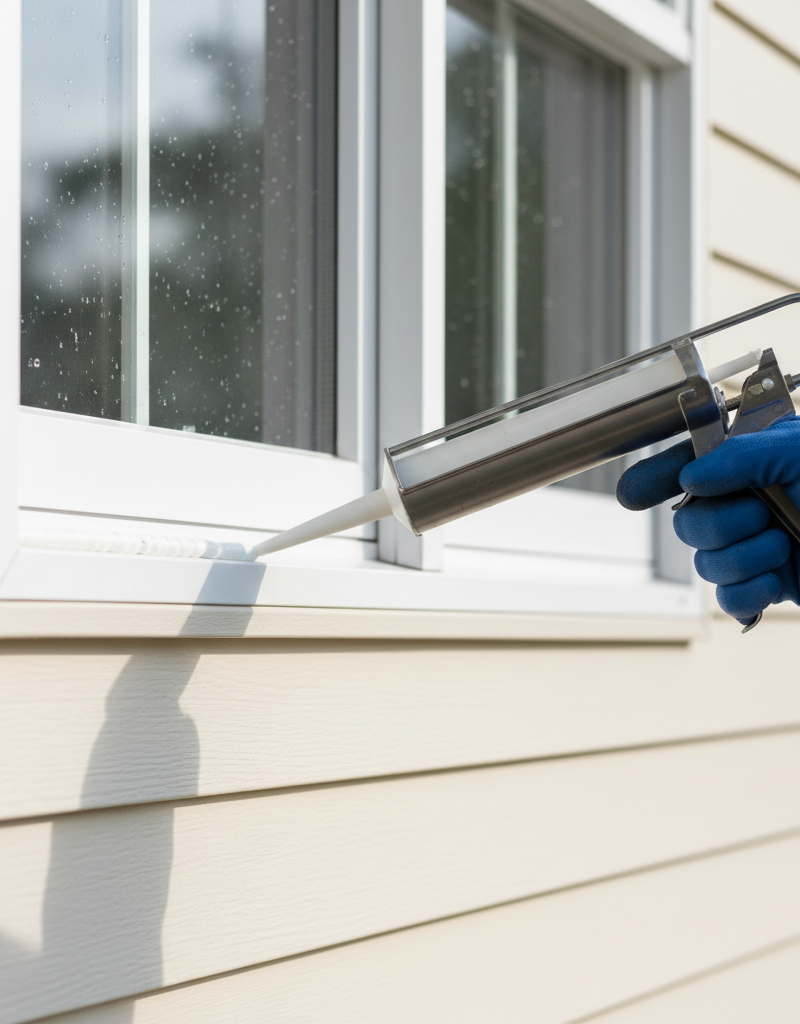
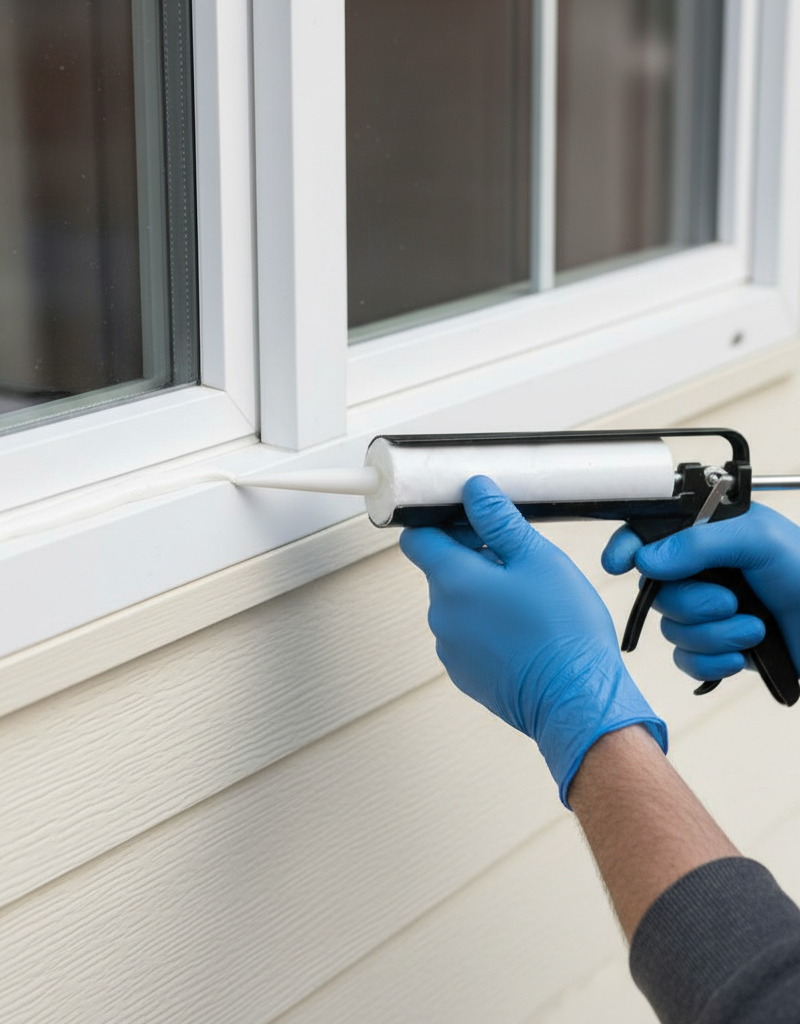
Choose an exterior, paintable, siliconized acrylic latex caulk or 100% silicone caulk designed for windows and doors. Cut the tip of the caulk tube at a 45-degree angle, making an opening just large enough for the bead you want to lay. Puncture the inner seal. Apply a continuous, even bead of caulk along all seams where the window frame meets the exterior siding or trim. Maintain steady pressure and a consistent speed. Smooth the caulk immediately with a wet finger, a caulk tool, or a damp cloth for a clean, professional finish. Allow the caulk to cure according to manufacturer instructions before painting or exposing it to rain.
- Cost Tip: Higher quality caulk (e.g., polyurethane or advanced polymer) lasts longer but costs more. It's worth the investment for exterior seals.
- If gaps are wider than 1/4 inch: Insert backer rod into the gap before applying caulk. This provides a stable base and reduces caulk consumption.
4. Inspect and Replace Weatherstripping — Address leaks around the movable sashes.
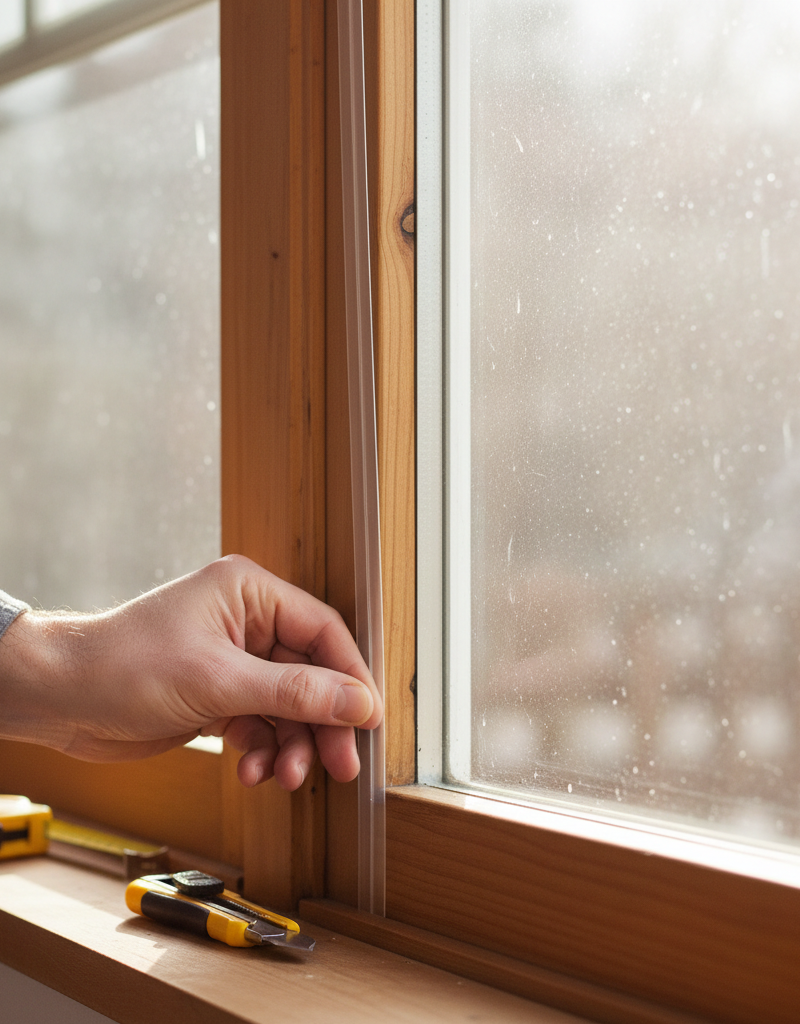
Open your window sashes and inspect the weatherstripping along the edges where the sashes meet the frame and each other. Look for flattened, cracked, missing, or brittle material. Gently pull away any old, damaged weatherstripping. Measure the length and profile (shape) of the old stripping. Purchase new weatherstripping that matches the original type as closely as possible (foam, felt, vinyl, rubber bulb, or V-seal). Clean the surface where the new weatherstripping will adhere. Press the new adhesive-backed weatherstripping firmly into place, ensuring a continuous seal. For non-adhesive types, use small brads or screws as appropriate.
- Common types: V-strip (tension seal), foam tape, bulb gasket.
- Troubleshooting: If the window is still drafty after replacing the most obvious weatherstripping, check for gaps at the meeting rail (where two sashes meet in the middle) and the bottom sill.
5. Seal Interior Trim Gaps — Prevent air from entering through gaps between interior trim and the wall.
Just as exterior caulk seals the frame to the house, interior caulk seals the interior trim to the wall. This prevents air that has penetrated the wall cavity from entering your living space. Apply a small, neat bead of paintable acrylic latex caulk along the line where the window trim meets the interior wall. Smooth it with a wet finger or damp sponge. This acts as a secondary air barrier and improves the aesthetic finish. This is also the time to seal any gaps between the interior trim pieces themselves.
6. Address Glazing Leaks — Seal directly around the glass pane if it's loose.
If you've identified drafts coming directly from the edge of the glass pane within the sash, the glazing putty or sealant may have failed. For older wood windows with glazing putty, carefully chip away loose, crumbling putty with a putty knife. Use a heat gun on a low setting to soften very old, hardened putty, but be extremely careful not to overheat and crack the glass. Clean the rabbet (the recess holding the glass). Apply new glazing putty or a bead of silicone sealant around the perimeter of the glass, pressing it firmly into place to create a tight seal. Allow it to skin over or cure before disturbing.
- For modern vinyl or metal windows: These typically use rubber gaskets or factory-sealed glass units. If these are leaking, it often indicates a failed insulated glass unit (IGU), and replacement of the sash or IGU by a professional is usually required.
7. Adjust Latches and Locks — Ensure sashes are pulled tight against the weatherstripping.
Sometimes, drafts occur because the window sashes aren't fully engaged with the weatherstripping when closed. Inspect your window latches and locks. For some window types (e.g., double-hung), the tension on the latches can be adjusted with a screwdriver to pull the sashes tighter together or tighter against the frame. A tight latch presses the weatherstripping more firmly, enhancing the seal. Make small adjustments, then test immediately for improvement.
Common Causes
- Degraded Exterior Caulk: Sun, extreme temperatures, and house settling cause caulk to crack, shrink, or pull away, creating gaps where air enters and exits.
- Worn or Missing Weatherstripping: Over time, the compressible material designed to seal moving window sashes can flatten, become brittle, tear, or fall off, losing its ability to block airflow.
- Failed Glazing: For older windows, glazing putty that holds the glass in place can crack and shrink, allowing air to escape directly around the pane. In modern windows, the seal of an insulated glass unit can fail, leading to foggy glass and potential drafts.
- Unsealed Wall Cavities: Even with perfectly sealed windows, air can bypass the unit entirely if the rough opening in the wall isn't properly sealed and insulated before the window is installed. Air can flow from the wall cavity behind the interior trim.
- Poorly Fitted or Settled Windows: Windows installed incorrectly or those that have settled unevenly over time can create permanent gaps that are difficult to seal with standard methods.
- Loose Latches or Hardware: If latches don't pull the window sashes tightly against the frame, the weatherstripping can't do its job effectively.
Common Mistakes
- Not Cleaning Surfaces Thoroughly: Applying new caulk or weatherstripping over dirt, old caulk residue, or loose paint will prevent a strong, lasting bond, leading to premature failure of the seal. Always clean and dry surfaces first.
- Using the Wrong Type of Caulk: Interior caulk (paintable acrylic latex) is not suitable for exterior exposure, where it will quickly degrade. Exterior caulk needs to be weather-resistant and flexible. Likewise, using stiff, inappropriate weatherstripping can prevent the window from closing properly.
- Ignoring the Backer Rod: For wide gaps (over 1/4 inch), simply filling with caulk is inefficient and leads to a weak, short-lived seal. Backer rod provides a proper base for the caulk bead, ensuring it adheres only to two surfaces, allowing for necessary flexibility and longevity.
- Applying Too Much or Too Little Caulk/Sealant: A thin, even bead is more effective and professional-looking than a thick, messy one. Too little caulk won't fill the gap, while too much is wasteful and harder to smooth properly.
- Forgetting Interior Trim Gaps: Focusing solely on exterior seals can miss a crucial pathway for drafts. If air is getting into the wall cavity, it can exit around the interior trim, even if the window unit itself is airtight.
- Not Testing After the Fix: Assume nothing. After each sealing effort, re-test the window with an incense stick or your hand to confirm the draft has been eliminated. This helps you identify if you missed a spot or if the issue lies elsewhere.
Cost & Time Breakdown
| Task | DIY Cost | Pro Cost | Time |
|---|---|---|---|
| Identify Leaks | $0–$15 | N/A | 10–30 minutes |
| Remove Old Caulk/Weatherstrip | $0–$10 | Included | 15–45 minutes/window |
| Apply New Exterior Caulk | $10–$30/window | $100–$250/window | 30–60 minutes/window |
| Replace Weatherstripping | $10–$40/window | $75–$200/window | 30–90 minutes/window |
| Seal Interior Trim Gaps | $5–$15/window | $50–$100/window | 15–30 minutes/window |
| Minor Glazing Repair | $10–$25 | $75–$150/pane | 45–90 minutes/pane |
Tips & Prevention
- Annual Inspection: Make it a habit to inspect your window seals annually, ideally in the fall before cold weather sets in. Look for visible cracks in caulk, worn weatherstripping, or areas where seals appear compromised.
- Cleanliness is Key: Always clean the surfaces where caulk or weatherstripping will be applied. Dirt, dust, and old residues are the enemy of a durable seal.
- Choose the Right Materials: Invest in high-quality exterior-grade caulk (siliconized acrylic latex or 100% silicone) for outdoor applications. For weatherstripping, select materials that are appropriate for your window type and the severity of the gap.
- Mind the Temperature: Apply caulk when temperatures are moderate (typically 40°F to 90°F / 4°C to 32°C). Extreme cold makes caulk stiff and difficult to apply, while extreme heat can cause it to skin over too quickly.
- Maintain Your Windows: Keep window sashes clean and tracks free of debris. Lubricate moving parts periodically (e.g., with silicone spray) to ensure smooth operation and proper latching. This prevents undue stress on seals.
- Consider Window Films: For an extra layer of insulation and draft deterrence, especially on older single-pane windows, consider applying temporary shrink-wrap window insulation kits. These are inexpensive and effective for the winter months.
When to Call a Professional
While many draft issues are DIY-friendly, some situations warrant professional intervention. If you suspect drafts are originating from inside the wall cavity, beyond simple trim gaps, a professional energy auditor can pinpoint hidden leaks using advanced tools like thermal cameras. For significant damage to the window frame itself, rot, or if insulated glass units (IGUs) are consistently fogging up (indicating a failed seal), replacing the entire window or having a glazier replace the IGU may be necessary. If your windows are old and single-pane, despite your best sealing efforts, you might consider professional replacement with modern, energy-efficient windows. Also, if you need to work on windows high up on a second story or higher, especially on the exterior, it's safer to hire a professional with the proper safety equipment and experience to avoid falls and ensure a proper seal. Finally, any draft accompanied by significant structural damage or persistent moisture issues should be evaluated by a professional to address underlying problems.
Related Articles
Keep troubleshooting with these hand-picked guides from FixlyGuide:
- The $7 Secret Why Your Windows Leak Air (And How to Seal Them in an Hour) — Discover the hidden culprits behind drafty windows and learn how to seal them effectively in about an hour with common, inexpensive materia…
- The 4 Hidden Causes of Drafty Windows (and How to Seal Them Tight) — Uncover the surprising reasons your windows are letting in cold air and learn practical, DIY solutions to seal them, saving energy and impr…
- The 3 Hidden Reasons Your Door Won't Latch (And the Easy Fixes) — Discover the surprising reasons your interior door isn't latching and how to quickly diagnose and fix the issue with simple tools.
- The 3 Hidden Reasons Your Window Won't Stay Up (And the Easy Fixes) — Before you call a repairman, learn the three most common reasons your double-hung window won't stay open and how to fix them yourself.
- The 3 Hidden Reasons Your Door Won't Latch (And the Easy DIY Fixes) — Frustrated by a door that refuses to latch? Discover the common culprits behind this annoying problem and learn simple, effective DIY fixes…
- The #1 Mistake Homeowners Make When Caulking a Bathroom Sink (And How to Fix It) — Discover the most common caulk mistake homeowners make around bathroom sinks and follow simple steps to achieve a lasting, watertight seal.
Should you do this yourself?
Answer five quick questions before you start. Safety outranks savings every time.
Your experience with work like this
How high do you have to work?
Does the job involve any of these?
Will it need a permit?
Specialty tools
Free and instant. Educational guidance only — not a quote, inspection, or professional diagnosis.
Questions to ask before you sign
Ask every contractor the same questions and the cheapest bid stops looking cheapest. Check them off as you go — your progress is saved on this device.
Free, no signup. Bring this to every walkthrough so you compare bids on the same terms.
What should this project cost?
Enter your project details for a realistic cost range before you call anyone.
Per-window replacement commonly $450–$1,400 installed; hardware repairs often under $300.
- Regional adjustment
- National average
- Labor share (typical)
- ~$281
- Quotes to collect
- 3 written estimates
Educational estimate based on national averages — not a binding quote. Always confirm with written local estimates.
Handle this before it gets worse
First steps that limit damage, then a way to reach a qualified pro.
- Emergency repair checklistThe first steps that limit damage before a pro arrives.Open
- Get local estimatesSend one request and compare written estimates from vetted pros.Open
- Estimate this projectGet a cost range for your scope and ZIP before you call anyone.Open
Free, no signup required. Estimates are educational guidance, not a quote or an inspection.
Recommended for DIYers & woodworkers
Sponsored
The Top 20 Tools for Workshops of Any Budget
No stationary machines or power tools required — plus 3 fundamental tools that can't be bought at any price.
Get the free guide
Ted's Woodworking — The #1 Woodworking Resource
Detailed instructions, dimensioned drawings, materials & cutting lists, and 3D schematics for every skill level.
See the plansSponsored: links above are affiliate links. FixlyGuide may earn a commission on qualifying purchases — at no extra cost to you.
Frequently asked questions
How do I find exactly where a window is drafty?+
To find window drafts, close all windows and doors. Light an incense stick or a candle and hold it around the perimeter of the window frame, where the sash meets the frame, and around the glass. Observe where the smoke wavers or the flame flickers, or feel for a cold breeze with your hand. Mark these spots for repair.
What is the best caulk to use for sealing around windows?+
For exterior window sealing, use a high-quality, exterior-grade siliconized acrylic latex caulk, polyurethane caulk, or 100% silicone caulk. These types offer excellent flexibility, adhesion, and resistance to weather and UV radiation. For interior trim, a paintable acrylic latex caulk is usually sufficient.
How often should I re-caulk my windows?+
The lifespan of caulk varies depending on its quality and exposure to the elements. Generally, exterior caulk should be inspected annually and typically lasts 5-10 years. High-quality silicone or polyurethane caulk can last 20 years or more. Interior caulk usually lasts longer as it's not exposed to UV or extreme weather.
Can new weatherstripping really stop a draft?+
Absolutely. Worn, flattened, or missing weatherstripping is a very common cause of drafts, especially around movable sashes. Replacing old weatherstripping with a suitable new material (foam, V-strip, or bulb gasket) can create a tight seal when the window is closed, significantly reducing air infiltration.
When should I call a professional for drafty windows?+
Call a professional if drafts are accompanied by significant window damage, rot, or persistent moisture issues. If you suspect deep-seated leaks within the wall cavity, have failed insulated glass units (foggy glass), or need to work on high exterior windows, a professional energy auditor or window specialist is recommended.
Discussion
Loading comments…