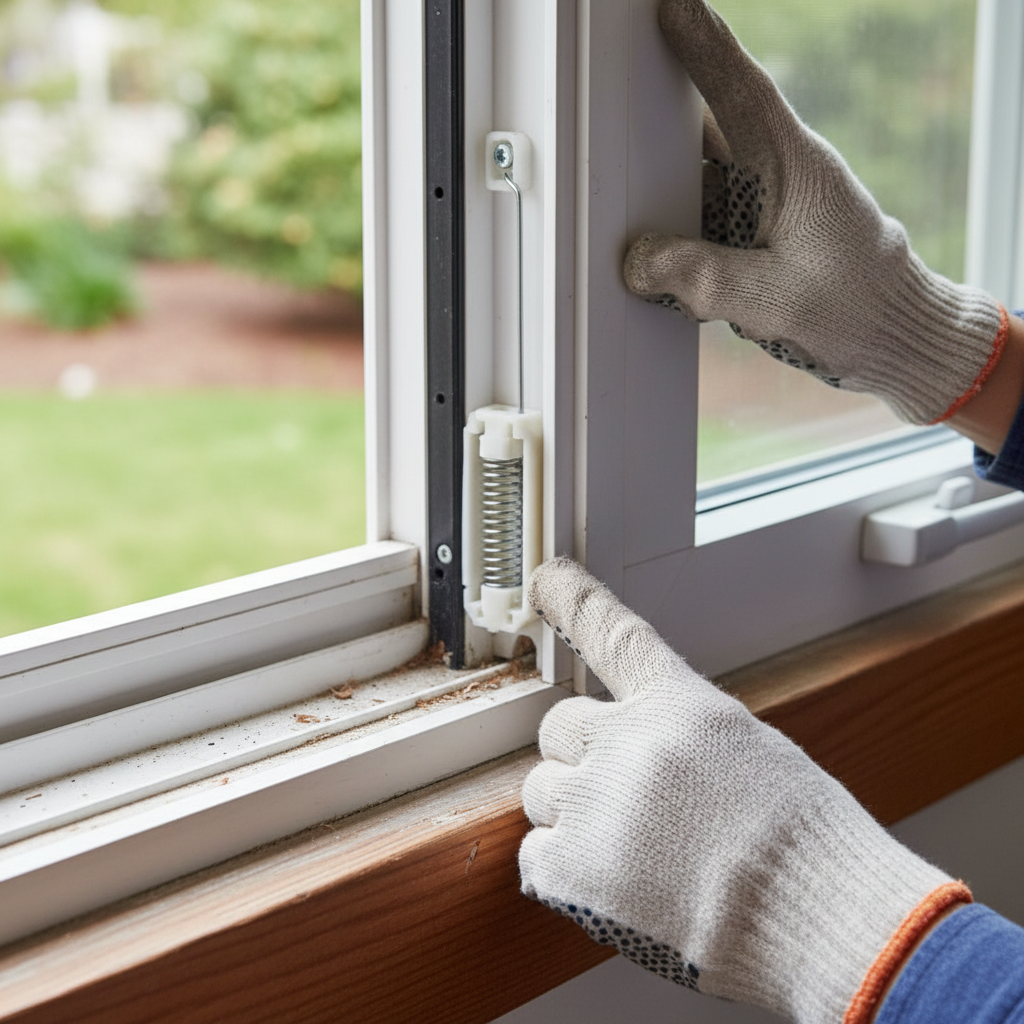
- Replacement: If the balance is broken or significantly worn:
- Remove any screws holding the balance unit in the side channel of the window frame.
- Slide the old balance out.
- Slide the new balance into place, ensuring it's oriented correctly (often marked 'top' and 'bottom').
General remodeling · Renovation planning
| Project category | General remodeling |
|---|---|
| Problem type | Renovation planning |
| Trade required | General contracting |
| Urgency | Planned project |
| Safety risk | Low safety risk |
| DIY suitability | Pro recommended |
| Cost category | Major investment |
| Typical timeline | Design and permitting often 2–4 months before work starts |
| Contractor type | General contractor |
Repair option
Phase the work and fix the building envelope first.
Replacement option
Full renovation with permits, design, and a general contractor.
Common causes
- Space no longer fits how the household lives
- Resale preparation
- Deferred maintenance stacking up
Relevant tools:project cost estimatorcompare quoteshome improvement material prices
Published May 1, 2026Last updated August 17, 2026
Tools & materials you'll need
Affiliate linksAs an Amazon Associate FixlyGuide earns from qualifying purchases — at no extra cost to you. Prices and availability are accurate as of publication and subject to change.
Quick Answer
A double-hung window that refuses to stay open is a frustrating but common issue, almost always pointing to a problem with its balance system. These systems, whether they rely on coil springs, sash cords and pulleys, or friction, are designed to counteract the weight of the window sash, allowing it to remain at any desired height. The good news is that diagnosing and repairing these issues is often straightforward and can be a rewarding DIY project, saving you the cost of a professional repair.
The Problem
Imagine trying to hold a heavy object aloft with a weak spring – it sags. That's essentially what's happening with your double-hung window. The window sash, the movable part, is heavy. To keep it elevated, a counterbalancing force is required. When this force is compromised, the sash simply slides back down under its own weight. This isn't just an annoyance; a window that won't stay open can be a safety hazard, a security risk, and a detriment to proper ventilation in your home. Before throwing in the towel and calling for professional help, understanding how these mechanisms work can empower you to fix the problem yourself.
How It Works
Most double-hung windows rely on one of three primary balance systems to stay open: coil springs, spiral balances, or old-fashioned ropes and pulleys.
-
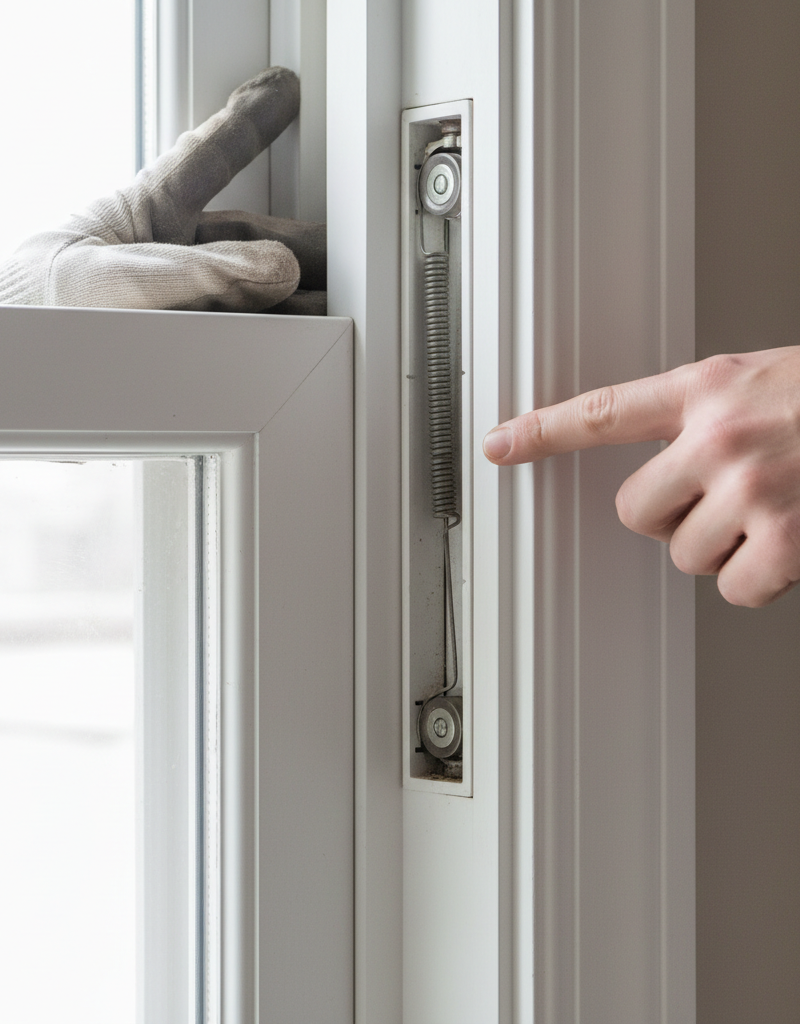
Coil Spring Balances: These are the most common in modern vinyl or aluminum windows. A coiled spring, often encased in a plastic or metal tube on the side of the window frame, is attached to the sash. As you open the window, the spring is extended and creates tension. This tension helps to hold the sash in place. Over time, these springs can lose their tension, snap, or become disconnected from the sash.
-
Spiral Balances: Similar to coil springs, spiral balances also use a spring mechanism, but they are often twisted (spiralled) inside a tube. A rod extends from the bottom of the tube and connects to the window sash. When the window is opened, the spring unwinds, providing the necessary upward force. Damage or wear to the spiral spring or the pivot at the bottom can cause failure.
-
Sash Cords and Pulleys: Found predominantly in older, traditional wood windows, this system uses weights (often lead or cast iron) hidden inside the window frame. A sash cord runs from the window sash, over a pulley at the top of the frame, and down to the weight. The weight counterbalances the sash. Common issues here include a frayed or broken sash cord, a stuck pulley, or a dislodged weight.
Regardless of the system, the principle is the same: providing an opposing force to the sash's weight. When this force diminishes or fails, the window simply won't stay where you put it.
Step-by-Step Fix
1. Identify the Balance System – *Determine if you have coil, spiral, or sash cord balances.
- Coil/Spiral Balances: Open the window slightly and look along the sides of the sash where it meets the frame. You'll likely see a plastic or metal housing extending from the bottom of the sash. If you see a thin rod or a plastic clip connecting the sash to this housing, it's a coil or spiral balance.
- Sash Cords/Weights: In older wooden windows, look for a visible rope or cord running up into a pulley at the top outer corner of the window frame. If present, it's a sash and weight system.
- If you're unsure: Carefully remove the sash from the frame (see step 2) for a clearer view.
2. Safely Remove the Window Sash – *Access for inspection and repair.
Safety Note: Window sashes can be heavy. Use caution and get help if needed. Wear safety glasses and gloves.
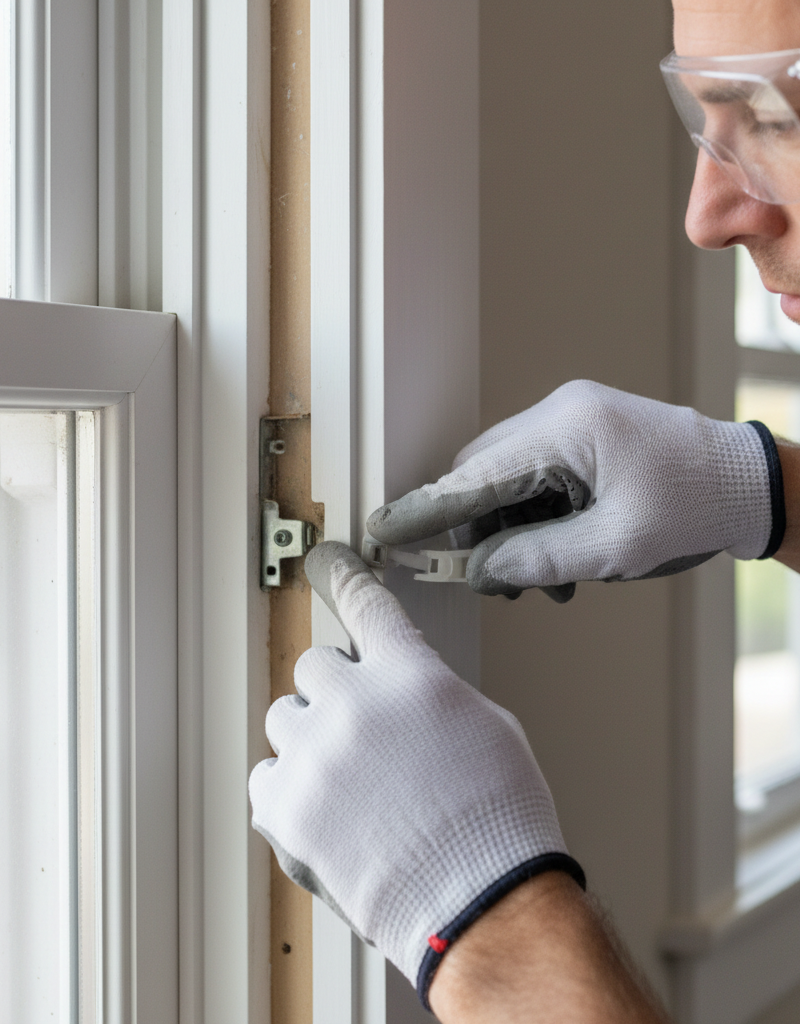
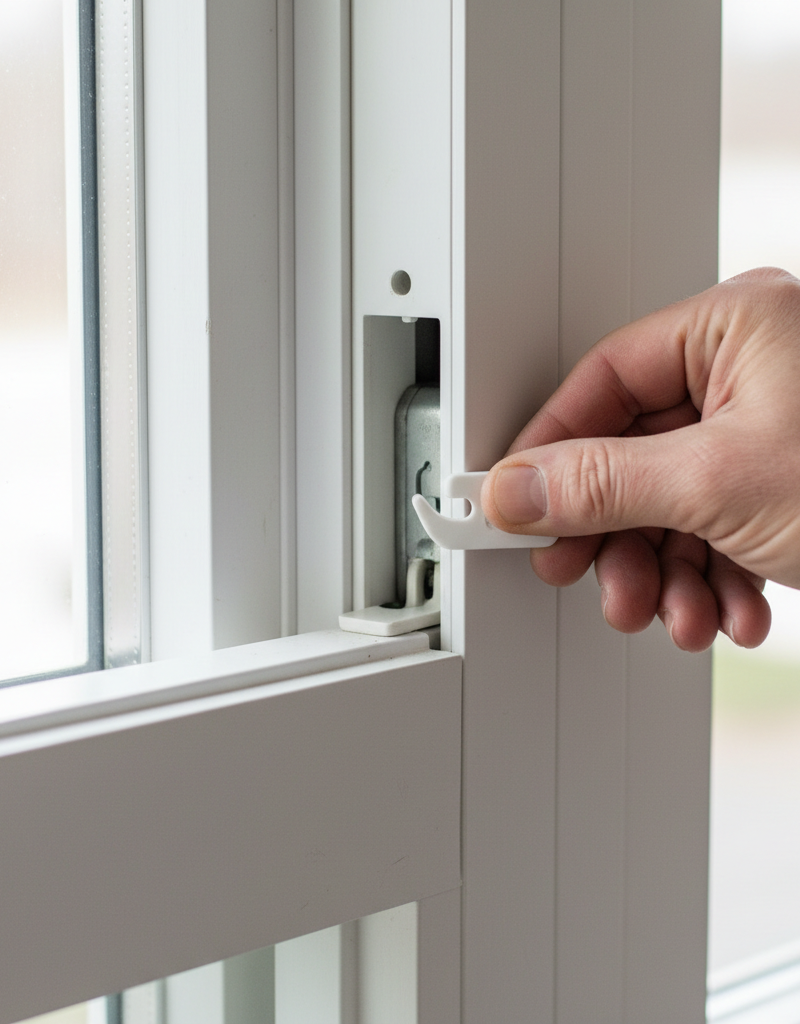
- Vinyl/Modern Windows (Coil/Spiral): Fully open the window. Tilt the sash inwards (there are usually small pivot pins or clips you'll need to depress at the bottom of the sash). Carefully lift one side of the sash up and out of the frame, then the other. If it doesn't tilt, you may need to find release clips at the top of the sash and slide it out of the side channels.
- Wooden Windows (Sash Cords): Before removing, carefully cut the sash cords where they enter the sash (you'll reattach later). Then, unscrew or pry off the wooden stop strips that hold the sash in place on the side of the frame. Gently lift the sash out.
3. Inspect Coil and Spiral Balances – *Look for common points of failure.
- Disconnected or Broken Pivot: Check the bottom of the sash where the balance mechanism connects. Often, a plastic pivot bar that interfaces with the balance can snap or become dislodged from its channel. If it's dislodged, carefully re-insert it. If it's broken, you'll need a replacement.
- Loose or Worn Spring: Inspect the coiled or spiral spring within the balance tube. If it appears loose, untwisted (for spiral), or if you can freely pull the rod without resistance, the spring has likely lost its tension or is broken internally. This usually means replacing the entire balance unit.
- Damaged Balance Housing: Look for cracks or breaks in the plastic or metal housing itself. Sometimes, the entire unit needs replacement.
- If replacing: Take the old balance unit to a hardware store to match the exact length and spring strength. There will be markings on the unit indicating its size and strength (e.g., a colored tip). Make sure you get the correct handedness (left/right).
4. Repair or Replace Coil and Spiral Balances – *Re-tensioning or swapping out the unit.
- Re-tensioning (Spiral Balances Only): If the spiral balance rod is disconnected but the spring seems intact, you might be able to re-tension it. Use a tensioning tool (often available with new balances or as a separate tool) or an adjustable wrench. Insert the tool into the notch at the bottom of the balance tube and twist it clockwise several times (usually 5-7 full turns, but consult manufacturer instructions if available). Reconnect the balance rod to the pivot bar on the sash. This can be tricky and may require several attempts to get the right tension.
- Replacement: If the balance is broken or significantly worn:
- Remove any screws holding the balance unit in the side channel of the window frame.
- Slide the old balance out.
- Slide the new balance into place, ensuring it's oriented correctly (often marked 'top' and 'bottom').
- Secure it with screws.
5. Inspect Sash Cords and Pulleys – *Check for fraying, breakage, or obstructions.
- Broken/Frayed Cord: This is the most common issue. If the cord is frayed or snapped, it needs replacement.
- Stuck Pulley: Check if the pulley wheel spins freely. If it's seized, rusted, or jammed, lubricate it with a dry lubricant (like silicone spray) or replace it if necessary by unscrewing it from the frame.
- Dislodged Weight: If the cord is intact but the window still drops, the weight inside the wall might have come loose or is snagged. This requires removing an access panel on the side of the window frame (if present) or carefully prying open a section of the plaster/drywall to access the weight pocket.
6. Replace Sash Cords – *A common fix for older windows.
- Access the Weight: Open the sash weight pocket cover (a small wooden panel typically found at the bottom of the window frame, secured by a single screw or held by friction).
- Thread New Cord: Tie a small nut or fishing weight to the end of a new sash cord and drop it down through the pulley hole until it emerges from the weight pocket. Retrieve the cord, untie the weight, and attach it to the original sash weight (or a new one if needed, matching the original weight).
- Reattach to Sash: Thread the cord back up over the pulley. With the sash temporarily propped in its fully closed position, pull the cord taut and cut it so that it's long enough to be securely tied into the knot hole in the side of the sash. Repeat for the other side.
- Test and Reassemble: Gently lower the sash to test the balance. If it holds, re-install the wooden stop strips.
7. Reassemble the Window Sash – *Carefully put everything back together.
- Vinyl/Modern Windows: Align the pivot pins at the bottom of the sash with their corresponding channels in the frame. Tilt the sash back into place, ensuring it snaps securely. Test the operation.
- Wooden Windows: Carefully slide the sash back into its channels. Re-attach the stop strips you removed earlier. Test the window's movement.
8. Lubricate Moving Parts – *Ensure smooth operation.
- Regardless of your system, a dry silicone spray lubricant applied sparingly to the side channels and pulley wheels (if applicable) can significantly improve window operation and extend the life of your repairs. Avoid oil-based lubricants, as they can attract dirt and grime.
Common Causes
- Worn or Fatigued Springs: Over years of use, the metal springs in coil and spiral balance systems can lose their elasticity, becoming too weak to support the sash's weight. This is the most frequent culprit.
- Broken Sash Cords: In older windows, the natural degradation of natural fiber ropes, combined with friction from pulleys, inevitably leads to fraying and breakage.
- Damaged Pivot Shoes/Bars: The small plastic or metal components that connect the balance mechanism to the sash are often made of less durable materials and can break or become dislodged with repetitive use or impact.
- Dirt and Debris in Channels: Accumulation of dust, paint, or other foreign matter in the side channels can create excessive friction, preventing the sash from moving smoothly and putting undue strain on the balance system.
- Improper Installation or Adjustment: A window that has never held properly might have been installed incorrectly, or its balances might not have been properly tensioned from the start.
Common Mistakes
- Ignoring the Handedness of Balances: Many coil and spiral balances are designed specifically for the left or right side of the window. Installing the wrong one will cause the window to malfunction. Always check markings or compare to the old unit.
- Over-tensioning Spiral Balances: While re-tensioning can fix some issues, overtightening a spiral balance spring can put too much stress on the mechanism, leading to premature failure or making the window difficult to close.
- Using the Wrong Lubricant: Oil-based lubricants like WD-40 can attract dust and eventually gum up the delicate mechanisms and channels, causing more problems than they solve. Stick to dry silicone sprays.
- Not Addressing Both Sides: If one side's balance mechanism fails, the other side is likely under increased strain and might be close to failing as well. Check and address both sides for optimal long-term performance.
- Forcing a Stuck Window: If the window is jammed, don't force it down or up. This can break delicate balance components or warp the sash. Investigate the cause of the sticking first.
- Skipping the Sash Removal: Attempting to repair or replace balances while the sash is still in the frame is significantly harder and increases the risk of damaging the window or injuring yourself.
Cost & Time Breakdown
| Task | DIY Cost | Pro Cost | Time |
|---|---|---|---|
| Coil/Spiral Balance | $10–$30 | $75–$150/window | 20–45 mins |
| Sash Cord Replacement | $5–$15 | $100–$250/window | 30–60 mins |
| Pivot Bar Replacement | $5–$15 | $75–$125/window | 15–30 mins |
| Lubrication & Cleaning | $5–$10 | Included | 10–15 mins |
| Full Window Service | — | $150–$300/window | 1–2 hours |
Tips & Prevention
- Regular Cleaning: Keep window tracks and channels clean from dirt, dust, and paint drips. Use a vacuum with a brush attachment and a damp cloth. This reduces friction and strain on the balance system.
- Lubricate Channels Annually: A light spray of dry silicone lubricant into the side channels and on any visible moving parts (like pulley wheels) once a year can prevent sticking and extend the life of your balances.
- Gentle Operation: Avoid slamming windows open or shut. Operate them smoothly and without excessive force to prevent stress on the balance mechanisms.
- Check Balance Function: Periodically test your windows by opening them partially and seeing if they hold their position firmly. Early identification of a weakening balance can prevent further damage.
- Don't Paint Moving Parts: When painting window frames, ensure you don't paint over the side channels or the sash itself, as this can create friction and impede movement.
- Inspect Cords in Older Windows: For sash and weight windows, periodically check the visible portions of the sash cords for signs of fraying. Replace them proactively if they show wear.
When to Call a Professional
While many window balance issues are DIY-friendly, there are several situations where calling a licensed professional is the wisest course of action. If you have an older, historic window with extremely delicate or integrated components that you fear damaging, a professional can offer specialized repair. Similarly, if accessing the sash weights in a traditional window requires extensive demolition of plaster or drywall and you're not comfortable with those repairs, a handyman or window specialist is recommended. For newer vinyl or aluminum windows, if you've replaced the balance unit according to instructions and the window still doesn't operate correctly, there might be an issue with the window's frame or deeper structural components that require an expert diagnosis. Lastly, if you have any doubts about your ability to safely remove or re-install the window sash, or if the window is particularly large or heavy, it's always better to err on the side of caution and consult with a professional window repair service.
Related Articles
Keep troubleshooting with these hand-picked guides from FixlyGuide:
- The 3 Hidden Reasons Your Garage Door Won't Fully Close (and the 10-Minute Fix) — Before you call for an expensive repair, here are the three most common, easy-to-fix reasons your garage door might not be closing complete…
- The 5-Minute Trick to Fix a Window That Won't Stay Open (No Tools Needed!) — Discover the surprisingly simple reasons why your window keeps sliding shut and how to fix it in minutes, often without any tools.
- The 5-Minute Trick to Fix a Sagging Window (No New Parts Needed) — Discover the simple, often overlooked cause of a window that won't stay open and how to fix it in minutes using common household items.
- The 3 Hidden Reasons Your Door Won't Latch (And the Easy DIY Fixes) — Frustrated by a door that refuses to latch? Discover the common culprits behind this annoying problem and learn simple, effective DIY fixes…
- The 3 Hidden Reasons Your Door Won't Latch (And the Easy DIY Fixes) — Don't live with a door that refuses to latch; discover simple, DIY solutions for common door latch problems and restore security and privac…
- The 3 Hidden Reasons Your Gas Burner Won't Light (Beyond a Clog) — Before you call a technician, discover the most common culprits behind a gas stove burner that refuses to ignite and learn how to fix them…
Should you do this yourself?
Answer five quick questions before you start. Safety outranks savings every time.
Your experience with work like this
How high do you have to work?
Does the job involve any of these?
Will it need a permit?
Specialty tools
Free and instant. Educational guidance only — not a quote, inspection, or professional diagnosis.
What should this project cost?
Enter your project details for a realistic cost range before you call anyone.
Cost depends heavily on which system turns out to be the source.
- Regional adjustment
- National average
- Labor share (typical)
- ~$1,620
- Quotes to collect
- 3 written estimates
Educational estimate based on national averages — not a binding quote. Always confirm with written local estimates.
Recommended for DIYers & woodworkers
Sponsored
The Top 20 Tools for Workshops of Any Budget
No stationary machines or power tools required — plus 3 fundamental tools that can't be bought at any price.
Get the free guide
Ted's Woodworking — The #1 Woodworking Resource
Detailed instructions, dimensioned drawings, materials & cutting lists, and 3D schematics for every skill level.
See the plansSponsored: links above are affiliate links. FixlyGuide may earn a commission on qualifying purchases — at no extra cost to you.
Frequently asked questions
Why does my double-hung window keep sliding down?+
Your double-hung window likely keeps sliding down due to a failed or weakened balance mechanism. This could be a broken coil spring, a frayed sash cord, or a damaged pivot bar that no longer provides enough counter-tension to hold the window sash in place.
Can I fix a window that won't stay up myself?+
Yes, in many cases, you can fix a window that won't stay up yourself. The most common repairs involve replacing a coil or spiral balance, or a sash cord, which are straightforward DIY tasks for a moderately skilled homeowner. Always identify your specific window balance system first.
How do I know if I have a coil spring or sash cord window?+
To identify your window type, open the window slightly and look along the side channels. If you see a plastic tube with a rod extending to the sash, it's likely a coil or spiral balance. If you have an older wood window with a visible rope running over a pulley at the top of the frame, it uses a sash cord and weight system.
What kind of lubricant should I use for sticky windows?+
For window tracks and balance mechanisms, always use a dry silicone spray lubricant. Avoid oil-based lubricants like WD-40, as they can attract dirt and dust, eventually gumming up the mechanism and causing more problems.
Discussion
Loading comments…