- Dislodged shoe: For spiral balances, the plastic 'shoe' at the bottom might have popped out of its track or detached from the balance itself. This is a common, easy fix.
- Broken spring/cable: If you see a broken spring coil, a frayed cable, or the balance tube is bent, the entire balance assembly will need replacement.
- Lack of tension: Try to move the balance. Does it feel loose? Does it provide any upward resistance? If not, the spring inside has likely failed.
General remodeling · Renovation planning
| Project category | General remodeling |
|---|---|
| Problem type | Renovation planning |
| Trade required | General contracting |
| Urgency | Planned project |
| Safety risk | Low safety risk |
| DIY suitability | Pro recommended |
| Cost category | Major investment |
| Typical timeline | Design and permitting often 2–4 months before work starts |
| Contractor type | General contractor |
Repair option
Phase the work and fix the building envelope first.
Replacement option
Full renovation with permits, design, and a general contractor.
Common causes
- Space no longer fits how the household lives
- Resale preparation
- Deferred maintenance stacking up
Relevant tools:project cost estimatorcompare quoteshome improvement material prices
Published May 30, 2026Last updated August 17, 2026
Tools & materials you'll need
Affiliate linksAs an Amazon Associate FixlyGuide earns from qualifying purchases — at no extra cost to you. Prices and availability are accurate as of publication and subject to change.
Quick Answer
Most single-hung and double-hung windows that won't stay open suffer from worn-out or dislodged balance springs. These tiny but mighty components provide the necessary tension to counteract the sash's weight, keeping it suspended. The quick fix usually involves reseating the spring mechanism or, in some cases, replacing the balance assembly, which is a straightforward DIY task that takes about 10-30 minutes and can save you the cost of a professional repair.
The Problem
There's nothing more frustrating than opening a window for fresh air, only for it to slowly, or sometimes quickly, slide back down on its own. It's not just an inconvenience; it can be a safety hazard, preventing proper ventilation or even posing a risk to tiny fingers. This issue commonly affects single-hung and double-hung windows, which rely on a counterbalance system to keep the sashes in place. When this system fails, the weight of the window sash overcomes the lifting mechanism, causing it to fall. You might notice the window stays up for a moment then drops, or perhaps it won't stay up at all, feeling heavy and resisting efforts to keep it open.
How It Works
Understanding how a window stays open is key to fixing it. Most modern single-hung and double-hung windows employ a balance system. This system counteracts the weight of the window sash, allowing it to glide smoothly up and down and remain at any desired height. There are a few common types of balance systems:
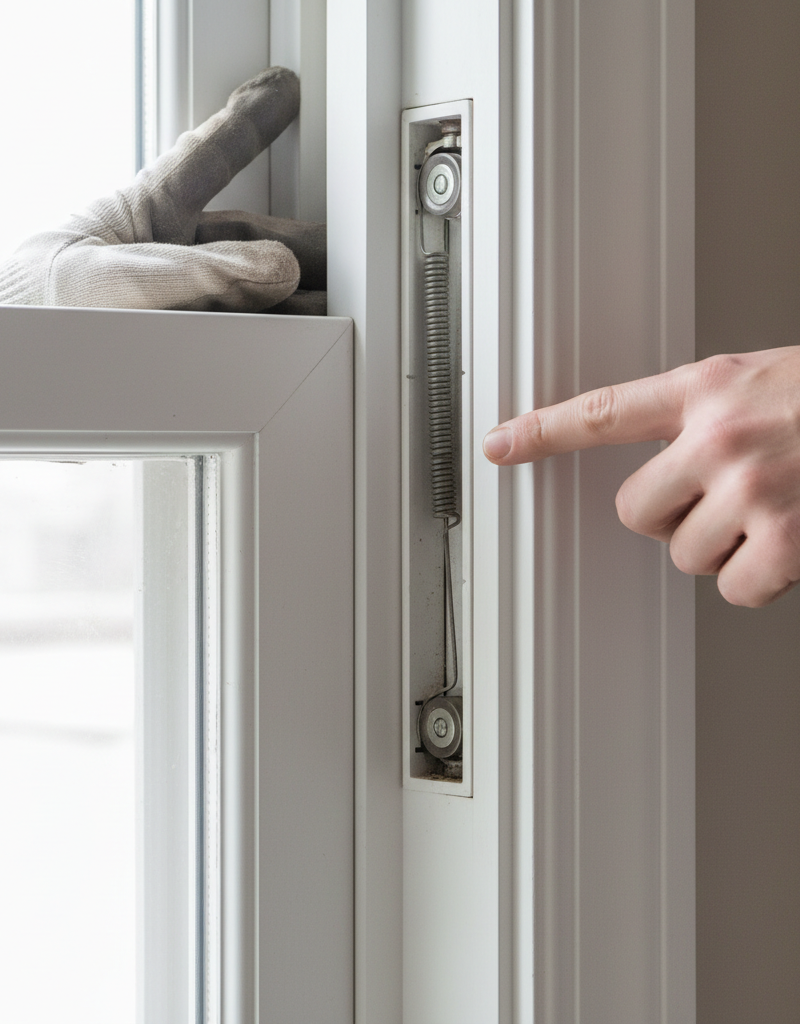
- Spring-loaded balances: These are the most prevalent. They consist of a long, often spiral-shaped spring encased within a tube (a "spiral balance") or a channel (a "channel balance"). The spring provides upward tension as the window is opened. When you lift the sash, the spring unwinds, pulling up with an opposing force. If the spring loses tension, breaks, or becomes dislodged, it can't support the sash's weight.
- Block and tackle balances: These systems use a pulley-like mechanism with cords and springs, often hidden within the window frame. They operate similarly to spiral balances but with a slightly different mechanical setup. Wear and tear on the cords or issues with the internal springs can lead to failure.
- Weight and pulley systems (older windows): Found in very old homes, these systems use actual weights hidden within the wall pockets, connected to the window sash by ropes running over pulleys. Rotted ropes or snagged weights are the common culprits here.
When a window won't stay up, it almost always points to a failure in this balance system. The spring might be stretched out, broken, come loose from its anchorage, or the plastic shoe that connects the balance to the sash might be fractured or dislodged. The goal of the fix is to either re-engage a dislodged balance or replace a faulty one, restoring the upward tension.
Step-by-Step Fix
Safety Note: Always wear safety glasses when working with spring mechanisms, as springs can release tension unexpectedly. If dealing with an older, heavy sash, consider having a helper to support it.
1. Identify Your Window Balance Type – Spiral? Channel? Weight?
Before you start, determine what type of balance system your window uses. Single-hung and double-hung windows usually have either spiral balances (a long metal or plastic tube) or channel balances (a U-shaped metal channel). Gently lift the window sash and examine the sides of the window frame. You'll likely see the balance mechanism in the jamb liner. If you see ropes disappearing into the wall, you have a weight and pulley system, which is a more involved repair best left to a specialist for older, historical windows.
- If your window has spiral balances: Look for a plastic or metal 'shoe' at the bottom of the balance attached to the window sash. This is a common failure point.
- If your window has channel balances: These are often secured with screws and may have a tensioning pin at the bottom.
2. Prepare the Window Sash – Secure and Access
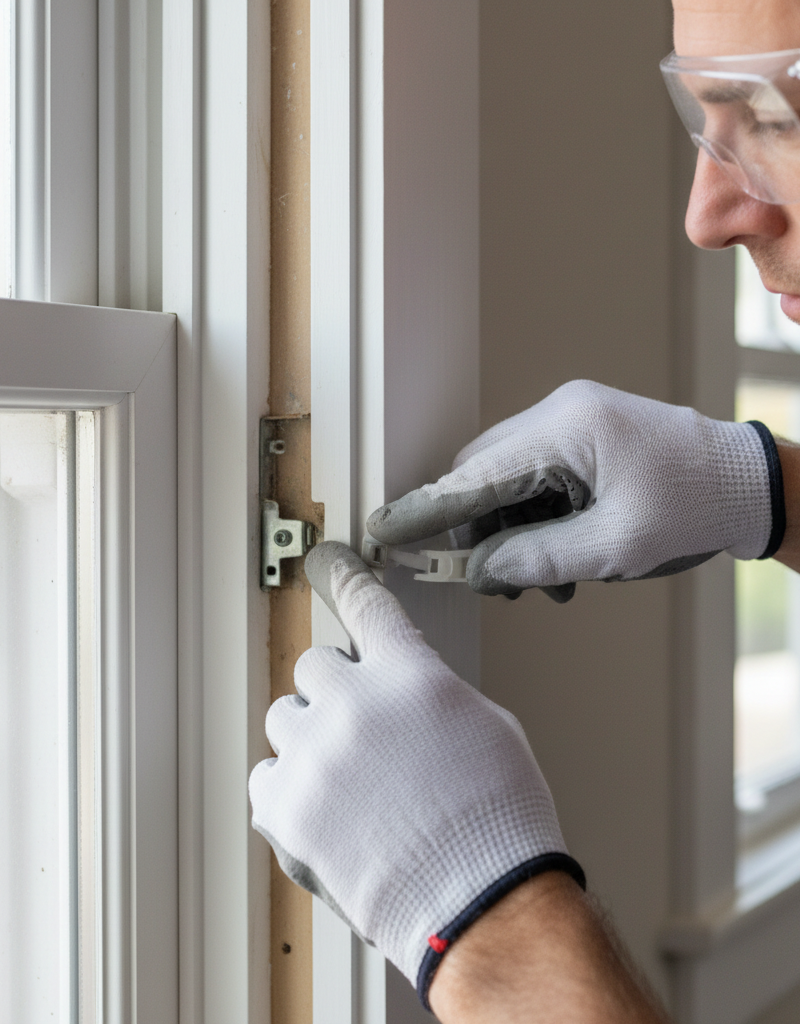
First, gently try to lift the window sash as high as it will go. If it won't stay up, use a clamp, a block of wood, or have a helper temporarily hold the sash open. This provides access to the balance mechanisms on both sides of the window. You may need to remove the window sash entirely for easier access and replacement of the balance.
- For easier removal (if needed): Modern windows often have tilt latches at the top of the sash. Slide the latches inward and tilt the sash in for cleaning. With the sash tilted, you might be able to lift it out of the frame entirely once the balances are disengaged.
3. Diagnose the Balance Issue – Look for Obvious Problems
Examine both balance mechanisms. Often, one side is more obviously failed than the other. Look for:
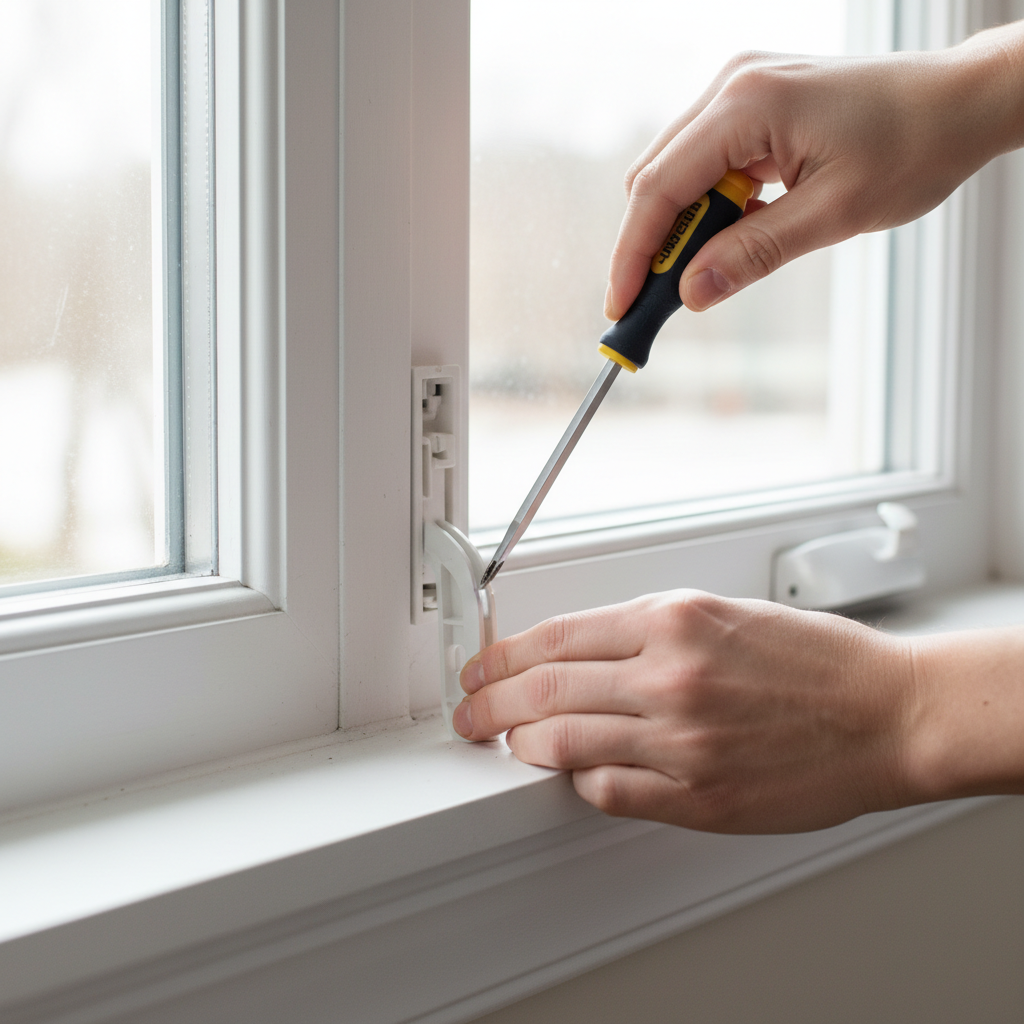
- Dislodged shoe: For spiral balances, the plastic 'shoe' at the bottom might have popped out of its track or detached from the balance itself. This is a common, easy fix.
- Broken spring/cable: If you see a broken spring coil, a frayed cable, or the balance tube is bent, the entire balance assembly will need replacement.
- Lack of tension: Try to move the balance. Does it feel loose? Does it provide any upward resistance? If not, the spring inside has likely failed.
4. Re-engage a Dislodged Balance Shoe (Spiral Balances) – The Most Common Fix
If the plastic shoe at the bottom of a spiral balance has come out of its track or separated from the sash:
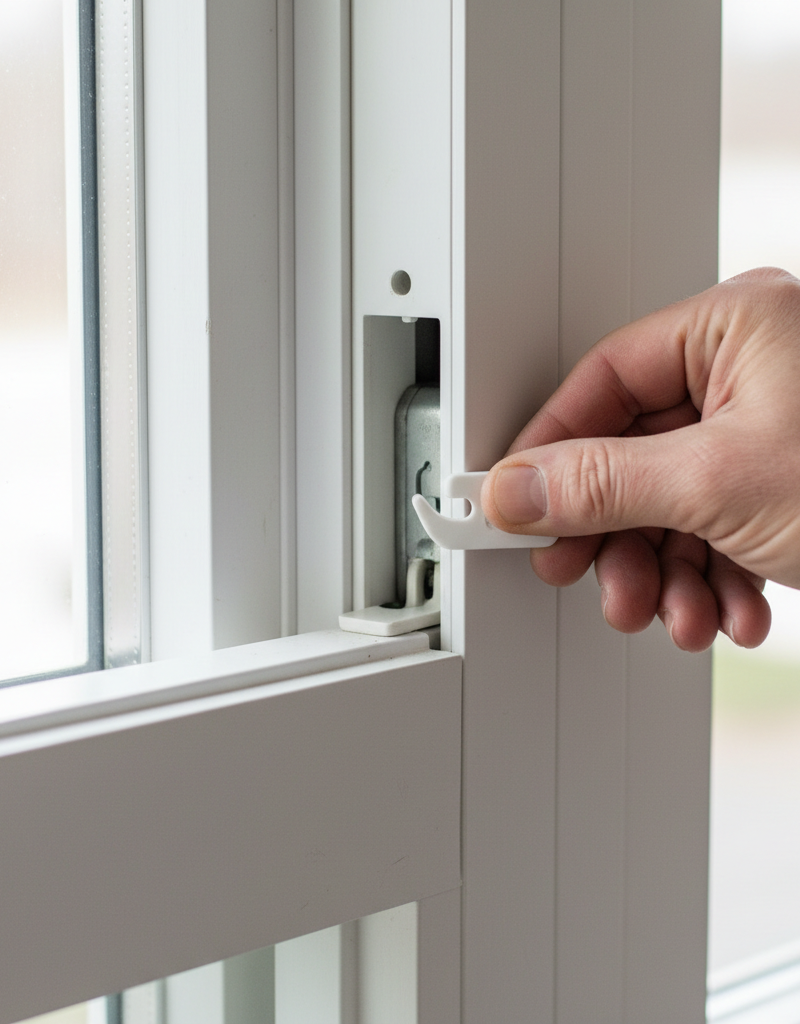
- Use a flathead screwdriver or balance tool: Carefully push the shoe down into its track. It might be under some tension, so proceed with caution. Some shoes have a small notch where a special balance tool or a flathead screwdriver can be inserted to twist and lock them into place.
- Reattach to sash: Once the shoe is in the track, ensure it's properly seated in the bottom of the window sash. It may simply click back into place.
5. Retension a Spiral Balance (If Dislodged or Loose) – Restore the Spring Power
Sometimes, a spiral balance loses tension but isn't broken. This step requires a balance winding tool or a flathead screwdriver.
- Rotate the spiral rod: Carefully insert the tool into the winding slot at the bottom of the spiral balance rod (where the shoe attaches). Gently rotate the rod clockwise to increase tension. Each full rotation adds more lift.
- Test periodically: Reinstall the sash temporarily and test the window's ability to stay up. Add more turns until the window stays open reliably. Typically, 5-8 rotations are needed, but this varies by window size and weight.
- Secure the shoe: Once tensioned, ensure the shoe is fully re-engaged with the sash. Some shoes rotate to lock into the sash channel, preventing future dislodgement.
6. Replace a Faulty Balance Assembly – When Repair Isn't Enough
If the balance spring is broken, the casing is damaged, or re-tensioning doesn't work, you'll need to replace the entire balance assembly. This usually means removing the sash.
- Source the correct part: Take photos of your existing balance and measure its length. Note any part numbers. You'll need to purchase an identical replacement from a window parts supplier or a hardware store.
- Remove the old balance: If the sash is out, you can usually use a screwdriver to pry the old balance out of the jamb liner or carefully unclip it. Be mindful of residual spring tension.
- Install the new balance: Slide the new balance into the jamb liner. Ensure it seats correctly. If it's a spiral balance, you'll need to wind it to the correct tension before re-inserting the sash.
7. Reinstall and Test the Window Sash – Final Check
Once the balance is repaired or replaced, carefully reinsert the window sash into the frame. Follow the reverse steps for removal. Then, lift and lower the window several times to ensure it glides smoothly and stays open at various heights. Make any minor adjustments to tension if needed.
Common Causes
- Worn or broken balance springs: Over time, continuous use causes the springs to lose their elasticity or break completely, leading to insufficient tension to hold the sash up.
- Dislocated balance shoe: The plastic or metal shoe at the bottom of a spiral balance that connects to the sash can pop out of its track or disconnect from the balance rod, causing a sudden loss of support.
- Broken or frayed cables/cords: In channel balance systems or older weight-and-pulley systems, the cables or cords can break or become frayed, disrupting the counterbalance.
- Accumulated dirt and debris: While less common for complete failure, excessive dirt in the window tracks and around the balance mechanism can create friction, making the window harder to open and sometimes interfering with the balance's ability to hold its position.
- Improper installation or adjustment: Sometimes, during manufacturing or previous repairs, the balance may not have been correctly tensioned or installed, leading to premature failure.
Common Mistakes
- Ignoring the other side: Often, if one balance is failing, the other side may also be weak or starting to fail. Always check both sides of the window when troubleshooting.
- Over-tensioning a spiral balance: Adding too much tension can make the window difficult to close and put undue stress on the balance mechanism, leading to premature failure. Test in increments.
- Not measuring or identifying the correct replacement part: Window balances are specific to window manufacturers and models. Guessing will lead to buying the wrong part, wasting time and money. Take photos, measure accurately, and look for part numbers.
- Forcing the window: If the window is truly stuck or won't move, forcing it can damage the sash, frame, or the balance system further. Investigate the cause of the resistance first.
- Neglecting track cleaning: While not the primary cause, dirty tracks add friction. Neglecting to clean them after a repair can make the re-tensioned balance work harder than it needs to, potentially shortening its lifespan.
- Attempting to repair complex balance systems without experience: Some window systems, especially older wood windows with lead weights, are more complex. Attempting to DIY these without proper knowledge can cause more damage. Defer to a pro if unsure.
Cost & Time Breakdown
| Task | DIY Cost | Pro Cost | Time |
|---|---|---|---|
| Re-engaging balance shoe | $0 | $100–$250 | 5–10 minutes |
| Re-tensioning spiral balance | $0–$10 (tool) | $100–$250 | 10–20 minutes |
| Replacing one spiral balance | $15–$40 per balance | $150–$300 | 30–60 minutes |
| Replacing one channel balance | $20–$60 per balance | $175–$350 | 45–90 minutes |
| Full window inspection | $0 | $75–$150 (trip chg) | 15–30 minutes |
Tips & Prevention
- Routine cleaning: Periodically clean your window tracks and jamb liners with a vacuum and a damp cloth. Lubricate with a silicone-based spray when dry, never petroleum jelly or oil, which attracts dirt.
- Gentle operation: Avoid slamming windows shut or forcing them open. Gentle, controlled movements help preserve the integrity of the balance mechanisms.
- Inspect annually: Once a year, open your windows fully and inspect the balance mechanisms for any signs of wear, loose parts, or debris. Early detection can prevent major issues.
- Correct sash removal: If your windows tilt in for cleaning, ensure you are removing and reinstalling the sash correctly to avoid dislodging the balances.
- Avoid painting over balances: If you paint your window frames, be careful not to paint over or obstruct the balance mechanisms or tracks, as this can impede their function.
When to Call a Professional
While many window balance issues are DIY-friendly, there are specific situations where calling a professional window repair technician or a general contractor with window experience is advisable. If your window is an older wooden sash with a weight and pulley system and the ropes are broken, this often requires opening up wall pockets and can be a more complex, messier job for an experienced professional. Similarly, if you've replaced a balance and the window still isn't functioning correctly, or if you suspect damage to the window frame itself, a professional can diagnose underlying structural issues. Any time you feel uncomfortable identifying the balance type, disassembling the sash, or if the repair involves specialty tools you don't possess and don't want to acquire for a one-time fix, a pro can ensure the job is done safely and correctly. For complex or very large windows where handling the sash might be difficult or risky, a professional's expertise and equipment are invaluable to prevent injury or further damage to the window.
Related Articles
Keep troubleshooting with these hand-picked guides from FixlyGuide:
- The 4-Minute Trick to Fix a Sagging Window (No More Prop-Sticks!) — Discover the simple, often-overlooked culprit behind a window that won't stay open and how to fix it in minutes with basic tools.
- The 4 Hidden Reasons Your Window Won't Stay Up (And the Easy Fixes) — Before you blame a broken window, learn the common culprits behind window sashes that won't stay open and how to fix them yourself.
- The 3 Hidden Reasons Your Window Won't Stay Up (And the Easy Fixes) — Before you call a repairman, learn the three most common reasons your double-hung window won't stay open and how to fix them yourself.
- The 5-Minute Trick to Fix a Window That Won't Stay Open (No Tools Needed!) — Discover the surprisingly simple reasons why your window keeps sliding shut and how to fix it in minutes, often without any tools.
- The 3 Hidden Reasons Your Door Won't Latch (And the Easy DIY Fixes) — Frustrated by a door that refuses to latch? Discover the common culprits behind this annoying problem and learn simple, effective DIY fixes…
- The Single Most Common Reason Half Your Outlet Dies (and How to Fix It in 15 Minutes) — Before you call an electrician for a half-dead outlet, check this common culprit that's often a simple DIY fix.
Should you do this yourself?
Answer five quick questions before you start. Safety outranks savings every time.
Your experience with work like this
How high do you have to work?
Does the job involve any of these?
Will it need a permit?
Specialty tools
Free and instant. Educational guidance only — not a quote, inspection, or professional diagnosis.
What should this project cost?
Enter your project details for a realistic cost range before you call anyone.
Cost depends heavily on which system turns out to be the source.
- Regional adjustment
- National average
- Labor share (typical)
- ~$1,620
- Quotes to collect
- 3 written estimates
Educational estimate based on national averages — not a binding quote. Always confirm with written local estimates.
Recommended for DIYers & woodworkers
Sponsored
The Top 20 Tools for Workshops of Any Budget
No stationary machines or power tools required — plus 3 fundamental tools that can't be bought at any price.
Get the free guide
Ted's Woodworking — The #1 Woodworking Resource
Detailed instructions, dimensioned drawings, materials & cutting lists, and 3D schematics for every skill level.
See the plansSponsored: links above are affiliate links. FixlyGuide may earn a commission on qualifying purchases — at no extra cost to you.
Frequently asked questions
Why does my window keep sliding down after I open it?+
Your window likely has a problem with its balance system, most commonly a worn-out, broken, or dislodged spring balance. This system provides tension to counteract the sash's weight, keeping it in place. When it fails, the window sash simply can't stay open on its own.
Can I fix a window that won't stay up myself?+
Yes, in many cases, fixing a window that won't stay up is a DIY-friendly task. Often, it involves simply re-engaging a dislodged balance shoe or re-tensioning a spiral balance, which can be done with basic tools in 10-30 minutes. If the balance is broken, replacing the assembly is also a common homeowner repair.
What tools do I need to fix a window balance?+
To fix a window balance, you'll typically need a flathead screwdriver (or a specific balance winding tool), safety glasses, and potentially a utility knife or pry tool for dislodging parts. A pair of pliers can also be useful. If you're replacing a balance, a measuring tape is essential to ensure you purchase the correct size.
How much does it cost to fix a window balance?+
The cost to fix a window balance yourself ranges from $0 (if you just need to re-engage a part) to $15-$60 for a new balance assembly. If you hire a professional, expect to pay $100-$350 or more, depending on the complexity of the repair and the type of balance system.
Discussion
Loading comments…