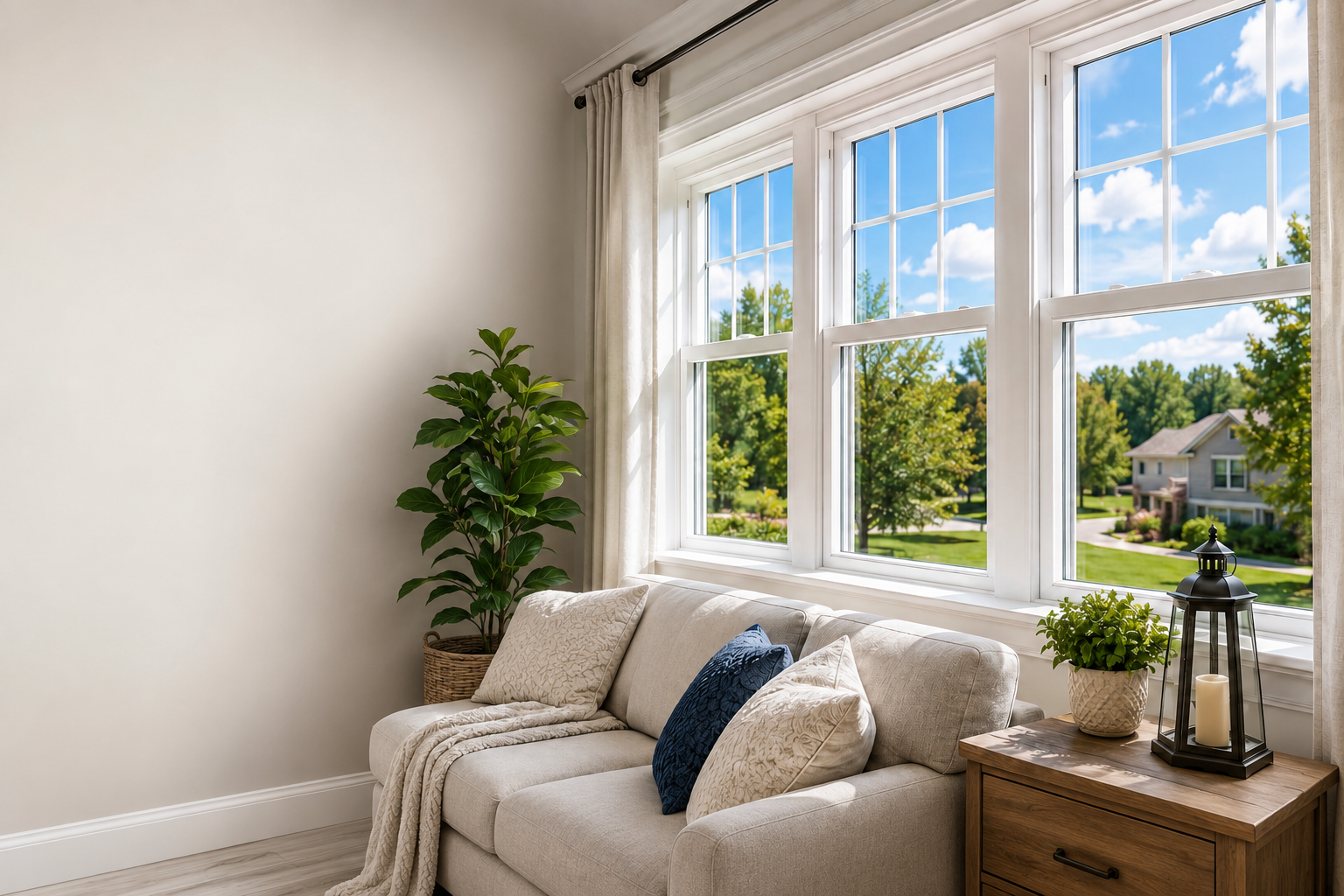
- Condensation between glass panes
- Windows that stick or won't open
- Water leaks during rainstorms
- Outside noise becoming more noticeable
- Fading furniture caused by UV exposure
General remodeling · Renovation planning
| Project category | General remodeling |
|---|---|
| Problem type | Renovation planning |
| Trade required | General contracting |
| Urgency | Planned project |
| Safety risk | Low safety risk |
| DIY suitability | Pro recommended |
| Cost category | Major investment |
| Typical timeline | Design and permitting often 2–4 months before work starts |
| Contractor type | General contractor |
Repair option
Phase the work and fix the building envelope first.
Replacement option
Full renovation with permits, design, and a general contractor.
Common causes
- Space no longer fits how the household lives
- Resale preparation
- Deferred maintenance stacking up
Relevant tools:project cost estimatorcompare quoteshome improvement material prices
Published July 25, 2026Last updated August 17, 2026
Tools & materials you'll need
Affiliate links- AmazonLicensed window installer
As an Amazon Associate FixlyGuide earns from qualifying purchases — at no extra cost to you. Prices and availability are accurate as of publication and subject to change.
Quick Answer
Most homeowners pay $450 to $1,500 per window installed in 2026. A whole-house window replacement of 10–15 windows typically runs $8,000 to $15,000, with small homes closer to $5,000–$9,000 and large or custom projects reaching $30,000 or more. Labor accounts for 30–50% of the total.
Introduction
Replacing your home's windows is one of the smartest investments you can make. New windows don't just improve curb appeal — they can increase energy efficiency, reduce outside noise, improve indoor comfort, and even raise your home's resale value.
If you've noticed drafty rooms, rising energy bills, condensation between panes, or windows that no longer open and close properly, it may be time to consider replacing them.
One of the first questions homeowners ask is: "How much does it cost to replace windows in 2026?"
The answer depends on several factors, including the type of window, frame material, glass package, labor costs, and whether you're replacing one window or every window in your home.
This guide walks you through everything you need to know about window replacement costs in 2026 — pricing, materials, common mistakes, and how to choose the best windows for your home and budget.
Average Window Replacement Cost in 2026
Most homeowners spend between $450 and $1,500 per window, including installation.
For a typical home with 10–15 windows, a complete replacement project generally ranges from:
| Home Size | Typical Project Cost |
|---|---|
| Small homes | $5,000–$9,000 |
| Average homes | $8,000–$15,000 |
| Large homes | $15,000–$30,000+ |
The final cost depends on the number of windows, their size, the frame material, glass options, labor, and whether any structural repairs are needed.
Average Cost by Window Type
Different window styles vary significantly in price because of their size, design, and installation complexity.
| Window Type | Average Installed Cost |
|---|---|
| Single-Hung | $300–$800 |
| Double-Hung | $450–$900 |
| Sliding | $400–$1,000 |
| Casement | $500–$1,200 |
| Awning | $500–$1,100 |
| Picture | $700–$2,000 |
| Bay or Bow | $2,000–$6,500+ |
| Garden | $1,500–$4,000 |
While specialty windows cost more upfront, they can dramatically improve both the appearance and functionality of your home.
What Affects Window Replacement Costs?
No two window replacement projects are exactly alike. Several factors determine your final price.
Number of Windows
Replacing one or two windows is much less expensive than replacing every window in your home. However, many contractors offer better pricing per window when completing larger projects.
Window Size
Larger windows require more materials, larger insulated glass units, and more labor to install. Oversized picture windows, bay windows, and custom-shaped windows typically cost substantially more than standard sizes.
Window Style
Simple double-hung and sliding windows are generally more affordable than specialty windows with unique shapes or operating mechanisms.
Frame Material
The frame material plays a major role in both price and long-term maintenance. Common options include vinyl, wood, fiberglass, aluminum, and composite — each compared in detail below.
Glass Package
Modern replacement windows often include energy-efficient features such as:
- Double-pane glass
- Triple-pane glass
- Low-E coatings
- Argon gas fills
- Tempered safety glass
- Laminated security glass
These upgrades increase the initial cost but can reduce heating and cooling expenses over time.
Installation Complexity
Window replacement becomes more expensive when installers encounter:
- Water damage
- Rotting framing
- Brick or stone exteriors
- Second-story installations
- Custom openings
- Structural repairs
Professional installation ensures your new windows are properly sealed and insulated, preventing future air leaks and moisture problems.
Signs It's Time to Replace Your Windows
Windows don't last forever. As they age, they become less efficient and may begin causing problems throughout your home.
Common signs include:
- Drafts near windows
- Rising energy bills
- Condensation between glass panes
- Windows that stick or won't open
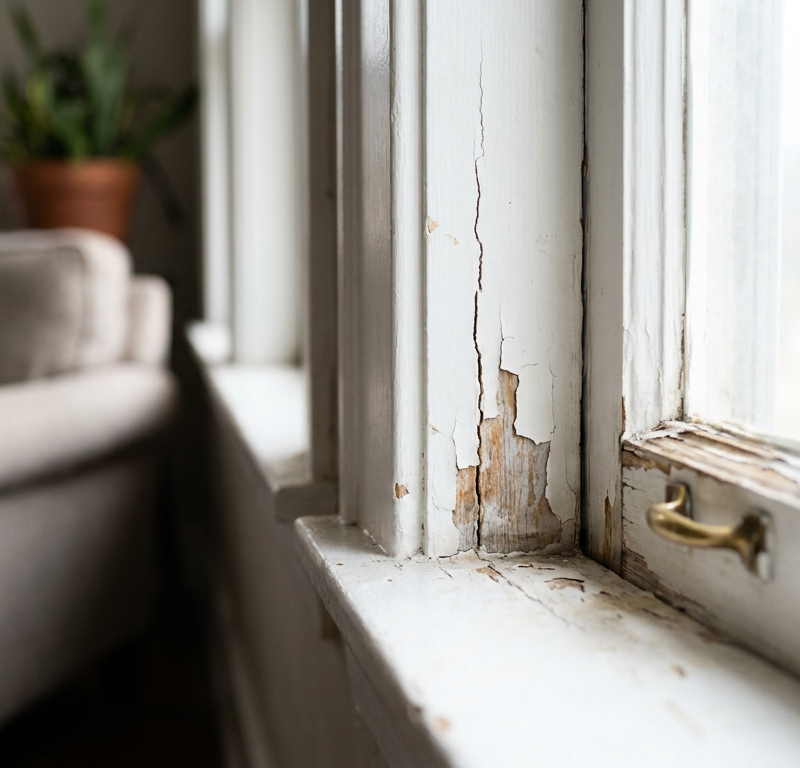
- Rotting window frames
- Water leaks during rainstorms
- Cracked or broken glass
- Outside noise becoming more noticeable
- Fading furniture caused by UV exposure
If several of these issues sound familiar, replacing your windows could improve both your comfort and your home's energy efficiency.
Repair or Replace?
Not every damaged window needs to be replaced.
Repairs may be appropriate when:
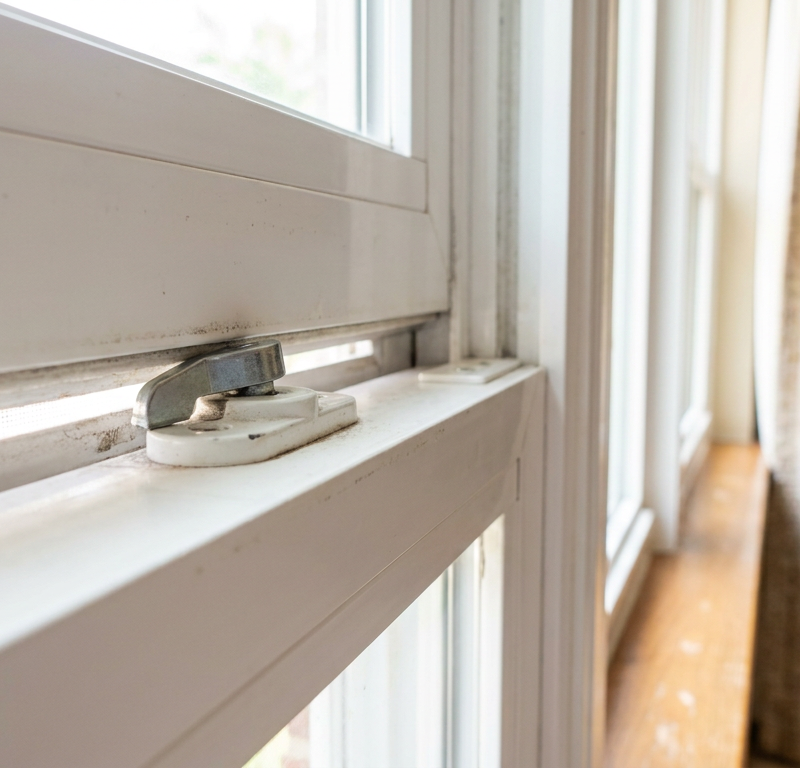
- A latch or lock is broken
- Weatherstripping needs replacement
- Minor caulking has failed
- One pane of glass is cracked
- Hardware needs adjustment
Replacement is usually the better investment if:
- The seal between panes has failed
- The frame is rotting or warped
- The windows are over 20 years old
- You have significant drafts or moisture intrusion
- Multiple windows have recurring problems
- You're remodeling your home or preparing to sell
Replacing aging windows all at once can improve your home's appearance, increase energy savings, and provide a more consistent look throughout the house.
Comparing Window Frame Materials
One of the biggest decisions you'll make when replacing your windows is choosing the right frame material. Each option offers a different balance of cost, durability, maintenance, energy efficiency, and appearance.
| Frame Material | Installed Cost per Window | Average Lifespan |
|---|---|---|
| Vinyl | $450–$900 | 20–40 years |
| Aluminum | $500–$1,300 | 20–30 years |
| Fiberglass | $800–$1,800 | 40–50 years |
| Wood | $800–$2,000+ | 30–50 years |
| Composite | $900–$2,200 | 40–50 years |
Vinyl Windows
Average installed cost: $450–$900 per window · Lifespan: 20–40 years
Vinyl windows are the most popular replacement windows in America because they offer an excellent combination of affordability, energy efficiency, and low maintenance.
Pros
- Budget-friendly
- Excellent energy efficiency
- Never needs painting
- Won't rot or rust
- Easy to maintain
- Available in many styles and colors
Cons
- Limited customization compared to wood
- Cannot usually be repainted
- Lower-end products may warp in extreme temperatures
For most homeowners, high-quality vinyl windows provide the best overall value.
Wood Windows
Average installed cost: $800–$2,000+ per window · Lifespan: 30–50 years
Wood windows remain a favorite for historic homes and homeowners who want a traditional appearance.
Pros
- Beautiful natural appearance
- Excellent insulation
- Can be stained or painted
- Adds character to a home
Cons
- Higher cost
- Requires regular maintenance
- Susceptible to moisture damage if neglected
- Can rot or attract insects over time
Wood windows are ideal for homeowners who prioritize aesthetics and don't mind periodic maintenance.
Fiberglass Windows
Average installed cost: $800–$1,800 per window · Lifespan: 40–50 years
Fiberglass windows have become increasingly popular because they combine exceptional durability with excellent energy performance.
Pros
- Extremely durable
- Resistant to expansion and contraction
- Low maintenance
- Excellent insulation
- Can often be painted
Cons
- Higher upfront cost
- Fewer style options than vinyl
Although fiberglass windows cost more initially, they often provide excellent long-term value due to their durability.
Aluminum Windows
Average installed cost: $500–$1,300 per window · Lifespan: 20–30 years
Aluminum windows are commonly found in modern homes and commercial buildings.
Pros
- Strong and lightweight
- Slim frame profiles
- Resistant to corrosion
- Modern appearance
Cons
- Less energy efficient
- Conducts heat and cold
- Can develop condensation in some climates
They're a good option when strength and contemporary design are priorities.
Composite Windows
Average installed cost: $900–$2,200 per window · Lifespan: 40–50 years
Composite windows combine wood fibers and synthetic materials to create a strong, energy-efficient frame.
Pros
- Very durable
- Low maintenance
- Excellent insulation
- Resistant to rot and insects
- Attractive appearance
Cons
- Premium price
- Fewer manufacturers compared to vinyl
Composite windows are often chosen by homeowners seeking premium performance with minimal upkeep.
Energy-Efficient Window Features
Modern replacement windows do much more than simply let in natural light. Today's high-performance windows are engineered to reduce heat transfer, lower utility bills, and improve indoor comfort.
Double-Pane Glass
Two panes of glass separated by an insulating space dramatically outperform older single-pane windows. Double-pane windows are now considered the standard for most homes.
Triple-Pane Glass
Triple-pane windows add another layer of insulation. Benefits include:
- Lower energy bills
- Better sound reduction
- Improved indoor comfort
- Less condensation
While they cost more upfront, they can be worthwhile in colder climates or noisy neighborhoods.
Low-E Glass
Low-emissivity (Low-E) coatings help reflect unwanted heat while allowing natural light to enter your home. Benefits include:
- Lower cooling costs
- Protection against UV rays
- Reduced furniture fading
- Improved year-round efficiency
Argon Gas
Many energy-efficient windows are filled with argon gas between the glass panes. Argon improves insulation by slowing heat transfer, making your windows even more efficient.
Labor Costs
Professional installation typically accounts for 30–50% of the total project cost.
Labor costs vary depending on:
- Number of windows
- Window size
- Exterior material (brick, siding, stucco, etc.)
- Second-story installations
- Structural repairs
- Custom window openings
While DIY installation may seem tempting, improper installation can lead to air leaks, water intrusion, reduced energy efficiency, and even voided manufacturer warranties. Hiring an experienced installer is almost always the better long-term investment.
Hidden Costs Homeowners Often Overlook
Many homeowners budget only for the windows themselves. However, additional expenses can increase the final project cost.
Possible hidden costs include:
- Rotten framing
- Water damage repairs
- Interior trim replacement
- Exterior trim replacement
- New insulation around the frame
- Drywall repairs
- Painting or staining
- Permit fees (where required)
- Disposal of old windows
- Custom-sized windows
A good rule is to budget an additional 10–15% for unexpected repairs, especially if your home is older.
How Long Does Window Replacement Take?
Most professional installers can replace 8 to 15 windows in a single day, depending on the complexity of the project.
Before installation
- Measurements
- Window ordering
- Manufacturing (often several weeks)
Installation day
- Remove old windows
- Inspect openings
- Install new windows
- Seal and insulate
- Test operation
- Clean up the work area
Most homeowners are surprised by how quickly a professional crew can complete a full-house window replacement while minimizing disruption to daily life.
How to Choose the Right Window Replacement Company
The quality of your installation is just as important as the quality of the windows themselves. Even the most expensive, energy-efficient windows can leak air and water if they're installed incorrectly.
Verify Licensing and Insurance
Licensing requirements vary by state, but any company working on your home should carry general liability insurance and workers' compensation insurance where applicable. Ask for proof of insurance before signing a contract — it protects you if property damage or an on-the-job injury occurs.
Read Customer Reviews
Online reviews can provide valuable insight into a company's reputation. Check Google Reviews, the Better Business Bureau, Facebook, and local homeowner groups. Look for consistent praise for communication, professionalism, workmanship, and customer service — not just the lowest price.
Ask for References
A reputable contractor should gladly provide references from recent customers. Questions worth asking:
- Was the project completed on time?
- Did the final cost match the estimate?
- Was the work area kept clean?
- Were any issues resolved quickly?
- Would you hire the company again?
Compare Multiple Estimates
Always get at least three written estimates. Each proposal should clearly outline:
- Window brand and model
- Frame material
- Glass package
- Labor costs
- Warranty details
- Project timeline
- Cleanup and disposal
Don't automatically choose the lowest bid. A significantly cheaper estimate may leave out important materials, use lower-quality products, or rely on inexperienced installers.
Understanding Window Warranties
Window warranties vary widely, so it's important to understand what's covered before making a purchase.
Manufacturer warranty — covers defects in the window itself, including frame defects, glass seal failure, hardware defects, and manufacturing issues. Coverage may range from 10 years to a lifetime.
Installation warranty — covers problems caused by improper installation. Many reputable contractors offer workmanship warranties ranging from 2 to 25 years.
Always ask for warranty details in writing.
Common Window Replacement Scams
While most contractors are honest professionals, homeowners should watch for companies that:
- Pressure you to "sign today"
- Claim the offer expires immediately
- Demand full payment upfront
- Refuse to provide proof of insurance
- Cannot provide references
- Offer vague or verbal estimates only
A trustworthy contractor will answer your questions, provide a detailed written proposal, and give you time to make an informed decision.
Financing Your Window Replacement
Because replacing multiple windows can be a significant investment, many homeowners choose to finance the project.
Home improvement loans — personal loans designed for renovation projects. Fixed monthly payments, no home equity required, and fast approval for qualified borrowers.
Home equity loans or HELOCs — often lower interest rates and larger borrowing amounts, but your home serves as collateral.
Contractor financing — many window companies partner with financing providers to offer payment plans. Before signing, compare interest rates, repayment terms, and promotional offers.
Ways to Save Money on Replacement Windows
Replace Multiple Windows at Once
Many contractors offer better pricing per window when replacing an entire home's windows rather than completing smaller projects over time.
Choose Standard Sizes
Custom windows can significantly increase costs. Where possible, choose standard-sized replacement windows to reduce both manufacturing and installation expenses.
Take Advantage of Seasonal Promotions
Window companies frequently offer discounts during slower seasons or holiday promotions. Comparing several estimates helps you identify the best value.
Prioritize Energy Efficiency
Although energy-efficient windows may cost more initially, lower heating and cooling bills can offset the higher purchase price over time. In some areas, utility companies or government programs also offer rebates for qualifying upgrades.
Do New Windows Increase Home Value?
Yes. Replacing outdated windows is one of the most attractive upgrades you can make before selling your home.
Benefits include:
- Improved curb appeal
- Better energy efficiency
- Lower utility costs
- Increased comfort
- Reduced outside noise
- Improved home security
- Greater buyer confidence
Many buyers appreciate knowing they won't have to replace aging windows shortly after moving in. Well-maintained, energy-efficient windows can also help your home stand out in a competitive real estate market.
Window Maintenance Tips
Even high-quality replacement windows benefit from routine maintenance. To maximize their lifespan:
- Clean glass regularly with a non-abrasive cleaner
- Inspect weatherstripping for wear
- Lubricate moving parts as recommended by the manufacturer
- Keep window tracks free of dirt and debris
- Inspect exterior caulking annually
- Trim vegetation away from windows to improve airflow and reduce moisture buildup
With proper care, many replacement windows provide decades of reliable performance while maintaining their appearance and energy efficiency.
Frequently Asked Questions
How much does it cost to replace windows in a whole house?
For most homes, replacing all windows costs between $8,000 and $15,000. Larger homes, custom window designs, or premium materials like fiberglass or wood can increase the total investment to $20,000 or more.
What type of replacement window is the best?
There isn't one perfect window for every home. For most homeowners, high-quality vinyl windows offer the best balance of affordability, energy efficiency, durability, and low maintenance. If your budget allows, fiberglass windows provide exceptional strength and longevity.
How long do replacement windows last?
Vinyl lasts 20–40 years, wood 30–50 years, fiberglass 40–50 years, composite 40–50 years, and aluminum 20–30 years. Proper installation and regular maintenance maximize the life of your new windows.
Are energy-efficient windows worth it?
Yes. Energy-efficient windows reduce heating and cooling costs, improve indoor comfort, minimize drafts, reduce outside noise, and protect furniture from UV rays. Although they cost more upfront, many homeowners recover part of that investment through lower monthly utility bills.
Can I replace windows one at a time?
Yes, but replacing all of your windows at once often provides better pricing and creates a more consistent appearance throughout your home. It can also reduce labor costs and improve overall energy efficiency.
How long does installation take?
Most professional crews install 8 to 15 windows in one day. Larger homes or projects requiring structural repairs may take several days.
Should I replace windows before selling my home?
If your existing windows are old, drafty, damaged, or difficult to operate, replacement windows can improve curb appeal, increase buyer confidence, and potentially help your home sell faster.
Expert Tips Before Buying Replacement Windows
- Get at least three written estimates from reputable contractors
- Compare warranties — not just prices
- Choose ENERGY STAR® certified windows whenever possible
- Ask about Low-E glass and argon gas insulation
- Verify licensing and insurance before signing a contract
- Read customer reviews carefully
- Don't feel pressured into making a same-day decision
- Budget an extra 10–15% for unexpected repairs, especially in older homes
- Choose a style that complements your home's architecture
- Keep all warranty paperwork, receipts, and installation documents in a safe place
Taking time to research your options today can help you avoid costly mistakes and enjoy decades of reliable performance.
Final Thoughts
Replacing your home's windows is one of the best investments you can make in comfort, energy efficiency, and long-term value.
Modern replacement windows not only enhance your home's appearance but also reduce energy costs, minimize outside noise, improve indoor comfort, and increase resale value. While the initial investment may seem significant, choosing quality windows and hiring an experienced installer provides benefits that last for decades.
Whether you're replacing one damaged window or upgrading every window in your home, careful planning and informed decisions help ensure you get the best value for your investment. If you're considering new windows in 2026, start by requesting estimates from reputable local contractors, comparing window options, and selecting products designed to perform well in your climate.
A well-installed replacement window isn't just an upgrade — it's an investment in your home's comfort, efficiency, and future.
Related Guides
- Roof Replacement Cost in 2026
- Bathroom Remodel Cost in 2026
- Quartz vs. Granite Countertops in 2026
- 10 Home Renovations That Add the Most Value in 2026
At FixlyGuide, our mission is to help homeowners make confident decisions with practical, trustworthy advice. Whether you're planning a major renovation or tackling a weekend project, you'll find expert guides, money-saving tips, and homeowner resources designed to help you protect and improve your home.
Questions to ask before you sign
Ask every contractor the same questions and the cheapest bid stops looking cheapest. Check them off as you go — your progress is saved on this device.
Free, no signup. Bring this to every walkthrough so you compare bids on the same terms.
What should this project cost?
Enter your project details for a realistic cost range before you call anyone.
Per-window replacement commonly $450–$1,400 installed; hardware repairs often under $300.
- Regional adjustment
- National average
- Labor share (typical)
- ~$281
- Quotes to collect
- 3 written estimates
Educational estimate based on national averages — not a binding quote. Always confirm with written local estimates.
Check these numbers against your project
National averages are a starting point. These tools narrow it to your scope and ZIP.
- Estimate this projectGet a cost range for your scope and ZIP before you call anyone.Open
- Get local estimatesSend one request and compare written estimates from vetted pros.Open
Free, no signup required. Estimates are educational guidance, not a quote or an inspection.
Recommended for DIYers & woodworkers
Sponsored
The Top 20 Tools for Workshops of Any Budget
No stationary machines or power tools required — plus 3 fundamental tools that can't be bought at any price.
Get the free guide
Ted's Woodworking — The #1 Woodworking Resource
Detailed instructions, dimensioned drawings, materials & cutting lists, and 3D schematics for every skill level.
See the plansSponsored: links above are affiliate links. FixlyGuide may earn a commission on qualifying purchases — at no extra cost to you.
Frequently asked questions
How much does it cost to replace windows in a whole house?+
For most homes, replacing all windows costs between $8,000 and $15,000. Larger homes, custom designs, or premium materials like fiberglass or wood can push the total past $20,000.
What type of replacement window is the best?+
High-quality vinyl windows offer the best balance of affordability, energy efficiency, durability, and low maintenance for most homeowners. Fiberglass provides exceptional strength and longevity if your budget allows.
How long do replacement windows last?+
Vinyl lasts 20–40 years, wood 30–50 years, fiberglass 40–50 years, composite 40–50 years, and aluminum 20–30 years. Proper installation and maintenance maximize lifespan.
Are energy-efficient windows worth it?+
Yes. They lower heating and cooling costs, cut drafts and outside noise, and protect furniture from UV fading. The higher upfront cost is partly recovered through lower utility bills.
Can I replace windows one at a time?+
Yes, but replacing all windows at once usually earns better per-window pricing, reduces labor costs, and creates a more consistent look throughout the home.
How long does window installation take?+
Most professional crews install 8 to 15 windows in one day. Larger homes or projects needing structural repairs may take several days.
Should I replace windows before selling my home?+
If your windows are old, drafty, damaged, or hard to operate, replacements improve curb appeal, boost buyer confidence, and can help the home sell faster.
How much does labor cost for window replacement?+
Labor typically accounts for 30–50% of the project total. Brick exteriors, second-story openings, custom sizes, and rot repair all increase labor costs.
Discussion
Loading comments…