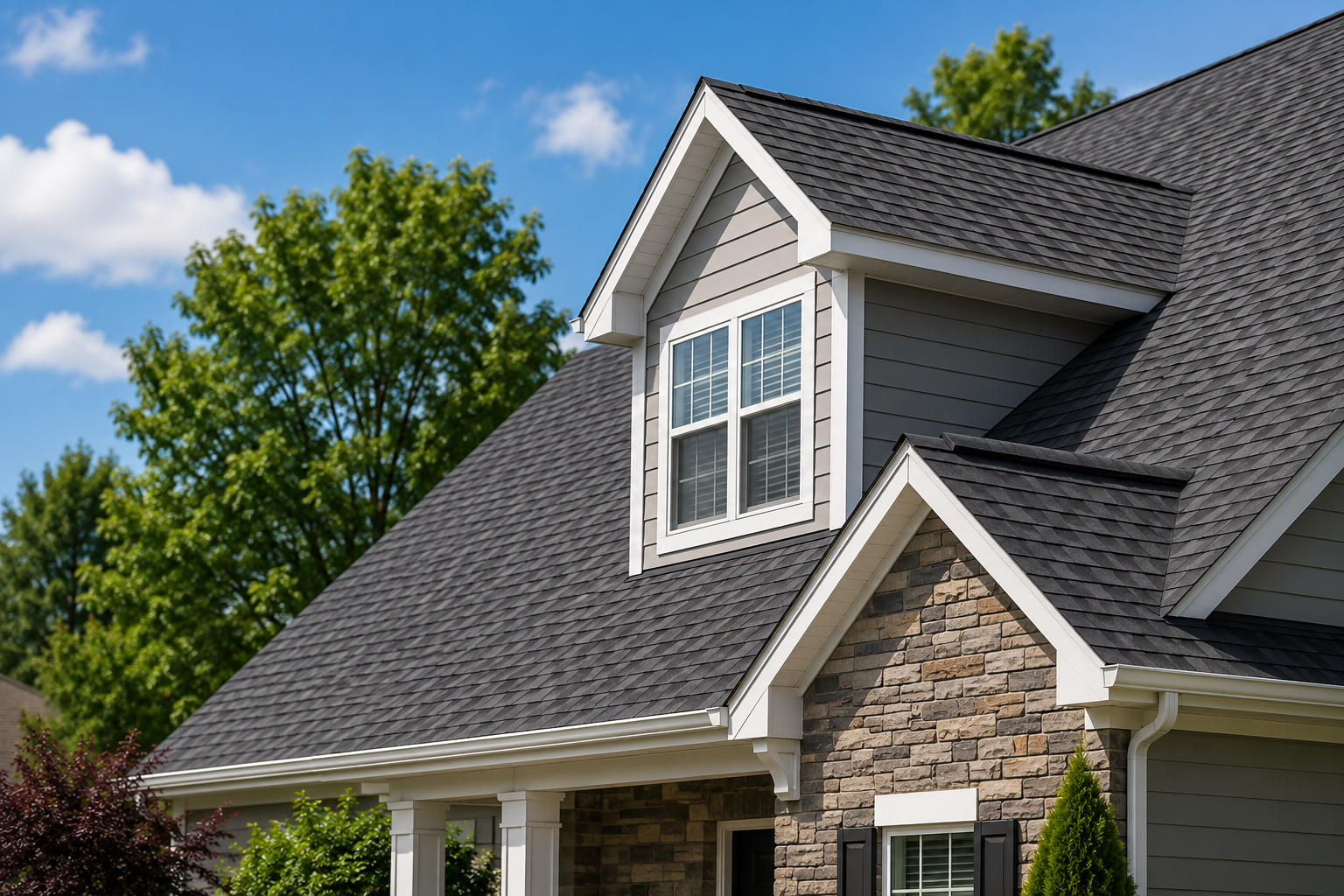
- Average Cost: $5–$9 per square foot installed
- Pros: Most affordable, easy to repair, wide variety of colors, excellent value
- Cons: Shorter lifespan than premium materials, less resistant to severe weather
Roofing · Aging roof
| Project category | Roofing |
|---|---|
| Problem type | Aging roof |
| Trade required | Roofing |
| Urgency | Planned project |
| Safety risk | Low safety risk |
| DIY suitability | Pro recommended |
| Cost category | High cost |
| Typical timeline | Plan 4–12 weeks ahead for scheduling and material lead time |
| Contractor type | Licensed roofing contractor |
Repair option
Maintenance repairs to buy a season or two while you budget.
Replacement option
Planned replacement, which is almost always cheaper than a leak-driven emergency.
Common causes
- Normal weathering past the shingle service life
- Poor attic ventilation cooking the shingles from below
- Repeated repairs on the same slopes
Relevant tools:repair or replace roofproject cost estimatorhome improvement material prices
Published July 21, 2026Last updated August 17, 2026
Your roof is one of the hardest-working parts of your home. It protects your family, your belongings, and the structural integrity of your house from rain, wind, hail, heat, snow, and everything else Mother Nature throws at it.
Unfortunately, roofs don't last forever. If you've noticed missing shingles, leaks, or your roof is approaching the end of its lifespan, you're probably wondering: How much does a roof replacement cost in 2026?
The answer depends on several factors, including the size of your home, the roofing material you choose, labor costs in your area, roof complexity, and whether hidden damage is discovered during installation.
This comprehensive guide explains everything homeowners need to know — from average costs and material comparisons to contractor selection, insurance claims, warranties, and expert tips to help you save thousands of dollars.
Average Roof Replacement Cost in 2026
Most homeowners spend between $8,500 and $22,000 for a complete roof replacement.
| Roof Size | Average Cost |
|---|---|
| 1,000 sq. ft. | $6,000–$10,000 |
| 1,500 sq. ft. | $8,000–$14,000 |
| 2,000 sq. ft. | $10,000–$18,000 |
| 2,500 sq. ft. | $12,000–$22,000 |
| 3,000+ sq. ft. | $15,000–$35,000+ |
These estimates include labor, tear-off, underlayment, flashing, and disposal in most markets.
What Affects Roof Replacement Cost?
Several factors determine your final price.
Roof Size — Larger roofs require more materials, labor, and installation time.
Roof Pitch — Steeper roofs are more dangerous and require additional safety equipment, increasing labor costs.
Roofing Material — The material you choose has one of the biggest impacts on price.
Roof Complexity — Features that increase costs include multiple valleys, dormers, skylights, chimneys, complex rooflines, and multiple stories.
Labor Rates — Labor costs vary significantly by region and contractor experience.
Roofing Material Cost Comparison
Asphalt Shingles
- Average Cost: $5–$9 per square foot installed
- Lifespan: 20–30 years
- Pros: Most affordable, easy to repair, wide variety of colors, excellent value
- Cons: Shorter lifespan than premium materials, less resistant to severe weather
Metal Roofing
- Average Cost: $10–$20 per square foot installed
- Lifespan: 40–70 years
- Pros: Extremely durable, fire resistant, energy efficient, low maintenance
- Cons: Higher upfront cost, can be noisier during heavy rain without proper insulation
Clay or Concrete Tile
- Average Cost: $15–$30 per square foot installed
- Lifespan: 50–100 years
- Pros: Long lifespan, beautiful appearance, excellent heat resistance
- Cons: Heavy, may require additional structural support, expensive installation
Slate Roofing
- Average Cost: $20–$40+ per square foot installed
- Lifespan: 75–150 years
- Pros: Exceptional longevity, premium appearance, fire resistant
- Cons: Highest installation cost, heavy material, requires specialized installers
Signs You Need a New Roof
Don't wait until water starts dripping into your home. Common warning signs include:
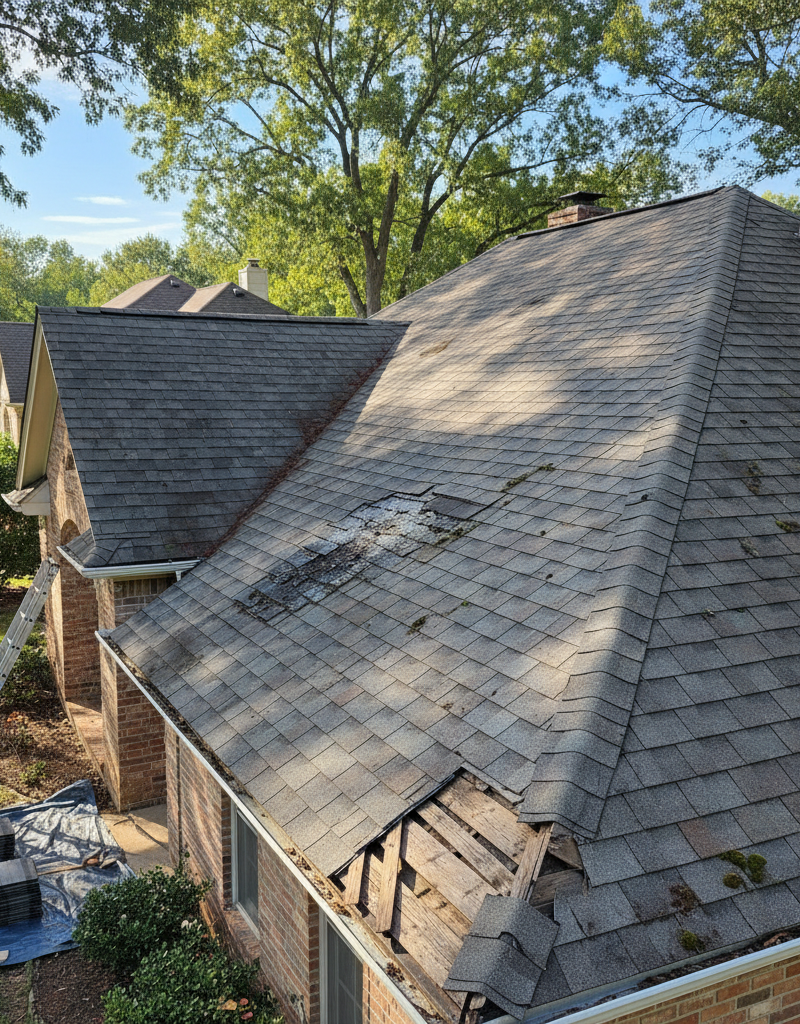
- Missing shingles
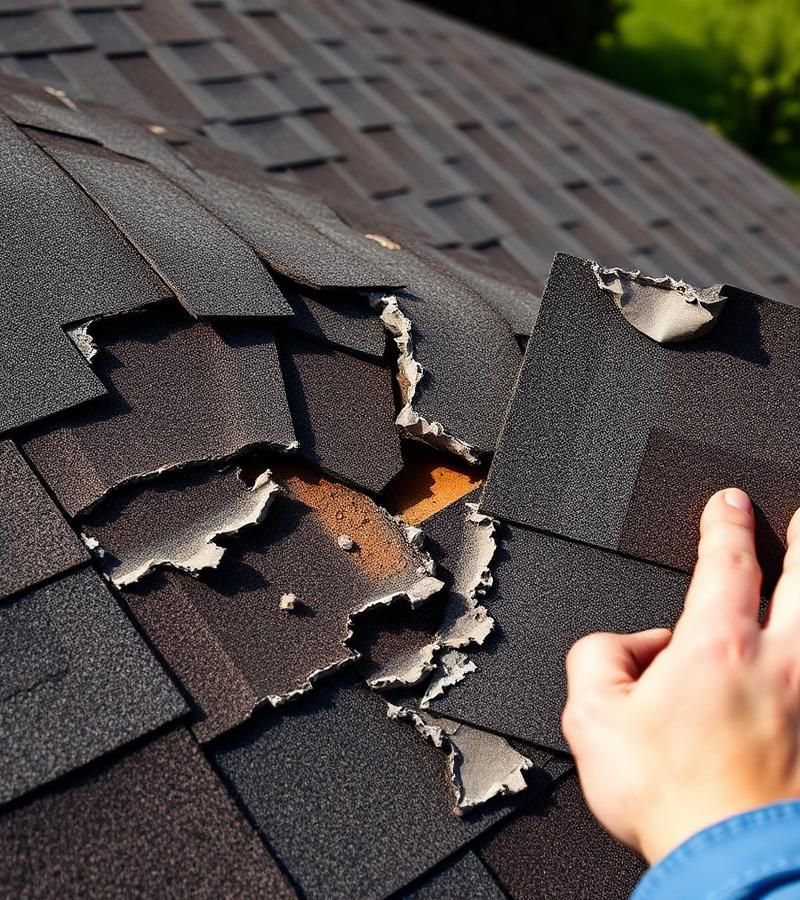
- Curling or cracked shingles
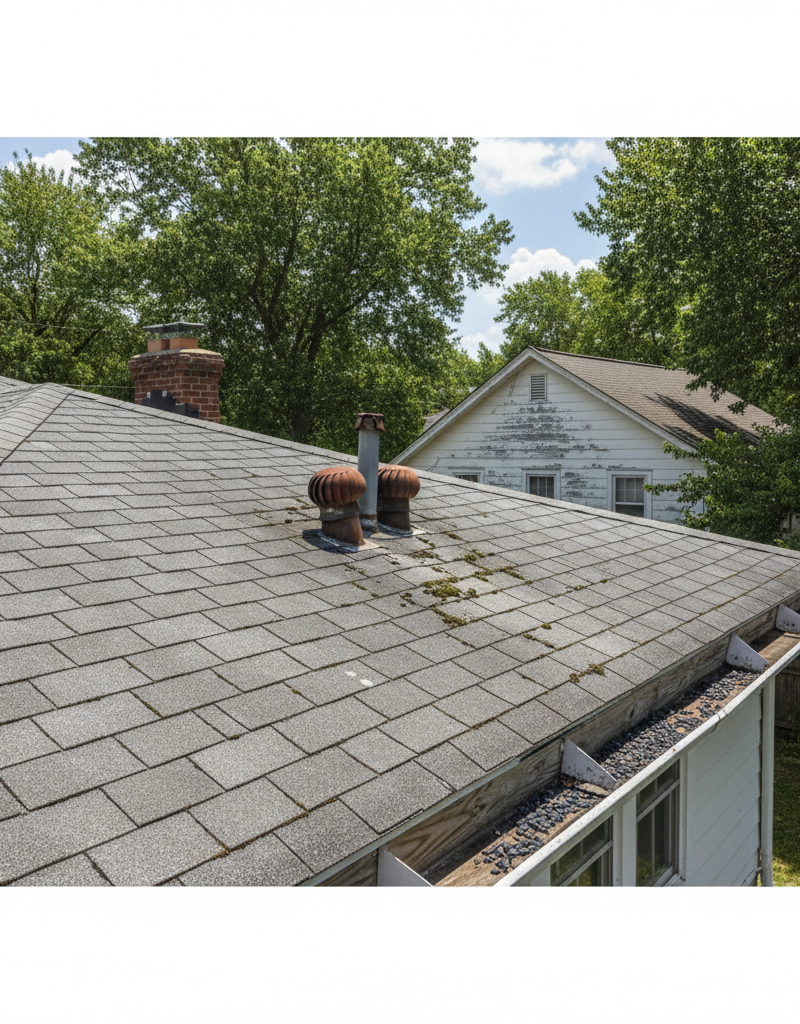
- Granules collecting in gutters
- Frequent leaks
- Water stains on ceilings
- Sagging roof decking
- Moss or algae growth
- Daylight visible through the attic
- Roof older than 20–25 years
Repair or Replace?
Minor issues can often be repaired. Replacement is usually the better investment when:
- Damage covers a large area
- Your roof is near the end of its lifespan
- Multiple leaks continue to appear
- Storm damage is extensive
- Structural decking has deteriorated
Hidden Costs Homeowners Often Forget
Many homeowners budget only for shingles. Additional expenses may include:
- Rotten roof decking replacement
- New flashing
- Ridge vent installation
- Gutter replacement
- Chimney repairs
- Skylight replacement
- Permit fees
- Dumpster rental
- Structural repairs
Set aside 10–20% of your roofing budget for unexpected discoveries.
Insurance and Roof Replacement
If your roof was damaged by hail, wind, or another covered event, homeowners insurance may pay for part or all of the replacement.
Document damage with photos and contact your insurance company promptly. Never sign a contract with a roofing company before understanding your policy and deductible.
How Long Does a Roof Replacement Take?
Most residential roofs are completed quickly. Typical timeline:
- Material delivery: 1 day
- Tear-off: 1 day
- Deck inspection: 1 day
- Installation: 1–3 days
- Cleanup: Same day as completion
Large or complex roofs may take longer.
How to Choose the Right Roofing Contractor
Before hiring anyone:
- Verify licensing (where required)
- Confirm insurance coverage
- Read online reviews
- Ask for local references
- Request a written estimate
- Compare multiple bids
- Understand warranty details
Avoid contractors who pressure you into signing immediately or demand full payment upfront.
Common Roofing Scams
Be cautious of:
- Storm-chasing contractors
- Extremely low bids
- High-pressure sales tactics
- Requests for full payment before work begins
- No written contract
- Lack of insurance documentation
A reputable roofing company will answer your questions and explain the scope of work clearly.
Ways to Save Money
- Get at least three estimates
- Schedule work during slower seasons if possible
- Check if your insurance covers storm damage
- Choose quality materials with long warranties
- Replace damaged gutters or vents during the same project to reduce future labor costs
Does a New Roof Increase Home Value?
Yes. A new roof can:
- Improve curb appeal
- Increase buyer confidence
- Reduce maintenance concerns
- Improve energy efficiency
- Help your home sell faster
While you may not recover every dollar spent, a roof replacement is consistently viewed as one of the most valuable home improvements.
Roof Maintenance Tips
Protect your investment by:
- Cleaning gutters twice a year
- Removing branches that touch the roof
- Inspecting after major storms
- Replacing damaged shingles promptly
- Keeping roof vents clear
- Scheduling professional inspections every few years
Preventive maintenance can extend the life of your roof and reduce repair costs.
Expert Tips
- Don't automatically choose the lowest bid
- Ask for manufacturer-certified installers
- Understand both the workmanship warranty and the material warranty
- Make sure ventilation is addressed during replacement
- Keep all warranty paperwork and invoices for future resale
Roofing Material Comparison
Choosing the right roofing material is one of the most important decisions you'll make during a roof replacement. While price is certainly a factor, you should also consider durability, maintenance requirements, energy efficiency, curb appeal, and how long you plan to stay in your home.
Let's compare the most common roofing materials available in 2026.
Asphalt Shingles
Average Installed Cost: $5–$9 per square foot
Average Lifespan: 20–30 years
Asphalt shingles remain the most popular roofing material in the United States—and for good reason. They offer an excellent balance of affordability, durability, and style.
Pros
- Most budget-friendly roofing option
- Available in a wide range of colors and styles
- Easy to repair or replace
- Readily available across the country
- Works well on most residential homes
Cons
- Shorter lifespan than premium materials
- Can be damaged by extreme winds or hail
- May require replacement sooner in harsh climates
Architectural asphalt shingles, sometimes called dimensional shingles, provide a thicker appearance and generally last longer than traditional three-tab shingles.
Metal Roofing
Average Installed Cost: $10–$20 per square foot
Average Lifespan: 40–70 years
Metal roofing has become increasingly popular thanks to its durability, energy efficiency, and modern appearance.
Pros
- Extremely long lifespan
- Excellent resistance to wind and fire
- Reflects heat, helping reduce cooling costs
- Requires very little maintenance
- Environmentally friendly and often recyclable
Cons
- Higher upfront investment
- Installation requires specialized expertise
- Can dent from very large hail depending on the material
Although metal roofs cost more initially, many homeowners find the long-term value worthwhile because they rarely need replacement during their ownership.
Clay and Concrete Tile
Average Installed Cost: $15–$30 per square foot
Average Lifespan: 50–100 years
Tile roofs are known for their distinctive appearance and exceptional longevity. They perform especially well in hot climates.
Pros
- Outstanding lifespan
- Resistant to insects, fire, and rot
- Excellent energy efficiency
- Beautiful curb appeal
Cons
- Heavy material
- May require structural reinforcement
- More expensive installation
- Individual tiles can crack if walked on improperly
Tile roofing is a premium option that offers both durability and timeless beauty.
Slate Roofing
Average Installed Cost: $20–$40+ per square foot
Average Lifespan: 75–150 years
Slate is one of the longest-lasting roofing materials available and is often found on historic or luxury homes.
Pros
- Incredible lifespan
- Elegant, natural appearance
- Highly resistant to fire and weather
- Adds significant value to premium homes
Cons
- Highest installation cost
- Extremely heavy
- Requires experienced slate installers
- Repairs can be expensive
For homeowners looking for a lifetime roofing solution, slate is difficult to beat—if the budget allows.
Roof Replacement vs. Roof Repair
Many homeowners wonder if they really need a complete replacement or if repairs will solve the problem. In some cases, repairs make perfect sense.
You may only need repairs if:
- A few shingles are missing after a storm
- Flashing around a chimney or vent has failed
- A minor leak has been identified quickly
- Damage is isolated to one small section
However, replacing the roof is often the smarter financial decision if:
- The roof is more than 20–25 years old
- Multiple leaks continue to develop
- Large areas of shingles are damaged
- Storm damage affects most of the roof
- The roof deck has begun to deteriorate
- You're planning to sell your home soon and want to improve curb appeal
Repeated repairs can add up quickly. If you're spending money every year to fix new problems, replacing the roof may actually save money over time.
Hidden Costs Many Homeowners Don't Expect
One of the biggest surprises during a roof replacement is discovering additional work once the old roofing materials have been removed.
These unexpected costs may include:
- Rotten plywood or roof decking
- Water-damaged structural framing
- New flashing around chimneys and skylights
- Ridge vent replacement
- Additional ventilation improvements
- Permit fees
- Dumpster rental and disposal
- Chimney repairs
- Fascia or soffit repairs
- Gutter replacement
A good rule of thumb is to set aside an additional 10–20% of your roofing budget to cover unexpected repairs. Having this contingency fund can prevent delays and reduce financial stress if hidden damage is discovered.
Labor Costs
Labor generally accounts for 40–60% of the total project cost, depending on the roofing material and the complexity of your roof.
Factors that increase labor costs include:
- Steep roof pitches
- Two-story or three-story homes
- Limited property access
- Multiple valleys and roof intersections
- Skylights
- Chimneys
- Heavy roofing materials
- Weather delays
Experienced roofing contractors may charge more than newer companies, but quality workmanship often pays for itself by preventing future leaks and warranty issues.
How Long Does a Roof Replacement Take?
Most residential roof replacements are completed within one to three days, although larger or more complex homes may require additional time.
A typical project timeline looks like this:
Day 1
- Deliver materials
- Remove old roofing
- Inspect roof decking
Day 2
- Repair damaged decking if needed
- Install underlayment
- Begin installing new roofing materials
Day 3
- Finish roofing installation
- Install ridge caps and flashing
- Complete cleanup
- Final inspection
Weather, roof size, and unexpected structural repairs can extend the timeline. A professional contractor will provide a realistic schedule before work begins.
Does Homeowners Insurance Cover Roof Replacement?
One of the first questions many homeowners ask after discovering roof damage is whether insurance will help pay for a replacement. The answer depends on why the roof was damaged.
Insurance May Cover:
- Hail damage
- Wind damage
- Fallen trees
- Lightning strikes
- Fire damage
- Other sudden, accidental events covered by your policy
Insurance Typically Does NOT Cover:
- Normal wear and tear
- Roofs that have reached the end of their expected lifespan
- Poor maintenance
- Installation defects
- Neglect
If you believe your roof has storm damage, document everything with photos and contact your insurance company as soon as possible. Many roofing contractors also offer free inspections and can help identify storm-related damage before you file a claim. Always review your deductible and policy coverage before signing a contract with a roofing company.
Roof Warranties Explained
Not all roofing warranties are the same. Understanding the different types can save you frustration if problems arise after installation.
Manufacturer Warranty
This warranty covers defects in the roofing materials themselves. Depending on the product, manufacturer warranties can range from 20 years to a lifetime. However, they generally do not cover installation mistakes.
Workmanship Warranty
This warranty is provided by the roofing contractor and covers installation errors. A quality contractor may offer a workmanship warranty ranging from 2 years to 25 years, depending on the company and roofing system.
When comparing estimates, ask about both the material warranty and the workmanship warranty. A premium roofing system installed incorrectly can still fail prematurely.
How to Choose the Right Roofing Contractor
Choosing the right contractor is just as important as choosing the right roofing material. Before signing a contract, make sure you:
Verify Licensing
Licensing requirements vary by state, but always verify that your contractor meets all local regulations.
Confirm Insurance
Ask for proof of:
- General liability insurance
- Workers' compensation insurance
Without proper insurance, you could be financially responsible if someone is injured on your property.
Read Reviews
Check:
- Google Reviews
- Better Business Bureau
- Local community groups
Look for companies with a strong reputation for communication, professionalism, and standing behind their work.
Request References
A reputable contractor should have no problem providing recent local references. If possible, ask to see completed projects in your area.
Get Multiple Estimates
It's wise to obtain at least three written estimates. Be cautious of bids that are significantly lower than the others—they may leave out important work or use lower-quality materials.
Common Roofing Scams
Unfortunately, roofing is one of the industries most targeted by scammers, especially after major storms.
Watch for these red flags:
- Contractors going door-to-door immediately after a storm
- Pressure to sign a contract on the spot
- Requests for full payment before work begins
- Extremely low prices that seem too good to be true
- No written estimate
- No proof of insurance
- Unmarked vehicles or no local business address
A trustworthy roofing company will answer your questions, provide detailed documentation, and never pressure you into making an immediate decision.
Ways to Save Money on a Roof Replacement
Replacing a roof is expensive, but there are several ways to reduce costs without sacrificing quality.
Compare Estimates
Never hire the first contractor you meet. Comparing several estimates gives you a better understanding of fair market pricing.
Schedule During Slower Seasons
Roofing companies are often busiest during late spring and summer. Scheduling work during slower periods may provide better pricing or faster availability.
Use Insurance When Appropriate
If your roof has legitimate storm damage, insurance may significantly reduce your out-of-pocket expenses. Never file a fraudulent insurance claim, but don't overlook coverage you're entitled to receive.
Choose Quality Materials
Cheaper materials may save money initially but could require replacement much sooner. Investing in quality materials often lowers long-term ownership costs.
Replace Related Components Together
If your gutters, flashing, roof vents, or skylights also need replacement, completing everything during one project can reduce future labor costs.
Does a New Roof Increase Home Value?
Absolutely. A new roof is one of the most valuable improvements you can make before selling your home.
Benefits include:
- Improved curb appeal
- Higher buyer confidence
- Better home inspection results
- Increased energy efficiency
- Faster home sales
- Reduced maintenance concerns for future buyers
While every market is different, real estate professionals consistently rank roof replacement among the best home improvement investments. Potential buyers appreciate knowing they won't face a major roofing expense shortly after moving in.
Roof Maintenance Tips to Extend Its Lifespan
Even the best roof requires regular maintenance. Following these simple habits can help maximize its lifespan.
Clean Gutters
Clogged gutters can trap water and increase the risk of roof leaks. Clean them at least twice each year.
Trim Tree Branches
Branches rubbing against shingles can cause premature wear and allow pests easier access to your roof.
Inspect After Storms
After severe weather, safely inspect your roof from the ground for:
- Missing shingles
- Fallen branches
- Visible damage
- Loose flashing
Addressing small issues early can prevent much larger repairs later.
Schedule Professional Inspections
Having your roof professionally inspected every few years—or after significant storms—can identify hidden problems before they become expensive repairs. Preventive maintenance is almost always less costly than emergency repairs.
Frequently Asked Questions
How much does it cost to replace a roof in 2026?
The average roof replacement costs between $8,500 and $22,000 for most homeowners. Smaller homes with asphalt shingles may cost less, while larger homes or premium roofing materials like metal, tile, or slate can exceed $30,000.
What is the cheapest roofing material?
Three-tab asphalt shingles are generally the most affordable roofing option. However, many homeowners choose architectural shingles because they offer better durability, improved appearance, and a longer lifespan for a relatively small increase in cost.
Is a metal roof worth the extra cost?
For many homeowners, yes. Although metal roofs have a higher upfront cost, they can last 40 to 70 years, require less maintenance, improve energy efficiency, and often increase a home's resale value. If you plan to stay in your home for many years, a metal roof can provide excellent long-term value.
How long does it take to replace a roof?
Most residential roof replacements are completed in one to three days, depending on the size and complexity of the roof. Larger homes or projects requiring structural repairs may take several additional days.
Can a new roof be installed over old shingles?
Sometimes local building codes allow a second layer of shingles to be installed over the existing roof. However, a complete tear-off is usually the better option because it allows contractors to inspect the roof decking for hidden damage and provides a longer-lasting installation.
Will homeowners insurance pay for a new roof?
Insurance may cover roof replacement if the damage was caused by a covered event, such as hail, wind, fire, or a fallen tree. Normal aging, lack of maintenance, and general wear and tear are typically not covered.
How often should a roof be inspected?
A professional inspection every two to three years is recommended, along with an inspection after any major storm. Regular inspections can catch minor issues before they become expensive repairs.
What time of year is best for replacing a roof?
Spring, summer, and early fall generally provide the best weather for roof replacement. However, experienced roofing contractors can install roofs year-round in many regions when weather conditions are favorable.
Expert Tips Before You Replace Your Roof
A roof replacement is a major investment, and a little preparation can go a long way toward protecting your money.
Here are a few expert recommendations:
- Get at least three written estimates before making a decision.
- Never choose a contractor based solely on the lowest price.
- Verify licenses and insurance before signing a contract.
- Ask about both manufacturer and workmanship warranties.
- Choose roofing materials that match your local climate.
- Make sure proper attic ventilation is included in the project.
- Keep all contracts, receipts, warranties, and inspection reports in a safe place.
- Consider replacing aging gutters, flashing, or roof vents during the same project to save on future labor costs.
Taking the time to research your options can help ensure your new roof performs well for decades.
Final Thoughts
Replacing your roof is one of the most important investments you'll make as a homeowner. While the upfront cost may seem significant, a quality roof protects your home from costly water damage, improves energy efficiency, enhances curb appeal, and provides peace of mind for years to come.
By understanding the factors that affect pricing, comparing roofing materials, budgeting for unexpected expenses, and hiring a qualified contractor, you can make a confident decision that fits both your home and your budget.
Don't wait until a small leak becomes a major problem. If your roof is showing signs of wear, schedule a professional inspection and begin planning before minor issues turn into expensive structural repairs.
A well-built roof isn't just another home improvement project—it's an investment in your home's safety, value, and future.
Related Articles on Fixly Guide
If you found this guide helpful, be sure to explore these other homeowner resources:
- Kitchen Remodel Cost in 2026
- Bathroom Remodel Cost in 2026
- Quartz vs. Granite Countertops: Which Is Better?
- Deck vs. Patio: Which Adds More Value?
- 10 Home Renovations That Add the Most Value in 2026
Whether you're planning a full remodel, tackling a weekend DIY project, or simply looking for ways to protect your investment, Fixly Guide is here to help with trusted advice, practical guides, and money-saving tips for every homeowner.
Estimate your own project cost
National averages are a starting point. Enter your details for a range that fits your house.
Roof replacement cost
- Per square (installed)$604 – $866
Add $500–$2,500 if decking is rotten and needs replacement. Storm damage may be covered by insurance.
Educational estimate only — always confirm with written local bids.
Questions to ask before you sign
Ask every contractor the same questions and the cheapest bid stops looking cheapest. Check them off as you go — your progress is saved on this device.
Free, no signup. Bring this to every walkthrough so you compare bids on the same terms.
What should this project cost?
Enter your project details for a realistic cost range before you call anyone.
Spot repairs commonly run $400–$1,800; full replacement typically $9,000–$18,000 for an average home.
- Regional adjustment
- National average
- Labor share (typical)
- ~$2,948
- Quotes to collect
- 3 written estimates
Educational estimate based on national averages — not a binding quote. Always confirm with written local estimates.
Fixly Project Decision Box
- DIY difficulty
- Professional Recommended
- Estimated time
- Inspection 1–2 hours · repairs 1–3 days
- Cost level
- High
Main tools / materials
- Binoculars for a ground-level look
- Flashlight for attic checks
- Moisture meter
- Roofing cement (temporary patch only)
When to stop and call a pro
- Active leak near lights, fans, or any wiring
- Sagging, bulging, or water-filled ceiling
- Steep, wet, or two-story roof — do not climb it
- Storm or hail damage you plan to claim on insurance
Need professional help?
Free roof assessment first — no phone calls until you ask for them.
Get Local Roofing HelpPrice your roof project
Check the numbers in this guide against your own roof and ZIP code.
Free, no signup required. Estimates are educational guidance, not a quote or an inspection.
Frequently asked questions
How often should a roof be replaced?+
It depends on the material. Asphalt shingles typically last 20–30 years, while metal, tile, and slate roofs can last much longer.
Can I install a new roof over old shingles?+
Sometimes local codes allow an overlay, but a complete tear-off is often recommended so hidden damage can be inspected and repaired.
Does homeowners insurance cover an old roof?+
Insurance usually covers sudden covered damage, such as hail or wind, but not normal wear and aging.
What is the best roofing material?+
For most homeowners, architectural asphalt shingles provide the best balance of affordability, appearance, and durability. Metal roofing is an excellent choice if your budget allows and you are planning to stay in the home long-term.
When is the best time to replace a roof?+
Spring, summer, and fall generally offer favorable weather, but experienced roofing contractors can install roofs year-round in many climates.
Discussion
Loading comments…