- House Settling: The most common one. As the foundation moves, it flexes the window frames and knocks the lock out of line.
- Debris in Tracks: Dirt, leaves, and grime build up and keep the sash from closing completely.
- Worn or Loose Hardware: After thousands of cycles, lock parts wear down, or the screws loosen up.
- Sash Swelling: On wood windows, humidity can make the sash swell and turn a normal close into a fight.
- Foundation Issues: In tougher cases, major shifting—common in North Texas clay soil—can warp the frame beyond a simple adjustment.
General remodeling · Renovation planning
| Project category | General remodeling |
|---|---|
| Problem type | Renovation planning |
| Trade required | General contracting |
| Urgency | Planned project |
| Safety risk | Low safety risk |
| DIY suitability | Pro recommended |
| Cost category | Major investment |
| Typical timeline | Design and permitting often 2–4 months before work starts |
| Contractor type | General contractor |
Repair option
Phase the work and fix the building envelope first.
Replacement option
Full renovation with permits, design, and a general contractor.
Common causes
- Space no longer fits how the household lives
- Resale preparation
- Deferred maintenance stacking up
Relevant tools:project cost estimatorcompare quoteshome improvement material prices
Published October 12, 2026Last updated October 12, 2026
Tools & materials you'll need
Affiliate linksAs an Amazon Associate FixlyGuide earns from qualifying purchases — at no extra cost to you. Prices and availability are accurate as of publication and subject to change.
Quick Answer
If your window won't lock, nine times out of ten the problem is plain old misalignment between the sash lock on the moving part of the window and the keeper on the frame. That happens as a house settles, or when the parts just get worn out. You can usually fix it by cleaning things up, tweaking the hardware, replacing a busted piece, or shimming the sash so it lines back up. Nothing fancy.
The Problem
You flip the cam lock over on your vinyl or wood window, and it just spins, smacks the frame, or never quite catches the keeper. The window feels shut, but it isn't secure. That's no good. An unlocked window isn't just a security issue; it also leaves a gap for air and noise to creep in, and that means higher energy bills and more street noise than anybody wants. I run into this all the time on double-hung windows, but the fix is usually easier than folks expect.
How It Works
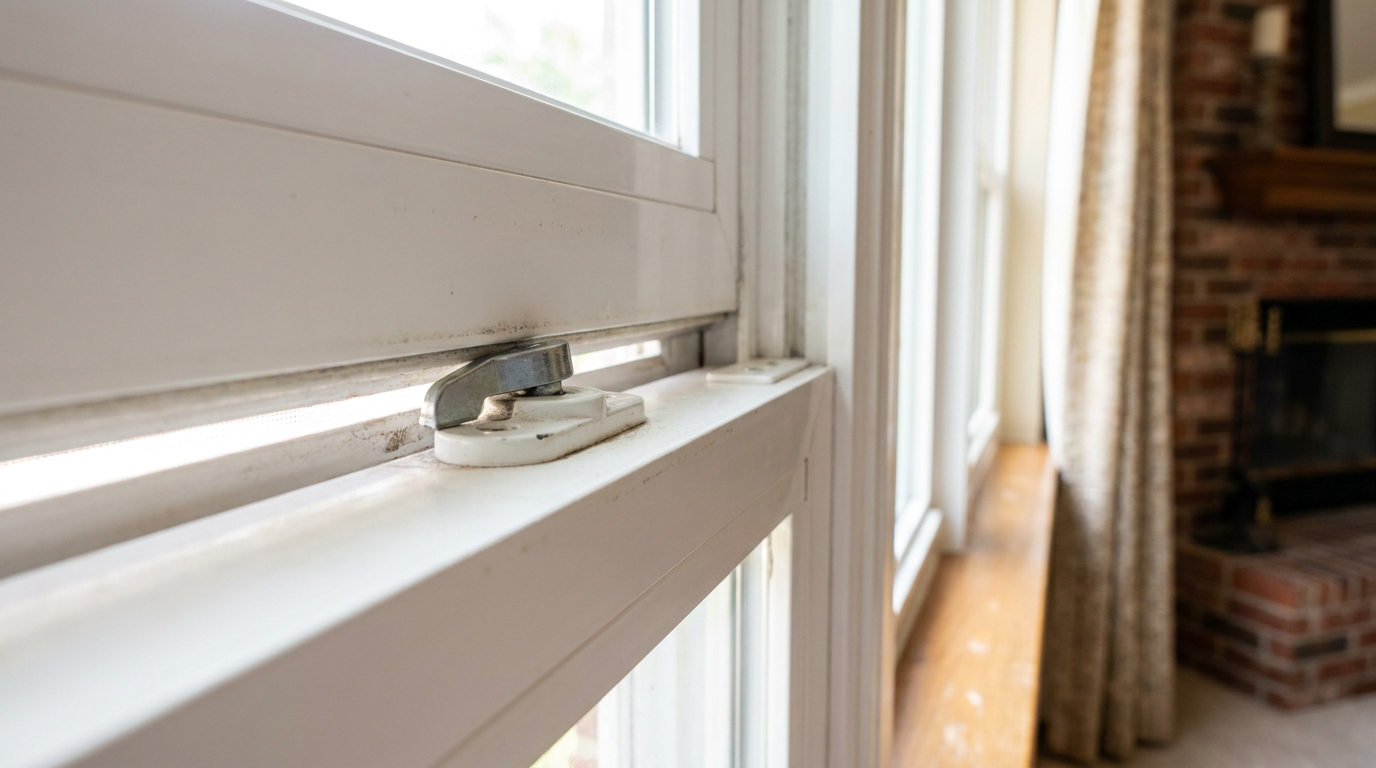
Most newer windows, especially double-hung and sliding types, use a simple cam lock setup. There are two pieces: the sash lock (the rotating lever, or cam) mounted on the top rail of the lower sash or the vertical edge of a slider, and the keeper (or strike plate) mounted on the bottom rail of the upper sash or the fixed window frame. Close the lock, and the cam turns and hooks under the keeper. That does two jobs. It stops the sash from being opened from the outside, and it pulls the two sashes tight together—or pulls the slider tight against the frame. That squeeze matters. It compresses the weatherstripping and makes the seal.
When a house settles—and around here, with clay soil in North Texas, that’s just part of the deal—the frame can shift a hair. We’re talking fractions of an inch, but that’s plenty to throw the lock and keeper off. I pulled a window apart in Frisco last month that had exactly this problem: looked fine to the eye, but the keeper was off just enough that the cam kept kissing the edge and refusing to seat. Over time, the hardware can wear down too, or junk can build up in the track and keep the sash from closing all the way. Then the lock can’t do its job, and you’re left with a drafty, unsecured window. Once you understand that basic mechanical relationship, the rest makes a lot more sense.
Step-by-Step Fix
This guide covers the most common alignment issues for double-hung windows, but the same ideas apply to sliders, too.
1. Clean the Window Tracks and Sill Em-dash Before you mess with any hardware, clean the thing thoroughly. Dirt, dead bugs, and grit in the window tracks—the channels the sash slides in—are often the whole problem because they keep the sash from seating all the way.
- Tools: Vacuum with a crevice tool, stiff brush, damp cloth.
- Safety: If you're on an upper floor, work from inside. Don't lean out the window.
- Start by unlocking the window and raising the lower sash. Vacuum out all the loose debris from the side tracks and the sill. Use a stiff brush to knock loose any caked-on gunk. Wipe everything down with a damp cloth and let it dry. Then try closing and locking the window again. If it works, call it a day.
2. Check for Obstructions Em-dash Look close for anything physically blocking the sash. You’d be surprised what gets in the way. A stray screw head, a lump of old paint, even a little toy stuck in the channel can do it. Also check the weatherstripping. If it’s brittle and breaking apart, a loose piece might be bunching up and stopping the window from sealing.
3. Inspect the Lock and Keeper Em-dash With the window open, look over the lock and keeper. Are the screws tight? A loose screw can let either piece wobble and go out of line. Snug them down with a screwdriver. Look for obvious damage—bent cam lever, cracked keeper, that sort of thing. If a part is cracked or mangled, replace it. These are standard parts at just about any hardware store for $10–$20.
4. Identify the Misalignment Em-dash Close the window and try to lock it, watching the cam and keeper closely. Which way is it off?
- Too high/low: The cam hits the top or bottom of the keeper instead of sliding into the hook. That's a vertical alignment issue.
- Too far in/out: The cam either doesn't reach the keeper or hits the window frame in front of it. That's a horizontal alignment issue.
- If this doesn't work: Sometimes the gap is too small to eyeball. Grab a tube of lipstick or a dry-erase marker and color the edge of the cam lock. Close it and try to lock it. Where the mark transfers to the keeper or frame tells you exactly where it's touching.
5. Adjust the Keeper (The Easiest Fix) Em-dash A lot of keepers have oversized screw holes so you can make small adjustments. Back the screws out just enough so the keeper can slide. Move it to the right spot based on what you found in the last step. Sometimes it only needs to shift 1/16 of an inch. Tighten the screws and test the lock. If it grabs smoothly now, you're done.
6. Shim the Keeper Em-dash If the cam lock doesn't reach the keeper—a horizontal gap—you can shim the keeper to bring it closer. Take the keeper off. Slip a thin piece of cardboard or a plastic shim behind it. You can buy shims, or cut one from an old gift card if you're in a pinch. Put the keeper back on with the shim behind it and test the lock. You may need to play around with a couple different thicknesses.
7. Reposition the Keeper (Requires Drilling) Em-dash If the oversized screw holes don't give you enough movement, you may need to move the keeper entirely. That means drilling new pilot holes.
- Tools: Drill, small drill bit (smaller than the screw threads).
- Safety: Wear safety glasses when drilling.
- Mark the new spot for the keeper. Usually it's easiest to fill the old screw holes with wood filler and let it dry first. Then drill new, small pilot holes for the screws in the marked location. Screw the keeper down firmly in its new home. Don't crank on it too hard or you'll strip the holes.
8. Check the Sash Alignment Em-dash If lock adjustments don't fix a vertical misalignment, the sash itself may be the issue. Sometimes a lower sash won't close evenly on one side. Push down firmly on both top corners of the lower sash to make sure it's seated all the way in the frame. If one side sits higher, it might be hanging up in the track. Clean it again and check one more time. On some older wood windows, the sash can be a little out of square and may need a pro to straighten it out.
Common Causes
- House Settling: The most common one. As the foundation moves, it flexes the window frames and knocks the lock out of line.
- Debris in Tracks: Dirt, leaves, and grime build up and keep the sash from closing completely.
- Worn or Loose Hardware: After thousands of cycles, lock parts wear down, or the screws loosen up.
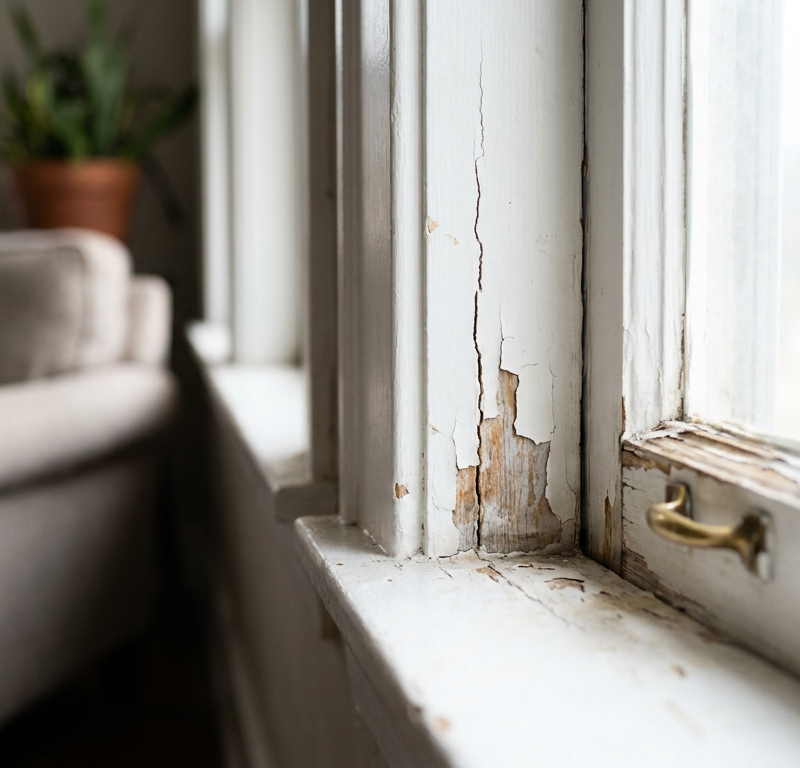
- Sash Swelling: On wood windows, humidity can make the sash swell and turn a normal close into a fight.
- Foundation Issues: In tougher cases, major shifting—common in North Texas clay soil—can warp the frame beyond a simple adjustment.
Common Mistakes
- Forcing the Lock: Never muscle a misaligned lock. You'll probably bend the cam, crack the keeper, or damage the sash, and a small adjustment turns into a replacement job real quick.
- Only Checking the Lock: Don't assume the hardware is the whole story. A lot of times the window's position is the real issue, so clean the tracks and look for obstructions first.
- Overtightening Screws: When you reposition hardware, especially on vinyl or old wood frames, overtightening can strip the screw hole and leave you with nothing to bite into. Drill a proper pilot hole and tighten until snug, not past it.
- Ignoring the Problem: An unlocked window bleeds energy and leaves you vulnerable. Don't sit on it. It'll cost you more to heat and cool the house, and it's less safe too.
- Using the Wrong Lubricant: If you want to lubricate the tracks, use a dry silicone spray only. Oily stuff like WD-40 grabs dust and dirt, and that gums everything up over time.
Cost & Time Breakdown
| Task | DIY Cost | Pro Cost | Time |
|---|---|---|---|
| Cleaning Tracks & Sill | $0 | N/A | 10 minutes |
| Tightening/Adjusting Hardware | $0 | $75–$125 (service call) | 5 minutes |
| Replacing a Broken Lock/Keeper | $10–$20 | $100–$175 | 15 minutes |
| Shimming/Repositioning Keeper | $1–$5 (for shims) | $100–$175 | 30 minutes |
| Full Window Re-alignment | Varies | $150–$300 | 1–2 hours |
Tips & Prevention
- Clean Regularly: Clean your window tracks twice a year, spring and fall. A vacuum and a damp cloth are enough to keep buildup from taking over.
- Check Hardware: While you're cleaning, give the locks a quick look. Make sure the screws are snug and the action feels smooth.
- Lubricate Sparingly: Once a year, after cleaning, a quick shot of dry silicone lubricant in the side channels can keep things moving nicely. Wipe off any extra.
- Mind Your Foundation: Watch for signs of foundation trouble, like cracks in drywall near window corners or doors that suddenly start sticking. Catch it early and you can save yourself some window headaches.
- Don't Paint Locks: When you're painting window sashes, remove the lock hardware or tape over it. Paint buildup is a guaranteed way to make a lock fail.
When to Call a Professional
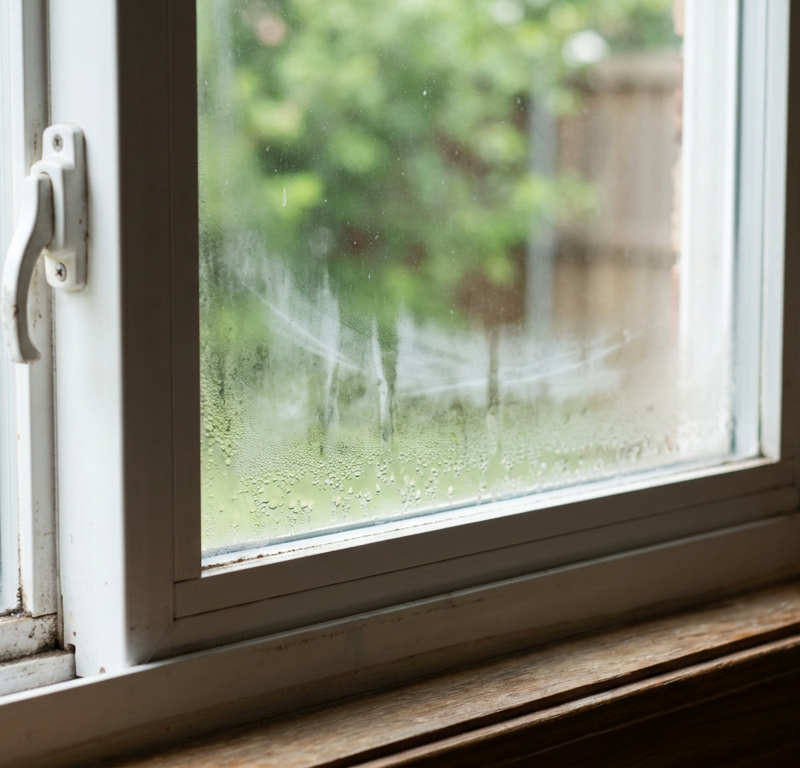
It's time to call a window specialist or a general contractor if you see big cracks in the wall around the window frame, if the window is hard to open or close, or if the frame looks bowed or warped. Those are structural problems, not simple hardware issues. And if you've got a double-pane unit and you see moisture between the panes, the seal's failed, and the whole insulated glass unit (IGU) may need replacing—a job for a pro.
Related Articles
Keep troubleshooting with these hand-picked guides from FixlyGuide:
- Window Won't Stay Up? 3 Reasons Your Sash Falls (and the Real Fix) — Tired of a window sash that crashes down? We'll show you how to diagnose a broken window balance system—the hidden mechanism that holds the…
- The 3 Hidden Reasons Your Interior Door Sticks (and The 15-Minute Fix) — Discover the surprisingly common reasons your interior door sticks and learn how to fix it in under 15 minutes with simple tools.
- The Mystery of the Raised Floorboards: It's Not Always Water Damage — Don't panic if your hardwood floorboards are lifting and uneven. It's often a solvable humidity problem, not major water damage. Learn how…
- The Grimy Secret Why Your Window Sticks (And The 15-Minute Fix) — Don't let a stubborn window ruin your day; often, the culprit is simple dirt or dried paint that you can easily fix in under an hour.
- Keypad Lock Not Working? 10 Reasons It Won't Open—and the Fix — Is your electronic keypad deadbolt suddenly refusing to open? From dead batteries to a jammed bolt, here are the most common causes and wha…
- The Surprising Reason Your Dishwasher Won't Start (It's Not Always the Door) — Don't rush to call a repairman when your dishwasher refuses to start; often, the culprit is a simple, overlooked issue you can fix yourself…
Should you do this yourself?
Answer five quick questions before you start. Safety outranks savings every time.
Your experience with work like this
How high do you have to work?
Does the job involve any of these?
Will it need a permit?
Specialty tools
Free and instant. Educational guidance only — not a quote, inspection, or professional diagnosis.
What should this project cost?
Enter your project details for a realistic cost range before you call anyone.
Cost depends heavily on which system turns out to be the source.
- Regional adjustment
- National average
- Labor share (typical)
- ~$1,620
- Quotes to collect
- 3 written estimates
Educational estimate based on national averages — not a binding quote. Always confirm with written local estimates.
Before you start
Check the difficulty, permits, and safety risk — then decide whether to call a pro.
- Estimate this projectGet a cost range for your scope and ZIP before you call anyone.Open
- Get local estimatesSend one request and compare written estimates from vetted pros.Open
Free, no signup required. Estimates are educational guidance, not a quote or an inspection.
Recommended for DIYers & woodworkers
Sponsored
The Top 20 Tools for Workshops of Any Budget
No stationary machines or power tools required — plus 3 fundamental tools that can't be bought at any price.
Get the free guide
Ted's Woodworking — The #1 Woodworking Resource
Detailed instructions, dimensioned drawings, materials & cutting lists, and 3D schematics for every skill level.
See the plansSponsored: links above are affiliate links. FixlyGuide may earn a commission on qualifying purchases — at no extra cost to you.
Frequently asked questions
Why did my window lock suddenly stop working?+
It's almost always due to house settlement, which shifts the frame just enough to misalign the lock and keeper. It can also be caused by debris in the window track preventing the sash from closing fully. A sudden temperature change can also cause materials to expand or contract, temporarily affecting alignment.
Is it safe to leave a window unlocked if it's closed?+
No. An unlocked window is a significant security risk, as many can be easily jimmied open from the outside. It also won't have a proper seal, leading to air drafts and higher energy bills.
Can I use oil to lubricate a stiff window lock?+
You shouldn't. Oily lubricants like WD-40 or grease attract dirt and dust, which will gum up the lock mechanism and window tracks over time, making the problem worse. Use a dry silicone or Teflon spray instead.
The screws for my window lock keeper are stripped. What do I do?+
A simple fix is to use a slightly larger screw. You can also fill the hole with a wood matchstick (with the head cut off) and wood glue, let it dry, and then re-drive the original screw. For vinyl windows, you may need to drill a new hole nearby.
How much does it cost to have a professional fix a window that won't lock?+
You can typically expect to pay a handyman or window technician between $100 and $175 for a service call to diagnose and perform a simple adjustment or hardware replacement. If the issue is more complex, involving the window sash or frame, the cost could be higher.
My window is old and wooden. Are the locks different?+
Older wooden windows might have different lock styles, like a mortise lock or a different type of sash lock. However, the principle is the same: a part on the sash must align with a part on the frame. The troubleshooting steps of cleaning, checking for alignment, and adjusting are universal.
The cam on my lock is made of plastic and it snapped. Can I replace it?+
Yes, this is a very common repair. You can buy replacement sash locks at most hardware stores or online. Simply unscrew the broken one and screw the new one into the same holes. It's a quick, 10-minute fix.
What does 'shimming' a window lock mean?+
Shimming means adding a thin piece of material behind the lock keeper to move it slightly forward or backward. This helps bridge a gap if the lock and keeper don't meet properly. You can use plastic shims, pieces of cardboard, or even cut-up credit cards.
Discussion
Loading comments…