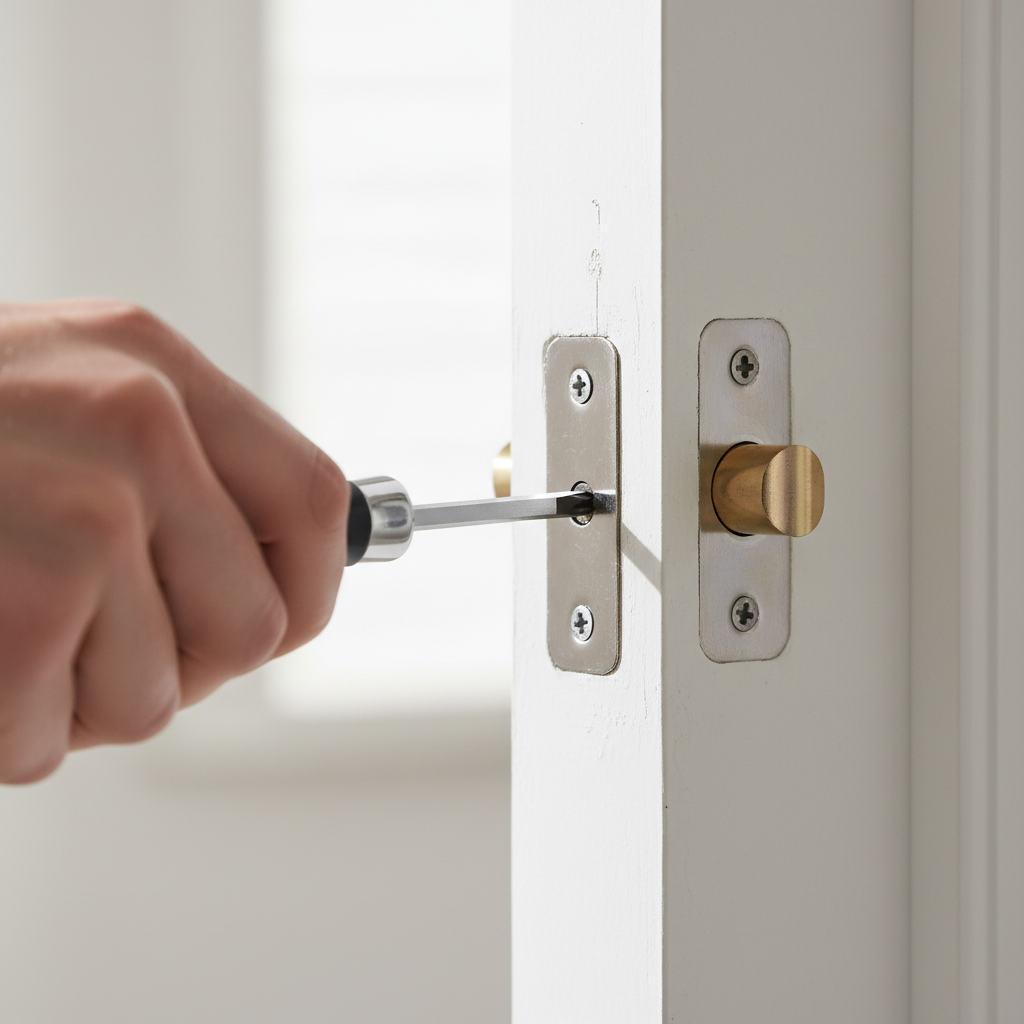
- Safety Note: Be mindful of your fingers when closing the door slowly.
- If it's hitting the top or bottom: You'll need to adjust the strike plate vertically.
- If it's hitting the side: You'll need to adjust the strike plate horizontally.
- If it's clearing but not fully engaging: The strike plate might need to be shifted deeper into the frame, or the wood behind it might be preventing the latch from fully extending.
General remodeling · Renovation planning
| Project category | General remodeling |
|---|---|
| Problem type | Renovation planning |
| Trade required | General contracting |
| Urgency | Planned project |
| Safety risk | Low safety risk |
| DIY suitability | Pro recommended |
| Cost category | Major investment |
| Typical timeline | Design and permitting often 2–4 months before work starts |
| Contractor type | General contractor |
Repair option
Phase the work and fix the building envelope first.
Replacement option
Full renovation with permits, design, and a general contractor.
Common causes
- Space no longer fits how the household lives
- Resale preparation
- Deferred maintenance stacking up
Relevant tools:project cost estimatorcompare quoteshome improvement material prices
Published May 18, 2026Last updated August 17, 2026
Tools & materials you'll need
Affiliate links- AmazonPhilips head screwdriver1 · Or a flathead if your screws are flathead
- AmazonPencil1 · For marking
- AmazonUtility knife1 · For minor wood removal/scoring
- AmazonSmall round file1 · Optional, for elongating strike plate holes
- AmazonWood chisel1 · Optional, 1/2 inch or 3/4 inch
- AmazonDrill with drill bit set1 · Optional, for new pilot holes
As an Amazon Associate FixlyGuide earns from qualifying purchases — at no extra cost to you. Prices and availability are accurate as of publication and subject to change.
Quick Answer
Most often, a door that won't latch properly can be fixed by slightly adjusting the strike plate on the door frame. This common issue is usually caused by minor house settling or changes in humidity, which cause the door or frame to shift, misaligning the latch with the strike plate hole. A simple adjustment can restore proper function, saving you the hassle and cost of replacing the entire latch mechanism.
The Problem
You've got a door that just won't stay closed, or maybe you have to give it an extra hard shove to get the latch to catch. It's not just annoying; it's a security risk if it's an exterior door, and an insulation problem for interior doors, leading to higher energy bills. Often, homeowners immediately suspect the latch mechanism itself is broken, leading them down a rabbit hole of complicated repairs or unnecessary replacements. However, in the vast majority of cases, the real culprit isn't the latch, but its partner: the strike plate.
The strike plate is the small metal plate installed on the door frame that has a hole or cutout designed to receive the latch bolt when the door closes. Over time, due to house settling, changes in humidity (causing wood to swell or shrink), or even just repeated use, the door frame can subtly shift. This tiny shift, often just a millimeter or two, is enough to throw the alignment between the latch bolt and the strike plate off-kilter, preventing the door from closing smoothly and securely.
How It Works
To understand the fix, it helps to understand the components at play. A typical door latch assembly consists of several parts: the doorknob orlever, the spindle connecting them, and the latch mechanism itself, which includes the spring-loaded latch bolt. When you turn the knob or lever, the spindle rotates, retracting the latch bolt into the door. When you release the knob, springs inside the mechanism push the latch bolt back out.
The strike plate, a simple but crucial piece of hardware, is screwed into the door frame. It has a precisely cut opening that corresponds to the shape and size of the latch bolt. For the door to close and latch properly, the latch bolt must extend fully into the opening of the strike plate. If these two components – the latch bolt and the strike plate opening – are even slightly misaligned vertically, horizontally, or in terms of depth, the latch bolt will hit the strike plate, preventing it from fully engaging or snapping into place. This can result in the door bouncing open, requiring excessive force to close, or simply never fully latching, leaving a small gap.
Humidity and temperature fluctuations are often silent saboteurs. Wood, being a hygroscopic material, expands when it absorbs moisture and contracts when it dries out. Door frames, being made of wood, are susceptible to these changes. A humid summer can cause a frame to swell, slightly narrowing the gap for the latch bolt, while a dry winter might cause it to shrink, subtly shifting the strike plate's position relative to the latch. Modern homes, while more stable, still experience some settling over decades, which can also contribute to these minor misalignments.
Step-by-Step Fix
1. Diagnose the Misalignment – Identify where the latch bolt is hitting the strike plate.
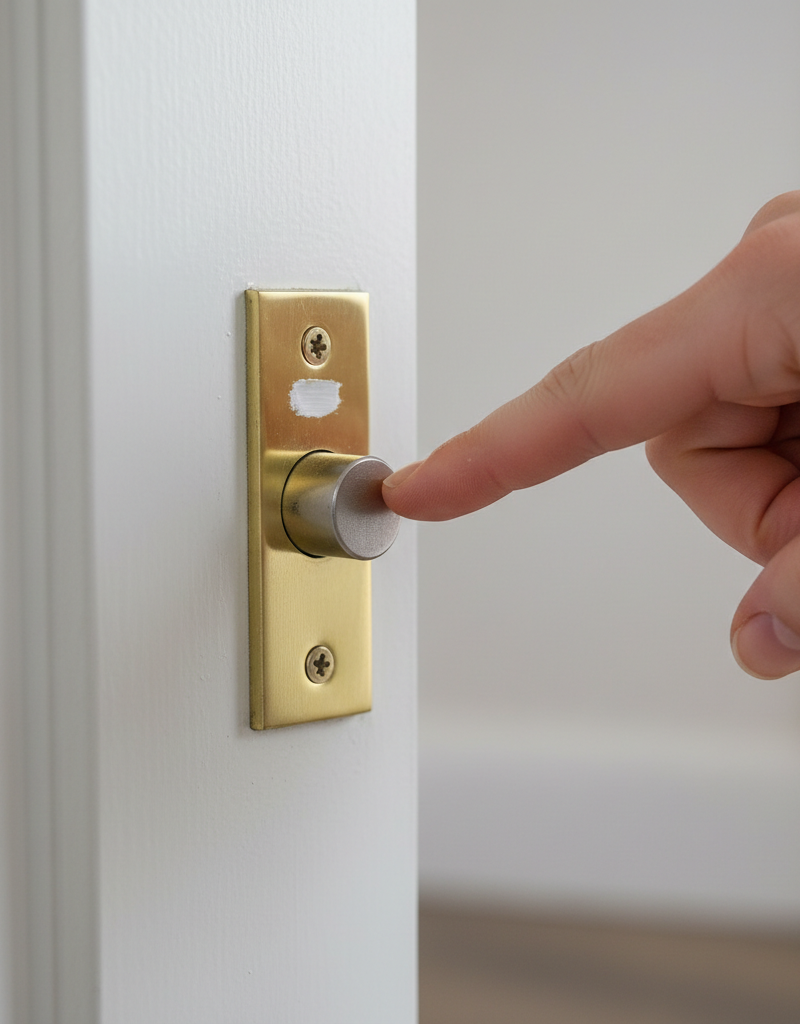
Before you grab any tools, you need to understand how the latch is failing to engage. Close the door slowly, watching the latch bolt as it approaches the strike plate. Does it hit the top, bottom, or side of the strike plate? Or does it seem to clear the opening but not plunge deep enough? You can also use a small piece of painter's tape or a dry-erase marker on the strike plate to visually mark where the latch bolt makes contact. Close the door and open it a few times to get a clear mark. This diagnostic step is crucial for determining which direction you need to adjust.
- Safety Note: Be mindful of your fingers when closing the door slowly.
- If it's hitting the top or bottom: You'll need to adjust the strike plate vertically.
- If it's hitting the side: You'll need to adjust the strike plate horizontally.
- If it's clearing but not fully engaging: The strike plate might need to be shifted deeper into the frame, or the wood behind it might be preventing the latch from fully extending.
2. Loosen the Strike Plate Screws – Prepare for adjustment.
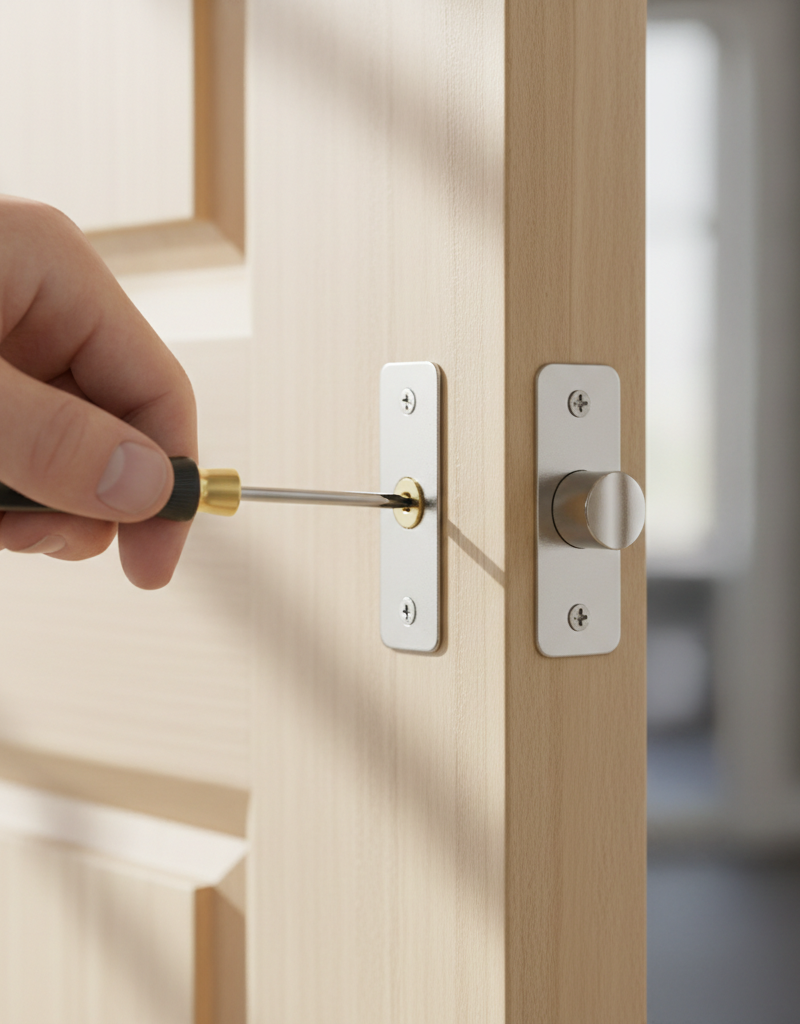
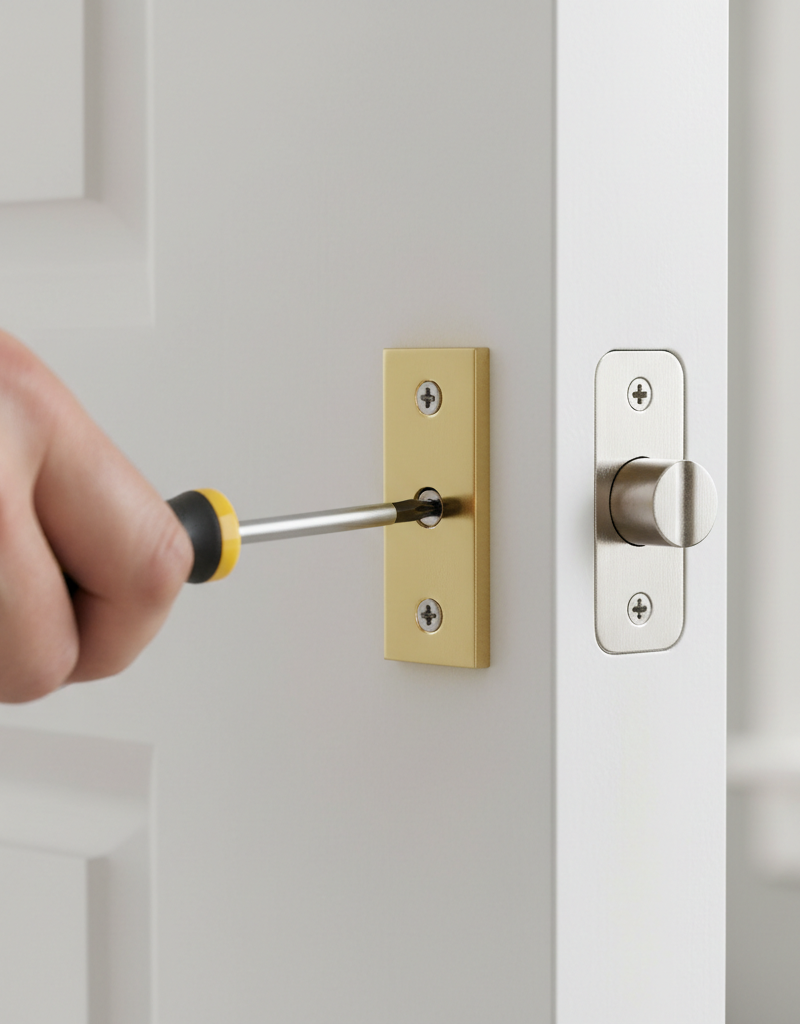
Using a screwdriver that fits the existing screws (usually Philips head), loosen, but do not remove, the two screws holding the strike plate to the door frame. You want them loose enough so the plate can be wiggled slightly, but still held in place by the screws. This allows for minor repositioning without completely detaching the plate.
- Tool Tip: Often, strike plate screws can be very tight or stripped. Use the correct size screwdriver and apply firm, steady pressure to avoid stripping the screw head further.
3. Mark New Screw Positions (If Needed) – Determine if the existing holes are sufficient.
Sometimes, the misalignment is so minor that simply wiggling the strike plate after loosening the screws is enough to correct it. Try wiggling the plate in the direction you identified in step 1, then tighten the screws and test the door. If this doesn't work, you'll need to enlarge the existing screw holes or create new ones.
- If the wiggle worked: Congratulations, you're done! Tighten those screws firmly.
- If not: Use a pencil to mark the new, desired position for the screw holes. You'll likely need to shift the plate slightly up, down, or sideways. The goal is to move the strike plate's opening directly in line with where the latch bolt lands.
4. Enlarge or Create New Screw Holes – Carefully adjust the screw mounts.
Depending on your diagnostic from step 1 and step 3, you'll either slightly enlarge the existing screw holes or drill new pilot holes. For minor vertical or horizontal adjustments (a few millimeters), you can use a small round file, a Dremel tool with a grinding bit, or even a utility knife to carefully elongate the existing screw holes in the strike plate itself. This allows the plate to shift without drilling new holes in the frame.
If the shift needed is larger, or if elongating the holes in the strike plate isn't enough, you'll need to tackle the wood of the door frame. For very minor shifts, you can sometimes use the tip of a utility knife or a small chisel to slightly widen the existing screw holes in the wood underneath the strike plate. For more significant shifts (e.g., if you need to move the plate more than 3-4mm), it's often better to fill the original screw holes with wood filler or small wooden dowels and then drill new pilot holes in the desired position. This provides a fresh, secure mounting point for the screws.
- For minor hole enlargement: Use a small round file for the strike plate, or a utility knife/chisel for the wood underneath.
- For larger shifts in the wood: Fill existing holes with wood filler and small dowels. Let dry completely. Then drill new pilot holes (use a drill bit slightly smaller than your screw shank) at your marked positions. This ensures the screws have fresh wood to bite into.
5. Reposition and Secure the Strike Plate – Mount the plate in its new, corrected position.
Carefully reposition the strike plate to its new, corrected alignment, ensuring the opening is perfectly centered with where the latch bolt extends. Drive home the screws, but don't overtighten them, as this can strip the wood. Check that the strike plate sits flush with the door frame and doesn't protrude, which could catch on the door or cause wear.
- Check alignment again: Before final tightening, close the door slowly to ensure the latch bolt glides cleanly into the strike plate opening.
- Flush mounting: The strike plate should be perfectly flush with the door frame surface.
6. Test the Door – Verify the fix.
Close and open the door several times at varying speeds. Does the latch bolt fully extend into the strike plate opening with a satisfying 'click'? Does the door stay securely latched without bouncing open? If it's still not quite right, repeat the diagnostic and adjustment steps, making smaller, more precise adjustments. Sometimes, it takes a couple of iterations to get it perfect.
- Listen for the 'click': A clear, distinct click usually means proper engagement.
- Check for bounce-back: Push the door gently once closed to ensure it doesn't spring open.
7. Address Depth Issues (If Latch Isn't Fully Engaging) – Check for interference behind the plate.
If the latch bolt seems to clear the strike plate opening but doesn't fully extend (i.e., the door feels loose even when latched), the problem might be depth. The latch bolt needs enough clear space behind the strike plate to extend fully. Sometimes, wood swelling or a build-up of paint can reduce this depth. You may need to use a chisel to carefully deepen the mortise (the recessed area) for the strike plate and the latch bolt. Alternatively, some strike plates come with an adjustable 'tongue' that can be bent slightly to adjust the effective depth.
- Chisel work: Use a sharp chisel to carefully remove small amounts of wood, testing frequently.
- Adjustable tongue: If your strike plate has one, use pliers to gently bend it inwards for more depth, or outwards for less.
8. If All Else Fails: Latch Replacement – Consider a new mechanism.
If you've meticulously adjusted the strike plate in every conceivable way and the door still won't latch, it's possible that the latch mechanism itself is worn out, broken, or simply not retracting/extending properly. This is less common but can happen over many years of use. Replacing the entire doorknob and latch assembly is usually straightforward, involving only a few screws once the old unit is removed. Ensure you purchase a replacement with the same backset (distance from the door edge to the center of the doorknob).
Common Causes
- House Settling: Older homes, and even newer ones to a lesser extent, naturally settle over time, causing door frames to shift out of plumb or square. This is the most common culprit for strike plate misalignment.
- Humidity/Temperature Changes: Wood doors and door frames expand in high humidity and contract in dry conditions. These seasonal changes can cause the door or frame to swell or shrink, altering the alignment of the latch and strike plate.
- Loose Screws: The screws holding the strike plate or door hinges can loosen over time, allowing the components to shift. While loose hinge screws usually cause the entire door to sag, loose strike plate screws can allow just enough play for misalignment.
- Paint Buildup: Multiple layers of paint on the door frame or around the strike plate can subtly reduce the size of the strike plate opening or interfere with the latch bolt's movement.
- Worn Latch Mechanism: Less common, but the internal springs or components of the latch bolt mechanism can wear out over decades of use, preventing the bolt from fully extending or retracting smoothly.
Common Mistakes
- Ignoring the Diagnosis: Jumping straight to filing or chiseling without first identifying precisely where the latch bolt is hitting. A quick diagnostic saves time and prevents unnecessary damage.
- Overtightening Screws: Stripping the screw heads or, worse, stripping the wood in the door frame. This leaves you with a loose strike plate and a bigger repair job. Tighten until snug, then a quarter turn more.
- Removing Too Much Wood: Aggressively chiseling or filing away wood from the frame. It's much easier to remove a little more wood than it is to put it back. Work in small increments.
- Neglecting the Hinges: Assuming the problem is always the strike plate. While often true, sagging doors from loose hinge screws can also cause latch misalignment. Always check hinge tightness as a first step.
- Using the Wrong Screwdriver: Using a flathead on a Philips head screw (or vice-versa) or a screwdriver that's too small. This is a fast way to strip screw heads, making removal much harder.
- Not Testing After Each Adjustment: Making a big adjustment, then tightening everything down, only to find it's still wrong. Test after each small adjustment to confirm you're moving in the right direction.
Cost & Time Breakdown
| Task | DIY cost | Pro cost | Time |
|---|---|---|---|
| Adjust Strike Plate | $0–$5 | $75–$150 | 15–30 min |
| Widen Strike Plate Mortise | $5–$10 | $75–$150 | 30–60 min |
| Fill & Redrill Screw Holes | $5–$15 | $100–$200 | 1–2 hours |
| Replace Door Latch Assembly | $20–$50 | $150–$250 | 30–60 min |
Tips & Prevention
- Regular Hinge Checks: Periodically check and tighten the screws on your door hinges, especially for high-traffic doors. A sagging door due to loose hinges will inevitably lead to latch problems.
- Lubricate Latches: A small puff of graphite lubricant or a tiny spray of silicone lubricant into the latch mechanism can keep it operating smoothly. Do this once a year for frequently used doors.
- Monitor for Settling: Be aware of other signs of house settling, such as cracks in drywall near door frames, which can indicate ongoing structural shifts that will require more attention.
- Control Humidity: In areas with extreme humidity swings, consider using a dehumidifier in summer or a humidifier in winter. This helps stabilize the moisture content in wood, reducing swelling and shrinking.
- Proper Painting Technique: When painting door frames, remove the strike plate and tape off the mortise to prevent paint buildup. If you do paint with the plate in place, carefully score and remove any paint that fills the strike plate opening before it fully dries.
When to Call a Professional
While adjusting a strike plate is a common DIY task, there are times when calling a handyman or carpenter is the wiser choice. If you find that the entire door frame is significantly out of square or plumb, no amount of strike plate adjustment will truly fix the underlying issue. This often manifests as large, uneven gaps around the door or the door binding in the frame. Similarly, if the door itself is warped or damaged, a professional will be needed for repair or replacement. Any signs of structural damage to the wall around the door frame, such as large cracks, should also prompt a call to a professional to assess the integrity of the opening. If you've attempted the adjustments multiple times without success, or if you're uncomfortable with using chisels or drilling into your door frame, a professional can complete the job quickly and correctly, often identifying subtle issues you might have missed.
Related Articles
Keep troubleshooting with these hand-picked guides from FixlyGuide:
- The 3 Hidden Reasons Your Door Won't Latch (And the Easy Fixes) — Discover the surprising reasons your interior door isn't latching and how to quickly diagnose and fix the issue with simple tools.
- The 5-Minute Fix for a Door That Won't Latch (And the Hidden Cause) — Discover the surprisingly simple reasons your door isn't latching and how to fix it in minutes with common household tools.
- The 5-Minute Trick for a Door That Won't Latch (And Why It Keeps Happening) — Discover the simplest fixes for a door that won't latch, from minor adjustments to tackling persistent alignment issues.
- The 3 Hidden Reasons Your Door Won't Latch (And the Easy DIY Fixes) — Frustrated by a door that refuses to latch? Discover the common culprits behind this annoying problem and learn simple, effective DIY fixes…
- The 5-Minute Trick to Fix a Door That Won't Latch (No New Hardware Needed) — Discover the simple, often overlooked reasons why your door isn't latching and how to fix it in minutes without replacing any hardware.
- Is Your Gutter Sagging After Every Storm? The Hidden Flaw Most Homeowners Miss — Discover the overlooked reason your gutters sag after every storm and learn the lasting fix that most homeowners miss.
Should you do this yourself?
Answer five quick questions before you start. Safety outranks savings every time.
Your experience with work like this
How high do you have to work?
Does the job involve any of these?
Will it need a permit?
Specialty tools
Free and instant. Educational guidance only — not a quote, inspection, or professional diagnosis.
What should this project cost?
Enter your project details for a realistic cost range before you call anyone.
Cost depends heavily on which system turns out to be the source.
- Regional adjustment
- National average
- Labor share (typical)
- ~$1,620
- Quotes to collect
- 3 written estimates
Educational estimate based on national averages — not a binding quote. Always confirm with written local estimates.
Recommended for DIYers & woodworkers
Sponsored
The Top 20 Tools for Workshops of Any Budget
No stationary machines or power tools required — plus 3 fundamental tools that can't be bought at any price.
Get the free guide
Ted's Woodworking — The #1 Woodworking Resource
Detailed instructions, dimensioned drawings, materials & cutting lists, and 3D schematics for every skill level.
See the plansSponsored: links above are affiliate links. FixlyGuide may earn a commission on qualifying purchases — at no extra cost to you.
Frequently asked questions
Why won't my door latch catch?+
Most commonly, your door won't latch because the strike plate on the door frame is slightly misaligned with the latch bolt on the door. Minor house settling or changes in humidity often cause this shift, preventing the latch from fully engaging in the opening.
Can I fix a door latch myself?+
Yes, in many cases, you can easily fix a door that won't latch by adjusting the strike plate. This involves loosening the strike plate screws, making small adjustments to its position, and sometimes carefully enlarging the screw holes or the opening itself.
How do you adjust a strike plate on a door?+
Adjust a strike plate by first diagnosing where the latch bolt hits it. Then, loosen the plate's screws, reposition it slightly up, down, or sideways to align with the latch bolt. You may need to file the existing screw holes or chisel the wood behind the plate for more precise movement before re-tightening.
When should I replace a door latch?+
You should consider replacing a door latch if, after meticulously adjusting the strike plate, the door still won't latch, or if the latch bolt itself is visibly bent, broken, or doesn't retract/extend smoothly. Often, the strike plate fix works, making full replacement unnecessary.
Discussion
Loading comments…