- Clean the Drain Pump Filter (If Accessible) – This gets forgotten a lot.
- Locate and Open – Most front-loaders and some top-loaders have a little access panel at the bottom front. Check your owner’s manual for the exact spot. Put a shallow pan or towels underneath because water will come out.
- If This Doesn’t Work: If the filter keeps clogging, or the machine still won’t drain right after you clean it, you may have a deeper problem with the drain pump or hose. That’s pro territory.
Published September 7, 2026Last updated September 7, 2026
Tools & materials you'll need
Affiliate linksAs an Amazon Associate FixlyGuide earns from qualifying purchases — at no extra cost to you. Prices and availability are accurate as of publication and subject to change.
Quick Answer
Ever pull a load out of the wash and catch that faint, funky smell? You’re not crazy. That odor usually means the washer itself is loaded up with mold, mildew, and old detergent residue. A solid deep clean—hit the dispenser, gasket, and drum—usually knocks it right out and gets your laundry smelling clean again.
The Problem
I hear this all the time: “My clothes aren’t coming out clean, and sometimes they even smell worse than before!” Folks figure the detergent’s junk or the water’s the problem. Most times, it’s the machine. That musty, sour, almost rotten smell? That’s mold, mildew, and detergent scum hanging out inside your washer. It gets on your clothes, and then your “clean” laundry smells like a wet basement. And no, it’s not just front-loaders. Top-loaders get gunk too, especially around the agitator or impeller.
This isn’t only about the smell, either. That buildup can make the machine work harder and wear out faster. It can clog hoses, gum up dispensers, and start messing with components over time. I had a client in Northwood Estates swear their new high-efficiency washer was broken because their towels smelled like a damp crawlspace. Turned out they hadn’t cleaned the gasket or run a maintenance cycle in two years. We hit it with chlorine bleach, scrubbed the nasty spots, and boom—the difference was night and day. I’ve pulled a washer apart in a tight laundry closet that had so much sludge in the dispenser, I knew right away why the whole house smelled off.
How It Works
A washing machine is basically a damp box with regular food supply for mold and mildew—lint, soil, body oils, and a little detergent that never fully rinses away. HE detergents are fine, but they use less water, so there’s not as much flushing action to carry all that residue off. Over time, those leftovers mix together into a biofilm, which is just a slimy layer where bacteria, mold, and mildew set up camp.
Front-load washers get hit hard because of the rubber door gasket. That seal keeps water in, sure, but it also traps moisture, lint, and detergent residue in a dark little pocket. That’s a perfect hangout for mildew. Top-loaders aren’t off the hook, either. Grime builds up under the rim of the tub, in the detergent dispenser, and around the agitator or impeller where water likes to sit. Warm wash cycles only make it worse by helping microbes grow faster. Then that stink gets transferred right onto your laundry. Newer machines do have self-clean cycles, and that helps, but they don’t always get everything—especially not the gasket.
Step-by-Step Fix
Here’s how I clean up a smelly washer. Set aside an hour or two, but most of that’s just the machine running while you do something else.
-
Prep the Machine – Empty that washer out. No clothes, no stray socks, nothing but the machine.
- Safety First: Make sure the machine is completely empty. Don’t start a cleaning cycle with laundry inside it.
-
Clean the Detergent Dispenser – This spot gets ugly fast.
- Remove and Soak – Pull out the whole dispenser drawer assembly. Some models have a release tab; others just slide out. Once it’s out, soak it in a basin of hot water mixed with a cup of white vinegar or a squirt of dish soap for about 15-20 minutes. That’ll loosen up all the baked-on residue.
- Scrub Away – Use an old toothbrush or a small scrub brush and get into every slot, corner, and crevice. Rinse it under running water until it’s clean. Dry it off and set it aside.
-
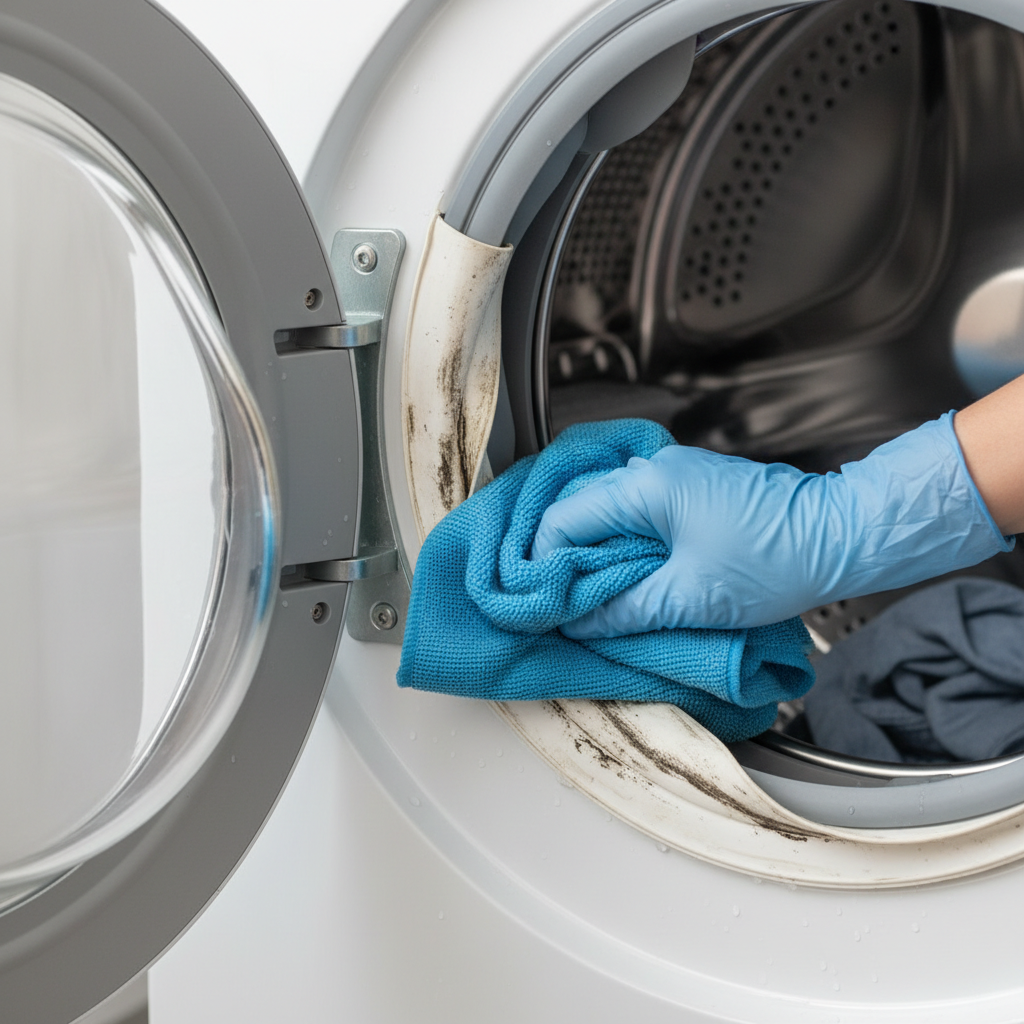
Attack the Door Gasket (Front-Loaders Only) – This is usually where the real mess is hiding.
- Inspect and Wipe – Pull back the rubber gasket around the door. You’ll probably find black, slimy mold and lint packed in there. Put on rubber gloves. Spray the whole gasket with a 50/50 mix of white vinegar and water, especially under the folds. Let it sit for 5 minutes.
- Scrub and Dry – Wipe away the grime with a clean rag or paper towels. For stubborn spots, use a brush or the rough side of a sponge. Get into the grooves. Then dry the gasket completely with a clean towel. If you leave it wet, you’re just inviting the same junk back in.
-
Deep Clean the Drum with Bleach – Now we sanitize the tub.
- Pour It In – Add 1 cup of liquid chlorine bleach directly into the detergent dispenser or, if you removed the dispenser, straight into the drum. Don’t dump it into the fabric softener dispenser.
- Run a Hot Cycle – Pick the hottest water setting you’ve got and the largest load size. If your machine has a “Tub Clean” or “Sanitize” cycle, use that. Let it run all the way through. The bleach helps kill bacteria and mold, and it breaks down detergent residue.
-
Deep Clean the Drum with Vinegar (Optional, but Recommended) – A second pass helps rinse things out and knock down the smell.
- Add Vinegar – Once the bleach cycle is done, do Step 4 again, but use 2 cups of white vinegar instead of bleach. Pour it directly into the drum.
- Run Another Hot Cycle – Same deal: hottest water, largest load setting. This vinegar cycle helps get rid of leftover bleach smell, dissolve mineral buildup, and give the drum one more sanitizing pass. Don’t mix bleach and vinegar in the same cycle—that makes toxic chlorine gas.
-
Wipe Down the Exterior and Control Panel – Don’t skip the outside.
- Clean Surfaces – Use an all-purpose cleaner and a soft cloth to wipe the top, sides, and control panel. Don’t spray straight into the controls. Spray the cloth first.
-
Clean the Drain Pump Filter (If Accessible) – This gets forgotten a lot.
- Locate and Open – Most front-loaders and some top-loaders have a little access panel at the bottom front. Check your owner’s manual for the exact spot. Put a shallow pan or towels underneath because water will come out.
- Remove and Clean – Slowly unscrew the filter. You’ll probably find lint, coins, hair, and maybe even a stray earring. Clean it under running water with an old toothbrush. Check the housing for any blockage. Put it back in and tighten it down.
- If This Doesn’t Work: If the filter keeps clogging, or the machine still won’t drain right after you clean it, you may have a deeper problem with the drain pump or hose. That’s pro territory.
-
Reassemble and Air Out – Almost there.
- Put It Back – Reinstall the clean detergent dispenser. Leave the washer door ajar—and the dispenser drawer slightly open—between loads so air can move through. That’s one of the easiest ways to keep smells from coming back.
Common Causes
- Excessive Detergent Use: Too much detergent, especially in HE machines, leaves behind residue that feeds mold. More isn’t better. Read the bottle—most folks use way more than they need. A standard load in an HE washer often needs only about 1.5 to 2 tablespoons of liquid detergent. I know, that sounds skimpy, but it works.
- Fabric Softener Build-up: Fabric softener gets gummy. It leaves a sticky film that grabs dirt and helps mildew grow in the dispenser and on the drum.
- Using Too Much Cold Water: Cold water’s great for saving energy, but it doesn’t dissolve detergent as well as warm or hot water. That leaves more junk behind.
- Closed Door After Use: Shut the washer door tight after a cycle, and you trap moisture inside. That’s basically a mold starter kit.
- Infrequent Deep Cleaning: A lot of homeowners don’t realize the washer needs cleaning too. Skip it long enough, and a little residue turns into a real problem.
- Ignoring the Gasket/Dispenser: Those spots collect the worst of it, and they’re easy to miss during normal use.
Common Mistakes
- Mixing Bleach and Vinegar: Don’t do it. Not in the same cycle, not back-to-back without a full rinse. It makes toxic chlorine gas, and that’s nothing to fool around with. Keep them separate.
- Forgetting to Clean the Dispenser and Gasket: These are usually the filthiest parts. A self-clean cycle won’t scrape off the visible gunk. You’ve got to clean them by hand.
- Overdosing on Detergent: Huge one. More detergent doesn’t mean cleaner clothes; it means more residue and more mold food. I’ve seen people do this for years without realizing it.
- Not Drying the Gasket: If you clean the gasket and leave it wet, you’ve just set the table for mold to come right back. Wipe it dry every time.
- Leaving the Door Closed: Easy habit to break, but keeping the door and dispenser drawer cracked open makes a big difference for airflow and drying.
- Ignoring the Drain Pump Filter: That little filter catches all kinds of debris. If it’s clogged, the machine won’t drain right, and stagnant water starts stinking fast.
Cost & Time Breakdown
| Task | DIY Cost | Pro Cost | Time |
|---|---|---|---|
| Materials (Vinegar, Bleach) | $5–$15 | Included | 15–20 min (prep) |
| Manual Gasket/Dispenser Clean | $0 (your labor) | Included | 30–45 min |
| Drum Clean Cycles (Bleach/Vin) | $0 (your utility) | Included | 2–3 hours (passive) |
| Drain Pump Filter Clean | $0 (your labor) | Included | 15–30 min |
| Total Estimate | $5–$15 | $100–$250+ | 2.5–4 hours (active/passive) |
Tips & Prevention
- Wipe Down After Every Load: Seriously, give the door gasket and inside of the door 15 seconds with a cloth. That little habit saves you a lot of buildup.
- Leave Door Ajar: Keep the washer door—and the detergent drawer—slightly open when you’re done. Let the machine dry out.
- Use HE Detergent Correctly: Use only HE detergent in HE machines, and stick to the smallest recommended amount. Less suds means less residue.
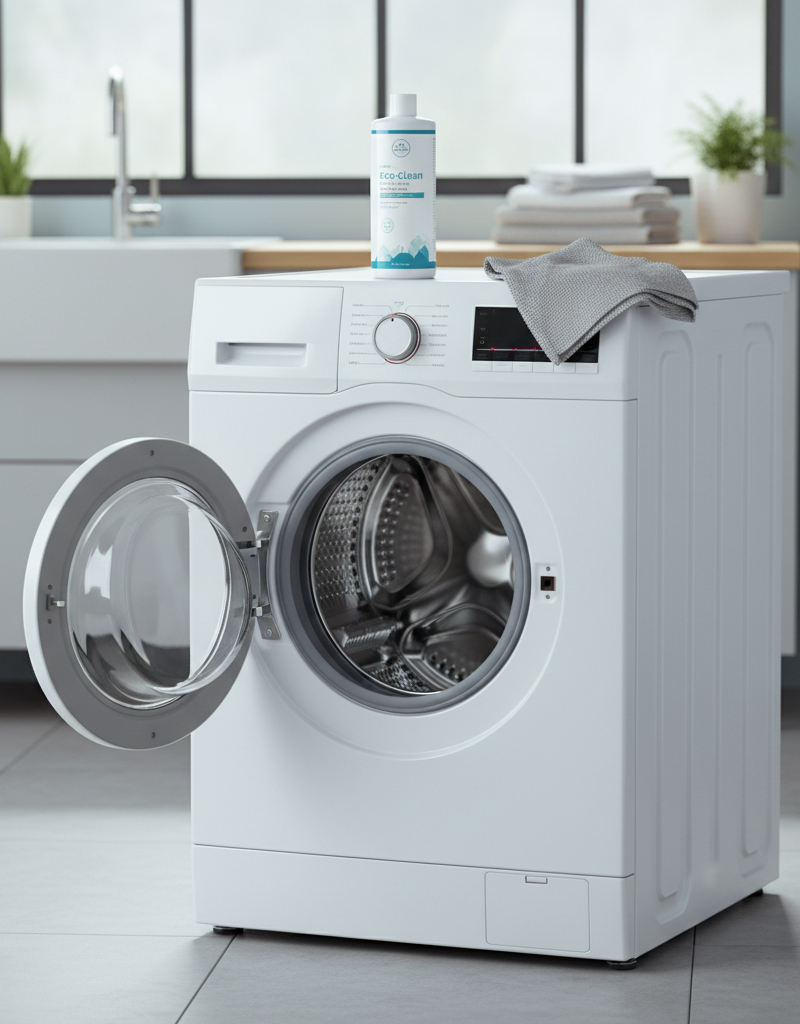
- Run a Maintenance Cycle Monthly: Once a month, run a hot cycle with either white vinegar (2 cups) or a washer cleaner made for the job. You can alternate if you want.
- Clean Dispenser Regularly: Pull the detergent drawer out every couple of weeks and clean it, especially if you use fabric softener.
- Hot Water Wash for Towels/Sheets: Run towels and sheets on a hot cycle. Higher heat helps kill bacteria and odors, and it flushes more residue out of the machine.
- Check the Drain Pump Filter Annually: Make it a once-a-year habit to check and clean that drain pump filter. You’ll be surprised what turns up in there.
When to Call a Professional
Look, most of the time, a good cleaning fixes the smell. But sometimes you’ve got to set the gloves down and call in a pro. If you’ve done all this deep cleaning and your clothes still stink, or the machine’s draining slow, there’s likely a bigger issue. Persistent odors after a thorough cleaning can point to a blocked drain line farther down the system, or a pump that’s starting to fail and isn’t getting water out like it should. If you’ve got standing water that won’t drain, or you cleaned the drain pump filter and nothing changed, don’t keep guessing. An appliance tech can check for bad pumps, clogged internal hoses, or even electrical issues that are messing with the drain or clean cycle. Trying to DIY those repairs can turn a small headache into a water leak that costs a fortune. Better to have a licensed appliance repair person take a look before that thing’s toast and you’re dealing with a flood.
Related Articles
Keep troubleshooting with these hand-picked guides from FixlyGuide:
- The Grimy Secret Under Your Oven: Why Your Kitchen Never Feels Truly Clean — Your oven and range hood are silent culprits in your kitchen's battle against persistent grease and grime. This guide tackles how to deep c…
- The Caulk Stain That Won't Quit: Why Your Shower Stays Grimy — Is that stubborn, discolored caulk making your clean shower look perpetually dirty? It's not just surface grime; it's often mold or mildew,…
- That Mystery Haze on Your Dishware? Your Dishwasher's the Culprit — If your 'clean' dishes come out looking cloudy, streaky, or gritty, it's not you – it's your dishwasher, and I'll show you how to fix it.
- The Grimy Secret Under Your Microwave — And How to Scrape It Clean — I've seen it a hundred times: homeowners totally overlook the disgusting, grease-caked filters hiding under their microwave. Cleaning 'em i…
- The Mystery Smell: Why Your Fridge Stinks (Even After Cleaning It) — That persistent, foul odor in your refrigerator isn't just gross; it's often a sign of hidden issues. Learn the real culprits behind linger…
- That Mildew Smell in Your Washer? Here's the Real Fix. — Tired of 'clean' laundry smelling musty? The problem isn't your detergent; it's trapped bacteria and mold inside your washing machine. We'l…
Should you do this yourself?
Answer five quick questions before you start. Safety outranks savings every time.
Your experience with work like this
How high do you have to work?
Does the job involve any of these?
Will it need a permit?
Specialty tools
Free and instant. Educational guidance only — not a quote, inspection, or professional diagnosis.
What should this project cost?
Enter your project details for a realistic cost range before you call anyone.
Cost depends heavily on which system turns out to be the source.
- Regional adjustment
- National average
- Labor share (typical)
- ~$1,620
- Quotes to collect
- 3 written estimates
Educational estimate based on national averages — not a binding quote. Always confirm with written local estimates.
Get the print-ready PDF of this guide
A clean, ad-free, printable version you can keep on your phone or pin to the workshop wall. Free with a FixlyGuide account.
- Print-optimized layout
- Tools, materials & every step included
- Saved to your account
Frequently asked questions
Why does my washing machine smell like mildew?+
Mold and mildew thrive in the damp, dark crevices of your washing machine, especially in the door gasket of front-loaders or around the agitator in top-loaders. This buildup comes from detergent residue, lint, and trapped moisture.
How often should I deep clean my washing machine?+
I recommend a thorough deep clean at least once a month, especially if you do a lot of laundry or use cold water frequently. Manual cleaning of the gasket and dispenser should happen weekly or bi-weekly.
Can I use bleach and vinegar to clean my washing machine?+
Yes, but NEVER together in the same cycle. Run a bleach cycle first, then a separate vinegar cycle. Mixing them creates dangerous chlorine gas. Always rinse thoroughly between the two.
What if my front-load washer gasket has black mold?+
Put on rubber gloves, spray the mold with a 50/50 mix of white vinegar and water, let it sit for 5-10 minutes, then scrub vigorously with an old toothbrush or stiff brush. Wipe dry completely.
Is it okay to leave the washing machine door closed after a cycle?+
No, absolutely not. Always leave the door (and the detergent dispenser drawer) ajar after each load to allow the machine to air dry. This prevents moisture buildup and inhibits mold and mildew growth.
Why do my clothes still smell after washing, even after cleaning the machine?+
If clothes still smell after a machine deep clean, check if you're using too much detergent (leading to residue on clothes) or if your water temperature is too low. Also, ensure you're not overloading the machine, which prevents proper rinsing.
What is the drain pump filter, and do I need to clean it?+
The drain pump filter traps lint, coins, and other debris that bypass the drum. If it gets clogged, it can slow drainage and cause odors. Yes, you should check and clean it annually, or if you notice drainage issues.
Can I use dish soap to clean my washing machine?+
While a little dish soap can help clean the removable detergent dispenser, I don't recommend running a cycle with dish soap in the drum. It can create excessive suds that are hard to rinse and can damage your machine.
Discussion
Loading comments…