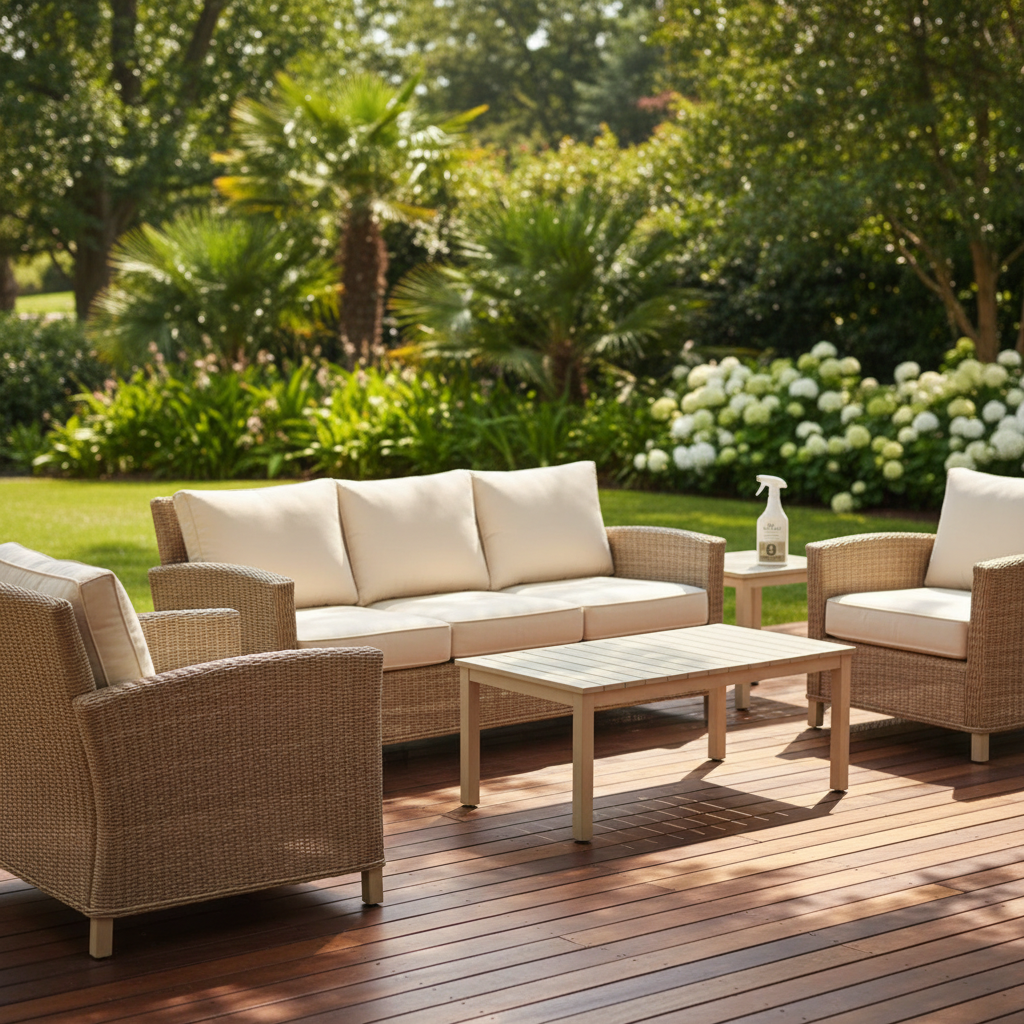
- Neglect of Annual Cleaning: This is the big one. Dirt, pollen, and general yard gunk just sitting there for months. That’s a mold factory and it wears down finishes.
- Lack of UV Protection: Trusting the factory finish to survive nonstop sun. UV is rough stuff. It fades color and makes materials brittle. A $15 can of protectant can save you hundreds.
- Improper Storage (or No Storage): Cushions left out in rain or snow, or frames left uncovered through freezing temps and moisture. And those cheap blue tarps? They trap moisture and make things worse.
- Using Harsh Cleaners: Bleach or aggressive detergents can strip coatings, discolor fabric, and etch finishes. Mild cleaners are the move.
- Pressure Washing Too Close: A pressure washer set too high or held too close can tear through mesh slings, strip paint, and fray fabrics. I’ve seen it turn a nice chaise lounge into a shredded mess.
Landscaping · Deck or fence project
| Project category | Landscaping |
|---|---|
| Problem type | Deck or fence project |
| Trade required | Landscaping |
| Urgency | Planned project |
| Safety risk | Moderate safety risk |
| DIY suitability | DIY for experienced homeowners |
| Cost category | High cost |
| Typical timeline | Most builds 3–10 days depending on size |
| Contractor type | Landscaping contractor |
Repair option
Replace failed boards, posts, and hardware; reseal the surface.
Replacement option
Rebuild when framing or the ledger connection is unsafe.
Common causes
- Rot at posts and ledger
- Storm damage
- Adding outdoor living space
Relevant tools:home improvement material pricesproject cost estimator
Published July 25, 2026Last updated August 17, 2026
Tools & materials you'll need
Affiliate links- AmazonMild dish soap1 bottle
- AmazonWhite vinegar1 gallon · Optional, for general cleaning
- AmazonOxygen bleach (e.g., OxiClean)1 container · For stubborn mold/mildew
- AmazonSoft cloths or spongesseveral
- AmazonUV protectant spray (e.g., 303 Aerospace Protectant)1 can
- AmazonBreathable outdoor furniture coversIf storing outdoors
- AmazonOld towelsseveral · For drying
As an Amazon Associate FixlyGuide earns from qualifying purchases — at no extra cost to you. Prices and availability are accurate as of publication and subject to change.
Quick Answer
I’ve seen this one a hundred times over: somebody drops serious coin on a gorgeous outdoor dining set, maybe a big sectional, and a year or two later it looks like junk. What gives? It’s not just about buying “weather-resistant” furniture. You’ve still got to help it resist the weather. That means a regular cleaning routine and a little protection, especially up here in the Northeast. Skip that, and you’re basically tossing money at replacements every few seasons.
The Problem
So, you bought some nice patio furniture. Good move. Makes outdoor living a lot better. But here’s the rub: if you set it out and forget about it, you’re asking for trouble. Sun, rain, pollen, bird droppings, mold, mildew—they all team up and chew on your investment.
I was at a house in Newton just last month, and the homeowner was grumbling about their “high-end” outdoor sofa falling apart after three summers. They’d spent over $4,000 on it. Turns out, they never cleaned it once or covered it. The fabric was UV-fried, the cushions were moldy, and the frame had corrosion all over it. That wasn’t a bad furniture line. That was plain old neglect. And it’s a shame, because a few hours of care each year would’ve kept that set looking sharp.
How It Works
Outdoor furniture, no matter how “weather-resistant” it claims to be, is fighting the elements all the time. Here’s what’s really going on:
- UV Radiation (The Sun Killing Machine): The sun’s ultraviolet rays are brutal. They break down chemical bonds in fabric fibers, which causes fading and weakens the material. Plastics get brittle, and even powder-coated metal finishes can chalk up and wear out. Same idea as a dashboard baking in a parked car for years. Those bright cushions turn into washed-out rags.
- Moisture (The Mildew Magnet): Rain and humidity are a mold-and-mildew factory. Those fungi don’t just look nasty; they feed on organic material in fabrics and even some wood and wicker, which leads to odors, stains, and breakdown. If cushions stay damp too long, they turn into petri dishes. Metal frames—especially steel or scratched aluminum—can start corroding, and then the finish pits.
- Dirt & Debris (The Abrasive Assassin): Pollen, dust, tree sap, bird droppings, and plain old grime aren’t just sitting on top. Some of that stuff is acidic—bird droppings and sap especially—and it can etch and stain. Wind-blown dust scratches surfaces, and organic junk feeds mold. Over time, you end up with a gritty film that wears surfaces down faster.
- Temperature Fluctuations (The Expansion & Contraction Crew): From blazing summer days to freezing winter nights, materials expand and contract. That movement stresses joints, finishes, and fibers. Plastic parts can crack, and finishes can lose their grip, especially if water sneaks into small cracks and freezes—then it expands and pries things apart. I’ve seen cheap plastic chairs literally shatter after a cold snap followed by a hot spell.
Once you understand what’s attacking the furniture, it makes sense why maintenance isn’t some extra luxury. It’s the whole game. You’re not just cleaning—you’re putting up a barrier against all that abuse and giving the furniture a chance to actually live up to the “weather-resistant” label.
Step-by-Step Fix
I’m not talking about an all-day circus here. Regular, targeted effort is what matters. Here’s my usual process for keeping outdoor furniture in good shape.
-
Assess the Damage (or Lack Thereof) — Know what you’re dealing with.
- Before you even pick up a bucket, take a hard look. Is it just dust and pollen? Or are we dealing with mold, packed-in grime, and faded fabric? That answer changes the whole approach. Sometimes it’s a quick hose-off. Sometimes it needs a real scrub. Look for rust at the joints, ripped seams, loose hardware—that tells you where to focus and whether it’s time to call in a pro.
-
Clear the Deck — Prep your project area.
- Move cushions, pillows, and any decorative stuff off the furniture. If they come off, they get cleaned separately. Pick a shaded, flat spot—driveway, patio, patch of grass—where you can rinse things without making a mud pit or baking your cleaner in the sun. Direct sunlight dries cleaner too fast and leaves streaks. No thanks.
-
Dust and Debris Removal — Start with the basics.
- Use a soft-bristle brush, a shop vac with a brush attachment, or just your hand to knock off loose dust, leaves, and cobwebs. Get into the corners and underneath the frames. If you skip this, you’re just making muddy soup once the water hits it. On wicker or tightly woven pieces, a small brush or even compressed air can do the trick.
-
Hose Down Thoroughly — Rinse away the easy stuff.
- Use a garden hose with a spray nozzle and give everything a solid rinse. That knocks off a lot of the surface dirt and gets you ready for cleaning. Don’t grab a pressure washer unless you’ve got the hardiest frame on the block, and even then keep the nozzle at least a foot away. Pressure washers can shred fabric, strip paint, and wreck delicate materials like wicker or sling mesh.
-
Apply Your Cleaning Solution — Target the grime.
- Mix up your cleaner. For general cleaning, I use a gallon of warm water with about a quarter cup of mild dish soap (like Dawn) and a cup of white vinegar. For tougher mold and mildew, a similar mix with about half a cup of oxygen bleach (like OxiClean, mixed according to its directions) works pretty well. Always test a hidden spot first. Apply it with a spray bottle or soft sponge and make sure you get full coverage.
-
Scrub (Gently!) — Work that dirt loose.
- Let the solution sit for about 5-10 minutes so it can break down the grime. Then hit the frames, tabletops, armrests, and any stained spots with a soft-bristle brush. For fabric, use a soft cloth or a very soft brush and work in small sections. Don’t go after the fabric like you’re sanding wood—you’ll damage the fibers. For stubborn marks on metal or plastic, a magic eraser can help, but use it sparingly.
-
Rinse, Rinse, Rinse! — Get all that cleaner off.
- This part matters a lot. Rinse every inch with the hose until all the suds and cleaner are gone. Leftover residue can attract dirt, get sticky, or even mess with the finish later. Don’t rush this. If you still see bubbles, keep rinsing. I usually rinse for at least twice as long as I scrubbed—sometimes three times as long.
-
Clean Cushions & Fabric Separately — They need special attention.
- Most outdoor cushion covers come off and can go in the washer on a delicate cycle with cold water and mild detergent. Check the label first. If the covers don’t come off, or you’re not sure, use the same mild soap and water/oxygen bleach method from step 5 & 6, but scrub easy and rinse well. Stand cushions on their sides so they can breathe and dry. You can towel them off or press out extra water to speed things up. Make sure they’re completely dry before you put them back or store them—that’s how you keep mildew from moving in.
-
Dry Thoroughly — Prevent future problems.
- Let everything air dry all the way. If you can, tilt chairs and tables so water runs off. Old towels help too; I’ll wipe down frames and tabletops to move things along. Again, bone dry before you go to the next step. On a warm, breezeless day, that can take several hours.
-
Apply Protection — Guard against the elements.
- Once everything’s dry, put a UV protectant spray on plastics, powder-coated metal, and fabrics. Brands like 303 Aerospace Protectant are solid; they help with UV protection and keep dirt from sticking as much. For metal, touch up scratches with rust-inhibiting paint. For natural wood, use a proper outdoor sealer or oil and reapply every year. Folks skip this step all the time, and then they wonder why the set fades. Don’t do that. I’d reapply protectant every 3-6 months depending on how much sun the furniture gets.
-
Winterize for the Off-Season — Long-term peace of mind.
- Before winter shows up, clean everything one more time. Store cushions inside somewhere dry and climate-controlled if you can. For frames, if they can’t come in, get high-quality breathable furniture covers made for outdoor use. Don’t use cheap tarps—they trap moisture and that just feeds mold. Tie the covers down so they don’t end up halfway across the yard in a January wind. That keeps snow, ice, and long stretches of damp from doing their damage.
Common Causes
I keep seeing the same problems whenever outdoor furniture dies early.
- Neglect of Annual Cleaning: This is the big one. Dirt, pollen, and general yard gunk just sitting there for months. That’s a mold factory and it wears down finishes.
- Lack of UV Protection: Trusting the factory finish to survive nonstop sun. UV is rough stuff. It fades color and makes materials brittle. A $15 can of protectant can save you hundreds.
- Improper Storage (or No Storage): Cushions left out in rain or snow, or frames left uncovered through freezing temps and moisture. And those cheap blue tarps? They trap moisture and make things worse.
- Using Harsh Cleaners: Bleach or aggressive detergents can strip coatings, discolor fabric, and etch finishes. Mild cleaners are the move.
- Pressure Washing Too Close: A pressure washer set too high or held too close can tear through mesh slings, strip paint, and fray fabrics. I’ve seen it turn a nice chaise lounge into a shredded mess.
- Ignoring Small Damages: A tiny scratch on a metal frame can become a rusty patch fast if water gets in. A small tear in a cushion cover just keeps spreading if you leave it alone.
Common Mistakes
- Waiting Until It's Filthy: Don’t wait until there’s green mildew growing on everything. A quick rinse and wipe every few weeks is a whole lot easier than one giant cleanup at the end of the season.
- Using Indoor Cleaners: Stuff made for indoor furniture usually isn’t built for outdoor grime, and it can leave residue that grabs more dirt or damages weather-resistant finishes.
- Leaving Cushions Out in Rain: Those “all-weather” cushions might shed water, but they’re not meant to sit soaked for days. Bring them in, or at least stand them on edge so they can drain.
- Thinking "Rust-Proof" Means Forever: Aluminum is naturally rust-resistant, but steel frames—even powder-coated ones—can still rust if the coating gets scratched or chipped and moisture gets in. “Resistant” isn’t “proof.”
- Ignoring Manufacturer Guidelines: I know, nobody likes reading manuals, but sometimes the care instructions matter a lot for certain fabrics or materials. A quick look can save you a headache.
- Covering Furniture with Non-Breathable Tarps: Like I said earlier, cheap blue tarps trap moisture underneath, and that leads to mold, mildew, and corrosion. If you can’t store things indoors, get proper breathable covers.
Cost & Time Breakdown
Here’s what you’re looking at, whether you do it yourself or bring in a pro for a full cleaning and protection service. Keep in mind, pros usually clean everything on your patio.
| Task | DIY cost | Pro cost | Time |
|---|---|---|---|
| Basic Cleaning Supplies | $15–$30 | Included | 1–3 hours |
| UV Protectant & Sealers | $20–$40 | Included | 30 min–1 hour |
| Cushion Repair (small) | $5–$15 | $50–$150 per cushion | 30 min–1 hour |
| Full Pro Furniture Cleaning | N/A | $200–$500 | 4–8 hours (pro) |
| Minor Frame Touch-up | $10–$20 | Included | 15–30 min |
| Winter Covers (set of 4) | $80–$250 | N/A | 15–30 min |
Tips & Prevention
- Routine Rinsing: Get in the habit of hosing off your furniture every couple of weeks, especially after big pollen dumps or storms. It takes five minutes and makes a huge difference.
- Use Outdoor Covers: Even if you can’t bring everything inside, good outdoor covers are a lifesaver against sun, rain, and debris. Look for “breathable” materials.
- Inspect Annually: Once a year, give every piece a real inspection. Check the joints, look for scratches in the metal, inspect fabrics for wear or tears, and deal with problems early. A little patch today beats a full replacement later. On my own deck, I go through everything every autumn before the cold rolls in.
- Lift Cushions Off: If rain’s coming or overnight damp is expected, stand cushions on their sides or bring them in. Don’t leave them flat to soak it all up.
- Store Indoors for Winter: This is the best setup. If you’ve got the space—a garage, shed, or basement—bring in all your cushions and smaller pieces for the cold months. It’ll stretch the life of the furniture big time.
- Clean Spills Immediately: Tree sap, bird droppings, spilled drinks—don’t let them sit and bake on. Clean them up as soon as you spot them so they don’t stain or damage the surface.
When to Call a Professional
Most basic patio furniture upkeep is pretty straightforward, but there are times when you should call a pro. If you’ve got valuable or antique outdoor pieces, or if there’s major structural rust that could be a safety issue, get a specialist involved. Same goes for elaborate woven synthetic wicker that’s starting to unravel and you’re not confident repairing it—there are furniture repair pros who can re-weave sections. For deep-set fabric stains or heavy mold that your DIY efforts just aren’t touching, a professional outdoor fabric cleaner may have better equipment or stronger solutions that won’t wreck the material. Don’t try to DIY complicated upholstery repairs or structural fixes that need welding; that’s a job for the folks with the right tools so it gets done safely and right.
Related Articles
Keep troubleshooting with these hand-picked guides from FixlyGuide:
- 7 Hidden Equity Drains Costing You Thousands Annually — Your home is an asset, but silent problems like minor leaks, poor insulation, and deferred maintenance can drain its value. Discover the se…
- 7 Inspection Red Flags That Secretly Signal a $20,000 Bill — Don't let your dream home become a money pit. Many buyers and even some inspectors overlook subtle home inspection red flags that lead to f…
- The 12 Checks That Prevent 80% of Costly Home Repairs — Don't wait for a disaster. Our comprehensive monthly home maintenance checklist reveals the surprising, simple tasks that catch small issue…
- The 7 Critical Household Filters You're Forgetting (And What They Cost You) — Neglected household filters are quietly costing you money, diminishing air quality, and paving the way for expensive repairs. Discover the…
- The 3 Hidden Ways Your — Uncover the surprising habits and hidden household issues that are silently increasing your homeownership costs and learn how to fix them.
- The 4-Inch Drywall Hole Fix: Why Most DIY Patches Fail (And How to Do It Right) — Don't let a small drywall hole become a recurring nightmare – discover the secret to a seamless, lasting repair that disappears into your w…
Get deck & patio quotes from local pros
Tell us about your project and we'll match you with vetted contractors in your area. Free, no obligation, and we never sell your info.
Your seasonal maintenance checklist
The small jobs that prevent the expensive repairs. Tick them off — progress saves on this device.
Free, no signup. Skip anything that requires roof access or working near live electrical.
Estimate your own project cost
National averages are a starting point. Enter your details for a range that fits your house.
Concrete slab calculator
- Bagged mix (80 lb)$372 – $527
- Ready-mix delivery (1.5 cu yd)$210 – $300
Ready-mix is usually cheaper above ~1 cu yd. Most suppliers have a short-load fee under 3 yd.
Educational estimate only — always confirm with written local bids.
What should this project cost?
Enter your project details for a realistic cost range before you call anyone.
Cost depends heavily on which system turns out to be the source.
- Regional adjustment
- National average
- Labor share (typical)
- ~$1,620
- Quotes to collect
- 3 written estimates
Educational estimate based on national averages — not a binding quote. Always confirm with written local estimates.
Before you start
Check the difficulty, permits, and safety risk — then decide whether to call a pro.
- Is this a safe DIY job?Check permits, tools, and risk before you start the steps below.Open
- Get local estimatesSend one request and compare written estimates from vetted pros.Open
Free, no signup required. Estimates are educational guidance, not a quote or an inspection.
Get the print-ready PDF of this guide
A clean, ad-free, printable version you can keep on your phone or pin to the workshop wall. Free with a FixlyGuide account.
- Print-optimized layout
- Tools, materials & every step included
- Saved to your account
This article was independently written by FixlyGuide based on the source topic.
Frequently asked questions
How often should I clean my patio furniture?+
I recommend a light rinse every few weeks, especially during peak pollen season. A thorough deep cleaning with soap and water should be done at least once or twice a year, typically in the spring to get rid of winter gunk and again in the fall before winter storage.
Can I pressure wash my outdoor furniture?+
You can, but be extremely careful. Use the lowest setting and keep the nozzle at least a foot or two away from the surface, especially on woven materials, fabrics, or painted finishes. I generally advise against it for anything but the most robust metal or plastic frames, as it can easily cause damage.
What kind of cleaner should I use for mold and mildew?+
For mold and mildew, a mixture of warm water and oxygen bleach (like OxiClean) is usually very effective and safer than chlorine bleach for most materials. For general grime, a simple solution of warm water, mild dish soap, and a splash of white vinegar does the trick. Always test in an inconspicuous spot first.
How do I protect my patio furniture from fading?+
The best defense against fading is a good UV protectant spray. I use products like 303 Aerospace Protectant regularly, every 3-6 months, especially on cushions, plastics, and powder-coated metals. Keeping furniture covered when not in use also helps immensely.
Should I cover my patio furniture in winter?+
Absolutely. If you can't bring it inside, invest in high-quality, breathable outdoor furniture covers. They protect against snow, ice, prolonged moisture, and UV exposure. Avoid cheap, non-breathable tarps as they can trap moisture and cause more problems.
My metal furniture is starting to rust. What can I do?+
For early rust spots, you can gently sand them down with fine-grit sandpaper, clean the area, and then apply a rust-inhibiting primer followed by a color-matched outdoor paint. For extensive rust or structural issues, it's often best to consult a metal fabrication or repair specialist.
How do I store cushions for the winter?+
Always store cushions indoors during the off-season. Make sure they are completely dry to prevent mildew, then store them in a dry, climate-controlled space like a garage, basement, or even large storage bins. This prevents them from getting damp, moldy, and protects them from freezing temperatures.
Can I use car wax on my metal patio furniture?+
You can, but it's not ideal. Car wax offers some protection, but a dedicated automotive or marine-grade sealant provides better, longer-lasting protection against the elements. UV protectant sprays are generally better for overall outdoor furniture care, as they work on more than just painted metal.


Discussion
Loading comments…