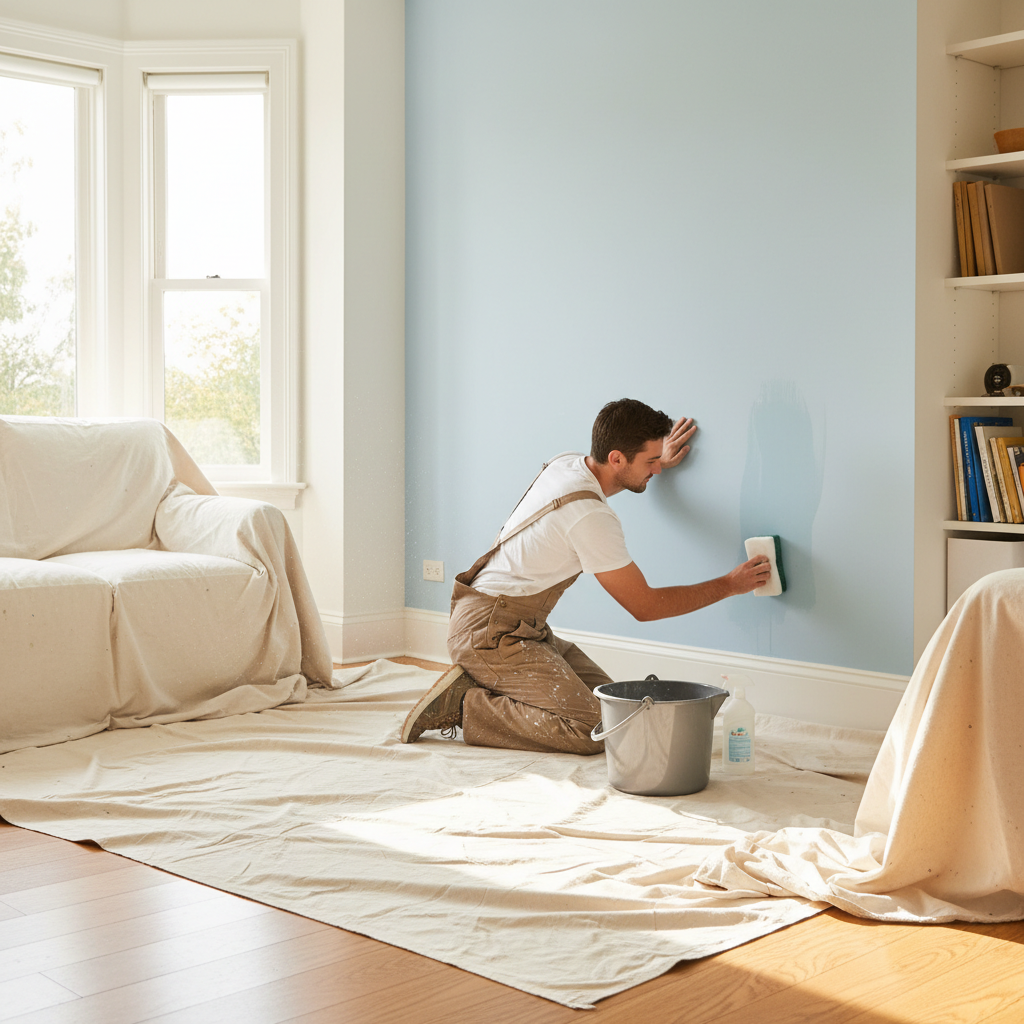
- Adhesion: Primers are formulated for superior adhesion, providing a stable surface for the topcoat.
- Sealing: It seals porous surfaces (like new drywall or patched areas) to prevent the topcoat from soaking in unevenly, which can cause patchy, inconsistent color.
- Blocking Stains: Stain-blocking primers prevent existing stains (water, smoke, grease, marker) from bleeding through the new paint.
- Uniformity: Primer creates a uniform color base, ensuring that your final paint color looks true to the swatch, especially when painting over a dark color with a lighter one.
General remodeling · Renovation planning
| Project category | General remodeling |
|---|---|
| Problem type | Renovation planning |
| Trade required | General contracting |
| Urgency | Planned project |
| Safety risk | Low safety risk |
| DIY suitability | Pro recommended |
| Cost category | Major investment |
| Typical timeline | Design and permitting often 2–4 months before work starts |
| Contractor type | General contractor |
Repair option
Phase the work and fix the building envelope first.
Replacement option
Full renovation with permits, design, and a general contractor.
Common causes
- Space no longer fits how the household lives
- Resale preparation
- Deferred maintenance stacking up
Relevant tools:project cost estimatorcompare quoteshome improvement material prices
Published June 8, 2026Last updated August 18, 2026
Tools & materials you'll need
Affiliate linksAs an Amazon Associate FixlyGuide earns from qualifying purchases — at no extra cost to you. Prices and availability are accurate as of publication and subject to change.
Quick Answer
Achieving a professional-quality interior paint job relies heavily on meticulous wall preparation. This essential process involves thoroughly cleaning the walls, patching any holes or cracks, smoothing surfaces by sanding, and applying a suitable primer. Neglecting these foundational steps will inevitably result in paint that peels, cracks, or highlights every imperfection, ultimately wasting your effort and materials. Dedicate the necessary time to preparing your walls; it's the secret to a durable, beautiful finish.
The Problem
You've picked out the perfect paint color, cleared the room, and you're eager to start slathering on that fresh coat. But hold on! Many homeowners, in their excitement, rush past the crucial stage of wall preparation. They assume a quick wipe-down is enough or that the new paint will magically cover all existing flaws. The reality is far grimmer: painting over dirty, damaged, or uneven surfaces is like building a house on a shaky foundation. The new paint won't adhere properly, existing stains will bleed through, cracks and dents will become even more noticeable, and the overall finish will look amateurish and quickly deteriorate. Imagine spending hours painting, only to see it peel, chip, or show every tiny imperfection because you tried to save an hour on prep. This isn't just a waste of time and money; it's an exercise in frustration that can be easily avoided.
How It Works
Understanding why wall preparation is so critical involves a bit of paint science. Paint isn't just colored liquid; it's a complex chemical compound designed to adhere to a specific type of surface. For optimal adhesion, this surface needs to be clean, dry, dull, and structurally sound.
Cleanliness: Dirt, dust, grease, and grime act as a barrier between the wall and the paint. Imagine trying to stick tape to a dusty surface—it won't hold. The same principle applies to paint. These contaminants prevent the paint's polymers from bonding directly with the wall material, leading to poor adhesion and eventual peeling or flaking.
Repairs: Holes, cracks, and dents create an uneven surface. When paint is applied over these imperfections, it highlights them rather than concealing them. Light reflects differently off uneven areas, making every flaw stand out. Additionally, unstable patches (like loose drywall mud) can cause the paint to crack or blister as the house settles or materials expand and contract.
Sanding: Sanding serves two main purposes. First, it smooths out repairs, feathering them seamlessly into the surrounding wall. Second, it creates a microscopic 'tooth' or texture on the surface. Even seemingly smooth walls benefit from a light sanding, which slightly abrades the surface, giving the paint something to grip onto. This dramatically improves adhesion and the smoothness of the final finish. Glossy surfaces, in particular, require sanding to dull them, as paint struggles to adhere to a slick finish.
Priming: Primer is a foundational coating that acts as a bridge between the wall and the topcoat of paint. It serves several vital functions:
- Adhesion: Primers are formulated for superior adhesion, providing a stable surface for the topcoat.
- Sealing: It seals porous surfaces (like new drywall or patched areas) to prevent the topcoat from soaking in unevenly, which can cause patchy, inconsistent color.
- Blocking Stains: Stain-blocking primers prevent existing stains (water, smoke, grease, marker) from bleeding through the new paint.
- Uniformity: Primer creates a uniform color base, ensuring that your final paint color looks true to the swatch, especially when painting over a dark color with a lighter one.
By ensuring these conditions are met, you create the ideal canvas for your paint, guaranteeing a durable, beautiful, and long-lasting finish that truly enhances your home.
Step-by-Step Fix
Before you even think about opening a paint can, commit to these essential wall preparation steps. Skipping even one is a gamble with your final finish.
-
Clear the Room and Protect Surfaces — An ounce of prevention is worth a pound of cure.
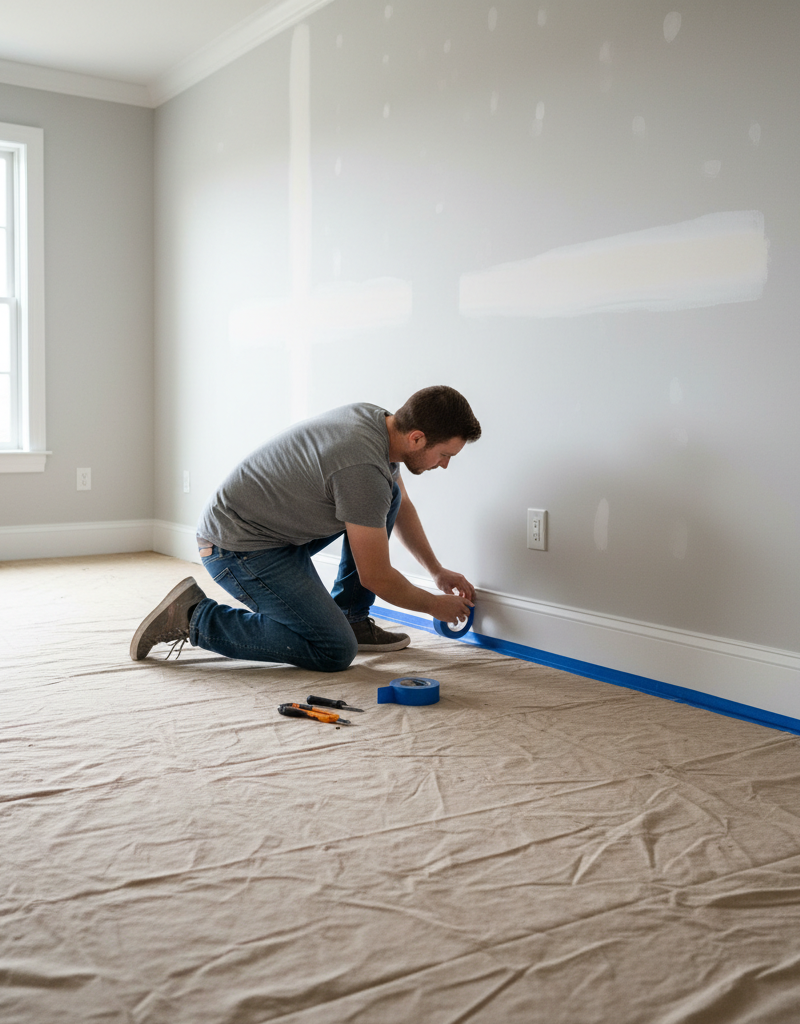
- Remove all furniture, decorations, and wall hangings from the room. If large furniture cannot be removed, move it to the center of the room and cover it completely with plastic sheeting.
- Tape down drop cloths to protect floors, light fixtures, and any surfaces you don't want painted. Use painter's tape to secure their edges firmly.
- Carefully remove switch plate covers and outlet covers. Place screws back into the plates to avoid losing them. Loosely cover outlets and switches with painter's tape or plastic to protect them.
- Safety Note: Always turn off power to outlets and switches at the circuit breaker before removing covers, especially if working with older wiring or in a damp environment.
-
Clean the Walls Thoroughly — Erase years of grime for a perfect bond.
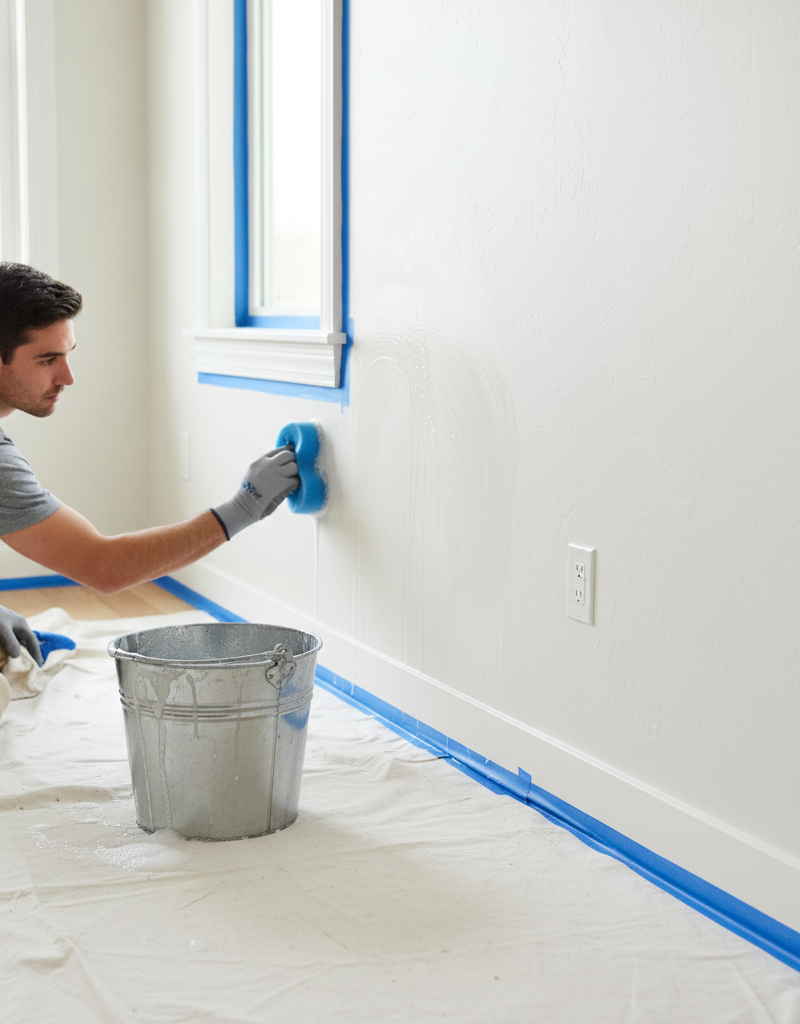
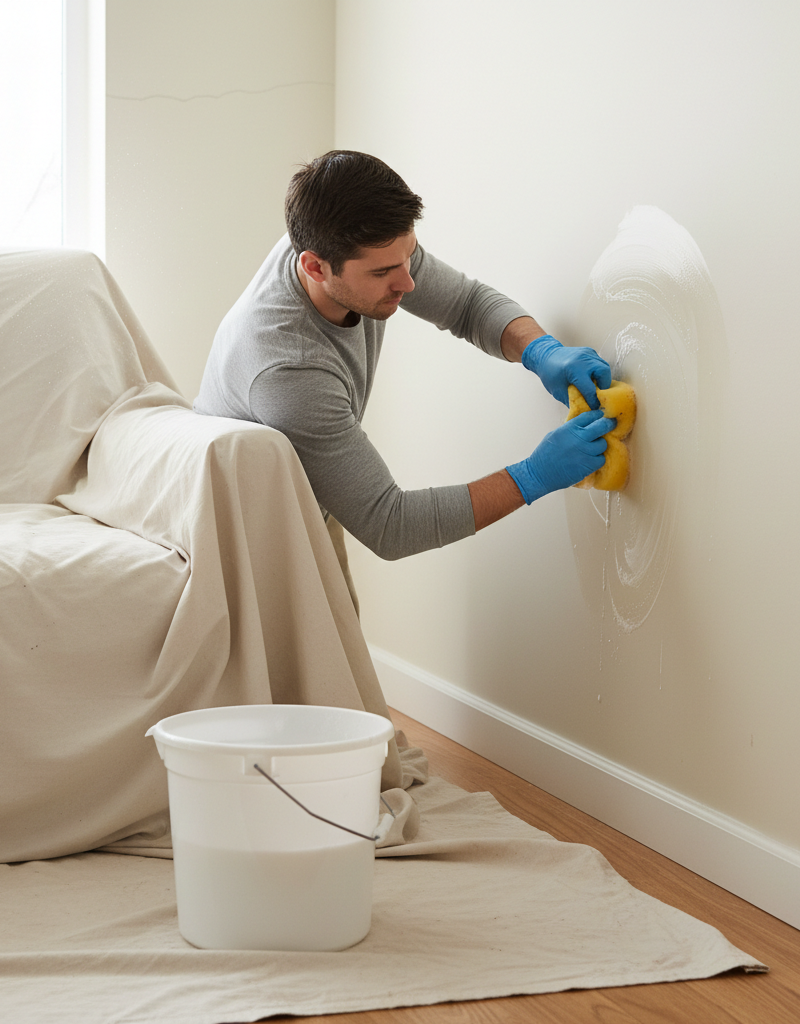
- Mix a solution of warm water and a small amount of mild, non-residue cleaner, such as TSP substitute or even a few drops of dish soap. For bathrooms or kitchens, a degreaser might be necessary.
- Using two buckets (one with cleaning solution, one with clean rinse water) and two sponges, wash the walls from top to bottom. Wash a section, then immediately wipe it clean with the sponge from the rinse bucket.
- Pay close attention to high-traffic areas, around light switches, and behind furniture, as these often accumulate more dirt and grease.
- Allow the walls to dry completely, which can take several hours depending on humidity. Resist the urge to rush this step; damp walls will prevent proper paint adhesion.
- If this doesn't work: For stubborn stains or greasy residue, you may need a stronger degreasing cleaner. Always test in an inconspicuous area first.
-
Inspect and Repair Imperfections — Smooth out the past for a flawless future.
- With the walls clean and dry, walk around the room actively looking for holes, cracks, dents, and peeling paint.
- For nail holes and small dents, use lightweight spackle. Apply it with a putty knife, slightly overfilling the imperfection. For larger holes or cracks (anything over ¼ inch or hairline cracks that extend more than a foot), use a joint compound.
- For peeling paint, use a scraping tool or putty knife to remove any loose or flaking paint edges. Feather the edges into the wall as much as possible.
- Allow all patched areas to dry completely according to product instructions. This is crucial—drying times can vary from 30 minutes to several hours for spackle, and much longer for deeper joint compound repairs.
-
Sand Repaired Areas (and potentially entire walls) — The secret to a seamless finish.
- Once patches are fully dry, lightly sand them with fine-grit sandpaper (180-220 grit) on a sanding block. The goal is to make the repaired area perfectly flush with the surrounding wall, with no visible bumps or ridges.
- For glossy walls or if you're painting over a dark color with a much lighter one, consider lightly sanding the entire wall surface with 220-grit sandpaper. This creates a 'key' for the primer and paint to adhere to.
- Use steady, even pressure. Avoid over-sanding or creating divots.
- Safety Note: Always wear a dust mask or respirator and eye protection when sanding, especially when dealing with older paint that might contain lead (though less common in interior walls after 1978).
- If this doesn't work: If patches still feel rough or visible, apply another thin layer of spackle/joint compound, let it dry, and sand again. Patience here prevents a bumpy final paint job.
-
Remove Sanding Dust — Don't let dust sabotage your efforts.
- After sanding, the walls will be covered in fine dust. This dust, if not removed, will mix with your primer and paint, creating a gritty, uneven finish and impairing adhesion.
- Use a shop vacuum with a brush attachment to thoroughly vacuum the walls, working from top to bottom. Pay extra attention to corners and baseboards.
- Follow up by wiping down all sanded areas and the entire wall surface with a damp (not wet) microfiber cloth or tack cloth. Rinse the cloth frequently.
- Allow the walls to dry completely before proceeding.
-
Caulk Gaps and Trim — Seal the deal for crisp lines.
- Inspect all areas where walls meet trim (baseboards, crown molding, door frames, window frames). Over time, small gaps can appear.
- Using a good quality acrylic latex caulk with silicone, apply a thin, consistent bead along these gaps.
- Wipe away any excess caulk immediately with a damp finger or cloth to create a smooth, clean seam. Aim for a very thin, almost invisible caulk line.
- Allow the caulk to cure completely according to manufacturer's instructions before priming or painting. This usually takes at least 24 hours.
-
Apply Primer — The ultimate foundation for success.
- Choose the right primer for your situation: a standard interior latex primer for basic coverage, a stain-blocking primer for water stains or strong odors, or a bonding primer for glossy or difficult-to-adhere-to surfaces.
- Apply primer uniformly, just as you would paint. Use a roller for large wall areas and a brush for cutting in edges and corners.
- Ensure full, even coverage. Don't skimp on primer; it's a critical adhesion layer.
- Allow the primer to dry completely according to the manufacturer's directions. This is often 1-2 hours for latex primers, but can be longer.
- If this doesn't work: If stains bleed through the first coat of primer, apply a second coat of a high-quality stain-blocking primer. Sometimes, persistent stains require multiple thin layers.
Common Causes
- Rushing the Process: The most common cause of poor paint finish is simply not allowing adequate time for each prep step—especially drying times for cleaning and patching materials.
- Skipping Cleaning: Grime, oils, and dust prevent paint from adhering properly, leading to peeling or bubbling.
- Ignoring Imperfections: Small holes, cracks, and dents become much more noticeable once painted, especially under certain lighting.
- Inadequate Sanding: Failure to sand patched areas creates bumps, while not sanding glossy surfaces leads to poor paint adhesion and easy scratching.
- Not Priming: Skipping primer, especially over new drywall, patched areas, or dark colors, results in patchy color, uneven sheen, and reduced durability.
- Using the Wrong Tools/Materials: Using spackle for large repairs, or the wrong type of caulk, can lead to cracking or re-opening of flaws.
Common Mistakes
- Mistake #1: Not cleaning walls thoroughly.
- Instead: Always wash walls with a degreasing cleaner (like TSP substitute) and rinse completely. Let dry for several hours, or even overnight.
- Mistake #2: Painting over loose or peeling paint.
- Instead: Scrape off all loose paint, feather the edges, then sand smooth. Prime the area with a bonding primer before painting.
- Mistake #3: Not waiting for spackle or joint compound to dry.
- Instead: Always check manufacturer instructions. For all but the smallest nail holes, allow at least 1-2 hours for spackle to dry, and often much longer for joint compound, especially if applied more thickly. Damp patches will cause paint to crack or bubble.
- Mistake #4: Skipping the sanding step.
- Instead: Always lightly sand repaired areas and any glossy surfaces. This creates a smooth, receptive surface for the paint to adhere to. Don't forget to dust thoroughly afterward!
- Mistake #5: Using too much caulk or not smoothing it out.
- Instead: Apply a thin bead and immediately smooth it with a damp finger or rag for a clean, professional finish. Excess caulk looks lumpy and can be hard to paint over neatly.
- Mistake #6: Not using primer (or the wrong type).
- Instead: Always use a quality primer, especially over new drywall, patched areas, or when changing colors dramatically. Use a stain-blocking primer for water marks, smoke, or pet odors.
Cost & Time Breakdown
| Task | DIY Cost | Pro Cost | Time |
|---|---|---|---|
| Cleaning Supplies | $10–$25 | Included | 1–2 hours |
| Spackle & Sandpaper | $15–$30 | Included | 1–3 hours |
| Caulk & Caulking Gun | $10–$20 | Included | 30–60 minutes |
| Primer (per room) | $30–$60 | Included | 2–4 hours |
| Drop Cloths & Tape | $20–$40 | Included | 30–60 minutes |
| Total Prep | $85–$175 | $200–$500+ | 5–10 hours+ |
Note: Professional costs are estimates for prep only, not including painting itself, and can vary significantly by region and project scope.
Tips & Prevention
- Clean Regularly: Dust and wipe down walls periodically to prevent heavy build-up that makes pre-painting cleaning more difficult.
- Address Issues Promptly: Repair small holes or cracks as they appear. Don't let them accumulate, making a larger prep job later.
- Use Quality Materials: Invest in good quality spackle, caulk, and primer. Cheaper products often perform poorly and require more work or re-dos.
- Ventilate Well: Ensure good ventilation when cleaning, sanding, and especially when priming. Open windows and use fans.
- Check Lighting: Use a strong work light or flashlight held at an angle to the wall after cleaning and after sanding to reveal any missed imperfections or rough patches.
- Keep Tools Clean: Clean your putty knives and caulking gun tips immediately after use for smooth application next time.
When to Call a Professional
While wall preparation is a highly DIY-friendly task, there are specific situations where calling a professional painter or contractor is prudent. If your walls have extensive damage, such as large holes (bigger than a fist), significant water damage, extensive mold growth, or structural cracks, a professional will have the expertise to assess the underlying issue and repair it correctly. For instance, large areas of peeling paint could indicate moisture problems that need addressing beyond just scraping and painting. If you suspect lead paint in an older home, professional lead abatement is crucial. Additionally, if you're dealing with very high ceilings or intricate trim work that requires specialized equipment or techniques for proper preparation, a pro can ensure safety and a superior finish. Don't hesitate to consult an expert if the scope of damage feels overwhelming or outside your comfort zone, as improper repairs can compromise the integrity of your walls and the longevity of your paint job.
Related Articles
Keep troubleshooting with these hand-picked guides from FixlyGuide:
- The 7 Mistakes That Ruin a Perfect Paint Job (and How to Fix Them) — Painting a room like a pro isn't just about technique—it's about avoiding common pitfalls that lead to streaks, drips, and uneven finishes.…
- The 3 Hidden Drywall Mistakes That Can Send Your Heavy Mirror Crashing Down — Discover the crucial steps to safely hang a heavy mirror on drywall, avoiding common mistakes that can lead to damage or disaster.
- The 7 Mistakes That Ruin a Paint Job (Before You Even Open the Can) — Proper wall preparation is the unseen foundation of a flawless interior paint job, preventing issues like peeling, uneven finishes, and vis…
- The 7 Critical Mistakes Almost Everyone Makes When Painting a Room — Unlock the secrets to a flawless, professional-looking paint job by avoiding common pitfalls and mastering essential techniques for perfect…
- The #1 Mistake Homeowners Make Installing Floating Shelves (and How to Avoid It) — Learn the proper techniques for securely installing floating shelves into drywall, avoiding common mistakes that lead to costly damage or w…
- The 7 Critical Home Inspection Mistakes Most Homeowners Make (and How to Spot Them) — Discover the crucial home inspection mistakes homeowners commonly overlook and learn how to identify potential problems before they become…
Should you do this yourself?
Answer five quick questions before you start. Safety outranks savings every time.
Your experience with work like this
How high do you have to work?
Does the job involve any of these?
Will it need a permit?
Specialty tools
Free and instant. Educational guidance only — not a quote, inspection, or professional diagnosis.
Estimate your own project cost
National averages are a starting point. Enter your details for a range that fits your house.
Interior paint estimator
- Paint$96
- Supplies (tape, rollers, drop cloth)$35
- Estimated total (DIY)$131
Hiring a pro? Add roughly $1.50–$4.00/sq ft for labor depending on prep work and trim detail.
Educational estimate only — always confirm with written local bids.
What should this project cost?
Enter your project details for a realistic cost range before you call anyone.
Interior rooms run $400–$1,200; whole-home exterior painting commonly $4,000–$12,000.
- Regional adjustment
- National average
- Labor share (typical)
- ~$2,003
- Quotes to collect
- 3 written estimates
Educational estimate based on national averages — not a binding quote. Always confirm with written local estimates.
Before you start
Check the difficulty, permits, and safety risk — then decide whether to call a pro.
Free, no signup required. Estimates are educational guidance, not a quote or an inspection.
Get the print-ready PDF of this guide
A clean, ad-free, printable version you can keep on your phone or pin to the workshop wall. Free with a FixlyGuide account.
- Print-optimized layout
- Tools, materials & every step included
- Saved to your account
Recommended for DIYers & woodworkers
Sponsored
The Top 20 Tools for Workshops of Any Budget
No stationary machines or power tools required — plus 3 fundamental tools that can't be bought at any price.
Get the free guide
Ted's Woodworking — The #1 Woodworking Resource
Detailed instructions, dimensioned drawings, materials & cutting lists, and 3D schematics for every skill level.
See the plansSponsored: links above are affiliate links. FixlyGuide may earn a commission on qualifying purchases — at no extra cost to you.
Frequently asked questions
How important is cleaning walls before painting?+
Cleaning walls thoroughly is critically important. Dirt, grease, and dust create a barrier that prevents paint from adhering properly, leading to peeling, bubbling, and an unprofessional finish. It’s the foundational step for good paint adhesion.
Do I need to sand walls before painting?+
Yes, light sanding is almost always beneficial. It smooths out repaired areas and creates a microscopic 'tooth' on the surface, which significantly improves paint adhesion. It's especially important for glossy finishes or when painting over very dark colors.
What kind of primer should I use?+
The type of primer depends on your wall's condition. Use a standard latex primer for basic coverage, a stain-blocking primer for water marks or odors, and a bonding primer for glossy surfaces or difficult-to-adhere materials like tile or laminate. Always match primer to your paint type (e.g., latex primer for latex paint).
How long should caulk dry before painting?+
Most acrylic latex caulks with silicone require at least 24 hours to cure sufficiently before painting. Always check the manufacturer's instructions on the caulk tube, as drying times can vary based on humidity and bead thickness.
Can I skip priming if my walls are already painted?+
You can sometimes skip priming if the existing paint is clean, dull, in good condition, and you're painting a similar color with a high-quality paint-and-primer-in-one product. However, for new drywall, patched areas, significant color changes (dark to light), or walls with stains, priming is essential for adhesion, color uniformity, and stain blocking.
Discussion
Loading comments…