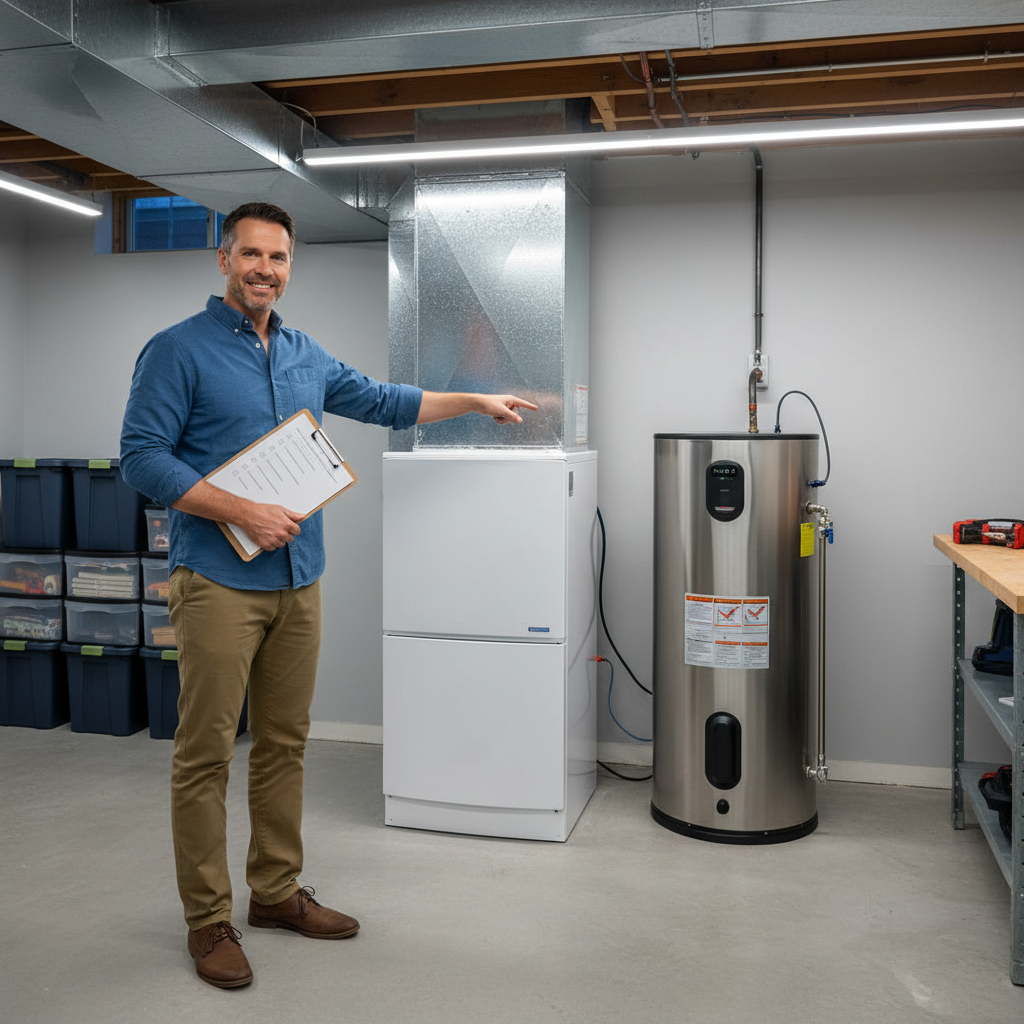
- Think Like a Buyer. Walk through your home and pretend you are considering buying it. What would worry you? What looks old or broken? This change in perspective can help you spot issues you’ve grown used to.
- Don't Forget the Filters. Replace the filter in your furnace or air handler. A dirty filter makes the system work harder and can be a sign of neglect that any inspector will note.
- Clean the Obvious. Beyond general tidiness, clean areas that show wear and tear. Scrub the mineral deposits off the showerhead, clean the exhaust fan covers in the bathrooms, and wipe down the front of the electrical panel.
- Document Your Fixes. If you repair a significant issue, take before-and-after photos. This documentation can be shared with the buyer to prove that a problem flagged in a pre-inspection has been properly resolved.
- Check for Safety Hazards. Look for any potential safety issues a buyer's inspector will definitely flag: missing deck balusters, a wobbly handrail on the stairs, or trip hazards on walkways. These are non-negotiable repairs.
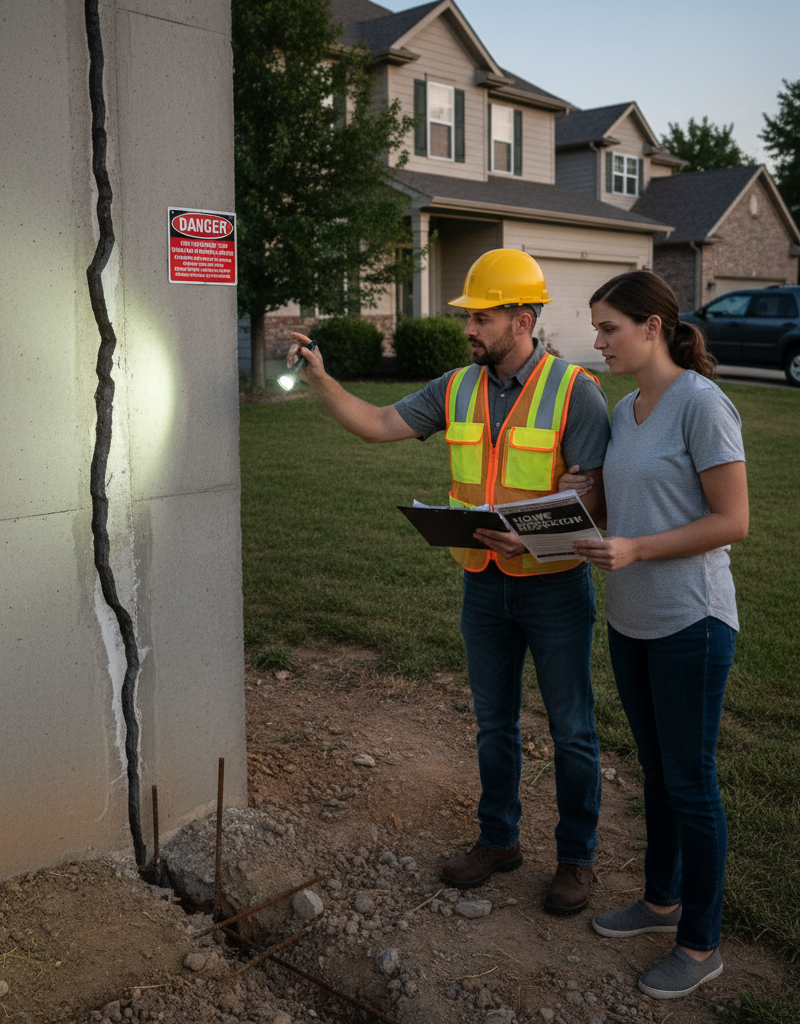
Foundation · Cracks or settlement
| Project category | Foundation |
|---|---|
| Problem type | Cracks or settlement |
| Trade required | Foundation repair |
| Urgency | Soon — within weeks |
| Safety risk | High safety risk |
| DIY suitability | Licensed pro only |
| Cost category | Major investment |
| Typical timeline | Engineer report first; work typically several days |
| Contractor type | Foundation repair company with a structural engineer report |
Repair option
Drainage correction and targeted pier installation where movement is measured.
Replacement option
Full underpinning when settlement is widespread.
Common causes
- Expansive clay soil cycling wet and dry
- Poor drainage or downspouts dumping at the slab
- Plumbing leak washing out soil under the foundation
Relevant tools:compare quotesproject cost estimator
Published August 7, 2026Last updated August 17, 2026
Tools & materials you'll need
Affiliate links- AmazonScrewdriver Set1 · For tightening loose hardware.
- AmazonPliers1 · For minor adjustments and repairs.
- AmazonCaulking Gun1 · For sealing gaps and cracks.
- AmazonUtility Knife1 · General purpose cutting.
- AmazonLadder or Step Stool1 · For reaching smoke detectors and light fixtures.
- AmazonShop Vacuum1 · For cleaning up debris, especially in utility areas.
As an Amazon Associate FixlyGuide earns from qualifying purchases — at no extra cost to you. Prices and availability are accurate as of publication and subject to change.
Quick Answer
To prepare your house for a home inspection, focus on three key areas: access, function, and repair. Ensure the inspector can easily access all areas like attics, crawlspaces, and utility panels. Test all major systems and appliances—HVAC, plumbing, electrical, and kitchen appliances—to confirm they are in working order. Finally, address known issues, from minor leaks and damaged fixtures to larger problems that could derail the sale.
The Problem
A pending home inspection can be the most stressful part of selling a house. A report filled with defects, big or small, can scare off buyers, trigger a new round of negotiations, or even force you to drop your price significantly. Many sellers, however, make the critical mistake of only tidying up, assuming the inspector will only see surface-level issues. In reality, inspectors are trained to hunt for functional defects, safety hazards, and signs of hidden damage. A cluttered crawlspace isn't just an inconvenience; it's a red flag that you might be hiding something. A burnt-out lightbulb isn't just a bulb; it raises the question: is it the bulb, the fixture, or the wiring? Failing to adequately prepare for a home inspection doesn't just create a bad impression; it gives the buyer leverage and can jeopardize the entire transaction. Every item flagged on the report is a potential negotiation point, costing you time, money, and peace of mind.
How It Works
A home inspection is a non-invasive, visual examination of a property's physical condition, conducted by a certified professional home inspector. The inspector's job is not to pass or fail the house, but to provide the buyer with a detailed, objective report on the state of its major systems and components. They are generalists, not specialists, meaning they have a broad knowledge of all aspects of a home, from the foundation to the roof. The process follows a systematic checklist, covering hundreds of items.
The inspector typically starts outside, examining the roof, gutters, siding, foundation, and grading. They look for signs of water intrusion, material decay, and structural concerns. Inside, they methodically go through each room, but their focus is less on cosmetics and more on function and safety. They operate plumbing fixtures to check for leaks and water pressure, test a representative number of outlets for grounding and polarity, and operate windows and doors. They will fire up the HVAC system (in the appropriate mode for the season), run the water heater, and test built-in appliances. The core of the inspection involves a deep dive into the home's "engine room": the electrical panel, the plumbing systems, and the structural components visible in the attic and crawlspace or basement. They are looking for code violations, safety hazards (like double-tapped breakers or improper wiring), signs of leaks, pest activity, and inadequate ventilation. The final report, often 50+ pages with photos, documents their findings, categorizing them by severity and recommending further evaluation by specialists (e.g., a roofer or structural engineer) when necessary. This report becomes the buyer's roadmap for understanding the investment they are about to make.
Step-by-Step Fix
-
Clear the Way for Access — The inspector needs at least three feet of clearance around all critical areas. This includes the furnace, water heater, electrical panel, and any sump pumps. Clear boxes, furniture, and storage away from these zones in your basement, garage, or utility closets. An inaccessible component is a component that can't be inspected, which an inspector must note as a potential issue.
-
Unlock Everything — Before the inspector arrives, unlock every door, window, gate, and access panel. This includes electrical panels, attic hatches, crawlspace doors, sheds, and closets. Leave keys clearly labeled on a nearby counter. This saves time and ensures the inspector doesn't have to skip an area because they couldn't get into it.
-
Perform a Full Systems Check — Turn on your heating and air conditioning to ensure both cycles work. Run hot water at all sinks and showers to verify the water heater is functioning. Run the dishwasher through a full cycle. Test every burner on the stove, the oven, and the microwave. A system that doesn’t run is a guaranteed write-up.
-
Conquer the "Honey-Do" List — That long list of minor repairs you’ve been meaning to get to? Now is the time. Replace all burned-out lightbulbs, tighten loose cabinet hinges, fix that perpetually running toilet, and lubricate squeaky doors. These small fixes demonstrate pride of ownership and prevent the report from being cluttered with dozens of minor, easily-fixable defects.
-
Address All Things Water — Water is a home's #1 enemy. Look for and repair any active leaks under sinks, around faucets, and at toilet bases. Check your gutters and downspouts, ensuring they are clear of debris and directing water at least 6-10 feet away from your foundation. Address any signs of moisture in the basement or crawlspace.
-
Verify Smoke and CO Detectors — Press the "test" button on every smoke and carbon monoxide detector in the house. If they don't beep, replace the batteries. If they are over 10 years old, replace the entire unit. Inspectors are required to check these for functionality and note their absence or expiration, which is a major safety flag.
-
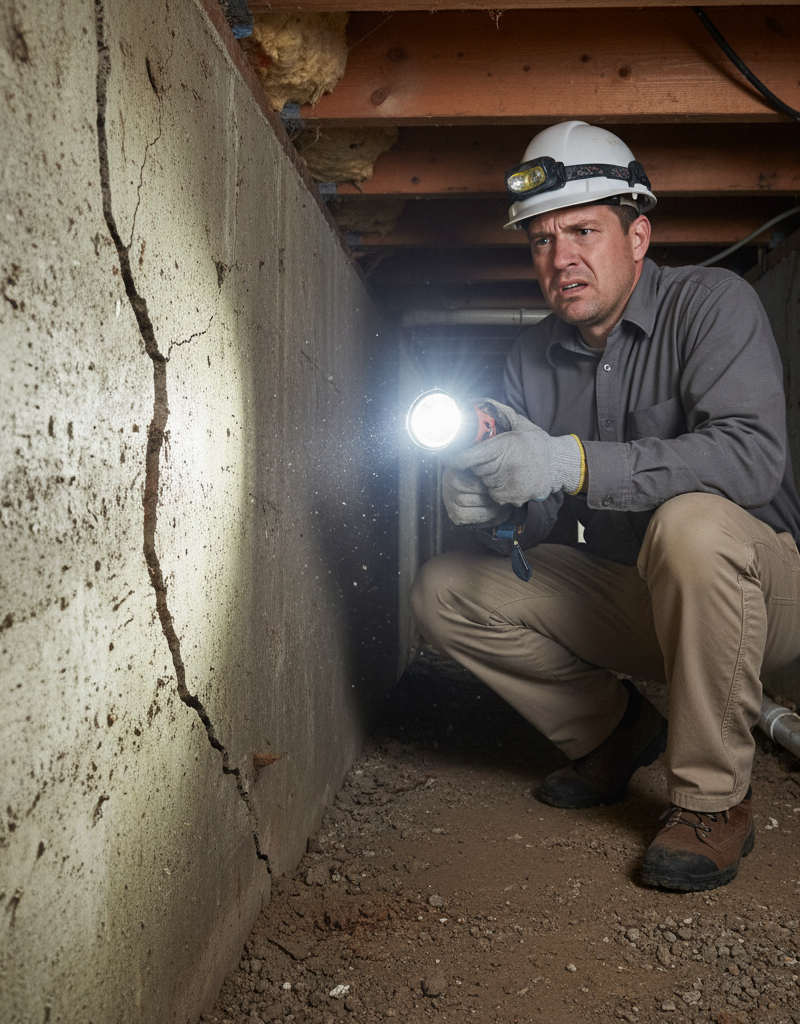
Tidy the Attic and Crawlspace — These are two of the most important areas for an inspector. They don't need to be spotless, but they must be safely accessible. Remove any stored items blocking the entry hatch. Clear a path so the inspector can navigate without crawling over boxes or debris. This is where they look for signs of roof leaks, pest infestation, and structural problems.
-
Check Windows and Doors — Open and close every window and door in the house. Do they latch properly? Are any panes cracked or seals broken on double-pane windows? A window that doesn't open or a door that doesn't latch is not just an inconvenience; it can be a safety issue in case of a fire.
-
Examine the Exterior — Walk the perimeter of your home. Look for any wood rot on trim, siding, or window sills and repair it. Use caulk to seal any gaps in siding or around windows where water could penetrate. Ensure all exterior outlets have proper GFCI protection and weather-proof covers.
-
Clean for a Great Impression — While the inspector is focused on function, a clean house creates a powerful first impression of a well-maintained property. Cleanliness can subconsciously influence an inspector's (and buyer's) perception. A sparkling clean home suggests that you’ve taken meticulous care of the property, including the parts that aren't visible.
-
Gather Maintenance Records — If you have receipts or warranties for major upgrades—like a new roof, HVAC system, or water heater—gather them into a folder and leave it on the kitchen counter. This provides the inspector and buyer with a clear history of maintenance and investment, adding significant value and peace of mind.
-
Leave the House — It is standard and preferred for the seller to not be present during the inspection. This allows the inspector and buyer to speak openly and frankly about the property. It avoids any sense of pressure and lets the inspector do their job thoroughly without interruption. Plan to be away from the property for at least 3-4 hours.
Common Causes
Why do homes fail to impress during an inspection? The issues often stem from a few common sources of neglect or misunderstanding by the seller:
- Deferred Maintenance: The most frequent cause. Small issues, like a minor drip under the sink or a clogged gutter, are ignored for years. Over time, these small problems can compound or cause secondary damage, like wood rot or foundation issues.
- Lack of Access: Sellers often use every square inch of their home for storage. When an inspector can't physically see or reach the electrical panel, furnace, or attic hatch, they must write it up as "uninspected," which is a red flag for buyers.
- Improper DIY Repairs: Homeowners often try to save money with DIY projects. Unfortunately, without a full understanding of building codes, these "fixes" can create serious safety hazards, especially with electrical and plumbing work. Inspectors are experts at spotting non-professional work.
- Outdated Systems: A 25-year-old furnace or a 30-year-old roof might still be "working," but it is at the end of its service life. Inspectors will always flag these items, as the buyer knows they will face a significant replacement cost in the near future.
- Water Intrusion: From negative grading that directs water toward the foundation to roof leaks and plumbing failures, water damage is a top concern. Sellers may become "nose-blind" to musty smells in the basement, but an inspector will immediately investigate the cause.
- Seller Ignorance: Many sellers simply don't know what inspectors look for. They focus on making the house look pretty—new paint, staged furniture—while ignoring the functional defects that truly matter to a buyer and form the basis of the inspection report.
Common Mistakes
Sellers often shoot themselves in the foot with these avoidable errors:
- Hiding Known Issues. Never try to conceal a problem. Painting over a water stain without fixing the leak or placing a rug over a damaged floorboard is a recipe for disaster. It destroys trust and can even lead to legal trouble after the sale.
- Leaving Utilities Off. If you've already moved out, ensure all utilities—gas, water, and electricity—are turned on. An inspector cannot test what isn't powered. A simple oversight like this can force a re-inspection, costing you time and money.
- Arguing with the Inspector. The inspector is not your adversary; they are a neutral third party hired by the buyer. Following them around, downplaying their findings, or getting defensive is unprofessional and counterproductive. Let them do their job.
- Forgetting about the Exterior. Sellers can become so focused on the interior that they forget about a loose railing on the deck, a cracked paver in the walkway, or a gutter hanging by a thread. The exterior is the first thing the inspector sees.
- Ignoring Minor Details. A long list of small problems can be just as intimidating to a buyer as one big problem. A "death by a thousand cuts" report suggests the home has been neglected. Replacing lightbulbs, fixing a leaky faucet, and caulking gaps are easy wins.
- Being Unprepared for Pets. If you have pets, make arrangements for them to be out of the house. A barking dog or a cat that might escape creates a stressful environment for everyone and can be a liability.
Cost & Time Breakdown
This table outlines the typical costs and time for DIY preparation versus hiring a professional. A "Handyman Day Rate" is often the most efficient way to tackle a long list of small repairs.
| Task | DIY Cost | Pro Cost (Handyman) | Time |
|---|---|---|---|
| Gutter Cleaning & Downspout Check | $5 - $20 (Gloves, bucket) | $150 - $250 | 2-4 hours |
| Minor Plumbing Repairs (leaky faucet, running toilet) | $10 - $50 (Washers, flapper valve) | $125 - $300 | 1-3 hours |
| Electrical Fixes (replace outlets, GFCI, bulbs) | $20 - $100 (Outlets, tester, bulbs) | $150 - $400 (plus electrician if needed) | 2-5 hours |
| Caulking & Sealing (windows, trim) | $15 - $30 (Caulk, gun) | $100 - $250 | 2-4 hours |
| Smoke/CO Detector Replacement | $20 - $60 per unit | Included in handyman rate | 1 hour |
| General "Honey-Do" List (tighten handles, lubricate hinges) | $0 - $10 | $400 - $600 (Day Rate) | 3-6 hours |
Tips & Prevention
- Get a Pre-Listing Inspection. For maximum peace of mind, hire your own inspector before you even list the house. This gives you the exact same report a buyer will see, allowing you to fix issues on your own time and budget, without the pressure of a pending sale.
- Think Like a Buyer. Walk through your home and pretend you are considering buying it. What would worry you? What looks old or broken? This change in perspective can help you spot issues you’ve grown used to.
- Don't Forget the Filters. Replace the filter in your furnace or air handler. A dirty filter makes the system work harder and can be a sign of neglect that any inspector will note.
- Clean the Obvious. Beyond general tidiness, clean areas that show wear and tear. Scrub the mineral deposits off the showerhead, clean the exhaust fan covers in the bathrooms, and wipe down the front of the electrical panel.
- Document Your Fixes. If you repair a significant issue, take before-and-after photos. This documentation can be shared with the buyer to prove that a problem flagged in a pre-inspection has been properly resolved.
- Check for Safety Hazards. Look for any potential safety issues a buyer's inspector will definitely flag: missing deck balusters, a wobbly handrail on the stairs, or trip hazards on walkways. These are non-negotiable repairs.
When to Call a Professional
While you can tackle many pre-inspection tasks yourself, some issues demand professional expertise. Attempting complex repairs without the proper skills can make problems worse or create new safety hazards. You should always call a licensed professional for any issues involving the main electrical panel, such as faulty breakers or wiring problems. Never attempt to work inside a live panel. Similarly, if you suspect a roof leak, have a professional roofer assess it; climbing on a roof is dangerous and diagnosing the source of a leak can be tricky. Signs of foundation issues, such as large vertical cracks, bowing walls, or sloping floors, require a structural engineer. Finally, if any gas appliances, including the furnace or water heater, are malfunctioning, you must call a qualified HVAC technician or plumber. The risks of fire or carbon monoxide poisoning are too great for a DIY approach. A good rule of thumb: if the repair requires a permit or involves a primary safety system, call a pro.
What should this project cost?
Enter your project details for a realistic cost range before you call anyone.
Cost depends heavily on which system turns out to be the source.
- Regional adjustment
- National average
- Labor share (typical)
- ~$1,620
- Quotes to collect
- 3 written estimates
Educational estimate based on national averages — not a binding quote. Always confirm with written local estimates.
Get the print-ready PDF of this guide
A clean, ad-free, printable version you can keep on your phone or pin to the workshop wall. Free with a FixlyGuide account.
- Print-optimized layout
- Tools, materials & every step included
- Saved to your account
Frequently asked questions
Should I get my own inspection before selling?+
Yes, a pre-listing inspection is highly recommended. It costs a few hundred dollars but provides a complete roadmap of issues a buyer's inspector will find, allowing you to perform repairs on your own schedule and budget, preventing last-minute surprises and costly negotiations.
What are the biggest red flags for a home inspector?+
The biggest red flags are signs of water intrusion (stains, mold, rot), structural issues (foundation cracks, sagging floors), electrical hazards (improper wiring, faulty panels), old/failing major systems (roof, HVAC), and evidence of pests (termites, rodents).
Do I have to fix everything on a home inspection report?+
No, you do not have to fix everything. The report is for the buyer's information. Typically, sellers are asked to address major functional defects, safety issues (like electrical or structural problems), and water-related issues. Cosmetic items or minor repairs are often considered part of normal wear and tear and are usually not addressed.
How clean does my house need to be for an inspection?+
While the inspector is focused on function, not cleanliness, a very clean house gives the impression of a well-maintained property. At a minimum, ensure there is no clutter blocking access to utility areas, the attic, and the crawlspace. A sparkling clean home can subconsciously improve the buyer's and inspector's overall impression.
Is it okay to be at the house during the inspection?+
It is strongly recommended that you and your family (and pets) are not at the house during the inspection. This allows the buyer to feel comfortable asking the inspector questions and enables the inspector to focus without distractions or feeling pressured. Plan to be away for 3-4 hours.

Discussion
Loading comments…