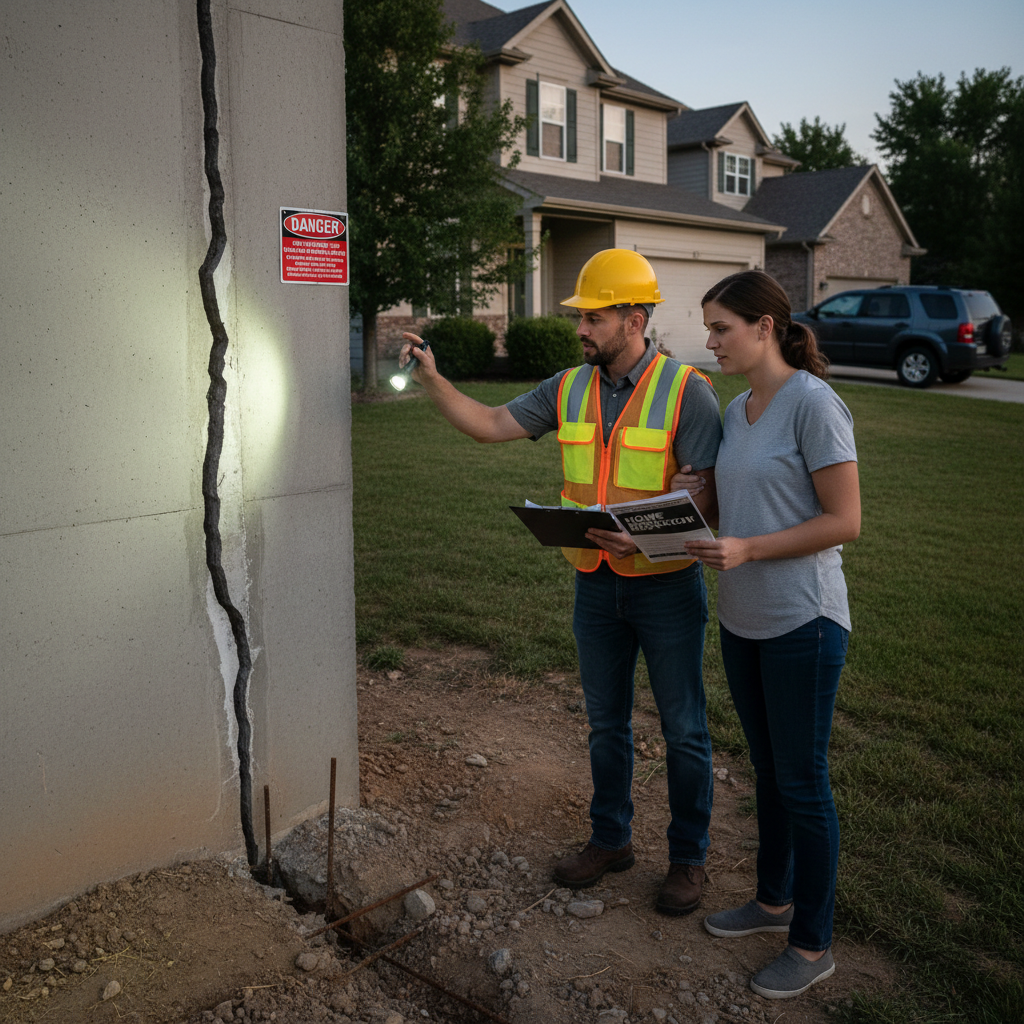
- Skipping the Inspection: The single biggest mistake is waiving the inspection contingency to make your offer more attractive. You are flying blind and accepting all risks, no matter how catastrophic.
- Not Attending the Inspection: Being present for the final walkthrough allows the inspector to show you issues firsthand, answer questions, and provide context that a written report can’t convey. You'll learn how your new home works.
- Sweating the Small Stuff: Don't get bogged down by minor cosmetic issues like a loose doorknob or a cracked outlet cover. Focus your negotiation capital on the major structural and safety items that truly matter.
- Relying on the Seller's Disclosure: A seller’s disclosure is only as good as the seller’s knowledge and honesty. Many sellers are unaware of underlying problems. The inspection is your independent verification.
Foundation · Cracks or settlement
| Project category | Foundation |
|---|---|
| Problem type | Cracks or settlement |
| Trade required | Foundation repair |
| Urgency | Soon — within weeks |
| Safety risk | High safety risk |
| DIY suitability | Licensed pro only |
| Cost category | Major investment |
| Typical timeline | Engineer report first; work typically several days |
| Contractor type | Foundation repair company with a structural engineer report |
Repair option
Drainage correction and targeted pier installation where movement is measured.
Replacement option
Full underpinning when settlement is widespread.
Common causes
- Expansive clay soil cycling wet and dry
- Poor drainage or downspouts dumping at the slab
- Plumbing leak washing out soil under the foundation
Relevant tools:compare quotesproject cost estimator
Published August 7, 2026Last updated August 17, 2026
Tools & materials you'll need
Affiliate links- AmazonFlashlight1 · A high-powered LED flashlight is an inspector's most important tool.
- AmazonGFCI Tester1 · Used to test the function of Ground Fault Circuit Interrupter outlets in kitchens, baths, and outdoors.
- AmazonVoltage Tester1 · A non-contact voltage stick to check if wiring is live.
- AmazonMoisture Meter1 · Used to detect hidden moisture in walls, floors, and ceilings near plumbing or stains.
- AmazonLadder1 · For accessing roofs and attics. Inspectors often carry telescoping or folding ladders.
- AmazonCamera1 · To document every defect and area of concern.
- AmazonInspection Report Software1 · Digital software used to compile photos and findings into a comprehensive report for the client.
As an Amazon Associate FixlyGuide earns from qualifying purchases — at no extra cost to you. Prices and availability are accurate as of publication and subject to change.
Quick Answer
Home inspectors perform a thorough visual examination of a property to identify material defects in its structure, systems, and components. The most common deal-killing defects they find relate to the foundation, roof, electrical system, plumbing, HVAC, mold, and hidden water damage, as any of these can signal thousands of dollars in unexpected repairs.
The Problem
You’ve found the perfect house. The layout is ideal, the neighborhood is charming, and you can already picture your life there. You put in an offer, it’s accepted, and everything seems to be falling into place. Then comes the home inspection. Suddenly, you’re blindsided by a 70-page report filled with technical jargon, photos of things you don’t recognize, and a list of "material defects" that sound terrifyingly expensive. The dream home now feels like a potential nightmare, and the entire deal hangs in the balance. This is the critical moment where a home inspection reveals whether you’re buying a solid investment or a money pit. A qualified home inspector is trained to see past the fresh paint and staged furniture to uncover the expensive, dangerous, or deal-killing problems that sellers may not even know exist. Ignoring or underestimating their findings is one of the biggest mistakes a homebuyer can make.
How It Works
A home inspection is a non-invasive, visual examination of a property’s physical condition. The inspector is a neutral third party whose job is to provide a comprehensive, unbiased report on the state of the home on the day of the inspection. They follow a standardized process, typically guided by the standards of practice from organizations like the American Society of Home Inspectors (ASHI) or the International Association of Certified Home Inspectors (InterNACHI).
The inspector moves methodically through the property, starting with the exterior and roof, then moving to the foundation, and working their way through every accessible interior space, from the basement to the attic. They operate major systems like the furnace and air conditioning (if weather permits), run water at all fixtures to test plumbing supply and drainage, and test a representative number of accessible outlets and light fixtures. They are looking for "material defects"—issues that could significantly impact the home's value, safety, or habitability.
It's crucial to understand what a home inspection is not. It is not a pass/fail test. It is not an appraisal of value. It is not a code compliance inspection, although inspectors often flag items that don't meet modern safety standards. They do not perform invasive testing, like opening up walls or using X-ray vision. Their assessment is limited to what is visible and accessible. If a crawlspace is sealed or the attic is blocked by a pile of the seller's belongings, the inspector can only note that the area was inaccessible. The final product is a detailed report, usually delivered within 24 hours, that documents their findings with photos and descriptions, giving you the critical information needed to proceed with your purchase, renegotiate, or walk away.
Step-by-Step Fix
Once you receive the inspection report, the "fix" isn't about repairing the house yourself, but about navigating the negotiation process with the seller. Here’s a step-by-step guide to addressing the findings.
-
Review the Report Thoroughly — Don’t just skim the summary. Read the entire report from start to finish to understand the context of each finding. Pay close attention to photos, the inspector's specific comments, and any limitations they noted.
-
Categorize the Findings — Group the issues into three buckets: major deal-breakers (foundation, roof, electrical), significant but manageable repairs (new water heater, faucet leaks), and minor/cosmetic items (sticky door, cracked switch plate). Focus your energy on the first two categories.
-
Clarify with Your Inspector — If you don’t understand an issue, call the inspector. A good inspector is happy to walk you through their findings, explain the potential severity, and give a general sense of what it might take to correct it (though they won't give specific cost estimates).
-
Get Professional Quotes — For any major or significant issue, do not rely on guesses. Immediately contact licensed and insured contractors—a roofer for roof issues, a structural engineer for foundation concerns, an electrician for wiring problems—to get detailed written estimates for the repairs. This is your most powerful negotiating tool.
-
Consult Your Real Estate Agent — Your agent is your strategic partner. Discuss the findings and your contractor quotes with them. They will have a pulse on the local market and can advise on what is reasonable to ask for and how to frame the request.
-
Draft a Repair Addendum — With your agent, decide on your negotiation strategy. You have three main options: asking the seller to perform the repairs before closing, requesting a credit for the cost of repairs at closing, or asking for a reduction in the sale price. Your agent will draft a formal addendum to the purchase agreement outlining your request.
-
Choose Credits Over Repairs — Whenever possible, opt for a price reduction or a closing cost credit instead of having the seller manage the repairs. This gives you control over the quality of the work and the choice of contractor, preventing the seller from opting for the cheapest, quickest fix.
-
Negotiate the Terms — The seller can accept your request, reject it, or make a counter-offer. Be prepared for some back-and-forth. This is where your contractor quotes become invaluable, as they ground your request in real-world numbers.
-
Re-Inspect if Necessary — If you agree to have the seller perform repairs, always pay for a re-inspection from your original inspector. This ensures the work was completed correctly before you take ownership.
-
Know When to Walk Away — If the seller refuses to address major structural, safety, or environmental issues, and the cost to you is too high, be prepared to use your inspection contingency to terminate the contract and get your earnest money back. This is the ultimate purpose of the inspection: protecting you from a bad investment.
Common Causes
The defects that scare buyers the most usually stem from a few common culprits:
- Water Intrusion: This is the universal enemy of homes. It can come from a leaking roof, failed window seals, negative grading around the foundation, or plumbing leaks. Unchecked, it leads to rot, structural damage, and mold.
- Deferred Maintenance: Many major problems start as small issues that were ignored. A small roof leak becomes a rotted roof deck. A dripping faucet becomes a ruined vanity and subfloor. Over time, a homeowner’s failure to perform basic upkeep leads to systemic failures.
- Poor Initial Construction: Sometimes the problem was built right into the house. Improperly compacted soil can lead to foundation settlement. Undersized floor joists can cause sagging floors. Hasty, uninspected work during construction creates latent defects that only appear years later.
- Amateur DIY Repairs: Unlicensed or "handyman" repairs, especially on electrical and plumbing systems, are a huge red flag. Improperly wired outlets can be a fire hazard, and shoddy plumbing connections can lead to slow leaks and massive water damage.
- Age and Wear: No component of a house lasts forever. Roofs, HVAC systems, and water heaters all have a finite lifespan. An inspector’s report often functions as a timeline, highlighting systems that are nearing the end of their service life and will require replacement soon.
- Environmental Factors: Termites and other wood-destroying insects can cause devastating structural damage. Radon gas can accumulate in basements. These environmental issues require specialized inspection and remediation.
Common Mistakes
Buyers often make critical errors during the inspection phase that can cost them dearly.
- Skipping the Inspection: The single biggest mistake is waiving the inspection contingency to make your offer more attractive. You are flying blind and accepting all risks, no matter how catastrophic.
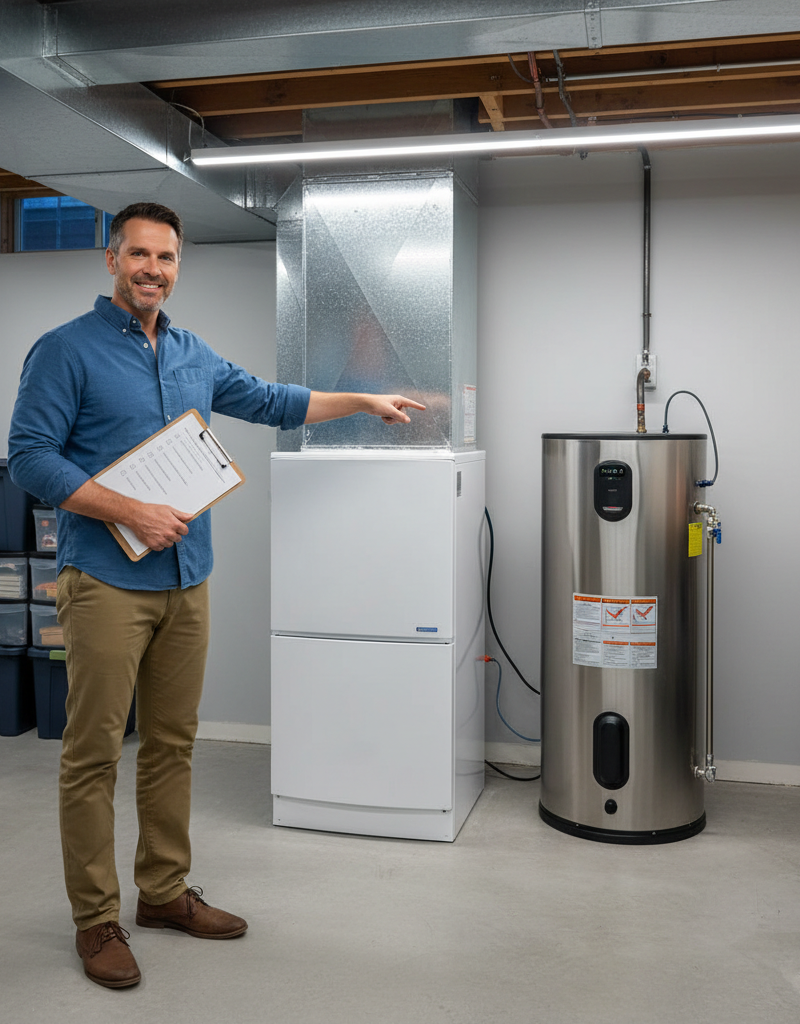
- Not Attending the Inspection: Being present for the final walkthrough allows the inspector to show you issues firsthand, answer questions, and provide context that a written report can’t convey. You'll learn how your new home works.
- Hiring the Cheapest Inspector: Home inspection is not a commodity. A low price often indicates a lack of experience, insurance, or thoroughness. You are paying for expertise and protection; choose an inspector based on qualifications, reviews, and experience, not price.
- Sweating the Small Stuff: Don't get bogged down by minor cosmetic issues like a loose doorknob or a cracked outlet cover. Focus your negotiation capital on the major structural and safety items that truly matter.
- Relying on the Seller's Disclosure: A seller’s disclosure is only as good as the seller’s knowledge and honesty. Many sellers are unaware of underlying problems. The inspection is your independent verification.
- Not Getting a Sewer Scope: A standard home inspection does not include a camera inspection of the main sewer line. A blockage or collapse in this line can be a $5,000 to $25,000 repair, and it’s a risk you should not take, especially on older homes.
Cost & Time Breakdown
While a home inspection report doesn't include repair costs, here are ballpark figures for some common deal-killer defects. Costs vary significantly by region and the extent of the damage.
| Task | DIY Cost | Pro Cost | Time |
|---|---|---|---|
| Foundation Piering (per pier) | N/A | $2,000 - $4,000 | 1-2 days |
| Full Asphalt Shingle Roof Replacement (1,500 sq ft) | $4,000 - $7,000 | $8,000 - $15,000+ | 2-5 days |
| Full Electrical Panel & Service Upgrade | N/A | $2,500 - $5,000 | 1-2 days |
| Whole-Home Repipe (PEX) | $3,000 - $6,000 | $5,000 - $10,000+ | 3-7 days |
| Mold Remediation (Crawlspace/Attic) | N/A | $2,000 - $8,000 | 2-4 days |
| New Furnace & AC System | N/A | $9,000 - $18,000 | 1-3 days |
Tips & Prevention
As a buyer, use these tips to get the most out of your home inspection.
- Vet Your Inspector: Ask for their certifications (ASHI, InterNACHI), proof of insurance, and a sample report. A good report is detailed, easy to understand, and includes high-quality photos.
- Schedule Specialized Inspections: Based on the home's age and location, consider adding a sewer scope, termite inspection, radon test, or mold assessment.
- Read the Whole Report, Twice: The first time, read for general understanding. The second time, make a list of questions and items you want to negotiate.
- Use It as a Home Manual: The inspection report is a fantastic owner’s manual. It shows you where the main water and gas shutoffs are, the age of your major systems, and a ready-made to-do list for future maintenance.
- Don't Kill the Deal Over a List: Remember that no house is perfect, not even new construction. The goal is not a flawless report, but to understand the home’s condition and avoid unmanageable financial risks.
When to Call a Professional
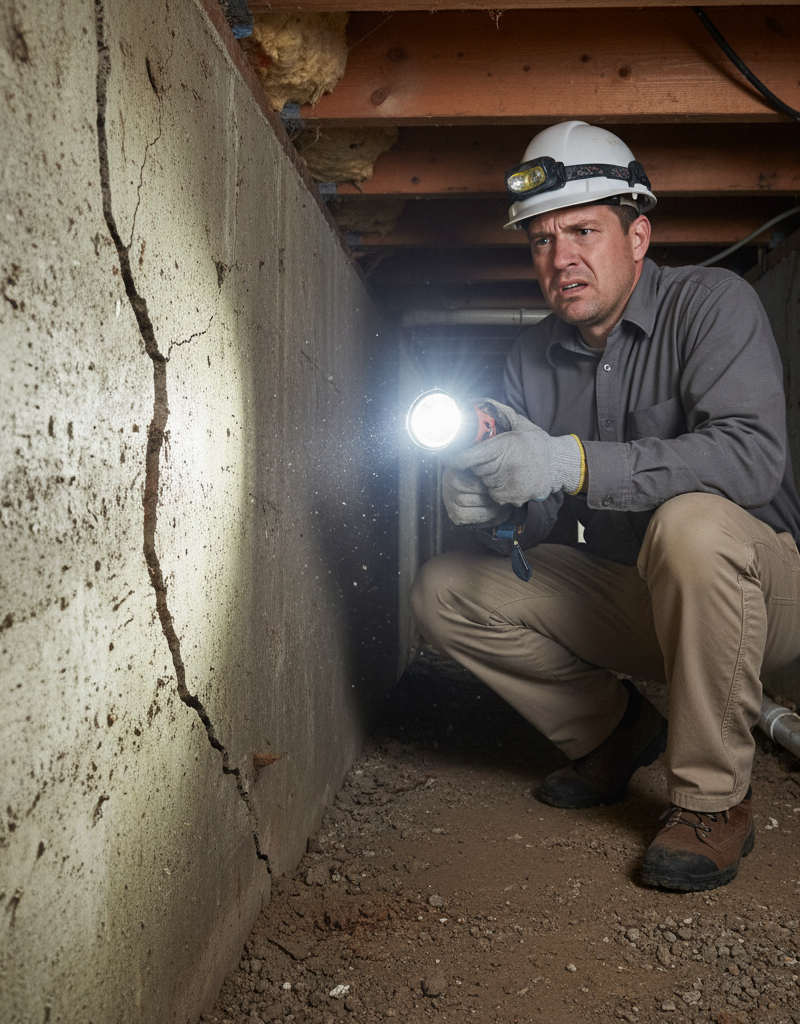
The entire home inspection process is about calling in a professional. You hire a home inspector to get an expert, unbiased opinion on the condition of the largest purchase you will likely ever make. However, the inspector is a generalist. Their primary role is to identify potential problems. Once they do, it is your responsibility to call in specialists for further evaluation and quoting. If the inspector flags foundation cracks, you call a structural engineer. If they find evidence of active knob-and-tube wiring, you call a licensed electrician. If they see signs of rot on the roof trusses, you call a roofer. These specialists provide the detailed cost estimates and repair plans you need to make an informed decision. Trying to guess the cost or severity of a major issue is a recipe for disaster. Let the inspector find the red flags, then let the specialists tell you what it will take to fix them.
What should this project cost?
Enter your project details for a realistic cost range before you call anyone.
Outlet and switch work usually $150–$400; panel upgrades commonly $1,800–$4,200.
- Regional adjustment
- National average
- Labor share (typical)
- ~$709
- Quotes to collect
- 3 written estimates
Educational estimate based on national averages — not a binding quote. Always confirm with written local estimates.
Fixly Project Decision Box
- DIY difficulty
- Professional Recommended
- Estimated time
- Inspection 1–2 hours · repairs 1–3 days
- Cost level
- High
Main tools / materials
- Binoculars for a ground-level look
- Flashlight for attic checks
- Moisture meter
- Roofing cement (temporary patch only)
When to stop and call a pro
- Active leak near lights, fans, or any wiring
- Sagging, bulging, or water-filled ceiling
- Steep, wet, or two-story roof — do not climb it
- Storm or hail damage you plan to claim on insurance
Need professional help?
Free roof assessment first — no phone calls until you ask for them.
Get Local Roofing HelpDecide what your roof needs
Two minutes of questions turns "something is wrong up there" into a clear next step.
- Repair or replace your roof?Answer 10 questions about age, leaks, and damage to get a clear next step.Open
- Compare contractor quotesScore up to four bids on price, warranty, licensing, and timeline.Open
- Get local estimatesSend one request and compare written estimates from vetted pros.Open
Free, no signup required. Estimates are educational guidance, not a quote or an inspection.
Get the print-ready PDF of this guide
A clean, ad-free, printable version you can keep on your phone or pin to the workshop wall. Free with a FixlyGuide account.
- Print-optimized layout
- Tools, materials & every step included
- Saved to your account
Frequently asked questions
What are the most common things that fail a home inspection?+
Technically, a home can't "fail" an inspection. However, the most common serious issues flagged by inspectors are roofing problems (old or damaged), electrical system flaws (outdated panels, faulty wiring), plumbing issues (leaks, old pipes), foundation or structural problems, and HVAC systems nearing the end of their lifespan.
How long does a home inspection take?+
For an average single-family home (around 2,000 square feet), a thorough inspection typically takes 2.5 to 4 hours. Larger, older, or more complex properties can take longer.
Should I be present for the home inspection?+
Absolutely. You don't need to be there the entire time, but it is highly recommended to show up for the last 30-60 minutes. This allows the inspector to walk you through the property, show you key findings in person, and answer your questions directly.
What is not covered in a standard home inspection?+
Standard inspections are visual and non-invasive. They typically do not cover things inside walls, under floors, or underground. Separate, specialized inspections are needed for sewer lines (sewer scope), swimming pools, asbestos, lead paint, and geological stability. They also do not check for compliance with local building codes.
Can I back out of a contract after a home inspection?+
If your purchase offer included an inspection contingency, yes. A contingency clause gives you a specified period to have the home inspected and to back out of the contract (and get your earnest money back) if the findings are not satisfactory and you cannot reach an agreement with the seller.

Discussion
Loading comments…