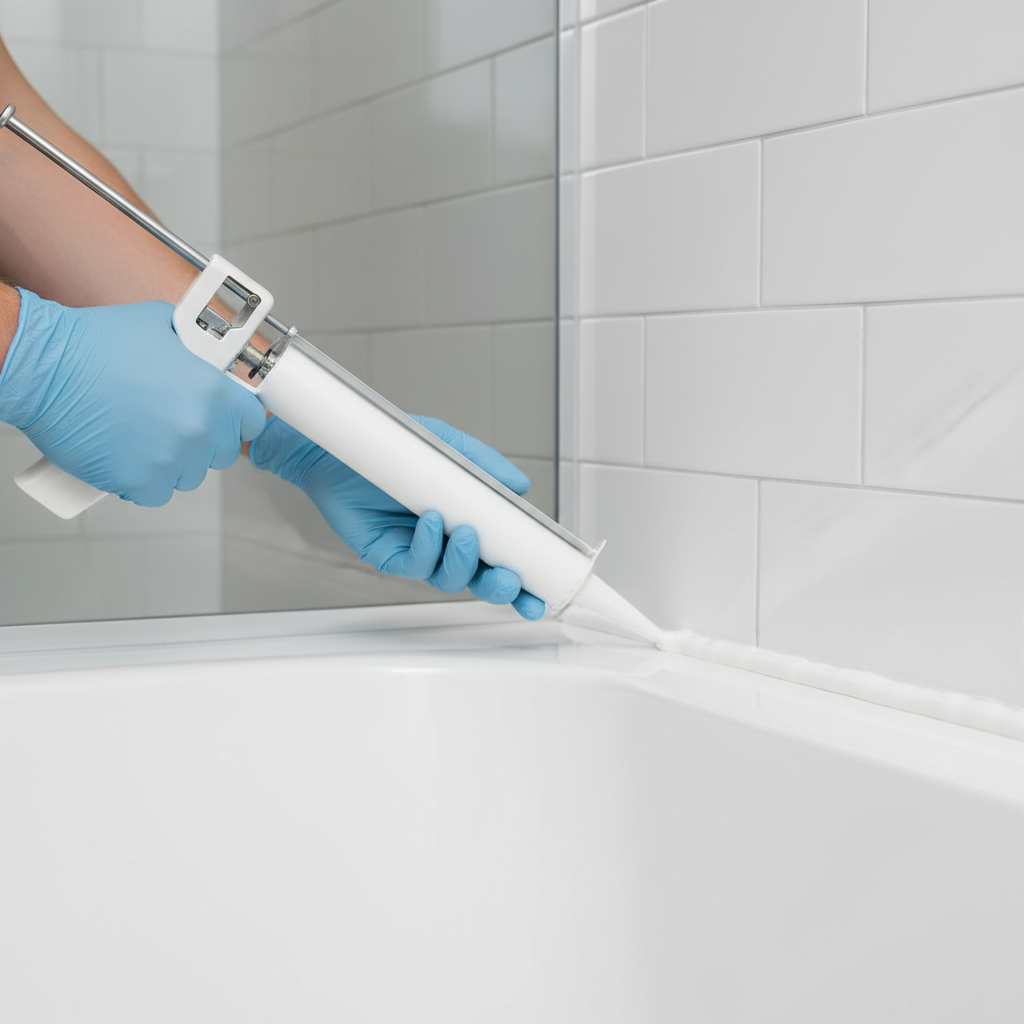
- Load Caulk Gun: Place the caulk cartridge into your caulk gun.
- Consistent Pressure: Apply a steady, even bead of caulk along the joint. Maintain consistent pressure on the caulk gun trigger and move slowly and smoothly.
- One Continuous Pass: Try to apply the caulk in one continuous motion for each seam rather than stopping and starting. If you must stop, overlap slightly when you restart.
- Work in Sections: For long runs, work in manageable sections, allowing you to tool the caulk before it skins over.
General remodeling · Renovation planning
| Project category | General remodeling |
|---|---|
| Problem type | Renovation planning |
| Trade required | General contracting |
| Urgency | Planned project |
| Safety risk | Low safety risk |
| DIY suitability | Pro recommended |
| Cost category | Major investment |
| Typical timeline | Design and permitting often 2–4 months before work starts |
| Contractor type | General contractor |
Repair option
Phase the work and fix the building envelope first.
Replacement option
Full renovation with permits, design, and a general contractor.
Common causes
- Space no longer fits how the household lives
- Resale preparation
- Deferred maintenance stacking up
Relevant tools:project cost estimatorcompare quoteshome improvement material prices
Published May 25, 2026Last updated August 17, 2026
Tools & materials you'll need
Affiliate linksAs an Amazon Associate FixlyGuide earns from qualifying purchases — at no extra cost to you. Prices and availability are accurate as of publication and subject to change.
Quick Answer
Recaulking a bathtub requires more than just squeezing out a new bead of caulk. The lasting fix involves three critical steps: completely removing all old caulk and residue, scrupulously cleaning and drying the surfaces to ensure pristine adhesion, and then applying a high-quality sealant with proper technique. Neglecting any of these steps leads to premature failure, mold growth, and frustrating repeat repairs. The right caulk, applied to the right surface, at the right time (dry!), is the key to preventing future leaks and unsightly mildew.
The Problem
Is your bathtub caulk cracked, peeling, discolored, or showing unsightly black mold? This isn't just an aesthetic issue; it's a compromised waterproof barrier. Failed caulk allows water to seep behind tiles or under the lip of the tub, leading to hidden mold, mildew growth, and potentially extensive water damage to walls, subfloors, and even ceilings below. Many homeowners hastily reapply caulk over old, failing material or without adequate preparation, only to find the problem returns within months. The real issue often stems from not understanding the underlying causes of caulk failure and the precise steps needed to establish a truly durable, waterproof seal that stands up to daily showers and bath times.
How It Works
Caulk, or sealant, forms a flexible, watertight bond between disparate surfaces in your bathroom—typically where the bathtub meets the tile wall or the floor. Its primary function is to prevent water from penetrating these vulnerable joints, which naturally expand and contract with temperature changes and building movement. The magic of caulk lies in its adhesion and elasticity. When properly applied, it sticks tenaciously to both surfaces, creating a barrier that water cannot breach, while remaining flexible enough to absorb minor shifts without cracking. Most modern bathtub caulks are silicone- or acrylic-latex-based, often fortified with fungicides to resist mold and mildew in damp environments. Silicone caulk offers superior flexibility, water resistance, and longevity, making it ideal for high-moisture areas like bathtubs. Acrylic-latex caulk is paintable and easier to clean up, but generally less durable in constantly wet conditions.
The strength and longevity of this waterproof seal depend entirely on the quality of the bond between the caulk and the substrate. Residue from old caulk, soap scum, grease, or even microscopic dust particles will act as release agents, preventing the new caulk from adhering properly. Trapped moisture under the caulk similarly compromises adhesion and promotes mold growth from beneath. This is why thorough preparation—meticulous cleaning, degreasing, and drying—is non-negotiable. Without it, the caulk cannot form the strong, continuous bond necessary to repel water and remain intact for years.
Step-by-Step Fix
1. Clear the Area & Gather Supplies – Ensure you have adequate workspace and all necessary tools and materials within reach. This minimizes interruptions and keeps the process efficient.
- Safety First: Good ventilation is crucial when working with caulk removers and solvents. Open a window or turn on the bathroom fan. Wear gloves and eye protection.
2. Remove All Old Caulk – This is the most critical step. Any old caulk left behind will prevent new caulk from adhering correctly and will lead to premature failure.
- Use a Caulk Removal Tool: Start by scoring along both sides of the caulk bead with a caulk removal tool or utility knife. Be careful not to scratch the tub or tile.
- Pull and Scrape: Grip one end of the scored caulk and pull firmly. For stubborn sections, use a putty knife or specialized caulk removal tool to scrape away remaining bits. A razor blade scraper can be effective on flat tile surfaces, but use extreme caution on tubs to avoid damage.
3. Clean the Surface Thoroughly – Residue is the enemy of adhesion. This step prepares the surface for a long-lasting bond.
- Scrub Away Residue: Use a stiff scrub brush or abrasive pad with a household cleaner (like an all-purpose bathroom cleaner or a mild abrasive cleaner) to remove soap scum, mildew, and any small caulk particles. Acetone or rubbing alcohol can help remove stubborn silicone residue.
- Rinse Completely: Rinse the entire area thoroughly with clean water to remove all cleaning product residue. Any leftover cleaner can interfere with caulk adhesion.
- Check for Mold: If you see black mold on the surface or in the grout lines, treat it with a bleach solution (1 part bleach to 10 parts water) or a commercial mold killer. Let it sit for 15-20 minutes, then scrub and rinse.
4. Dry the Area Completely – Moisture trapped beneath new caulk will lead to mold and poor adhesion.
- Towels and Time: Use clean towels to dry the area as much as possible. Then, allow the area to air dry for at least 12-24 hours. A fan directed at the joint can significantly speed up this process.
- No Shortcuts: This step is crucial. Do not apply new caulk to even slightly damp surfaces.
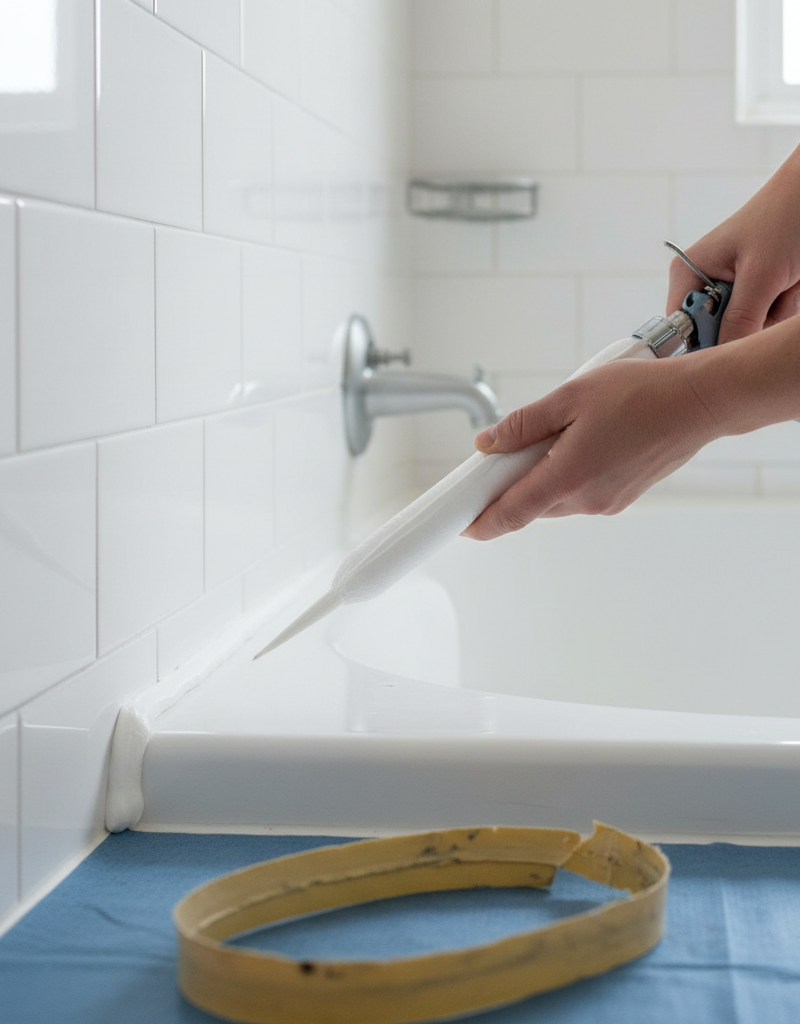
5. Apply Painter's Tape (Optional but Recommended) – For crisp, professional-looking caulk lines.
- Masking the Edges: Apply painter's tape parallel to the joint, about 1/8 to 1/4 inch away from where the caulk bead will sit. This creates clean lines and makes cleanup easier.
- Even Gap: Ensure the tape creates a consistent gap for your caulk bead.
6. Prepare the Caulk Cartridge – Proper preparation ensures a smooth flow.
- Cut the Nozzle: Using a utility knife, cut the tip of the caulk nozzle at a 45-degree angle. Start with a small opening (about 1/8 inch) – you can always cut more if needed for a wider bead. The opening should be slightly smaller than the desired bead width.
- Puncture the Seal: Insert a long nail or the built-in puncture tool on your caulk gun into the tip to break the inner seal of the caulk tube.
7. Apply the Caulk – Consistency is key for a strong, waterproof seal.
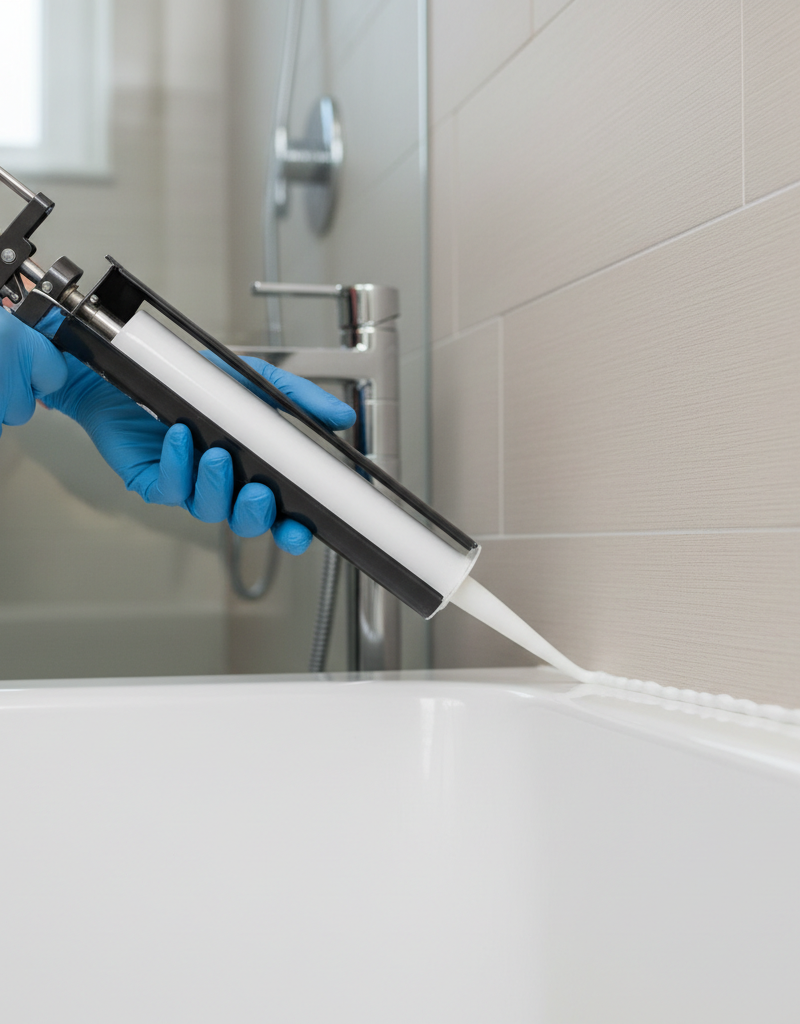
- Load Caulk Gun: Place the caulk cartridge into your caulk gun.
- Consistent Pressure: Apply a steady, even bead of caulk along the joint. Maintain consistent pressure on the caulk gun trigger and move slowly and smoothly.
- One Continuous Pass: Try to apply the caulk in one continuous motion for each seam rather than stopping and starting. If you must stop, overlap slightly when you restart.
- Work in Sections: For long runs, work in manageable sections, allowing you to tool the caulk before it skins over.
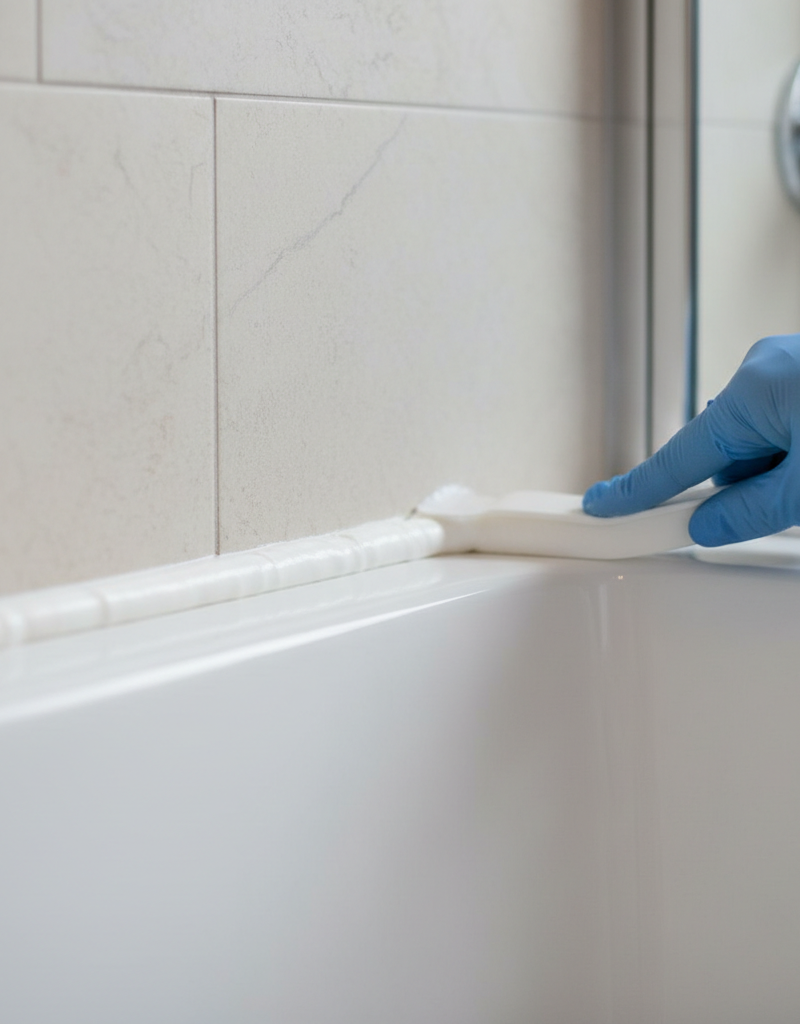
8. Tool the Caulk Bead – This creates a smooth, watertight finish and forces caulk into the joint.
- Immediate Action: Immediately after applying the caulk, use a caulk tooling tool, a gloved finger, or a plastic spoon (for wider beads) to smooth out the bead. Pull the tool/finger along the caulk bead in one continuous motion, applying gentle pressure. This pushes the caulk into the joint and creates a clean, uniform finish.
- Remove Excess: Have a damp cloth or paper towels ready to wipe away any excess caulk from your tool or finger.
9. Remove Painter's Tape (If Used) – The timing of this step is important.
- Peel Promptly: If you used painter's tape, remove it immediately after tooling the caulk bead, while the caulk is still wet. Pull it slowly at a 45-degree angle away from the caulk line. If the caulk starts to skin over, waiting too long can cause the caulk to peel with the tape.
10. Allow Caulk to Cure – Patience is a virtue for a lasting seal.
- Check Manufacturer's Instructions: Refer to the caulk manufacturer's instructions for drying and cure times. Typically, this is 12-24 hours before exposure to water and several days for a full cure. Do not use the shower or tub until the recommended time has passed.
Common Causes
- Poor Surface Preparation: The most frequent cause of caulk failure is applying new caulk over old residue, soap scum, or damp surfaces. Caulk needs a clean, dry, and structurally sound surface to adhere properly. Any contaminants act as a barrier, preventing a strong bond.
- Incorrect Caulk Type: Using the wrong type of caulk for a high-moisture environment like a bathtub. Acrylic latex caulk (often labeled
Related Articles
Keep troubleshooting with these hand-picked guides from FixlyGuide:
- The #1 Caulk Mistake That Leads to Mold (And How to Fix It Right) — Discover the most common caulk mistake that causes frustrating mold growth around your bathtub and learn the simple, effective way to recau…
- The Tiny Gap That Destroys Your Bathtub's Structure (and How to Seal It) — Recaulking your bathtub correctly is crucial to prevent water damage, mold growth, and structural issues in your bathroom.
- The #1 Mistake Homeowners Make Recaulking a Tub (And How to Fix It for Good) — Discover the most common recaulking error and a step-by-step guide to resealing your bathtub like a pro, ensuring a watertight, mold-free f…
- The #1 Mistake When Fixing Baseboards That Pull Away From Walls — Discover the crucial mistake homeowners make when reattaching baseboards and how to properly secure them for a lasting fix.
- The 7 Mistakes First-Time DIYers Make When Installing a Kitchen Backsplash — Learn the common pitfalls and smart solutions for installing a kitchen backsplash, transforming your space with confidence and avoiding cos…
- The #1 Mistake Homeowners Make When Caulking a Bathroom Sink (And How to Fix It) — Discover the most common caulk mistake homeowners make around bathroom sinks and follow simple steps to achieve a lasting, watertight seal.
Should you do this yourself?
Answer five quick questions before you start. Safety outranks savings every time.
Your experience with work like this
How high do you have to work?
Does the job involve any of these?
Will it need a permit?
Specialty tools
Free and instant. Educational guidance only — not a quote, inspection, or professional diagnosis.
What should this project cost?
Enter your project details for a realistic cost range before you call anyone.
Mid-range remodels commonly $12,000–$22,000; small repairs often under $600.
- Regional adjustment
- National average
- Labor share (typical)
- ~$5,603
- Quotes to collect
- 3 written estimates
Educational estimate based on national averages — not a binding quote. Always confirm with written local estimates.
Fixly Project Decision Box
- DIY difficulty
- Professional Recommended
- Estimated time
- Inspection 1–2 hours · repairs 1–3 days
- Cost level
- High
Main tools / materials
- Binoculars for a ground-level look
- Flashlight for attic checks
- Moisture meter
- Roofing cement (temporary patch only)
When to stop and call a pro
- Active leak near lights, fans, or any wiring
- Sagging, bulging, or water-filled ceiling
- Steep, wet, or two-story roof — do not climb it
- Storm or hail damage you plan to claim on insurance
Need professional help?
Free roof assessment first — no phone calls until you ask for them.
Get Local Roofing HelpRecommended for DIYers & woodworkers
Sponsored
The Top 20 Tools for Workshops of Any Budget
No stationary machines or power tools required — plus 3 fundamental tools that can't be bought at any price.
Get the free guide
Ted's Woodworking — The #1 Woodworking Resource
Detailed instructions, dimensioned drawings, materials & cutting lists, and 3D schematics for every skill level.
See the plansSponsored: links above are affiliate links. FixlyGuide may earn a commission on qualifying purchases — at no extra cost to you.
Frequently asked questions
How long does bathtub caulk typically last?+
High-quality silicone caulk, properly applied to a clean and dry surface, can last 5-10 years or even longer. Acrylic latex caulk typically lasts 2-5 years. Regular cleaning and good ventilation in the bathroom can extend its lifespan.
Can I caulk over existing caulk?+
No, you should never caulk over existing caulk. This is one of the most common mistakes leading to premature failure. New caulk will not properly adhere to old caulk, forming a weak bond that will crack, peel, and allow moisture to penetrate. Always remove all old caulk completely before applying new.
What's the best type of caulk for a bathtub?+
100% silicone caulk is generally considered the best for bathtubs due to its superior flexibility, waterproofing, and mold/mildew resistance. While it can be harder to work with and clean up than acrylic latex, its durability in high-moisture environments is unmatched. Look for products specifically labeled for 'kitchen and bath' or 'sanitary sealant'.
How long does caulk need to dry before getting wet?+
Drying times vary significantly by product, but most bathtub caulks require at least 12-24 hours before they can be exposed to water. For a full cure, which means the caulk has reached its maximum elasticity and hardness, it can take 3-7 days. Always consult the manufacturer's instructions on the caulk tube for specific drying and cure times.
Why does my new caulk keep getting moldy?+
New caulk typically gets moldy for a few reasons: insufficient surface preparation (old mold spores or soap scum left behind); trapped moisture under the caulk during application; or inadequate ventilation in the bathroom, creating a constantly damp environment. Ensure thorough cleaning, complete drying, and consistent air circulation after showers to prevent mold growth.
Discussion
Loading comments…