- Neglect: Plain and simple. Not cleaning wheels, ignoring small cosmetic damage, or letting a mechanic over-torque your lug nuts without checking them later.
- Road Hazards: Potholes, curbs, and road debris can damage wheels, wheel covers, and even bend studs or crack lug nuts. A good pothole can send a hubcap flying, no problem.
- Corrosion: Especially in areas with harsh winters and road salt. It'll turn shiny lug nuts into rusty blobs in a season if you don't stay on top of cleaning.
- Improper Installation: After a tire change, if the lug nuts aren't torqued correctly, they can loosen or even seize if over-torqued. This is why a quick re-check after 50-100 miles is so important.
- Age and Wear: Like anything else on your vehicle, plastic wheel covers and even metal lug nuts can wear out, crack, or corrode over decades of use.
Published August 22, 2026Last updated August 22, 2026
Tools & materials you'll need
Affiliate linksAs an Amazon Associate FixlyGuide earns from qualifying purchases — at no extra cost to you. Prices and availability are accurate as of publication and subject to change.
Quick Answer
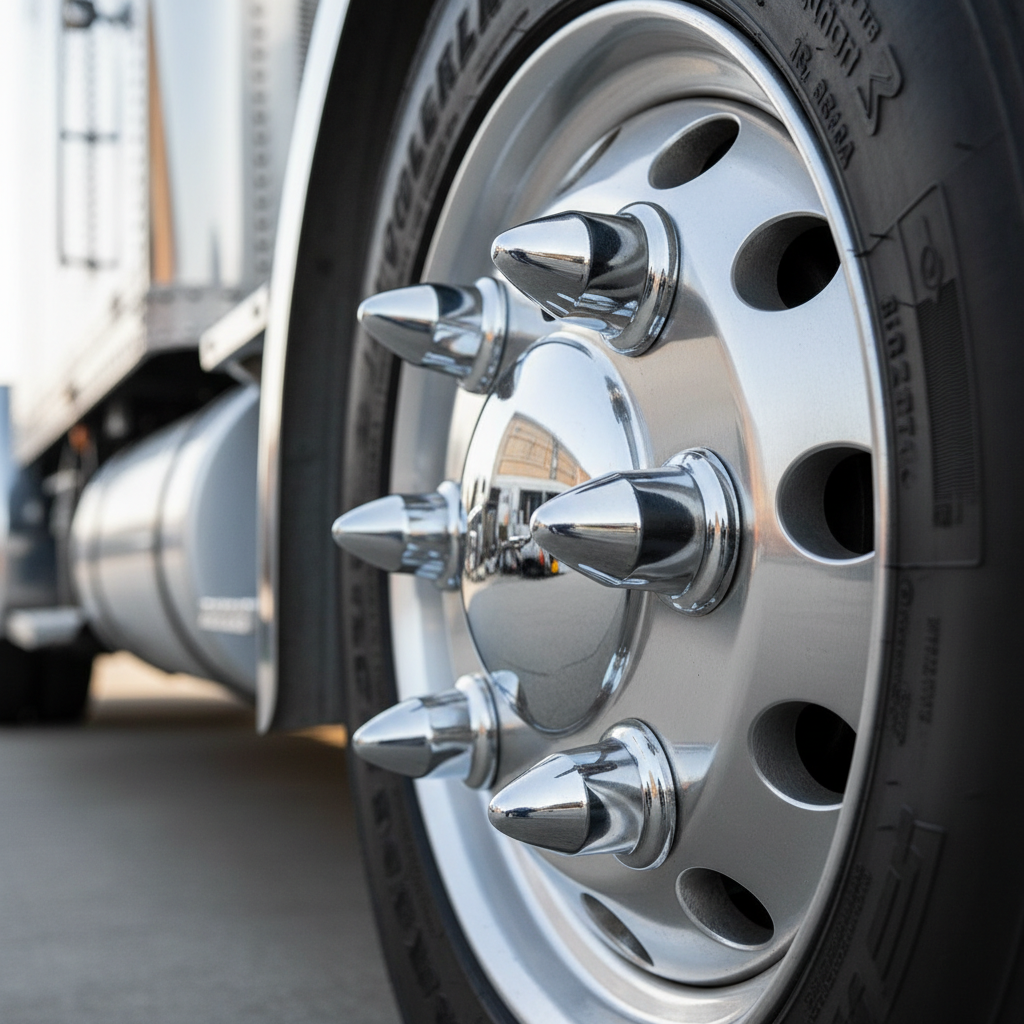
Those menacing-looking spikes on semi-truck wheels aren't meant to hurt anybody. They're basically fancy caps that thread onto or cover the standard lug nuts holding the wheel to the axle. Mostly, they dress the truck up, nudge people to stay clear of a turning wheel, and give the lug nuts a little protection too. So yeah, it's more style with a dash of practicality than some aggressive road-warrior nonsense.
The Problem
Alright, let's straighten out a myth I hear all the time. Folks see those huge spikes on big rigs and сразу think "road hazard" or "weaponized vehicle." I've had homeowners ask me, "Hey, contractor, what's with those killer spikes on the 18-wheelers? Are they even legal?" Fair question. But it shows a pretty common mix-up between what looks dangerous and what’s actually just a mechanical part with a bit of flair. The “problem,” if you want to call it that, is perception versus plain old function — and a little vanity mixed in.
How It Works
Every vehicle with wheels needs a way to hold those wheels tight to the axle. That’s where lug nuts come in. They’re threaded fasteners that screw onto studs sticking out from the wheel hub, pulling the wheel snug against the hub. On a normal car, you might have four to six lug nuts. On a heavy-duty truck, especially a semi-truck, you’re dealing with a whole lot more weight, a whole lot more stress, and usually ten or more lug nuts per wheel. These aren’t little hardware-store pieces either; they’re beefy, usually 33mm or 38mm hex sizes, built to take serious torque—we’re talking 450-550 ft-lbs on some of the bigger trucks. They’ve got to stay put, or that wheel’s coming off, and nobody wants that mess.
Now, about those spikes. They’re not actually part of the lug nut itself. They’re cosmetic covers, usually made of chrome-plated plastic or polished aluminum. Think of them like the fancy hubcaps on your car, just scaled down to each lug nut. Some thread right onto the lug nut and stick out. Others just pop over the nut. Their main job, besides looking tough, is to keep road grime, salt, and corrosion off the lug nuts underneath. That makes maintenance easier when it’s time to crack them loose for service or a tire change. And I'll tell you what — some drivers just like the look. Part of truck culture, plain and simple. I pulled a water heater in Frisco last month and saw a rig at the dock with a missing spike right on the front wheel. Driver spotted it before I even said a word. That’s the kind of visual cue that matters when you’re rolling 80,000 pounds down the highway.
Step-by-Step Fix
Alright, since homeowners aren't usually outfitting semi-trucks, we're going to translate this idea to your vehicle's wheel protection. Think of it as “spike-like” care for your own lug nuts and wheels. This isn’t a fix for spikes, exactly, but it is a good way to keep your lug nuts and wheels in solid shape, kind of like those truck covers do.
-
Inspect Your Wheel Lugs Annually – Visual check for rust and damage Before winter, or after it, give your lug nuts a good look. Are they rusty? Are any of your hubcaps or wheel covers damaged or missing? That stuff matters. Road salt and grime eat exposed metal for breakfast. Rust can seize nuts up tight, and then tire changes turn into a knuckle-busting headache. If you've got fancy aftermarket wheels, check the finish too. I had a client in Northwood whose custom rims looked great until three winters without washing, and then the clear coat started peeling like an old sunburn. Cost him double to refinish them compared to just cleaning them up regularly.
-
Clean Your Wheels and Lug Nuts Regularly – Maintain protective coatings When you wash your car, don't just hit the paint and call it a day. Get down there and scrub those wheels. Use a dedicated wheel cleaner, not just dish soap. Spray it on, let it sit for 5 minutes, then brush with a soft wheel brush. This knocks off brake dust, tar, and road salt that corrode your lug nuts and can etch your wheel finish. Rinse it off well. Simple job. Big payoff.
-
Check Your Tire Pressure – Not directly related to spikes, but crucial for tire and wheel health Underinflated tires build extra heat, and that can stress wheel components. Overinflated tires wear weird. Check your tire pressure at least once a month, preferably when the tires are cold. The correct pressure is usually on a sticker inside your driver's side door jamb, not on the tire sidewall itself. Don't guess; use a reliable tire pressure gauge. Aim for within 2 PSI of the recommended pressure.
-
Confirm Lug Nut Torque After Tire Work – Prevent loose wheels Every time your tires are rotated or replaced, or any work is done that involves removing the wheels, you should re-check the lug nut torque after about 50-100 miles of driving. Lug nuts can settle after installation, which can let them loosen a little. Use a torque wrench set to your vehicle manufacturer's specifications—often between 80-120 ft-lbs for passenger vehicles. Don't just reef on them with a breaker bar; that's how you stretch studs or strip threads.
-
Consider Lug Nut Covers – Aesthetic and protective choice If you like the look of those semi-truck spikes, or just want to shield your lug nuts, you can get decorative lug nut covers for cars and light trucks. They come in all kinds of styles, from chrome caps to more aggressive designs. They just push on or thread onto your existing lug nuts. Just make sure they don't mess with wheel balance or block access for a tire iron. It's a small spend, typically $20-$40 for a set, and it'll keep your lug nuts looking decent and protected from the weather.
-
Inspect for Loose Wheel Covers or Hubcaps – Prevent lost parts and potential hazards If your car has full wheel covers or hubcaps, check now and then that they're still locked down tight. Plastic clips can break, or they can loosen over time, especially after a pothole takes a shot at them. A rattling hubcap isn't just annoying; it can launch off at speed and turn into a road hazard. If one's loose, see if you can secure it, or replace it before it goes rogue.
Common Causes
When we're talking about your personal vehicle and related wheel issues, here are the culprits I see most often:
- Neglect: Plain and simple. Not cleaning wheels, ignoring small cosmetic damage, or letting a mechanic over-torque your lug nuts without checking them later.
- Road Hazards: Potholes, curbs, and road debris can damage wheels, wheel covers, and even bend studs or crack lug nuts. A good pothole can send a hubcap flying, no problem.
- Corrosion: Especially in areas with harsh winters and road salt. It'll turn shiny lug nuts into rusty blobs in a season if you don't stay on top of cleaning.
- Improper Installation: After a tire change, if the lug nuts aren't torqued correctly, they can loosen or even seize if over-torqued. This is why a quick re-check after 50-100 miles is so important.
- Age and Wear: Like anything else on your vehicle, plastic wheel covers and even metal lug nuts can wear out, crack, or corrode over decades of use.
Common Mistakes
Here are some of the missteps I see homeowners make when it comes to their vehicle's wheels and lug nuts:
- Ignoring a loose hubcap: That rattling isn't just annoying; it's a warning. A flying hubcap is a danger and can cause damage to other vehicles or pedestrians.
- Using the wrong cleaner: Harsh acid-based wheel cleaners can damage clear coats on alloy wheels or plastic wheel covers. Stick to pH-neutral, dedicated wheel cleaning products.
- Over-tightening lug nuts: Using an impact wrench without a torque stick or not following manufacturer specs with a torque wrench can stretch wheel studs, leading to potential wheel failure or making it impossible to remove the lug nut later without serious effort.
- Not checking torque after a tire shop visit: Never assume the tire shop did it perfectly. Always do a follow-up torque check after driving a few dozen miles. It takes 10 minutes and can save you big trouble.
- Neglecting cleaning in winter: Road salt is brutal. If you don't clean your wheels regularly during salty seasons, you're asking for rust and corrosion issues on your lug nuts and possibly your calipers and rotors.
Cost & Time Breakdown
Here's what you're looking at for basic wheel and lug nut maintenance, or adding covers:
| Task | DIY cost | Pro cost | Time |
|---|---|---|---|
| Visual Inspection | $0 | $0 (with other work) | 5-10 minutes |
| Wheel Cleaning & Protection | $10-$40 | $50-$100 | 20-30 minutes |
| Tire Pressure Check | $0 | $0 (with other work) | 5 minutes |
| Lug Nut Re-Torque (DIY) | $0 (if you own tools) | $20-$40 | 10-15 minutes |
| Replacement Lug Nut Covers (car) | $20-$40 | N/A | 5-10 minutes |
| Full Set of New Lug Nuts (car) | $30-$80 | $100-$150 | 30-60 minutes |
Tips & Prevention
- Regular Cleaning Schedule: Make it a habit to clean your wheels thoroughly once a month, especially if you live where road salt is used. It’s not just about looks; it’s about stopping corrosion before it starts chewing up the fasteners.
- Winter Protection: Consider applying a wheel sealant or wax to your rims before winter hits. It gives you a barrier against salt and grime, and it makes cleanup a whole lot easier.
- Check for Missing Covers/Caps: A quick walk-around before you hit the road can spot a loose hubcap or a missing lug nut cover before it becomes a problem. It's something I do every morning before I head to a job site.
- Proper Torque is Key: Always use a torque wrench when tightening lug nuts. Overtightening can stretch studs, making them weaker and prone to failure. Undertightening means your wheel could literally fall off. Stick to your vehicle's specs.
- Understand Wheel Types: Different wheels (steel, alloy, chrome) have different cleaning needs and vulnerabilities. Learn your specific wheel type so you don't wreck it with harsh chemicals. Some polished aluminum wheels, for example, can be stained by aggressive cleaners.
When to Call a Professional
You'll want to call in a pro when the issues go beyond simple cleaning or cover replacement. If you notice persistent vibrations after wheel work, that's a big sign. If you're dealing with stripped lug nuts or studs that you can't remove, don't force it; you could cause more expensive damage. Any time a wheel stud breaks or a lug nut rounds off and you can't get it off with hand tools, that's a job for a mechanic. They've got specialized tools to remove seized or damaged fasteners safely. Also, if you suspect a wheel bearing issue—you hear a grinding or roaring noise that changes with speed, or feel excessive play in the wheel when you jack it up—that's definitely a professional diagnosis. Don't mess with wheel bearings; they're critical for safe driving and require precise installation. Lastly, if you're involved in an accident that impacts your wheels or suspension, even if it looks minor, get it checked by a professional alignment shop. Hidden damage can compromise safety.
Related Articles
Keep troubleshooting with these hand-picked guides from FixlyGuide:
- The 12 Checks That Prevent 80% of Costly Home Repairs — Don't wait for a disaster. Our comprehensive monthly home maintenance checklist reveals the surprising, simple tasks that catch small issue…
- The 3 Hidden Reasons Your Door Is Sagging (And How to Fix It FAST) — A sagging door can be a frustrating problem, leading to creaks, sticking, and an inability to latch properly, but often the fix is simpler…
- 7 Hidden Equity Drains Costing You Thousands Annually — Your home is an asset, but silent problems like minor leaks, poor insulation, and deferred maintenance can drain its value. Discover the se…
- The Surprising Trick to Cutting Your Dryer Bill By $100 Per Year — Installing a clothesline can significantly reduce your energy bills and add a fresh scent to your laundry. This guide covers how to choose…
- The Shocking Truth About GFCIs vs. AFCIs: Are You Really Protected? — GFCIs prevent electrocution from ground faults, while AFCIs stop fires from dangerous electrical arcs. Understanding their distinct roles i…
- That One Warm Breaker Is Trying to Tell You Something — A single warm circuit breaker is not normal; it's a critical warning sign of an electrical issue, often an overload or a dangerous loose co…
What should this project cost?
Enter your project details for a realistic cost range before you call anyone.
Cost depends heavily on which system turns out to be the source.
- Regional adjustment
- National average
- Labor share (typical)
- ~$1,620
- Quotes to collect
- 3 written estimates
Educational estimate based on national averages — not a binding quote. Always confirm with written local estimates.
Get the print-ready PDF of this guide
A clean, ad-free, printable version you can keep on your phone or pin to the workshop wall. Free with a FixlyGuide account.
- Print-optimized layout
- Tools, materials & every step included
- Saved to your account
This article was independently written by FixlyGuide based on the source topic.
Frequently asked questions
What are the spikes on semi-truck wheels actually for?+
They're decorative covers for the lug nuts, primarily for aesthetics, to deter people from getting too close, and to protect the actual lug nuts from corrosion and damage. They aren't weapons.
Are semi-truck wheel spikes legal?+
Yes, in most places, they are perfectly legal. Since they are decorative covers and not designed to be dangerous, they typically comply with vehicle regulations, provided they don't exceed certain length or sharpness limits in specific jurisdictions, which is rare for standard products.
Can I put similar spikes on my car?+
You can get decorative lug nut covers for passenger vehicles that mimic the look of semi-truck spikes, or simply provide a chrome finish. Just make sure they're securely attached and don't interfere with tire changes or wheel balancing.
How do these covers protect the lug nuts?+
They shield the underlying metal lug nuts from road salt, water, dirt, and other corrosive elements. This protection helps prevent rust and corrosion, making it easier to remove the lug nuts when you need a tire change or maintenance.
Do I need to check my lug nuts?+
Absolutely. After any tire work, it's crucial to re-torque your lug nuts after driving 50-100 miles. For general maintenance, inspect them annually for rust or damage and keep them clean to prevent issues.
What happens if a lug nut is too loose or too tight?+
If a lug nut is too loose, the wheel can wobble and potentially come off, which is incredibly dangerous. If it's too tight, you risk stretching the wheel stud or stripping the threads, making future removal difficult and compromising its integrity.
How often should I clean my wheels?+
Aim for at least once a month, more frequently in areas with road salt or heavy brake dust. Regular cleaning prevents corrosive buildup and keeps your wheels and lug nuts in better condition.
When should I call a mechanic for wheel issues?+
Call a mechanic if you have stripped or broken lug nuts, persistent vibrations after tire work, suspect a wheel bearing issue, or notice any wheel damage after an accident. These situations require professional tools and expertise for safe repair.


Discussion
Loading comments…