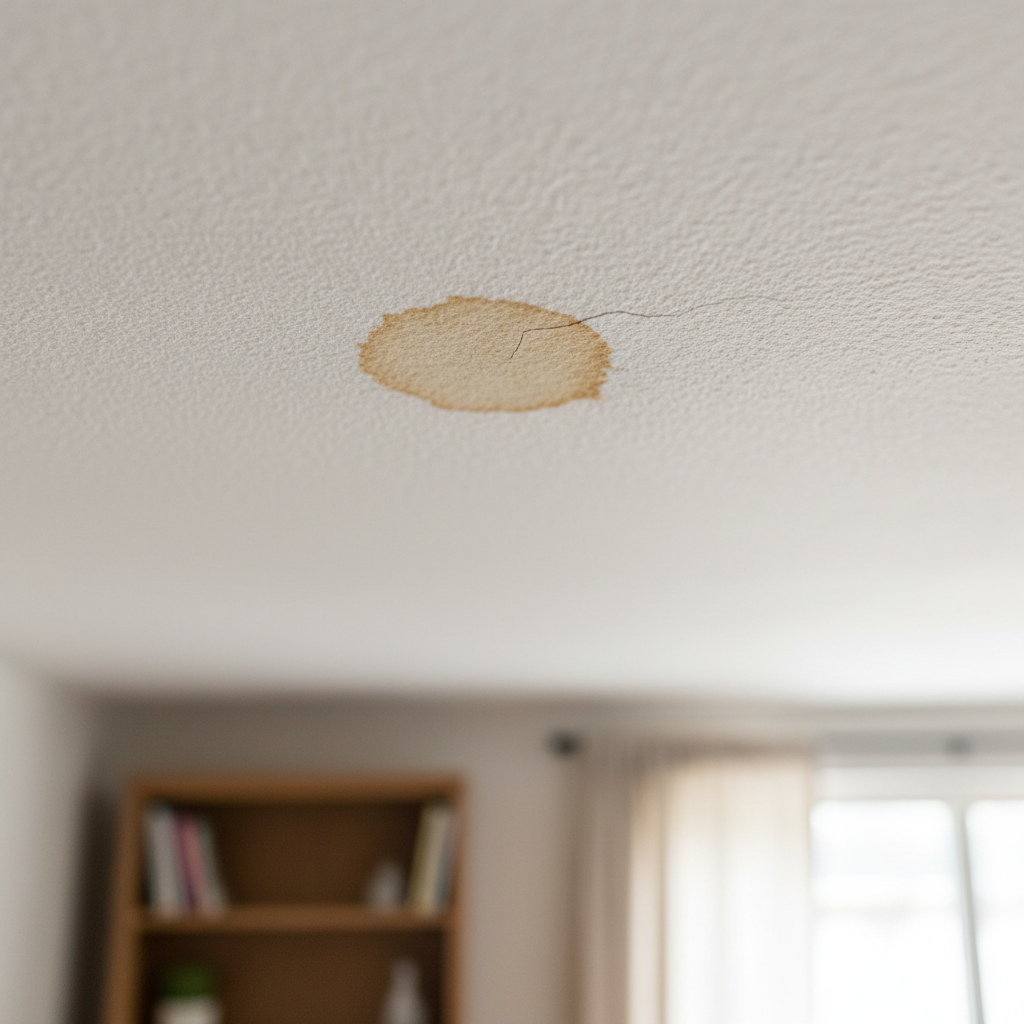
- A residential roof is an integrated system of layers designed to shed water and protect the structure below.
- The goal of this process is to definitively locate the source of the leak for repair.
- Costs are estimates and can vary by region and the complexity of the job.
- While finding and fixing a small leak can be a DIY task, certain situations warrant immediate professional help.
Plumbing · Leak
| Project category | Plumbing |
|---|---|
| Problem type | Leak |
| Trade required | Plumbing |
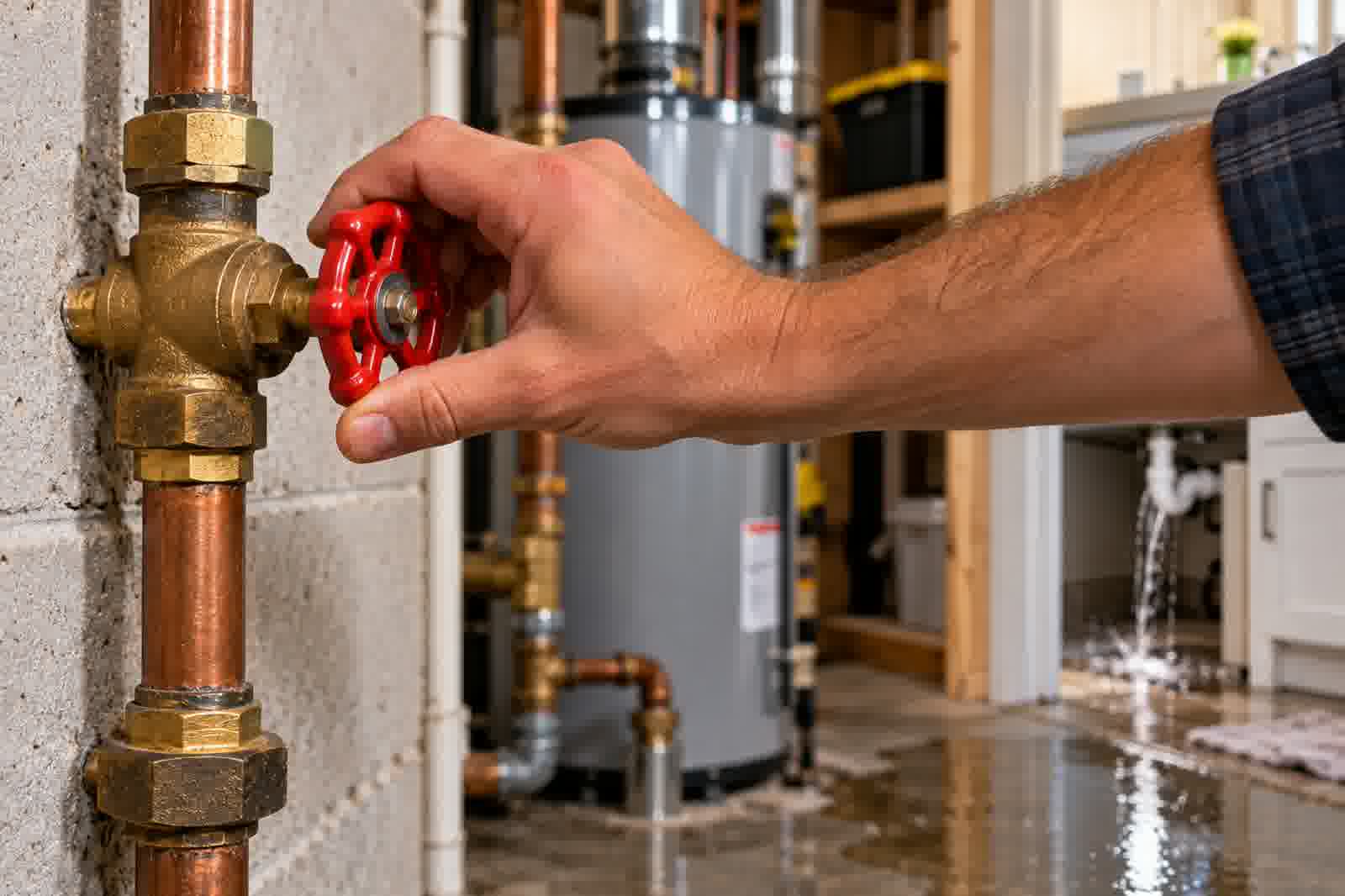
| Urgency | Emergency — act now |
| Safety risk | High safety risk |
| DIY suitability | DIY for experienced homeowners |
| Cost category | Low cost |
| Typical timeline | Shut water off now; repair usually same or next day |
| Contractor type | Licensed plumber |
Repair option
Isolate at the shutoff, replace the failed component, and dry the cavity fully.
Replacement option
Repipe the run or the branch when corrosion is widespread.
Common causes
- Failed supply line or shutoff valve
- Worn washers, cartridges, or P-trap connections
- Pinhole corrosion in older copper
Relevant tools:emergency checklistdiy or hire a pro
Published April 26, 2026Last updated August 17, 2026
Tools & materials you'll need
Affiliate links- AmazonN95 Mask1 · If inspecting for mold in attic
- AmazonCrayon or Marker1 · For marking leak spots
- AmazonPlastic Sheeting/Tarp1 roll/sheet · For temporary patch
- AmazonRoofing Cement/Sealant1 tube · Emergency patch, trowel-grade
- AmazonPlywood sheetsOptional, for creating a safe walking surface in attic
As an Amazon Associate FixlyGuide earns from qualifying purchases — at no extra cost to you. Prices and availability are accurate as of publication and subject to change.
How it works
A residential roof is an integrated system of layers designed to shed water and protect the structure below. The outermost layer—typically asphalt shingles, clay tiles, or metal panels—serves as the primary water-shedding surface. Beneath this lies a critical secondary barrier called underlayment, usually a synthetic fabric or asphalt-saturated felt, which catches any water that bypasses the primary roofing. Both layers are fastened to the roof deck, a structural sheathing of plywood or oriented strand board (OSB) that sits atop the roof's framing (rafters and trusses).
Leaks almost never occur in the open field of an intact roof. Instead, they originate at points of penetration or transition. These vulnerabilities include flashing (metal strips that seal joints around chimneys, skylights, and dormers), plumbing vent pipe boots, attic vents, and valleys where two roof planes meet. Over time, UV exposure, temperature cycles, and physical damage can degrade sealant, crack the flexible collars on vent boots, or dislodge flashing. Once a seal is broken, water infiltrates the system. Gravity directs it downward, but it rarely drips straight through. More often, water clings to the underside of the roof deck or a rafter, traveling sideways for many feet before it finds a seam in the sheathing or a low point to accumulate and finally soak through the attic insulation and drywall ceiling below. This is why an interior stain is often far from the exterior entry point.
Step-by-Step Fix
The goal of this process is to definitively locate the source of the leak for repair. Always prioritize safety when working at height or in an attic.
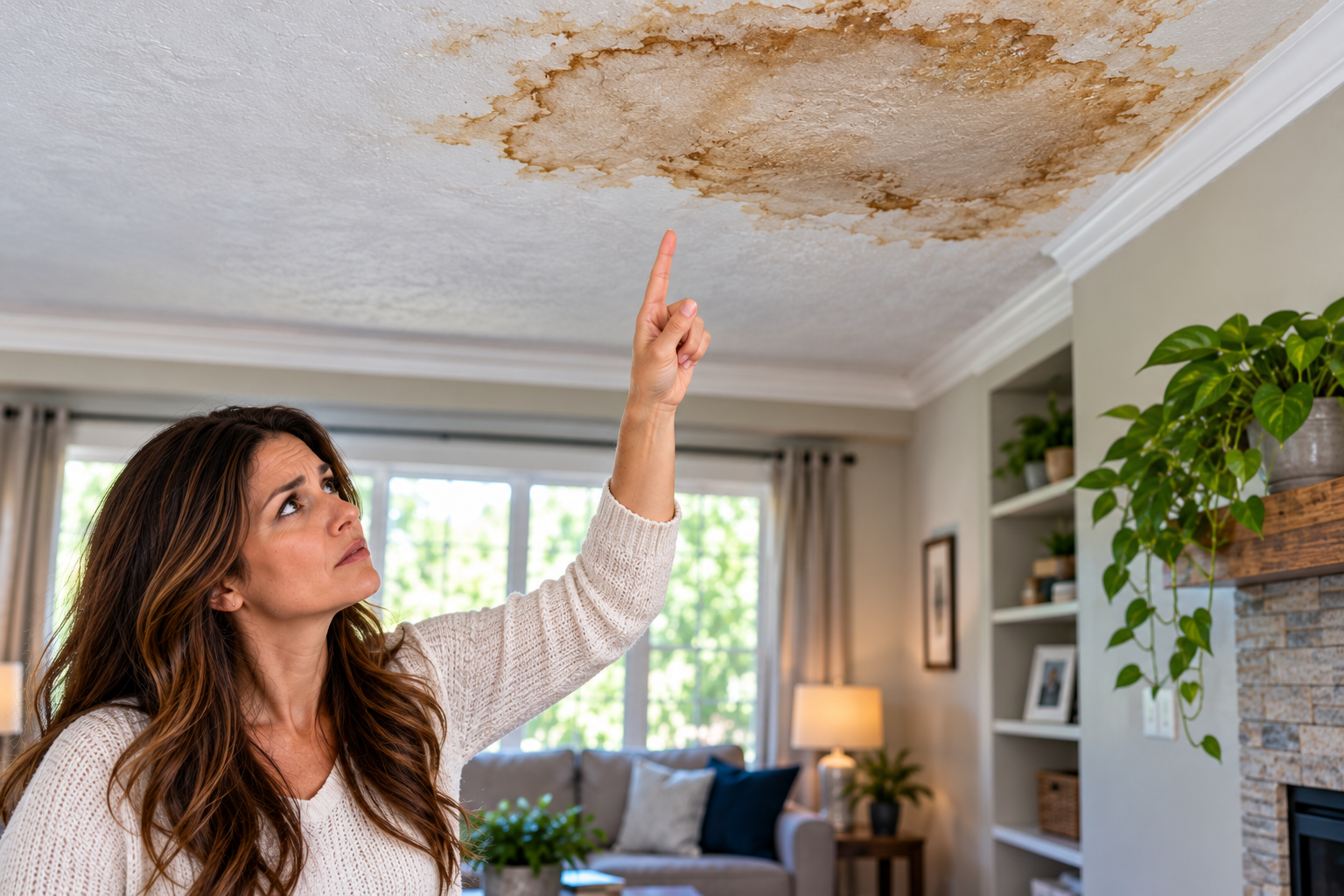
1. Pinpoint the Interior Water Damage — Start inside the house at the most obvious sign of a leak. Look for discolored stains (often yellowish or brown), peeling or bubbling paint, or sagging drywall on ceilings and walls. Use a pencil to lightly circle the perimeter of the stain.
- Tools: Step ladder, flashlight, pencil.
- If this doesn't work: If there's no visible stain but you smell a musty odor, the leak may be contained within a wall cavity or undeveloped attic space. Proceed to the attic inspection as your primary starting point.
2. Measure and Triangulate From the Interior — Use a tape measure to record the distance from the center of the interior stain to two separate, permanent perpendicular walls (e.g., "10 feet 4 inches from the north wall, 6 feet 2 inches from the east wall"). Write these measurements down. This data will be crucial for locating the corresponding area in the attic and on the roof.
- Tools: Tape measure, notepad.
- Safety Note: This step establishes a precise search area, preventing you from wasting time and reducing unnecessary movement in potentially hazardous attic spaces.
3. Inspect the Attic Above the Stain — Access your attic and navigate to the area directly above the interior damage you measured. Look for dark water stains on the underside of the roof deck, rafters, or trusses. Check for damp, compressed, or moldy insulation. The highest point of visible water damage on the wood framing is your best clue to the entry point.
- Tools: Bright flashlight or headlamp, N95 respirator mask, safety glasses, old clothes.
- If this doesn't work: If you find a stain in the attic, but it's not wet, mark the spot and wait for the next rain to confirm it's an active leak. If the attic is inaccessible or you see no signs, proceed to exterior inspection methods.
4. Clear Insulation to Expose the Decking — If you locate damp insulation but can't see the roof deck, carefully move the insulation aside. Wear gloves and a mask, as insulation fibers can be irritants. This will expose the sheathing and allow you to see the exact point where water is dripping through or staining the wood. Follow the water trail "uphill" along the sheathing or rafter to find the entry point.
- Tools: Work gloves, N95 mask.
- Safety Note: Be cautious of nails protruding through the underside of the roof decking. Move slowly and deliberately.
5. Conduct a Visual Exterior Inspection from the Ground — Before getting on a ladder, walk the perimeter of your home and inspect the roof from the ground with binoculars. Look for obvious problems like missing or curled shingles, damaged flashing around the chimney, or debris accumulation in roof valleys. Pay special attention to the roof plane directly above where you suspect the leak.
- Tools: Binoculars.
- This will help you: Identify large-scale, obvious problems and plan your on-roof inspection, minimizing time spent at height.
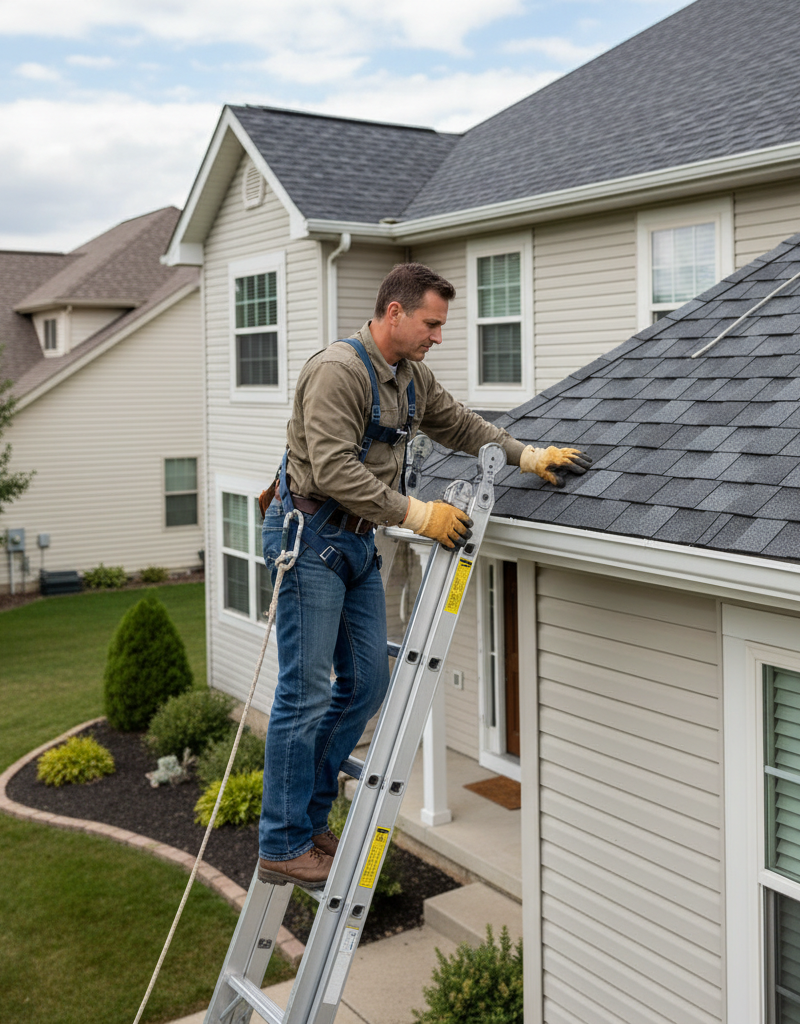
6. Inspect Roof Penetrations and Flashing — If you are comfortable and it is safe to do so, use a properly secured ladder to access the roof. The majority of leaks originate within 1-2 feet of a roof penetration. Closely examine plumbing vent boots (check for cracked rubber or exposed, rusted fasteners), attic vents, skylight seals, and chimney flashing. Look for cracked sealant, gaps in the flashing, or popped nails.
- Tools: Sturdy extension ladder with a stabilizer, fall protection harness and rope.
- Safety Note: Never work on a wet, icy, or excessively windy roof. For pitches steeper than 6/12 (a 6-inch rise for every 12 inches of run), it is strongly recommended to hire a professional.
7. Perform a Controlled Water Test — This is the most reliable method for finding a stubborn leak. You will need a helper inside the attic or house. Use a garden hose to soak a small, targeted area of the roof, starting downslope from where you suspect the leak. Isolate small sections (e.g., just the downhill side of a vent pipe).
- Tools: Garden hose with a spray nozzle, helper with a cell phone.
- How to perform the test: Have your helper watch the suspected leak area inside. Run water on one section for 5-10 minutes. Do not use a high-pressure jet, as this can force water in where it would not normally go. If no drip appears, stop the water, move upslope a few feet, and repeat the process. When your helper shouts "drip!", you have found the entry point.
8. Mark the Exterior Leak Source — Once the water test reveals the entry point, mark the precise location on the roof. A piece of chalk is ideal. This ensures you or a professional can quickly find the spot again to perform the repair. Take clear photos of the marked area for your records.
- Tools: Chalk or a wax crayon.
- Pro Tip: Take a photo that shows the marked spot in relation to a larger landmark, like a vent or chimney, to make it easy to re-orient yourself later.
9. Apply a Temporary Patch if Necessary — If rain is in the forecast and a professional repair is not immediate, you must prevent further water intrusion. For a small area, a thick application of roofing cement over the identified hole can work temporarily. For larger issues, a heavy-duty poly tarp is the best solution. Lay the tarp so it extends from the roof peak down over the leak area, securing the top edge under a 2x4 board nailed or screwed to the roof. Weigh down the bottom and sides with additional boards or sandbags.
- Tools: Roofing cement, putty knife, utility knife, heavy-duty tarp, 2x4 lumber, exterior screws or roofing nails.
- Safety Note: This is a temporary measure to mitigate damage. A permanent repair should be scheduled as soon as possible. Never cover attic vents or plumbing stacks with a tarp.
Common mistakes
- Fixing Only the Interior Damage. Painting over a water stain without addressing the roof leak is a critical error. The water will continue to enter, leading to wood rot, saturated insulation, and dangerous mold growth hidden behind the fresh paint. Always fix the source first, then the symptom.
- Assuming the Leak Is Directly Above the Stain. Water often travels along rafters or the underside of the sheathing before dripping down. Beginning your search in the attic and tracing the water trail uphill from the interior stain is essential to finding the true entry point, which may be 10-15 feet away.
- Using the Wrong Sealant. Applying interior-grade silicone caulk or other generic sealants to a roof is a short-term fix at best. These products are not formulated to withstand UV radiation and extreme temperature fluctuations. Always use a high-quality polyurethane roofing cement or sealant specifically designed for exterior flashing and shingle repairs.
- Misidentifying Condensation as a Leak. In poorly ventilated attics, warm, moist air from the house can condense on cold surfaces like roofing nails or the underside of the roof deck, causing drips. If you only notice moisture during cold weather and find no clear exterior entry point, investigate your attic ventilation and bathroom exhaust fan ducting for potential condensation issues.
- Walking Improperly on the Roof. Walking carelessly on asphalt shingles, especially on a hot day when they are soft or a cold day when they are brittle, can cause cracking and granule loss, creating future leaks. If you must walk on the roof, tread lightly in the valleys and step on the lower portion of the shingles, directly above the shingle below it, where they are structurally supported.
Cost & time breakdown
Costs are estimates and can vary by region and the complexity of the job. DIY costs reflect materials only.
| Task | DIY Cost | Pro Cost | Time |
|---|---|---|---|
| Interior & Attic Inspection | $0 - $30 (for a good flashlight) | $150 - $400 (as part of a full roof inspection) | 1-2 hours |
| Water Test to Pinpoint Leak | $0 (using your own hose) | Included in diagnostic/repair fee | 1-3 hours |
| Minor Repair: Resealing a Vent Boot | $15 - $25 (roofing cement, new boot) | $175 - $350 | 1 hour |
| Minor Repair: Replacing 3-5 Shingles | $30 - $50 (shingles, cement, pry bar) | $200 - $400 | 2 hours |
| Temporary Tarping (10'x12' area) | $50 - $80 (tarp, lumber, fasteners) | $250 - $500 | 1-2 hours |
| Professional Leak Diagnosis & Report | N/A | $200 - $500 | 1-3 hours |
When to call a pro
While finding and fixing a small leak can be a DIY task, certain situations warrant immediate professional help. Call a licensed roofing contractor if you are uncomfortable with heights or working on a ladder. A roof with a steep pitch (generally anything over a 6/12 pitch) is significantly more dangerous and requires specialized safety equipment. If you conduct the step-by-step search and still cannot locate the source of the leak, a professional has the experience and tools to find it quickly.
Furthermore, if the leak is extensive, with multiple drip points or widespread water damage visible in the attic, the problem is likely beyond a simple patch. Signs of structural damage, such as a spongy or soft feeling when walking on the roof deck, indicate rotted sheathing that must be replaced. Finally, if your roof is made of specialized materials like slate, clay tile, or standing seam metal, repairs require specific tools and expertise to avoid causing more damage. In these cases, attempting a DIY fix is likely to be ineffective and could void your roof's warranty.
Prevention & maintenance
- Perform Biannual Inspections. At least twice a year (spring and fall), use binoculars from the ground or a securely placed ladder at the eave to visually inspect your roof. Look for missing, cracked, or curling shingles; damaged flashing; and exposed nail heads.
- Keep Gutters and Downspouts Clean. Clogged gutters cause water to back up and flow underneath the edge of your roofing material. This can rot the fascia board and roof sheathing. Clean your gutters at least twice a year, especially after trees have shed their leaves.
- Inspect Sealants Around Penetrations. Annually check the sealant around vent pipes, skylights, and chimneys. If the sealant is cracked, brittle, or pulling away, carefully scrape out the old material and apply a fresh bead of high-quality roofing sealant.
- Trim Overhanging Tree Limbs. Branches rubbing against the roof can scrape off the protective granules on shingles, while falling limbs can cause direct physical damage. Keep branches trimmed back at least six feet from your roof surface.
- Monitor for Ice Dams in Winter. In cold climates, heat escaping from the attic can melt snow on the roof, which then refreezes at the colder eaves, forming an ice dam. This dam blocks proper drainage and forces water up under the shingles. Ensure your attic is well-insulated and properly ventilated to keep the roof deck cold.
Related Articles
Keep troubleshooting with these hand-picked guides from FixlyGuide:
- The #1 Overlooked Reason Your Chimney Leaks (It Rots Your Roof!) — Discover the surprising, o
Should you do this yourself?
Answer five quick questions before you start. Safety outranks savings every time.
Your experience with work like this
How high do you have to work?
Does the job involve any of these?
Will it need a permit?
Specialty tools
Free and instant. Educational guidance only — not a quote, inspection, or professional diagnosis.
Questions to ask before you sign
Ask every contractor the same questions and the cheapest bid stops looking cheapest. Check them off as you go — your progress is saved on this device.
Free, no signup. Bring this to every walkthrough so you compare bids on the same terms.
What should this project cost?
Enter your project details for a realistic cost range before you call anyone.
Common repairs run $150–$650; repipes and water-heater replacements reach $1,500–$4,500.
- Regional adjustment
- National average
- Labor share (typical)
- ~$754
- Quotes to collect
- 3 written estimates
Educational estimate based on national averages — not a binding quote. Always confirm with written local estimates.
Fixly Project Decision Box
- DIY difficulty
- Professional Recommended
- Estimated time
- Inspection 1–2 hours · repairs 1–3 days
- Cost level
- High
Main tools / materials
- Binoculars for a ground-level look
- Flashlight for attic checks
- Moisture meter
- Roofing cement (temporary patch only)
When to stop and call a pro
- Active leak near lights, fans, or any wiring
- Sagging, bulging, or water-filled ceiling
- Steep, wet, or two-story roof — do not climb it
- Storm or hail damage you plan to claim on insurance
Need professional help?
Free roof assessment first — no phone calls until you ask for them.
Get Local Roofing HelpGet help with your roof now
Stay off the roof. These free tools help you protect the house and reach the right professional fast.
- Emergency repair checklistThe first steps that limit damage before a pro arrives.Open
- Repair or replace your roof?Answer 10 questions about age, leaks, and damage to get a clear next step.Open
- Get local estimatesSend one request and compare written estimates from vetted pros.Open
Free, no signup required. Estimates are educational guidance, not a quote or an inspection.
Frequently asked questions
What are the earliest signs of a roof leak?+
The earliest signs include small, discolored stains on ceilings or walls, a persistent musty odor in the attic, or subtle warping of drywall. These often appear before visible drips or extensive water damage.
How can I find a hidden roof leak?+
To find a hidden leak, start by inspecting your attic with a powerful flashlight for water stains on the roof deck, rafters, or insulation. Check around roof penetrations (vents, chimneys, skylights) from both inside and outside. You can also carefully use a garden hose to simulate rain, observing for drips from the interior.
How much does it cost to fix a small roof leak?+
A small, straightforward roof leak repair, such as replacing a few shingles or resealing flashing, might cost $150–$500 if done by a professional. DIY costs are typically under $100 for materials. However, if the leak has caused secondary damage like rotten decking or mold, costs can quickly rise to thousands.
When should I call a professional for a roof leak?+
Call a professional immediately if you suspect structural damage, see extensive mold growth, if the leak is near electrical wiring, or if you are uncomfortable working on your roof, especially on steep pitches or at significant heights. They can safely diagnose and repair complex issues.
Discussion
Loading comments…