- Detergent and Fabric Softener Buildup: This is the big one, no contest. Residue clogs dispensers, coats parts inside the machine, and feeds mold and mildew, which leads straight to odors and lousy cleaning.
- Lint and Debris Accumulation: Socks, coins, pet hair, lint—they all sneak past the drum and into the drain pump filter, where they cause blockages, slow draining, and possible pump damage.
- Mold and Mildew Growth: Front-loaders are especially guilty here. Constant dampness in the door gasket makes a perfect home for mold, and that means foul smells and sometimes allergy issues.
- Hard Water Deposits: Minerals in hard water can build up on heating elements, hoses, and drum surfaces. That drags down efficiency and can wipe out parts sooner than you'd like.
- Overloading: Pack the machine too full and you're stressing the motor, suspension, and bearings. That leads to wear, tear, and loads that never balance right.
General remodeling · Renovation planning
| Project category | General remodeling |
|---|---|
| Problem type | Renovation planning |
| Trade required | General contracting |
| Urgency | Planned project |
| Safety risk | Low safety risk |
| DIY suitability | Pro recommended |
| Cost category | Major investment |
| Typical timeline | Design and permitting often 2–4 months before work starts |
| Contractor type | General contractor |
Repair option
Phase the work and fix the building envelope first.
Replacement option
Full renovation with permits, design, and a general contractor.
Common causes
- Space no longer fits how the household lives
- Resale preparation
- Deferred maintenance stacking up
Relevant tools:project cost estimatorcompare quoteshome improvement material prices
Published August 17, 2026Last updated August 17, 2026
Tools & materials you'll need
Affiliate linksAs an Amazon Associate FixlyGuide earns from qualifying purchases — at no extra cost to you. Prices and availability are accurate as of publication and subject to change.
Quick Answer
Look, nobody wants to buy a new washing machine, right? They're expensive, heavy, and a royal pain to swap out. The trick to keeping yours running for years—maybe even another decade—isn't some fancy gadget or secret sauce. It's plain, boring maintenance. Keep that gasket clean, clear out the detergent drawer, and run a hot cleaning cycle every few months. Do that, and you'll dodge most of the headaches I see in the field, which means less money bleeding out of your pocket and a whole lot less aggravation.
The Problem
Alright, let's talk washing machines. They're workhorses, no question. You toss in a load, hit a button, and expect clean clothes. Simple. But here's the rub: they're constantly dealing with dirty water, soap scum, lint, and all kinds of fabric junk. That stuff doesn't just vanish. It settles into the little places nobody looks at—the dispenser, the door seal, the drain pump filter. Then what? Funky smells. Clothes that don't feel clean. Slow draining. Leaks. And sooner or later, a breakdown.
I've seen it a pile of times. Homeowners call me because the machine's rattling like a shopping cart or won't drain at all, and nine times out of ten, it's something basic that could've been prevented with 15 minutes of care a few times a year. I pulled a washer in Frisco last month that had exactly this leak-and-stink combo. Nothing exotic. Just a clogged filter, a filthy gasket, and a homeowner who figured the machine would somehow take care of itself. It won't. It's like driving a truck and never changing the oil—sooner or later, that thing's toast.
How It Works
To see why maintenance matters, you've got to know what the washer's actually doing. You load your clothes and hit "start," then water comes in, usually through the detergent dispenser. That dispenser might be a simple tray or a fancier setup for liquid, powder, and fabric softener. If it gets gummed up, detergent won't make it where it needs to go, or it'll overflow and make a mess.
Then the water mixes with detergent and clothes, and the agitator (on top-loaders) or the drum (on front-loaders) starts moving everything around. That's the cleaning action. After that, the water drains out, usually through a drain pump filter before it gets pushed out the drain hose. That filter catches lint, stray coins, socks—you name it. If it plugs up, the machine can't drain, and now you're either dealing with a flooded laundry room or a washer sitting there full of dirty water like it's on strike.
During the spin cycle, the drum can ramp up to hundreds to over a thousand revolutions per minute (RPMs) on some modern machines. That high-speed spin is what squeezes the water out, and it puts the motor and drive system to work. On front-loaders, the door gasket keeps all that water inside. On top-loaders, it's the tub seal doing the job. Front-loader gaskets are especially nasty because they stay damp and have all those folds and creases—perfect little hideouts for mold and mildew. That sour, musty smell? Yeah, that usually ends up on your clothes too.
The electronics control the cycles, water levels, and spin speeds. If something messes with water flow, draining, or throws the machine out of balance—an uneven load, worn suspension, that sort of thing—it puts extra stress on the whole setup. One bad spot leads to another. That's how these machines get worn out before their time.
Step-by-Step Fix
Here’s how I keep a washer running clean, smooth, and smelling decent. It ain't rocket science, but you do have to stay on it.
-
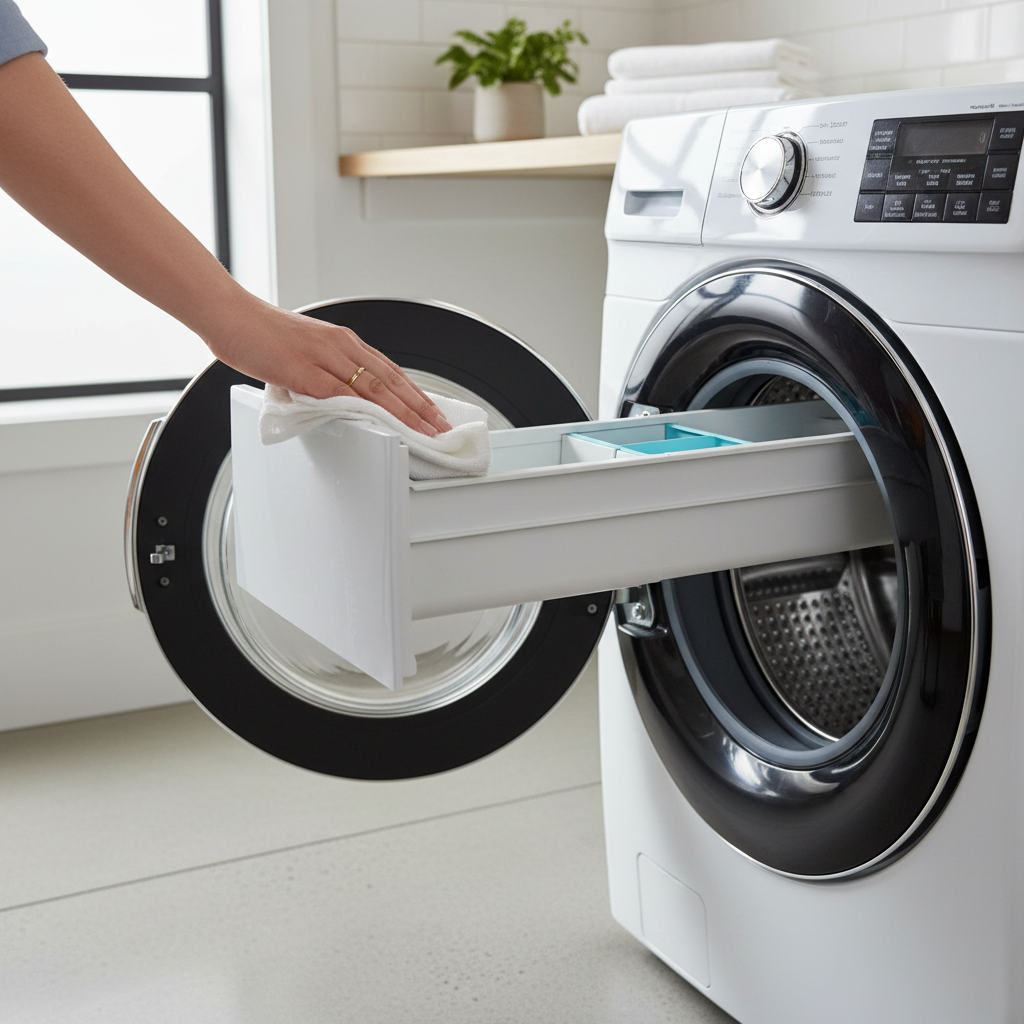
Clean the Detergent Dispenser — Scrub out the gunk. Most dispensers pop right out. Pull it free and scrub it with an old toothbrush and hot, soapy water. Rinse it good. If it's built in, use a damp cloth and that toothbrush to work the corners and little channels. Don't let old detergent crust up in there; it'll clog the flow and can leave residue on your clothes. I tell folks to do this at least once a month, especially if they're using liquid detergent or fabric softener a lot.
-
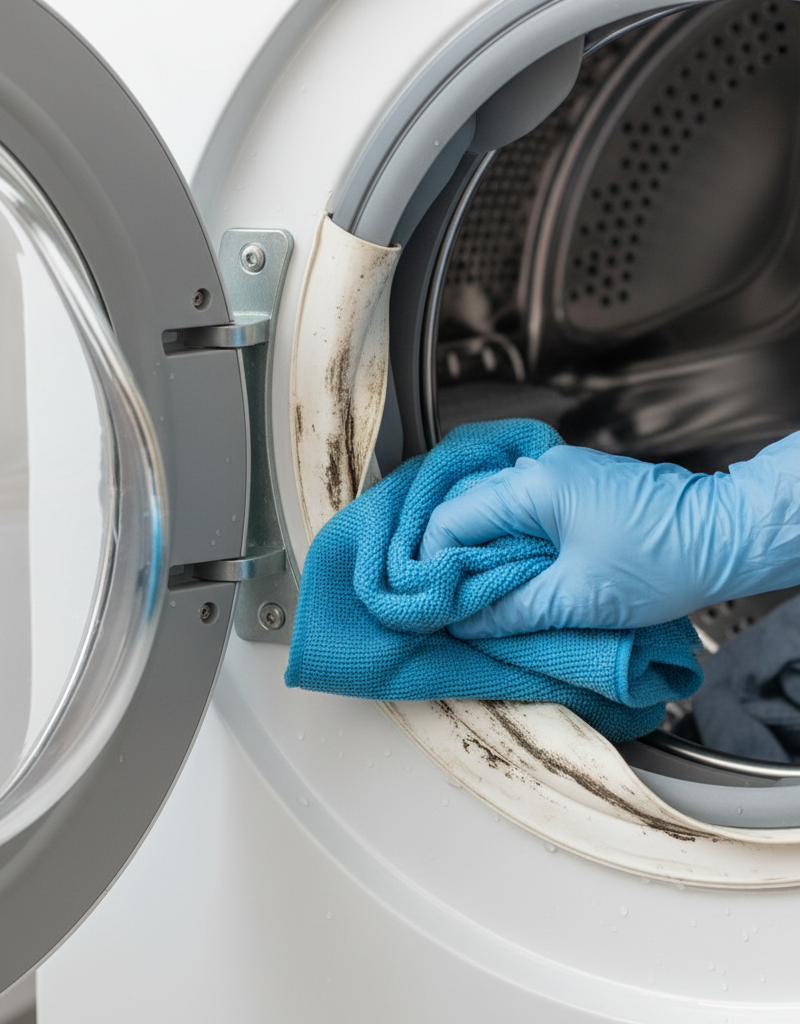
Wipe Down the Door Gasket (Front-Loaders) — Eliminate mold and mildew. This is a big one for smell. Pull back the rubber seal around the door opening. Odds are you'll find black mold, lint, and maybe a missing sock or two hiding in there. Use a cloth dampened with a 1:1 solution of white vinegar and water, or a mildew cleaner, and wipe the whole thing down. Get into every fold. Leave the door cracked open after each wash so the gasket can dry out. That little habit can save you a ton of stink and mold trouble. I once opened a front-loader in suburban Marietta, Georgia, and that gasket looked like a swamp had moved in—black, slimy, and probably holding half a pound of lint. The homeowner about swore off front-loaders on the spot until I showed her this trick.
-
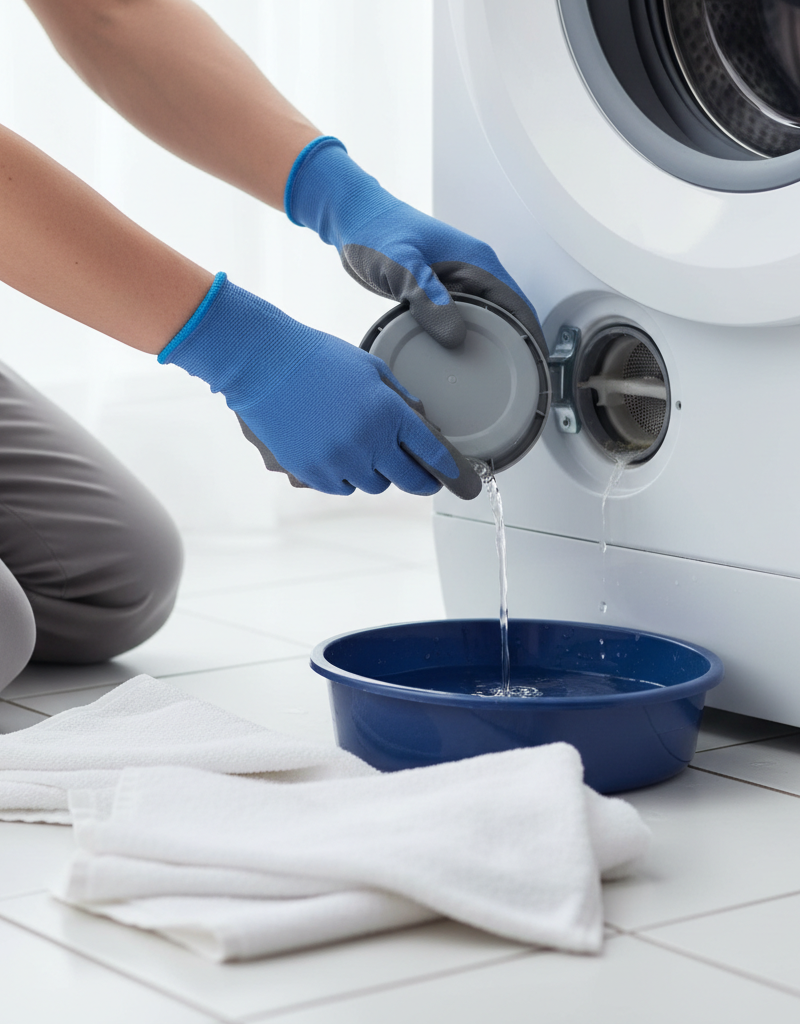
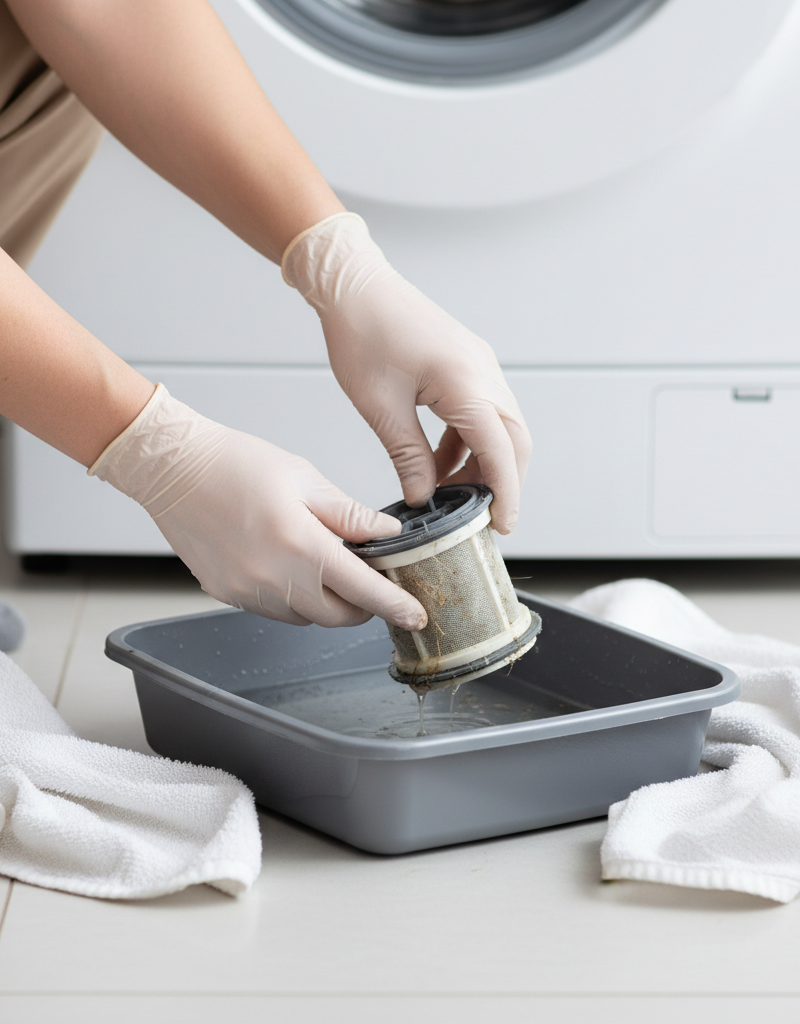
Clean the Drain Pump Filter — Unclog the lint trap. This is the unsung hero of the whole machine. Check your owner's manual for the exact location, but it's usually behind a small panel at the bottom front. Have a shallow pan and some towels ready, because water's coming out. Unscrew or unlatch the cap, pull the filter, and clear out lint, coins, buttons, and whatever else got in there. Rinse it under running water. It's a little gross, sure, but it matters. Put it back tight. Do this every 3-6 months, or sooner if the washer starts draining slow or throwing error codes. You'd be amazed what I've found stuffed in those things: hairpins, pet hair, even half-chewed dog toys.
-
Run a Tub Clean Cycle — Deep clean the drum. A lot of newer machines have a "Tub Clean" or "Self-Clean" cycle. If yours does, use it. Follow the maker's instructions, which usually means tossing in a washing machine cleaner like Affresh or Lemi Shine, or a cup of white vinegar or bleach. No dedicated cycle? Then run the hottest empty cycle you've got with one of those cleaners. That flushes out soap scum, mineral buildup, and the bacteria that make the machine stink. I like seeing this done once a month or every 30-40 wash cycles.
-
Check Hoses and Connections — Prevent leaks and floods. Look over the water inlet hoses now and then for cracks, bulges, or drips. They wear out, especially the rubber ones. If yours are older than 5 years, I'd swap them for stainless steel braided hoses. They're just tougher. Make sure every connection is snug, but don't crank down on it and strip the threads. Check the drain hose too—no kinks, no clogs, and make sure it's seated right in the standpipe or laundry sink without leaking.
-
Level the Machine — Reduce vibrations and wear. A washer that's out of level can shake itself silly over time, and that beats up the bearings and other parts. Put a level on top of the machine, front-to-back and side-to-side. Turn the leveling feet up or down until it's steady and doesn't rock. Most feet have a lock nut; tighten that after you set it so the foot doesn't wander. If the machine's banging or walking across the floor during spin, this is usually where I'd start.
-
Clean the Exterior — Keep it presentable and functional. Wipe the outside with a soft, damp cloth and a mild cleaner. Don't forget the control panel—grime loves to build up around buttons and dials. Skip the abrasive stuff and harsh chemicals; they'll mess up the finish or the electronics. A clean washer usually tells me somebody's paying attention.
-
Use the Right Detergent and Amount — Don't overdo it. Too much detergent is a classic mistake, especially in high-efficiency (HE) machines. Those machines use less water, so they need less soap. If you dump in too much, you get excess suds, residue on clothes, buildup inside the machine, and sometimes even foam-related error codes. Read the label and measure it. That's a small habit, but it cuts down on scum and helps the machine last.
Common Causes
- Detergent and Fabric Softener Buildup: This is the big one, no contest. Residue clogs dispensers, coats parts inside the machine, and feeds mold and mildew, which leads straight to odors and lousy cleaning.
- Lint and Debris Accumulation: Socks, coins, pet hair, lint—they all sneak past the drum and into the drain pump filter, where they cause blockages, slow draining, and possible pump damage.
- Mold and Mildew Growth: Front-loaders are especially guilty here. Constant dampness in the door gasket makes a perfect home for mold, and that means foul smells and sometimes allergy issues.
- Hard Water Deposits: Minerals in hard water can build up on heating elements, hoses, and drum surfaces. That drags down efficiency and can wipe out parts sooner than you'd like.
- Overloading: Pack the machine too full and you're stressing the motor, suspension, and bearings. That leads to wear, tear, and loads that never balance right.
- Incorrect Detergent Usage: Use regular detergent in an HE machine, or just use too much in general, and you'll get too many suds. Those are hard to rinse away and leave residue behind.
Common Mistakes
- Ignoring the Door Gasket: A lot of homeowners just slam the door shut and forget the rubber seal exists. That's where the worst mold hangs out. Clean it and let it breathe.
- Never Cleaning the Filter: That little panel down low isn't decoration. It's covering a filter packed with crud that can choke the draining system if you ignore it. Hit it a few times a year.
- Overdosing on Detergent: More suds don't mean cleaner clothes, especially with HE machines. You're just asking for residue on clothes and gunk inside the washer. Measure it out.
- Leaving the Door Closed: After a wash, crack the door open a bit—and the detergent drawer too—for a few hours. Let the drum and gasket dry out, or mildew's going to keep showing up.
- Not Leveling the Machine: A wobbly washer isn't just annoying; it's beating up the guts inside. Five minutes with a level can save you a headache.
- Using Old, Brittle Hoses: Rubber inlet hoses don't live forever. Swap them out ahead of time with braided stainless steel hoses every 5 years or so and you can avoid a nasty flood.
Cost & Time Breakdown
| Task | DIY Cost | Pro Cost (Estimate) | Time |
|---|---|---|---|
| Clean Detergent Dispenser | $0 (supplies you have) | N/A | 5 minutes |
| Wipe Door Gasket | $2 (vinegar/cleaner) | N/A | 5-10 minutes |
| Clean Drain Pump Filter | $0 | $100-$200 | 15-30 minutes |
| Run Tub Clean Cycle | $5-$15 (cleaner) | N/A | 1-2 hours |
| Inspect/Replace Hoses | $15-$40 (per hose) | $150-$300 | 15-30 minutes |
| Level Machine | $0 | $75-$150 | 10 minutes |
Tips & Prevention
- Always leave the door slightly ajar after a wash cycle, especially with front-loaders, so the drum and gasket can dry out and you don't end up fighting mold and odors. Same idea for the detergent drawer—pull it out a bit.
- Use HE detergent only in high-efficiency washing machines. Regular detergent makes too many suds, which leads to residue and machine problems. Less really is more with these units.
- Check pockets before every wash. Coins, keys, and little odds and ends love ending up in the drain pump filter, where they cause blockages and can damage the pump. Trust me, I
Related Articles
Keep troubleshooting with these hand-picked guides from FixlyGuide:
- The #1 Washing Machine Killer (and 5 Ways to Stop It) — Extend your washing machine's life and prevent costly breakdowns with these essential maintenance tips, focusing on the most common cause o…
- The #1 Washing Machine Killer (It's Not Overloading!) — And How to Prevent It — Discover the surprising culprit behind premature washing machine failure and learn simple, actionable steps to extend its lifespan and keep…
- That Funky Smell in Your Washing Machine — Tired of your washing machine making your 'clean' clothes smell musty? We'll show you how often you should actually deep clean your washi…
- The 7 Critical Home Inspection Checks Most Homeowners Miss (And How to Spot Them) — Discover the crucial annual home inspection checks often overlooked by homeowners, and learn how to identify potential issues before they b…
- The 7 Critical Spring Home Maintenance Tasks Most Homeowners Forget — Prepare your home for warmer weather and prevent costly repairs with a comprehensive spring maintenance checklist that goes beyond surface-…
- The 5-Minute Trick That Halves Your Spring Yard Work (and Most Homeowners Miss It) — Discover how a simple, often-overlooked winterizing step can drastically reduce your spring yard preparation efforts and costs.
Your seasonal maintenance checklist
The small jobs that prevent the expensive repairs. Tick them off — progress saves on this device.
Free, no signup. Skip anything that requires roof access or working near live electrical.
What should this project cost?
Enter your project details for a realistic cost range before you call anyone.
Common repairs run $150–$650; repipes and water-heater replacements reach $1,500–$4,500.
- Regional adjustment
- National average
- Labor share (typical)
- ~$754
- Quotes to collect
- 3 written estimates
Educational estimate based on national averages — not a binding quote. Always confirm with written local estimates.
Fixly Project Decision Box
- DIY difficulty
- Moderate
- Estimated time
- 30 minutes – half a day
- Cost level
- Moderate
Main tools / materials
- Adjustable wrench
- Plunger or drain auger
- Bucket and towels
- Thread tape
When to stop and call a pro
- Water you cannot shut off at the fixture or main
- Sewage backing up into more than one fixture
- Water near electrical panels or outlets
- Gas water heater work beyond relighting a pilot
Need professional help?
Get a Licensed PlumberStay ahead of the next repair
Turn this guide into a schedule you will actually follow.
- Is this a safe DIY job?Check permits, tools, and risk before you start the steps below.Open
- Estimate this projectGet a cost range for your scope and ZIP before you call anyone.Open
Free, no signup required. Estimates are educational guidance, not a quote or an inspection.
Get the print-ready PDF of this guide
A clean, ad-free, printable version you can keep on your phone or pin to the workshop wall. Free with a FixlyGuide account.
- Print-optimized layout
- Tools, materials & every step included
- Saved to your account
Recommended for DIYers & woodworkers
Sponsored
The Top 20 Tools for Workshops of Any Budget
No stationary machines or power tools required — plus 3 fundamental tools that can't be bought at any price.
Get the free guide
Ted's Woodworking — The #1 Woodworking Resource
Detailed instructions, dimensioned drawings, materials & cutting lists, and 3D schematics for every skill level.
See the plansSponsored: links above are affiliate links. FixlyGuide may earn a commission on qualifying purchases — at no extra cost to you.
Frequently asked questions
How often should I clean my washing machine?+
You should wipe down the door gasket and clean the detergent dispenser after every few washes. A deep tub clean cycle should be run monthly, and the drain pump filter should be checked every 3-6 months, or if you notice drainage issues.
Why does my front-load washer smell bad?+
Most often, a bad smell in a front-load washer is due to mold and mildew buildup in the rubber door gasket. This area stays damp and is a prime breeding ground for odor-causing bacteria. Always leave the door ajar after use.
Can I use bleach to clean my washing machine?+
Yes, for a deep clean, you can use a cup of bleach during an empty, hot water cycle, or during a dedicated 'Tub Clean' cycle. However, ensure no colored garments are left in the machine as bleach can damage them.
What is the drain pump filter and where is it?+
The drain pump filter catches lint, coins, and small items before they can clog the drain pump. It's usually located behind a small access panel at the bottom front of your washing machine. Consult your manual for the exact spot.
How much detergent should I use?+
Always follow the detergent manufacturer's recommendations. For HE machines, less is generally more, as they use less water. Overdosing on detergent leads to excessive suds, residue, and potential machine issues.
When should I replace my washing machine hoses?+
It's a good practice to inspect rubber inlet hoses annually and replace them proactively every 3-5 years, especially if you see any bulges, cracks, or signs of wear. Upgrading to braided stainless steel hoses can offer more durability.
My washing machine vibrates excessively. What should I do?+
Excessive vibration is often caused by an unbalanced load or an unlevel machine. First, redistribute the clothes. If that doesn't help, check that the machine is perfectly level using a spirit level and adjust the leveling feet as necessary.
Is it okay to leave clothes in the washer overnight?+
Leaving wet clothes in the washer can lead to a musty smell in both the clothes and the machine itself, as it promotes mold and mildew growth. It's best to transfer them to the dryer or hang them promptly after the cycle finishes.
What kind of washing machine cleaner is best?+
Products like Affresh, Lemi Shine, or Glisten are popular and effective for washing machine cleaning. Alternatively, you can use a combination of white vinegar and baking soda or just white vinegar for a natural cleaning solution.
Does hard water affect my washing machine?+
Yes, hard water can lead to mineral deposits (limescale) building up inside your washing machine, which can reduce its efficiency, affect heating elements, and potentially shorten the lifespan of components. Regular cleaning cycles help combat this.
Discussion
Loading comments…