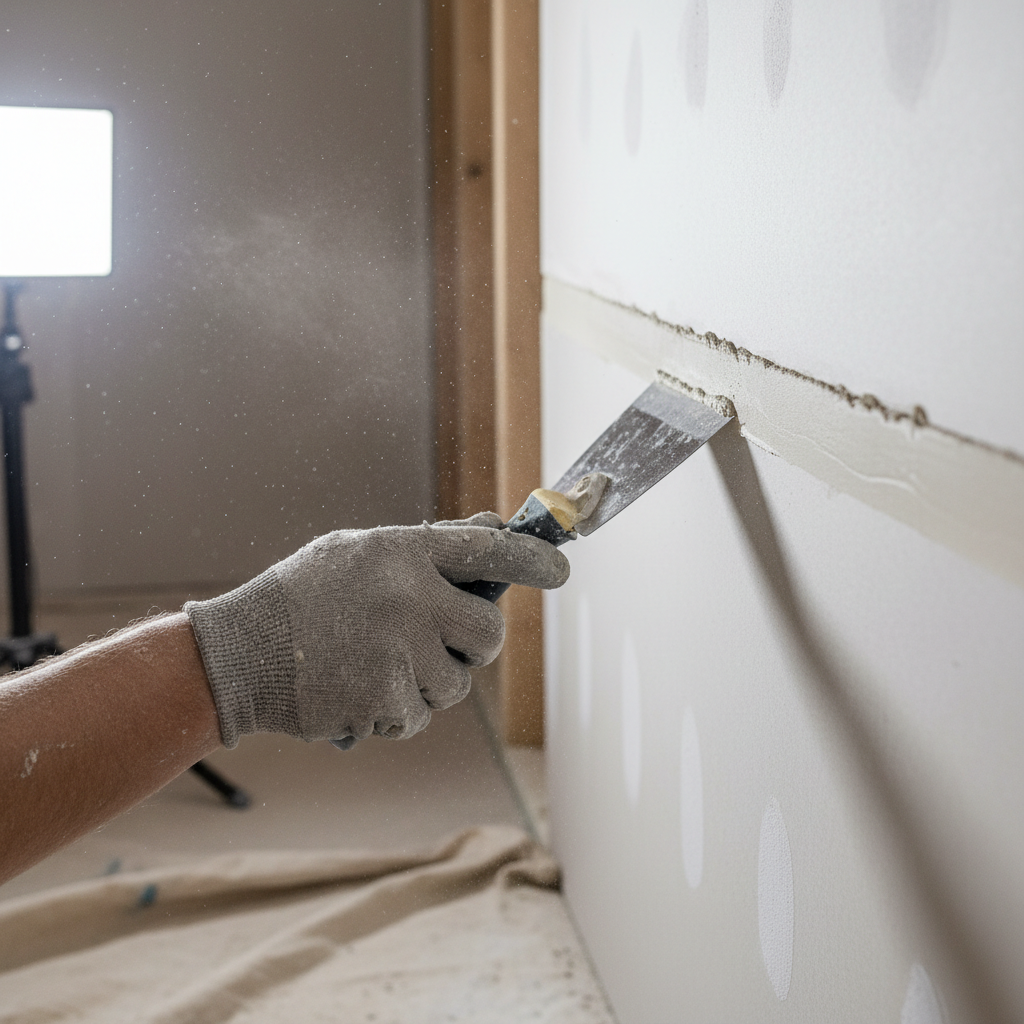
- Too Little Mud: The most common cause. insufficient mud under the tape creates air pockets, which inevitably become bubbles.
- Overly Dry Mud: Applying tape to a bed of mud that has already started to dry will prevent a proper bond.
- Dusty Surface: Applying tape and mud to a dusty drywall surface will compromise adhesion from the start.
- Wrong Compound: Using pre-mixed, air-drying compound with fiberglass mesh tape is a recipe for hairline cracks later.
- High Humidity: Trying to finish drywall in a damp, humid basement or bathroom can slow drying times and affect adhesion.
General remodeling · Renovation planning
| Project category | General remodeling |
|---|---|
| Problem type | Renovation planning |
| Trade required | General contracting |
| Urgency | Planned project |
| Safety risk | Low safety risk |
| DIY suitability | Pro recommended |
| Cost category | Major investment |
| Typical timeline | Design and permitting often 2–4 months before work starts |
| Contractor type | General contractor |
Repair option
Phase the work and fix the building envelope first.
Replacement option
Full renovation with permits, design, and a general contractor.
Common causes
- Space no longer fits how the household lives
- Resale preparation
- Deferred maintenance stacking up
Relevant tools:project cost estimatorcompare quoteshome improvement material prices
Published June 8, 2026Last updated August 17, 2026
Tools & materials you'll need
Affiliate links- Amazon120-grit Sandpaper
As an Amazon Associate FixlyGuide earns from qualifying purchases — at no extra cost to you. Prices and availability are accurate as of publication and subject to change.
Quick Answer
Drywall tape bubbles months after painting primarily due to a lack of proper adhesion between the tape and the wall, or the tape and the joint compound. This is often caused by insufficient compound under the tape, drying issues, or using the wrong type of compound for the tape. While paper tape is prone to bubbling if not perfectly applied, fiberglass mesh tape, when used with the correct setting-type compound, offers a much more robust and bubble-resistant solution.
The Problem
You meticulously patched, sanded, and painted a section of drywall. It looked perfect—a seamless, smooth surface you were proud of. But now, months later, unsightly bubbles and blisters have appeared along the tape lines. It’s a frustrating and common problem that can make a pristine paint job look amateurish. These bubbles are not just cosmetic; they represent a failure in the drywall finishing process. Left unaddressed, they can worsen, leading to more extensive cracking and peeling.
How It Works
Drywall finishing is a science of adhesion and layers. Joint compound (or "mud") isn't glue, but a filler that, when applied correctly, creates a monolithic surface with the tape and drywall.
-
Paper Tape: Traditional paper tape relies on a thin, uniform layer of all-purpose joint compound underneath it to create a bond. The paper absorbs some moisture from the mud, swelling slightly and then shrinking as it dries to create a tight seam. Bubbles form when there are dry spots or voids in this initial layer of mud. Air gets trapped, and with no adhesive mud to hold the tape to the drywall, a blister is born. Changes in temperature and humidity can cause the paper and the underlying drywall to expand and contract at different rates, making these weak spots fail and become visible.
-
Fiberglass Mesh Tape: Self-adhesive fiberglass mesh tape works differently. Its open-weave design allows the joint compound to pass directly through it, creating a much stronger mechanical bond with the drywall surface itself and the subsequent layers of mud. This is why it’s inherently more resistant to bubbling. However, it requires a setting-type compound (hot mud) for the initial application, as its adhesive is just for temporary positioning and isn't strong enough to prevent cracking with standard pre-mixed mud.
Step-by-Step Fix
This guide will walk you through a professional-grade repair for bubbling drywall tape, ensuring a permanent fix.
Safety First: Even for a seemingly simple drywall repair, it's important to use proper Personal Protective Equipment (PPE). Drywall dust can be a significant respiratory irritant. Always wear a dust mask (N95-rated is best), safety glasses, and gloves.
Step 1: Diagnose the Extent of the Bubbling
Press gently along the entire taped seam. Any section that feels soft, gives way, or makes a crinkling sound is a bubble, even if it’s not fully visible yet. Use a utility knife to lightly score the outline of all the bubbled areas you need to remove. This prevents you from accidentally tearing away well-adhered tape.
Step 2: Carefully Remove the Bubbled Tape
Using a sharp utility knife, cut out the bubbled sections of tape. Be precise. You only want to remove the failed tape, not create a wider problem. Once cut, the bad tape should peel off easily. If it resists, the bond is still good in that spot, and you can leave it.
Step 3: Scrape and Sand the Area
With the bubbled tape gone, use a 6-inch drywall knife to scrape away any loose paint, old mud, and paper residue. You want to get back to a solid, stable surface. After scraping, lightly sand the area and the surrounding painted surface with 120-grit sandpaper. This will feather the edges and create a rougher profile for the new compound to adhere to.
Step 4: Clean the Repair Area
Vacuum up all the dust from the repair area. Then, take a damp sponge and wipe the surface clean. This removes any fine dust that could interfere with adhesion. Let the area dry completely.
Step 5: Choose Your Weapon: Paper vs. Mesh
For a permanent, bubble-proof repair, we are using fiberglass mesh tape. It’s more forgiving for DIYers and provides a stronger bond. Cut a piece of mesh tape to the length of the channel you created.
Step 6: The First Coat - Setting-Type Compound
This is the most critical step. You MUST use a setting-type compound (hot mud) for the first coat with mesh tape. It provides the necessary strength to prevent cracks. Mix a small batch of 20-minute mud to a smooth, peanut-butter consistency. Apply the mesh tape over the seam, pressing it into place. Now, using your 6-inch knife, apply a thin, tight coat of the hot mud directly over the mesh, forcing it through the tape and into the seam. The goal is to fill the recess completely and just barely cover the tape.
Step 7: Scrape Off the Excess
Immediately after applying the mud, take your knife, hold it at a 45-degree angle, and firmly scrape off all the excess. Leave only what is necessary to fill the joint and the mesh. Let this coat set for the manufacturer-recommended time (e.g., 20-30 minutes for 20-minute mud). It will be hard, but not fully dry.
Step 8: The Second Coat - All-Purpose Compound
Once the hot mud has set, you can switch to a pre-mixed, all-purpose joint compound, which is easier to sand. Using a 10-inch or 12-inch drywall knife, apply a thin second coat, feathering it about 6-8 inches on either side of the seam. The wider knife helps you create a smooth, gradual transition.
Step 9: Skim and Smooth
As with the first coat, apply pressure and skim off the excess mud, leaving a very thin, smooth layer. The goal is to build up the surface gradually, not create a mound. Let this coat dry completely, typically for 24 hours.
Step 10: The Final Coat & Sanding
Apply one last, very thin skim coat to fill any minor imperfections. Feather it even wider. Once completely dry, it’s time for the final sanding. Use a 150-grit or 220-grit sanding sponge. Use light, circular motions. Your goal is a surface that is perfectly smooth to the touch. Run your hand over it; you shouldn’t be able to feel the edges of the repair.
Step 11: Prime and Paint
Wipe away all sanding dust with a damp cloth. Apply a coat of high-quality PVA (polyvinyl acetate) drywall primer. This seals the porous joint compound, preventing the paint from soaking in and creating a blotchy appearance ("flashing"). Once the primer is dry, apply two coats of your matching wall paint.
Common Causes
- Too Little Mud: The most common cause. insufficient mud under the tape creates air pockets, which inevitably become bubbles.
- Overly Dry Mud: Applying tape to a bed of mud that has already started to dry will prevent a proper bond.
- Dusty Surface: Applying tape and mud to a dusty drywall surface will compromise adhesion from the start.
- Wrong Compound: Using pre-mixed, air-drying compound with fiberglass mesh tape is a recipe for hairline cracks later.
- High Humidity: Trying to finish drywall in a damp, humid basement or bathroom can slow drying times and affect adhesion.
Common Mistakes
- Just Painting Over It: Painting over a bubble is a temporary fix at best. The bubble will always return.
- Using Glue: Never try to inject glue into a bubble. This creates a hard spot that will be impossible to sand smooth.
- Piling on the Mud: Applying thick coats of mud to speed up the process is counterproductive. Thick coats take longer to dry, are more prone to cracking, and create more sanding work.
- Sanding Too Aggressively: It's easy to sand through the top layer of paper on the drywall itself, creating a fuzzy texture that is difficult to smooth out.
Cost & Time Breakdown
This repair is very budget-friendly, with the main cost being your time.
| Item | Type | Quantity | Estimated Cost (DIY) |
|---|---|---|---|
| Fiberglass Mesh Tape | Material | 1 Roll | $5 - $8 |
| Setting-Type Compound | Material | 1 Small Bag | $10 - $15 |
| All-Purpose Compound | Material | 1 Quart | $5 - $10 |
| Drywall Knives (6" & 10") | Tool | 1 Set | $15 - $25 |
| Sanding Sponges | Tool | 1-2 sponges | $5 - $10 |
| Utility Knife | Tool | 1 | $5 - $10 |
| PVA Drywall Primer | Material | 1 Quart | $10 - $15 |
| Total | $55 - $93 |
Tips & Prevention
- "Butter" the Seam: When applying the initial bed of mud for paper tape, ensure you apply enough pressure to "butter" the seam, forcing mud out from the edges as you embed the tape. This confirms full coverage.
- Use the Right Tools: A 6-inch knife is for taping; 10-inch and 12-inch knives are for finishing coats. Using a wider knife for finishing is key to a flat, seamless result.
- Control Your Environment: If possible, run a dehumidifier in the room for 24 hours before and during the project to ensure optimal drying conditions.
- Cleanliness is Key: Keep your tools and mud pan clean. Dried bits of mud in your fresh mix will leave streaks and gouges in your finish.
When to Call a Professional
While repairing a single bubble is a manageable DIY project, consider calling a professional drywall contractor if:
- The bubbling is widespread throughout the house, indicating a systemic installation issue.
- The bubbles are accompanied by large cracks, which could be a sign of structural movement.
- The repair is on a high ceiling or in a difficult-to-reach area, where safety is a major concern.
- You simply don't have the time or patience for the multi-day process of mudding, drying, and sanding.
What should this project cost?
Enter your project details for a realistic cost range before you call anyone.
Interior rooms run $400–$1,200; whole-home exterior painting commonly $4,000–$12,000.
- Regional adjustment
- National average
- Labor share (typical)
- ~$2,003
- Quotes to collect
- 3 written estimates
Educational estimate based on national averages — not a binding quote. Always confirm with written local estimates.
Recommended for DIYers & woodworkers
Sponsored
The Top 20 Tools for Workshops of Any Budget
No stationary machines or power tools required — plus 3 fundamental tools that can't be bought at any price.
Get the free guide
Ted's Woodworking — The #1 Woodworking Resource
Detailed instructions, dimensioned drawings, materials & cutting lists, and 3D schematics for every skill level.
See the plansSponsored: links above are affiliate links. FixlyGuide may earn a commission on qualifying purchases — at no extra cost to you.
Frequently asked questions
Can I just paint over a drywall tape bubble?+
No. Painting over a bubble is only a temporary cosmetic fix. The underlying adhesion problem still exists, and the bubble will almost certainly reappear, often looking worse than before.
Is mesh drywall tape really better than paper tape?+
For preventing bubbles, yes. Fiberglass mesh tape allows joint compound to pass through it, creating a stronger mechanical bond with the drywall. However, it must be used with setting-type ('hot mud') compound for the first coat to prevent cracking. Paper tape is effective but less forgiving of application errors.
What happens if I use pre-mixed mud with fiberglass mesh tape?+
Pre-mixed, air-drying compound does not have the structural strength to prevent cracks when used with mesh tape. The tape's adhesive is only for positioning. Over time, hairline cracks will almost certainly develop along the edges of the tape.
How long do I really have to wait for the joint compound to dry?+
You must wait until it is completely dry. A thin coat in a low-humidity environment might dry in 12 hours, but 24 hours is the standard recommendation. Applying a new coat over semi-dry mud can trap moisture and lead to adhesion failure and bubbling.
Discussion
Loading comments…