- Dust and Debris: Without proper filtration, or if filters are dirty, dust, pet hair, lint, and other airborne particulates can enter the condensate pan, mix with water, and contribute to sludge formation inside the drain line.
- Infrequent Maintenance: Homeowners often overlook the drain line during routine AC maintenance. Without regular flushing, debris and organic matter are allowed to accumulate and solidify.
- Improper Installation or Pitch: If the drain line isn't installed with an adequate downward slope, water can sit and stagnate, accelerating the growth of biological contaminants and allowing particles to settle and build up more easily.
- Insect or Rodent Nests: While less common indoors, the exterior end of the drain line can sometimes be clogged by insects building nests or small rodents attempting to hide, especially if the opening is not protected by mesh.
Plumbing · Clog
| Project category | Plumbing |
|---|---|
| Problem type | Clog |
| Trade required | Plumbing |
| Urgency | Soon — within weeks |
| Safety risk | Low safety risk |
| DIY suitability | DIY friendly |
| Cost category | Low cost |
| Typical timeline | Same-day DIY attempt; pro visit within a day or two |
| Contractor type | Licensed plumber |
Repair option
Plunger, hand auger, or trap cleanout before chemicals.
Replacement option
Line replacement when clogs return in the same spot repeatedly.
Common causes
- Hair and soap buildup in the trap
- Grease cooling in the branch line
- Flushed wipes or foreign objects
Relevant tools:diy difficultydiy or hire a pro
Published May 21, 2026Last updated August 17, 2026
Tools & materials you'll need
Affiliate linksAs an Amazon Associate FixlyGuide earns from qualifying purchases — at no extra cost to you. Prices and availability are accurate as of publication and subject to change.
Quick Answer
A clogged AC drain line, often evidenced by water pooling around your indoor unit or reduced cooling, is usually due to an accumulation of algae, mold, and sludge. The fastest and most effective homeowner solution is a two-step process: first, physically clear any visible blockage at the drain pan opening and the exterior drainpipe exit, then flush the line with a diluted white vinegar solution or a commercial AC drain cleaner. This dissolves organic buildup and restores proper drainage, preventing potential water damage and system malfunctions.
The Problem
Imagine a hot summer day, your AC is running, but instead of cool air, you notice a puddle around your furnace or air handler, or worse, water stains on your ceiling. The most likely culprit is a clogged condensate drain line. This seemingly minor issue can quickly escalate, leading to significant water damage, mold growth, reduced cooling efficiency, and even a complete system shutdown. When the drain line — a simple PVC pipe designed to carry away condensation — gets blocked, the water has nowhere to go. It backs up into the condensate pan, overflows, and can damage electrical components, drywall, and flooring. In some cases, a safety float switch in the pan will detect the rising water and shut down your entire AC system to prevent damage, leaving you without air conditioning when you need it most. Understanding this common problem is the first step to a quick and effective DIY resolution.
How It Works
Your air conditioner doesn't just cool the air; it also dehumidifies it. As warm, humid air passes over the cold evaporator coils in your indoor AC unit (air handler or furnace), moisture in the air condenses, much like water droplets forming on a cold glass of ice water on a humid day. This condensed water, or condensate, drips into a sloped collection pan, known as the condensate drain pan, located directly beneath the evaporator coil. From this pan, the water is channeled into a PVC or copper drain line, which carries it, via gravity, out of your home. This exterior exit point is often a small pipe extending from an exterior wall, near your foundation, or sometimes routed into a plumbing drain.
The problem arises because the condensate, while mostly water, isn't sterile. It often contains microscopic airborne particles, dust, spores, and other organic matter. Over time, these particles, combined with the constant moisture and darkness within the drain line, create an ideal breeding ground for algae, mold, and mildew. This organic growth accumulates, forming a slimy, gelatinous sludge that eventually restricts and then completely blocks the narrow drain line. Once blocked, the water has no escape, leading to an overflowing pan and potential damage.
Step-by-Step Fix
Before you begin, always prioritize safety. Turn off the power to your entire HVAC system at the thermostat AND the electrical disconnect switch near your outdoor condenser unit to prevent accidental startup. This is crucial for any work involving your AC.
-
Locate the Condensate Pan and Drain Line – Find the indoor unit (air handler or furnace) where the evaporator coil is housed. Look for a shallow pan directly underneath the coils, usually made of plastic or metal. A PVC or copper pipe, typically 3/4-inch to 1-inch in diameter, will lead away from this pan. Follow this pipe.
- If you have a primary and secondary drain pan: Some systems have a secondary (emergency) drain pan underneath the primary. If water is in the secondary pan, it means the primary drain is severely blocked, or there's an issue with the primary pan itself.
-
Clear Visible Pan Buildup – If the condensate pan is full or overflowing, use a wet/dry shop vacuum to remove the standing water. Then, with a stiff brush or a damp cloth, clean any visible sludge, mold, or debris from the pan itself and the opening where the drain line connects. This initial clearing helps ensure the flushing solution can reach the blockage.
- Tools: Wet/dry shop vac, stiff brush or old rag.
-
Check the Vent Tee (If Present) – Many drain lines have a T-shaped vent or access port, usually with a cap, located somewhere along the pipe near the indoor unit. This vent helps prevent airlocks in the drain line. Remove the cap and visually inspect for blockages. Use a small brush or a pipe cleaner to clear any junk in this opening.
- If no vent tee: You might need to disconnect the drain line carefully at a union or gentle bend to access the interior.
-
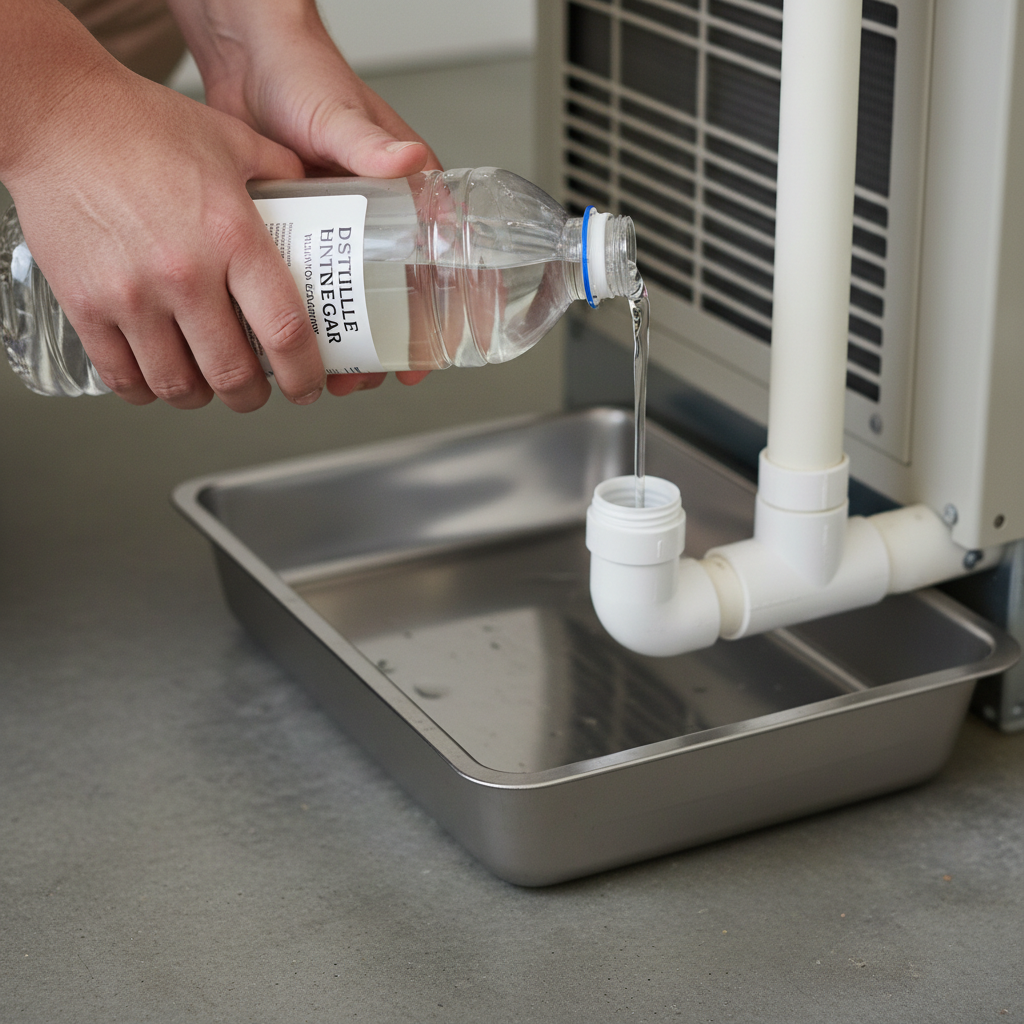
Flush the Drain Line with White Vinegar – Pour 1/4 to 1/2 cup of distilled white vinegar into the open vent tee (or directly into the drain line if no vent tee is present and you’ve disconnected it). White vinegar is an excellent natural biocide and will kill algae and mold. Let it sit for 30 minutes to an hour to allow it to work its magic.
- Safety: Wear eye protection and gloves. Avoid getting vinegar on electrical components.
- Alternative: You can use a commercial AC drain cleaner designed for this purpose, following product instructions carefully. Do NOT use harsh chemical drain cleaners like Drano, as they can damage PVC pipes and your system components.
-
Follow with Distilled Water Flush – After the vinegar has sat, slowly pour 2-3 cups of distilled water down the same opening. This flushes the dissolved gunk and vinegar through the line. Distilled water is preferred over tap water to minimize introducing new minerals or contaminants.
- Listen for flow: You should hear the water gurgling and flowing freely. If not, the blockage might be stubborn.
-
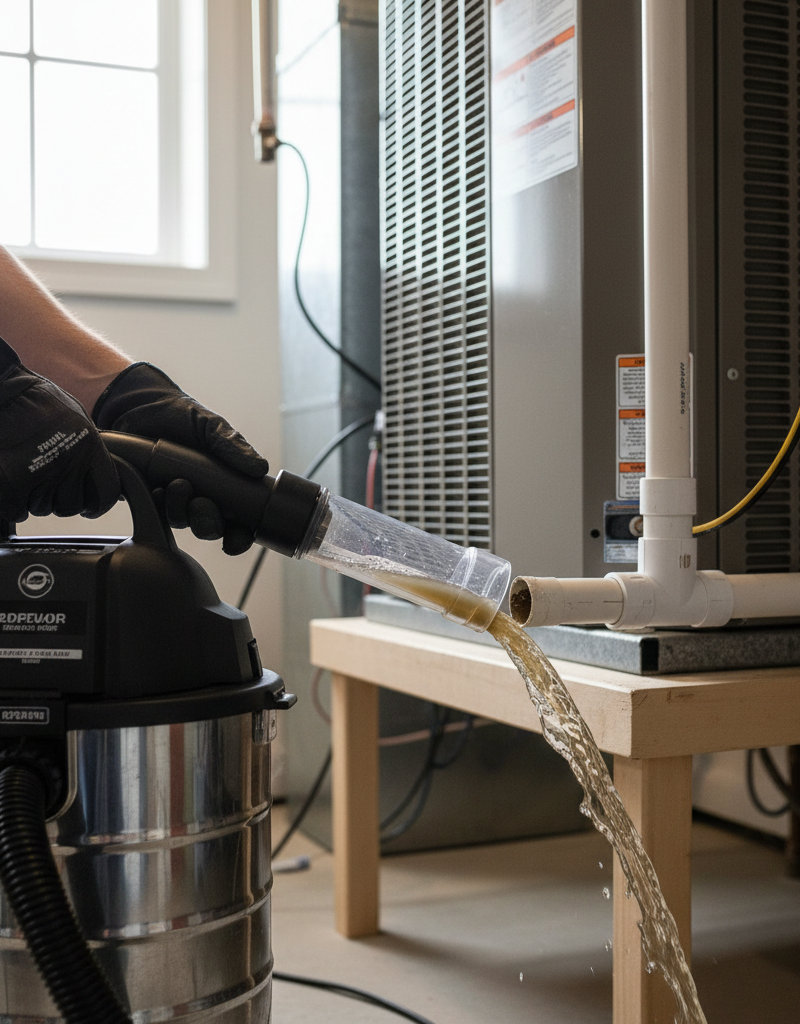
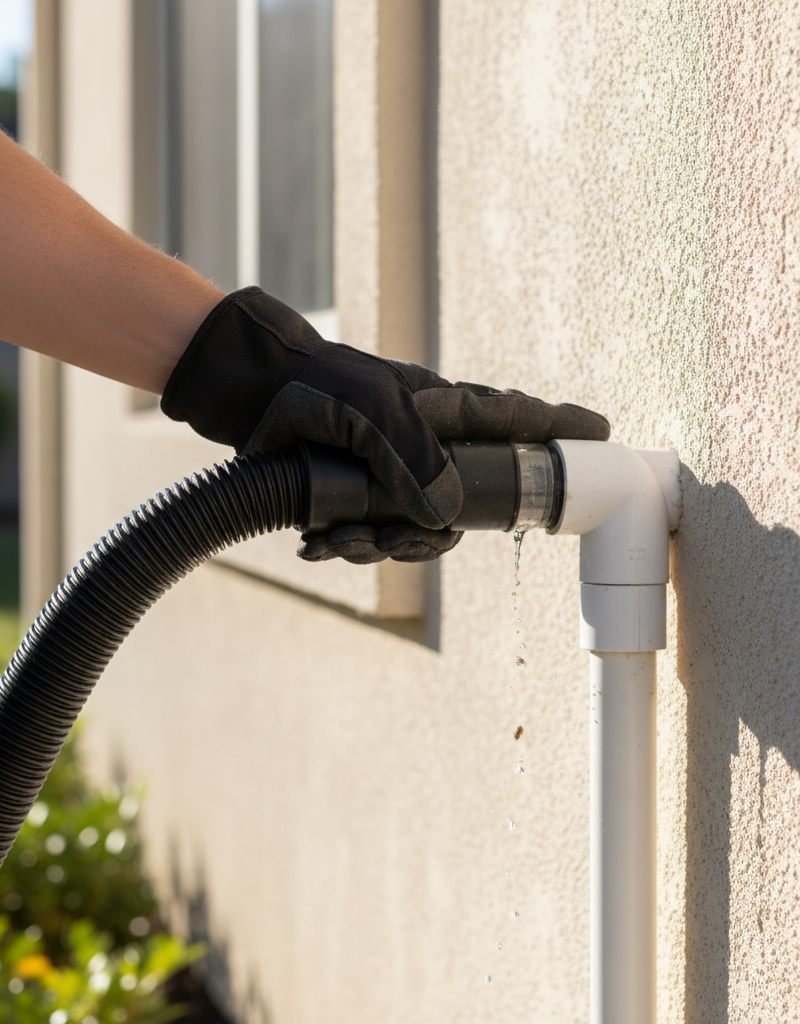
Use a Wet/Dry Shop Vac for Stubborn Clogs (Exterior) – If the line is still clogged, go to the exterior end of the condensate drain line. With a wet/dry shop vacuum, create a tight seal around the opening of the drainpipe and suction out the blockage. Run the vacuum for several minutes. This often pulls out stubborn clogs that flushing alone couldn't move.
- Tip: Use duct tape or a towel to create a better seal between the vacuum hose and the drainpipe.
-
Verify Flow – After suctioning, pour another cup of distilled water down the interior vent tee. Go outside and confirm a steady stream of water is exiting the drain line. This confirms the clog is cleared.
-
Replace Components and Restore Power – Reinstall any caps, reconnect any disconnected pipes, and ensure everything is secure. Turn the power back on at the electrical disconnect and your thermostat. Test your AC system for proper operation and check for any leaks or recurrent issues.
Common Causes
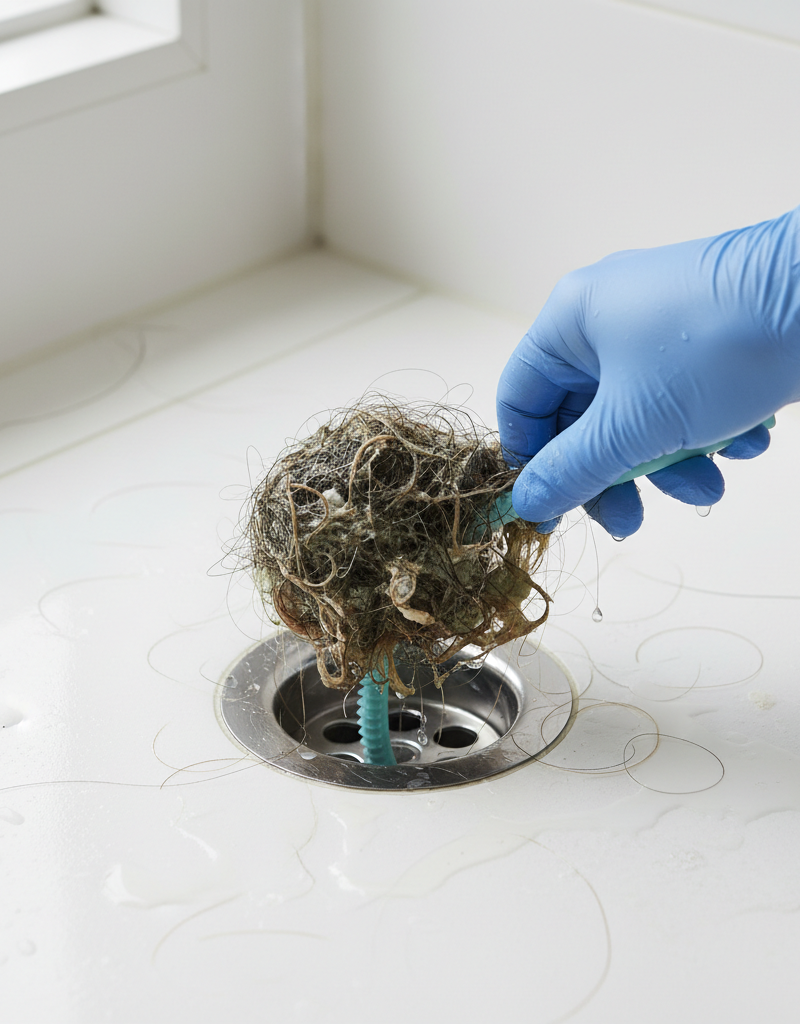
- Algae and Slime Buildup: This is by far the most common culprit. The dark, moist environment of the drain line, combined with airborne dust and organic matter, creates a perfect breeding ground for algae, mold, and mildew. These organisms form a slimy blockage over time.
- Dust and Debris: Without proper filtration, or if filters are dirty, dust, pet hair, lint, and other airborne particulates can enter the condensate pan, mix with water, and contribute to sludge formation inside the drain line.
- Infrequent Maintenance: Homeowners often overlook the drain line during routine AC maintenance. Without regular flushing, debris and organic matter are allowed to accumulate and solidify.
- Improper Installation or Pitch: If the drain line isn't installed with an adequate downward slope, water can sit and stagnate, accelerating the growth of biological contaminants and allowing particles to settle and build up more easily.
- Insect or Rodent Nests: While less common indoors, the exterior end of the drain line can sometimes be clogged by insects building nests or small rodents attempting to hide, especially if the opening is not protected by mesh.
Common Mistakes
- Using Harsh Chemical Drain Cleaners: Never use commercial drain cleaners like Drano or Liquid Plumber. These chemicals are designed for plumbing pipes and can corrode the PVC, copper, and even the condensate pan itself, leading to leaks and costly repairs.
- Forgetting to Turn Off Power: Always shut off power at both the thermostat and the outdoor unit's disconnect. Failing to do so can result in electrical shock or damage to the AC unit if water contacts electrical components.
- Ignoring the Vent Tee: Many homeowners pour cleaner directly into the pan, hoping it will reach the clog. However, if an airlock exists or the line is completely blocked before the pan, this might not be effective. The vent tee provides direct access to the line for flushing.
- Not Flushing Regularly: Clearing a clog once is good, but prevention is better. Forgetting to flush the line with vinegar or a cleaner every few months (especially during humid seasons) will almost guarantee a recurring clog.
- Just Suctioning Without Flushing: While a wet/dry vac can pull out a blockage, combining it with a flushing agent like vinegar helps kill remaining biological growth and cleans the pipe walls more thoroughly, delaying the next clog.
- Ignoring the Exterior End: Sometimes the clog is right at the exit point of the drain line, where debris or even insect nests can accumulate. Always check and clear this end.
Cost & Time Breakdown
| Task | DIY Cost | Pro Cost | Time |
|---|---|---|---|
| White vinegar | $3–$7 | N/A | 10 min prep |
| Shop vac (if not owned) | $50–$150 | N/A | 5–10 min active |
| AC drain cleaner (optional) | $10–$20 | N/A | 5 min prep |
| Professional drain clearing | N/A | $75–$250 | 30–60 min |
| Drain pan replacement | $30–$100 | $150–$400+ | 1–2 hours |
Tips & Prevention
- Regular Vinegar Flush: Make it a habit to pour 1/4 cup of distilled white vinegar into your AC drain line's access port every 1-2 months during the cooling season. This prevents algae and mold buildup.
- Keep Filters Clean: Change or clean your air filter monthly. A clean filter reduces the amount of dust and debris that can enter your HVAC system and contribute to drain line clogs.
- Install a Drain Pan Tablet: Algaecide tablets specifically designed for AC drain pans can be placed in the pan to inhibit biological growth for several months. These typically cost $10-$15 for a multi-pack.
- Check Exterior Drain: Periodically inspect the outdoor exit point of your condensate line to ensure it's free of leaves, dirt, or insect nests.
- Ensure Proper Pitch: If you suspect your drain line isn't sloped adequately, consider having an HVAC technician inspect and correct the pitch, as this can be a persistent source of problems.
- Primary and Secondary Pans: If your system has both, regularly check the secondary (emergency) drain pan for water. Water in this pan is a clear indication of a problem with the primary drain line or pan that needs immediate attention.
When to Call a Professional
While clearing a simple AC drain line clog is a manageable DIY task, there are specific situations where calling a licensed HVAC professional is the safest and most effective course of action. You should contact a pro if, after attempting the steps above, the drain line remains stubbornly clogged, or if water continues to back up. If you notice persistent leaks from other areas of your AC unit, not just the drain pan, it could indicate a more complex issue with the evaporator coil or internal components. Any signs of mold growth within or around your HVAC system, beyond a small amount in the drain pan, warrant professional inspection and remediation. If your system frequently shuts down due to the safety float switch, or if you're uncomfortable working with plumbing or electrical components, a professional can diagnose the root cause and ensure proper, safe repair without risking further damage to your expensive HVAC equipment. Finally, if your AC unit is older and experiencing frequent clogs, a technician can assess potential underlying issues like a corroded drain pan or a failing condensate pump that might require replacement.
Related Articles
Keep troubleshooting with these hand-picked guides from FixlyGuide:
- The $7 Trick That Unclogs Your AC Drain Line (And Prevents Costly Leaks) — A clogged AC drain line can lead to water damage and mold, but a simple, inexpensive trick can clear it and prevent future issues.
- The $7 Trick That Unclogs Your AC Drain Line (and Prevents Nasty Surprises) — Discover the simple, inexpensive method to clear your AC's clogged drain line and prevent costly water damage and reduced cooling efficienc…
- The #1 Mistake Homeowners Make When Their AC Drain Clogs (And The $5 Fix) — Discover the most common error homeowners make when tackling a clogged AC drain line and learn a simple, inexpensive solution to prevent co…
- The $5 Secret to Fixing a Clogged AC Drain Line (and Avoiding a Costly Flood) — A clogged AC drain line can lead to water damage and mold, but a simple, inexpensive DIY fix can prevent costly repairs.
- The Secret Culprit Behind Your Leaky Refrigerator (It's Not What You Think) — Discover the often-overlooked reason your refrigerator is leaking water and how a simple, inexpensive fix can prevent costly damage.
- The #1 Mistake Homeowners Make When a Lawn Mower Won't Start (And the Easy Fix) — Before you despair, discover the most common culprit behind a non-starting lawn mower and how to fix it in minutes.
Should you do this yourself?
Answer five quick questions before you start. Safety outranks savings every time.
Your experience with work like this
How high do you have to work?
Does the job involve any of these?
Will it need a permit?
Specialty tools
Free and instant. Educational guidance only — not a quote, inspection, or professional diagnosis.
Estimate your own project cost
National averages are a starting point. Enter your details for a range that fits your house.
HVAC replacement cost
- Equipment$2,200 – $3,800
- Installation labor$1,200 – $2,500
Always insist on a Manual J load calculation — sq-ft sizing is only a rough check. Federal heat-pump rebates may reduce cost significantly.
Educational estimate only — always confirm with written local bids.
What should this project cost?
Enter your project details for a realistic cost range before you call anyone.
Common repairs run $150–$650; repipes and water-heater replacements reach $1,500–$4,500.
- Regional adjustment
- National average
- Labor share (typical)
- ~$754
- Quotes to collect
- 3 written estimates
Educational estimate based on national averages — not a binding quote. Always confirm with written local estimates.
Fixly Project Decision Box
- DIY difficulty
- Advanced
- Estimated time
- Homeowner checks 20–30 minutes
- Cost level
- Moderate
Main tools / materials
- Clean air filter
- Garden hose for condenser coils
- Shop vac for the condensate line
When to stop and call a pro
- Burning smell, smoke, or a tripping breaker
- Refrigerant lines iced over or hissing
- Any work inside the sealed refrigerant circuit (EPA-licensed only)
- Gas smell near a furnace — leave and call the utility
Need professional help?
Find an HVAC Pro Near YouBefore you start
Check the difficulty, permits, and safety risk — then decide whether to call a pro.
Free, no signup required. Estimates are educational guidance, not a quote or an inspection.
Get the print-ready PDF of this guide
A clean, ad-free, printable version you can keep on your phone or pin to the workshop wall. Free with a FixlyGuide account.
- Print-optimized layout
- Tools, materials & every step included
- Saved to your account
Frequently asked questions
What causes an AC drain line to clog?+
The most common cause is the buildup of algae, mold, and other organic matter that thrives in the dark, moist environment of the drain line. Dust, dirt, and pet hair can also contribute to this slimy blockage.
Can I use bleach to clear my AC drain line?+
While some sources suggest diluted bleach, white vinegar is generally preferred. Bleach can be corrosive to some drain line materials and can release harmful fumes. Vinegar is safer and very effective at killing mold and algae.
How often should I clean my AC drain line?+
It's recommended to flush your AC drain line with a vinegar solution every 1-3 months during the cooling season, especially in humid climates, to prevent buildup and clogs.
What happens if I don't clear a clogged AC drain line?+
Ignoring a clogged AC drain line can lead to water damage to your home (ceilings, walls, floors), mold growth, electrical component damage, reduced cooling efficiency, and ultimately, your AC system shutting down due to the safety float switch activating.
Discussion
Loading comments…