- Read Your Manual — Understand Your Specific Tool
- Safety Note: Always remove the battery before performing any maintenance or blade changes.
- Pro Tip: Create a digital folder for all your tool manuals for easy access.
Published June 12, 2026Last updated August 17, 2026
Tools & materials you'll need
Affiliate links- AmazonCordless Electric Lawn MowerChoose based on lawn size and desired features
- AmazonCordless String TrimmerFor edging and hard-to-reach areas
- AmazonCordless Leaf BlowerFor quick cleanup of debris
- AmazonLithium-ion Batteries2-3 · At least two, for continuous operation or larger yards
- AmazonExtra Trimmer LineSpecific to your trimmer model
As an Amazon Associate FixlyGuide earns from qualifying purchases — at no extra cost to you. Prices and availability are accurate as of publication and subject to change.
Quick Answer
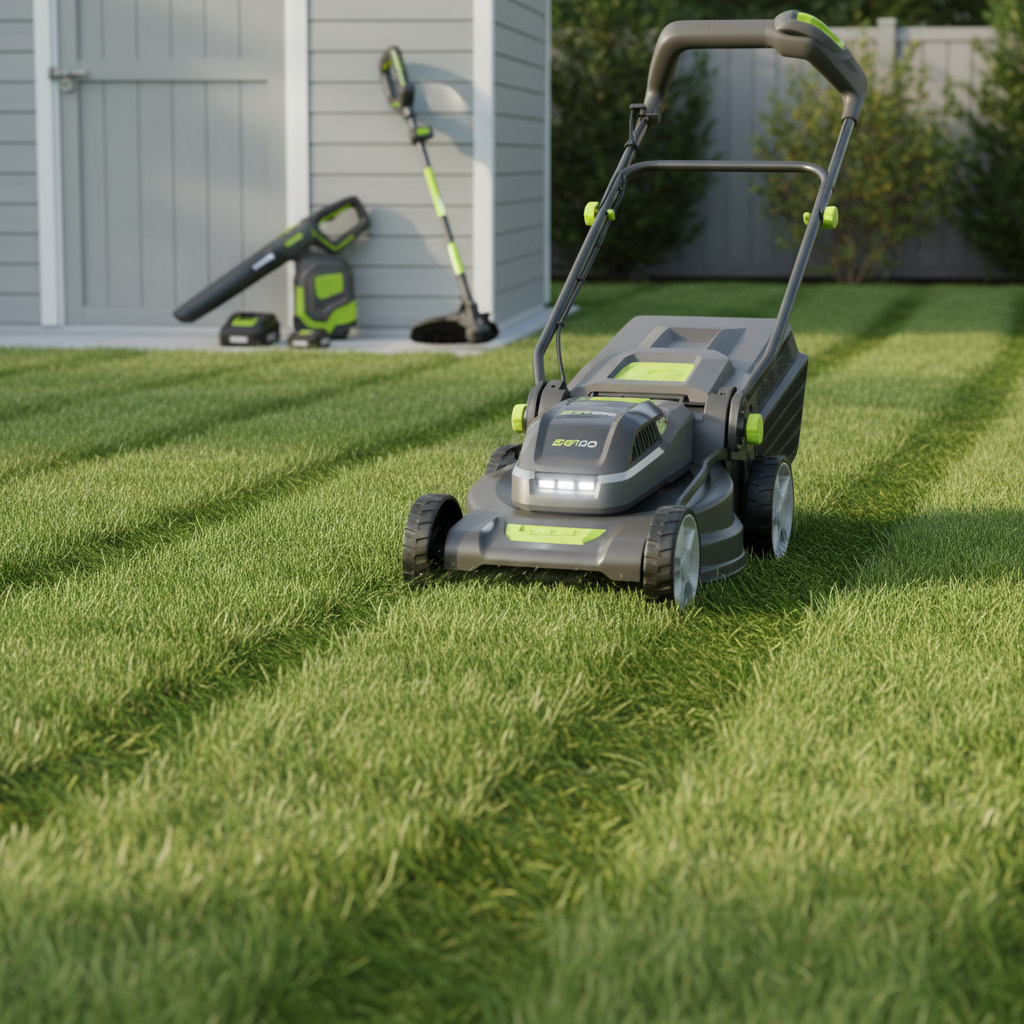
Cordless electric yard tools are transforming lawn care, offering a powerful, convenient, and environmentally friendlier alternative to traditional gas-powered equipment. With advancements in battery technology, these tools now deliver comparable performance for most homeowner tasks, from mowing and trimming to blowing leaves and pruning.
The Problem
For decades, gas-powered lawn mowers, trimmers, and blowers have been the default choice for homeowners. However, they come with a host of frustrations: the constant need to buy and store gasoline, oil changes, spark plug replacements, air filter cleaning, carburetor issues, and the dreaded pull-cord starting ritual. Beyond the maintenance headaches, gas tools are notoriously loud, emit noxious fumes, and contribute to air pollution. Many homeowners are also increasingly concerned about their carbon footprint and seek greener alternatives without sacrificing performance or convenience. The traditional assumption has been that electric tools lack the power of gas, leading many to stick with the less convenient option.
How It Works
Cordless electric yard tools operate on rechargeable lithium-ion battery packs that provide power to high-efficiency brushless DC motors. Unlike older nickel-cadmium or lead-acid batteries, lithium-ion technology offers a high energy density, meaning more power and longer runtimes in a lighter package. These batteries can typically be charged in anywhere from 30 minutes to a few hours, depending on the charger and battery capacity. Many systems use interchangeable battery packs across an entire line of tools, meaning one battery can power a mower, then a string trimmer, and finally a leaf blower, significantly reducing overall cost and the number of chargers needed.
Brushless motors, common in quality cordless tools, are more efficient and durable than traditional brushed motors. They use electronic controllers to constantly vary the magnetic fields, eliminating friction from carbon brushes and reducing heat. This efficiency translates directly into more power delivered to the blade or cutting line, longer battery life per charge, and a much longer lifespan for the tool itself. When a user presses a trigger, the battery sends direct current (DC) power to the motor, which converts electrical energy into mechanical energy, driving the tool's specific function, whether it's spinning a blade, rotating a trimmer head, or propelling air through a blower housing. The sophistication of modern electronic motor controllers also allows for features like variable speed settings, overload protection, and even "turbo" modes for tougher tasks, all while maintaining consistent power output until the battery is depleted.
Step-by-Step Fix
While "fixing" isn't the primary goal here, optimizing your cordless tool experience involves proper setup, charging, and maintenance. Treat this as a guide to getting the most out of your electric equipment.
-
Read Your Manual — Understand Your Specific Tool Every cordless tool has unique instructions regarding battery insertion, charging, and operation. Familiarize yourself with safety features, maintenance schedules, and warranty information before first use.
- Safety Note: Always remove the battery before performing any maintenance or blade changes.
- Pro Tip: Create a digital folder for all your tool manuals for easy access.
-
Charge Batteries Fully Before First Use — Maximize Battery Life From Day One New lithium-ion batteries often come with a partial charge. Fully charging them before their initial use can help condition the battery for optimal long-term performance and accurate charge reporting. Use only the charger designed for your battery brand and voltage.
- Watch Out For: Over-discharging. While modern batteries have protection circuits, avoid running them completely dead whenever possible to prolong their lifespan.
-
Choose the Right Battery for the Job — Match Power to Task Most tool lines offer batteries with different amp-hour (Ah) ratings (e.g., 2.0 Ah, 5.0 Ah, 7.5 Ah). Higher Ah means more runtime. Use smaller batteries for quick tasks like trimming edges, and larger batteries for demanding jobs like mowing a large lawn.
- Cost Saver: You might only need one larger battery for your mower and smaller ones for handheld tools, rather than buying large batteries for everything.
-
Practice Proper Storage — Extend Tool and Battery Lifespan Store batteries at room temperature (ideally 50-70°F or 10-20°C) and typically with a 30-50% charge when not in use for extended periods (e.g., over winter). Store tools in a clean, dry place.
- Avoid: Extreme temperatures (hot or cold garages) which can degrade battery capacity over time.
- If you notice: A battery that isn't holding a charge as long as it used to, it might be nearing the end of its life cycle.
-
Clean Tools After Each Use — Maintain Performance and Longevity Remove grass clippings, dirt, and debris from mower decks, trimmer guards, and blower nozzles. A stiff brush or compressed air works well. Clean debris can impede moving parts, increase motor strain, and potentially lead to rust or corrosion.
- Safety First: Always remove the battery before cleaning any tool with blades or moving parts.
-
Inspect Blades and Lines Regularly — Ensure Clean Cuts and Efficiency For mowers, check blades for dullness, nicks, or bends. Dull blades tear grass, making it susceptible to disease. Sharpen or replace blades as needed (typically annually). For string trimmers, ensure the line is loaded correctly and freely spins. Keep extra trimmer line on hand.
- When to replace: A visibly bent or severely nicked mower blade should be replaced immediately. Balance is crucial for motor health.
-
Optimize Mowing Technique — Maximize Battery Runtime and Lawn Health Cut dry grass (wet grass clumps and strains the mower). Don't try to cut too much at once; raise the deck height if the grass is very tall. Overlapping passes slightly ensures full coverage. Clear your lawn of sticks and debris before mowing.
- If runtime is short: You might be trying to cut too much grass, or your battery is aging. Consider a higher Ah battery.
-
Know When to Service — Keep Tools Running Smoothly Most cordless tools are low-maintenance, but annual checks of guards, wheels, and fasteners are wise. If a tool sounds unusual, vibrates excessively, or loses power consistently, consult the manual or contact customer service. Do not attempt complex electrical repairs yourself.
- Pro Callout: If a tool smokes, sparks, or smells of burnt electronics, immediately cease use, remove the battery, and contact the manufacturer or a professional service center.
Common Causes
- Outdated Battery Technology: Earlier electric tools suffered from weaker battery chemistries (NiCd, NiMH) that didn't offer the power or runtime needed for yard work, creating a lasting misconception about electric tool capabilities.
- Lack of Education: Many homeowners are simply unaware of how much cordless tool technology has advanced in recent years, assuming gas is still the only viable option for serious yard care.
- Initial Cost Perception: While often lower in the long run, the upfront cost of a cordless electric system (especially with multiple batteries) can sometimes seem higher than a basic gas model, deterring some buyers.
- Mismanaging Expectations: Trying to use a smaller battery for a large, demanding task, or not understanding the limits of a tool, can lead to frustration and a perception of underperformance.
- Improper Battery Care: Storing batteries in extreme temperatures, consistently deep-discharging them, or using incompatible chargers can significantly shorten their lifespan and diminish performance.
Common Mistakes
- Ignoring Battery Care: Not storing batteries properly (e.g., leaving them in a hot garage fully charged or fully depleted) can severely degrade their capacity and lifespan. Always follow manufacturer storage recommendations.
- Underestimating Battery Needs: Using a 2.0 Ah battery for a large lawn mower will lead to frequent recharging and frustration. Invest in higher Ah batteries for high-drain tools and larger areas.
- Not Cleaning After Use: Allowing grass clippings and dirt to accumulate on tools can clog vents, strain motors, and lead to premature wear or corrosion. A quick wipe-down is essential.
- Using Dull Blades: A dull mower blade rips grass rather than cutting it cleanly, making your lawn susceptible to disease and requiring more power from your mower, reducing battery life.
- Overlooking System Compatibility: Not all batteries and chargers from the same brand are interchangeable, especially across different voltage lines (e.g., 40V vs. 56V). Always verify compatibility to avoid damage.
- Attempting Complex Repairs: Cordless tools, especially their battery packs and motors, contain sophisticated electronics. Attempting to repair internal components without expertise can be dangerous and void warranties. Stick to basic maintenance.
Cost & Time Breakdown
| Task | DIY cost | Pro cost | Time |
|---|---|---|---|
| Cordless Mower & Battery (Initial) | $400–$700 | N/A | 30 minutes (setup) |
| Cordless Trimmer & Battery (Initial) | $150–$300 | N/A | 15 minutes (setup) |
| Cordless Blower & Battery (Initial) | $100–$250 | N/A | 10 minutes (setup) |
| Extra Battery (e.g., 5.0 Ah) | $100–$200 | N/A | 0 minutes |
| Replacement Mower Blade | $20–$40 | $60–$100 (installed) | 20–30 minutes |
| Trimmer Line (1 roll) | $10–$20 | N/A | 5–10 minutes |
| Annual Cleaning & Inspection | $0 | $50–$100 (tune-up) | 15–30 minutes |
Tips & Prevention
- Cycle Batteries for Long Storage: If storing batteries for several months, ensure they are at least 30-50% charged. If they drop below this level, give them a quick charge every few months to prevent deep discharge, which can permanently damage lithium-ion cells.
- Invest in a Multi-Charger: If you have multiple batteries, a multi-port charger can save significant time, allowing you to charge several packs simultaneously or in sequence.
- Register Your Tools: Registering your tools with the manufacturer immediately after purchase can simplify warranty claims and keep you informed of any product recalls or updates.
- Plan Your Chores: For larger lawns, plan your mowing to fully utilize one battery, then swap to a freshly charged one. Avoid constantly swapping partially depleted batteries, as this can confuse charge indicators.
- Consider System Voltage: Choose a cordless tool ecosystem (e.g., 40V, 56V, 80V) based on your yard's needs. Higher voltage generally translates to more power for heavier tasks, while lower voltage systems may be lighter and sufficient for smaller properties.
- Keep Your Lawn Clean: Regularly clear sticks, rocks, and debris from your yard. These can damage mower blades, trimmer lines, and even motor housings, reducing efficiency and lifespan.
When to Call a Professional
While cordless electric tools are designed for homeowner-friendly maintenance, there are specific situations where professional help is warranted. If your tool exhibits signs of electrical malfunction such as smoking, sparking, emitting a burning smell, or experiencing consistent power surges or complete failure, cease use immediately and do not attempt to open the motor housing or battery pack yourself. These components contain high voltage and complex electronics that pose a safety risk. Additionally, if the tool is still under warranty and experiencing issues that go beyond simple blade replacement or cleaning, contacting the manufacturer
Related Articles
Keep troubleshooting with these hand-picked guides from FixlyGuide:
- The Secret Power Tool Hiding in Your Garage for a Speedier Clean — Unlock the hidden potential of your cordless drill to tackle stubborn household grime, soap scum, and dirt with specialized cleaning attach…
- The Single Cedar Board Secret to Attracting Bluebirds to Your Yard — Discover how to construct an ideal bluebird nesting box using just one cedar board, providing a safe and inviting habitat for these cherish…
- The Secret Window AC Trick That Slashes Your Summer Electric Bill By 30% — Mastering simple window AC maintenance can significantly reduce your cooling costs and extend the life of your unit, often by more than 30%.
- The 12 Checks That Prevent 80% of Costly Home Repairs — Don't wait for a disaster. Our comprehensive monthly home maintenance checklist reveals the surprising, simple tasks that catch small issue…
- The Surprising Yard Tool That Vaporizes Weeds (No Chemicals Needed) — A weed torch offers an efficient, chemical-free method for removing unwanted plants from hardscaped areas like driveways, patios, and grave…
- The #1 Mistake Killing Your Dandelion-Fighting Efforts (and the Easy Fix) — Stop dandelions from taking over your lawn by understanding common mistakes and implementing effective, long-term solutions for a healthier…
Should you do this yourself?
Answer five quick questions before you start. Safety outranks savings every time.
Your experience with work like this
How high do you have to work?
Does the job involve any of these?
Will it need a permit?
Specialty tools
Free and instant. Educational guidance only — not a quote, inspection, or professional diagnosis.
What should this project cost?
Enter your project details for a realistic cost range before you call anyone.
Cost depends heavily on which system turns out to be the source.
- Regional adjustment
- National average
- Labor share (typical)
- ~$1,620
- Quotes to collect
- 3 written estimates
Educational estimate based on national averages — not a binding quote. Always confirm with written local estimates.
Before you start
Check the difficulty, permits, and safety risk — then decide whether to call a pro.
- Estimate this projectGet a cost range for your scope and ZIP before you call anyone.Open
- Get local estimatesSend one request and compare written estimates from vetted pros.Open
Free, no signup required. Estimates are educational guidance, not a quote or an inspection.
Get the print-ready PDF of this guide
A clean, ad-free, printable version you can keep on your phone or pin to the workshop wall. Free with a FixlyGuide account.
- Print-optimized layout
- Tools, materials & every step included
- Saved to your account
This article was independently written by FixlyGuide based on the source topic.
Frequently asked questions
How long do cordless tool batteries last?+
The lifespan of a cordless tool battery depends on usage and care, but modern lithium-ion batteries typically last 3–5 years or 500–1,000 charge cycles before significant degradation. Proper storage and avoiding extreme temperatures can extend their life.
Are cordless electric tools as powerful as gas tools?+
For most common homeowner tasks, modern cordless electric tools with brushless motors and high-voltage lithium-ion batteries offer comparable power to their gas counterparts. For extremely large properties or professional-grade heavy-duty work, gas might still have an edge, but the gap is rapidly closing.
Can I use any brand of battery with my cordless tool?+
No, generally you must use batteries and chargers from the same brand and within the same voltage platform (e.g., an EGO 56V battery only works with EGO 56V tools). Cross-brand compatibility is very rare, though many brands offer a wide ecosystem of tools that share a single battery type.


Discussion
Loading comments…