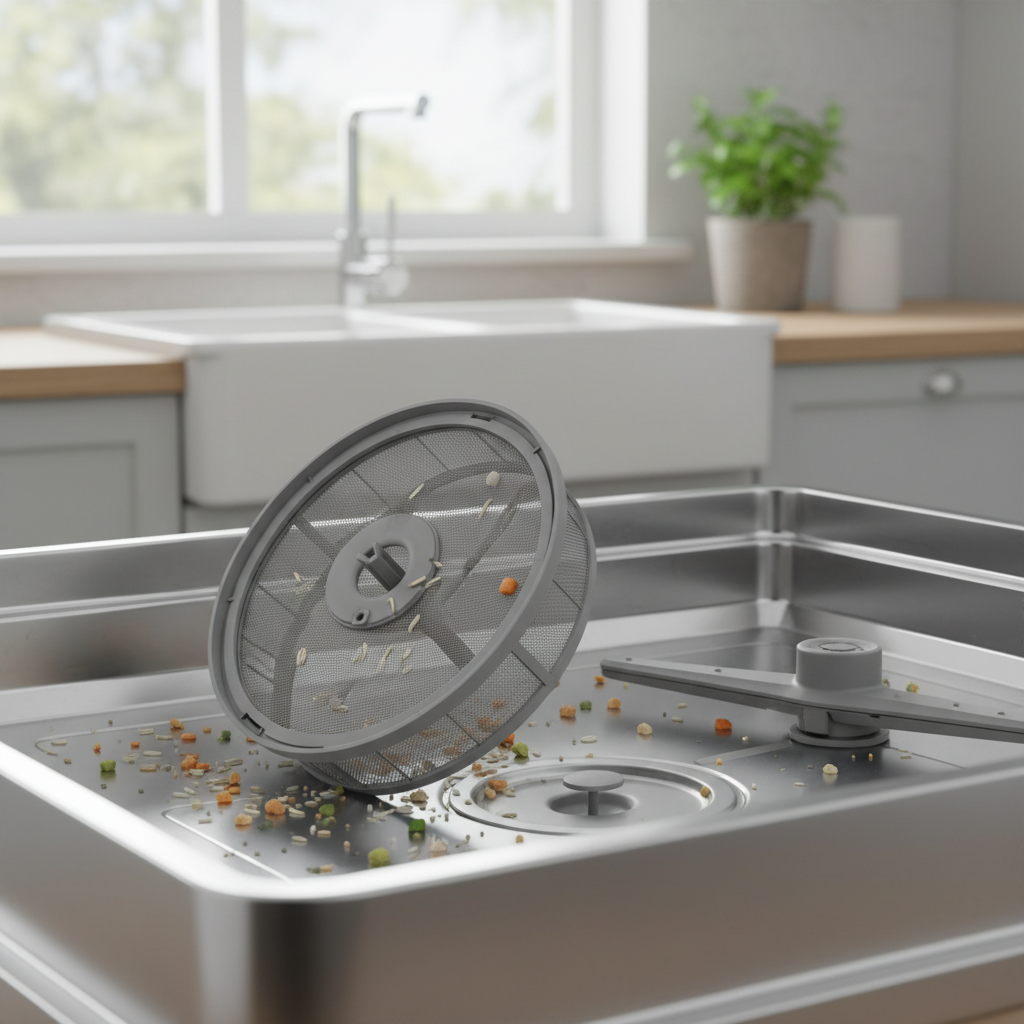
- Tools: Soft brush, mild dish soap (optional).
- Safety: Wear gloves if you prefer, as food residue can be unpleasant.
- If this doesn't work: The problem might be further down the line.
Plumbing · Clog
| Project category | Plumbing |
|---|---|
| Problem type | Clog |
| Trade required | Plumbing |
| Urgency | Soon — within weeks |
| Safety risk | Low safety risk |
| DIY suitability | DIY friendly |
| Cost category | Low cost |
| Typical timeline | Same-day DIY attempt; pro visit within a day or two |
| Contractor type | Licensed plumber |
Repair option
Plunger, hand auger, or trap cleanout before chemicals.
Replacement option
Line replacement when clogs return in the same spot repeatedly.
Common causes
- Hair and soap buildup in the trap
- Grease cooling in the branch line
- Flushed wipes or foreign objects
Relevant tools:diy difficultydiy or hire a pro
Published May 27, 2026Last updated August 17, 2026
Tools & materials you'll need
Affiliate links- AmazonSoft brush (e.g., old toothbrush)
- AmazonShallow pan or bucket
- AmazonFlashlight
- AmazonPliers
- AmazonScrewdriver set
- AmazonAdjustable wrenchif needed for garbage disposal knockout plug
- AmazonDrain snake or unbent coat hangeroptional, for stubborn hose clogs
- AmazonMultimeterfor advanced pump testing, only if comfortable
As an Amazon Associate FixlyGuide earns from qualifying purchases — at no extra cost to you. Prices and availability are accurate as of publication and subject to change.
Quick Answer
If your dishwasher is leaving standing water in the bottom, the problem usually stems from a blockage in the filter or drain hose, an issue with the air gap, or a faulty drain pump. Begin by checking the dishwasher's filter for food debris and ensuring the air gap on your sink (if you have one) is clear. Next, inspect the drain hose for kinks or clogs, and confirm it's correctly connected to your garbage disposal or main drain. If these checks don't resolve the issue, you may need to investigate the drain pump or its impeller.
The Problem
There's nothing more frustrating than opening your dishwasher after a cycle and finding a pool of dirty, sudsy water at the bottom instead of sparkling clean dishes. This standing water isn't just an unsightly nuisance; it prevents your dishes from drying properly, can lead to mildew and odors, and indicates a fundamental problem with your dishwasher's ability to complete its most basic function: draining. When a dishwasher fails to drain, it means the dirty water from the wash and rinse cycles isn't being expelled, leaving your dishes submerged and requiring manual intervention to empty the appliance. This issue can range from a simple, easily fixed clog to a more complex mechanical failure, each requiring a different approach to diagnosis and repair.
How It Works
To understand why your dishwasher isn't draining, it helps to know how it should drain. After each wash or rinse cycle, a series of components work in concert to remove the dirty water. First, the water is directed towards the drain assembly, located at the bottom of the dishwasher tub. Here, a filter system (typically a coarse filter and a fine mesh filter) traps food particles and debris, preventing them from entering the pump and plumbing. Once filtered, the water enters the drain pump. This electric motor-driven pump, often centrifugal, has an impeller that rapidly spins to create pressure, forcing the water out of the dishwasher. The pumped water then travels through a corrugated drain hose, which usually connects to an air gap (a small cylindrical device on top of your sink) before continuing to either your garbage disposal or directly to your kitchen sink's drain trap. The air gap's purpose is to prevent wastewater from siphoning back into the dishwasher. From the air gap or direct connection, the water then flows into your home's main drain system. An issue at any point in this pathway—from a clogged filter to a faulty pump or an obstructed hose—can cause the dreaded standing water syndrome. The dishwasher's control board monitors the cycles and signals the drain pump to activate at the appropriate times. If a sensor (like a float switch) detects too much water, it might prevent the drain cycle from initiating or completing.
Step-by-Step Fix
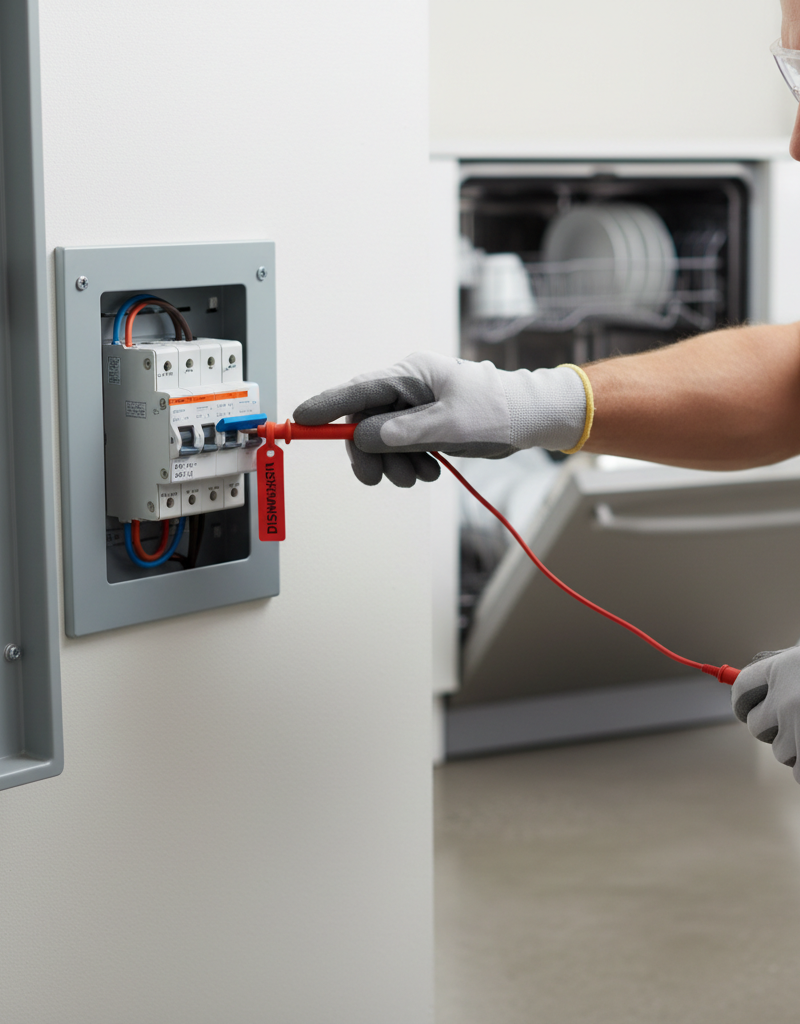
Safety First: Before attempting any repairs, always unplug your dishwasher from the electrical outlet or shut off its circuit breaker to prevent electric shock. You'll be working with water and electrical components, so prioritize safety.
1. Clear the Main Drain – Start with the simplest check
— Frequently, the simplest cause for a dishwasher not draining is a clogged kitchen sink drain, especially if your dishwasher drains into a garbage disposal. A backed-up sink drain will prevent water from exiting the dishwasher. Run your kitchen sink faucet to see if it drains slowly or is completely backed up. If so, clear the sink drain first using a plunger or a drain snake. * If this doesn't work: Proceed to check the dishwasher's internal components.
2. Inspect and Clean the Dishwasher Filter – The most common culprit
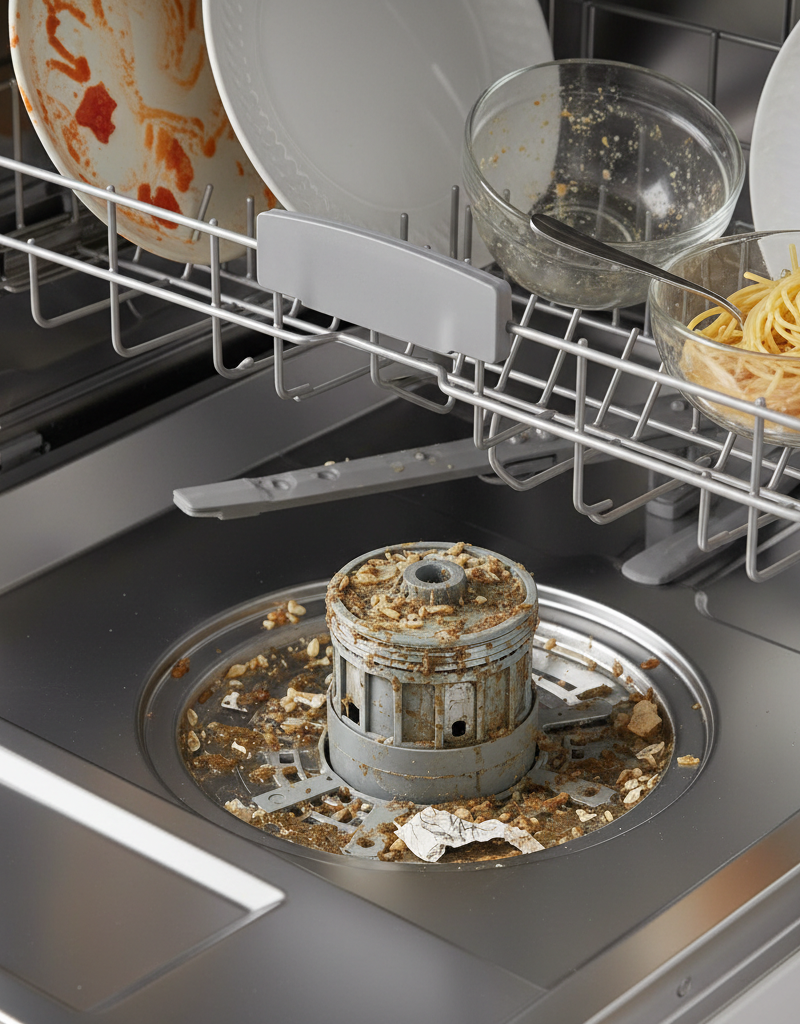
— The dishwasher's filter is designed to catch food particles, and it's also the most frequent cause of drainage issues. Locate the filter, typically at the bottom of the dishwasher tub. It usually consists of a cylindrical fine mesh filter and a coarser bottom filter. Twist and lift to remove. Rinse both sections thoroughly under a faucet, using a soft brush (like an old toothbrush) to scrub away any stuck-on debris. Be meticulous, as even small blockages can impede drainage. * Tools: Soft brush, mild dish soap (optional). * Safety: Wear gloves if you prefer, as food residue can be unpleasant. * If this doesn't work: The problem might be further down the line.
3. Check the Air Gap (If Present) – A common, overlooked issue
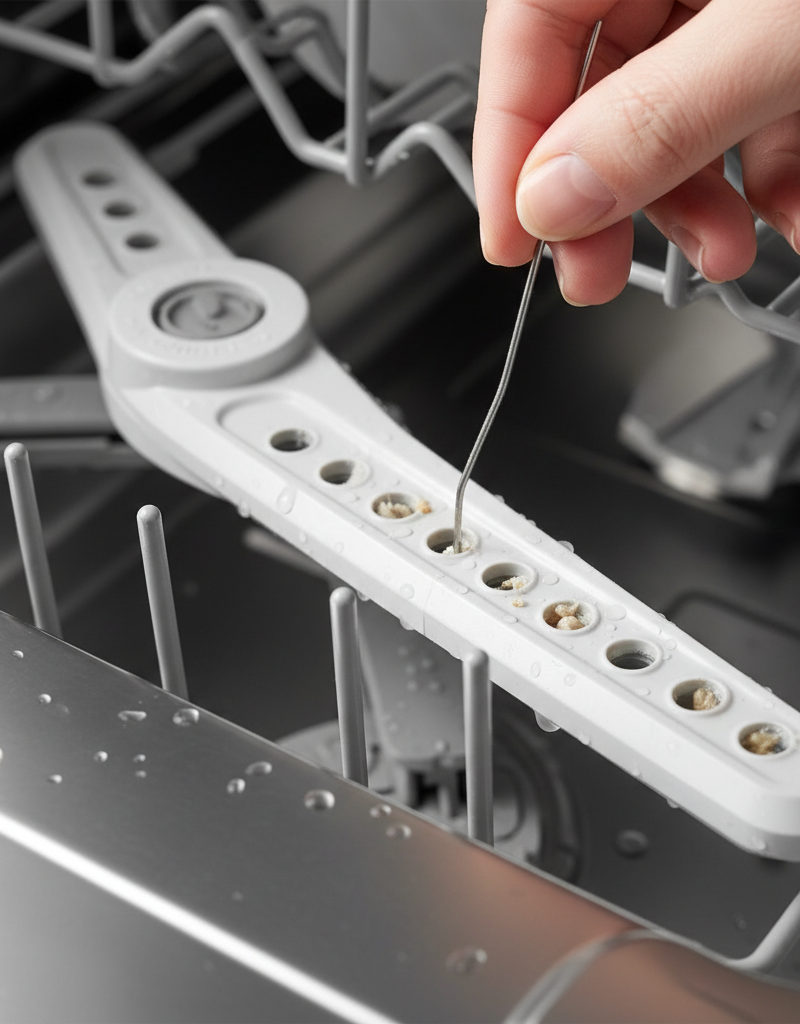
— If your dishwasher drains through an air gap (a small, chrome cylinder on your sink counter), this can often get clogged. Remove the cap, then the inner cover. Inspect for food debris or mineral buildup. Use a small brush or screwdriver to clear any obstructions. Reassemble once clear. * Tools: Screwdriver (for some models). * Note: Not all dishwashers use an air gap. If you don't have one, skip this step. * If this doesn't work: The drain hose is the next logical step.
4. Inspect the Drain Hose for Kinks or Blockages – External but critical
— The drain hose connects the dishwasher to your sink drain or garbage disposal. Pull the dishwasher away from the wall slightly (if feasible) to inspect the hose running from the back of the unit. Look for obvious kinks or bends that could restrict water flow. If the hose looks clear externally, you may need to disconnect it to check for internal blockages. Place a shallow pan under the connection point to catch residual water. Disconnect the hose from the garbage disposal or sink drain and inspect the opening for obstructions. You can also try carefully snaking a coat hanger wire (unbent) through the hose to dislodge any internal clogs. Be gentle to avoid puncturing the hose. * Tools: Pliers (for hose clamps), shallow pan, towel, unbent coat hanger or drain snake. * Safety: Be prepared for some water to spill when disconnecting the hose. * If this doesn't work: It's time to consider the pump.
5. Clear the Garbage Disposal – Often overlooked if connected to dishwasher
— If your dishwasher drains into a garbage disposal, ensure the disposal is completely clear and running. Food scraps in the disposal can back up into the dishwasher drain. Run the disposal with cold water for at least 30 seconds. If a new disposal was recently installed, ensure the knockout plug for the dishwasher drain line was removed. This is a very common oversight by DIY installers and even some professionals. * Tools: Wrench or hammer (to remove knockout plug if applicable). * Note: If the knockout plug was never removed, you'll need to disconnect the drain hose from the disposal, carefully tap out the plug from inside the disposal with a screwdriver and hammer, then reconnect the hose with the clamp. * If this doesn't work: Your issue is likely internal to the dishwasher.
6. Inspect the Drain Pump Impeller – Deeper dive into the dishwasher's core
— The drain pump's impeller can get jammed by broken glass, small bones, or other foreign objects that bypass the filter. First, remove the bottom spray arm and the entire filter assembly again. You'll then usually see the pump housing. Some models have a removable cover over the impeller. Use a flashlight to look for any obstructions around the impeller blades. Carefully use needle-nose pliers or gloved fingers to remove any debris. Spin the impeller by hand to ensure it turns freely. * Tools: Flashlight, needle-nose pliers, screwdriver (for some pump covers). * Safety: Be extremely careful not to cut yourself on broken glass or sharp objects. * If this doesn't work: The pump itself might be faulty.
7. Test or Replace the Drain Pump – When all else fails
— If you've ruled out all other causes, the drain pump itself might be failing. With the power still disconnected, you can use a multimeter to test the pump's continuity, though this requires some electrical knowledge and the manufacturer's specified resistance values. If the pump shows no continuity or if you suspect it's mechanically seized, it needs replacement. This is a more involved repair requiring removal of the dishwasher and access to the pump assembly from underneath or the front. * Tools: Multimeter, screwdriver set, nut drivers, new drain pump (specific to your dishwasher model). * Advanced DIY: Replacing a drain pump is an advanced DIY task. If you're uncomfortable with electrical work or extensive appliance disassembly, this is a good point to call a professional. * Pro Callout: If you're unsure about testing or replacing electrical components, or if you encounter wiring you don't understand, stop and call a qualified appliance repair technician.
Common Causes
- Clogged Filter Assembly: The most frequent culprit. Food scraps, grease, and debris accumulate in the coarse and fine mesh filters at the bottom of the tub, blocking water flow to the drain pump.
- Kinked or Clogged Drain Hose: The flexible drain hose can become kinked behind the dishwasher, or internal blockages (grease, food particles, mineral buildup) can restrict water flow.
- Obstructed Air Gap: If your dishwasher uses an air gap, food debris or mineral deposits can accumulate inside it, preventing proper drainage.
- Clogged Garbage Disposal: A common issue if the dishwasher drains into the disposal. If the disposal is backed up or the knockout plug for the dishwasher connection wasn't removed on a new installation.
- Faulty Drain Pump: The electric drain pump can fail due to motor burnout, a seized impeller (often from foreign objects like glass or plastic), or electrical issues.
- Blocked Check Valve: Some dishwashers have a check valve in the drain line to prevent water from flowing back into the tub. This valve can get stuck closed or become blocked.
- Dishwasher Not Level: While less common, a severely unlevel dishwasher can sometimes prevent complete drainage due to improper water pooling.
- Electronic Control Board Malfunction: Rare, but the control board might fail to send the signal to activate the drain pump.
Common Mistakes
- Ignoring the Filter: Many homeowners neglect to clean their dishwasher filter regularly, leading to preventable drainage issues. Clean it at least monthly, or more often with heavy use.
- Overlooking the Air Gap: If you have an air gap, it's often forgotten during troubleshooting. Always check it early in the diagnostic process.
- Not Unplugging the Dishwasher: Failing to disconnect power before working on the appliance is a significant safety hazard, especially when dealing with water and electrical components.
- Forgetting the Knockout Plug: When connecting a new dishwasher to a new garbage disposal, many DIYers forget to physically knock out the plug inside the disposal's dishwasher inlet. This completely blocks drainage.
- Using Too Much Detergent: Excessive soap suds can sometimes interfere with the drain pump's ability to effectively push water out, leading to incomplete draining.
- Attempting Complex Repairs Without Experience: Diving into pump replacement or electrical testing without proper tools or knowledge can lead to further damage, costly mistakes, or personal injury. Know when to call a pro.
- Assuming the Worst Immediately: Don't assume your drain pump is dead before checking simpler fixes like the filter, air gap, or drain hose. Most issues are minor clogs.
Cost & Time Breakdown
| Task | DIY Cost | Pro Cost | Time |
|---|---|---|---|
| Clean Filter | $0 | – | 5–10 minutes |
| Clear Air Gap | $0 | – | 5–15 minutes |
| Clear Drain Hose/Disposal | $0–$10 (snake) | $100–$250 | 15–45 minutes |
| Clear Pump Impeller | $0 | $150–$300 | 30–60 minutes |
| Replace Drain Pump | $70–$200 (part) | $200–$450 (part+labor) | 1–2 hours |
Tips & Prevention
- Regular Filter Cleaning: Make it a habit to clean your dishwasher's filter every 1-2 months, especially if you scrape (but don't pre-rinse) dishes heavily.
- Scrape, Don't Rinse: Scrape large food particles off dishes before loading, but avoid pre-rinsing unless food is heavily caked on, as modern detergents work best with some food residue.
- Use Proper Detergent Quantity: Follow manufacturer recommendations for detergent to prevent excessive suds that can hinder drainage.
- Run Disposal Regularly: If your dishwasher drains into a garbage disposal, run the disposal with cold water for 30 seconds before and after using the dishwasher to ensure it's clear.
- Check Drain Hose for Kinks: Periodically pull your dishwasher out slightly (if easily accessible) to ensure the drain hose isn't kinked, especially after moving the appliance.
- Load Correctly: Avoid overloading the dishwasher or blocking the spray arms, which can sometimes indirectly affect how water moves towards the drain.
- Soft Water Benefits: If you have hard water, consider using a dishwasher cleaner specifically designed to remove mineral buildup, which can accumulate in pumps and hoses over time.
When to Call a Professional
While many dishwasher drainage issues are solvable with basic DIY methods, there are specific situations where calling a licensed appliance repair technician is the smartest and safest course of action. If you've systematically worked through the troubleshooting steps – cleaning the filter, checking the air gap, clearing the drain hose, and inspecting the garbage disposal – and your dishwasher still isn't draining, the problem likely lies within the drain pump itself or the electronic control system. Replacing a drain pump involves disconnecting power, potentially moving the appliance, dealing with water, and accessing internal components which can be complex and risky for an inexperienced DIYer. Furthermore, if you suspect an electrical issue with the pump or control board, or if you're uncomfortable using a multimeter or disassembling the appliance, do not proceed. A professional will have the specialized tools, diagnostic equipment, and expertise to accurately identify the problem, ensure a safe repair, and guarantee the work. Attempting complex repairs without the proper knowledge can lead to further damage to your appliance, void your warranty, or, more importantly, create electrical hazards.
Related Articles
Keep troubleshooting with these hand-picked guides from FixlyGuide:
- The Secret Reason Your Dishwasher Won't Drain (And How to Fix It in 20 Minutes) — Discover the hidden culprits behind a non-draining dishwasher and learn how to resolve common issues in under 30 minutes, saving you a cost…
- The Secret Culprit Behind Your Washing Machine's Spin-Drain Failure (It's Not Always Clogs) — Discover the hidden reasons your washing machine won't spin or drain and learn how to fix the most common culprits yourself.
- The Secret Culprit Behind Your Dishwasher Not Draining (It's Not Always a Clog) — Your dishwasher not draining can stem from simple fixes to more complex issues, often involving the air gap, drain hose, or filter.
- The Secret Culprit Behind Your Washing Machine's Spin & Drain Failure (It's Not Always Clogs) — Discover the most overlooked reasons why your washing machine refuses to spin or drain, and how to fix them with simple tools.
- The 5-Minute Trick to Fix a Weak Kitchen Sink Sprayer (No Plumber Needed) — Restore full power to your kitchen sink sprayer with simple, DIY steps that tackle common culprits like clogs and diverter issues.
- Why Your Extension Cord Keeps Tripping the Breaker (And the Simple Test to Find the Hidden Cause) — Discover why your extension cord keeps tripping the circuit breaker and learn how to safely diagnose and fix the real problem with a simple…
What should this project cost?
Enter your project details for a realistic cost range before you call anyone.
Common repairs run $150–$650; repipes and water-heater replacements reach $1,500–$4,500.
- Regional adjustment
- National average
- Labor share (typical)
- ~$754
- Quotes to collect
- 3 written estimates
Educational estimate based on national averages — not a binding quote. Always confirm with written local estimates.
Fixly Project Decision Box
- DIY difficulty
- Moderate
- Estimated time
- 30 minutes – half a day
- Cost level
- Moderate
Main tools / materials
- Adjustable wrench
- Plunger or drain auger
- Bucket and towels
- Thread tape
When to stop and call a pro
- Water you cannot shut off at the fixture or main
- Sewage backing up into more than one fixture
- Water near electrical panels or outlets
- Gas water heater work beyond relighting a pilot
Need professional help?
Get a Licensed PlumberFrequently asked questions
Why is there standing water in my dishwasher?+
Standing water in your dishwasher is usually caused by a clogged filter, a kinked or blocked drain hose, an obstructed air gap (if you have one), or a malfunctioning drain pump. Start by checking the filter and drain hose for blockages.
How do I clean my dishwasher's filter?+
Locate the filter at the bottom of the dishwasher tub (often a cylinder). Twist and lift to remove it. Rinse it thoroughly under running water, using a soft brush to remove any stuck-on food particles or debris. Reinsert it once clean.
Can a clogged garbage disposal cause my dishwasher not to drain?+
Yes, if your dishwasher drains into your garbage disposal, a clogged or backed-up disposal can prevent the dishwasher from draining properly. Run your disposal for 30 seconds with cold water to ensure it's clear, and check for a removed knockout plug if it's a new installation.
When should I call a professional for a dishwasher that won't drain?+
You should call a professional if you've tried all the DIY troubleshooting steps (cleaning the filter, checking the hose, air gap, and disposal) and the dishwasher still isn't draining. This strongly suggests a faulty drain pump or an electrical issue, which are best left to licensed appliance repair technicians.
How often should I clean my dishwasher filter?+
It's recommended to clean your dishwasher filter at least once a month, or more frequently if you often wash heavily soiled dishes or have a large household. Regular cleaning prevents buildup and helps maintain drainage efficiency.
Discussion
Loading comments…