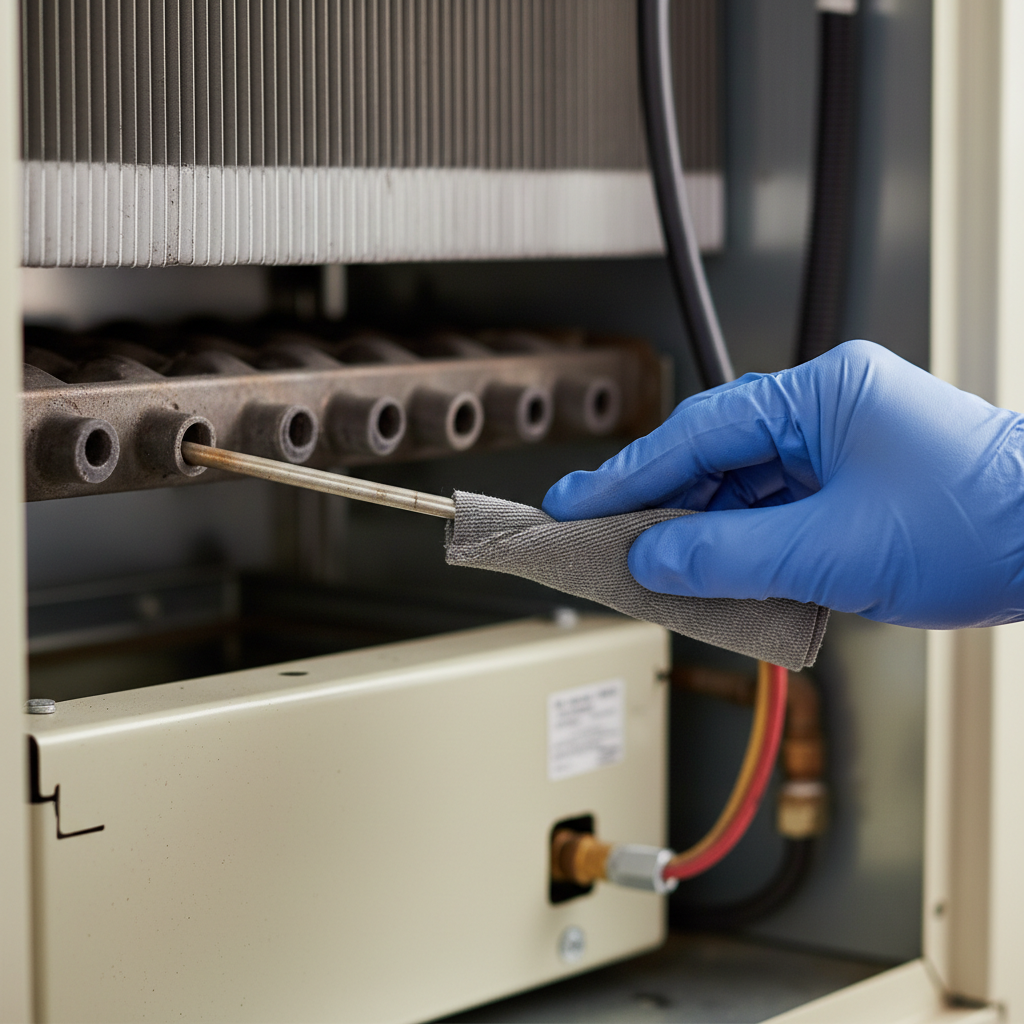
- Inspect the Flame Sensor (Gas Furnaces Only) – The furnace's safety guard.
- To clean: Carefully remove the flame sensor (usually held by one screw). Gently clean the metallic rod with fine-grit emery cloth or steel wool. Do not use sandpaper, as it can leave abrasive residues. Reinstall it securely.
- If this doesn't work: A heavily corroded or damaged flame sensor may need replacement. Sometimes, the wiring to the flame sensor can be loose or damaged.
HVAC · High energy usage
| Project category | HVAC |
|---|---|
| Problem type | High energy usage |
| Trade required | HVAC |
| Urgency | Planned project |
| Safety risk | Low safety risk |
| DIY suitability | DIY for experienced homeowners |
| Cost category | High cost |
| Typical timeline | Assessment within weeks; replacement planned off-season |
| Contractor type | Licensed HVAC technician |
Repair option
Duct sealing, insulation, and a tune-up before touching the equipment.
Replacement option
High-efficiency replacement sized by a load calculation, not a rule of thumb.
Common causes
- Aging, low-efficiency equipment
- Leaking ducts losing conditioned air
- Insufficient attic insulation
- Oversized system short-cycling
Relevant tools:project cost estimatorrepair or replace
Published May 28, 2026Last updated August 17, 2026
Tools & materials you'll need
Affiliate linksAs an Amazon Associate FixlyGuide earns from qualifying purchases — at no extra cost to you. Prices and availability are accurate as of publication and subject to change.
Quick Answer
If your furnace is blowing cold air, start with the simplest checks: verify your thermostat settings, especially ensuring it's set to 'heat' and not 'fan only,' and confirm the desired temperature is above your current room temperature. Next, immediately inspect your air filter. A dirty, clogged filter is a prime suspect, as it restricts airflow, forcing the furnace to cycle off before adequately heating your home. Don't overlook the obvious, like a tripped circuit breaker or ensuring your furnace's access panels are securely closed. For gas furnaces, a pilot light that has gone out or a faulty flame sensor could be the culprit. Many of these issues are straightforward DIY fixes that can save you a service call.
The Problem
There's nothing quite as unsettling on a chilly day as your furnace roaring to life, only to deliver a steady stream of cold, unheated air through your vents. It's a frustrating, uncomfortable, and potentially costly problem if left unaddressed. This isn't just about minor discomfort; a malfunctioning furnace can lead to freezing pipes, mold growth from condensation, and even pose safety risks if certain components fail. Homeowners often jump to conclusions, imagining expensive repairs or a total system replacement. However, the reality is that many instances of a furnace blowing cold air stem from surprisingly common and often simple issues that you can diagnose and fix yourself with basic tools and a bit of know-how. Understanding the underlying causes is the first step toward restoring warmth and peace of mind to your home.
How It Works
To effectively troubleshoot, it helps to grasp the basic operation of your furnace. When your thermostat calls for heat, a series of events are triggered. First, the inducer fan motor starts, drawing combustion air into the furnace and venting exhaust gases. Once sufficient airflow is detected by a pressure switch, the ignitor (either a hot surface ignitor or an electronic spark ignitor) glows or sparks to ignite the gas flowing from the gas valve into the burners. The burners then produce flames, heating a component called the heat exchanger. The heat exchanger is a crucial, sealed component – exhaust gases pass through it on one side, while your home's circulating air passes over the other side, picking up heat without mixing with the combustion gases. Once the heat exchanger reaches a predetermined temperature, usually detected by a limit switch, the main blower motor activates. This large fan pushes the now-heated air through your home's ductwork and out through the supply registers. Meanwhile, the combustion byproducts are safely expelled through a flue pipe. If any step in this sequence fails – the ignitor doesn't light, the flame isn't detected, the heat exchanger overheats, or the blower never kicks in – your furnace will either not produce heat or will blow unheated air. Many modern furnaces also include a series of safety sensors, such as a flame sensor that confirms ignition, and limit switches that prevent overheating. If any of these sensors detect a problem, they will shut down the furnace, often before heat is produced, as a safety measure. This precisely calibrated dance of components is what warms your home, and an interruption at any stage can result in cold air.
Step-by-Step Fix
Safety First! Before attempting any repairs, always turn off the power to your furnace at the thermostat and the dedicated breaker in your electrical panel. For gas furnaces, locate the gas shut-off valve near the unit and turn it to the 'off' position. Wear gloves when handling filters or sharp components.
-
Check Your Thermostat Settings – Ensure it's actually asking for heat.
- Inspect your thermostat: Is it set to 'heat'? Many thermostats have an 'auto' and 'on' setting for the fan; ensure it's on 'auto' unless you specifically want continuous fan operation. The temperature setting should be at least 5-10 degrees Fahrenheit above the current room temperature to trigger a heat cycle. Look for a 'hold' or 'run' schedule setting, confirming it's not overriding your desired temperature. If your thermostat uses batteries, replace them, even if you think they're fine. A dying battery can cause intermittent issues.
- If this doesn't work: Try raising the temperature setting significantly (e.g., to 80°F) to force the furnace on. If still no heat, proceed to the next step.
-
Inspect and Replace Your Air Filter – A clogged filter is a cold furnace's best friend.
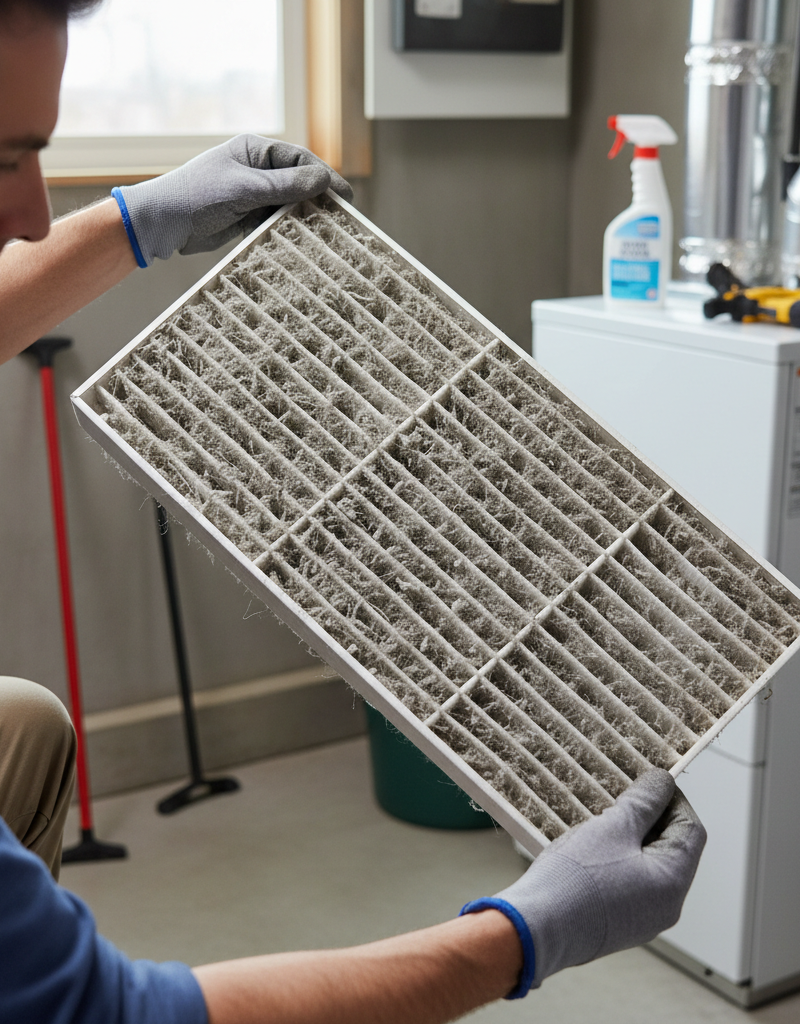
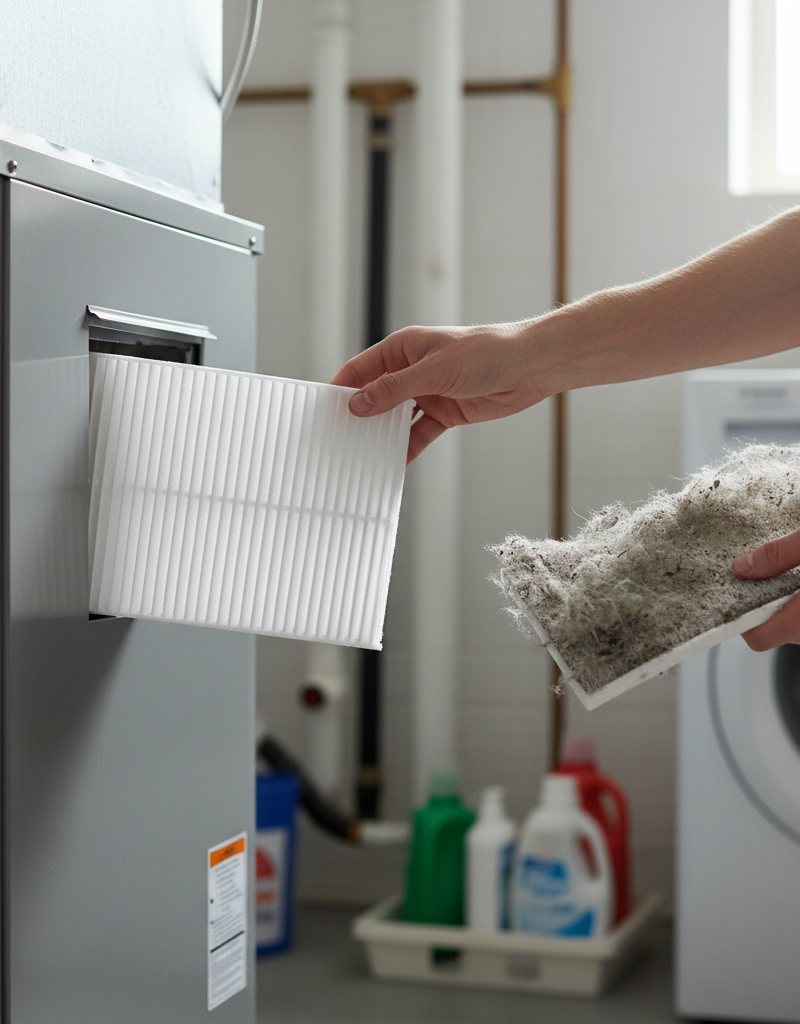
- Locate the filter slot, usually at the return air duct right before the furnace or within the furnace cabinet itself. Pull out the existing filter. Hold it up to a light source. If you can't see light through it, or if it's visibly caked with dust and debris, it's severely restricted. A clogged filter dramatically reduces airflow, causing the heat exchanger to overheat. Modern furnaces have a safety 'limit switch' that will shut off the burners to prevent damage, but the blower fan may continue to run, circulating cold air.
- Always replace dirty filters with the correct size and MERV rating. A higher MERV rating (e.g., MERV 11-13) provides better filtration but can restrict airflow more, so check your furnace manual for recommendations. Never run the furnace without a filter, as this can damage internal components.
- If this doesn't work: After replacing the filter, reset the furnace by turning off power at the breaker for 30 seconds, then restoring it. See if it cycles correctly.
-
Check Your Furnace Access Panels and Blower Compartment Door – A simple safety interlock.
- Many furnaces have a safety switch that prevents operation if the main access panel or blower compartment door is not fully closed. This is designed to protect you from moving parts. Carefully check that all panels are securely latched and seated properly. Sometimes a slight misalignment is enough to prevent the switch from engaging.
- If this doesn't work: Ensure there isn't anything physically obstructing the door from closing completely. Some older furnaces have a plunger-style switch that can become stuck.
-
Examine the Pilot Light or Ignitor (Gas Furnaces Only) – No flame, no heat.
- Pilot Light: If you have an older furnace with a standing pilot light, locate it (usually a small blue flame near the burners). If it's out, follow your furnace's instructions to relight it. There's typically a knob with 'off,' 'pilot,' and 'on' settings. You'll hold the knob on 'pilot' while lighting, then switch to 'on' once stable. Safety Note: If you smell gas, do not attempt to relight the pilot. Turn off the gas supply and ventilate your home immediately. Call a professional.
- Hot Surface Ignitor (HSI) or Spark Ignitor: Most modern furnaces use an electronic ignitor. When the furnace starts a heat cycle, you should hear a faint click and then see a glowing orange rod (HSI) or hear a series of rapid clicking sounds (spark ignitor) followed by the whoosh of the main burners igniting. If you don't see or hear this, the ignitor may be faulty, or it's not receiving power. Do not touch HSIs; they are extremely fragile.
- If this doesn't work: A multimeter can test for continuity on an HSI. If it's broken or failing to glow, it will need replacement. Spark ignitors or their control modules can also fail.
-
Inspect the Flame Sensor (Gas Furnaces Only) – The furnace's safety guard.
- The flame sensor is a thin, metallic rod with a ceramic base, usually positioned directly in the path of the burner flame. Its job is to detect the presence of a flame, signaling to the control board that gas is indeed igniting. If it gets dirty (coated with soot or carbon), it can't detect the flame, causing the furnace to think there's no ignition. The furnace will then shut off the gas supply as a safety measure, even if there is a flame, resulting in cold air after a short burst of heat or no heat at all.
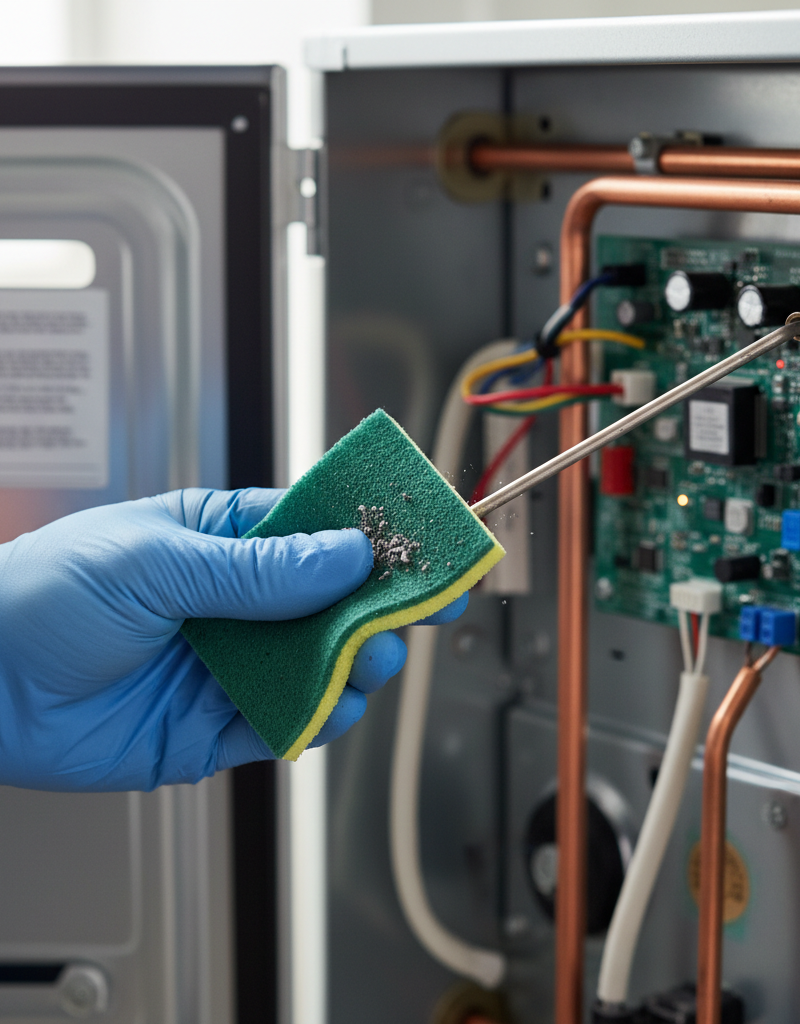
- To clean: Carefully remove the flame sensor (usually held by one screw). Gently clean the metallic rod with fine-grit emery cloth or steel wool. Do not use sandpaper, as it can leave abrasive residues. Reinstall it securely.
- If this doesn't work: A heavily corroded or damaged flame sensor may need replacement. Sometimes, the wiring to the flame sensor can be loose or damaged.
-
Check the Condensate Drain Line (High-Efficiency Furnaces Only) – The wet culprit.
- High-efficiency (condensing) furnaces produce acidic liquid condensate that drains away through a PVC pipe. If this line becomes clogged with algae or debris, or if the condensate pump (if present) fails, a safety float switch will activate, shutting down the furnace to prevent overflow. This often results in the blower running, but no heat being produced.
- Locate the PVC drain line and inspect for visible clogs or standing water in the collection pan. You can try to clear minor clogs by carefully flushing the line with warm water and a bit of bleach (1 part bleach to 10 parts water, poured slowly). If you have a condensate pump, check if it's plugged in and working.
- If this doesn't work: A severely clogged line may require professional snaking. A failing condensate pump may need replacement.
-
Reset the Circuit Breaker – The electrical 'reboot'.
- Go to your main electrical panel. Locate the breaker labeled for your furnace (often 'furnace' or 'HVAC'). It might be tripped (usually in the middle position between 'on' and 'off'). Firmly push it to the 'off' position, then back to 'on.' A tripped breaker indicates an electrical overload or short, possibly due to a failing motor or control board.
- If this doesn't work: If the breaker trips immediately or repeatedly, there's a more serious electrical issue, and you should call a professional.
Common Causes
- Dirty Air Filter: Accounts for a significant percentage of furnace issues. A clogged filter chokes airflow, leading to overheating and premature cycling off of the burners.
- Thermostat Malfunction or Incorrect Settings: Simple user error or a dying thermostat battery can prevent the furnace from receiving the correct instructions to heat.
- Pilot Light Out (Older Furnaces): A draft, clogged pilot orifice, or thermocouple issue can extinguish the pilot flame, which then fails to ignite the main burners.
- Faulty Flame Sensor: A thin layer of soot on the flame sensor prevents it from detecting the burner flame, causing the furnace to shut off as a safety precaution.
- Clogged Condensate Drain (High-Efficiency Furnaces): Algae or debris can back up the drain, triggering a safety switch that disables heat production.
- Tripped Circuit Breaker: An electrical overload or fault in the furnace's wiring or components can cause the dedicated breaker to trip, cutting power.
- Limit Switch Tripped: If the heat exchanger overheats (often due to restricted airflow), a safety limit switch will open, preventing the burners from firing but allowing the blower to continue running to cool the system down.
Common Mistakes
- Ignoring the Air Filter: Many homeowners neglect filter replacement, leading to reduced efficiency, higher energy bills, and eventual furnace breakdowns. Change your filter monthly during peak heating season.
- Misdiagnosing Thermostat Issues: Before blaming the furnace, always double-check thermostat batteries, settings (heat vs. fan, correct temperature), and schedule overrides. It's an easy and free fix!
- Attempting Complex Electrical Repairs: Without proper knowledge and tools, messing with internal furnace wiring can be dangerous and cause further damage. Know when to stop and call for help.
- Overlooking Blocked Vents/Returns: Closed registers or blocked return air vents can create pressure imbalances, restrict airflow, and make your furnace work harder, potentially leading to overheating. Ensure all supply and return vents are open and unobstructed.
- Forgetting to Secure Access Panels: If the furnace access panels aren't fully closed and seated, the safety switch will prevent the unit from operating, leading to confusion.
- Using the Wrong Filter Size or Type: An incorrect filter size allows air to bypass it, while a filter with too high of a MERV rating (unless specified by the manufacturer) can restrict airflow excessively, straining the blower motor.
Cost & Time Breakdown
| Task | DIY Cost | Pro Cost | Time |
|---|---|---|---|
| Check Thermostat & Settings | $0 | $75–$150 (diagnostic fee) | 5 min |
| Replace Air Filter | $15–$50 | $75–$150 (plus filter cost) | 5–10 min |
| Clean Flame Sensor | $0 (if you have emery cloth) | $150–$250 (part of routine tune-up) | 15–30 min |
| Relight Pilot Light | $0 | $75–$150 | 10 min |
| Clear Condensate Drain Line | $0–$5 (materials) | $150–$300 | 30–60 min |
| Replace Ignitor/Flame Sensor | $50–$150 (part) | $200–$400 (part & labor) | 30–60 min |
Tips & Prevention
- Regular Filter Changes: Replace your furnace air filter every 1-3 months, or more frequently if you have pets, allergies, or live in a dusty environment. This is the single most important maintenance task.
- Annual Professional Tune-Up: Schedule a professional HVAC inspection and tune-up every fall before the heating season begins. A technician can identify and resolve minor issues before they become major breakdowns, clean components like the flame sensor, and ensure your system is running efficiently and safely.
- Keep Vents Unobstructed: Ensure all supply and return air vents in your home are open and not blocked by furniture, curtains, or rugs. Proper airflow is critical for efficient operation.
- Clear the Area Around Your Furnace: Maintain at least 3 feet of clear space around the furnace for proper ventilation and safe operation. Avoid storing flammable materials nearby.
- Monitor Flame Color: For gas furnaces, the burner flames should be predominantly blue with possibly a slight yellow tip. Orange or mostly yellow flames can indicate incomplete combustion, which is a safety hazard and a sign the burners or gas pressure need professional adjustment.
- Listen for Unusual Sounds: Pay attention to new or strange noises from your furnace, such as screeching, grinding, or banging. These can signal failing motors, bearings, or other mechanical issues.
When to Call a Professional
While many cold-air issues are DIY-friendly, certain situations demand the expertise of a licensed HVAC professional. If you suspect an issue with your gas line, smell gas, or have difficulty relighting a pilot light after several attempts, shut off the gas supply and call a technician immediately. Never try to force a gas valve or tamper with gas connections. If your circuit breaker repeatedly trips after being reset, there's a serious electrical fault that requires professional diagnosis to prevent fire hazards or damage to the furnace. Any error codes displayed on your furnace's control board that you can't easily troubleshoot using the manual are also a strong indicator to call a pro. If you've performed all the basic diagnostics outlined here and your furnace still blows cold air, or if you hear unsettling noises like grinding, screaming, or persistent banging, it's time to bring in an expert. Furnaces are complex appliances, and attempting repairs beyond your comfort level can lead to further damage, void warranties, or create safety risks like carbon monoxide leaks. A professional can quickly and safely diagnose issues with control boards, motors, heat exchangers, or refrigerant levels (if you have a heat pump system), ensuring the problem is resolved correctly and safely.
Related Articles
Keep troubleshooting with these hand-picked guides from FixlyGuide:
- The 4 Hidden Reasons Your Dryer Tumbles Cold (And How to Fix Them in 30 Minutes) — Your dryer tumbles, but clothes stay cold. Discover the four most common culprits behind a dryer that won't heat, and how to troubleshoot t…
- The #1 Mistake Homeowners Make When Their Heat Pump Stops Heating in Winter — Discover the most common reason your heat pump struggles in cold weather and how a simple homeowner fix can restore warmth to your home.
- The Secret Reason Your Furnace Turns On and Off So Much (It's Not What You Think) — Short cycling strains your furnace and wastes energy. Learn the most common surprising causes and how to fix them to restore efficient heat…
- The Secret Reason Your Thermostat Lies (And How to Fix It in Minutes) — Discover why your thermostat isn't hitting its set temperature and learn simple, actionable steps to diagnose and fix the most common culpr…
- The #1 Reason Your AC Blows Warm Air (And It's Not What You Think) — Discover the most common and often overlooked reason your AC might be blowing warm air, and how a simple capacitor fix can restore cool air.
- The 3 Hidden Reasons Your Gas Burner Won't Light (Beyond a Clog) — Before you call a technician, discover the most common culprits behind a gas stove burner that refuses to ignite and learn how to fix them…
Should you do this yourself?
Answer five quick questions before you start. Safety outranks savings every time.
Your experience with work like this
How high do you have to work?
Does the job involve any of these?
Will it need a permit?
Specialty tools
Free and instant. Educational guidance only — not a quote, inspection, or professional diagnosis.
Estimate your own project cost
National averages are a starting point. Enter your details for a range that fits your house.
HVAC replacement cost
- Equipment$2,200 – $3,800
- Installation labor$1,200 – $2,500
Always insist on a Manual J load calculation — sq-ft sizing is only a rough check. Federal heat-pump rebates may reduce cost significantly.
Educational estimate only — always confirm with written local bids.
What should this project cost?
Enter your project details for a realistic cost range before you call anyone.
Service calls and common repairs run $150–$900; full system replacement typically $6,000–$12,000.
- Regional adjustment
- National average
- Labor share (typical)
- ~$1,935
- Quotes to collect
- 3 written estimates
Educational estimate based on national averages — not a binding quote. Always confirm with written local estimates.
Fixly Project Decision Box
- DIY difficulty
- Advanced
- Estimated time
- Homeowner checks 20–30 minutes
- Cost level
- Moderate
Main tools / materials
- Clean air filter
- Garden hose for condenser coils
- Shop vac for the condensate line
When to stop and call a pro
- Burning smell, smoke, or a tripping breaker
- Refrigerant lines iced over or hissing
- Any work inside the sealed refrigerant circuit (EPA-licensed only)
- Gas smell near a furnace — leave and call the utility
Need professional help?
Find an HVAC Pro Near YouBefore you start
Check the difficulty, permits, and safety risk — then decide whether to call a pro.
Free, no signup required. Estimates are educational guidance, not a quote or an inspection.
Get the print-ready PDF of this guide
A clean, ad-free, printable version you can keep on your phone or pin to the workshop wall. Free with a FixlyGuide account.
- Print-optimized layout
- Tools, materials & every step included
- Saved to your account
Frequently asked questions
Why would my furnace blow cold air but the fan is running?+
If your furnace fan is running but you're only getting cold air, it often means the burners aren't igniting or aren't staying lit. Common culprits include a dirty air filter restricting airflow (causing the furnace to overheat and shut off the burners), a faulty flame sensor that can't detect the flame, a pilot light that's out, or a clogged condensate drain in high-efficiency models which triggers a safety switch. Also check your thermostat to ensure it's not set to 'fan only'.
How do I know if my flame sensor is bad or just dirty?+
Often, a dirty flame sensor will cause your furnace to light for a short period (usually 5-10 seconds) and then shut off, because it can't detect the flame it's supposed to be monitoring. If the sensor is completely bad, the furnace may not even attempt to ignite the main burners, or it might try and immediately cut off. Cleaning the sensor first with fine emery cloth is the best diagnostic step. If cleaning doesn't resolve the issue, replacement is likely necessary.
Can a clogged air filter really cause cold air from the furnace?+
Absolutely. A severely clogged air filter restricts airflow across the heat exchanger. This causes the heat exchanger to overheat. Modern furnaces have a safety device called a 'limit switch' that detects this overheating and shuts off the burners to prevent damage. The blower fan, however, often continues to run, circulating unheated, cold air throughout your home. Replacing a dirty filter is one of the most common and easiest fixes for this problem.
What does a furnace look like when it's blowing cold air?+
Outwardly, a furnace blowing cold air usually looks and sounds like it's operating normally – the blower fan will be running, and you'll hear air moving through the vents. The key difference is the temperature of the air: instead of warm or hot air, you'll feel distinctly cold or room-temperature air coming from the registers. There might not be any visible error codes unless the problem is severe enough to cause a complete shutdown or a specific component failure.
When should I call an HVAC professional for cold air issues?+
You should call an HVAC professional if: you smell gas, your circuit breaker for the furnace repeatedly trips, you see error codes you can't troubleshoot, you hear loud grinding or banging noises, you've tried all the basic DIY steps and the problem persists, or you're uncomfortable attempting any of the repairs yourself. Issues involving gas lines, complex electrical components, or suspected heat exchanger damage always warrant professional attention for safety and proper repair.
Discussion
Loading comments…