- Impact: An incorrectly programmed, malfunctioning, or poorly located thermostat can send erroneous signals, causing the furnace to turn on and off prematurely.
- Settings: Ensure your thermostat is set to "Heat" and "Auto" (not "On" for the fan, which causes continuous fan operation regardless of heating). Check the programmed schedule to ensure it's not set to change temperatures too frequently.
- Calibration (older models): For older, mercury-bulb thermostats, ensure it's level. For digital thermostats, check the manufacturer's instructions for a recalibration or reset option. Change the batteries if applicable.
- Location: The thermostat should be on an interior wall, away from direct sunlight, drafts, heat sources (lamps, TVs), or cold spots. If it's near one of these, it could be misreading the room temperature.
HVAC · High energy usage
| Project category | HVAC |
|---|---|
| Problem type | High energy usage |
| Trade required | HVAC |
| Urgency | Planned project |
| Safety risk | Low safety risk |
| DIY suitability | DIY for experienced homeowners |
| Cost category | High cost |
| Typical timeline | Assessment within weeks; replacement planned off-season |
| Contractor type | Licensed HVAC technician |
Repair option
Duct sealing, insulation, and a tune-up before touching the equipment.
Replacement option
High-efficiency replacement sized by a load calculation, not a rule of thumb.
Common causes
- Aging, low-efficiency equipment
- Leaking ducts losing conditioned air
- Insufficient attic insulation
- Oversized system short-cycling
Relevant tools:project cost estimatorrepair or replace
Published July 23, 2026Last updated August 17, 2026
Tools & materials you'll need
Affiliate linksAs an Amazon Associate FixlyGuide earns from qualifying purchases — at no extra cost to you. Prices and availability are accurate as of publication and subject to change.
Quick Answer
Furnace short cycling, characterized by your heating system turning on and off rapidly without effectively heating your home, is a common problem that homeowners often overlook. This issue not only drives up your energy bills and creates an uncomfortable indoor environment but also puts unnecessary strain on your furnace's components, significantly shortening its lifespan. Addressing short cycling promptly can save you money, improve comfort, and prevent more severe, expensive breakdowns.
The Problem
Imagine your furnace as a marathon runner. It needs to warm up, run a steady race, and then cool down. Short cycling is like that runner sprinting for a few seconds, stopping, and then sprinting again repeatedly. The furnace ignites, runs briefly, and then shuts off before your home reaches the thermostat's set temperature. This start-stop behavior is inefficient, causes uneven heating, and accelerates wear and tear on critical parts like the igniter, motor, and heat exchanger. Over time, this can lead to costly repairs or even premature system replacement.
How It Works
To understand short cycling, it helps to know how a furnace should work. When your thermostat senses the indoor temperature has dropped below the set point, it sends a signal to the furnace. The inducer motor starts, clearing any residual combustion gases. Then, the igniter (either a hot surface igniter or a pilot light) fires up, followed by the main burner. The combustion gases heat a metal heat exchanger. Once the heat exchanger is sufficiently hot, the blower motor kicks on, circulating air across the hot heat exchanger and distributing warm air through your home's ductwork and vents. The furnace continues this cycle until the thermostat's set temperature is met. Another signal then tells the furnace to shut down, and the blower typically continues for a short period to dissipate any residual heat. A properly sized and functioning furnace will typically run for 10-15 minutes per cycle in moderate weather, possibly longer in colder conditions. Short cycling disrupts this entire sequence, preventing the system from ever reaching equilibrium.
Step-by-Step Fix
Before you begin any work on your furnace, always prioritize safety. Turn off the power to the furnace at the dedicated furnace switch, usually located on or near the furnace, or at your home's main electrical panel.
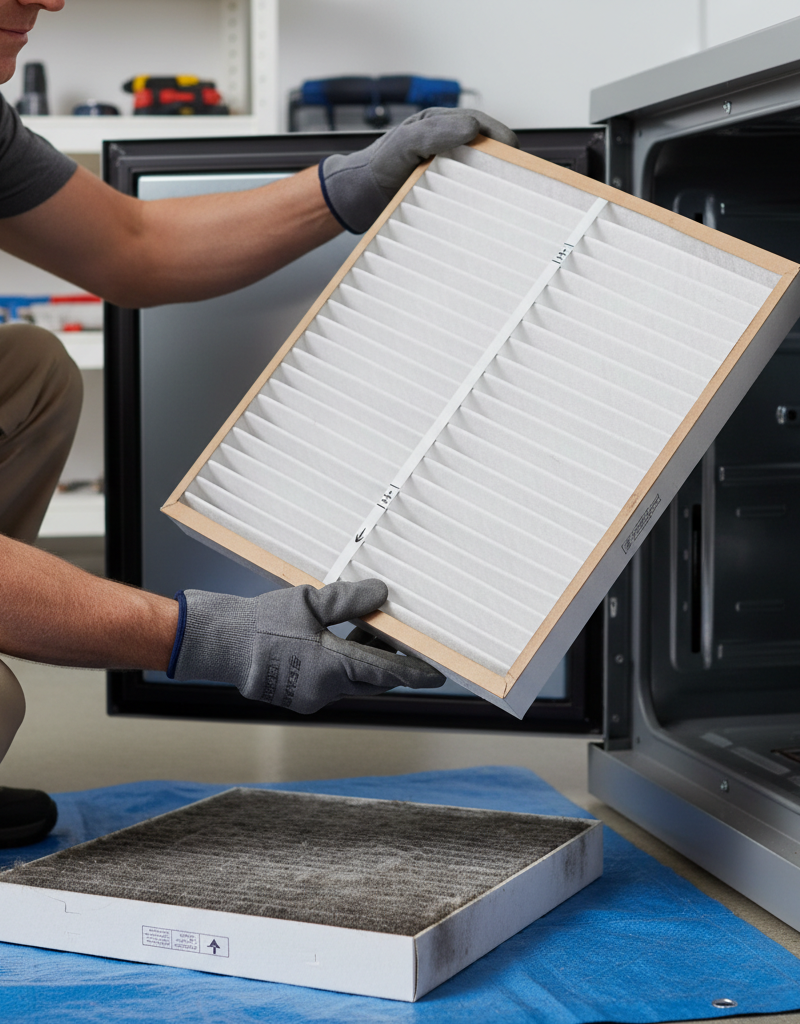
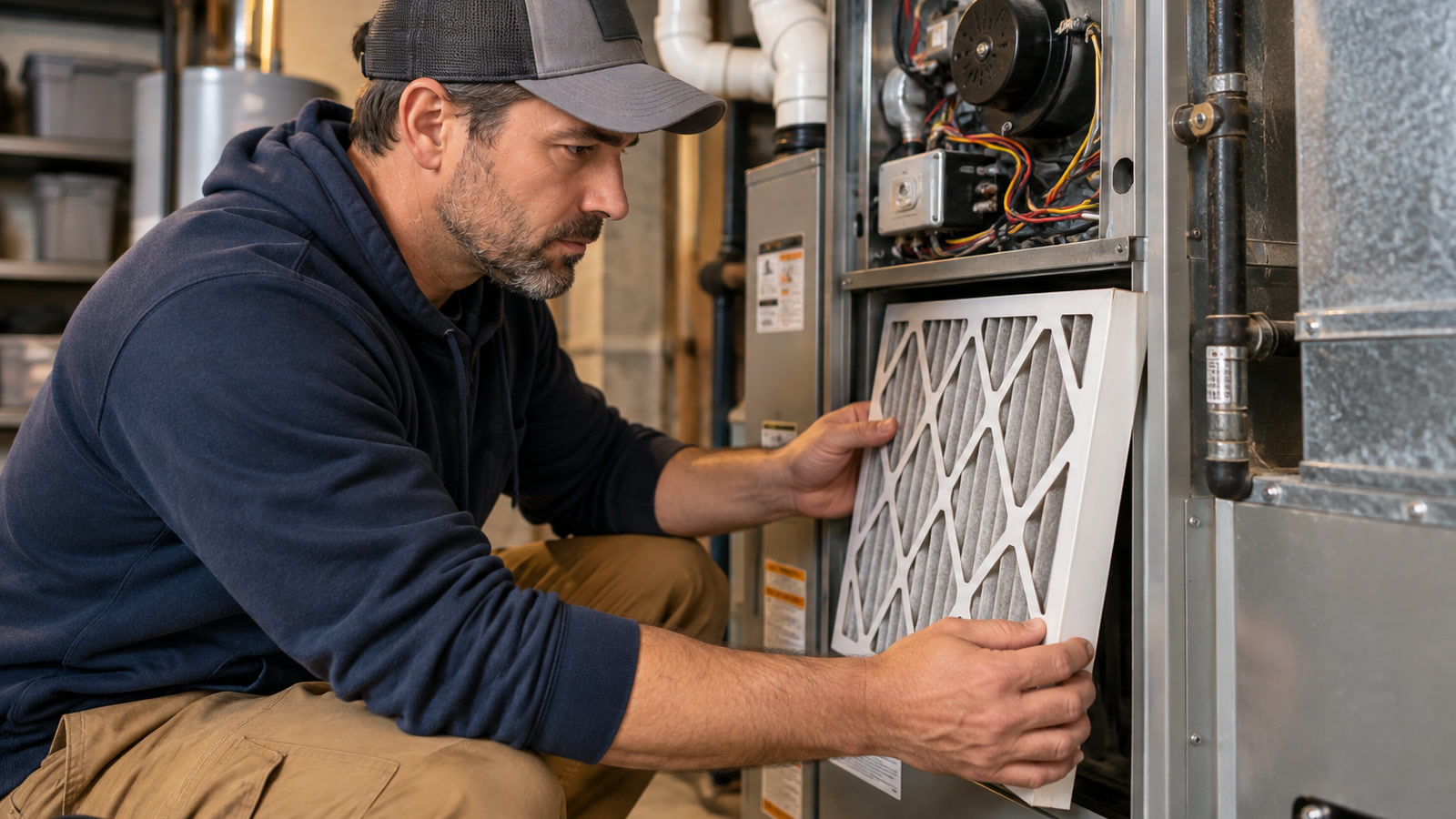
1. Check and Replace Your Air Filter — Often the simplest solution.
- Impact: A clogged air filter restricts airflow, causing the heat exchanger to overheat quickly. The furnace's safety limits then shut off the system to prevent damage, leading to short cycling.
- How-to: Locate the filter slot (usually in the return air duct or within the furnace cabinet). Note the size printed on the filter. Slide out the old filter and replace it with a new one, ensuring the airflow arrow on the filter points towards the furnace. Aim to replace standard fiberglass filters monthly, and pleated filters every 2-3 months.
- If this doesn't work: If the filter is clean and the issue persists, move to the next step.
2. Inspect and Clear Your Vents and Registers — Restore proper air circulation.
- Impact: Blocked return air vents starve the furnace of air, while blocked supply vents can cause pressure imbalances and prevent heat distribution, triggering safety shutdowns.
- How-to: Walk through your entire home. Ensure all supply registers (where warm air comes out) and return air grilles (where air is drawn back into the system) are open and unobstructed by furniture, rugs, or drapes. Clean any dust or debris from them. Partially closing some vents in unused rooms can sometimes improve flow to colder areas, but never close more than 20% of your home's vents, as this can strain the blower motor.
- If this doesn't work: If all vents are clear, the issue might be deeper within the system.
3. Examine Your Thermostat Settings and Location — The furnace's control center.
- Impact: An incorrectly programmed, malfunctioning, or poorly located thermostat can send erroneous signals, causing the furnace to turn on and off prematurely.
- How-to:
- Settings: Ensure your thermostat is set to "Heat" and "Auto" (not "On" for the fan, which causes continuous fan operation regardless of heating). Check the programmed schedule to ensure it's not set to change temperatures too frequently.
- Calibration (older models): For older, mercury-bulb thermostats, ensure it's level. For digital thermostats, check the manufacturer's instructions for a recalibration or reset option. Change the batteries if applicable.
- Location: The thermostat should be on an interior wall, away from direct sunlight, drafts, heat sources (lamps, TVs), or cold spots. If it's near one of these, it could be misreading the room temperature.
- If this doesn't work: Consider temporarily bypassing the thermostat by connecting the R and W wires (consult your furnace manual first, as this can damage some modern systems if done incorrectly) to see if the furnace runs a full cycle. If it does, your thermostat is likely the culprit and may need replacement.
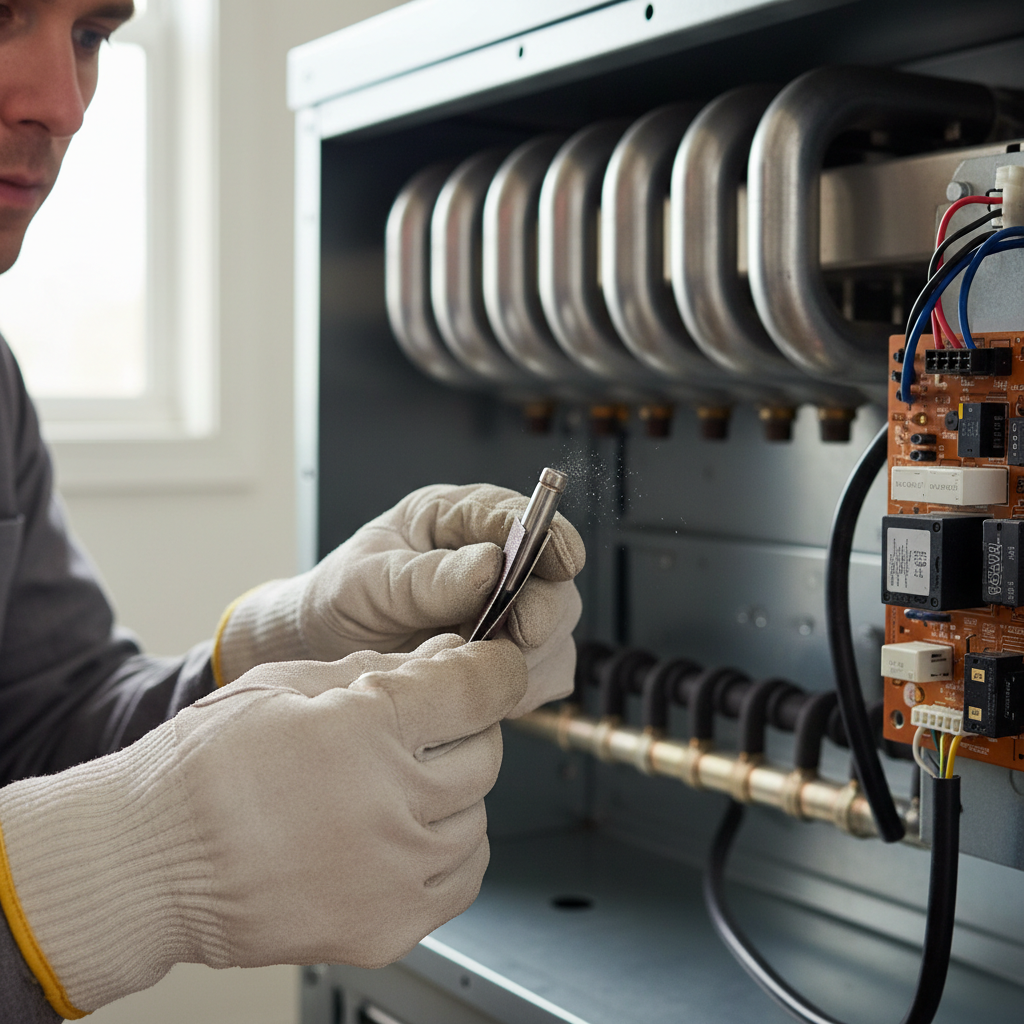
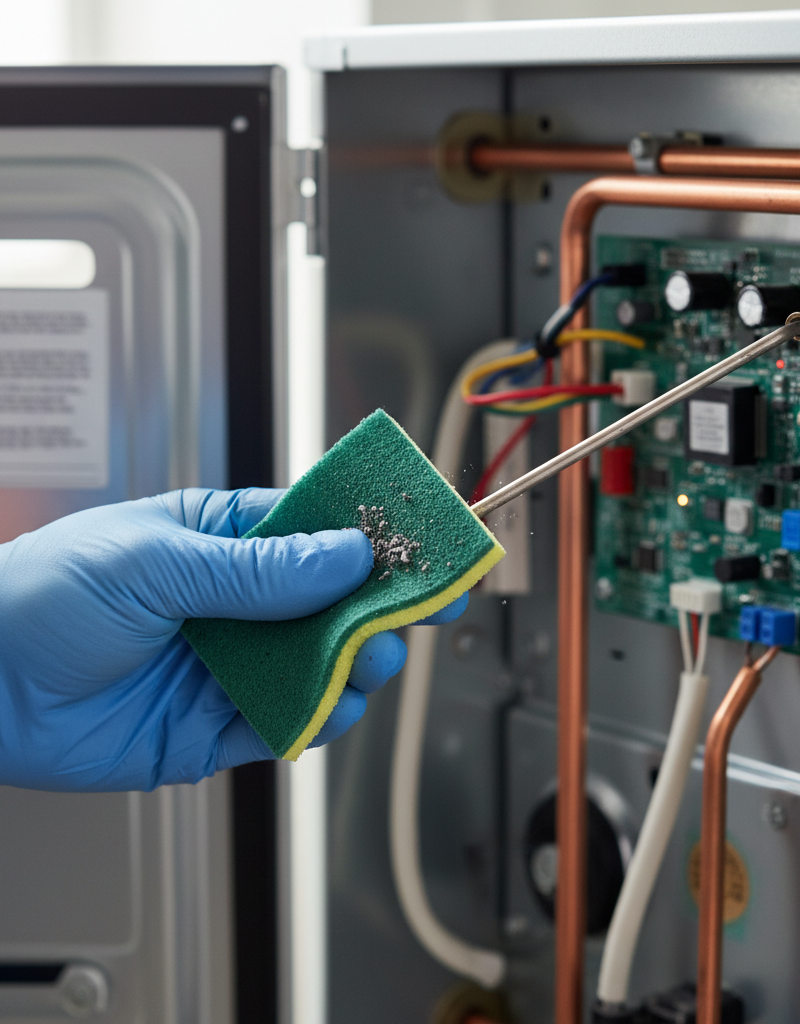
4. Clean the Flame Sensor — A common cause of ignition problems.
- Impact: The flame sensor is a safety device that detects if a flame is present in the burner. If it's dirty with carbon buildup, it can't "see" the flame, causing the furnace to shut off shortly after igniting, thinking there's no combustion.
- How-to:
- Safety First: Turn off power to the furnace. Locate the flame sensor (a thin, metallic rod often positioned directly in the flame path of one of the burners, near the igniter). It usually has a single wire connected to it.
- Removal: Carefully disconnect the wire and remove the sensor, usually by unscrewing one or two screws.
- Cleaning: Gently clean the metallic rod with a fine emery board or steel wool. Do not use sandpaper or harsh chemicals, as these can damage the sensor. Reinstall the sensor, ensuring the wire is securely reconnected.
- Safety warning: Never touch the flame sensor with your bare hands after cleaning, as skin oils can cause it to corrode faster.
- If this doesn't work: If cleaning doesn't resolve the issue, the flame sensor might be faulty and need replacement, or there could be a deeper ignition problem.
5. Check Drain Pan and Condensate Line (High-Efficiency Furnaces Only) — Preventing water-related shutdowns.
- Impact: High-efficiency (condensing) furnaces produce condensate, which drains away. If the drain pan or condensate line becomes clogged, a safety switch will shut off the furnace to prevent overflow.
- How-to:
- Locate: Find the condensate drain pan (often plastic, at the bottom of the furnace) and the PVC drain line running from it, usually to a floor drain or condensate pump.
- Clear Clogs: Look for standing water in the pan. Disconnect the PVC line and use a wet/dry vacuum to clear any blockages. You can also carefully pour a cup of distilled vinegar down the line to help dissolve algae or sludge (follow manufacturer recommendations).
- Safety switch: Some systems have a float switch in the pan. Ensure it
Related Articles
Keep troubleshooting with these hand-picked guides from FixlyGuide:
- The 3 Hidden Reasons Your Furnace Short Cycles (and What to Do) — Furnace short cycling wastes energy and causes uneven heating. Learn the hidden reasons behind this common problem and how to fix it yourse…
- The 3 Hidden Reasons Your Furnace Short Cycles (and What to Do) — Discover the surprising reasons your furnace might be short cycling and learn actionable steps to diagnose and fix the problem, saving you…
- The Hidden Reason Your AC Freezes — And Why Most Homeowners Get It Wrong — Discover the surprising truth behind why your outdoor AC unit is freezing up and the common mistake homeowners make when trying to fix it.
- The #1 Mistake Homeowners Make When Their AC Won't Turn On (And the Easy Fix) — Learn the most common oversight homeowners make when their AC won't turn on and how to troubleshoot basic issues to restore cooling.
- The Secret Reason Your AC Isn't Drying Your Air (And What to Check First) — Your AC should cool and dehumidify, but if your house feels muggy, there's a specific, often overlooked culprit preventing it from doing it…
- The Hidden Reason Your AC Isn't Cooling (It's Not Just Freon) — A central AC system that isn't cooling your home can often be traced back to a surprising culprit: airflow obstruction, which mistakenly le…
Should you do this yourself?
Answer five quick questions before you start. Safety outranks savings every time.
Your experience with work like this
How high do you have to work?
Does the job involve any of these?
Will it need a permit?
Specialty tools
Free and instant. Educational guidance only — not a quote, inspection, or professional diagnosis.
Estimate your own project cost
National averages are a starting point. Enter your details for a range that fits your house.
HVAC replacement cost
- Equipment$2,200 – $3,800
- Installation labor$1,200 – $2,500
Always insist on a Manual J load calculation — sq-ft sizing is only a rough check. Federal heat-pump rebates may reduce cost significantly.
Educational estimate only — always confirm with written local bids.
What should this project cost?
Enter your project details for a realistic cost range before you call anyone.
Service calls and common repairs run $150–$900; full system replacement typically $6,000–$12,000.
- Regional adjustment
- National average
- Labor share (typical)
- ~$1,935
- Quotes to collect
- 3 written estimates
Educational estimate based on national averages — not a binding quote. Always confirm with written local estimates.
Fixly Project Decision Box
- DIY difficulty
- Advanced
- Estimated time
- Homeowner checks 20–30 minutes
- Cost level
- Moderate
Main tools / materials
- Clean air filter
- Garden hose for condenser coils
- Shop vac for the condensate line
When to stop and call a pro
- Burning smell, smoke, or a tripping breaker
- Refrigerant lines iced over or hissing
- Any work inside the sealed refrigerant circuit (EPA-licensed only)
- Gas smell near a furnace — leave and call the utility
Need professional help?
Find an HVAC Pro Near YouBefore you start
Check the difficulty, permits, and safety risk — then decide whether to call a pro.
Free, no signup required. Estimates are educational guidance, not a quote or an inspection.
Frequently asked questions
What does furnace short cycling mean?+
Furnace short cycling means your heating system is turning on and off too frequently without completing a full heating cycle to reach the thermostat's set temperature. Instead of running for a consistent 10-15 minutes, it might only run for a few minutes before shutting down, only to restart shortly after.
Is short cycling bad for my furnace?+
Yes, short cycling is detrimental to your furnace. It causes increased wear and tear on critical components like the igniter, blower motor, and heat exchanger due to frequent start-ups, which can lead to premature failure and costly repairs. It also results in higher energy bills and uneven heating.
How long should a furnace run in a cycle?+
In moderate weather, a properly sized furnace should typically run for 10 to 15 minutes per heating cycle. In colder temperatures, it might run longer, possibly 20 minutes or more, to adequately heat your home. Very short cycles (under 5 minutes) or excessively long cycles (over 30 minutes without reaching temperature) can indicate a problem.
Can a dirty air filter cause short cycling?+
Absolutely. A dirty or clogged air filter is one of the most common causes of furnace short cycling. It restricts airflow, causing the furnace's heat exchanger to overheat rapidly. To prevent damage, safety sensors will then shut off the furnace prematurely, leading to a short cycle.
When should I call a professional for short cycling?+
You should call a professional HVAC technician if you've performed basic troubleshooting steps (such as changing the filter, clearing vents, and cleaning the flame sensor) and your furnace continues to short cycle. Persistent issues may indicate more serious problems like an oversized furnace, heat exchanger cracks, refrigerant leaks (for heat pumps), or complex electrical control board issues that require specialized diagnostic tools and expertise.
Discussion
Loading comments…