- What the thermostat was set to
- Whether the blower started
- Whether heat came from the vents
- Whether the system eventually started
- Whether you noticed a sound, smell, or warning indicator
HVAC · High energy usage
| Project category | HVAC |
|---|---|
| Problem type | High energy usage |
| Trade required | HVAC |
| Urgency | Planned project |
| Safety risk | Low safety risk |
| DIY suitability | DIY for experienced homeowners |
| Cost category | High cost |
| Typical timeline | Assessment within weeks; replacement planned off-season |
| Contractor type | Licensed HVAC technician |
Repair option
Duct sealing, insulation, and a tune-up before touching the equipment.
Replacement option
High-efficiency replacement sized by a load calculation, not a rule of thumb.
Common causes
- Aging, low-efficiency equipment
- Leaking ducts losing conditioned air
- Insufficient attic insulation
- Oversized system short-cycling
Relevant tools:project cost estimatorrepair or replace
Published September 13, 2026
Here’s a home-maintenance mistake that’s incredibly easy to make:
You don’t think about your furnace until you’re cold.
All summer, your heating system can sit quietly while the air conditioner gets all the attention.
Then the first genuinely cold night arrives.
You walk over to the thermostat.
Switch the heat on.
And…
Nothing.
Or maybe the furnace starts—but something doesn’t sound right.
Maybe it runs for a few minutes and shuts off.
Maybe the vents aren’t getting warm.
Maybe there’s a strange smell.
Maybe you hear a noise you’ve never heard before.
That’s why September and early fall are such good times to pay attention to your heating system. Current seasonal-maintenance guidance recommends that homeowners test and prepare heating equipment before colder weather creates the seasonal service rush.
You don’t need to diagnose your furnace yourself.
You just need to recognize when your house is telling you:
“Something changed.”
Here are seven warning signs worth paying attention to.
1. Your Furnace Is Blowing Air—but It Isn’t Warm
This is probably one of the easiest problems to notice.
You turn the thermostat up. The system starts. You hear the blower. Air comes from the vents. But the house isn’t getting warmer.
There are several possible explanations, and not all of them mean the furnace has failed. The thermostat could be incorrectly configured. Airflow could be restricted. The system may not have completed its normal heating cycle. Or there could be a problem with the heating equipment itself.
The important part is the pattern.
If your furnace previously heated the house normally and now consistently produces little or no heat, something deserves investigation.
Don’t immediately assume you need a new furnace. Start with the simplest safe observations and have an HVAC professional diagnose the equipment if the problem continues.
2. The Furnace Keeps Turning On and Off
Your furnace should cycle. That’s normal.
What’s worth noticing is a change in the cycling pattern. For example: it starts, stops, starts again, stops again—and continues without comfortably heating the house.
This is often called short cycling.
Several things can contribute to unusual cycling behavior, ranging from airflow issues to thermostat or equipment problems. A homeowner doesn’t need to determine which one it is.
Instead, ask: Has the way my furnace operates changed?
If yes, that’s useful information to give an HVAC technician. Tell them approximately how long the system runs before shutting down and how frequently the behavior occurs. That information can help with diagnosis.
3. Your Furnace Suddenly Sounds Different
Homes make noises. HVAC systems definitely make noises. So hearing something isn’t automatically a problem.
What matters is a new sound.
Maybe you suddenly hear:
- Banging
- Rattling
- Scraping
- Squealing
- Buzzing
- Repeated clicking
- Unusual vibration
Don’t diagnose the equipment from the sound alone. The same general noise can have different causes.
But if your furnace has sounded one way for years and suddenly sounds completely different, don’t simply turn the television louder. Your furnace shouldn’t develop a new personality overnight.
Document when the sound occurs: at startup, while running, or when shutting down. Then have it checked if necessary.
4. You Notice an Unusual or Persistent Smell
This one needs some context.
When you turn the heat on for the first time after months of not using it, you may notice a temporary dusty smell. That doesn’t automatically mean something is wrong.
But there’s a big difference between “the heat hasn’t run since spring” and “something smells like it’s burning.”
Persistent burning odors, electrical smells, smoke, overheating, or unusual combustion-related symptoms deserve attention.
And there’s one especially important point: You cannot rely on smell to detect carbon monoxide.
Carbon monoxide is colorless and odorless, which is why functioning CO alarms are so important around homes with fuel-burning equipment. Current utility safety guidance recommends testing CO and smoke alarms as heating season approaches.
If a carbon monoxide alarm activates, leave the home and follow emergency guidance rather than trying to troubleshoot the furnace yourself.
5. Some Rooms Suddenly Won’t Get Comfortable
Here’s another symptom homeowners often blame on the weather.
The thermostat says 70. The living room feels fine. But the bedroom feels like 62. Or maybe one side of the house suddenly feels much colder than the other.
Before assuming the furnace itself is failing, check simple things. Are vents open? Is furniture blocking them? Is a return grille obstructed? Has anything changed?
Uneven temperatures can involve many factors, including:
- Airflow
- Ductwork
- Insulation
- Air leakage
- HVAC performance
- Home layout
The symptom isn’t the diagnosis. If the problem is new or getting worse, investigate why.
6. Your Heating Bill Jumps and You Can’t Explain Why
Suppose last winter your energy usage was fairly predictable. Then suddenly your heating costs climb dramatically.
Don’t immediately blame the furnace. Start by comparing actual energy consumption when possible—not simply the dollar amount of the bill. Rates can change. Weather changes. Household behavior changes.
But if energy consumption rises substantially without an obvious explanation, your heating system is one of several things worth investigating.
Other possibilities include thermostat changes, air leakage, insulation problems, duct issues, more people being home, new appliances, electric resistance heating, hot-water usage, and extreme weather.
Don’t replace a furnace because of one utility bill. Look for a pattern.
That’s the Fixly Guide approach: Diagnose first. Spend second.
7. The Furnace Doesn’t Start Reliably
This one deserves attention before winter.
You adjust the thermostat. Sometimes the furnace starts. Sometimes it doesn’t.
Maybe you have to change the thermostat setting repeatedly. Maybe the system starts after an unexplained delay. Maybe it stops and won’t restart normally.
Intermittent problems can be frustrating because the system might work perfectly when you’re watching it. That’s why documenting the behavior matters.
Write down:
- When it happened
- What the thermostat was set to
- Whether the blower started
- Whether heat came from the vents
- Whether the system eventually started
- Whether you noticed a sound, smell, or warning indicator
Don’t repeatedly manipulate controls or open equipment trying to force the furnace to operate. Have the underlying problem identified.
The 10-Minute Furnace Test You Can Do Before Winter
You don’t need to disassemble anything. Pick a cooler morning and give yourself ten minutes.
Step 1: Look at the thermostat
Make sure you’re familiar with its settings.
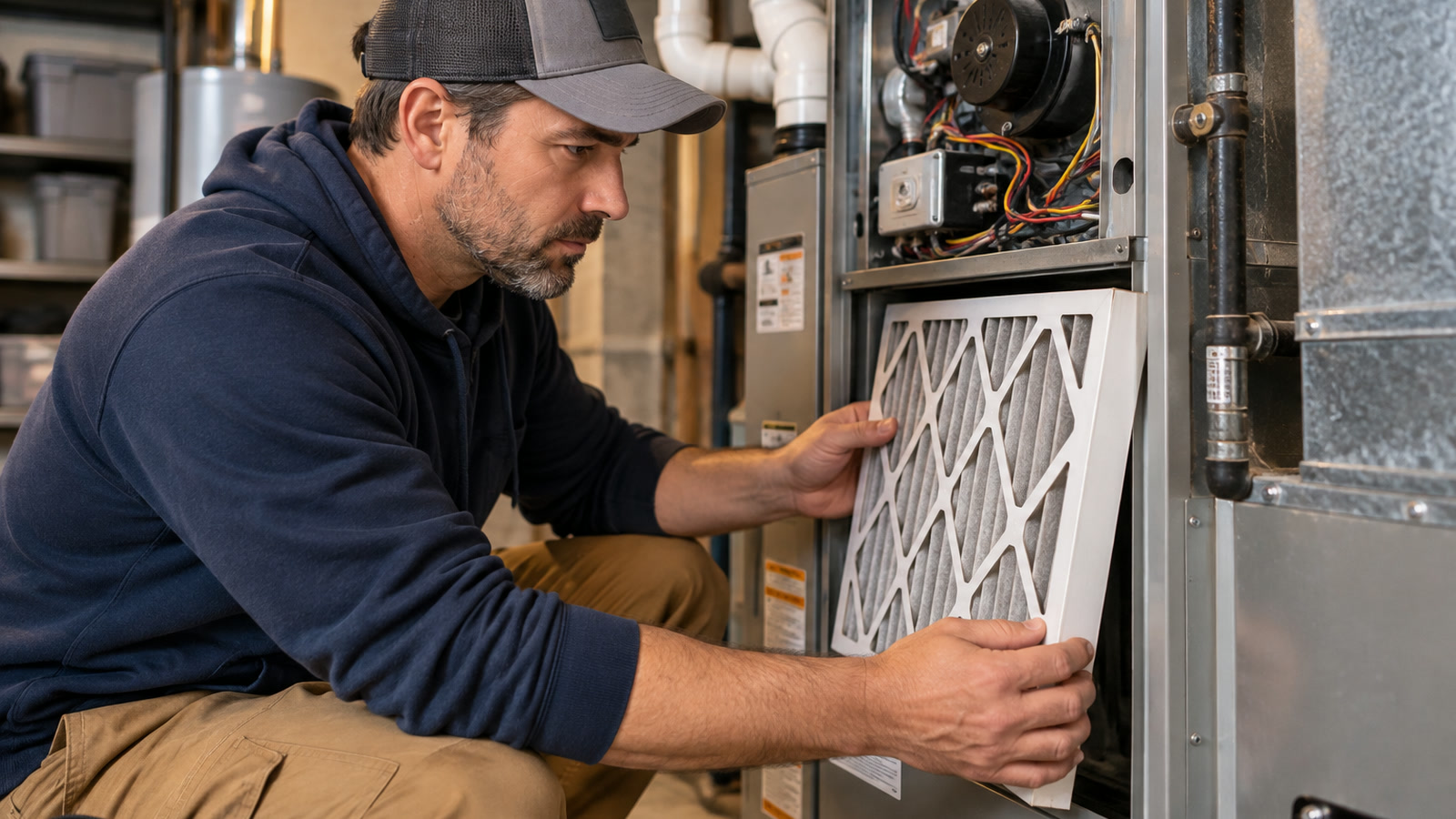
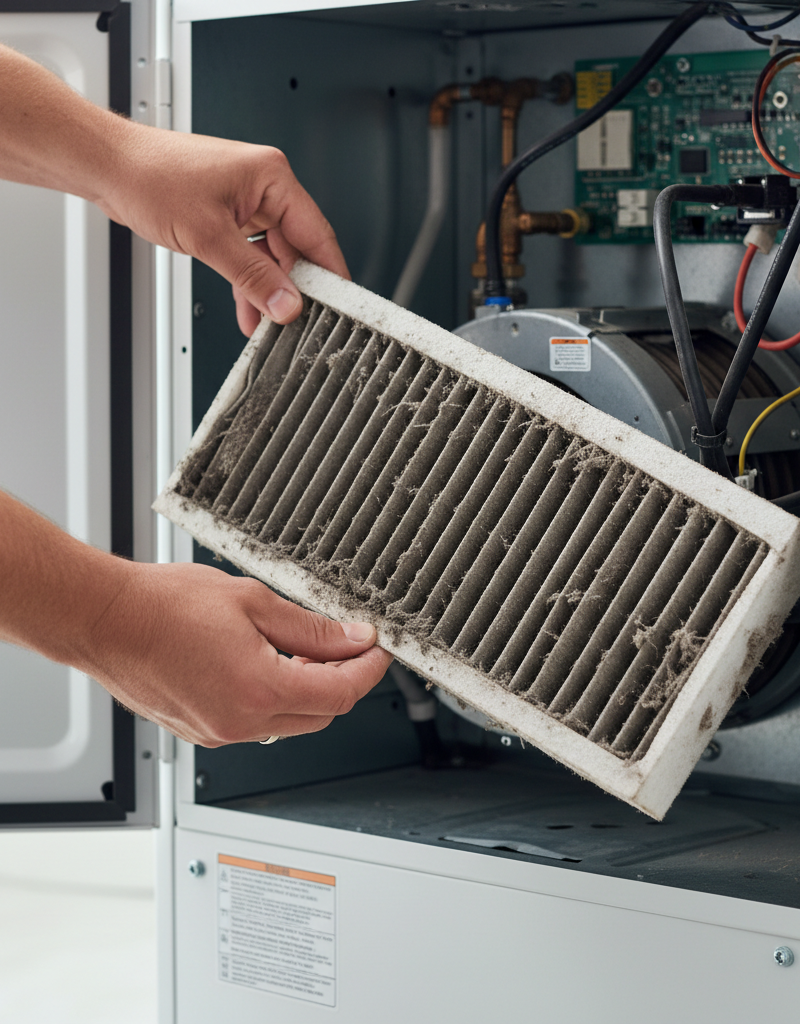
Step 2: Check the HVAC filter
If it’s visibly dirty and due for replacement, use the correct replacement recommended for your system.
Step 3: Look at supply and return vents
Make sure obvious obstructions aren’t blocking airflow.
Step 4: Turn the heat on
Set the thermostat appropriately and observe what happens.
Step 5: Listen
Does startup sound normal?
Step 6: Feel the airflow
Does the system begin delivering heat normally?
Step 7: Watch the cycle
Does it operate normally, or repeatedly start and stop?
Step 8: Pay attention to odors
A temporary dusty odor after months of inactivity is different from persistent burning, electrical, or other abnormal smells.
Step 9: Test your smoke and carbon monoxide alarms
Follow the manufacturer’s testing instructions.
Step 10: Write down anything unusual
Don’t diagnose it. Document it.
Current fall HVAC guidance similarly separates basic homeowner tasks—filters, thermostats, vents, and alarms—from combustion, gas, high-voltage, and internal furnace work that belongs with trained professionals.
What You Should NOT Do
This part matters.
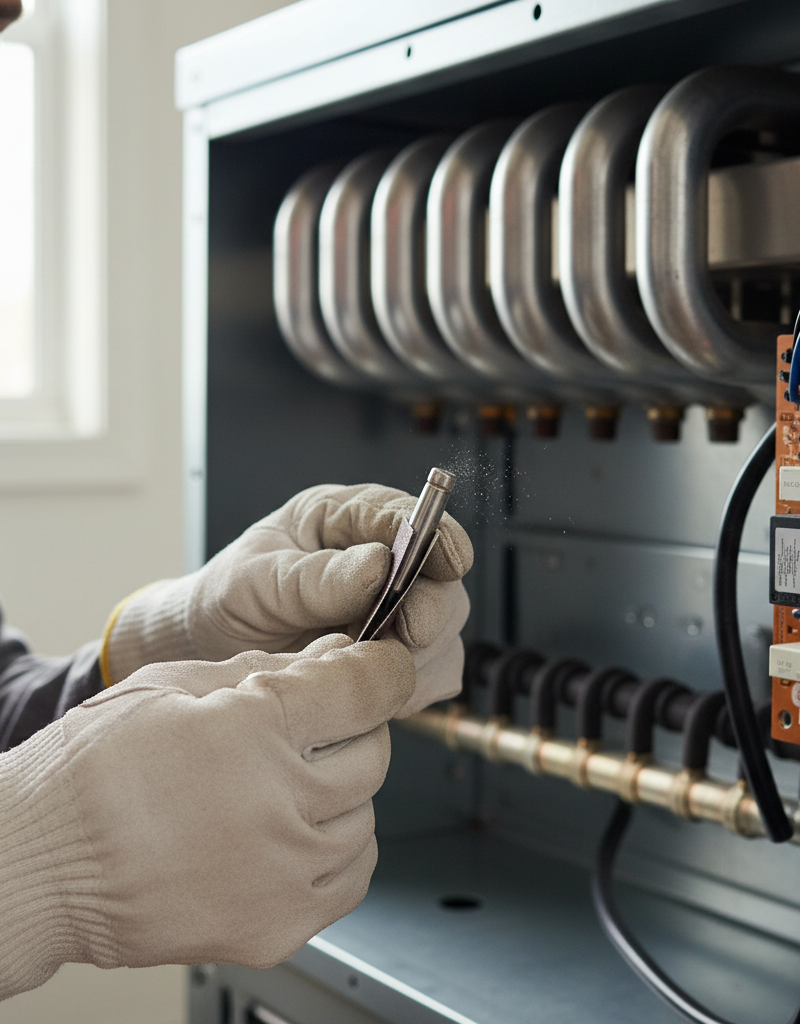
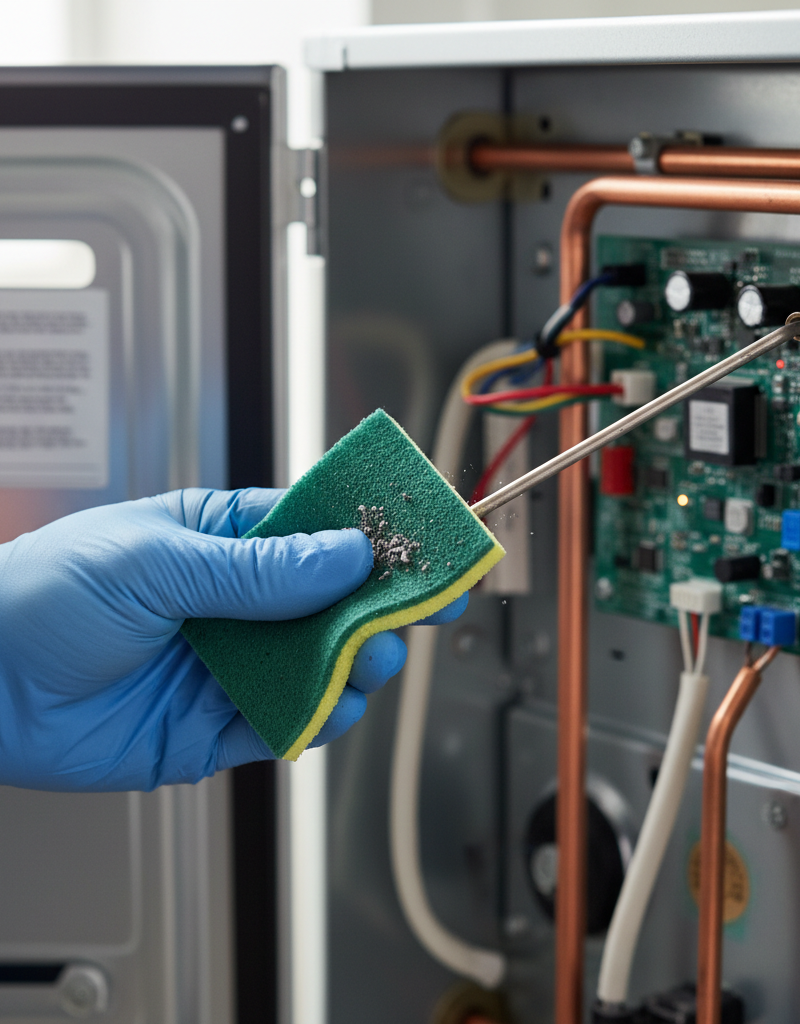
If you’re not qualified, don’t start removing furnace components because you watched a five-minute video.
Avoid experimenting with:
- Gas valves
- Burners
- Heat exchangers
- Internal electrical components
- Flue connections
- Safety switches
- High-voltage components
- Combustion adjustments
There is a major difference between inspecting your house and repairing fuel-burning equipment.
Leave hazardous diagnostic and repair work to qualified HVAC professionals.
When Should You Shut the System Down and Call Someone?
Some symptoms deserve more urgency than others.
Stop using the equipment and seek appropriate professional or emergency assistance if you encounter:
- Smoke
- Strong burning or electrical odors
- Visible sparking
- Significant overheating
- A carbon monoxide alarm
- Suspected gas problems
- Other obvious indications of an unsafe condition
Don’t keep restarting equipment that appears unsafe. If a CO alarm activates, get outside and follow emergency instructions.
Does a Furnace Problem Mean You Need a New Furnace?
Absolutely not.
Homeowners should be careful about jumping from “my furnace isn’t working correctly” straight to “I need a new furnace.”
Repair versus replacement depends on several factors:
- Age
- Condition
- Repair history
- Type of failure
- Repair cost
- Efficiency
- Availability of parts
- Overall system condition
- Comfort problems
- Future plans for the home
A good HVAC professional should be able to explain:
- What failed?
- Why did it fail?
- Can it be repaired?
- What would the repair cost?
- What condition is the rest of the system in?
- What would replacement change?
Then you can make an informed decision.
5 Questions to Ask the HVAC Contractor
If someone recommends a major furnace repair or replacement, ask:
1. What exactly is wrong?
Ask them to explain the diagnosis.
2. Can you show me the problem?
When practical, understanding what they found can make the decision much easier.
3. What would it cost to repair?
Get the scope and price in writing.
4. Is replacement necessary, or is it simply another option?
Those are different statements.
5. If this were your house, what would you do—and why?
That last question can produce an interesting answer.
You’re not looking for the cheapest solution. You’re looking for the solution that makes sense.
Don’t Wait for the First Cold Night
This is really the entire point of this article.
Your furnace may work perfectly. Great. Find that out now.
Because the worst time to discover a heating problem is when your house is already cold and everyone else in your area is calling HVAC companies too.
Current September home-maintenance guidance specifically recommends getting heating systems checked before they’re needed daily and before the post-first-cold-night service rush.
Test it before you depend on it.
The Fixly Guide Bottom Line
Your furnace doesn’t have to completely stop working before it gives you clues.
Pay attention to new noises, new smells, new cycling behavior, new comfort problems, new increases in energy use, and new startup problems.
The important word is: NEW.
Because when something about your house changes, it’s worth asking why.
Don’t panic. Don’t immediately replace expensive equipment. And don’t ignore a pattern that’s getting worse.
Diagnose first. Spend second.
If your heating system needs professional attention, Fixly Guide is building its network of qualified contractors throughout Dallas-Fort Worth to help homeowners connect with the right local professionals.
DFW HVAC contractors: Fixly Guide is currently building its Founding Contractor network, and we plan to heavily promote Fixly Guide throughout the DFW area as the network grows.
Learn about the DFW Founding Contractor Program
Homeowners: Have you turned your heat on yet this year—or are you waiting for the first cold night?
HVAC pros: What’s the most common furnace problem you find when homeowners turn their heat on for the first time?
Follow Fixly Guide for more home tips, DIY advice, repair costs, contractor insights, and warning signs every homeowner should know.
Should you do this yourself?
Answer five quick questions before you start. Safety outranks savings every time.
Your experience with work like this
How high do you have to work?
Does the job involve any of these?
Will it need a permit?
Specialty tools
Free and instant. Educational guidance only — not a quote, inspection, or professional diagnosis.
Estimate your own project cost
National averages are a starting point. Enter your details for a range that fits your house.
HVAC replacement cost
- Equipment$2,200 – $3,800
- Installation labor$1,200 – $2,500
Always insist on a Manual J load calculation — sq-ft sizing is only a rough check. Federal heat-pump rebates may reduce cost significantly.
Educational estimate only — always confirm with written local bids.
What should this project cost?
Enter your project details for a realistic cost range before you call anyone.
Service calls and common repairs run $150–$900; full system replacement typically $6,000–$12,000.
- Regional adjustment
- National average
- Labor share (typical)
- ~$1,935
- Quotes to collect
- 3 written estimates
Educational estimate based on national averages — not a binding quote. Always confirm with written local estimates.
Fixly Project Decision Box
- DIY difficulty
- Advanced
- Estimated time
- Homeowner checks 20–30 minutes
- Cost level
- Moderate
Main tools / materials
- Clean air filter
- Garden hose for condenser coils
- Shop vac for the condensate line
When to stop and call a pro
- Burning smell, smoke, or a tripping breaker
- Refrigerant lines iced over or hissing
- Any work inside the sealed refrigerant circuit (EPA-licensed only)
- Gas smell near a furnace — leave and call the utility
Need professional help?
Find an HVAC Pro Near YouFrequently asked questions
Why does my furnace smell when I first turn it on?+
Dust accumulated during the off-season can produce a temporary odor when heating begins. Persistent burning, electrical, smoky or otherwise concerning odors shouldn’t simply be dismissed.
Why does my furnace keep turning on and off?+
Unusual cycling can have multiple causes. Check simple homeowner-accessible items such as thermostat settings and obvious airflow restrictions, but persistent short cycling should be professionally diagnosed.
Should I replace my furnace filter before winter?+
Check it and follow the filter and equipment manufacturer’s replacement recommendations. Starting heating season with an appropriate clean filter is a common fall-maintenance step.
Should I test my furnace before it gets cold?+
Yes. Testing heating performance before you depend on it gives you time to address problems before colder weather and peak service demand.
Can I repair my own furnace?+
Basic homeowner maintenance is different from internal furnace repair. Work involving combustion, gas, internal electrical components, safety devices and similar systems should be left to appropriately qualified professionals.
Discussion
Loading comments…