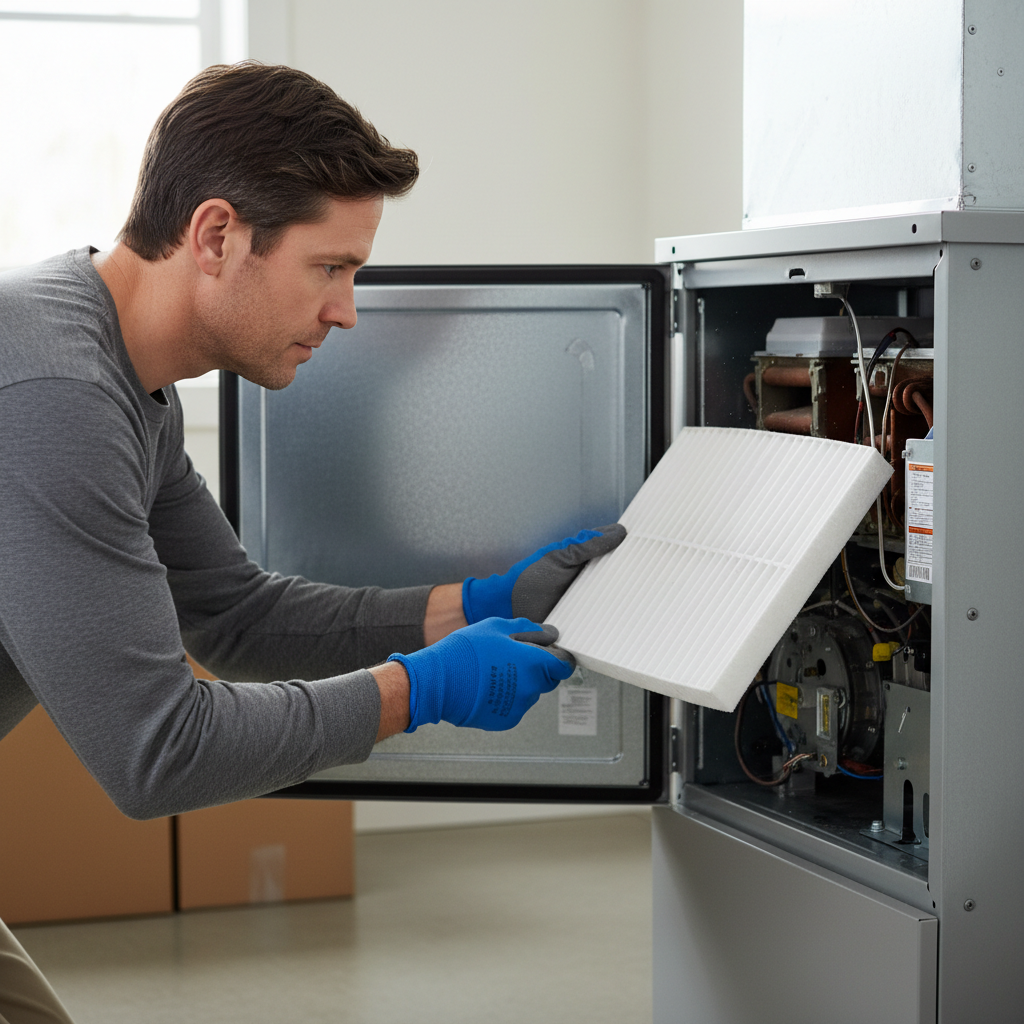
- Inducer Motor Starts: This motor pulls combustion air into the burner area and pushes exhaust gases out through the flue. It also creates a negative pressure that the pressure switch can read.
- Pressure Switch Closes: Once the airflow is right, the pressure switch closes and gives the green light for ignition.
- Igniter Heats Up (or Pilot Lights): On a modern furnace, the igniter — either hot surface or spark — heats up and lights the gas automatically. Older furnaces use a standing pilot light.
- Gas Valve Opens: With the igniter hot, the gas valve opens and lets natural gas or propane flow to the burners.
- Burners Ignite: The gas lights off, and you’ve got flames heating the heat exchanger.
HVAC · High energy usage
| Project category | HVAC |
|---|---|
| Problem type | High energy usage |
| Trade required | HVAC |
| Urgency | Planned project |
| Safety risk | Low safety risk |
| DIY suitability | DIY for experienced homeowners |
| Cost category | High cost |
| Typical timeline | Assessment within weeks; replacement planned off-season |
| Contractor type | Licensed HVAC technician |
Repair option
Duct sealing, insulation, and a tune-up before touching the equipment.
Replacement option
High-efficiency replacement sized by a load calculation, not a rule of thumb.
Common causes
- Aging, low-efficiency equipment
- Leaking ducts losing conditioned air
- Insufficient attic insulation
- Oversized system short-cycling
Relevant tools:project cost estimatorrepair or replace
Published July 27, 2026Last updated August 17, 2026
Tools & materials you'll need
Affiliate links- AmazonScrewdriver setFor removing access panels and flame sensor
- AmazonShop-vac or wet/dry vacuumFor clearing condensate drain, if applicable
- AmazonMultimeterFor advanced troubleshooting of limit switches or thermostat
- AmazonPen and paperFor jotting down error codes
- AmazonFlashlightTo see inside the furnace
As an Amazon Associate FixlyGuide earns from qualifying purchases — at no extra cost to you. Prices and availability are accurate as of publication and subject to change.
Quick Answer
If your furnace is short cycling — meaning it fires up, runs a few minutes, then shuts right back down — you’re usually looking at some underlying issue that’s stopping it from finishing a full heating cycle. Most of the time, it’s something simple, like a clogged air filter or a dirty flame sensor, and yeah, you can usually handle that yourself without much drama. But sometimes it’s a bigger headache, like an oversized unit or a failing control board. I’ve seen short cycling burn through energy and beat the heck out of parts, so I always tell folks to get on it sooner rather than later.
The Problem
When I get a call about a furnace that’s short cycling, the homeowner’s usually talking about uneven heat, higher utility bills, and that little gut feeling that something’s off. And they’re right. Short cycling is when your furnace lights off, runs for a short stretch — say, five to ten minutes — then shuts down before the thermostat ever gets to the set temperature. A bit later, it starts back up and does the same dance all over again. It’s like a truck idling in stop-and-go traffic all day; sooner or later, you’re gonna wear parts out and waste fuel for no good reason.
I’ve run into it in all kinds of houses, from shiny new builds in the suburbs of Austin, Texas, to old two-stories that’ve been standing a hundred years in the historic districts. Worst one I ever saw was a Lennox ML193 in a client’s bonus room. That thing was clicking on and off every two minutes. Turned out the last owner had swapped in a furnace way too big for the space. It heated the room so fast the thermostat barely had time to react before shutting the whole thing down, then it’d fire right back up almost immediately. We ended up replacing it with the right-size unit, which wasn’t exactly what the client wanted to hear — no dice — but it fixed the issue for good.
And beyond the wasted energy and the house never feeling quite right, short cycling puts real strain on the furnace. Every time it starts, you’re getting electrical surge and mechanical wear. Over time, that can take out the igniter, blower motor, control board, and even the heat exchanger. It cuts the life of the whole system down fast, turning what should’ve been a small repair into a bigger one, or worse, an early replacement. Trust me, you don’t want to just shrug this off.
How It Works
To figure out why your furnace is acting twitchy, you’ve gotta know how it’s supposed to run. When your thermostat calls for heat, it sends a low-voltage signal to the furnace’s control board. That board then starts the sequence:
- Inducer Motor Starts: This motor pulls combustion air into the burner area and pushes exhaust gases out through the flue. It also creates a negative pressure that the pressure switch can read.
- Pressure Switch Closes: Once the airflow is right, the pressure switch closes and gives the green light for ignition.
- Igniter Heats Up (or Pilot Lights): On a modern furnace, the igniter — either hot surface or spark — heats up and lights the gas automatically. Older furnaces use a standing pilot light.
- Gas Valve Opens: With the igniter hot, the gas valve opens and lets natural gas or propane flow to the burners.
- Burners Ignite: The gas lights off, and you’ve got flames heating the heat exchanger.
- Flame Sensor Proves Flame: A small rod, the flame sensor, checks for flame. If it doesn’t detect one in a few seconds, it tells the control board to shut the gas valve down for safety — that’s a lockout.
- Blower Motor Kicks In: Once the heat exchanger gets hot enough — usually around 120-130°F — the blower starts pushing warm air through the ductwork and into the house.
- Thermostat Satisfaction: The furnace keeps running until the thermostat sees the room hit the set point. Then the thermostat tells the furnace to shut down, and the whole sequence resets.
Short cycling usually means one of those steps is getting cut short, or the furnace is tripping a safety limit for some reason even though there isn’t a real danger. It’s a little like an orchestra where one guy keeps coming in early and wrecking the whole song.
Step-by-Step Fix
Before you start poking around inside the furnace, keep safety first front and center. Kill the power at the breaker box and at the furnace service switch too — that’s usually a light switch on the side of the unit or on a nearby wall. Don’t skip that step. You’re dealing with gas and high voltage, so don’t get cute.
- Check the Air Filter — The easiest fix.
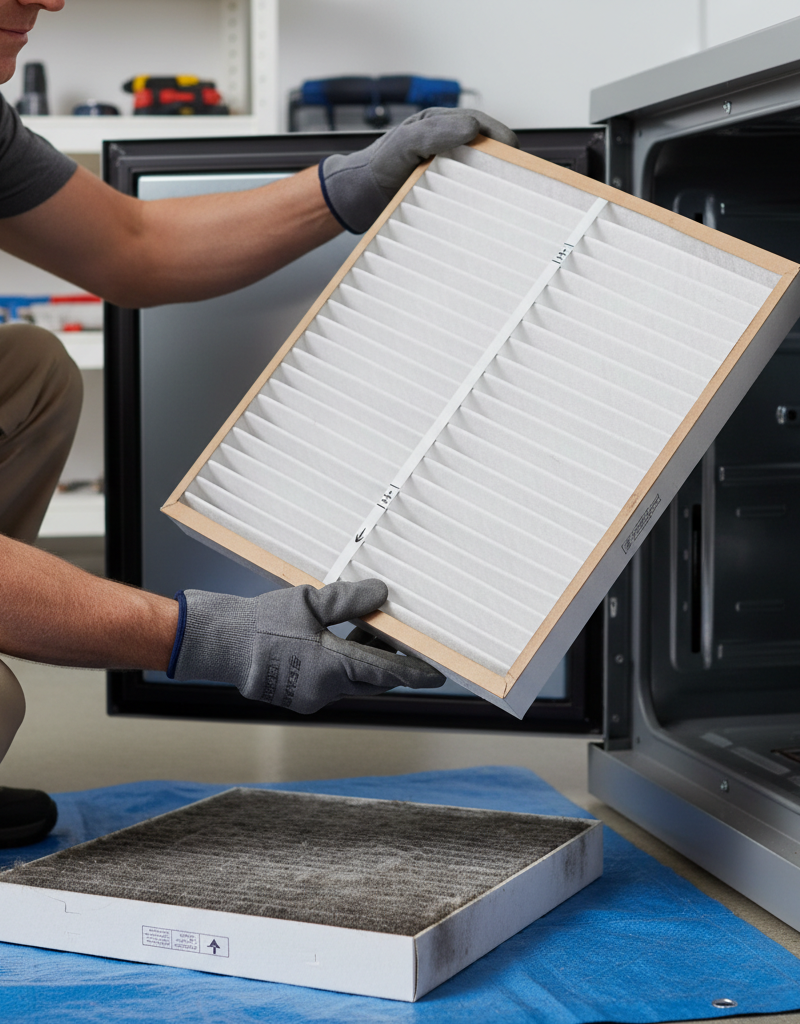
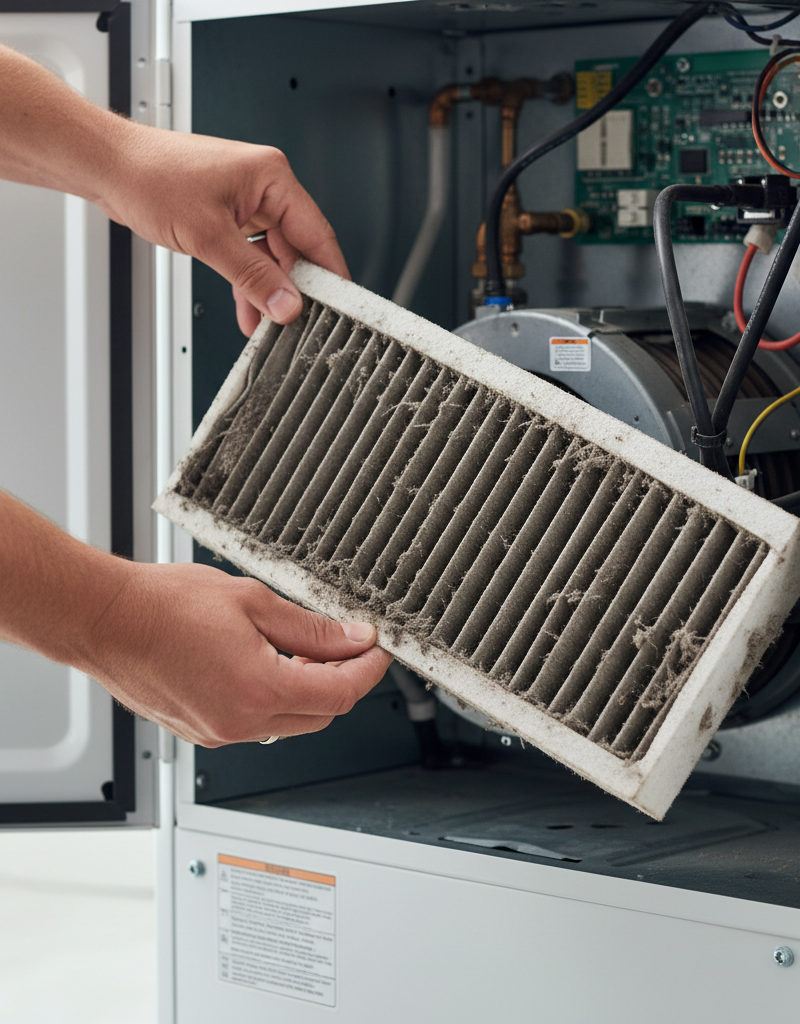
- Pull the filter out and hold it up to a bright light. Can you see light through it? If not, that thing’s toast. A clogged filter chokes airflow, makes the furnace run hot, and can trip the high-limit switch. I see this cause short cycling more than just about anything else. Swap disposable filters every 1 to 3 months, depending on pets and allergies. Pleated filters are usually a solid bet, like a MERV 8 or 10.
- Inspect the Flame Sensor — A common culprit in older units.
- Locate it: It’s a thin rod, usually ceramic, and it’s often sitting near the burners. There’ll be a single wire running to it.
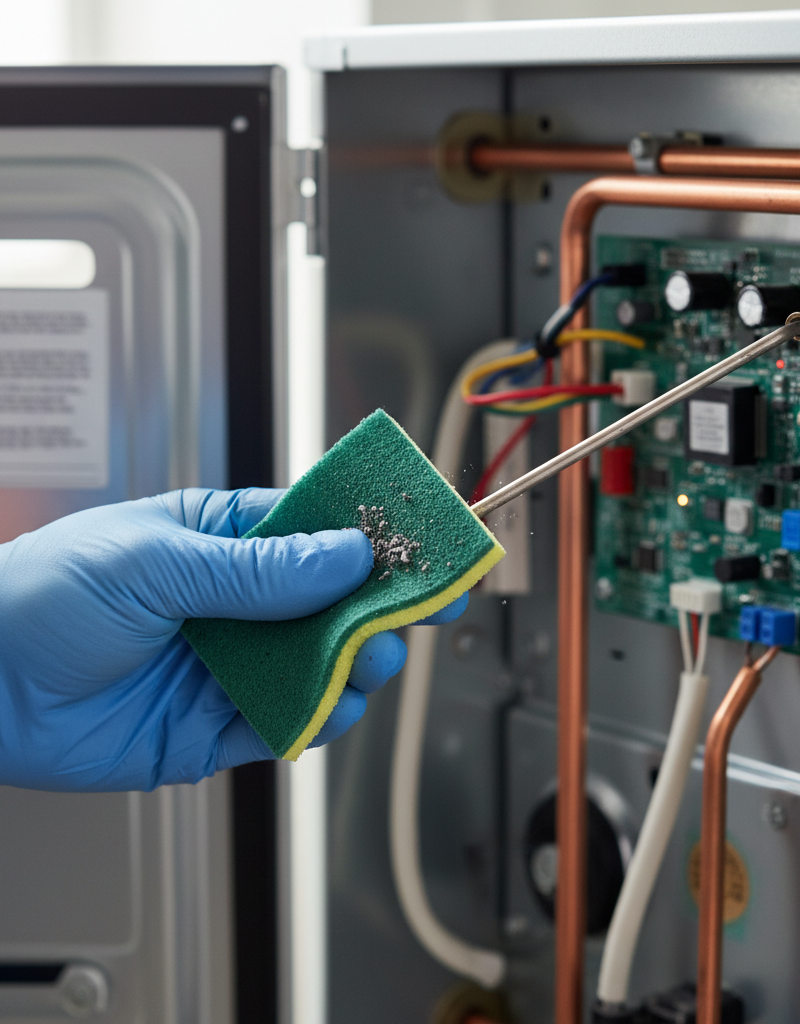
- Clean it: Take the flame sensor out carefully, usually with one screw. Use a fine-grit Emory cloth or very fine sandpaper (like 180-grit or higher) and gently polish off the carbon buildup. You don’t need much — just enough to get it shiny again. Don’t use steel wool; it can scratch the sensor and make things worse down the road. Carbon buildup keeps the sensor from reading flame properly, and then the unit shuts down as a safety move.
- Examine Vents and Returns — Don’t choke your system.
- Walk through the house and check that every supply register and return air grille is open and clear. Couches, rugs, or even a pile of laundry can block airflow. Closing too many registers in rooms you’re not using can also mess with pressure and lead to short cycling, especially if your ductwork isn’t zoned. I tell people to keep at least 80% of their vents open.
- Check Your Thermostat — Sometimes it’s the messenger, not the message.
- Batteries: If it’s a digital thermostat, put in fresh batteries even if it says they’re fine. Weak batteries can make it act weird.
- Location: Is it on an exterior wall? Next to a drafty window? In direct sun? All of that can fool it into reading the room wrong and make your furnace short cycle. Moving it is a bigger job, sure, but for a quick test you can stick a thermometer next to it and compare readings.
- Settings: Make sure it’s set to
Related Articles
Keep troubleshooting with these hand-picked guides from FixlyGuide:
- The Secret Reason Your Furnace Turns On and Off So Much (It's Not What You Think) — Short cycling strains your furnace and wastes energy. Learn the most common surprising causes and how to fix them to restore efficient heat…
- The Secret Reason Your Furnace Turns On and Off So Quickly (and the Easy Fix) — Discover why your furnace might be short cycling and learn the practical steps you can take to diagnose and fix this common HVAC issue, sav…
- The 3 Hidden Reasons Your Furnace Short Cycles (and What to Do) — Discover the surprising reasons your furnace might be short cycling and learn actionable steps to diagnose and fix the problem, saving you…
- The 3 Hidden Reasons Your Furnace Short Cycles (and What to Do) — Furnace short cycling wastes energy and causes uneven heating. Learn the hidden reasons behind this common problem and how to fix it yourse…
- The 3 Hidden Reasons Your Furnace Short Cycles (and What to Do) — Furnace short cycling wastes energy and causes uneven heating. Learn the hidden reasons it happens and how to fix it yourself.
- The 4 Hidden Reasons Your Window Won't Stay Up (And the Easy Fixes) — Before you blame a broken window, learn the common culprits behind window sashes that won't stay open and how to fix them yourself.
What should this project cost?
Enter your project details for a realistic cost range before you call anyone.
Service calls and common repairs run $150–$900; full system replacement typically $6,000–$12,000.
- Regional adjustment
- National average
- Labor share (typical)
- ~$1,935
- Quotes to collect
- 3 written estimates
Educational estimate based on national averages — not a binding quote. Always confirm with written local estimates.
Fixly Project Decision Box
- DIY difficulty
- Advanced
- Estimated time
- Homeowner checks 20–30 minutes
- Cost level
- Moderate
Main tools / materials
- Clean air filter
- Garden hose for condenser coils
- Shop vac for the condensate line
When to stop and call a pro
- Burning smell, smoke, or a tripping breaker
- Refrigerant lines iced over or hissing
- Any work inside the sealed refrigerant circuit (EPA-licensed only)
- Gas smell near a furnace — leave and call the utility
Need professional help?
Find an HVAC Pro Near YouGet the print-ready PDF of this guide
A clean, ad-free, printable version you can keep on your phone or pin to the workshop wall. Free with a FixlyGuide account.
- Print-optimized layout
- Tools, materials & every step included
- Saved to your account
Frequently asked questions
What's considered 'short cycling' for a furnace?+
Generally, if your furnace is running for less than 10-15 minutes before shutting off, especially when it's cold outside and the thermostat hasn't reached its set temperature, it's short cycling. A normal heating cycle should be longer, allowing your home to reach a stable temperature.
Can a dirty air filter really cause short cycling?+
Absolutely. A dirty filter restricts airflow, causing the furnace's heat exchanger to overheat. When it gets too hot, the high-limit switch trips as a safety measure, shutting off the burners prematurely. Once it cools down, it attempts to restart, leading to short cycling.
How often should I clean my flame sensor?+
I recommend cleaning your flame sensor once a year as part of your annual furnace maintenance. It's a simple step that prevents one of the most common causes of nuisance short cycling. You can do it yourself with fine grit sandpaper or an Emory cloth.
My furnace is brand new and short cycling. What gives?+
A brand new furnace short cycling often points to an oversized unit. If the furnace is too powerful for your home's square footage or insulation level, it'll heat the space too quickly, satisfy the thermostat, and shut off before a proper cycle. This reduces efficiency and adds wear.
Can I just ignore short cycling?+
I wouldn't advise it. Ignoring short cycling can lead to significantly higher energy bills, uneven heating, and premature wear and tear on expensive furnace components like the heat exchanger, igniter, and blower motor. It shortens your furnace's overall lifespan.
Does my thermostat affect short cycling?+
Yes, a malfunctioning or improperly located thermostat can definitely cause short cycling. If the thermostat's sensor is faulty, or if it's in a drafty spot or direct sunlight, it might misread the room temperature, causing the furnace to turn on and off too frequently.
What's the high-limit switch, and how does it relate to short cycling?+
The high-limit switch is a safety device designed to prevent your furnace from overheating. If the temperature inside the furnace plenum gets too high (often due to restricted airflow), this switch will cut power to the burners. This causes the furnace to shut off, and once it cools, it will attempt to restart, creating a short cycling loop.
When should I call a professional for short cycling?+
If you've checked the filter, flame sensor, vents, and thermostat and your furnace is still short cycling, it's time to call a pro. Issues like a faulty control board, a bad pressure switch, a clogged condensate drain, or an incorrectly sized furnace require professional diagnosis and repair.
Can a clogged condensate drain cause short cycling?+
Yes, in high-efficiency condensing furnaces, a clogged condensate drain can cause short cycling. These furnaces produce acidic water that collects and drains away. If the drain or trap gets clogged, a safety switch will trip, shutting down the furnace to prevent water damage, and leading to short cycles.
Discussion
Loading comments…