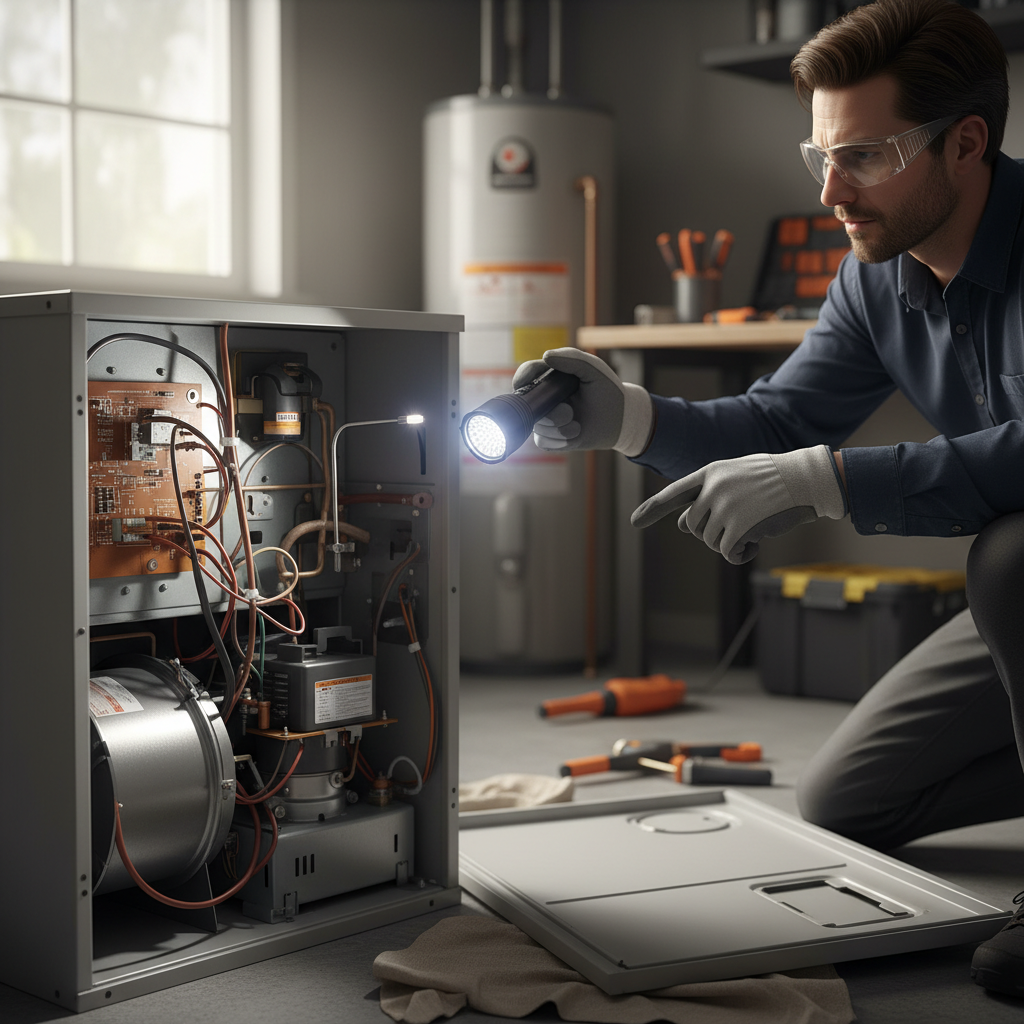
- Safety First: Before doing anything, turn off the power to your furnace at the thermostat and the dedicated breaker in your electrical panel. This prevents accidental startups and protects you from moving parts.
- Locate the Filter: Most furnaces have a slot for the filter either along the return air duct or directly within the furnace unit itself, usually near the blower compartment.
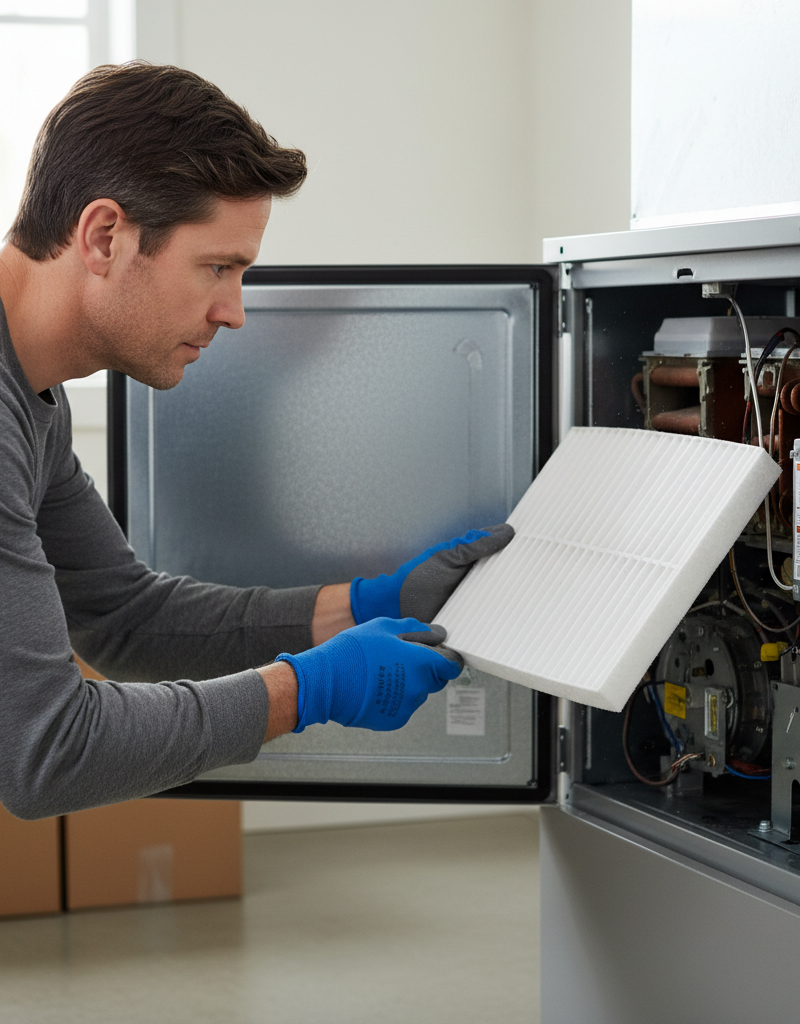
- Inspect and Replace: Pull out the old filter. Hold it up to a light source. If you can't see light through it, it's definitely clogged and needs replacing. Note the dimensions (length x width x thickness) printed on the filter frame.
HVAC · High energy usage
| Project category | HVAC |
|---|---|
| Problem type | High energy usage |
| Trade required | HVAC |
| Urgency | Planned project |
| Safety risk | Low safety risk |
| DIY suitability | DIY for experienced homeowners |
| Cost category | High cost |
| Typical timeline | Assessment within weeks; replacement planned off-season |
| Contractor type | Licensed HVAC technician |
Repair option
Duct sealing, insulation, and a tune-up before touching the equipment.
Replacement option
High-efficiency replacement sized by a load calculation, not a rule of thumb.
Common causes
- Aging, low-efficiency equipment
- Leaking ducts losing conditioned air
- Insufficient attic insulation
- Oversized system short-cycling
Relevant tools:project cost estimatorrepair or replace
Published May 20, 2026Last updated August 17, 2026
Tools & materials you'll need
Affiliate linksAs an Amazon Associate FixlyGuide earns from qualifying purchases — at no extra cost to you. Prices and availability are accurate as of publication and subject to change.
Quick Answer
Furnace short cycling, the frustrating experience of your heating system kicking on for mere minutes before shutting down, isn't just an annoyance; it's a sign of underlying issues plaguing your HVAC system. Common culprits range from simple, easily remedied problems like a clogged air filter or a dirty flame sensor, to more complex diagnostics involving airflow restrictions, thermostat malfunctions, or even an improperly sized furnace for your home's heating load. Identifying the specific cause is key to a lasting solution, helping you save on energy bills and avoid premature wear and tear on your furnace.
The Problem
Imagine a cold winter day. You set your thermostat, hear your furnace kick on, and then, just as you start to feel a hint of warmth, it turns off. Moments later, it's back on again, only to repeat the cycle. This is short cycling, and it's a tell-tale sign that your furnace is struggling. Instead of completing a full heating cycle, warming your home to the desired temperature, and then gradually cooling down, it's starting and stopping erratically. Beyond the discomfort of inconsistent heating, short cycling puts immense stress on your furnace's components, leading to increased energy consumption, higher utility bills, and a significantly shortened lifespan for your expensive heating unit. It's a problem that demands attention, both immediate for comfort and long-term for your wallet.
How It Works
To understand short cycling, it's helpful to understand how a healthy furnace operates. When your thermostat calls for heat, a signal is sent to the furnace. The inducer motor starts, drawing air through the heat exchanger and then venting combustion byproducts. Next, the igniter (either a hot surface igniter or a pilot light) lights the burners. A crucial safety device, the flame sensor, detects the presence of a flame. If no flame is detected, for safety reasons, the gas valve shuts off. Assuming a flame is present, the blower motor then kicks in, circulating heated air through your ductwork and into your home. The furnace continues to run until the thermostat's sensor registers that the desired temperature has been reached. At that point, the thermostat signals the furnace to shut down, and the cycle completes.
Short cycling disrupts this carefully orchestrated sequence. Instead of reaching the set temperature, the furnace prematurely shuts off. This can happen for several reasons: the flame sensor might be incorrectly detecting a flame (or lack thereof), causing the gas valve to shut down early; airflow might be restricted, causing the heat exchanger to overheat and trigger a safety limit switch; or the thermostat might be miscalibrated or improperly placed, leading to inaccurate temperature readings and premature shutdowns. Understanding these interactions is the first step in diagnosing and resolving the short cycling issue.
Step-by-Step Fix
1. Check and Replace Your Air Filter — A clogged air filter is the most common and easily remedied cause of furnace short cycling.
- Safety First: Before doing anything, turn off the power to your furnace at the thermostat and the dedicated breaker in your electrical panel. This prevents accidental startups and protects you from moving parts.
- Locate the Filter: Most furnaces have a slot for the filter either along the return air duct or directly within the furnace unit itself, usually near the blower compartment.
- Inspect and Replace: Pull out the old filter. Hold it up to a light source. If you can't see light through it, it's definitely clogged and needs replacing. Note the dimensions (length x width x thickness) printed on the filter frame.
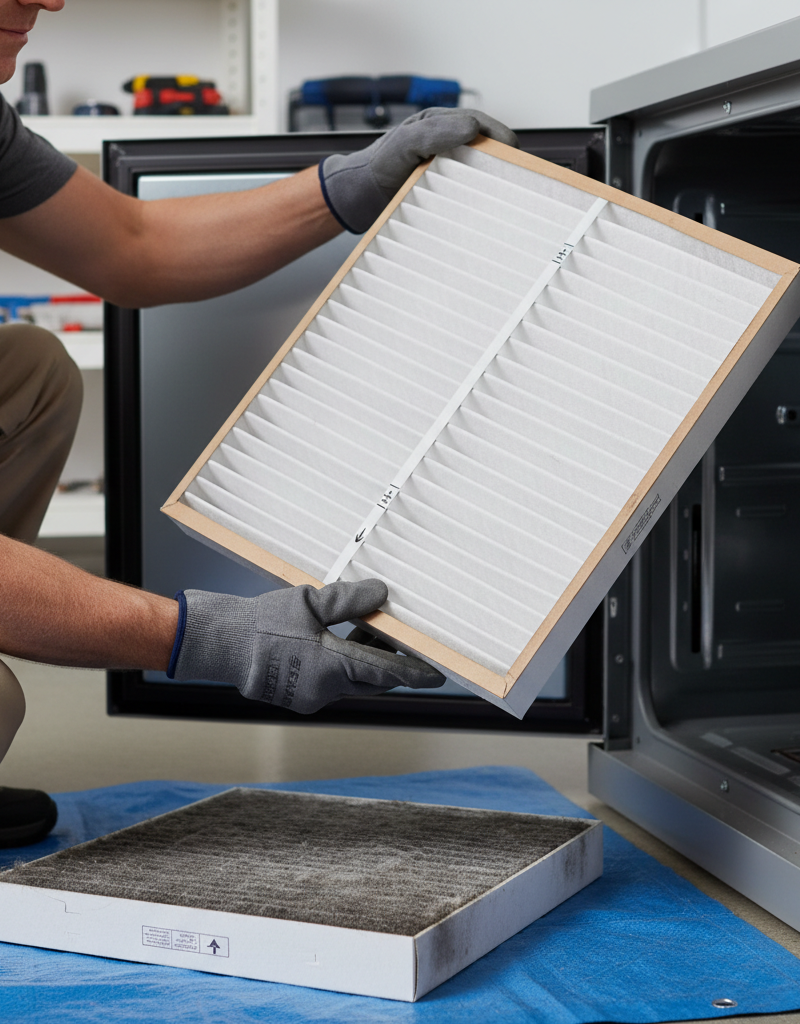
- Install New Filter: Slide a new, clean filter into the slot, ensuring the airflow arrow on the filter's frame points towards the furnace. Replace pleated filters every 1-3 months, flat filters monthly, and clean reusable filters monthly or as needed. A clean filter allows for proper airflow, preventing the furnace from overheating and subsequently short cycling due to restricted air distribution.
2. Clean Your Flame Sensor — A dirty flame sensor is a frequent culprit, leading the furnace to believe there's no flame and shut down.
- Safety First: Always disconnect power to the furnace at the circuit breaker and the thermostat before working inside the unit.
- Locate the Flame Sensor: The flame sensor is a thin, metallic rod with a porcelain base, usually located opposite the igniter, positioned directly in the path of the burner flame. It typically has a single wire attached to it.
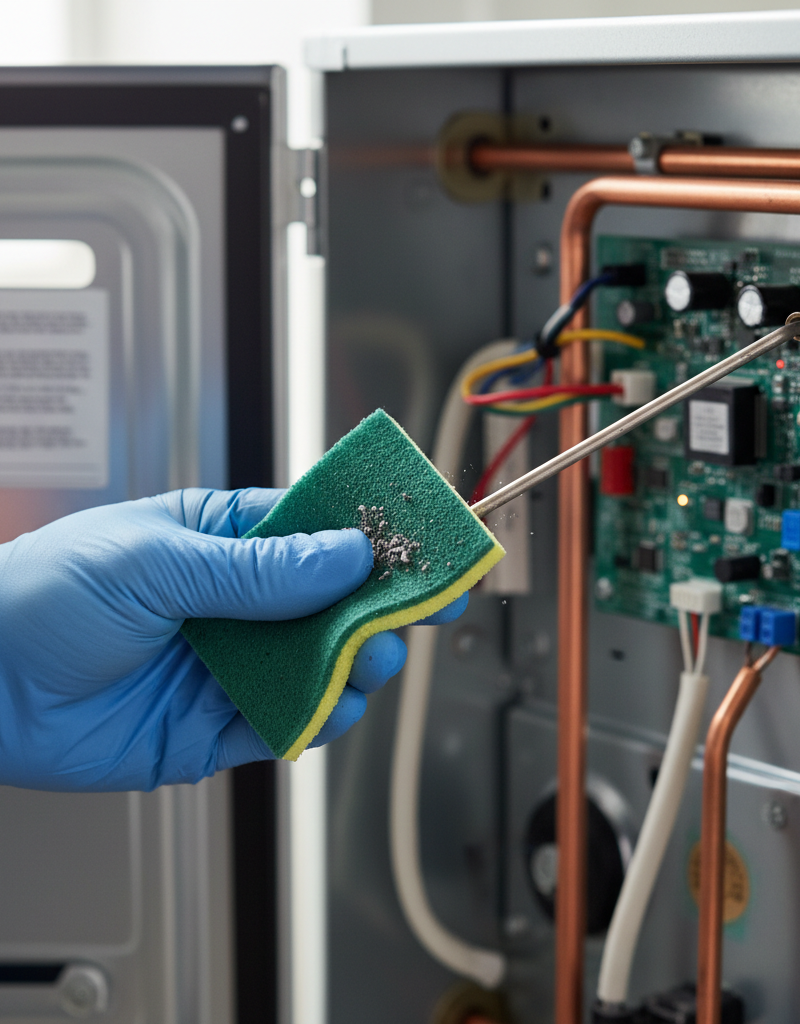
- Remove and Clean: Gently disconnect the wire and use a nut driver or wrench to remove the screw holding the sensor in place. Carefully pull the sensor out. Use a fine-grit Emory cloth or very fine sandpaper (like 180-grit) to gently clean off any carbon buildup or soot from the metallic rod. Do not use steel wool or harsh chemicals, as this can damage the sensor's protective coating. The goal is to restore its conductive properties.
- Reinstall: Reinsert the clean flame sensor, tighten the screw, and reattach the wire. Restore power and test the furnace. A clean flame sensor ensures accurate flame detection, allowing the furnace to complete its heating cycle without premature shutdowns.
3. Inspect Your Thermostat Placement and Calibration — A poorly placed or miscalibrated thermostat can cause the furnace to short cycle by misreading the room temperature.
- Thermostat Location: Ensure your thermostat is not mounted directly above a heat register, near a drafty window, or on an exterior wall. These locations can cause inaccurate temperature readings. Ideally, it should be on an interior wall, away from direct sunlight and heat sources.
- Level and Clean: Use a small level to ensure the thermostat is perfectly straight on the wall. Open the thermostat's cover (if applicable) and gently brush away any dust or debris from its internal components, especially the temperature sensor. Use a soft brush or compressed air.
- Recalibration (if applicable): Some older, non-digital thermostats have a small calibration screw or mercury bulb that can be adjusted. Consult your thermostat's manual for specific calibration instructions. For most modern digital thermostats, recalibration isn't explicitly necessary, but proper placement and a clean sensor are paramount. If issues persist after adjustment, consider having an HVAC technician professionally calibrate or replace an older thermostat.
4. Check for Restricted Airflow in Ductwork — Blocked return or supply vents can cause the furnace to overheat and trigger its safety limit switch.
- Clear Blockages: Walk through your home and ensure all return air grilles and supply registers are open and unobstructed by furniture, rugs, or curtains. Make sure no vents have been inadvertently closed.
- Ductwork Inspection: While a full internal inspection requires professional tools, visually inspect any accessible ductwork in your basement, attic, or crawl space for obvious signs of crushing, disconnections, or significant leaks. Loose duct connections can cause significant air loss, leading to uneven heating and short cycling. Small gaps can often be sealed with mastic sealant or metallic foil tape (not duct tape).
5. Examine the High Limit Switch — This safety device prevents the furnace from overheating. If it's tripping too often, it's a symptom, not the problem itself.
- Locate the Switch: Typically, the high limit switch is a small disc-shaped or rectangular component located on the furnace plenum or blower compartment, usually behind the main burner area. It has two wires connected to it.
- Reset (if applicable): Some high limit switches are manually resettable and have a small red button. If yours does, press it firmly. However, keep in mind that a tripping limit switch indicates an underlying problem (like restricted airflow or a dirty filter) that needs to be addressed, not just reset.
- Professional Diagnosis: If the high limit switch repeatedly trips, do not bypass it. This indicates a serious overheating issue and requires professional diagnosis. Continued operation with a frequently tripping limit switch can lead to heat exchanger damage or a fire hazard. Call a professional HVAC technician.
Common Causes
- Clogged Air Filter: The most frequent culprit. A dirty filter restricts airflow, causing the furnace to work harder, overheat, and trip the limit switch, leading to short cycling. It's like trying to breathe through a pillow.
- Dirty Flame Sensor: Carbon buildup on the flame sensor prevents it from accurately detecting the burner flame, tricking the furnace into believing there's no combustion, and shutting off the gas valve prematurely.
- Oversized Furnace: A furnace that is too large for your home's square footage or heating load will heat the space too quickly, satisfy the thermostat rapidly, and then shut off, only to turn on again shortly after the temperature drops slightly. It's like using a supercar for a grocery run—it goes too fast, then has to stop and start repeatedly.
- Thermostat Issues: A miscalibrated thermostat, one placed in a draft, or one with faulty wiring can lead to inaccurate temperature readings, causing premature shutdowns or erratic cycling.
- Restricted Airflow (Ductwork): Blocked or leaky ducts, closed registers, or furniture obstructing vents can all impede proper air circulation, causing the furnace to overheat and short cycle.
- Faulty High Limit Switch: While often a symptom, a faulty high limit switch itself can sometimes malfunction, tripping prematurely even when the furnace isn't truly overheating.
Common Mistakes
- Ignoring the Air Filter: Many homeowners neglect to change their air filter regularly, assuming it's a minor component. A dirty filter is a significant cause of furnace inefficiency and short cycling, leading to much larger problems down the line.
- Repeatedly Resetting the Limit Switch Without Diagnosis: Continuously pressing a reset button on a high limit switch without addressing the underlying cause of overheating is dangerous. It can mask severe issues and potentially lead to heat exchanger failure or a fire.
- Assuming the Thermostat is Fine: Homeowners often overlook the thermostat as a potential cause, when in reality, its placement, cleanliness, and calibration are crucial for proper furnace operation. Don't assume it's always working correctly.
- Using Duct Tape on Ductwork: While
Related Articles
Keep troubleshooting with these hand-picked guides from FixlyGuide:
- Why Your Thermostat Lies: The Real Reason Your Home Won't Hit the Set Temperature — Discover why your thermostat struggles to reach the set temperature and learn actionable steps to diagnose and fix common HVAC issues.
- The Hidden Reason Your AC Freezes — And Why Most Homeowners Get It Wrong — Your AC freezing up outside isn't just about low refrigerant; restricted airflow is often the true culprit, leading to inefficient cooling…
- The Hidden Reason Your AC Freezes — And Why Most Homeowners Get It Wrong — Discover the surprising truth behind why your outdoor AC unit is freezing up and the common mistake homeowners make when trying to fix it.
- The 3 Hidden Reasons Your Furnace Short Cycles (and What to Do) — Discover the surprising reasons your furnace might be short cycling and learn actionable steps to diagnose and fix the problem, saving you…
- The #1 Reason Your AC Blows Warm Air (And It's Not What You Think) — A dirty air filter is often the overlooked culprit behind an air conditioner blowing warm air, hindering its ability to cool your home effi…
- The Hidden Reason Your AC Isn't Cooling (And Why Most Homeowners Get It Wrong) — Is your central AC blowing warm air or struggling to cool your home? The culprit is often a silent but serious issue many homeowners overlo…
Should you do this yourself?
Answer five quick questions before you start. Safety outranks savings every time.
Your experience with work like this
How high do you have to work?
Does the job involve any of these?
Will it need a permit?
Specialty tools
Free and instant. Educational guidance only — not a quote, inspection, or professional diagnosis.
Estimate your own project cost
National averages are a starting point. Enter your details for a range that fits your house.
HVAC replacement cost
- Equipment$2,200 – $3,800
- Installation labor$1,200 – $2,500
Always insist on a Manual J load calculation — sq-ft sizing is only a rough check. Federal heat-pump rebates may reduce cost significantly.
Educational estimate only — always confirm with written local bids.
What should this project cost?
Enter your project details for a realistic cost range before you call anyone.
Service calls and common repairs run $150–$900; full system replacement typically $6,000–$12,000.
- Regional adjustment
- National average
- Labor share (typical)
- ~$1,935
- Quotes to collect
- 3 written estimates
Educational estimate based on national averages — not a binding quote. Always confirm with written local estimates.
Fixly Project Decision Box
- DIY difficulty
- Advanced
- Estimated time
- Homeowner checks 20–30 minutes
- Cost level
- Moderate
Main tools / materials
- Clean air filter
- Garden hose for condenser coils
- Shop vac for the condensate line
When to stop and call a pro
- Burning smell, smoke, or a tripping breaker
- Refrigerant lines iced over or hissing
- Any work inside the sealed refrigerant circuit (EPA-licensed only)
- Gas smell near a furnace — leave and call the utility
Need professional help?
Find an HVAC Pro Near YouBefore you start
Check the difficulty, permits, and safety risk — then decide whether to call a pro.
Free, no signup required. Estimates are educational guidance, not a quote or an inspection.
Frequently asked questions
How often should I change my furnace filter?+
You should change your furnace filter every 1-3 months, depending on the filter type, presence of pets, allergies, and overall air quality in your home. A good rule of thumb is to check it monthly and replace it when it appears dirty.
What does a flame sensor do?+
A flame sensor is a critical safety device in your furnace. It detects the presence of a flame at the burners. If it doesn't sense a flame after ignition, it signals the gas valve to shut off, preventing unburnt gas from accumulating and creating a hazardous situation.
Can an oversized furnace cause short cycling?+
Yes, an oversized furnace is a common cause of short cycling. If your furnace is too powerful for your home's heating needs, it will heat the space too quickly, satisfy the thermostat, and shut off. The temperature then drops slightly, and it kicks on again, leading to frequent, short cycles and inefficient operation.
Is it dangerous for my furnace to short cycle?+
While minor short cycling from a dirty filter might not be immediately dangerous, prolonged or severe short cycling can be. It causes increased wear and tear on components, can lead to overheating (posing a fire risk), and suggests underlying issues that should be addressed to prevent more serious malfunctions.
When should I call a professional for short cycling?+
You should call a professional if you've tried basic troubleshooting steps like changing the filter and cleaning the flame sensor, and your furnace continues to short cycle. Also, if you suspect issues with ductwork, the high limit switch, gas components, or if you hear unusual noises, it's time for an HVAC technician.
Discussion
Loading comments…