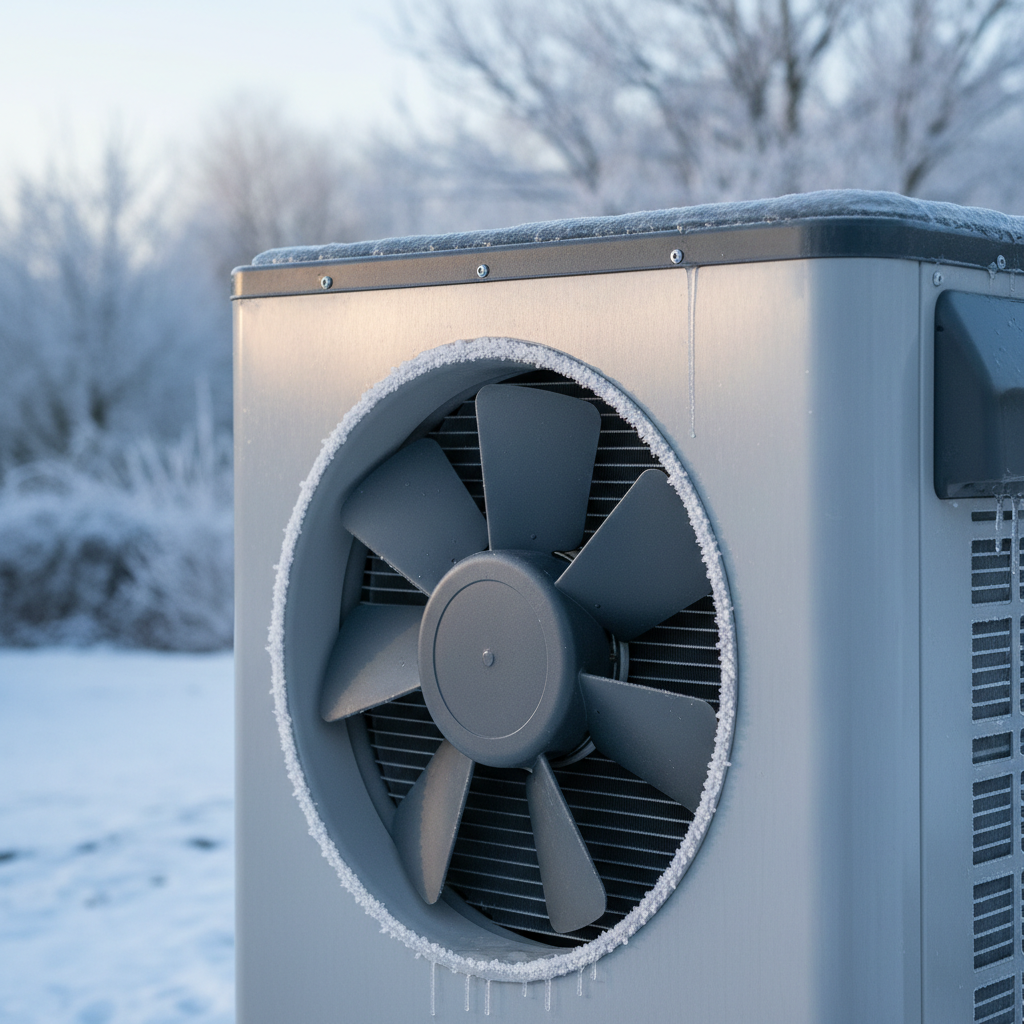
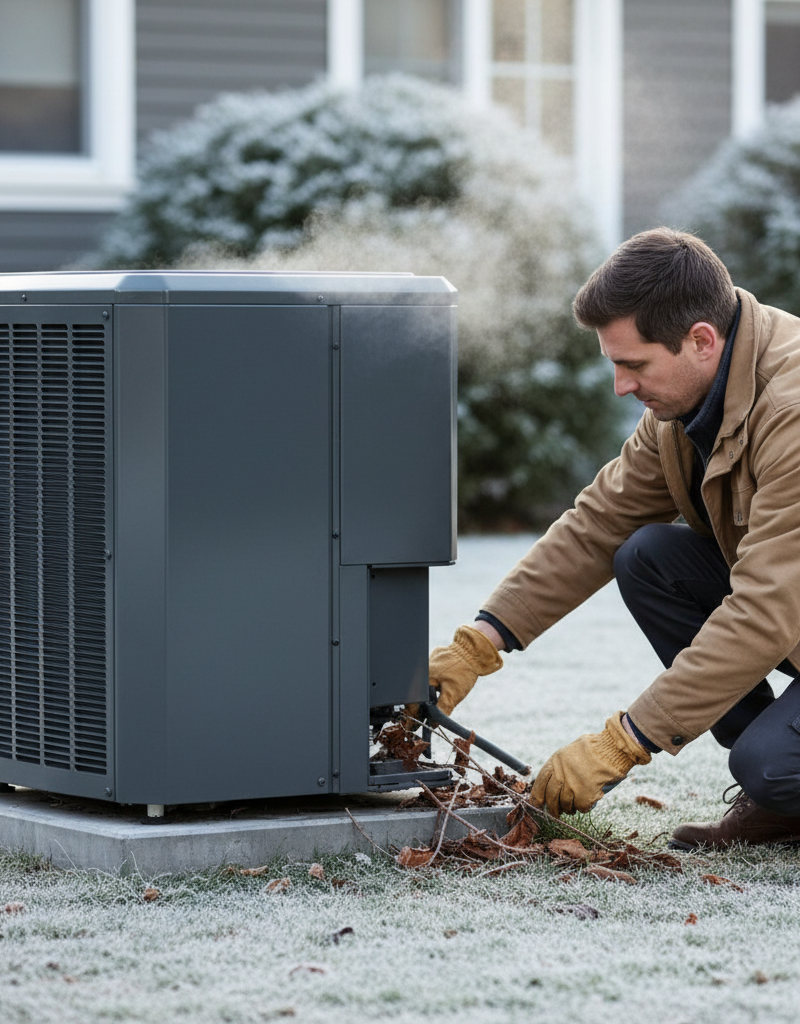
- Keep the outdoor unit clear year-round. Snow, leaves, grass clippings — all that junk adds up.
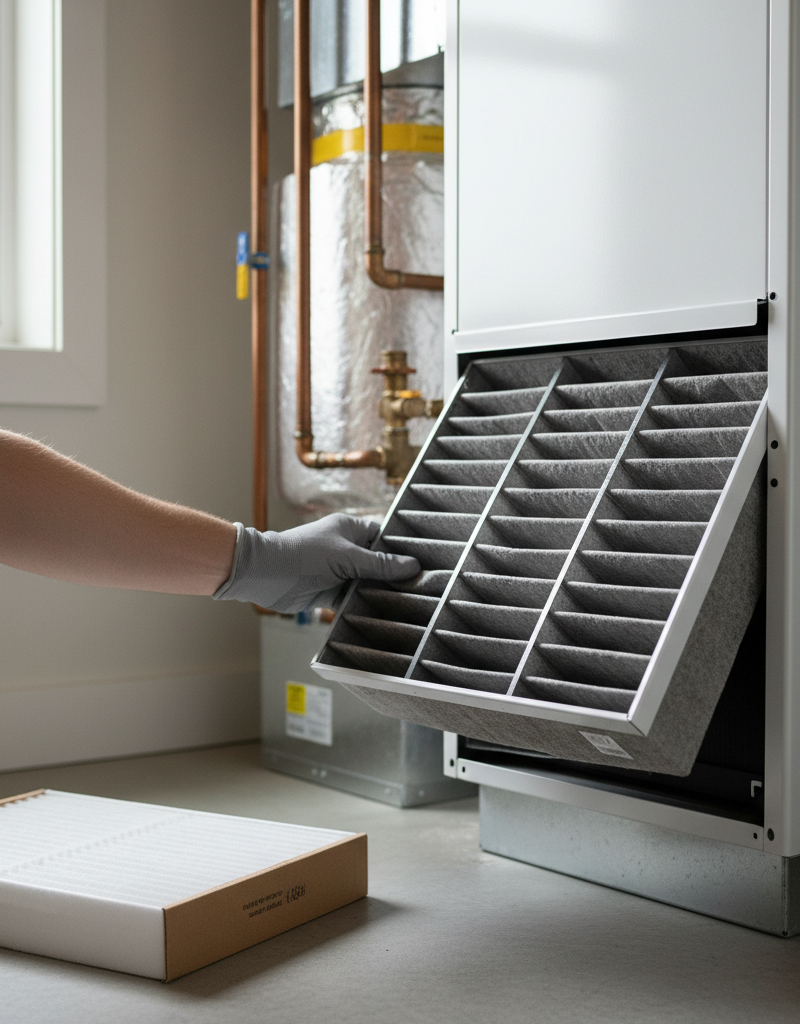
- Change your air filter regularly. Dirty filters cause weak airflow, and weak airflow causes icing.
- Don't ignore small frost buildup. If it starts icing more often, something's changing.
- Schedule a maintenance check before winter hits. A tune-up can catch low refrigerant, dirty coils, or defrost issues before you're stuck with no heat.
- Make sure the unit is mounted properly and not sinking or tilting. Drainage matters more than most people think.
HVAC · High energy usage
| Project category | HVAC |
|---|---|
| Problem type | High energy usage |
| Trade required | HVAC |
| Urgency | Planned project |
| Safety risk | Low safety risk |
| DIY suitability | DIY for experienced homeowners |
| Cost category | High cost |
| Typical timeline | Assessment within weeks; replacement planned off-season |
| Contractor type | Licensed HVAC technician |
Repair option
Duct sealing, insulation, and a tune-up before touching the equipment.
Replacement option
High-efficiency replacement sized by a load calculation, not a rule of thumb.
Common causes
- Aging, low-efficiency equipment
- Leaking ducts losing conditioned air
- Insufficient attic insulation
- Oversized system short-cycling
Relevant tools:project cost estimatorrepair or replace
Published July 27, 2026Last updated August 17, 2026
Tools & materials you'll need
Affiliate linksAs an Amazon Associate FixlyGuide earns from qualifying purchases — at no extra cost to you. Prices and availability are accurate as of publication and subject to change.
Quick Answer
When your heat pump quits heating like it should in cold weather, the usual culprit I run into is the outdoor unit freezing up solid. Not a little frost, either. I mean a thick layer of ice that gums everything up and keeps the system from doing its job. That freeze-up usually points to a defrost problem, weak airflow, or — and this one bites people — low refrigerant. Get the ice melted and track down the reason behind it first, and you'll be on your way back to warm air.
The Problem
You wake up, it's 25°F outside, and your thermostat's set to 70°F, but the air coming out of your vents feels lukewarm at best, or even cool. Then you step outside and — bam! — your heat pump's outdoor unit looks like a freezer accident, buried in a solid block of ice. I've seen units in the suburbs of Richmond look exactly like this after just a few days of steady freezing temps if they're not running right. That ice isn't just ugly; it's a real headache. It keeps the outdoor coil from pulling heat out of the cold air, and that's the whole job of a heat pump. So instead of moving heat inside, it gets in its own way. You wind up with cold air, higher utility bills because the thing's working overtime, and if you let it ride long enough, you can cook the compressor or lose the whole system. I tell homeowners straight: don't ignore ice on your outdoor unit.
How It Works
Alright, here's how these units are supposed to work. A heat pump isn't a furnace. It doesn't burn anything to make heat. It moves heat around. In winter, it grabs whatever heat is hanging around in that icy outdoor air — yeah, even at 20°F there's still some heat out there — and brings it into your house. It does that with refrigerant cycling between the indoor and outdoor coils. The outdoor coil acts like an evaporator, soaking up heat from the cold air and turning the refrigerant into a warm gas. That gas gets compressed, which bumps the temperature even higher, and then it heads to the indoor coil where it dumps that heat into your home's air. After that, the cooler liquid refrigerant loops back outside and does it all over again.
But here's the rub: as the outdoor coil pulls heat from freezing air, moisture in that air can condense and freeze on the fins. That's normal. A little frost isn't the end of the world. To keep it from turning into a giant ice lump, heat pumps run a defrost cycle. Every 30 to 90 minutes, depending on conditions and the thermostat setting, the system flips briefly and sends hot refrigerant through the outdoor coil. That melts the ice. A sensor, usually a thermistor, tells the system when the coil is clear, and it switches back to heating mode. If any part of that chain — refrigerant charge, airflow, or the defrost setup itself — is off, you'll get a deep freeze. I've found that about 70% of the time, heavy ice buildup traces back to the defrost cycle or low refrigerant.
Step-by-Step Fix
1. Check for a Tripped Breaker — The simplest fix first.
Before you even grab a tool, head to your electrical panel. Sometimes, especially with the extra strain of cold weather, the outdoor unit's breaker can trip. Look for a breaker that's flipped to the same side as the others? No dice. I always tell folks to check this before tearing into anything else, because it takes 30 seconds and can save you a pile of grief. If it's tripped, reset it once. If it trips again right away, don't keep forcing it — you've got a bigger electrical issue and it's time to call a pro.
2. Inspect the Outdoor Unit for Ice
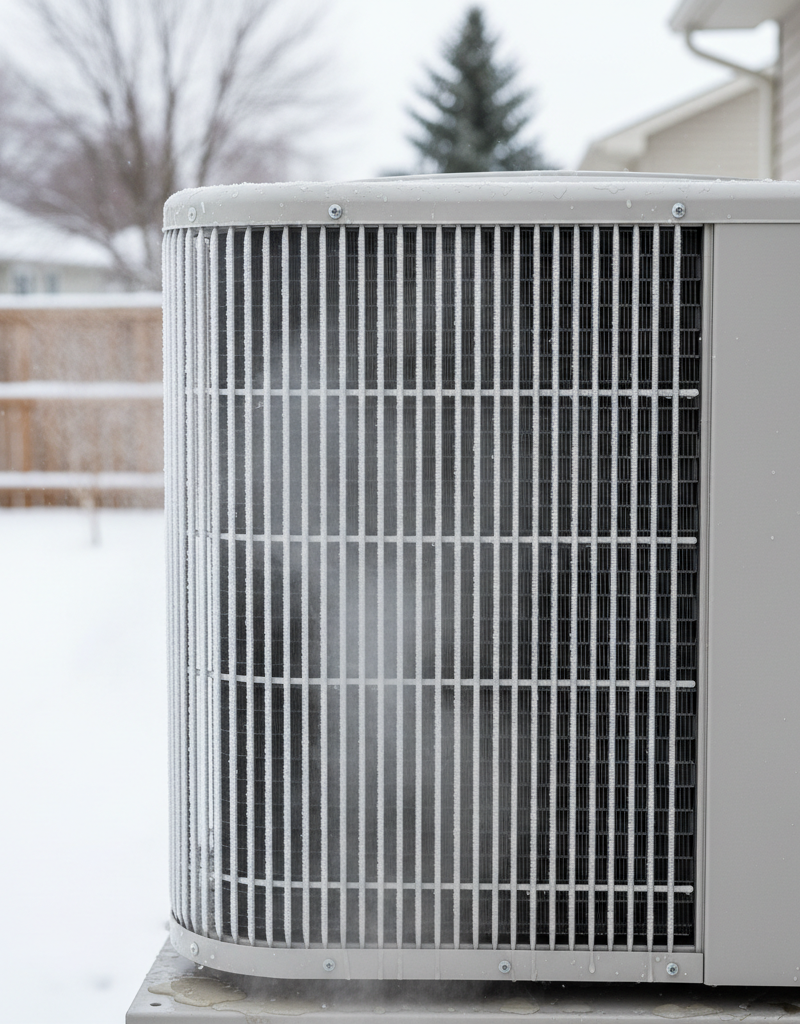
Now go outside and look at the unit. If it's coated in ice, don't chip at it with a screwdriver or hammer. That'll wreck the coil fins in a heartbeat. Turn the system off at the thermostat and switch the outdoor disconnect off too. Let it thaw naturally, or gently clear snow away so airflow can help. I pulled a unit in Frisco last month that had exactly this leak-and-freeze combo, and the homeowner had been hacking at the ice with a garden tool. Coil was bent up like a cheap lawn chair. That thing was toast.
3. Make Sure the Airflow Isn't Blocked
Heat pumps need breathing room. Trim back shrubs, clear leaves, and make sure nothing's packed against the cabinet. Inside the house, check your air filter. If it's dirty, change it. A clogged filter cuts airflow, and weak airflow means the coil gets colder than it should. That's ice city. Also, make sure supply and return vents aren't closed off. I know people do that to "save energy" — doesn't work that way.
4. Look at the Defrost Cycle
If the unit keeps icing up after it thaws, the defrost system may not be kicking in. You might notice the outdoor fan stops and steam rises during defrost. That's normal. No steam, no melt? Then something's off. The sensor, control board, or reversing valve could be acting up. This isn't usually a DIY fix unless you already know your way around HVAC controls. You can listen for the unit changing modes, but don't go poking around live components unless you know exactly what you're doing.
5. Check Refrigerant Levels
Low refrigerant is a big one. If the system's undercharged, the outdoor coil runs too cold and grabs moisture fast — then it freezes into a block of ice. But you can't just "add a little" and call it a day. Refrigerant doesn't get used up like gas in a car. If it's low, there's probably a leak. That needs a licensed tech with gauges, leak detection, and the right EPA handling. No shortcuts here.
6. Test the Thermostat Settings
Make sure the thermostat is set to heat, not emergency heat only, and that the fan is on auto unless your system calls for something different. If someone messed with the settings, the unit may not be cycling the way it should. Simple stuff, but it happens more than you'd think. I've been on calls where the whole "problem" was a thermostat set to cool after someone cleaned it and bumped the buttons.
7. Clear Drainage Issues
If meltwater can't drain away, it can refreeze around the base of the unit. Check that the area around the heat pump isn't sitting in standing water or packed snow. The pad should be level and open underneath. Poor drainage can turn a minor icing issue into a solid block pretty quick.
8. Call for Professional Service
If you've checked all that and the unit still freezes up, it's time for a licensed HVAC tech. At that point, you're likely dealing with a bad defrost control, a refrigerant leak, a failing reversing valve, or a compressor problem. Those aren't guess-and-check repairs. They're meter-and-manufacturer-spec repairs. And if your heat pump is older, sometimes the fix costs more than the unit's worth.
Prevention Tips
- Keep the outdoor unit clear year-round. Snow, leaves, grass clippings — all that junk adds up.
- Change your air filter regularly. Dirty filters cause weak airflow, and weak airflow causes icing.
- Don't ignore small frost buildup. If it starts icing more often, something's changing.
- Schedule a maintenance check before winter hits. A tune-up can catch low refrigerant, dirty coils, or defrost issues before you're stuck with no heat.
- Make sure the unit is mounted properly and not sinking or tilting. Drainage matters more than most people think.
Related Articles
Keep troubleshooting with these hand-picked guides from FixlyGuide:
- The #1 Mistake Homeowners Make When Heat Pumps Stop Heating in Winter — Discover the crucial mistake most homeowners make when their heat pump struggles in cold weather and how to fix it, potentially saving hund…
- The #1 Mistake Homeowners Make When Their Heat Pump Stops Heating in Winter — When your heat pump struggles in cold weather, the most common culprit is often a simple issue with the defrost cycle or auxiliary heat. Le…
- The 5-Minute Trick That Fixes a Dryer Not Heating (and the Real Culprit) — A dryer that tumbles but doesn't heat is a common problem, often due to a tripped thermal fuse or a power supply issue.
- The 4 Hidden Reasons Your Dryer Tumbles Cold (And How to Fix Them in 30 Minutes) — Your dryer tumbles, but clothes stay cold. Discover the four most common culprits behind a dryer that won't heat, and how to troubleshoot t…
- The Secret Reason Your AC Isn't Drying Your Air (And What to Check First) — Your AC should cool and dehumidify, but if your house feels muggy, there's a specific, often overlooked culprit preventing it from doing it…
- The Hidden Reason Your AC Isn't Cooling (And Why Most Homeowners Get It Wrong) — Is your central AC blowing warm air or struggling to cool your home? The culprit is often a silent but serious issue many homeowners overlo…
Should you do this yourself?
Answer five quick questions before you start. Safety outranks savings every time.
Your experience with work like this
How high do you have to work?
Does the job involve any of these?
Will it need a permit?
Specialty tools
Free and instant. Educational guidance only — not a quote, inspection, or professional diagnosis.
Estimate your own project cost
National averages are a starting point. Enter your details for a range that fits your house.
HVAC replacement cost
- Equipment$2,200 – $3,800
- Installation labor$1,200 – $2,500
Always insist on a Manual J load calculation — sq-ft sizing is only a rough check. Federal heat-pump rebates may reduce cost significantly.
Educational estimate only — always confirm with written local bids.
What should this project cost?
Enter your project details for a realistic cost range before you call anyone.
Service calls and common repairs run $150–$900; full system replacement typically $6,000–$12,000.
- Regional adjustment
- National average
- Labor share (typical)
- ~$1,935
- Quotes to collect
- 3 written estimates
Educational estimate based on national averages — not a binding quote. Always confirm with written local estimates.
Fixly Project Decision Box
- DIY difficulty
- Advanced
- Estimated time
- Homeowner checks 20–30 minutes
- Cost level
- Moderate
Main tools / materials
- Clean air filter
- Garden hose for condenser coils
- Shop vac for the condensate line
When to stop and call a pro
- Burning smell, smoke, or a tripping breaker
- Refrigerant lines iced over or hissing
- Any work inside the sealed refrigerant circuit (EPA-licensed only)
- Gas smell near a furnace — leave and call the utility
Need professional help?
Find an HVAC Pro Near YouBefore you start
Check the difficulty, permits, and safety risk — then decide whether to call a pro.
Free, no signup required. Estimates are educational guidance, not a quote or an inspection.
Frequently asked questions
How often should a heat pump defrost?+
A heat pump typically defrosts every 30 to 90 minutes in cold weather, depending on the outdoor temperature and humidity. A full defrost cycle usually lasts 5 to 10 minutes.
Why does my heat pump freeze solid in cold weather?+
Common reasons your heat pump freezes solid include a malfunctioning defrost board or sensor, low refrigerant charge, dirty outdoor coils restricting airflow, or a fan motor issue preventing proper heat transfer and ice melt.
Can I pour hot water on my frozen heat pump?+
While it might seem like a quick fix, directly pouring hot water on a frozen heat pump isn't recommended. The sudden temperature change can damage delicate fins, and the water can refreeze, creating more problems. It's better to use a garden hose with cool water or let it melt naturally.
What temperature is too cold for a heat pump?+
Most modern heat pumps can operate efficiently down to 20-30°F (-6 to -1°C). Many newer models, especially cold-climate heat pumps, can provide heat down to 0°F (-18°C) or even lower, though their efficiency may decrease.
How do I know if my heat pump is low on refrigerant?+
Signs of low refrigerant include reduced heating or cooling performance, ice buildup on the outdoor unit (even when the defrost cycle *is* running), whistling or hissing sounds, and higher-than-normal energy bills. A professional HVAC technician must verify and safely recharge refrigerant.
Should I turn off my heat pump if it's frozen?+
Yes, if your heat pump is heavily iced over and struggling, it's best to turn it off at the thermostat and outdoor disconnect. This allows the ice to melt naturally and prevents damage to the compressor while you troubleshoot the cause.
What's the difference between frost and ice on a heat pump?+
A light layer of frost that clears during regular defrost cycles is normal. Heavy ice buildup—thick, solid ice covering fins and blocking the fan—is a sign of a problem. Frost should be thin enough to see the coil fins; ice will obscure them entirely.
Can a dirty air filter cause a heat pump to freeze?+
Absolutely. A very dirty indoor air filter restricts airflow across the indoor coil. This can lead to the refrigerant not absorbing enough heat upstairs, causing a pressure drop that makes the outdoor unit run colder and more prone to freezing.
How much does it cost to fix a heat pump defrost board?+
Replacing a defrost board usually costs between $200 and $600, including parts and labor. The price can vary based on the heat pump's brand, model, and your local technician's rates.
Is it normal for a heat pump to have some ice on it?+
Yes, a light coating of frost on the outdoor coil in cold, humid weather is normal and expected. The heat pump's defrost cycle is designed to periodically melt this frost. However, heavy, thick ice that doesn't melt away is a sign of a problem.
Discussion
Loading comments…