- Tools: New air filter (check old filter for size and MERV rating)
- Safety: Turn off furnace power at the thermostat and the dedicated breaker.
- If this doesn't work: Proceed to check the flame sensor.
HVAC · High energy usage
| Project category | HVAC |
|---|---|
| Problem type | High energy usage |
| Trade required | HVAC |
| Urgency | Planned project |
| Safety risk | Low safety risk |
| DIY suitability | DIY for experienced homeowners |
| Cost category | High cost |
| Typical timeline | Assessment within weeks; replacement planned off-season |
| Contractor type | Licensed HVAC technician |
Repair option
Duct sealing, insulation, and a tune-up before touching the equipment.
Replacement option
High-efficiency replacement sized by a load calculation, not a rule of thumb.
Common causes
- Aging, low-efficiency equipment
- Leaking ducts losing conditioned air
- Insufficient attic insulation
- Oversized system short-cycling
Relevant tools:project cost estimatorrepair or replace
Published July 18, 2026Last updated August 17, 2026
Tools & materials you'll need
Affiliate linksAs an Amazon Associate FixlyGuide earns from qualifying purchases — at no extra cost to you. Prices and availability are accurate as of publication and subject to change.
Quick Answer
Furnace short cycling, where your heating system turns on and off frequently without completing a full heating cycle, is usually a sign of an underlying issue that can range from simple maintenance needs to more complex system problems. Common culprits include a clogged air filter, a malfunctioning flame sensor, an incorrectly sized thermostat, or an oversized furnace. Addressing these issues promptly can improve efficiency, prevent further damage, and ensure your home stays comfortably warm.
The Problem
You're bundled in a blanket, the house feels chilly, yet your furnace seems to be working overtime – or maybe hardly at all. It kicks on with a roar, runs for a few minutes, then clicks off, only to repeat the cycle a short time later. This frustrating phenomenon is known as short cycling, and it's more than just an annoyance. When your furnace short cycles, it struggles to reach the thermostat's set temperature, leading to uneven heating, increased energy consumption, and premature wear and tear on critical components. Each start-up and shut-down puts stress on the system, particularly the igniter, motor, and heat exchanger. Over time, this can lead to costly repairs or even the need for a full furnace replacement far sooner than expected. Identifying and addressing the root cause is crucial for the longevity and efficiency of your heating system.
How It Works
To understand why your furnace short cycles, it's helpful to first grasp the basic operation of a forced-air heating system. When your thermostat calls for heat, it sends a low-voltage signal to the furnace's control board. The control board then initiates a sequence of events. First, the inducer motor starts, drawing combustion air into the burner chamber and pushing exhaust gases out through the flue. Once sufficient airflow is established, the igniter (either a hot surface igniter or a pilot light) activates, followed by the opening of the gas valve, allowing gas to flow to the burners. The igniter then lights the gas, creating a flame. A critical component, the flame sensor, detects the presence of this flame, signaling to the control board that everything is operating correctly. If the flame sensor doesn't detect a flame within a few seconds (usually 3-7 seconds), the gas valve will close for safety, and the furnace may attempt to re-ignite. Once the flame is stable and detected, the main blower motor usually delays for a short period (to allow the heat exchanger to warm up) before engaging, distributing the warm air throughout your home's ductwork. When the thermostat's set temperature is reached, or if a safety limit switch trips, the gas valve closes, and the blower motor continues to run for a short period to dissipate any residual heat in the heat exchanger before the furnace completely shuts down until the next call for heat. Short cycling occurs when one of these steps is interrupted prematurely, often due to a safety mechanism being triggered or a sensor providing an incorrect reading, causing the furnace to shut down before a full heating cycle can be completed.
Step-by-Step Fix
1. Check and Replace Air Filter – The simplest and most common culprit.
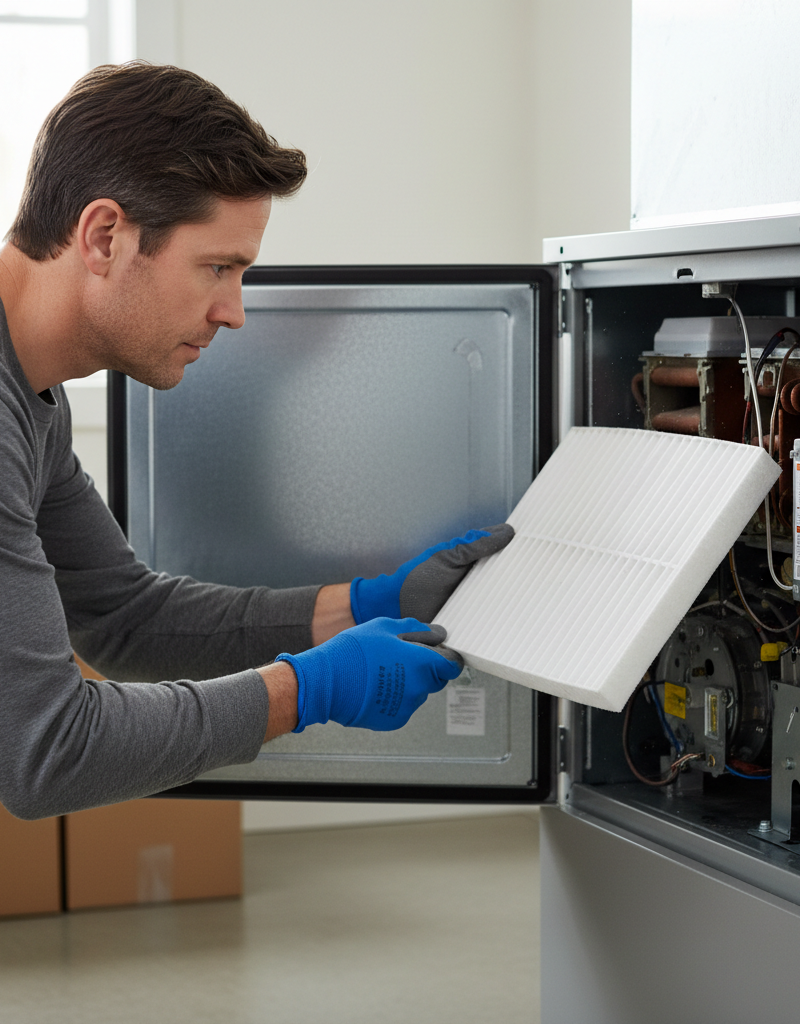
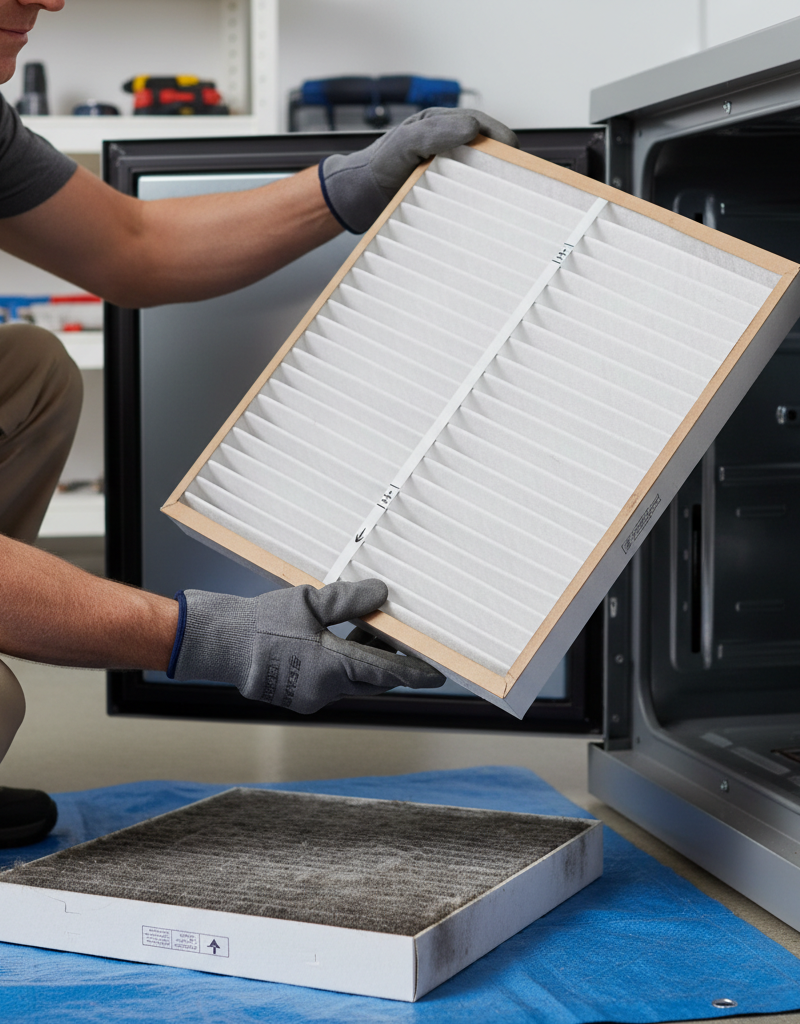
A clogged air filter is the most frequent cause of short cycling. A dirty filter restricts airflow, causing the heat exchanger to overheat. When this happens, a safety limit switch trips, shutting down the furnace to prevent damage. Replacing a dirty filter with a clean one is often all it takes.
- Tools: New air filter (check old filter for size and MERV rating)
- Safety: Turn off furnace power at the thermostat and the dedicated breaker.
- Instructions: Locate your furnace's filter slot (usually on the return air duct or within the furnace cabinet). Note the arrow indicating airflow direction. Slide out the old filter and replace it with a new one, ensuring the arrow points towards the furnace. Dispose of the old filter.
- If this doesn't work: Proceed to check the flame sensor.
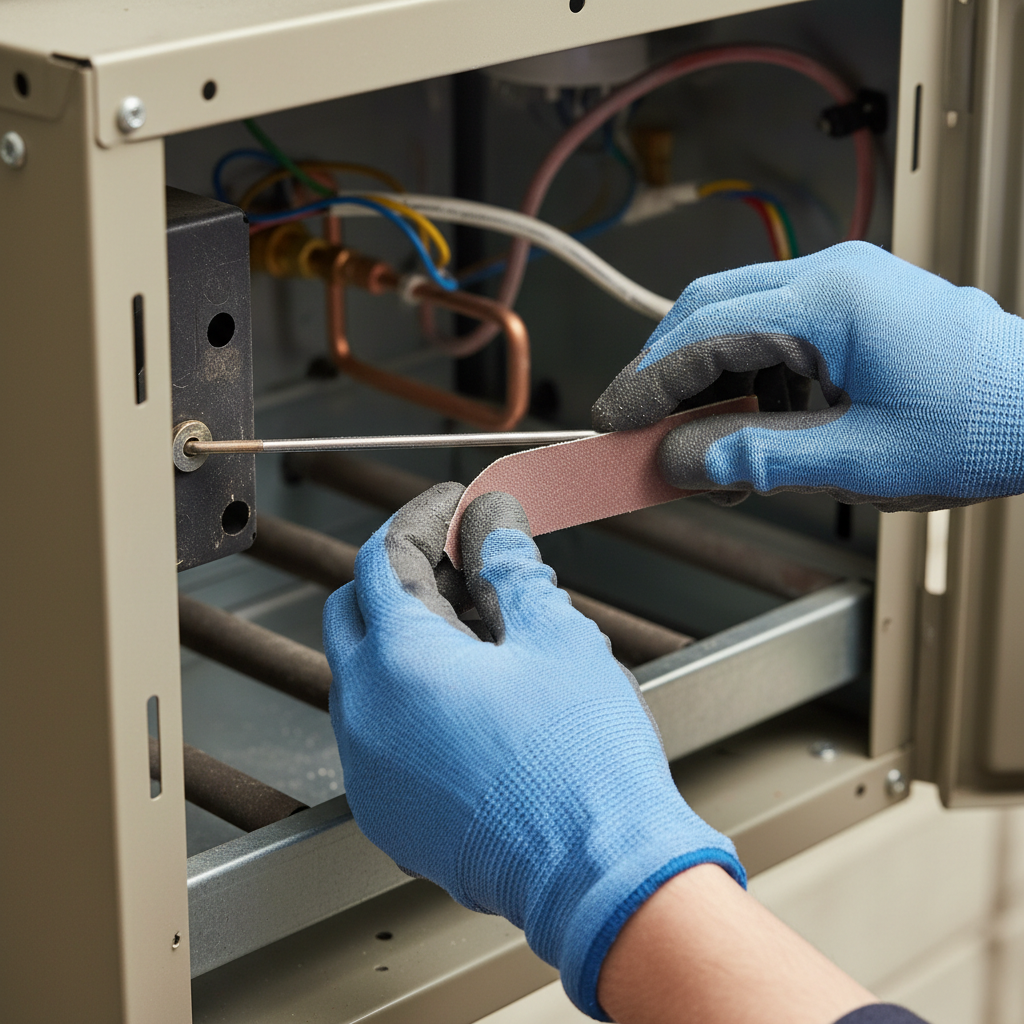
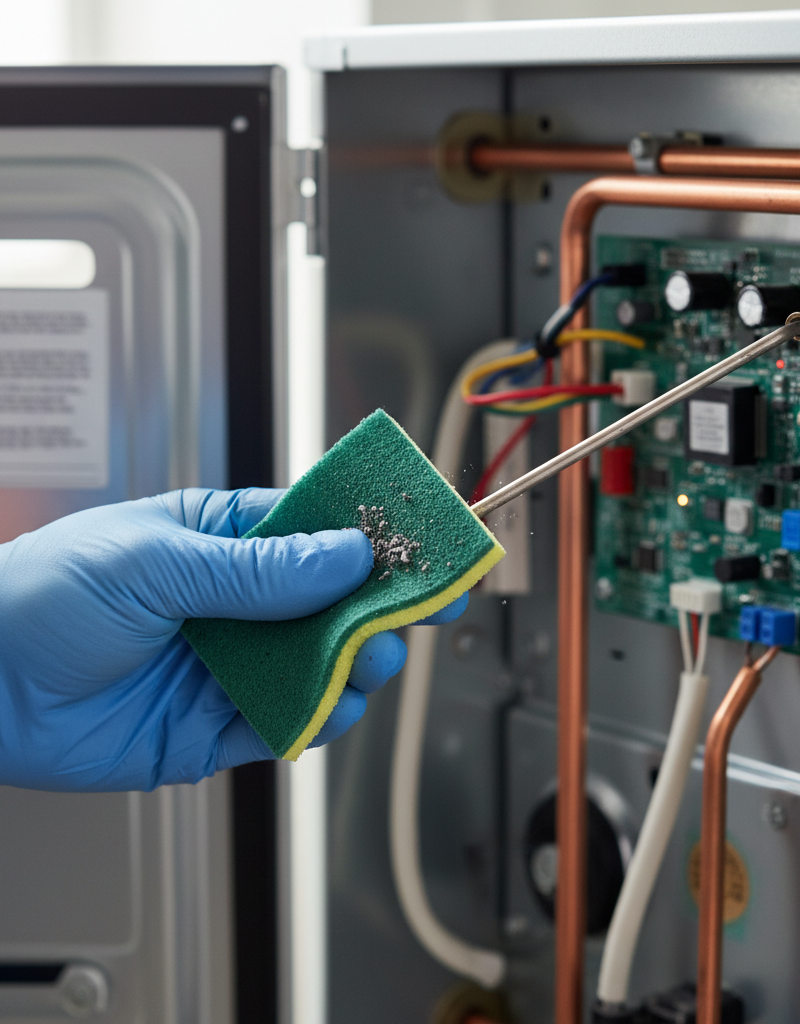
2. Clean the Flame Sensor – A common cause of false shutdowns.
A sooty or dirty flame sensor can't properly detect the flame, causing the furnace to shut down as a safety precaution, believing there's no ignition. Cleaning it is a straightforward fix.
- Tools: Nut driver or small wrench, fine-grit sandpaper (100-grit or higher) or emery cloth, clean cloth.
- Safety: Crucial: Turn off the gas supply valve to the furnace and the electrical power at the breaker before starting. The flame sensor is located near the burners.
- Instructions: Identify the flame sensor – it's a thin metal rod, usually about 2-3 inches long, positioned in the path of the burner flames, opposite the igniter. It will have a single wire running from it. Use your nut driver or wrench to remove the screw holding the flame sensor in place. Carefully pull the sensor straight out. Gently clean the metal rod with sandpaper or emery cloth, removing any soot or carbon buildup until the metal is shiny again. Wipe with a clean cloth. Reinstall the sensor, ensuring the wire is securely attached and the mounting screw is tight. Restore gas and electrical power.
- If this doesn't work: The flame sensor might be faulty and need replacement, or the issue could be with the high-limit switch or thermostat.
3. Inspect the Flue/Vent Pipe – Blockages can cause significant issues.
A blocked flue can prevent proper exhaust of combustion gases, leading to a build-up of heat or carbon monoxide, triggering safety shutdowns.
- Tools: Flashlight, work gloves.
- Safety: Ensure the furnace is off and cooled. If any part of the flue pipe is hot, wait until it cools down. If you smell gas or suspect a carbon monoxide leak, evacuate immediately and call a professional.
- Instructions: Visually inspect the vent pipe (usually a metal pipe leading from the furnace to outside) for any obstructions like bird nests, leaves, or debris. Check for any sagging sections where condensation might accumulate. Clear any visible blockages. Ensure all connections are tight and secure.
- If this doesn't work: If the flue pipe appears clear, the issue may be internal to the furnace or related to other safety components.
4. Check Thermostat Settings and Location – Surprisingly overlooked causes.
An incorrectly programmed thermostat or one placed in a drafty area can cause the furnace to short cycle. If the thermostat quickly senses the desired temperature due to a warm draft or direct sunlight, it will shut down the furnace prematurely.
- Tools: Small screwdriver (if battery replacement is needed).
- Instructions: Verify your thermostat is set to
Related Articles
Keep troubleshooting with these hand-picked guides from FixlyGuide:
- The 3 Hidden Reasons Your Furnace Short Cycles (and What to Do) — Furnace short cycling wastes energy and causes uneven heating. Learn the hidden reasons behind this common problem and how to fix it yourse…
- Why Your Thermostat Lies: The Real Reason Your Home Won't Hit the Set Temperature — Discover why your thermostat struggles to reach the set temperature and learn actionable steps to diagnose and fix common HVAC issues.
- The Hidden Reason Your AC Freezes — And Why Most Homeowners Get It Wrong — Discover the surprising truth behind why your outdoor AC unit is freezing up and the common mistake homeowners make when trying to fix it.
- The Secret Reason Your AC Isn't Drying Your Air (And What to Check First) — Your AC should cool and dehumidify, but if your house feels muggy, there's a specific, often overlooked culprit preventing it from doing it…
- The 3 Hidden Reasons Your Furnace Short Cycles (and What to Do) — Discover the surprising reasons your furnace might be short cycling and learn actionable steps to diagnose and fix the problem, saving you…
- The Hidden Reason Your AC Isn't Cooling (It's Not Just Freon) — A central AC system that isn't cooling your home can often be traced back to a surprising culprit: airflow obstruction, which mistakenly le…
What should this project cost?
Enter your project details for a realistic cost range before you call anyone.
Service calls and common repairs run $150–$900; full system replacement typically $6,000–$12,000.
- Regional adjustment
- National average
- Labor share (typical)
- ~$1,935
- Quotes to collect
- 3 written estimates
Educational estimate based on national averages — not a binding quote. Always confirm with written local estimates.
Fixly Project Decision Box
- DIY difficulty
- Advanced
- Estimated time
- Homeowner checks 20–30 minutes
- Cost level
- Moderate
Main tools / materials
- Clean air filter
- Garden hose for condenser coils
- Shop vac for the condensate line
When to stop and call a pro
- Burning smell, smoke, or a tripping breaker
- Refrigerant lines iced over or hissing
- Any work inside the sealed refrigerant circuit (EPA-licensed only)
- Gas smell near a furnace — leave and call the utility
Need professional help?
Find an HVAC Pro Near YouFrequently asked questions
Why does my furnace keep turning on and off?+
Your furnace likely keeps turning on and off due to 'short cycling.' Common reasons include a dirty air filter restricting airflow, a malfunctioning flame sensor, an oversized furnace, or issues with your thermostat. The furnace's safety mechanisms may be triggering premature shutdowns.
Is short cycling bad for a furnace?+
Yes, short cycling is detrimental to your furnace. It causes increased wear and tear on components like the igniter, motor, and heat exchanger, leading to premature breakdowns and higher repair costs. It also reduces efficiency and increases energy bills.
How do I know if my furnace is short cycling?+
You'll know your furnace is short cycling if it runs for significantly shorter periods (e.g., 2-5 minutes) than its usual heating cycle, then shuts off, only to turn back on again quickly. Your home may also feel unevenly heated, and you might notice higher energy bills.
When should I call a professional for furnace short cycling?+
You should call a professional if you've checked the air filter and flame sensor and your furnace still short cycles, especially if you suspect an issue with the heat exchanger, gas pressure, or electrical components. Any persistent problem after basic troubleshooting warrants a licensed HVAC technician.
Can an oversized furnace cause short cycling?+
Yes, an oversized furnace is a common cause of short cycling. If a furnace is too powerful for the space it needs to heat, it will quickly raise the temperature around the thermostat, satisfy the thermostat's call for heat, and shut off before adequately distributing warmth throughout the entire home.
Discussion
Loading comments…