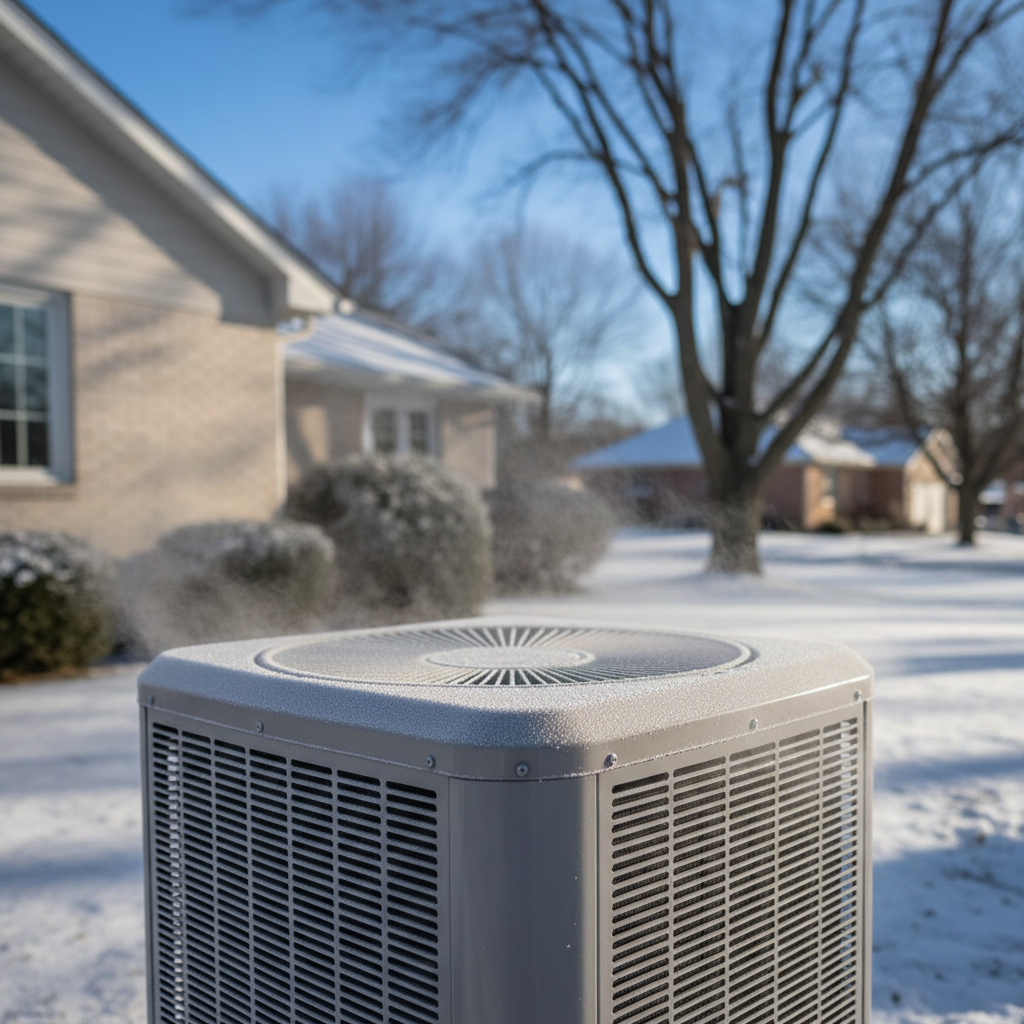
- Inspect the Outdoor Unit for Ice Buildup – A block of ice means a defrost issue.
- Safety Note: Never attempt to chip away ice with sharp objects, as you can damage the delicate fins and refrigerant lines. Avoid pouring hot water directly on the unit as it can freeze again and damage components.
- If heavily iced: Proceed to a manual defrost.
HVAC · High energy usage
| Project category | HVAC |
|---|---|
| Problem type | High energy usage |
| Trade required | HVAC |
| Urgency | Planned project |
| Safety risk | Low safety risk |
| DIY suitability | DIY for experienced homeowners |
| Cost category | High cost |
| Typical timeline | Assessment within weeks; replacement planned off-season |
| Contractor type | Licensed HVAC technician |
Repair option
Duct sealing, insulation, and a tune-up before touching the equipment.
Replacement option
High-efficiency replacement sized by a load calculation, not a rule of thumb.
Common causes
- Aging, low-efficiency equipment
- Leaking ducts losing conditioned air
- Insufficient attic insulation
- Oversized system short-cycling
Relevant tools:project cost estimatorrepair or replace
Published July 10, 2026Last updated August 17, 2026
Tools & materials you'll need
Affiliate linksAs an Amazon Associate FixlyGuide earns from qualifying purchases — at no extra cost to you. Prices and availability are accurate as of publication and subject to change.
Quick Answer
If your heat pump isn't providing adequate heat when temperatures drop, the most common culprits are issues with its defrost cycle, a dirty air filter restricting airflow, or problems with the auxiliary heat not engaging. You can often resolve these by performing a simple power reset, manually checking for ice on the outdoor unit, or ensuring your thermostat settings are correct. Addressing these can restore your system's efficiency and warmth.
The Problem
You're bundled up indoors, but your heat pump is just blowing cool air, or not enough warm air, especially when the mercury dips below 40°F. This frustrating scenario leaves many homeowners wondering if their heat pump is broken, inherently inefficient in winter, or if there's a serious underlying issue. While heat pumps are incredibly efficient, their function changes significantly in colder temperatures, making them prone to specific problems that can prevent them from heating effectively. The core issue often revolves around their ability to extract heat from frigid outdoor air and the critical process of defrosting their outdoor coil, which can quickly become a block of ice, essentially shutting down their heating capability.
Heat pumps operate by moving heat, not generating it like a furnace. In heating mode, the outdoor unit absorbs heat from the air (even cold air) and transfers it indoors. This process causes the outdoor coil to get very cold, often below freezing, even when the ambient air is above freezing. As moisture in the air passes over this cold coil, it condenses and freezes, forming a layer of ice. A controlled defrost cycle is essential to melt this ice periodically. If the defrost cycle fails or struggles, the ice buildup will insulate the coil, preventing it from absorbing heat efficiently. This leads to reduced heating capacity, higher energy consumption, and eventually, the system blowing cool air or shutting down altogether. Additionally, many heat pumps rely on auxiliary or 'supplemental' heat (usually electric resistance coils) to kick in when temperatures are very low, or during defrost cycles. If this auxiliary heat isn't engaging, you'll feel the chill.
How It Works
Understanding how your heat pump heats is key to troubleshooting. A heat pump fundamentally works like an air conditioner but in reverse. It utilizes a refrigerant that cycles between an indoor coil (evaporator in cooling, condenser in heating) and an outdoor coil (condenser in cooling, evaporator in heating), changing states between liquid and gas to move thermal energy. During cold weather, in heating mode, the outdoor unit's coil acts as an evaporator. The refrigerant, now a cold liquid-gas mixture, absorbs heat from the chilly outdoor air, even if it feels cold to you; there's always some heat energy to extract. As the refrigerant absorbs this heat, it vaporizes into a warm gas. This gas is then compressed, significantly increasing its temperature and pressure. The hot, high-pressure gas then travels to the indoor coil (now acting as a condenser), where it releases its heat into your home's ductwork, warming the air circulating through your house. As it releases heat, the refrigerant condenses back into a high-pressure liquid, ready to begin the cycle again after passing through an expansion valve.
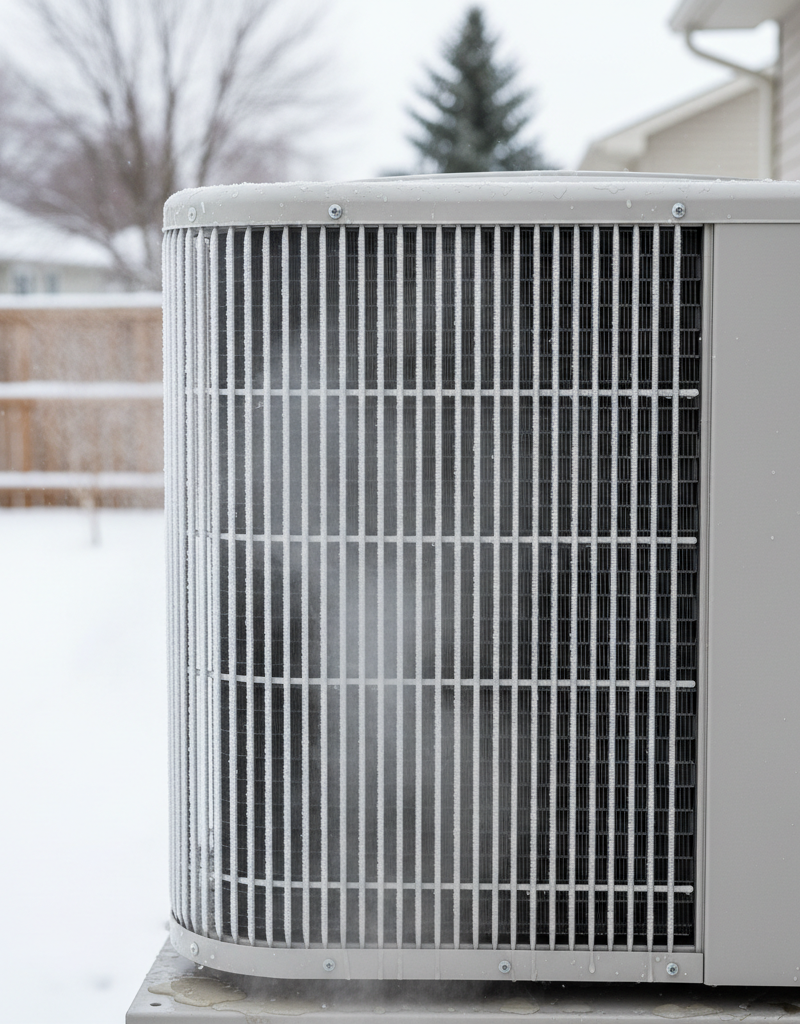
This heat transfer process is highly efficient, but it has a crucial vulnerability in cold climates: ice. When the outdoor coil absorbs heat, its surface temperature drops. If the outdoor air is moist and its temperature is near or below freezing, moisture will condense and freeze onto the coil. A small amount of frost is normal. However, if left unchecked, this frost turns into a thick layer of ice, insulating the coil and severely inhibiting its ability to absorb heat. This is where the defrost cycle comes in. Regularly, or when sensors detect significant ice buildup, the heat pump temporarily reverses its cycle. It essentially operates in cooling mode for a short period (typically 5-15 minutes), directing hot refrigerant to the outdoor coil, melting the ice. During this time, the indoor unit's fan often stops to prevent blowing cold air, and auxiliary heat usually engages to maintain indoor temperature. Once the ice is melted, the system reverts to normal heating operation. If the defrost cycle components (sensors, control board, reversing valve) malfunction or if the outdoor unit's airflow is restricted, vast amounts of ice will accumulate, crippling the heat pump's heating capacity.
Step-by-Step Fix
Here's how to diagnose and potentially fix your heat pump when it's struggling to heat in cold weather.
-
Check Your Thermostat Settings – Ensure it's on 'Heat' and not 'Auto' with a low setpoint.
- Action: Verify your thermostat is set to 'Heat' mode and the temperature setting is at least 3-5 degrees above the current room temperature. If it's set to 'Auto,' it might not properly engage the auxiliary heat. Look for a setting that allows auxiliary heat to engage when needed or manually switch to 'Emergency Heat' for testing, but remember emergency heat is very inefficient and costly for prolonged use.
- If this doesn't work: Proceed to check the outdoor unit.
-
Inspect the Outdoor Unit for Ice Buildup – A block of ice means a defrost issue.
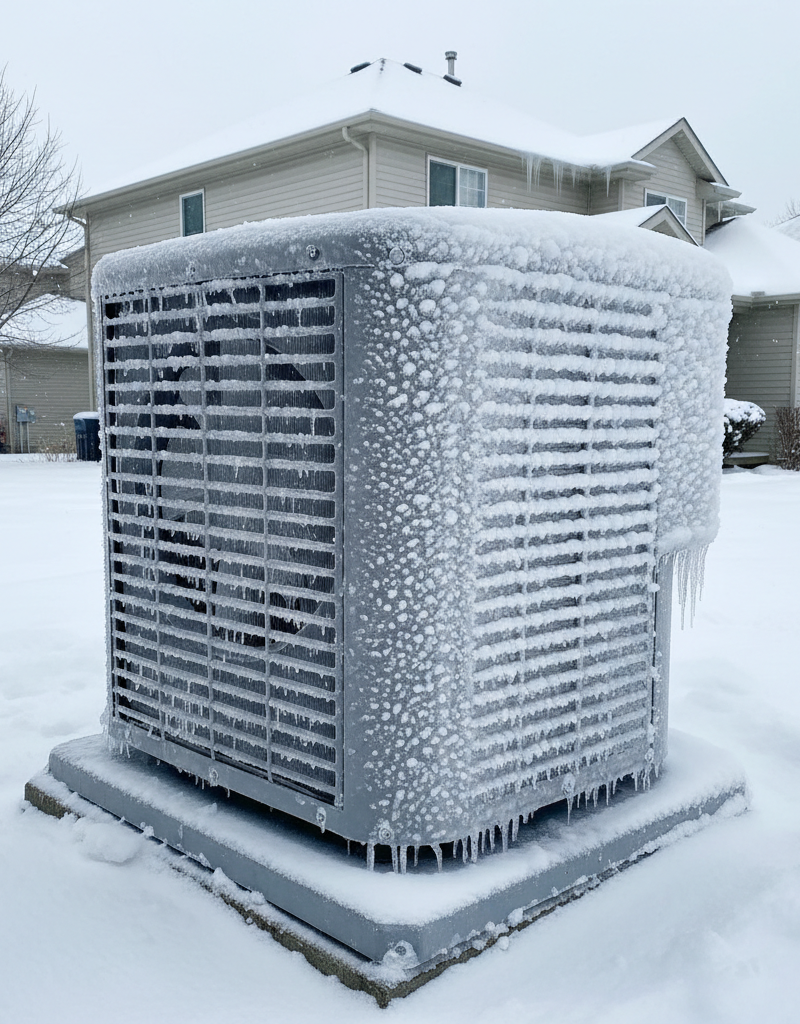
- Action: Visually inspect your outdoor unit. Is the coil covered in a thick layer of ice, particularly on the bottom fins? A light frost is normal, but heavy ice buildup (more than 1/4 inch thick) indicates a problem. Also, check if the fan motor is running freely or if it's impeded by ice.
- Safety Note: Never attempt to chip away ice with sharp objects, as you can damage the delicate fins and refrigerant lines. Avoid pouring hot water directly on the unit as it can freeze again and damage components.
- If heavily iced: Proceed to a manual defrost.
-
Perform a Manual Defrost (Power Reset) – Often clears temporary control board glitches.
- Action: Go to your electrical service panel (breaker box). Locate the breaker(s) labeled for your outdoor heat pump unit and your indoor air handler/furnace. Flip both breakers to the 'OFF' position. Wait for at least 30 minutes. This allows any ice on the outdoor coil to melt naturally and performs a hard reset on the system's control board. After 30 minutes, flip the breakers back to 'ON'.
- Tools: None required.
- If ice persists or returns quickly: The defrost components (sensor, board, reversing valve) might be failing.
-
Clear Obstructions Around the Outdoor Unit – Ensures proper airflow.
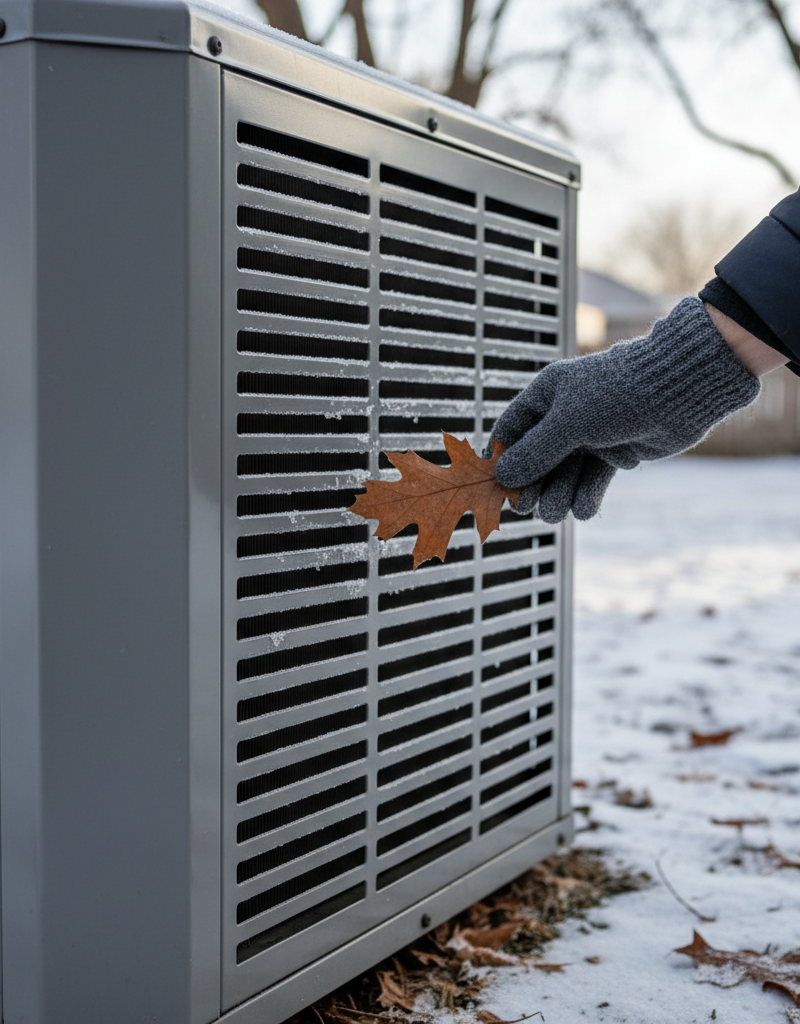
- Action: Remove any leaves, debris, snow, or overgrown vegetation within at least 2 feet of all sides and the top of the outdoor unit. Restricted airflow can impede heat exchange and defrosting.
- Tools: Rake, shovel.
-
Check and Replace Your Air Filter – Severely restricted airflow reduces efficiency and can impact heating.
- Action: Locate your air filter, typically in the return air duct or within the indoor air handler/furnace. Pull it out and inspect it. If it's dirty, clogged with dust and debris, replace it with a clean, new filter of the correct size and MERV rating. A clogged filter severely restricts airflow, making your heat pump work harder and deliver less heat.
- Tools: New air filter of appropriate size.
- Frequency: Check monthly, replace every 1-3 months.
-
Verify Auxiliary/Emergency Heat Engagement – Your backup heat should kick in when primary fails.
- Action: If your heat pump is blowing cool air, set your thermostat to 'Emergency Heat' (sometimes labeled 'Auxiliary Heat' or 'EM Heat'). Listen for the sound of electric heating elements coming on (often an audible hum) and feel for warm air coming from your vents after 5-10 minutes. If you feel warm air, your auxiliary heat is working, indicating the primary heat pump function is the issue. If you still feel cold air, your auxiliary heat coils or their circuit breaker might be tripped.
- Safety Note: If you suspect an electrical issue with auxiliary heat, do not open the indoor unit yourself. Call an HVAC professional.
-
Check Breakers for Indoor Air Handler/Furnace – Auxiliary heat often has a dedicated breaker.
- Action: Return to your electrical service panel. Ensure all breakers related to your furnace or air handler (often labeled 'Furnace,' 'Air Handler,' or 'Heat') are in the 'ON' position. Sometimes auxiliary heat has its own dedicated, high-amperage breaker that might have tripped, especially if it was working hard.
- If you reset a tripped breaker and it immediately trips again: There's an electrical fault. Stop troubleshooting and call a professional.
Common Causes
- Failed Defrost Cycle Components: The most frequent cause in cold weather. This could be a faulty defrost sensor, a malfunctioning defrost control board, or a sticky reversing valve not allowing hot gas to reach the outdoor coil. This results in heavy ice buildup.
- Low Refrigerant Charge: A heat pump low on refrigerant will struggle to absorb sufficient heat from the outdoor air. This can also lead to icing issues, as the coil gets excessively cold.
- Dirty Outdoor Coil: A coil caked in dirt, leaves, or grime acts as an insulator, preventing effective heat exchange and making defrosting harder. Proper airflow is critical.
- Clogged Air Filter: Restricts airflow over the indoor coil, reducing heat transfer into your home and making the system work harder.
- Malfunctioning Auxiliary Heat: When outdoor temperatures drop significantly, heat pumps rely on supplementary electrical resistance coils (auxiliary heat). If these coils, their limit switches, or dedicated circuit breakers fail, your system won't have the backup heat it needs.
- Thermostat Issues: Incorrect settings, a faulty sensor, or a dying battery can prevent the thermostat from signaling the heat pump or auxiliary heat to turn on.
- Fan Motor Problems (Indoor or Outdoor): A failing fan motor can restrict airflow, leading to poor heat transfer and, in the outdoor unit, impacting defrosting and overall efficiency.
Common Mistakes
- Ignoring Ice Buildup: Many homeowners see ice and assume it's normal. While light frost is, heavy ice (over 1/4 inch thick, resembling a solid block) is a strong indicator of a defrost issue that needs attention.
- Using Sharp Objects to Remove Ice: This is extremely dangerous and can puncture refrigerant lines or damage delicate fins, leading to very costly repairs and refrigerant leaks.
- Not Changing Air Filters Regularly: A dirty filter is the cheapest, easiest problem to fix, yet it's often overlooked. It significantly impacts efficiency and heating capacity.
- Setting Thermostat to 'Auto' in Very Cold Weather: Some 'Auto' settings may prioritize efficiency over warmth and delay auxiliary heat engagement, leading to cooler indoor temperatures than desired. Manual 'Heat' or 'Emergency Heat' ensures the system responds properly when true heat is needed.
- Assuming the Heat Pump is Broken: Often, it's a simple fix like a power reset or a clogged filter. Don't jump to conclusions about a costly replacement without basic troubleshooting.
- Delaying Professional Maintenance: Annual maintenance identifies and prevents many issues, including defrost cycle problems, before they leave you in the cold.
Cost & Time Breakdown
| Task | DIY Cost | Pro Cost | Time |
|---|---|---|---|
| Thermostat Check/Adjustment | $0 | $0 (if part of service call) | 5 minutes |
| Outdoor Unit Ice Removal | $0 | $100–$250 | 30–60 minutes |
| Air Filter Replacement | $10–$30 | $20–$50 (plus service fee) | 5 minutes |
| Breaker Reset | $0 | $0 (if part of service call) | 5 minutes |
| Obstruction Clearing | $0 | $50–$100 | 15 minutes |
| Defrost Sensor Replacement | $30–$80 | $200–$400 | 1–2 hours |
| Refrigerant Recharge | Not DIYable | $300–$800+ | 2–4 hours |
Tips & Prevention
- Regular Filter Changes: Replace your air filter at least every 1-3 months, especially during peak heating season. This is the single easiest and most effective preventative measure.
- Keep Outdoor Unit Clear: Maintain a 2-foot clearance around your outdoor unit from snow, leaves, grass, and shrubbery. This ensures optimal airflow.
- Monitor for Ice: Periodically check your outdoor unit during cold snaps. A light frost is normal; thick ice is not. Catching it early can prevent bigger issues.
- Annual Professional Maintenance: Schedule a tune-up every fall. A licensed HVAC technician can clean coils, check refrigerant levels, test the defrost cycle components, and calibrate your thermostat, catching potential problems before they lead to breakdowns.
- Understand Your Thermostat: Familiarize yourself with all your thermostat's settings, especially those related to auxiliary and emergency heat. Know when and how to engage them.
- Consider a Smart Thermostat: Many smart thermostats can optimize heat pump operation, manage auxiliary heat more efficiently, and alert you to potential issues.
When to Call a Professional
While many heat pump issues in cold weather can be troubleshooted with the steps above, some problems require the expertise of a licensed HVAC professional. If you notice a persistent thick layer of ice on your outdoor unit even after a power reset, this indicates a failure in the defrost system, which could involve a faulty defrost sensor, control board, or reversing valve. These are complex components that require specialized tools and knowledge to diagnose and replace. A sudden and significant drop in heating performance, especially if accompanied by strange noises from either the indoor or outdoor unit, could signal a refrigerant leak, compressor issue, or a problem with a fan motor that needs immediate attention. Furthermore, if you've reset breakers for your auxiliary heat and they immediately trip again, this points to an electrical fault that could be dangerous and should only be handled by a professional. Any situation involving opening the sealed refrigerant system or major electrical work within the unit must be deferred to a qualified, licensed HVAC technician to ensure safety and proper operation.
Related Articles
Keep troubleshooting with these hand-picked guides from FixlyGuide:
- The #1 Mistake Homeowners Make When Their Heat Pump Stops Heating in Winter — Discover the most common reason your heat pump struggles in cold weather and how a simple homeowner fix can restore warmth to your home.
- The #1 Mistake Homeowners Make When Heat Pumps Stop Heating in Winter — Discover the crucial mistake most homeowners make when their heat pump struggles in cold weather and how to fix it, potentially saving hund…
- The Secret Reason Your Furnace Turns On and Off So Much (It's Not What You Think) — Short cycling strains your furnace and wastes energy. Learn the most common surprising causes and how to fix them to restore efficient heat…
- The Secret Reason Your Oven Fails to Heat (It's NOT Always the Element) — Discover why your oven isn't reaching its set temperature, from common part failures to overlooked calibration issues, and how to fix it.
- The Secret Reason Your Thermostat Lies (And How to Fix It in Minutes) — Discover why your thermostat isn't hitting its set temperature and learn simple, actionable steps to diagnose and fix the most common culpr…
- The Secret Reason Your Interior Door Sticks (It's Not Always Humidity) — Before you blame humidity, learn the true culprits behind a sticky interior door and how to fix them with simple DIY steps.
What should this project cost?
Enter your project details for a realistic cost range before you call anyone.
Service calls and common repairs run $150–$900; full system replacement typically $6,000–$12,000.
- Regional adjustment
- National average
- Labor share (typical)
- ~$1,935
- Quotes to collect
- 3 written estimates
Educational estimate based on national averages — not a binding quote. Always confirm with written local estimates.
Fixly Project Decision Box
- DIY difficulty
- Advanced
- Estimated time
- Homeowner checks 20–30 minutes
- Cost level
- Moderate
Main tools / materials
- Clean air filter
- Garden hose for condenser coils
- Shop vac for the condensate line
When to stop and call a pro
- Burning smell, smoke, or a tripping breaker
- Refrigerant lines iced over or hissing
- Any work inside the sealed refrigerant circuit (EPA-licensed only)
- Gas smell near a furnace — leave and call the utility
Need professional help?
Find an HVAC Pro Near YouGet the print-ready PDF of this guide
A clean, ad-free, printable version you can keep on your phone or pin to the workshop wall. Free with a FixlyGuide account.
- Print-optimized layout
- Tools, materials & every step included
- Saved to your account
Frequently asked questions
Why does my heat pump struggle in cold weather?+
Heat pumps can struggle in cold weather primarily because there's less heat to extract from the outdoor air, making them less efficient. More critically, the outdoor coil can ice up, blocking heat absorption if the defrost cycle fails, leading to diminished heating or cold air.
How do I know if my heat pump is in defrost mode?+
During defrost mode, your outdoor unit's fan will typically stop, and you might see steam rising from the top of the unit as ice melts. The indoor unit might pause its fan or engage auxiliary heat to prevent blowing cold air. This cycle usually lasts 5-15 minutes.
Should my heat pump always have ice on it in winter?+
No. A light, thin layer of frost is normal. However, if your outdoor unit is completely covered in a thick layer of ice (more than 1/4 inch) resembling a solid block, especially on the bottom, it indicates a problem with the defrost cycle and needs attention.
What is 'Emergency Heat' and when should I use it?+
'Emergency Heat' (or 'Auxiliary Heat') uses electric resistance coils to generate heat. It's much less efficient and more costly than your heat pump. You should only use it as a temporary measure if your heat pump completely fails to provide heat, or for short, very cold periods if your primary heat pump system is struggling. Turn it off once your main system is functioning.
How often should I change my heat pump air filter?+
You should check your heat pump's air filter monthly and typically replace it every 1 to 3 months. In homes with pets, allergies, or heavy dust, more frequent changes may be necessary to maintain optimal airflow and efficiency.
Discussion
Loading comments…