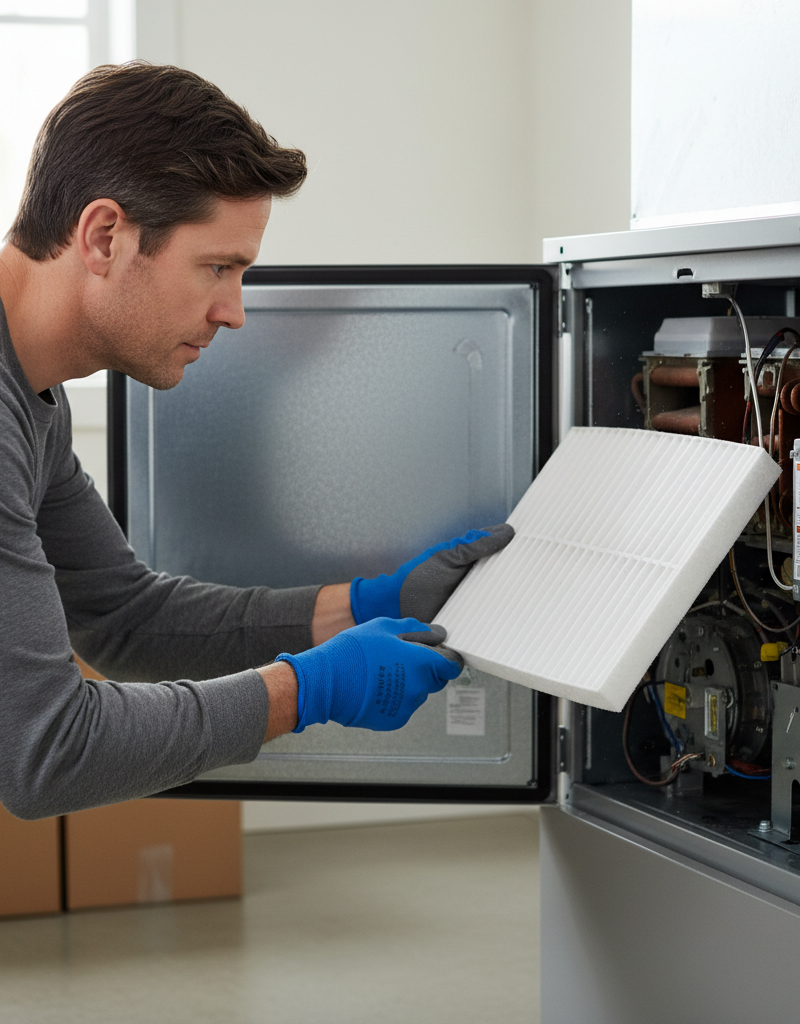
- Action: Locate your furnace's air filter slot (usually in the return air duct or within the furnace unit). Pull out the existing filter and inspect it. If it's grey, brown, or visibly laden with dust and debris, it's restricting airflow.
- Why it works: A dirty filter starves the furnace of air, causing the heat exchanger to overheat. When the limit switch detects this overheating, it shuts the burners off as a safety measure, leading to short cycling.
- Tools: New air filter of the correct size (printed on the old filter).
- Note: Change your furnace filter every 1–3 months, more frequently if you have pets or allergies.
HVAC · High energy usage
| Project category | HVAC |
|---|---|
| Problem type | High energy usage |
| Trade required | HVAC |
| Urgency | Planned project |
| Safety risk | Low safety risk |
| DIY suitability | DIY for experienced homeowners |
| Cost category | High cost |
| Typical timeline | Assessment within weeks; replacement planned off-season |
| Contractor type | Licensed HVAC technician |
Repair option
Duct sealing, insulation, and a tune-up before touching the equipment.
Replacement option
High-efficiency replacement sized by a load calculation, not a rule of thumb.
Common causes
- Aging, low-efficiency equipment
- Leaking ducts losing conditioned air
- Insufficient attic insulation
- Oversized system short-cycling
Relevant tools:project cost estimatorrepair or replace
Published June 13, 2026Last updated August 17, 2026
Tools & materials you'll need
Affiliate linksAs an Amazon Associate FixlyGuide earns from qualifying purchases — at no extra cost to you. Prices and availability are accurate as of publication and subject to change.
Quick Answer
Furnace short cycling is when your furnace kicks on and off rapidly, failing to complete a full heating cycle. This isn't just annoying; it puts undue stress on your system, leading to higher energy bills, increased wear and tear on components, and a potentially shorter lifespan for your furnace. Often, the root cause is a simple fix like a dirty air filter, while other times it might point to a more complex issue such as a faulty flame sensor or an incorrectly sized unit. Promptly diagnosing and resolving short cycling can save you significant repair costs and extend your furnace's operating life.
The Problem
Imagine this: your thermostat calls for heat, your furnace roars to life, blasts hot air for a few minutes, then abruptly shuts down, only to repeat the process a short while later. This frustrating cycle, known as short cycling, signifies that your furnace isn't operating as it should. Instead of running a longer, consistent cycle that efficiently heats your home, it's constantly starting and stopping. Each startup is a high-demand event for the furnace, especially for components like the igniter and blower motor. When this happens repeatedly, these parts wear out much faster than intended, increasing the likelihood of breakdowns and expensive repairs. Beyond mechanical stress, short cycling also means your home isn't heating evenly, leaving you with cold spots, and your energy bills are likely higher because the furnace is less efficient in these stop-and-start operations.
How It Works
To understand short cycling, it helps to know how a healthy furnace operates. When your thermostat senses the room temperature has dropped below your set point, it sends a signal to the furnace's control board. The control board then initiates a sequence: first, the inducer motor starts, drawing combustion air into the burner area and venting exhaust gases. Once sufficient airflow is established, the igniter (either a hot surface igniter or a pilot light) energizes, igniting the gas burners. A flame sensor confirms the presence of a flame. After the burners have been firing for a short period, and the heat exchanger has warmed up sufficiently, the blower motor kicks on, pushing heated air through your home's ductwork. The furnace continues to run until the thermostat's sensor reaches the desired temperature, at which point it signals the furnace to shut down, first turning off the burners, then allowing the blower to run for a short period (a 'cool-down' cycle) to extract any remaining heat from the heat exchanger. A typical heating cycle can last anywhere from 10 to 20 minutes, depending on the outdoor temperature and your home's insulation.
Short cycling disrupts this carefully choreographed sequence. It means one of the safety mechanisms or sensors is detecting an anomaly and shutting the system down prematurely, or the thermostat isn't accurately reading the temperature, or the system is simply too powerful for the space it's heating. The furnace's control board constantly monitors various sensors, including flame sensors, limit switches (which prevent overheating), and roll-out switches. If any of these sensors detect a condition outside of normal parameters, or if the thermostat quickly reaches its set point due to an oversized unit, the control board will terminate the heating cycle prematurely to prevent damage or unsafe operation.
Step-by-Step Fix
1. Check and Replace Your Air Filter — A clogged air filter is the most common and easiest cause of short cycling to fix. * Action: Locate your furnace's air filter slot (usually in the return air duct or within the furnace unit). Pull out the existing filter and inspect it. If it's grey, brown, or visibly laden with dust and debris, it's restricting airflow. * Why it works: A dirty filter starves the furnace of air, causing the heat exchanger to overheat. When the limit switch detects this overheating, it shuts the burners off as a safety measure, leading to short cycling. * Tools: New air filter of the correct size (printed on the old filter). * Note: Change your furnace filter every 1–3 months, more frequently if you have pets or allergies.
2. Inspect Your Thermostat Settings and Location — Incorrect settings or placement can trick your furnace. * Action: Ensure your thermostat is set to 'Auto,' not 'On' (which runs the blower constantly). Check the batteries if it's a battery-powered model. Verify that no heat sources (lamps, direct sunlight, electronics) or drafts are directly affecting the thermostat's sensor, causing inaccurate readings. * Why it works: A faulty or poorly placed thermostat can prematurely sense that the desired temperature has been reached, cutting off the heating cycle. Old batteries can also cause erratic behavior. * Tools: Small screwdriver (for battery compartment), new AA or AAA batteries if needed.
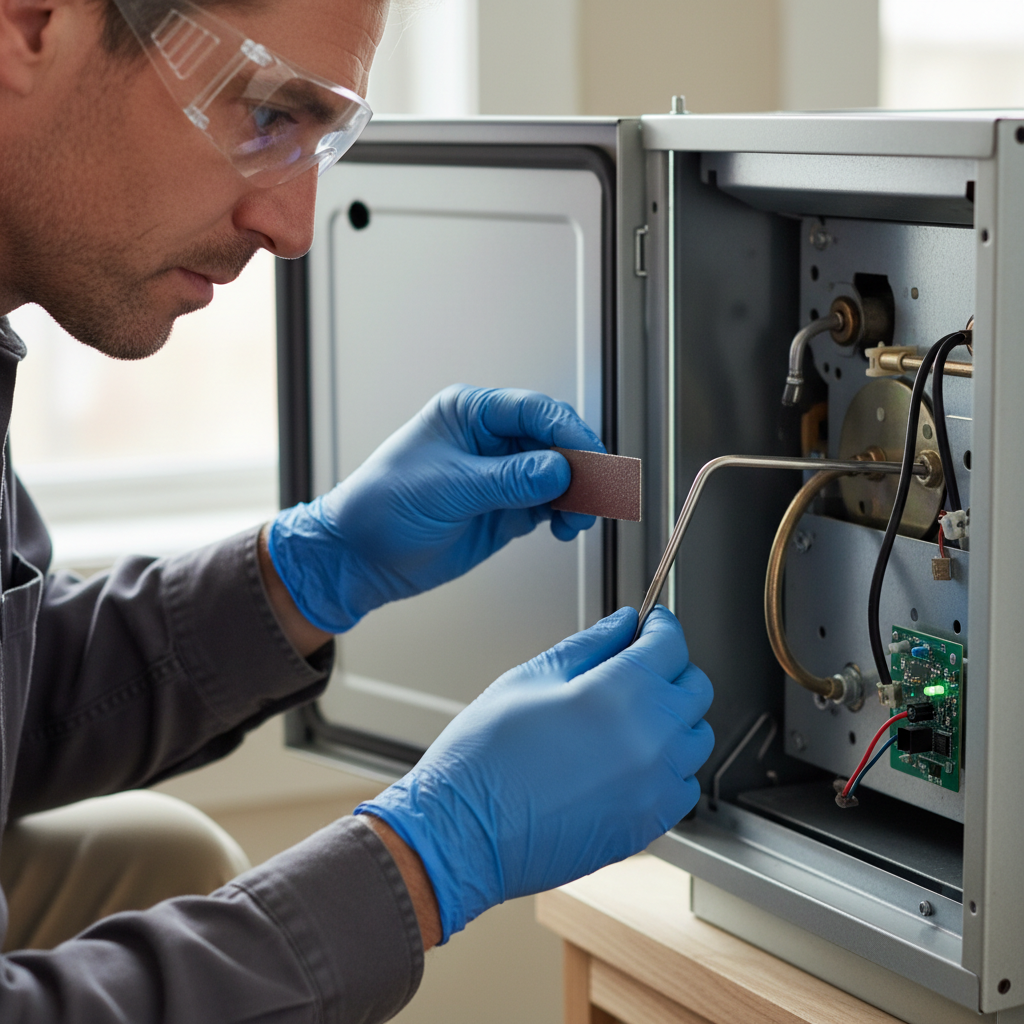
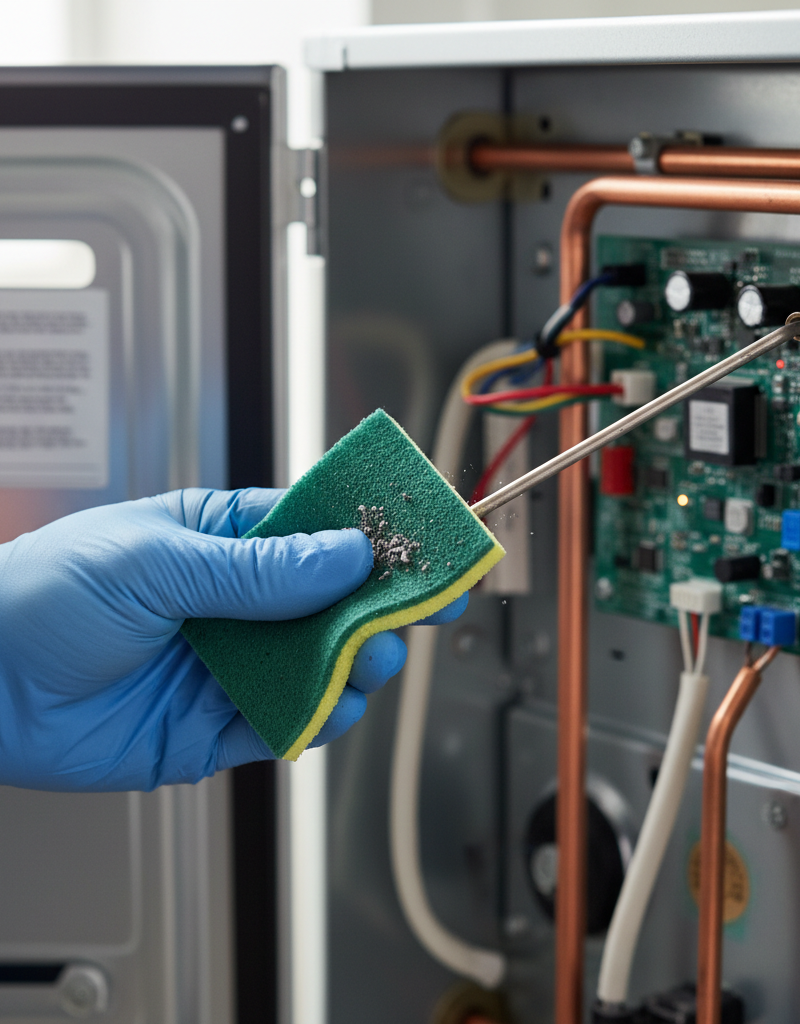
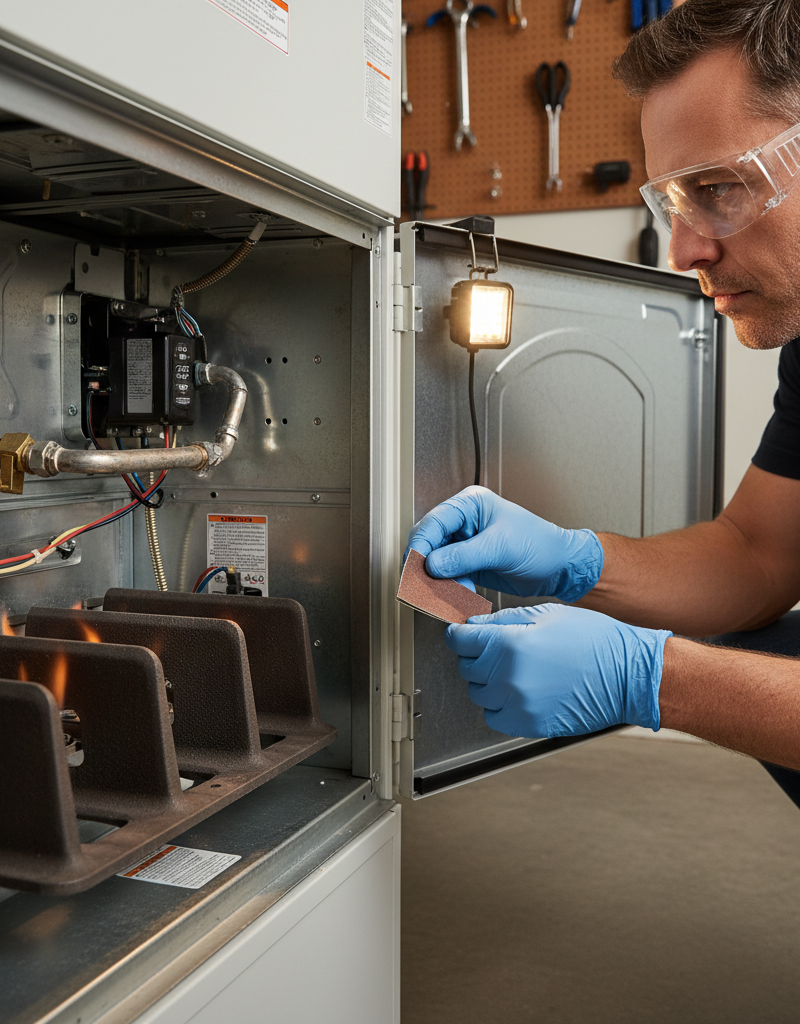
3. Clean or Replace the Flame Sensor — A dirty flame sensor can't detect the flame, leading to immediate shutdowns. * Safety First: ALWAYS turn off the power to your furnace at the breaker panel before opening the unit. * Action: Locate the flame sensor. It's a thin metallic rod, typically about 2–3 inches long, positioned in the path of the burner flame. Carefully remove it (usually held by one screw). Gently clean the carbon buildup off the rod using fine-grit sandpaper or emery cloth until it's shiny. Reinstall it securely. * Why it works: The flame sensor confirms that the burners are lit. If it's coated with carbon, it can't detect the flame, and the furnace's control board will assume there's no flame and shut off the gas valve as a safety precaution. * Tools: Screwdriver, fine-grit sandpaper or emery cloth. * If this doesn't work: If cleaning doesn't resolve the issue, the flame sensor might be faulty and need replacement. They are relatively inexpensive parts.
4. Unblock Obstructions in Return and Supply Vents — Restricted airflow leads to overheating. * Action: Walk through every room in your house and ensure all return air grilles and supply registers are open and unobstructed by furniture, rugs, or drapes. Clear any debris from the grilles. * Why it works: Blocked vents impede proper airflow, causing air pressure imbalances and potential overheating of the furnace, triggering the limit switch. * Tools: None.
5. Check Your Furnace's Exhaust Vent (Flue Pipe) — A blocked flue can cause safety shutdowns. * Safety First: Do not attempt to clear a major blockage yourself if it's deep within the flue or involves the combustion chamber. Call a professional. * Action: Visually inspect the flue pipe leading from your furnace to the outside. Look for obvious obstructions like bird nests, insect nests, or accumulated debris at the termination point. Ensure the pipe itself isn't damaged or disconnected. * Why it works: A blocked exhaust prevents combustion gases from escaping, which can lead to a buildup of heat and dangerous gases. Modern furnaces have pressure switches that detect blockages and shut down the furnace for safety. * Tools: Flashlight. * Pro Callout: If you suspect a serious blockage or smell gas or exhaust fumes, turn off your furnace immediately and contact an HVAC professional or your gas company.
6. Reset Your Furnace (Power Cycle) — Sometimes, a simple reset clears minor electronic glitches. * Action: Go to your electrical breaker panel and turn off the breaker labeled for your furnace (or HVAC system). Wait for at least 30 seconds, then flip the breaker back on. This is similar to restarting a computer. * Why it works: This can clear internal error codes or reset the control board, resolving temporary glitches that might be causing short cycling. * Tools: None.
7. Inspect Your Condensate Drain Line (High-Efficiency Furnaces Only) — Clogs can trigger safety switches. * Action: If you have a high-efficiency furnace (which produces condensate), locate the condensate drain line – a PVC pipe typically draining into a floor drain or utility sink. Check the condensate pan for standing water beyond normal levels and inspect the pipe for clogs (often a slimy buildup). You can often clear minor clogs by carefully pouring a cup of distilled vinegar down the drain line (remove the access cap first, if available). * Why it works: High-efficiency furnaces remove heat so efficiently that water vapor condenses. If the condensate line or trap clogs, a safety switch (float switch) will detect the overflow and shut down the furnace to prevent water damage, causing short cycling. * Tools: Distilled vinegar, old rag.
8. Check for an Oversized Furnace — This is a complex issue requiring professional diagnosis. * Action: If your furnace has always short cycled, even when it was new, or seems to heat your home very quickly then shut off, it might be oversized for your home's heating load. An oversized furnace will rapidly heat the space and satisfy the thermostat before completing a proper heating cycle. * Pro Callout: Determining correct furnace sizing requires a professional heat load calculation (Manual J). This isn't a DIY fix and often involves replacing the furnace, which is a significant investment. An HVAC technician can assess if your furnace is properly sized.
Common Causes
- Clogged Air Filter: The most frequent culprit. Restricts airflow, leading to overheating and safety shutdowns.
- Faulty Thermostat: Incorrect settings, dead batteries, or poor placement can lead to inaccurate temperature readings and premature shut-offs.
- Dirty Flame Sensor: Carbon buildup prevents the sensor from detecting the burner flame, triggering a safety shutdown.
- Oversized Furnace: A unit too powerful for your home will heat the space too quickly, satisfying the thermostat before completing a full cycle.
- Blocked Exhaust Vent (Flue Pipe): Obstructions prevent combustion gases from escaping, leading to heat buildup and safety shutdowns.
- Malfunctioning Limit Switch: This safety device prevents the furnace from overheating. If it's faulty, it can prematurely trip, causing short cycling even when there's no actual overheating.
- Clogged Condensate Drain (High-Efficiency Furnaces): Backup in the drain line triggers a float switch, shutting down the furnace.
- Low Refrigerant (AC side, if applicable): While primarily an AC issue, some systems are intertwined, and severe refrigerant issues could sometimes impact overall system cycling logic in highly integrated HVAC units.
Common Mistakes
- Ignoring the Air Filter: Many homeowners neglect to check or replace their air filter regularly, assuming it's a minor component. A dirty filter is often the root cause and an easy fix.
- Assuming the Furnace is Broken Immediately: Short cycling can be caused by simple, inexpensive issues. Jumping to the conclusion that your furnace is
Related Articles
Keep troubleshooting with these hand-picked guides from FixlyGuide:
- The Secret Reason Your Furnace Turns On and Off So Much (It's Not What You Think) — Short cycling strains your furnace and wastes energy. Learn the most common surprising causes and how to fix them to restore efficient heat…
- The 3 Hidden Reasons Your Furnace Short Cycles (and What to Do) — Furnace short cycling wastes energy and causes uneven heating. Learn the hidden reasons behind this common problem and how to fix it yourse…
- Furnace Keeps Turning On and Off? Here's Why. — Is your furnace running in short, frequent bursts instead of steady cycles? This is called short cycling. Discover the common causes, like…
- The #1 Dryer Heating Culprit Homeowners Miss (And the Cheap Fix) — Your dryer's not heating? Often, the culprit is a hidden component that's easy and inexpensive to replace if you know where to look.
- The 3 Hidden Reasons Your HVAC Filter Needs Changing More Often (Beyond 90 Days) — Discover the crucial factors that dictate how often you truly need to change your HVAC filter, extending system life and improving air qual…
- The 3 Hidden Reasons Your Circuit Breaker Keeps Tripping (And How to Stop It) — Uncover the surprising culprits behind repeatedly tripping circuit breakers and learn practical, actionable steps to diagnose and resolve t…
What should this project cost?
Enter your project details for a realistic cost range before you call anyone.
Service calls and common repairs run $150–$900; full system replacement typically $6,000–$12,000.
- Regional adjustment
- National average
- Labor share (typical)
- ~$1,935
- Quotes to collect
- 3 written estimates
Educational estimate based on national averages — not a binding quote. Always confirm with written local estimates.
Fixly Project Decision Box
- DIY difficulty
- Advanced
- Estimated time
- Homeowner checks 20–30 minutes
- Cost level
- Moderate
Main tools / materials
- Clean air filter
- Garden hose for condenser coils
- Shop vac for the condensate line
When to stop and call a pro
- Burning smell, smoke, or a tripping breaker
- Refrigerant lines iced over or hissing
- Any work inside the sealed refrigerant circuit (EPA-licensed only)
- Gas smell near a furnace — leave and call the utility
Need professional help?
Find an HVAC Pro Near YouFrequently asked questions
What does furnace short cycling mean?+
Furnace short cycling describes a situation where your furnace repeatedly turns on for a very short period (less than 10-15 minutes) and then shuts off, without adequately heating your home. It's an inefficient and damaging operational pattern.
Is short cycling bad for my furnace?+
Yes, short cycling is detrimental. Each startup puts stress on components like the igniter, blower motor, and heat exchanger. Frequent starts and stops lead to accelerated wear and tear, higher energy consumption, and increased likelihood of premature breakdowns and costly repairs.
How long should a furnace run in one cycle?+
Ideally, a furnace heating cycle should last between 10 to 20 minutes, depending on the size of your home, outdoor temperature, and insulation. This allows the system to distribute heat efficiently and evenly throughout your home.
Can a dirty filter cause short cycling?+
Absolutely. A dirty air filter restricts airflow across the heat exchanger. This lack of airflow causes the heat exchanger to overheat, triggering the furnace's limit switch to shut down the burners as a safety precaution, leading to short cycling.
When should I call a professional for short cycling?+
If you've checked the common issues like the air filter, thermostat, and flame sensor, and your furnace continues to short cycle, it's time to call a professional. Complex issues like a faulty control board, a severely blocked flue, a failing limit switch, or an improperly sized furnace require expert diagnosis and repair.
Discussion
Loading comments…