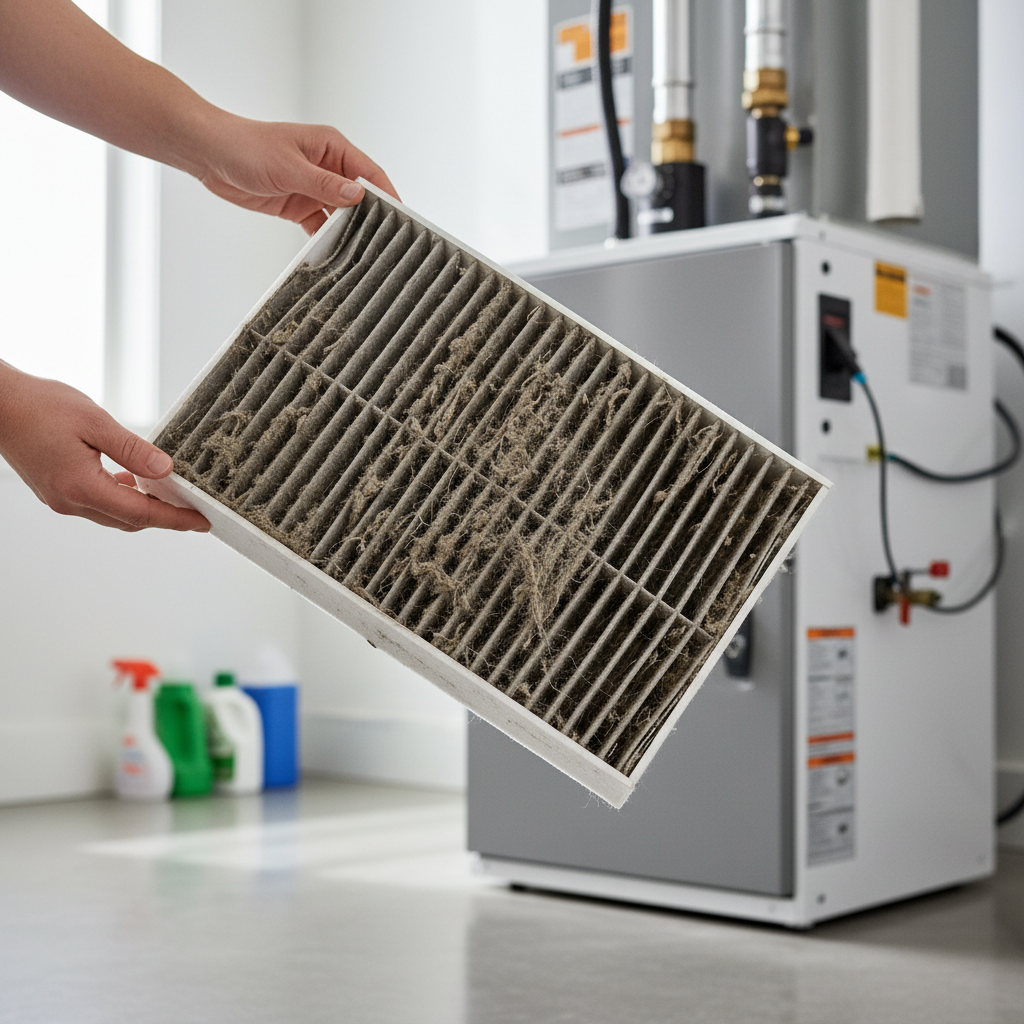
- Locate the filter slot: This is usually on the side, bottom, or top of the furnace unit, or in the return air duct right before the furnace.
- Remove the old filter: Note the direction of the airflow arrow on the filter frame.
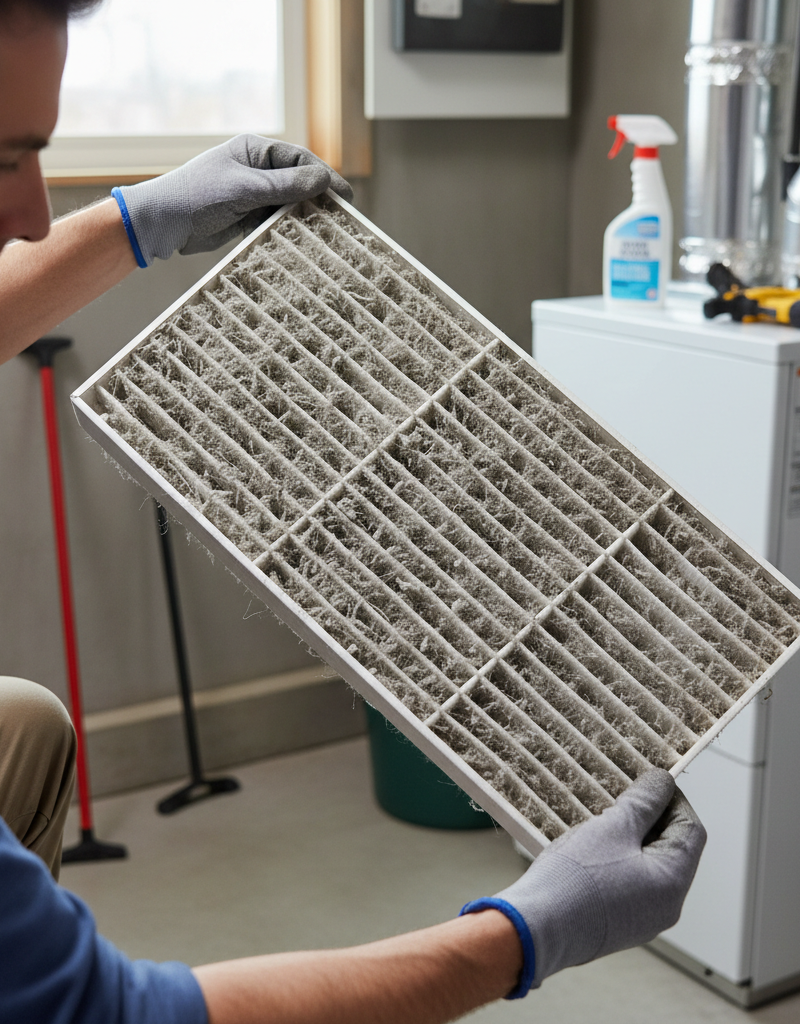
- Assess cleanliness: Hold it up to a light. If you can't see light through it, it's severely clogged.
- Install a new filter: Use the correct size and MERV rating recommended by your furnace manufacturer. Ensure the airflow arrow points towards the furnace. Aim to replace your filter every 1-3 months.
- If this doesn't work: A severely restricted system might have already tripped the high-limit switch, requiring a reset (see step 3).
HVAC · High energy usage
| Project category | HVAC |
|---|---|
| Problem type | High energy usage |
| Trade required | HVAC |
| Urgency | Planned project |
| Safety risk | Low safety risk |
| DIY suitability | DIY for experienced homeowners |
| Cost category | High cost |
| Typical timeline | Assessment within weeks; replacement planned off-season |
| Contractor type | Licensed HVAC technician |
Repair option
Duct sealing, insulation, and a tune-up before touching the equipment.
Replacement option
High-efficiency replacement sized by a load calculation, not a rule of thumb.
Common causes
- Aging, low-efficiency equipment
- Leaking ducts losing conditioned air
- Insufficient attic insulation
- Oversized system short-cycling
Relevant tools:project cost estimatorrepair or replace
Published May 26, 2026Last updated August 17, 2026
Tools & materials you'll need
Affiliate links- AmazonNew furnace air filter1 · Match your existing size and MERV rating
As an Amazon Associate FixlyGuide earns from qualifying purchases — at no extra cost to you. Prices and availability are accurate as of publication and subject to change.
Quick Answer
If your furnace is blowing cold air, before you panic or call a technician, check two primary culprits: your air filter and your furnace's high-limit switch. A severely clogged filter can choke off airflow, causing the furnace to overheat and trip its safety switch, leading it to blow unheated air. Resetting the furnace after checking the filter often resolves the issue and saves you a service call.
The Problem
Picture this: a cold winter evening, and your furnace, supposedly the warm heart of your home, starts blasting air that feels suspiciously like it just came from outside. Instead of cozy comfort, you get shivers. This isn't just an inconvenience; it can lead to frozen pipes, discomfort, and a potentially expensive repair bill if not addressed. The problem of a furnace blowing cold air is a common one, often signaling a disruption in the heating cycle or a safety mechanism at play. Understanding why this happens is the first step to fixing it and restoring warmth to your home.
How It Works
To understand why your furnace might be blowing cold air, it helps to grasp the basics of how it’s designed to work. When your thermostat calls for heat, a signal is sent to the furnace control board. This board then initiates a sequence of events: first, the inducer motor starts, drawing combustion air into the burner assembly and pushing exhaust gases out. Once sufficient airflow is established and verified by a pressure switch, the igniter (either a hot surface igniter or a pilot light) glows or lights, and the gas valve opens, allowing gas to flow to the burners. The gas ignites, creating flames that heat a metal component called the heat exchanger.
Crucially, your furnace has a blower motor, which is separate from the inducer motor. This blower motor only activates after the heat exchanger reaches a predetermined temperature, usually around 120-140°F (49-60°C). Air from your home's return ducts passes over the hot heat exchanger, gets warmed, and is then pushed by the blower motor through the supply ducts and into your living spaces.
However, if the heat exchanger gets too hot—perhaps due to a dirty air filter restricting airflow, or a faulty blower motor—a safety device called the high-limit switch will trip. This switch is designed to prevent overheating and potential damage to the furnace or, in severe cases, a fire hazard. When the high-limit switch trips, it cuts power to the gas valve, stopping the heating cycle. The blower motor, however, often continues to run, circulating unheated air through your vents in an attempt to cool down the furnace. This is why you feel cold air: the fan is operating, but the heating element isn't engaged.
Step-by-Step Fix
Safety First! Always turn off power to your furnace at the thermostat and the main electrical service panel before performing any maintenance or troubleshooting.
1. Check the Thermostat — Ensure it's set to "Heat" and the temperature is higher than the room temperature.
*   Set the fan to "Auto," not "On." If the fan is set to "On," it will run continuously, blowing air even when the furnace isn't actively heating.
*   Check for dead batteries in programmable or smart thermostats. Replace them if necessary.
2. Inspect and Replace the Air Filter — A clogged filter is the most common cause of restricted airflow.
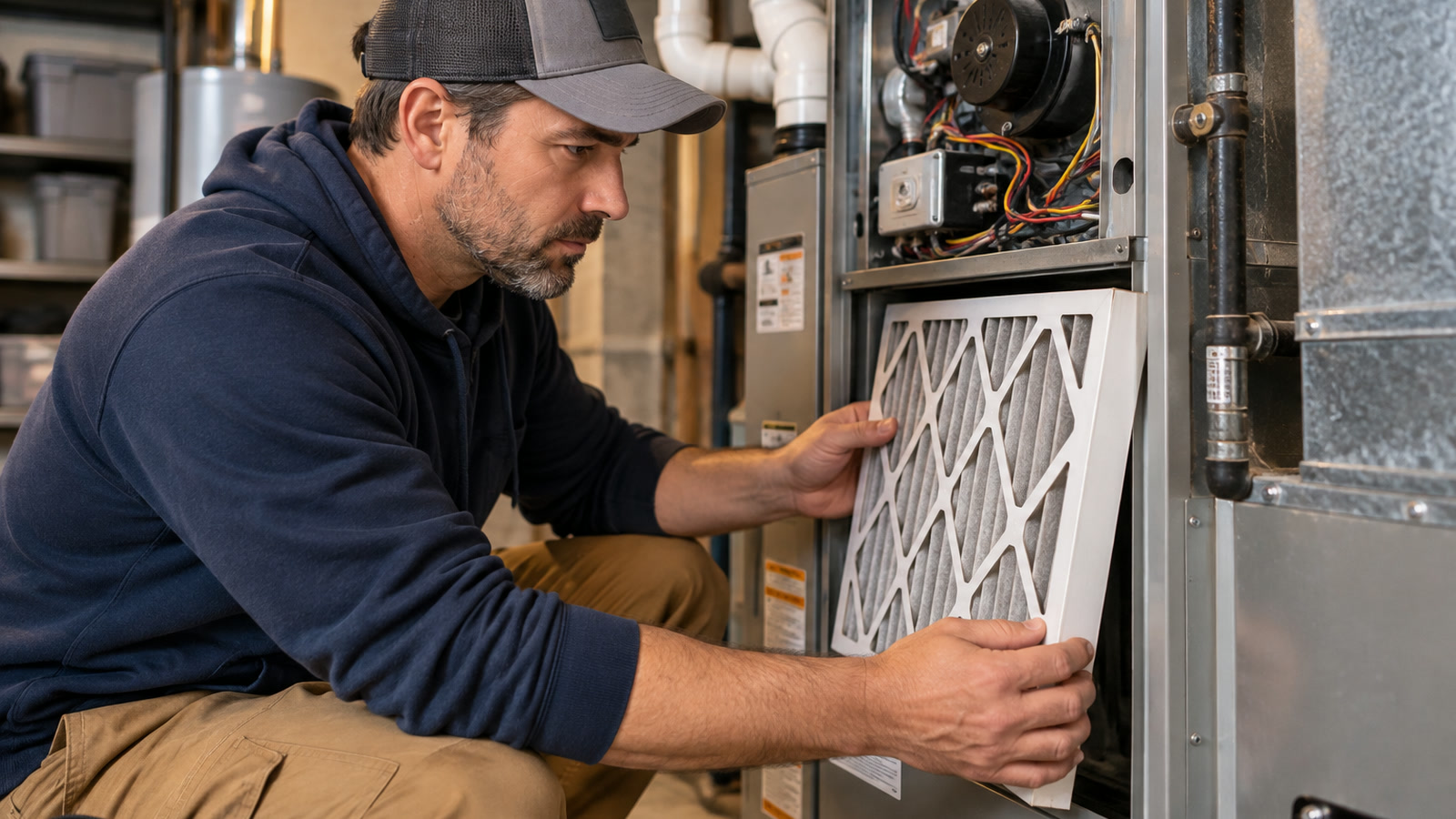
*   **Locate the filter slot:** This is usually on the side, bottom, or top of the furnace unit, or in the return air duct right before the furnace.
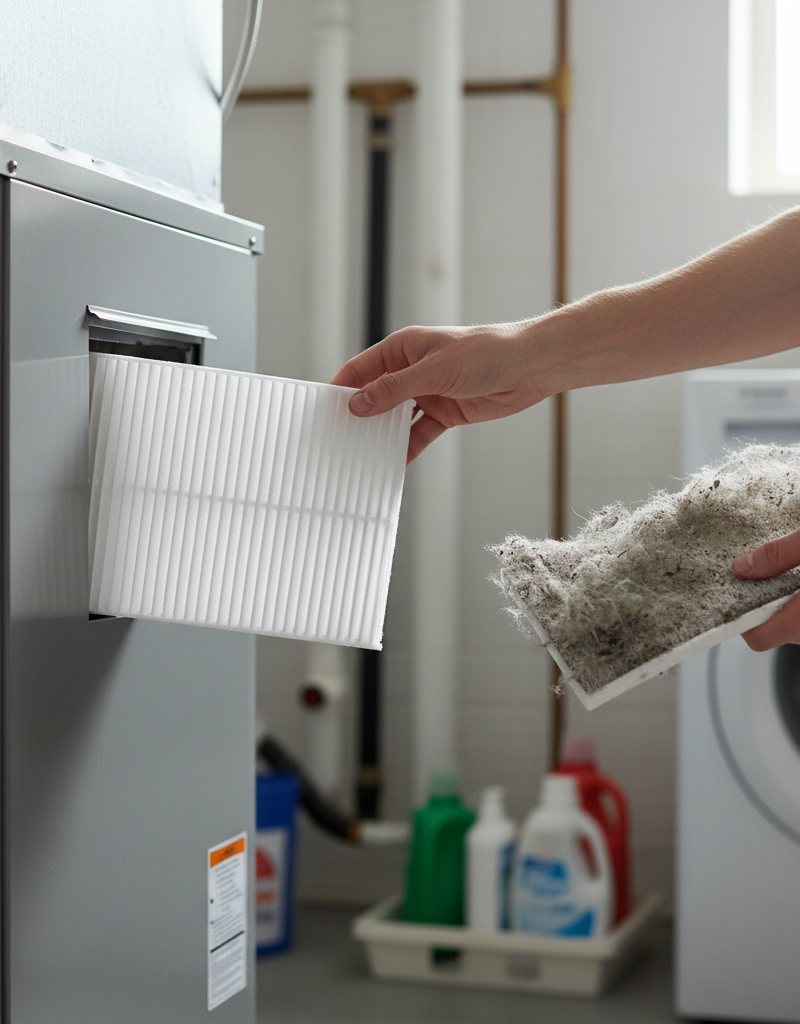
*   **Remove the old filter:** Note the direction of the airflow arrow on the filter frame.
*   **Assess cleanliness:** Hold it up to a light. If you can't see light through it, it's severely clogged.
*   **Install a new filter:** Use the correct size and MERV rating recommended by your furnace manufacturer. Ensure the airflow arrow points towards the furnace. Aim to replace your filter every 1-3 months.
    *   *If this doesn't work:* A severely restricted system might have already tripped the high-limit switch, requiring a reset (see step 3).
3. Reset the Furnace — This can clear many common fault codes, including a tripped high-limit switch.
*   **Turn off power:** Locate the furnace's power switch (often a light switch on the wall near the furnace) or the appropriate breaker in your electrical panel. Turn it off for at least 30 seconds.
*   **Turn on power:** Flip the switch or breaker back on.
*   **Listen:** You should hear the furnace attempt to restart its ignition sequence. If it successfully ignites, you'll feel warm air shortly.
4. Check the Furnace Exhaust and Intake Vents — Ensure nothing is blocking these critical pathways outside.
*   **Locate the vents:** Typically two PVC pipes on the side of your house for high-efficiency furnaces.
*   **Clear obstructions:** Remove snow, ice, leaves, or any debris from around the vent openings. Check for insect nests.
*   *If the vents are blocked:* This can cause the pressure switch to prevent the furnace from firing, leading to cold air.
5. Examine the Pilot Light or Igniter — For older furnaces, a pilot light can go out. Newer furnaces use electronic igniters.
*   **For pilot lights:** Look for a small blue flame. If it's out, follow your furnace manufacturer's instructions (usually on a label inside the furnace door) to relight it safely. *Never try to relight a pilot light if you smell gas.*
*   **For electronic igniters:** Open the furnace's access panel (with power off!). Look for a small ceramic or metallic component that glows bright orange/red when the furnace attempts to ignite. If it doesn't glow, it might be faulty, but this is a job for a professional.
    *   *If the igniter looks intact but doesn't glow:* The issue could be with the igniter itself, the control board, or restricted gas flow. Call a pro.
6. Check Your Gas Supply — Ensure the furnace is getting fuel.
*   **Gas Valve:** Verify that the manual gas shut-off valve on the gas line leading to the furnace is fully open (handle parallel to the pipe).
*   **Other Gas Appliances:** If other gas appliances (like a gas stove or water heater) are also not working, there might be a broader issue with your home's gas supply. Contact your gas utility and a professional HVAC technician.
    *  ***Safety Note:** If you smell gas, leave the premises immediately and call your gas company from a safe location. Do not use any electrical switches or phones inside the house.*
Common Causes
- Clogged Air Filter: The most frequent culprit. Reduces airflow over the heat exchanger, causing it to overheat and trip the high-limit safety switch.
- Tripped High-Limit Switch: A safety feature that shuts off the burners when the furnace overheats, but allows the fan to continue running to cool down the heat exchanger.
- Pilot Light Out (Older Furnaces): Prevents the gas valve from opening, so no heat is generated.
- Faulty Igniter (Newer Furnaces): If the electronic igniter doesn't glow, the gas won't ignite.
- Blocked Exhaust/Intake Vents: Snow, ice, or debris can obstruct the venting, triggering pressure switches and preventing the furnace from firing.
- Malfunctioning Thermostat: Incorrect settings, dead batteries, or a faulty internal component can prevent the thermostat from calling for heat correctly.
- Closed Gas Valve: If the gas supply to the furnace is accidentally shut off.
Common Mistakes
- Ignoring the Air Filter: Many homeowners neglect regular filter changes, leading to reduced efficiency, increased energy bills, and eventual furnace breakdowns. Change your filter every 1-3 months based on usage and household conditions.
- Setting the Thermostat Fan to "On": While it might feel like it's circulating air, setting your thermostat fan to "On" rather than "Auto" will cause the blower to run constantly, even when the furnace isn't heating, leading to cold air blasts and wasted electricity.
- Skipping the Power Reset: A simple power cycle can often clear minor faults and reset safety switches, saving you a service call. Don't jump to conclusions (or call a pro) before trying this.
- Overlooking External Blockages: For high-efficiency furnaces, forgetting to check the outdoor exhaust and intake vents for snow or debris is a common oversight that can prevent the furnace from operating.
- Performing Electrical Work Without Power Off: Always, always, always turn off power at the breaker or furnace switch before opening any electrical panels or handling wiring. This is critical for safety.
- Procrastinating Minor Issues: What starts as an intermittent cold air issue can quickly escalate into a more serious, costly repair if underlying problems (like a consistently tripping high-limit switch) are ignored.
Cost & Time Breakdown
| Task | DIY Cost | Pro Cost | Time |
|---|---|---|---|
| Air Filter Replacement | $10–$30 | $0 (part of service) | 5 minutes |
| Thermostat Battery Change | $5–$10 | $0 (part of service) | 2 minutes |
| Furnace Reset | $0 | $0 (part of service) | 1 minute |
| Clearing Vent Obstructions | $0 | $0 (part of service) | 10–20 minutes |
| Relighting Pilot Light | $0 | $0 (part of service) | 5–15 minutes |
| Professional Diagnostic | N/A | $80–$150 | 30–60 minutes |
Tips & Prevention
- Regular Filter Changes: Replace your furnace air filter every 1-3 months, or more frequently if you have pets, allergies, or a dusty home. Mark your calendar!
- Annual Professional Maintenance: Schedule an annual tune-up with an HVAC technician. They can identify and address minor issues before they become major problems, ensuring your furnace runs efficiently and safely.
- Keep Vents Clear: Regularly check outdoor exhaust and intake vents, especially during snowy or windy conditions, to ensure they are free from obstructions.
- Monitor Thermostat Batteries: Replace thermostat batteries annually, typically at the beginning of the heating season, to prevent unexpected power loss.
- Listen to Your Furnace: Pay attention to unusual noises (grinding, whistling, banging) or smells (burning, rotten eggs). These can be early warning signs of developing problems.
- Understand Your Thermostat: Read your thermostat's manual to ensure you're using its settings optimally, particularly the "Fan Auto/On" setting.
When to Call a Professional
While many cold air issues are simple DIY fixes, there are clear signs you need to call a licensed HVAC professional. If you've checked your filter, reset the furnace, and ensured clear vents, but still only get cold air, it's time for an expert. This is especially true if you suspect an issue with the furnace's internal components like the igniter, flame sensor, control board, or blower motor. A professional has the specialized tools and diagnostic knowledge to safely identify and repair complex electrical or mechanical failures. Furthermore, if you ever smell gas, immediately evacuate your home and call your gas company and then an HVAC professional from a safe location. Do not attempt to troubleshoot gas line issues yourself. For any persistent cold air problems that are beyond basic troubleshooting, entrusting the job to a certified technician ensures safety and proper functionality of your heating system.
Related Articles
Keep troubleshooting with these hand-picked guides from FixlyGuide:
- The #1 Mistake Homeowners Make When Heat Pumps Stop Heating in Winter — Discover the crucial mistake most homeowners make when their heat pump struggles in cold weather and how to fix it, potentially saving hund…
- The Secret Reason Your AC Isn't Drying Your Air (And What to Check First) — Your AC should cool and dehumidify, but if your house feels muggy, there's a specific, often overlooked culprit preventing it from doing it…
- The #1 Reason Your AC Blows Warm Air (And It's Not What You Think) — A dirty air filter is often the overlooked culprit behind an air conditioner blowing warm air, hindering its ability to cool your home effi…
- The #1 Mistake Homeowners Make When Their AC Won't Turn On (And the Easy Fix) — Learn the most common oversight homeowners make when their AC won't turn on and how to troubleshoot basic issues to restore cooling.
- The 3 Hidden Reasons Your Furnace Short Cycles (and What to Do) — Furnace short cycling wastes energy and causes uneven heating. Learn the hidden reasons behind this common problem and how to fix it yourse…
- The Hidden Reason Your AC Isn't Cooling (And Why Most Homeowners Get It Wrong) — Is your central AC blowing warm air or struggling to cool your home? The culprit is often a silent but serious issue many homeowners overlo…
Should you do this yourself?
Answer five quick questions before you start. Safety outranks savings every time.
Your experience with work like this
How high do you have to work?
Does the job involve any of these?
Will it need a permit?
Specialty tools
Free and instant. Educational guidance only — not a quote, inspection, or professional diagnosis.
Estimate your own project cost
National averages are a starting point. Enter your details for a range that fits your house.
HVAC replacement cost
- Equipment$2,200 – $3,800
- Installation labor$1,200 – $2,500
Always insist on a Manual J load calculation — sq-ft sizing is only a rough check. Federal heat-pump rebates may reduce cost significantly.
Educational estimate only — always confirm with written local bids.
What should this project cost?
Enter your project details for a realistic cost range before you call anyone.
Service calls and common repairs run $150–$900; full system replacement typically $6,000–$12,000.
- Regional adjustment
- National average
- Labor share (typical)
- ~$1,935
- Quotes to collect
- 3 written estimates
Educational estimate based on national averages — not a binding quote. Always confirm with written local estimates.
Fixly Project Decision Box
- DIY difficulty
- Advanced
- Estimated time
- Homeowner checks 20–30 minutes
- Cost level
- Moderate
Main tools / materials
- Clean air filter
- Garden hose for condenser coils
- Shop vac for the condensate line
When to stop and call a pro
- Burning smell, smoke, or a tripping breaker
- Refrigerant lines iced over or hissing
- Any work inside the sealed refrigerant circuit (EPA-licensed only)
- Gas smell near a furnace — leave and call the utility
Need professional help?
Find an HVAC Pro Near YouBefore you start
Check the difficulty, permits, and safety risk — then decide whether to call a pro.
Free, no signup required. Estimates are educational guidance, not a quote or an inspection.
Frequently asked questions
Why would my furnace突然吹出冷空气?+
The most common reason a furnace suddenly blows cold air is a severely clogged air filter or a tripped high-limit safety switch. A dirty filter restricts airflow, causing the furnace to overheat and shut down the burners while the fan continues to run.
How do I reset my furnace?+
To reset your furnace, locate the power switch near the unit (often a light switch) or the appropriate circuit breaker in your electrical panel. Turn it off for at least 30 seconds, then turn it back on. This can clear minor fault codes and reset safety features.
How often should I change my furnace filter?+
You should change your furnace air filter every 1 to 3 months. Homes with pets, allergies, or higher dust levels may require more frequent changes. Regular replacement ensures optimal airflow and prevents issues like overheating.
Can a dirty air filter cause my furnace to blow cold air?+
Yes, absolutely. A dirty air filter significantly restricts airflow, causing your furnace's heat exchanger to overheat. When this happens, a safety device called the high-limit switch trips, shutting off the burners to prevent damage, but allowing the fan to continue blowing unheated air.
Discussion
Loading comments…