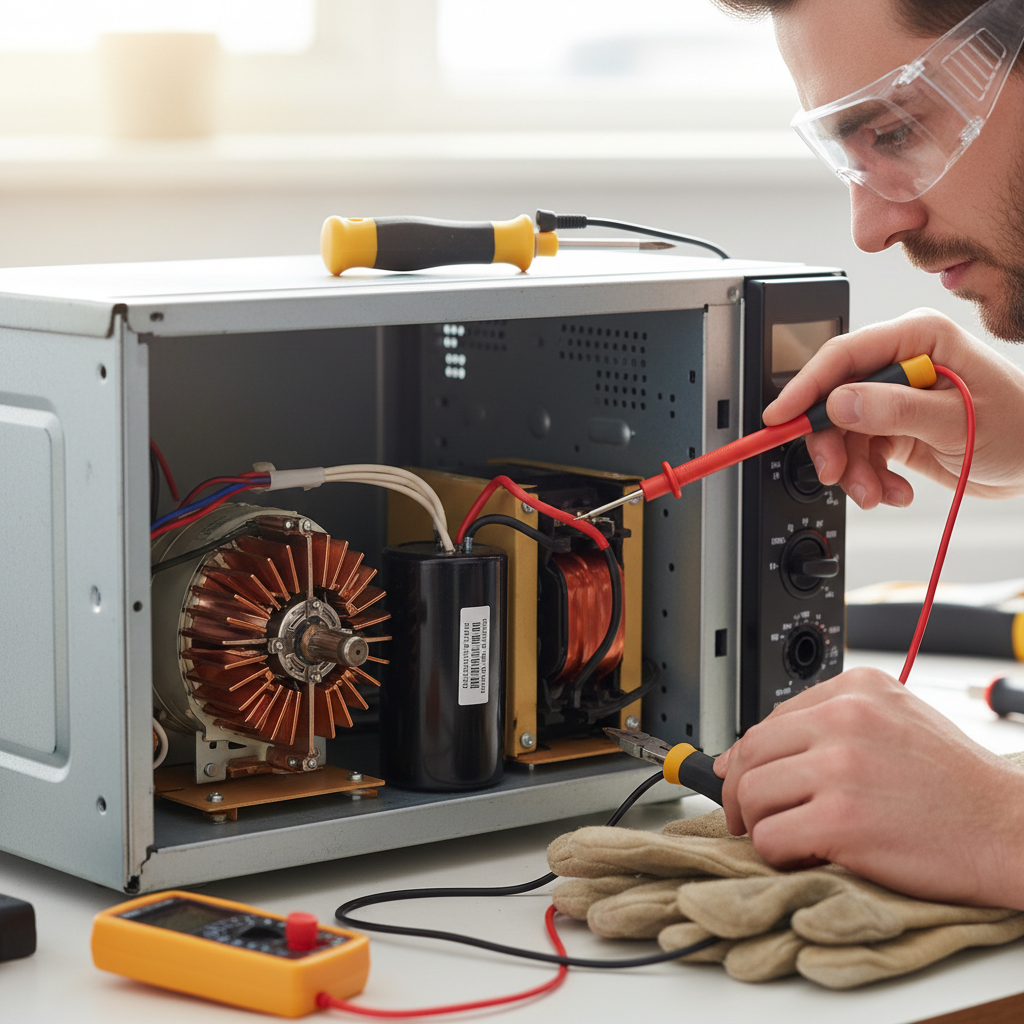
- Regular Cleaning: Keep the interior, especially the waveguide cover (the mica sheet), clean and free of food splatters. Arcing can occur if food particles build up, potentially damaging the magnetron or waveguide.
- Avoid Running Empty: Never run the microwave without food or liquid inside. This can cause the magnetron to overheat and significantly shorten its lifespan.
- Use Microwave-Safe Cookware: Always use dishes specifically designed for microwave use. Metal or foil can cause arcing and damage components.
- Ensure Proper Ventilation: Make sure the microwave's air vents are not blocked. Overheating is a common cause of thermal fuse blowouts and can stress internal components.
- Gentle Door Use: Slamming the microwave door repeatedly can prematurely wear out or damage the sensitive door interlock switches.
HVAC · High energy usage
| Project category | HVAC |
|---|---|
| Problem type | High energy usage |
| Trade required | HVAC |
| Urgency | Planned project |
| Safety risk | Low safety risk |
| DIY suitability | DIY for experienced homeowners |
| Cost category | High cost |
| Typical timeline | Assessment within weeks; replacement planned off-season |
| Contractor type | Licensed HVAC technician |
Repair option
Duct sealing, insulation, and a tune-up before touching the equipment.
Replacement option
High-efficiency replacement sized by a load calculation, not a rule of thumb.
Common causes
- Aging, low-efficiency equipment
- Leaking ducts losing conditioned air
- Insufficient attic insulation
- Oversized system short-cycling
Relevant tools:project cost estimatorrepair or replace
Published May 27, 2026Last updated August 17, 2026
Tools & materials you'll need
Affiliate linksAs an Amazon Associate FixlyGuide earns from qualifying purchases — at no extra cost to you. Prices and availability are accurate as of publication and subject to change.
Quick Answer
When your microwave oven appears to be functioning normally—the light turns on, the fan runs, and the turntable spins—but your food remains cold, the primary suspect is almost always the magnetron tube. This critical component is responsible for generating the microwave energy that actually heats your food. Before jumping to conclusions, however, it's essential to rule out simpler issues like a tripped circuit breaker or a defective door switch. Understanding how these components work together will empower you to diagnose and potentially repair the problem safely and effectively.
The Problem
You've placed last night's leftovers in the microwave, punched in the time, and hit start. The familiar hum begins, the interior light illuminates, and the turntable gracefully spins. Two minutes later, you open the door, expecting a steaming plate, only to find your meal as cold as it was when it went in. This frustrating scenario—a microwave that runs but doesn't heat—is a common complaint that points to a specific set of internal failures, all related to the high-voltage system that powers the heating process. While it might seem complex, many of these issues are surprisingly straightforward to diagnose and, in some cases, repair with basic tools and a careful approach.
How It Works
To understand why your microwave isn't heating, it's crucial to grasp the basics of how it does heat. A microwave oven uses electromagnetic radiation (microwaves) to excite water molecules within your food, generating heat. This process begins with the appliance drawing standard household alternating current (AC) electricity, typically 120 volts.
This 120V AC power first goes to a high-voltage transformer. This transformer dramatically steps up the voltage, often to 2,000 to 5,000 volts AC. From there, the high-voltage AC passes through a high-voltage diode, which converts it into high-voltage direct current (DC). This super-high DC voltage is then fed to the magnetron tube.
The Magnetron Tube: This is the heart of the heating system. The magnetron uses the immense DC voltage and powerful magnets to generate concentrated microwave radiation. These microwaves are then directed into the cooking cavity through a waveguide. The waveguide is essentially a tunnel that prevents the microwaves from escaping prematurely and ensures they are distributed evenly within the oven.
Safety Components: Throughout this high-voltage circuit, several safety mechanisms are in place. These include thermal fuses, which will blow if the oven overheats, and door interlock switches, which prevent the magnetron from operating if the door is open or not securely latched. A capacitor works in conjunction with the high-voltage diode and transformer to store and release the massive electrical charge needed to power the magnetron.
If any part of this intricate, high-voltage heating circuit fails—be it the transformer, the diode, the capacitor, the magnetron itself, or a safety fuse—the oven will appear to run, but no microwave energy will be produced, leaving your food cold. The control panel, light, and turntable are on a separate, low-voltage circuit, which is why they can function even when the heating circuit is dead.
Step-by-Step Fix
SAFETY NOTE: Microwave ovens contain extremely high-voltage capacitors that can store a lethal electrical charge even after being unplugged. NEVER work on a microwave without unplugging it and properly discharging the capacitor. If you are uncomfortable with electrical work or discharging a capacitor, DO NOT proceed; call a licensed appliance repair professional.
1. Test the Outlet & Circuit Breaker — Ensure the microwave is receiving power.
- Unplug the microwave from the wall outlet. Using a voltage tester or plugging in a different appliance (like a lamp or hair dryer), verify that the outlet is live. If the outlet is dead, check your home's electrical panel for a tripped circuit breaker and reset it. If the breaker trips again immediately, there's a deeper electrical issue that a licensed electrician should address.
- If this doesn't work: The outlet is fine, meaning the issue is with the microwave itself.
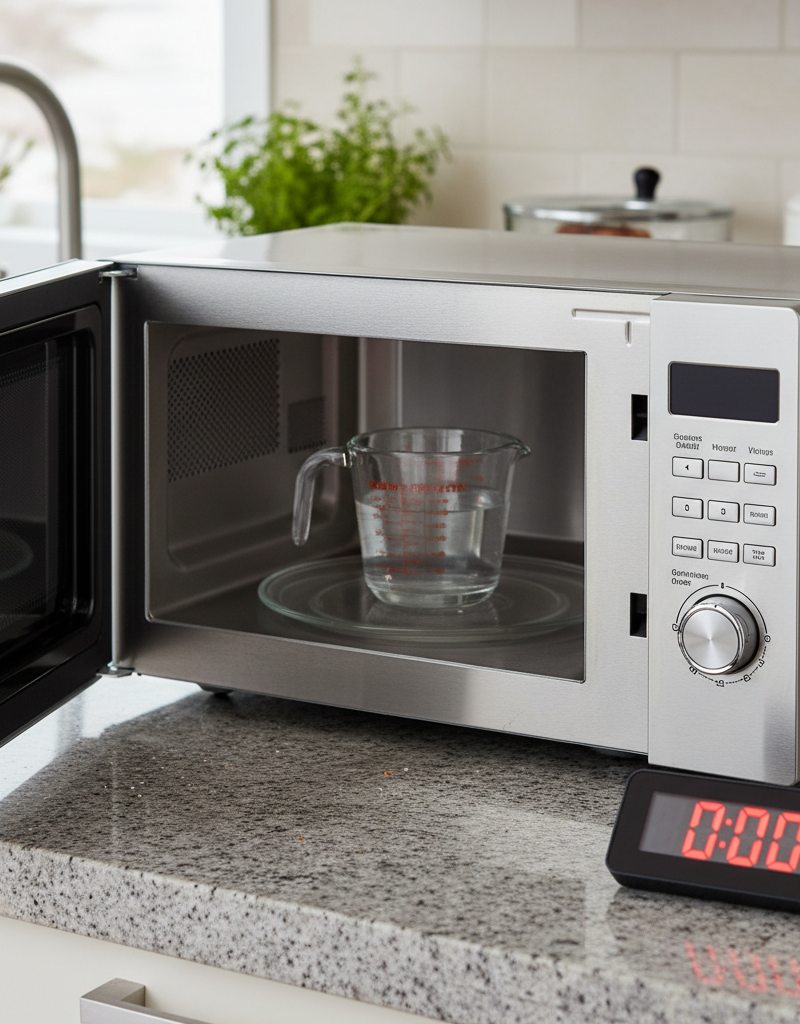
2. Perform the Water Test — Quickly diagnose heating failure.
- Place a cup of cold tap water (about 8 oz) into the microwave. Close the door and run the microwave on high power for one minute. After one minute, carefully open the door and check the water temperature. If the water is still cold, the microwave is definitely not heating, confirming an internal issue with the high-voltage system.
- Tools: Measuring cup, water.
3. Inspect Door Latch Switches — Ensure proper door closure detection.
- Unplug the microwave before inspection. Open and close the microwave door several times, paying attention to the feel and sound of the latching mechanism. There are typically three door interlock switches that ensure the microwave doesn't operate with the door ajar. If any of these switches are faulty, the microwave won't generate microwaves. You'll need to remove the outer casing of the microwave to access these. Visually inspect for any broken plastic pieces around the latches or switches. Use a multimeter to test the continuity of each switch; they should show continuity when activated (door closed) and open when not (door open). Replace any faulty switches.
- Tools: Screwdriver set, multimeter.
- Safety: Always discharge the high-voltage capacitor before reaching near any internal components.
4. Test the Thermal Fuse — Check for overheating protection.
- Unplug the microwave and discharge the capacitor. Thermal fuses are safety devices that blow if the microwave overheats, cutting power to the high-voltage circuit. They are often located on the magnetron, the transformer, or in the exhaust duct. Locate the thermal fuse (it usually looks like a small cylinder with two wires) and use a multimeter to check for continuity. If there is no continuity, the fuse is blown and needs to be replaced. Ensure you get an exact replacement with the correct temperature rating.
- Tools: Screwdriver set, multimeter, needle-nose pliers.
- Safety: Essential to discharge the capacitor. Note the fuse's location and wiring configuration.
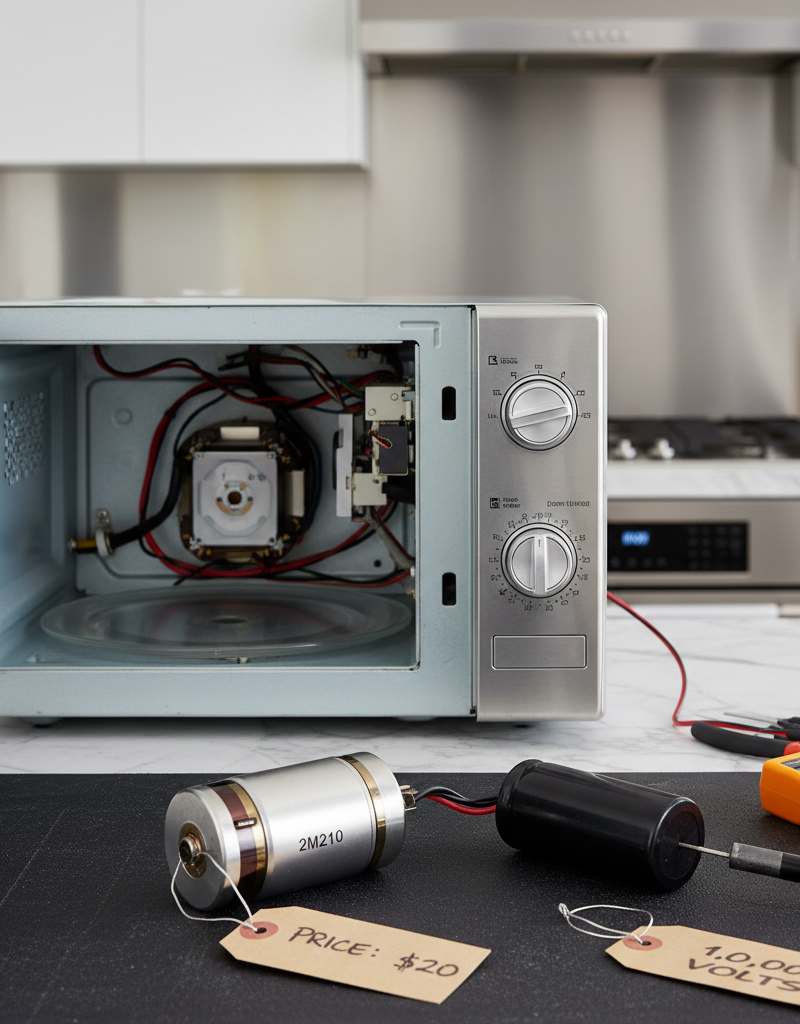
5. Discharge the High-Voltage Capacitor — Crucial safety step.
- ABSOLUTELY ESSENTIAL SAFETY STEP: This must be done every time you open the microwave casing. Unplug the microwave. Using a screwdriver with an insulated handle, short out the capacitor terminals to each other (connect them) to discharge any stored energy. You can also use a 20,000-ohm, 25-watt resistor connected to alligator clips for a safer, slower discharge. Hold the connections for at least 60 seconds. Repeat this a few times to ensure full discharge before touching any components.
- Tools: Insulated screwdriver or discharge tool (resistor with alligator clips), safety glasses.
- Safety: This step is non-negotiable and potentially lethal if omitted. Wear rubber gloves and safety glasses. Avoid touching terminals with bare hands.
6. Test the High-Voltage Diode — Check for DC power supply.
- With the microwave unplugged and capacitor discharged, locate the high-voltage diode. It's usually a small, black cylindrical component connected between the high-voltage capacitor and the chassis. Diodes are tricky to test with a standard multimeter because they only allow current to flow in one direction and operate at very high voltages. A simple continuity test will often show no continuity in either direction for a good diode. However, a fully shorted or open diode (which would appear as continuity in both directions or no continuity at all) is a clear sign of failure. The best way to test a diode definitively is often with a specific high-voltage diode tester, but for DIYers, a visual inspection for burning or cracking, combined with elimination, is often used. If other components test fine, the diode is a strong suspect.
- Tools: Screwdriver set, multimeter (for basic checks).
- Safety: Capacitor MUST be discharged. Avoid touching other components during testing.
7. Test the High-Voltage Capacitor — Check its energy storage.
- With the microwave unplugged and capacitor discharged, disconnect the wires from the capacitor. A multimeter set to the highest resistance (Ohms) range can be used to test a capacitor. Place the probes on the capacitor terminals. A good capacitor will show a brief fluctuating reading (like it's charging) and then return to open circuit (infinity). If it immediately shows an open circuit or a short circuit (zero ohms), it's likely defective. A capacitance meter will give a precise reading to compare with the capacitor's rated value.
- Tools: Screwdriver set, multimeter with capacitance function (recommended).
- Safety: Proper capacitor discharge is crucial. Note wire connections before disconnecting.
8. Diagnose the Magnetron — The most common failure point.
- With the microwave unplugged and capacitor discharged, the magnetron is typically a heavy, finned component, often with a large antenna. Visually inspect the magnetron for obvious signs of damage, such as burnt areas around the antenna, cracked ceramic insulators, or signs of arcing inside the waveguide. While you can perform a basic continuity test across its filament terminals (it should show a very low resistance, typically less than 1 ohm), a clear diagnosis of magnetron failure usually comes after all other components in the high-voltage circuit (diode, capacitor, fuses) have been tested and found to be good. If these are good and there's no heating, the magnetron is the most likely culprit.
- Tools: Screwdriver set, multimeter.
- Safety: Ensure capacitor is discharged. Magnetrons are expensive; confirm all other diagnostics before replacing.
9. Replace Faulty Components (If Found) — Install new parts.
- If you've identified a faulty component (thermal fuse, door switch, diode, capacitor, or magnetron), carefully replace it with an exact replacement part from the manufacturer or a reputable supplier. Ensure all connections are secure and match the original wiring. Reverse the steps for disassembly to reassemble the microwave's casing.
- Tools: Screwdriver set, needle-nose pliers, specific replacement part.
- Safety: DOUBLE CHECK that the microwave is unplugged and the capacitor is discharged before installing any new parts. Never operate the microwave with its casing removed.
Common Causes
- Magnetron Failure: This is by far the most common reason a microwave runs but doesn't heat. The magnetron tube, which generates the microwaves, has a finite lifespan and can burn out or become inefficient over time. Signs of this can include a burning smell or unusual buzzing before total failure.
- High-Voltage Diode Failure: The diode converts the high-voltage AC from the transformer into DC for the magnetron. If it fails, the magnetron won't receive the correct power and won't generate microwaves. A failed diode often shorts out, leading to other component failures or tripping the circuit breaker.
- High-Voltage Capacitor Failure: The capacitor works with the diode and transformer to store and release the electrical charge. If it's shorted, open, or has reduced capacitance, the magnetron won't operate correctly. A bulging or leaky capacitor is a clear sign of failure.
- Thermal Fuse Blowout: Located in various spots, these fuses trip if the oven gets too hot, often due to poor ventilation or a failing magnetron, cutting power to the heating circuit as a safety measure. A blown thermal fuse means there's an underlying issue that caused the overheating.
- Door Interlock Switch Malfunction: The microwave has multiple redundant door switches that prevent it from operating with the door open. If one of these switches fails to register the door as closed, the high-voltage circuit, and thus the magnetron, will not engage, even if the light and fan work.
- High-Voltage Transformer Failure: While less common than magnetron or diode issues, a failing transformer can also prevent the magnetron from receiving the necessary power. This is usually indicated by a strong burning smell or visible scorching around the transformer itself.
Common Mistakes
- Ignoring the Safety Warnings: The biggest mistake is failing to unplug the unit and properly discharge the high-voltage capacitor. This can lead to severe injury or electrocution. Always assume the capacitor is charged.
- Replacing Parts Blindly: Don't just guess which part is broken. Thoroughly test each component in the high-voltage circuit (fuses, diode, capacitor) before assuming the more expensive magnetron is the problem. This saves money and ensures you fix the actual issue.
- Improper Component Testing: Misinterpreting multimeter readings for diodes and capacitors is common. High-voltage diodes are difficult to test with conventional multimeters. Capacitors need to be fully discharged before testing, and their readings can be ambiguous without a capacitance meter. Trusting a basic continuity test too much can lead to misdiagnosis.
- Using Non-OEM or Incorrect Parts: Micah microwave components are highly specific. Using generic or incorrect voltage/amperage rated thermal fuses, diodes, or capacitors can lead to further damage, safety hazards, or simply not fix the problem. Always match parts exactly to the manufacturer's specifications.
- Overlooking Secondary Damage: Sometimes a component failure (like a shorted diode) can put stress on other parts (like the transformer or magnetron). Just replacing the initially failed part might not solve the problem if secondary damage has occurred. Always inspect surrounding components.
- Operating Microwave with Casing Removed: Never turn on or test a microwave with its outer casing removed. The casing acts as a shield against microwave radiation, and operating it without this protection can expose you to harmful levels of radiation.
Cost & Time Breakdown
| Task | DIY Cost | Pro Cost | Time |
|---|---|---|---|
| Outlet/Breaker Check | $0 | $0 | 5 minutes |
| Thermal Fuse Replacement | $5–$20 | $100–$180 | 15–30 min |
| Door Switch Replacement | $10–$30 | $100–$180 | 30–45 min |
| High-Voltage Diode Replacement | $10–$25 | $120–$200 | 30–60 min |
| High-Voltage Cap. Replacement | $15–$40 | $150–$250 | 45–90 min |
| Magnetron Replacement | $70–$200 | $200–$400+ | 60–120 min |
Tips & Prevention
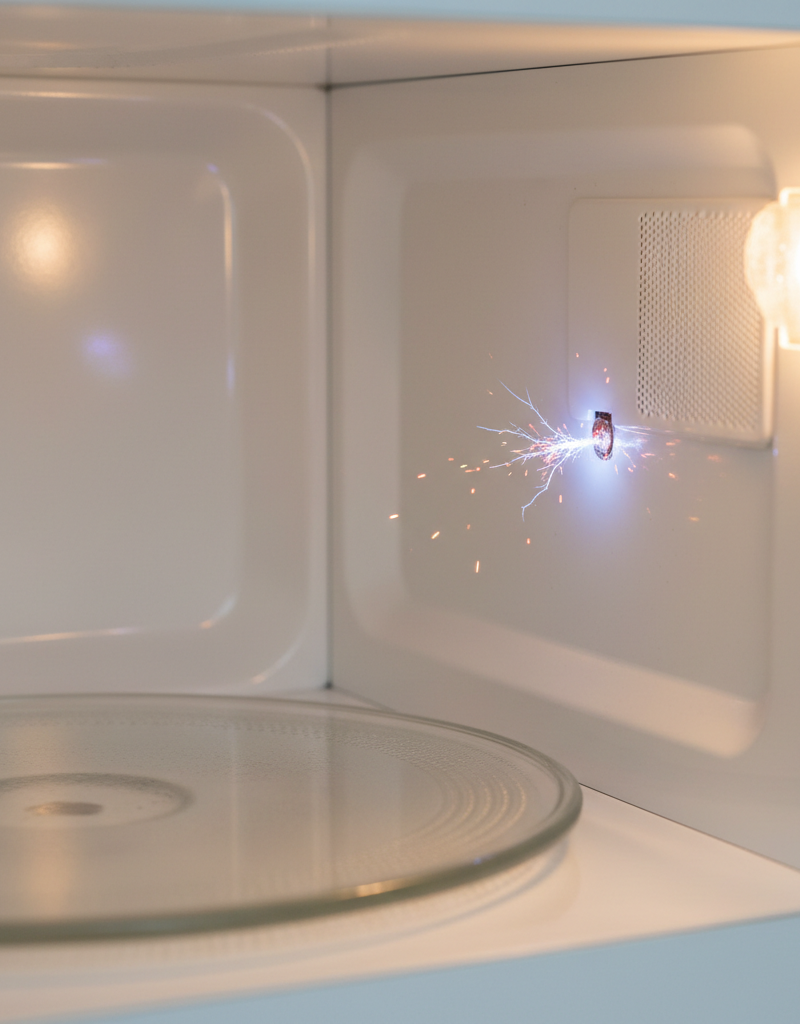
- Regular Cleaning: Keep the interior, especially the waveguide cover (the mica sheet), clean and free of food splatters. Arcing can occur if food particles build up, potentially damaging the magnetron or waveguide.
- Avoid Running Empty: Never run the microwave without food or liquid inside. This can cause the magnetron to overheat and significantly shorten its lifespan.
- Use Microwave-Safe Cookware: Always use dishes specifically designed for microwave use. Metal or foil can cause arcing and damage components.
- Ensure Proper Ventilation: Make sure the microwave's air vents are not blocked. Overheating is a common cause of thermal fuse blowouts and can stress internal components.
- Gentle Door Use: Slamming the microwave door repeatedly can prematurely wear out or damage the sensitive door interlock switches.
- Monitor for Unusual Sounds/Smells: If you hear unusual buzzing, arcing, or smell burning plastic/electrical odors, stop using the microwave immediately and unplug it. These are signs of potential component failure.
When to Call a Professional
While this guide provides detailed steps, several situations warrant calling a licensed appliance repair professional. If you are uncomfortable performing any electrical diagnostics, especially those involving the high-voltage capacitor, which can deliver a lethal shock, it's best to stop and call a pro. Additionally, if after following the diagnostic steps, you cannot definitively identify the faulty component, a professional has specialized tools and experience to pinpoint the problem accurately. If the issue involves the high-voltage transformer, its replacement is often costly and complex, making professional intervention more economical than extensive DIY troubleshooting. Any visible arcing inside the microwave not related to food splatter, persistent burning smells after component replacement, or a microwave that trips your home's circuit breaker repeatedly are all clear indicators that professional assistance is required to ensure safety and proper function. Never compromise safety for a DIY fix, especially with high-voltage appliances.
Related Articles
Keep troubleshooting with these hand-picked guides from FixlyGuide:
- The 4 Hidden Reasons Your Dryer Tumbles Cold (And How to Fix Them in 30 Minutes) — Your dryer tumbles, but clothes stay cold. Discover the four most common culprits behind a dryer that won't heat, and how to troubleshoot t…
- The #1 Reason Your AC Blows Warm Air (And It's Not What You Think) — A dirty air filter is often the overlooked culprit behind an air conditioner blowing warm air, hindering its ability to cool your home effi…
- The 5-Minute Trick That Fixes a Dryer Not Heating (and the Real Culprit) — A dryer that tumbles but doesn't heat is a common problem, often due to a tripped thermal fuse or a power supply issue.
- The #1 Reason Your AC Fan Won't Spin (And the 20-Minute Fix) — Diagnose and fix a non-spinning AC condenser fan with our step-by-step guide, saving you money and restoring your home's cool air.
- The #1 Mistake Homeowners Make When Heat Pumps Stop Heating in Winter — Discover the crucial mistake most homeowners make when their heat pump struggles in cold weather and how to fix it, potentially saving hund…
- The $5 Secret to Silencing That Annoying Dripping Faucet (Single-Handle Fix) — Stop a dripping single-handle faucet with a simple and inexpensive DIY fix by replacing a worn-out o-ring or washer.
What should this project cost?
Enter your project details for a realistic cost range before you call anyone.
Service calls and common repairs run $150–$900; full system replacement typically $6,000–$12,000.
- Regional adjustment
- National average
- Labor share (typical)
- ~$1,935
- Quotes to collect
- 3 written estimates
Educational estimate based on national averages — not a binding quote. Always confirm with written local estimates.
Fixly Project Decision Box
- DIY difficulty
- Advanced
- Estimated time
- Homeowner checks 20–30 minutes
- Cost level
- Moderate
Main tools / materials
- Clean air filter
- Garden hose for condenser coils
- Shop vac for the condensate line
When to stop and call a pro
- Burning smell, smoke, or a tripping breaker
- Refrigerant lines iced over or hissing
- Any work inside the sealed refrigerant circuit (EPA-licensed only)
- Gas smell near a furnace — leave and call the utility
Need professional help?
Find an HVAC Pro Near YouFrequently asked questions
Why does my microwave light and fan work but it doesn't heat?+
This almost always indicates a problem with the high-voltage circuit, typically the magnetron tube that generates microwaves, or associated components like the high-voltage diode, capacitor, or a blown thermal fuse. The light and fan operate on a lower voltage circuit, separate from the heating system.
Is it dangerous to fix a microwave myself?+
Yes, it can be extremely dangerous if proper safety precautions are not followed. Microwave ovens contain a high-voltage capacitor that can store a lethal electrical charge even after the oven is unplugged. Always discharge the capacitor safely before touching any internal components.
How long do microwave magnetrons typically last?+
The lifespan of a magnetron varies but typically ranges from 5 to 10 years, depending on usage. Frequent misuse, such as running the microwave empty or using non-microwave-safe dishes, can significantly shorten its life.
Can a faulty door switch cause a microwave not to heat?+
Absolutely. Microwave ovens have multiple door interlock switches designed to prevent the magnetron from operating if the door is not securely closed. If one of these switches fails, the heating element will not engage, even if other functions appear normal.
What's the 'water test' for a microwave?+
The water test involves placing a cup of cold tap water in the microwave and running it on high for one minute. If the water remains cold, it confirms that the microwave's heating elements are not functioning, indicating an internal problem with the high-voltage system.
Discussion
Loading comments…