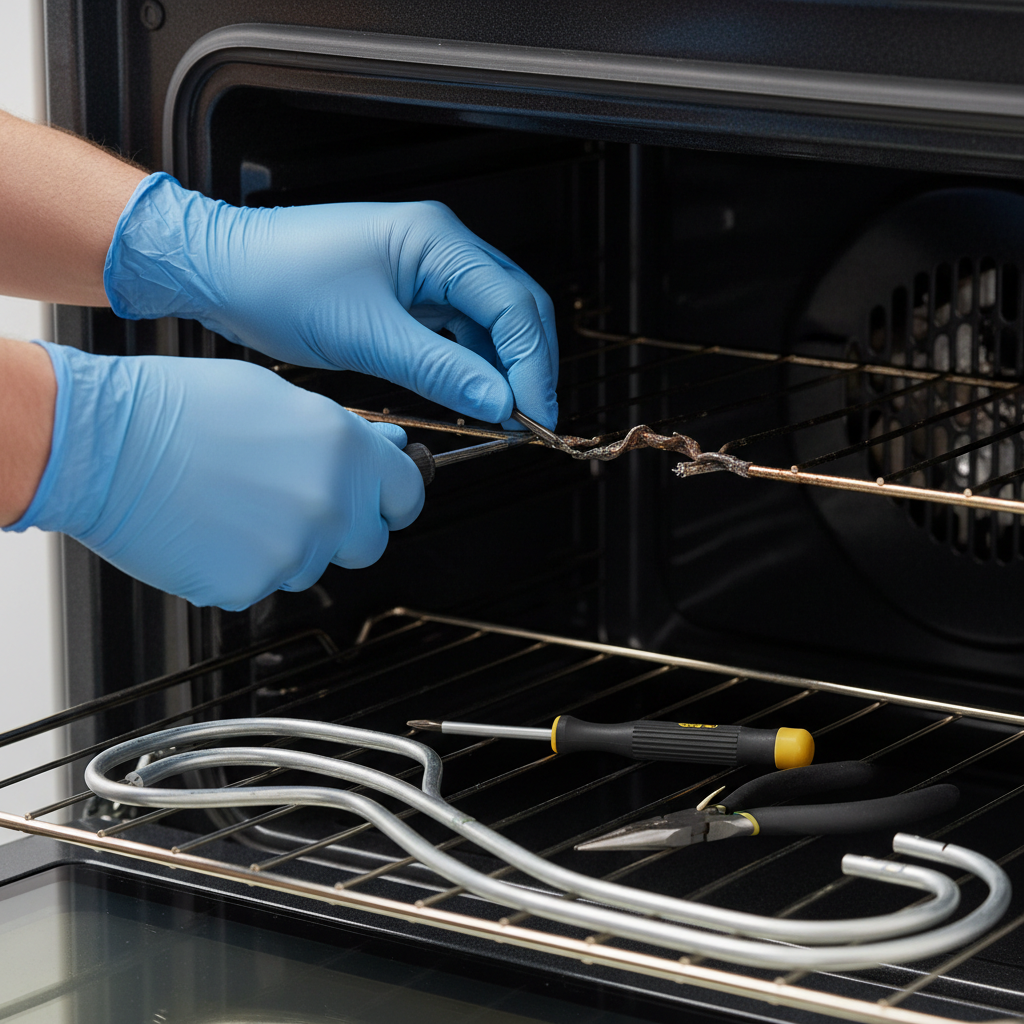
- Check the broil element: If the bake element looks fine, test the broil element. If neither is working, the issue might be with the oven's thermal fuse or main control board (call a pro).
- Temperature sensor: A faulty temperature sensor can also cause inaccurate heating. These are usually small probes extending from the back wall of the oven. A pro can diagnose and replace this if needed.
- Continuity testing: If comfortable with a multimeter, you can test the old element for continuity after removal. A reading of infinity (open circuit) confirms a break.
HVAC · High energy usage
| Project category | HVAC |
|---|---|
| Problem type | High energy usage |
| Trade required | HVAC |
| Urgency | Planned project |
| Safety risk | Low safety risk |
| DIY suitability | DIY for experienced homeowners |
| Cost category | High cost |
| Typical timeline | Assessment within weeks; replacement planned off-season |
| Contractor type | Licensed HVAC technician |
Repair option
Duct sealing, insulation, and a tune-up before touching the equipment.
Replacement option
High-efficiency replacement sized by a load calculation, not a rule of thumb.
Common causes
- Aging, low-efficiency equipment
- Leaking ducts losing conditioned air
- Insufficient attic insulation
- Oversized system short-cycling
Relevant tools:project cost estimatorrepair or replace
Published May 30, 2026Last updated August 17, 2026
Tools & materials you'll need
Affiliate links- AmazonNew oven bake elementspecific to your oven's make and model
As an Amazon Associate FixlyGuide earns from qualifying purchases — at no extra cost to you. Prices and availability are accurate as of publication and subject to change.
Quick Answer
The most common reason an electric oven fails to heat to the set temperature is a faulty bake element. A visual inspection can often confirm this, as a broken element will show visible breaks, blisters, or burn marks. Replacement is a straightforward DIY task that typically takes less than 30 minutes, requiring only a few basic tools and a new element matched to your oven model.
The Problem
There's nothing more frustrating than carefully preparing a meal, only to discover your oven isn't reaching the temperature you've set. The symptoms are clear: food takes much longer to cook, bakes unevenly, or never fully cooks through. You might set your oven to 400°F, but an internal thermometer reveals it's only getting to 250°F, or perhaps not heating at all. While several issues can cause this, the most frequent culprit in electric ovens is a failing bake element. This can lead to ruined dinners, wasted time, and the general inconvenience of an essential appliance not performing its primary function.
How It Works
Electric ovens generate heat primarily through two heating elements: the bake element, located at the bottom of the oven cavity, and the broil element, located at the top. When you set a desired temperature, the oven's control board sends an electrical current to these elements, causing them to glow red and radiate heat. A thermostat or temperature sensor inside the oven monitors the internal temperature and provides feedback to the control board. The control board then cycles the elements on and off to maintain the set temperature.
The bake element is typically responsible for the majority of the oven's heating during baking cycles. It consists of a metal sheath surrounding a coiled resistance wire. When electricity flows through this wire, its resistance causes it to heat up significantly, transferring that heat to the oven cavity. Over time, due to repeated heating and cooling cycles, power surges, or physical damage, the resistance wire inside the bake element can break or degrade. When this happens, the electrical circuit is interrupted, and the element can no longer generate heat effectively, if at all. Even if an element appears to be heating partially, internal damage can reduce its efficiency, preventing the oven from reaching or maintaining the correct temperature.
Step-by-Step Fix
1. Safety First — Unplug your oven before starting any work.
Always ensure the oven is completely disconnected from power. Flip the circuit breaker for your oven in your home's electrical panel or unplug the appliance from the wall outlet. Do not proceed until you've confirmed the power is off.
2. Visual Inspection — Look for signs of a faulty bake element.
Open your oven door and locate the bake element at the bottom of the oven cavity. Carefully examine it for any visible damage: breaks, cracks, blisters, burned spots, or areas that look melted or deformed. A healthy element should appear uniform and intact. If you see obvious damage, the element needs replacement.
3. Access the Element — Remove the screws holding the element in place.
Most bake elements are secured by two or more screws at the back of the oven cavity. Use a screwdriver (Phillips or flathead, depending on your oven model) to remove these screws. For some models, you might need to gently lift the element out of clips near the front.
4. Disconnect Wires — Carefully pull the element forward and detach electrical connections.
Once the screws are out, gently pull the element a few inches into the oven cavity. You'll see two electrical wires connected to the back terminals of the element. Use needle-nose pliers to carefully pull the ceramic wire connectors off the terminals. It's a good practice to take a photo of the wiring configuration before disconnecting to ensure correct reinstallation. For safety, avoid letting the bare wires retract completely into the back wall; you might need to hold them with the pliers or clip them to something stable.
5. Install New Element — Connect the new element and secure it.
Once the old element is removed, carefully unbox your new bake element. Connect the electrical wires to the terminals on the new element, ensuring a snug fit. Push the element back into place, aligning the screw holes, and reinsert the securing screws. Hand-tighten the screws to avoid stripping.
6. Test the Oven — Reconnect power and preheat.
After ensuring everything is reassembled correctly, restore power to the oven by flipping the circuit breaker back on or plugging it back in. Set your oven to an average baking temperature (e.g., 350°F) and observe the new element. It should begin to glow red evenly within a few minutes. Use an oven thermometer to verify it reaches and maintains the set temperature.
If This Doesn't Work:
- Check the broil element: If the bake element looks fine, test the broil element. If neither is working, the issue might be with the oven's thermal fuse or main control board (call a pro).
- Temperature sensor: A faulty temperature sensor can also cause inaccurate heating. These are usually small probes extending from the back wall of the oven. A pro can diagnose and replace this if needed.
- Continuity testing: If comfortable with a multimeter, you can test the old element for continuity after removal. A reading of infinity (open circuit) confirms a break.
Common Causes
- Age and Wear: Like any electrical component, bake elements degrade over time due to repeated heating and cooling cycles. The resistance wire inside can weaken and eventually break. Most elements have a lifespan of 5-10 years.
- Power Surges: Sudden spikes in electrical current can overload the element's resistance wire, causing it to burn out or break prematurely.
- Physical Damage: Accidental impacts from pots, pans, or cleaning tools can damage the delicate sheathing of the element, leading to internal wire breakage.
- Manufacturing Defects: Although less common, a new element could have a subtle flaw that leads to early failure.
- Frequent Self-Cleaning Cycles: The extreme temperatures reached during self-cleaning cycles can put extra stress on heating elements, potentially shortening their lifespan if used excessively.
Common Mistakes
- Forgetting to Disconnect Power: The most dangerous mistake. Always turn off the circuit breaker or unplug the oven. Electrical shock can be fatal.
- Using the Wrong Replacement Part: Oven elements are specific to make and model. Installing an incompatible element can lead to poor performance or further damage. Always use your oven's model number to find the exact replacement part.
- Forcing Electrical Connectors: The wire connectors should pull off with firm but gentle pressure. Forcing them can damage the wires or the oven's internal wiring harness.
- Ignoring Other Symptoms: If replacing the bake element doesn't fix the issue, don't keep replacing parts blindly. It might indicate a deeper problem with the thermostat, temperature sensor, or control board, requiring professional diagnosis.
- Not Testing with an Oven Thermometer: Relying solely on the oven's digital display or knob can be misleading. A separate, calibrated oven thermometer provides an accurate reading of the internal temperature, which is crucial for diagnosis and post-repair verification.
Cost & Time Breakdown
| Task | DIY Cost | Pro Cost | Time |
|---|---|---|---|
| New Bake Element | $30–$80 | Included | 15–30 mins |
| Tools | $0–$20 | Included | N/A |
| Diagnostics (if unsure) | $0 (DIY) | $100–$250 | 15–30 mins |
| Professional Repair | N/A | $150–$350+ | 30–60 mins |
Tips & Prevention
- Regular Visual Checks: Periodically open your oven and visually inspect both the bake and broil elements for any signs of damage. Early detection can prevent mid-bake failures.
- Gentle Cleaning: When cleaning the oven, be mindful of the elements. Avoid harsh scrubbing directly on them and be careful not to bump them with cleaning tools or vacuum attachments.
- Avoid Overloading: While not directly causing element failure, overloading your oven can make elements work harder and less efficiently, potentially shortening their overall lifespan.
- Check Electrical Connections: If you ever move your oven or perform any service, ensure that the power cord is securely plugged into the wall outlet and that the breaker is functioning correctly.
- Professional Inspection: If your oven is older (10+ years) and you suspect general heating issues, consider a professional inspection during other appliance maintenance to catch potential element failures before they happen.
When to Call a Professional
While replacing a bake element is a very manageable DIY task, there are specific situations where calling a licensed appliance repair technician is the safest and most practical option. If you've replaced the bake element and the oven still isn't heating correctly, the problem likely lies with a more complex component such as the temperature sensor, the thermal fuse, or the main control board. These components require specialized diagnostic tools and expertise to troubleshoot accurately. Additionally, if you are uncomfortable working with electrical components, cannot safely access the back of your oven, or encounter any wiring that appears damaged or corroded, it's best to stop and contact a professional. Professionals can quickly diagnose multifaceted issues, ensure electrical safety, and guarantee the correct functioning of your oven, saving you time and potential further damage.
Related Articles
Keep troubleshooting with these hand-picked guides from FixlyGuide:
- The #1 Dryer Heating Culprit Homeowners Miss (And the Cheap Fix) — Your dryer's not heating? Often, the culprit is a hidden component that's easy and inexpensive to replace if you know where to look.
- The #1 Reason Your AC Fan Won't Spin (And the 20-Minute Fix) — Diagnose and fix a non-spinning AC condenser fan with our step-by-step guide, saving you money and restoring your home's cool air.
- The #1 Reason Your AC Blows Warm Air (And It's Not What You Think) — A dirty air filter is often the overlooked culprit behind an air conditioner blowing warm air, hindering its ability to cool your home effi…
- The #1 Mistake Homeowners Make Installing a Smart Thermostat (and How to Fix It) — Avoid the most common pitfall when installing a smart thermostat yourself and ensure a smooth, energy-efficient setup.
- The #1 Mistake Homeowners Make Installing a Smart Thermostat (And How to Avoid It) — Avoid the most common smart thermostat installation pitfall and ensure your new device powers on correctly with this essential guide.
- The #1 Mistake Homeowners Make When Their Dryer Stops Drying (And How to Fix It Free) — If your dryer is taking too long to dry clothes, the most common culprit is a clogged vent, which can be easily fixed with simple tools.
Should you do this yourself?
Answer five quick questions before you start. Safety outranks savings every time.
Your experience with work like this
How high do you have to work?
Does the job involve any of these?
Will it need a permit?
Specialty tools
Free and instant. Educational guidance only — not a quote, inspection, or professional diagnosis.
Estimate your own project cost
National averages are a starting point. Enter your details for a range that fits your house.
HVAC replacement cost
- Equipment$2,200 – $3,800
- Installation labor$1,200 – $2,500
Always insist on a Manual J load calculation — sq-ft sizing is only a rough check. Federal heat-pump rebates may reduce cost significantly.
Educational estimate only — always confirm with written local bids.
What should this project cost?
Enter your project details for a realistic cost range before you call anyone.
Service calls and common repairs run $150–$900; full system replacement typically $6,000–$12,000.
- Regional adjustment
- National average
- Labor share (typical)
- ~$1,935
- Quotes to collect
- 3 written estimates
Educational estimate based on national averages — not a binding quote. Always confirm with written local estimates.
Fixly Project Decision Box
- DIY difficulty
- Advanced
- Estimated time
- Homeowner checks 20–30 minutes
- Cost level
- Moderate
Main tools / materials
- Clean air filter
- Garden hose for condenser coils
- Shop vac for the condensate line
When to stop and call a pro
- Burning smell, smoke, or a tripping breaker
- Refrigerant lines iced over or hissing
- Any work inside the sealed refrigerant circuit (EPA-licensed only)
- Gas smell near a furnace — leave and call the utility
Need professional help?
Find an HVAC Pro Near YouBefore you start
Check the difficulty, permits, and safety risk — then decide whether to call a pro.
Free, no signup required. Estimates are educational guidance, not a quote or an inspection.
Frequently asked questions
How do I know if my oven bake element is bad?+
The most common signs are visible damage like breaks, cracks, blisters, or burned spots on the element itself. If it doesn't glow red evenly or at all during operation, it's likely faulty. Food coming out undercooked or taking much longer than usual is also a key indicator.
Can I replace an oven heating element myself?+
Yes, replacing an oven bake element is a relatively easy DIY task for most homeowners. It typically requires only basic tools like a screwdriver and needle-nose pliers, and takes about 15-30 minutes. Always ensure the oven is unplugged or the power is off at the breaker first.
How much does it cost to replace an oven heating element?+
A new bake element costs between $30 and $80, depending on your oven's make and model. If you do it yourself, your total cost will likely be under $100. Professional replacement can cost anywhere from $150 to $350 or more, including parts and labor.
Why would an oven heat unevenly?+
Uneven heating is often caused by a partially failing bake or broil element, a malfunctioning temperature sensor, or a problem with the convection fan (if applicable). A visual inspection of the elements and using an oven thermometer will help narrow down the cause.
Discussion
Loading comments…