- Tools: Bucket, channel locks or pipe wrench, old towel.
- Safety: The water in the P-trap might be dirty; wear gloves.
- If this doesn't work: The clog is further down the line.
Plumbing · Clog
| Project category | Plumbing |
|---|---|
| Problem type | Clog |
| Trade required | Plumbing |
| Urgency | Soon — within weeks |
| Safety risk | Low safety risk |
| DIY suitability | DIY friendly |
| Cost category | Low cost |
| Typical timeline | Same-day DIY attempt; pro visit within a day or two |
| Contractor type | Licensed plumber |
Repair option
Plunger, hand auger, or trap cleanout before chemicals.
Replacement option
Line replacement when clogs return in the same spot repeatedly.
Common causes
- Hair and soap buildup in the trap
- Grease cooling in the branch line
- Flushed wipes or foreign objects
Relevant tools:diy difficultydiy or hire a pro
Published June 5, 2026Last updated August 17, 2026
Tools & materials you'll need
Affiliate links- AmazonBucketTo catch water from P-trap.
- AmazonChannel Locks or Pipe WrenchFor loosening P-trap nuts.
- AmazonStiff Brush or Coat HangerFor cleaning inside P-trap.
- AmazonRubber Gloves1 pair
- AmazonEye Protection
- AmazonPlungerStandard cup plunger for sinks.
- AmazonDrain Snake (Manual)1 · 25-foot length usually sufficient for kitchen.
As an Amazon Associate FixlyGuide earns from qualifying purchases — at no extra cost to you. Prices and availability are accurate as of publication and subject to change.
Quick Answer
A slowly draining kitchen sink is a common household nuisance, often attributed to grease and food particle accumulation. However, the problem can also stem from less obvious issues such as a partially blocked vent pipe, a compromised P-trap, or even a main drain line obstruction. A systematic approach, starting with accessible fixes like cleaning the P-trap or snaking the line, can often identify and resolve the issue before professional help is needed.
The Problem
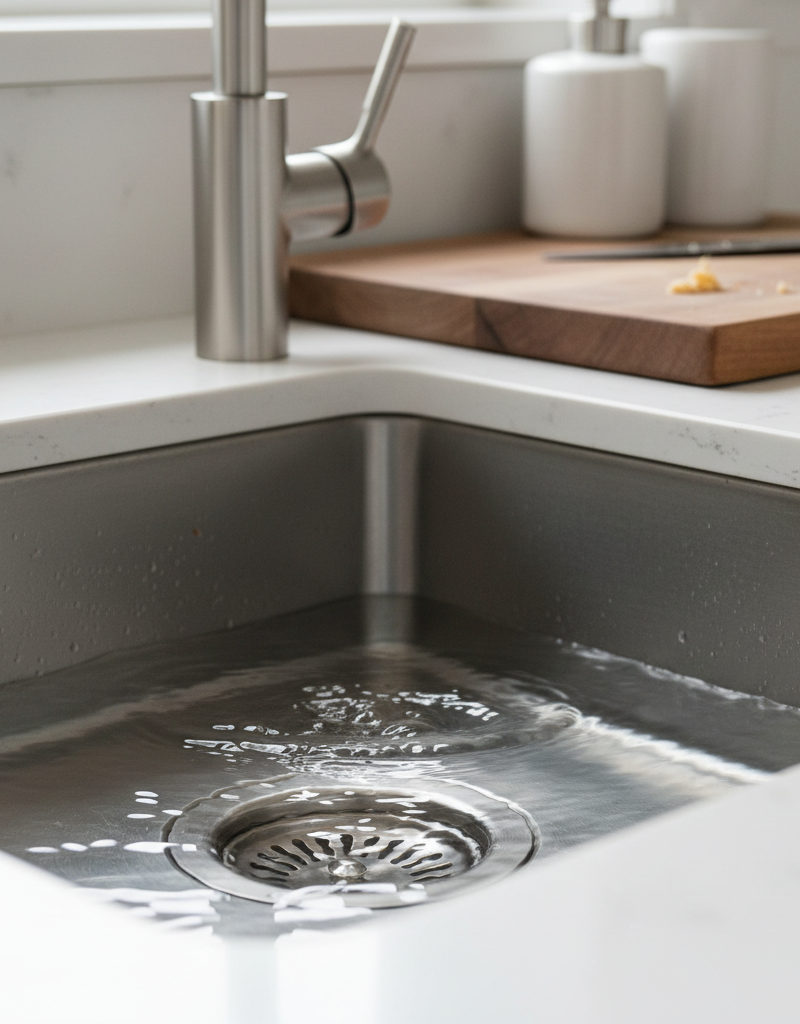
There's nothing quite as frustrating as watching water linger in your kitchen sink after washing dishes or rinsing vegetables. A slow drain isn't just an inconvenience; it can be a harbinger of larger plumbing problems, leading to unpleasant odors, potential overflows, and even bacterial growth. While many homeowners immediately suspect a simple grease clog, the reality is often more complex. Food scraps, soap scum, coffee grounds, and even mineral deposits can contribute to the gradual narrowing of your drainpipes, restricting water flow and making your sink drain at a snail's pace. Understanding the underlying mechanisms of your kitchen drain system is key to effectively diagnosing and resolving the issue.
How It Works
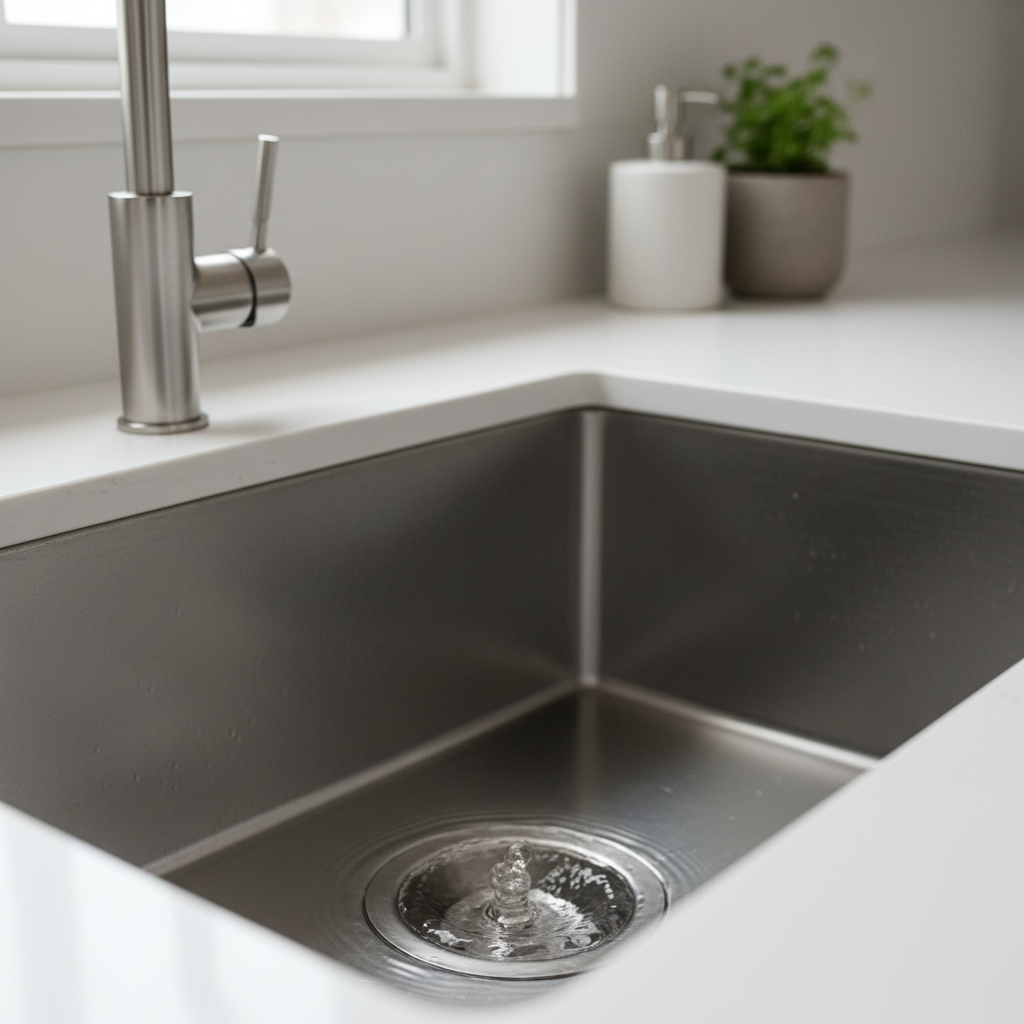
Your kitchen sink's drainage system is a cleverly engineered network designed to efficiently carry wastewater away from your home. The journey begins at the sink basket strainer, which catches larger food particles before they enter the drainpipe. Below the sink, the tailpiece connects to the P-trap, a U-shaped bend in the pipe that always holds a small amount of water. This water acts as a barrier, preventing sewer gases from entering your home. Beyond the P-trap, the drainpipe typically connects to a branch drain, which then merges with the main waste stack. This stack extends through your roof as a vent pipe.
The vent pipe is crucial to proper drainage. As water flows down the drain, it pushes air ahead of it, creating a vacuum. The vent pipe allows atmospheric air to enter the system, preventing this vacuum from forming. Without proper venting, the water in the P-trap would be siphoned out, allowing sewer gases to enter your home, and water would drain very slowly or gurgle loudly due to air pressure imbalances. A clog or partial obstruction can occur at any point in this system: within the basket strainer, the tailpiece, the P-trap, the branch drain, or even the main stack. Understanding these components helps you pinpoint where the sluggishness originates.
Step-by-Step Fix
Safety First — Always wear gloves and eye protection when working with drains, especially if using chemical cleaners.
1. Clear the Basket Strainer — Remove visible debris
- Your first step should be to check the most obvious areas for clogs. Remove the basket strainer from your sink and thoroughly clean out any accumulated food particles, grease, or other debris. Sometimes, this simple step is all that's needed.
- If this doesn't work: Proceed to the P-trap inspection.
2. Inspect and Clean the P-trap — The most common culprit
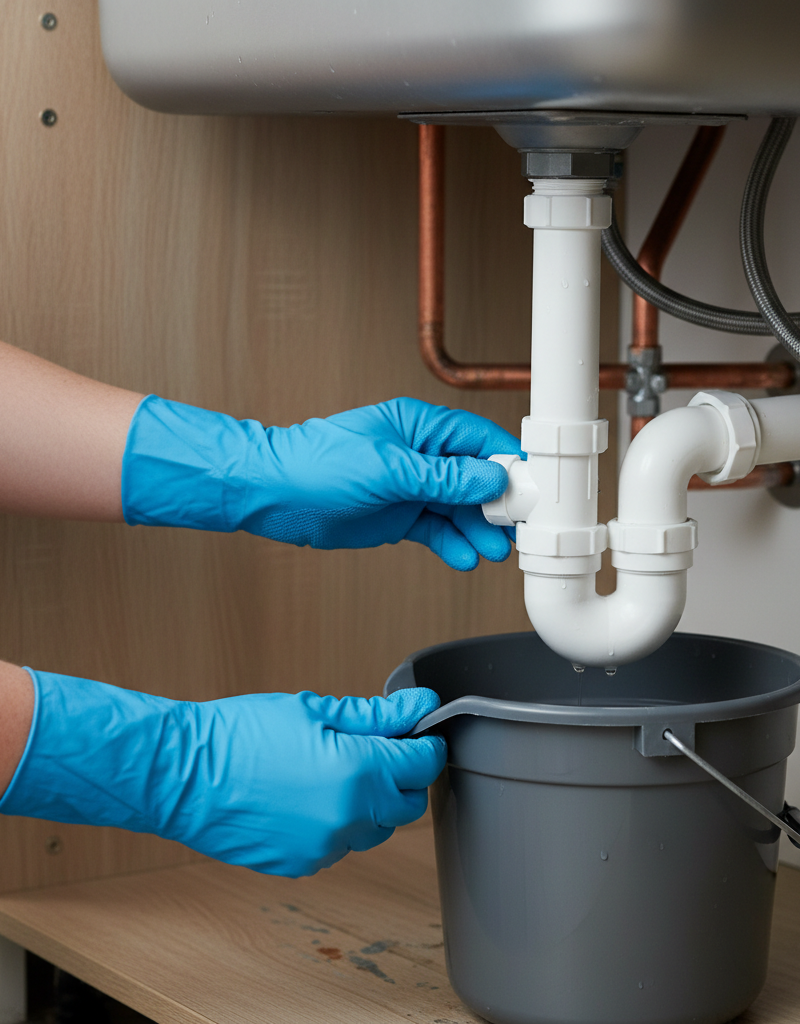
- Place a bucket directly under the P-trap to catch any water and debris. Use a pair of channel locks or a pipe wrench to loosen the slip nuts on both ends of the P-trap. Carefully remove the trap, trying not to spill its contents. Inspect the inside for any blockages like accumulated grease, hair, or foreign objects. Use a stiff brush or a coat hanger to clear any obstructions.
- Tools: Bucket, channel locks or pipe wrench, old towel.
- Safety: The water in the P-trap might be dirty; wear gloves.
- If this doesn't work: The clog is further down the line.
3. Flush with Hot Water and Dish Soap — A mild degreaser
- After reassembling the P-trap, pour a kettle of boiling water slowly down the drain, followed by a generous amount of liquid dish soap (about 1/2 cup). Let it sit for 15-20 minutes, then flush with hot tap water. The hot water and soap can help dissolve minor grease buildups.
- Safety: Be careful with boiling water. Do not do this if you have PVC pipes or an old disposal that might be damaged by extreme heat.
- If this doesn't work: The clog is more stubborn or deeper.
4. Try a Plunger — A quick pressure solution
- Fill the sink with enough hot water to cover the bell of the plunger. Make sure to seal off the overflow drain (if applicable for a double sink, plug the other side) with a wet rag to create a good seal. Place the plunger firmly over the drain and pump vigorously for 20-30 seconds. Repeat several times. The force can dislodge some clogs.
- Safety: If you've used chemical drain cleaners, do NOT plunge, as this can splash hazardous chemicals back into your face.
- If this doesn't work: The clog is too dense or far away.
5. Use a Drain Snake (Auger) — For deeper clogs
- Remove the P-trap again for easier access. Insert the end of a manual or small electric drain snake into the drain opening, feeding it slowly until you encounter resistance. Once you hit the clog, crank the handle to break it up or pull it out. Work the snake back and forth, then slowly withdraw it, clearing any debris. Repeat until the drain flows freely. For clogs further down the main line, you may need a longer snake and potentially access through a cleanout plug.
- Tools: Drain snake (manual or electric).
- Safety: Be careful not to damage pipes with excessive force, especially with PVC. Wear gloves.
- If this doesn't work: Consider the vent pipe or main line.
6. Consider an Enzymatic Drain Cleaner — A natural alternative
- If mechanical methods haven't fully solved the problem, an enzymatic drain cleaner can be a good option for persistent organic buildup, especially if the clog is not severe. These cleaners use bacteria and enzymes to digest organic matter (grease, food) over several hours or overnight, rather than corrosive chemicals. Follow product instructions carefully.
- Safety: Always ensure good ventilation and follow all manufacturer's instructions. Keep away from children and pets.
- If this doesn't work: The issue might be a structural pipe problem or vent blockage.
7. Check Your Vent Pipe — Often overlooked
- A partially obstructed vent pipe can cause slow drainage and gurgling. If you have access to your roof, cautiously inspect the top of the vent pipe directly above your kitchen for leaves, bird nests, or other debris. Use a garden hose to gently flush water down the vent to clear minor blockages. Do NOT attempt to clear a vent pipe on a steep or slippery roof. Call a professional.
- Safety: Extreme caution must be exercised when working on a roof. Use a stable ladder and have a spotter. Do not go on the roof if you are not comfortable or if weather conditions are unfavorable.
- If this doesn't work: The problem might be deeper in the main drain or a more complex vent issue.
Common Causes
- Grease Accumulation: The most common culprit. Hot grease poured down the drain solidifies as it cools, coating pipe walls and trapping food particles. Over time, this buildup severely restricts flow.
- Food Particles: Small food scraps, coffee grounds, and starchy residues (like potato peelings) that make it past the strainer can combine with grease to form tough clogs.
- Soap Scum: Residue from dish soap can build up on pipe walls, especially in areas with hard water, providing a sticky surface for other debris to adhere to.
- Mineral Buildup: In areas with hard water, calcium and magnesium deposits can accumulate inside pipes, narrowing the interior diameter and slowing drainage.
- Foreign Objects: Accidental drops of small utensils, sponges, or even bottle caps can get lodged in the P-trap or further down the drain.
- Compromised or Blocked Vent Pipe: As described, a blocked vent prevents proper airflow, leading to a vacuum that slows or stops drainage and often causes gurgling sounds.
- Sagging or Improperly Pitched Pipes: If drainpipes were installed without adequate slope, or if they sag over time, water can pool, allowing solids to settle and create blockages more easily.
Common Mistakes
- Using Chemical Drain Cleaners Repeatedly: While effective for some clogs, caustic chemical cleaners can damage PVC pipes, corrode older metal pipes, and are highly toxic. They're a temporary fix and can hide larger issues. Use enzymatic cleaners as a safer alternative for organic buildups.
- Ignoring Early Signs: A slow drain is a warning. Ignoring it allows clogs to become more severe and harder to remove, potentially leading to complete blockages or backups.
- Failing to Disassemble the P-trap: Many DIYers go straight for the snake without checking the P-trap, missing the easiest and most common fix. Always check the P-trap first.
- Pouring Grease Down the Drain: Even small amounts of grease, bacon fat, or oil should never go down the drain. Let it cool and solidify, then scrape it into the trash.
- Over-tightening Plumbing Connections: When reassembling the P-trap, over-tightening slip nuts can crack plastic pipes or strip threads, leading to leaks. Hand-tighten, then use a quarter-turn with a wrench.
- Not Protecting Your Hands and Eyes: Drain work involves dirty water and potentially harsh chemicals. Always wear appropriate personal protective equipment.
Cost & Time Breakdown
| Task | DIY Cost | Pro Cost | Time |
|---|---|---|---|
| Clean Basket Strainer | $0 | N/A | 5 minutes |
| Clean P-trap | $0–$5 (gloves) | N/A | 15–30 minutes |
| Plunging | $0–$15 (plunger) | N/A | 10–20 minutes |
| Snaking the Drain | $20–$50 (snake) | $150–$300+ | 30–60 minutes |
| Enzymatic Cleaner Application | $15–$25 | N/A | Overnight |
| Vent Pipe Clearing (DIY) | $0–$10 (hose) | $200–$400+ | 30–60 minutes |
Tips & Prevention
- Regular Hot Water Flush: Once or twice a week, run hot water down the drain for a few minutes, especially after using the sink for greasy dishes, to help keep things flowing.
- Use a Strainer: Always use a sink strainer to catch food particles, coffee grounds, and other debris. Clean it out after every use.
- Proper Grease Disposal: Never pour cooking grease or oil down the drain. Let it cool and solidify, then scrape it into the trash.
- Enzymatic Treatments (Monthly): Consider using an enzymatic drain cleaner monthly as a preventative measure. These
Related Articles
Keep troubleshooting with these hand-picked guides from FixlyGuide:
- The #1 Mistake Homeowners Make with a Slow Kitchen Drain (and the Real Fix) — Before you reach for harsh chemicals, learn the right way to fix a slow kitchen sink drain and prevent future clogs.
- The Nasty Truth About Your Smelly Bathroom Sink — And the 2-Ingredient Trick to Fix It — Uncover the hidden reasons behind that foul odor wafting from your bathroom sink drain and learn a simple, two-ingredient solution to banis…
- The #1 Mistake Homeowners Make with a Slow Kitchen Drain (And the Easy Fix) — A slow kitchen sink drain is frustrating, but often it's a simple fix homeowners overlook by focusing on the wrong culprits.
- The #1 Mistake Homeowners Make with a Slow Kitchen Drain (And the Simple Fix) — A slow kitchen sink drain is frustrating, but often an easy fix if you avoid common mistakes and know where to look first.
- The Nasty Truth: 3 Hidden Reasons Your Shower Drain Clogs (Beyond Just Hair) — Learn how to clear a stubborn shower drain clog efficiently and safely using common household tools, without harsh chemicals.
- The 3 Dandelion Killers Hiding In Your Garage (And How To Use Them Safely) — Eradicate dandelions from your lawn effectively with common household items and proper application techniques to restore a pristine yard.
What should this project cost?
Enter your project details for a realistic cost range before you call anyone.
Common repairs run $150–$650; repipes and water-heater replacements reach $1,500–$4,500.
- Regional adjustment
- National average
- Labor share (typical)
- ~$754
- Quotes to collect
- 3 written estimates
Educational estimate based on national averages — not a binding quote. Always confirm with written local estimates.
Fixly Project Decision Box
- DIY difficulty
- Moderate
- Estimated time
- 30 minutes – half a day
- Cost level
- Moderate
Main tools / materials
- Adjustable wrench
- Plunger or drain auger
- Bucket and towels
- Thread tape
When to stop and call a pro
- Water you cannot shut off at the fixture or main
- Sewage backing up into more than one fixture
- Water near electrical panels or outlets
- Gas water heater work beyond relighting a pilot
Need professional help?
Get a Licensed PlumberFrequently asked questions
Why is my kitchen sink draining slow but not completely clogged?+
A slow drain often indicates a partial obstruction, typically a buildup of grease, soap scum, and food particles that narrows the pipe's diameter. It could also be a partially blocked vent pipe preventing proper airflow, or mineral deposits reducing pipe capacity over time.
Can a blocked vent pipe cause a slow kitchen sink drain?+
Yes, absolutely. A blocked or partially blocked vent pipe is a common, yet often overlooked, cause of slow drains. The vent pipe allows air into the drainage system; without it, a vacuum forms as water tries to drain, which significantly slows down the flow and can cause gurgling sounds.
How often should I clean my kitchen sink P-trap?+
There's no strict schedule, but if you experience recurring slow drainage or odors, it's a good idea to inspect and clean your P-trap every 6-12 months. Regular use of strainers and proper disposal of grease can extend this interval.
Is it safe to use chemical drain cleaner in my kitchen sink?+
Chemical drain cleaners can be effective for some clogs but come with risks. They are corrosive and can damage certain pipe materials (especially older PVC or metal pipes), harm septic systems, and pose safety hazards due to fumes and skin contact. Enzymatic cleaners are a safer, more environmentally friendly alternative for organic clogs.
Discussion
Loading comments…