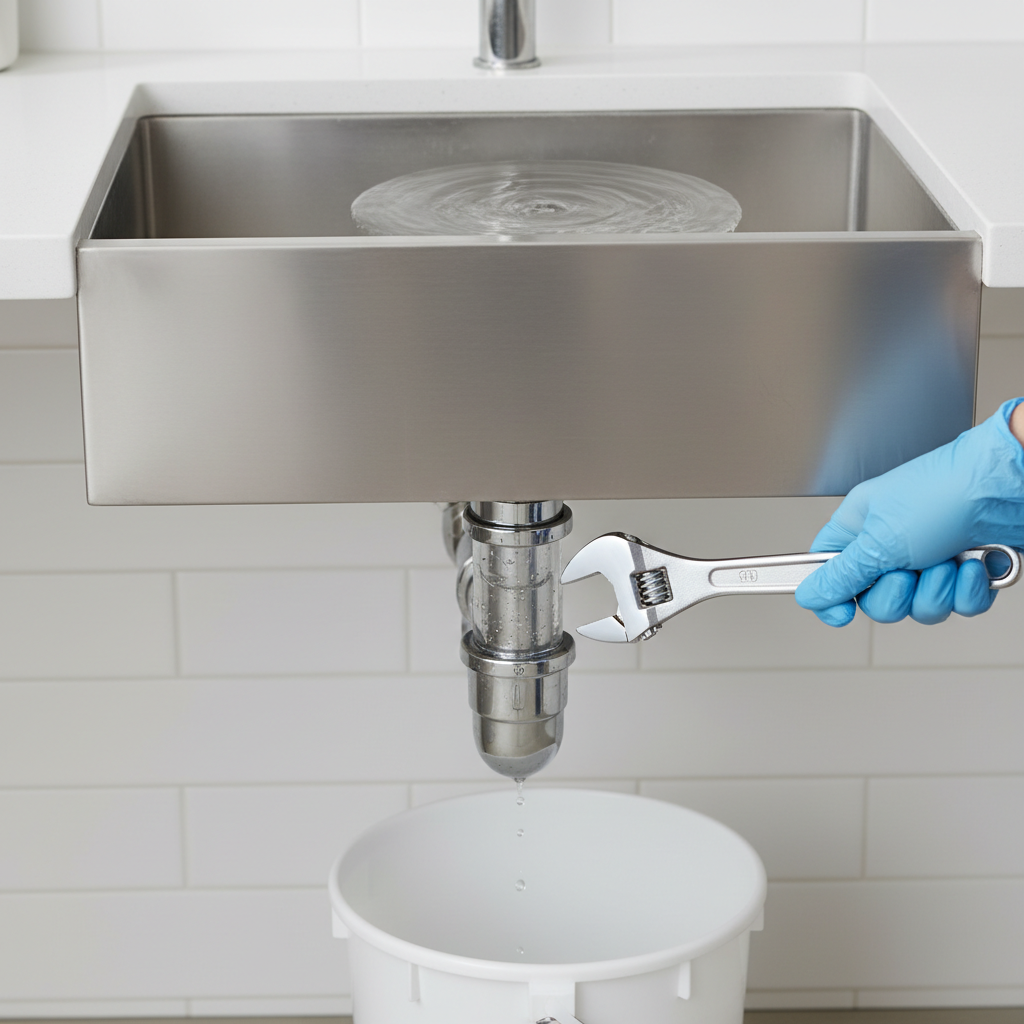
- Safety Note: Before disassembling the P-trap, place a bucket or old towels directly underneath the trap to catch standing water and debris. Wear gloves and eye protection.
- Loosen the slip nuts on both ends of the P-trap using adjustable pliers or by hand if they're plastic. Gently remove the P-trap, being careful not to spill the contents. Inspect the inside for grease, food particles, or other obstructions.
- Use a wire brush, old toothbrush, or even a straightened coat hanger to scrape out any gunk from the inside of the P-trap. Rinse the P-trap thoroughly under hot running water.
- Inspect the trap arm (the horizontal pipe leading from the P-trap to the wall) as well. If you can see or feel a clog here, try to pull it out with a wire or pick.
- Tools: Adjustable pliers, bucket, old towels, wire brush/coat hanger, gloves, eye protection.
Plumbing · Clog
| Project category | Plumbing |
|---|---|
| Problem type | Clog |
| Trade required | Plumbing |
| Urgency | Soon — within weeks |
| Safety risk | Low safety risk |
| DIY suitability | DIY friendly |
| Cost category | Low cost |
| Typical timeline | Same-day DIY attempt; pro visit within a day or two |
| Contractor type | Licensed plumber |
Repair option
Plunger, hand auger, or trap cleanout before chemicals.
Replacement option
Line replacement when clogs return in the same spot repeatedly.
Common causes
- Hair and soap buildup in the trap
- Grease cooling in the branch line
- Flushed wipes or foreign objects
Relevant tools:diy difficultydiy or hire a pro
Published May 30, 2026Last updated August 18, 2026
Tools & materials you'll need
Affiliate linksAs an Amazon Associate FixlyGuide earns from qualifying purchases — at no extra cost to you. Prices and availability are accurate as of publication and subject to change.
Quick Answer
A slow-draining kitchen sink is a common frustration, hinting at a partial blockage within your drain system. While grease and food scraps are frequent offenders, sometimes the issue lies with soap scum, hair, or even mineral deposits. The good news is that many slow drain problems can be resolved with basic DIY techniques like cleaning the P-trap or using a drain snake, saving you the expense of a plumber.
The Problem
Imagine you've just washed a load of dishes, and as you pull the stopper, the water recedes at a snail's pace, leaving behind an unappetizing residue. This isn't just an inconvenience; a persistently slow drain can eventually lead to a complete blockage, foul odors, and even potential overflows if left unaddressed. While the immediate symptom is a sluggish flow, the underlying issue is an accumulation of debris gradually narrowing the drainpipe's diameter, impeding water flow, and creating a perfect breeding ground for bacteria.
How It Works
To understand a slow drain, it's helpful to grasp how your kitchen sink drain system functions. Water from your sink travels down the drain opening, through the basket strainer, and into the tailpiece. Below the tailpiece is the P-trap, a U-shaped pipe designed to hold a small amount of water. This water barrier prevents sewer gases from entering your home. From the P-trap, the water flows into a horizontal branch drain that connects to the main house drain line, which then leads to your septic system or municipal sewer.
Clogs typically form in areas where water flow changes direction or velocity, or where debris can easily snag. The most common locations for kitchen sink clogs are the basket strainer, the P-trap (due to its 'U' shape collecting heavy particles and grease), and the initial section of the horizontal drainpipe directly after the P-trap. Grease, solidified by cooler temperatures, acts as a binder, trapping food particles, coffee grounds, and even small bits of plastic or paper that accidentally make their way down the drain. Over time, this buildup restricts the pipe's interior, leading to the noticeably slow drainage you're experiencing.
Step-by-Step Fix
For most slow-draining kitchen sinks, the problem lies in the P-trap or the drain line immediately after it. Tackle these steps in order, stopping when the drain clears.
1. Clear the Basket Strainer — Remove obvious debris.
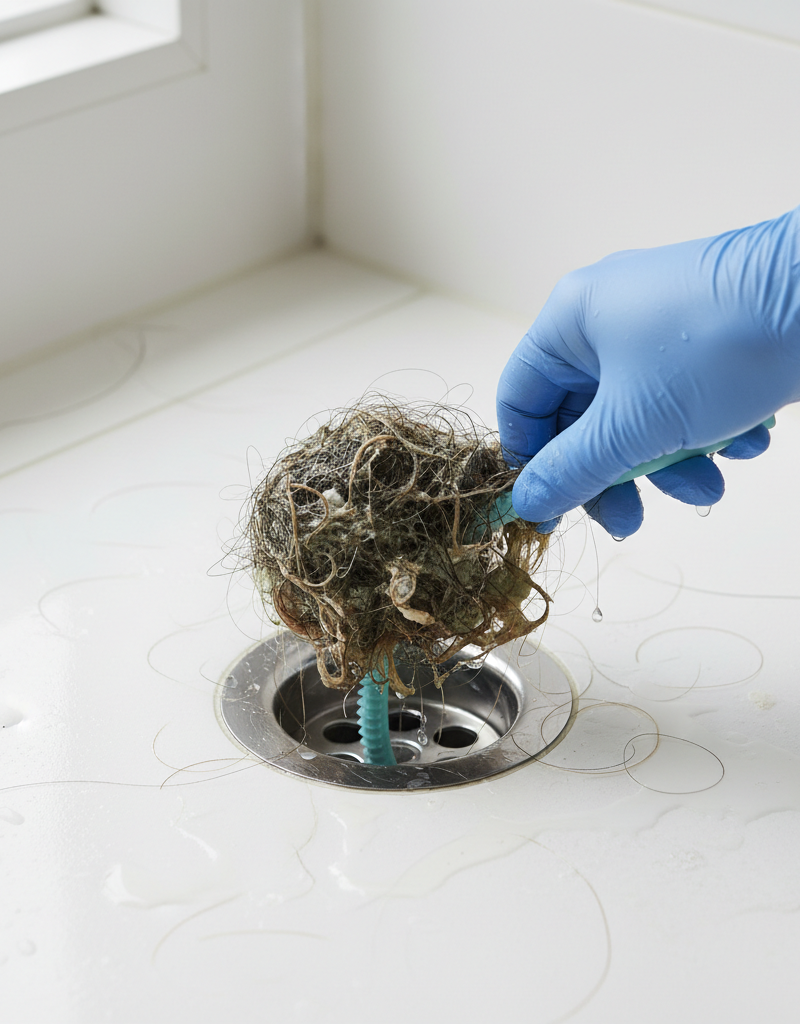
- First, put on your rubber gloves. Remove the basket strainer from your sink opening. Often, hair, food particles, or other debris get caught here. Use a paper towel to wipe away any visible gunk. If your strainer is heavily soiled, scrub it with an old toothbrush and some dish soap.
- If this doesn't work: The clog is deeper. Proceed to the next step.
2. The Boiling Water & Dish Soap Trick — Dissolve minor grease clogs.
- Boil a large pot of water (about 1 gallon). While the water is heating, pour about 1/2 cup of liquid dish soap directly down the drain. Once the water is boiling, carefully pour the hot water slowly down the drain. The hot water helps melt grease, and the dish soap acts as a degreaser.
- Wait 20-30 minutes. Run hot tap water for a few minutes to see if the drain has improved. Repeat if necessary, but no more than twice. If you have PVC pipes, ensure the water isn't too hot, as extreme heat can soften or damage PVC, though boiling water from a stovetop is generally fine for brief exposure.
- Safety Note: Be extremely careful when handling boiling water to avoid burns.
- If this doesn't work: The clog is likely solid or too dense for this method. Avoid using chemical drain cleaners, as they rarely work well on kitchen clogs and can damage pipes or pose a chemical hazard for subsequent steps.
3. Plunge the Drain — Create hydraulic pressure to dislodge clogs.
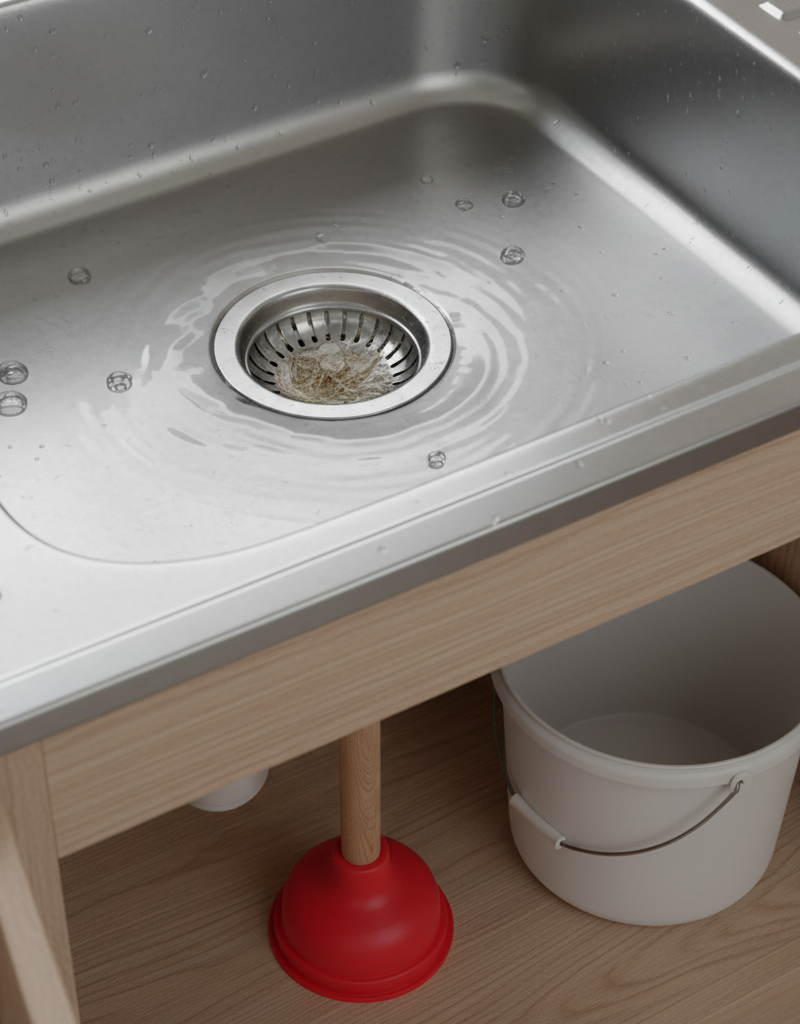
- Fill the sink with enough hot water to cover the bell of a kitchen plunger, about 3-4 inches deep. Ensure a good seal around the drain opening with the plunger. If you have a double sink, seal the other drain opening with a wet rag or a stopper to maximize plunging effectiveness.
- Pump the plunger vigorously for 15-20 seconds, maintaining the seal. Then, quickly pull the plunger up to break the suction. Repeat this process 3-4 times. Observe if the water drains faster.
- If this doesn't work: The clog is too stubborn or located past the effective range of plunging. Move on to inspecting the P-trap.
4. Clean the P-Trap — The most common location for kitchen sink clogs.
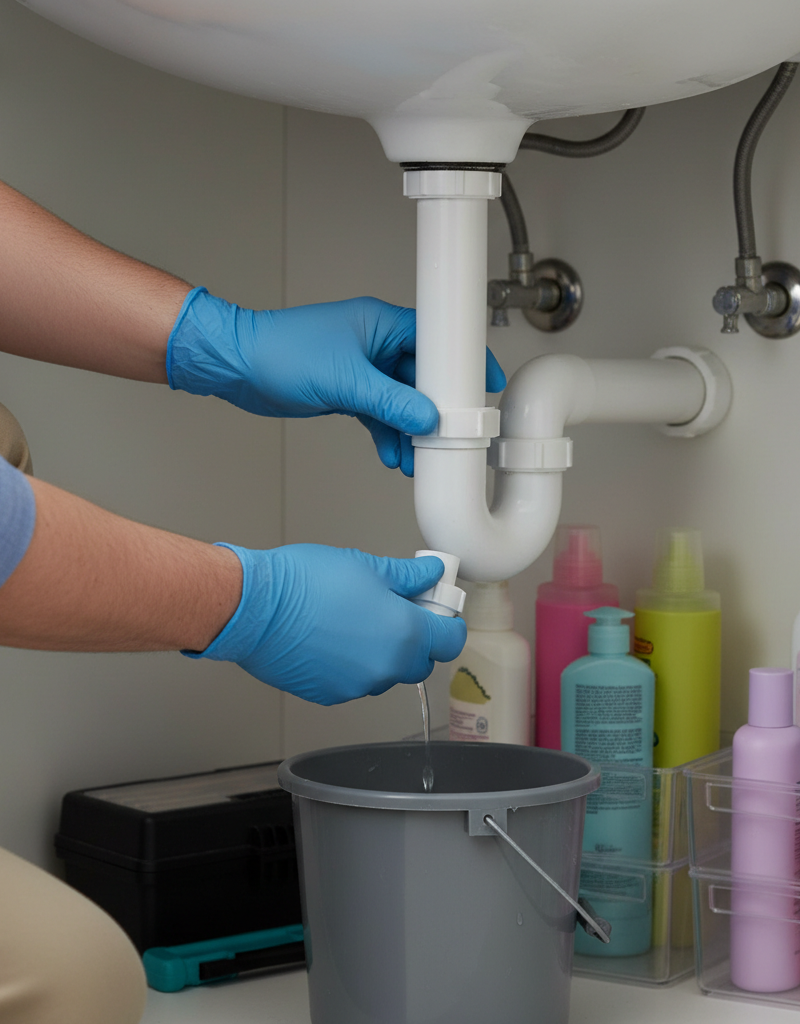
- Safety Note: Before disassembling the P-trap, place a bucket or old towels directly underneath the trap to catch standing water and debris. Wear gloves and eye protection.
- Loosen the slip nuts on both ends of the P-trap using adjustable pliers or by hand if they're plastic. Gently remove the P-trap, being careful not to spill the contents. Inspect the inside for grease, food particles, or other obstructions.
- Use a wire brush, old toothbrush, or even a straightened coat hanger to scrape out any gunk from the inside of the P-trap. Rinse the P-trap thoroughly under hot running water.
- Inspect the trap arm (the horizontal pipe leading from the P-trap to the wall) as well. If you can see or feel a clog here, try to pull it out with a wire or pick.
- Reassemble the P-trap, ensuring rubber washers are correctly seated. Hand-tighten the slip nuts, then give them a quarter-turn more with pliers – do not overtighten, especially on plastic pipes, as this can crack them. Run hot water to check for leaks and drainage.
- Tools: Adjustable pliers, bucket, old towels, wire brush/coat hanger, gloves, eye protection.
- If this doesn't work: The clog is further down the drainpipe.
5. Use a Drain Snake (Hand Auger) — Reach deeper into the drain line.
- If cleaning the P-trap didn't solve the problem, the clog is likely in the drain line between the P-trap and the main stack. You'll need a hand auger (drain snake).
- Remove the P-trap again (if you reassembled it) to access the pipe opening leading into the wall. Insert the head of the drain snake into the pipe. Push the cable forward, feeding more line as it goes.
- When you encounter resistance, it's likely the clog. Twist the handle of the auger while pushing and pulling to break up or hook the obstruction. You should feel it grasp the clog.
- Once you've cleared or dislodged the clog, slowly pull the auger back out, cleaning off any debris as you retract. Reassemble the P-trap, remembering to check for leaks.
- Run hot water for several minutes to flush out any remaining debris and verify proper drainage.
- Tools: Hand auger/drain snake, adjustable pliers, bucket, old towels, gloves, eye protection.
- Safety Note: Never force the snake. If it gets stuck, gently work it back and forth. Do not use a power auger without experience, as it can damage your pipes.
- If this doesn't work: The clog is either too deep for your hand auger, or it's a structural issue. Call a professional.
Common Causes
- Grease Buildup: Animal fats and cooking oils poured down the drain solidify as they cool, clinging to pipe walls and catching other debris. This is the single biggest culprit in kitchen sink clogs.
- Food Particles: Small food scraps, coffee grounds, and starchy residues (like pasta or rice) can accumulate, especially when mixed with grease.
- Soap Scum: Over time, soap residue can build up, particularly in slower-draining systems, creating a sticky layer that traps other debris.
- Hair and Lint: While more common in bathroom sinks, hair can sometimes find its way into kitchen drains, especially if pets are bathed in the sink or if there's a connection to a utility sink.
- Mineral Deposits: In homes with hard water, calcium and magnesium can accumulate inside pipes, narrowing the diameter and contributing to clogs.
- Foreign Objects: Small utensils, bottle caps, or even children's toys can accidentally fall into the drain and become lodged.
Common Mistakes
- Using Chemical Drain Cleaners Regularly: While they might offer a temporary fix, these harsh chemicals can damage pipes (especially older or PVC pipes), corrode metal, and are dangerous if they splash back. They rarely fully clear serious clogs and can make a plumber's job more hazardous. Stick to enzymatic cleaners for prevention, not active clogs.
- Pouring Grease Down the Drain: Even small amounts of grease accumulate over time. Always pour grease into a disposable container (like an old coffee can) and let it solidify before throwing it in the trash.
- Ignoring the Early Warning Signs: A consistently slow drain shouldn't be ignored. Addressing it early can prevent a full, more challenging blockage.
- Overtightening P-trap Nuts: When reassembling the P-trap, overtightening plastic slip nuts can cause them to crack, leading to leaks. Hand-tighten, then a quarter-turn with pliers is usually sufficient.
- Not Protecting Your Work Area: Disassembling a P-trap can be messy. Forgetting to place a bucket or towels underneath can lead to spilled, foul-smelling water and debris on your cabinet base.
- Running the Dishwasher While the Sink is Slow: If your kitchen sink is draining slowly, running the dishwasher can exacerbate the problem, potentially causing water to back up into the sink or overflow, as both often share the same drain line.
Cost & Time Breakdown
| Task | DIY Cost | Pro Cost | Time |
|---|---|---|---|
| Boiling water/soap | $0–$2 | N/A | 30 min |
| Plunging | $0–$15 | N/A | 15–30 min |
| P-trap cleaning | $0–$10 | N/A | 30–60 min |
| Hand auger (snaking) | $0–$30 | $150–$300+ | 60–90 min |
| Pro drain clearing | N/A | $150–$400+ | 1–3 hours |
Tips & Prevention
- Hot Water Flush: After washing greasy dishes, let hot water run down the drain for 30 seconds to a minute to help keep fats liquefied and moving through the pipes.
- Grease Disposal: Never pour cooking oil or grease down the drain. Scrape it into a disposable container and toss it in the trash.
- Use a Sink Strainer: Place a mesh sink strainer in your drain to catch food particles, coffee grounds, and other debris before they enter the P-trap. Clean it regularly.
- Enzymatic Drain Cleaners: For proactive maintenance, consider using an enzymatic drain cleaner monthly. These use bacteria to break down organic matter and are much safer for your pipes than chemical drain cleaners.
- Cold Water Grind (Garbage Disposal Users): If you have a garbage disposal, always run cold water while grinding food waste and for 20-30 seconds afterward. Cold water helps solidify grease so it can be ground up and flushed away more effectively.
- Regular P-trap Check: If you're handy, a quick unscheduled P-trap clean every 6-12 months can prevent significant buildups.
When to Call a Professional
You've exhausted all DIY methods: If you've tried all the above steps—clearing the strainer, boiling water, plunging, cleaning the P-trap, and using a hand auger—and your sink is still draining slowly or completely clogged, it's time to call a licensed plumber. This indicates the clog is likely further down the main drain line, beyond the reach of a hand auger, or it could be a sign of a more serious issue like a damaged pipe, tree root intrusion (if your main line runs outside), or a problem with your home's main sewer line. A professional has specialized equipment like motorized augers and video inspection cameras to accurately diagnose and safely clear deep or stubborn clogs without damaging your plumbing system. Don't risk further damage or potential water leaks by continuing to force a solution.
Related Articles
Keep troubleshooting with these hand-picked guides from FixlyGuide:
- The Secret Culprit Behind Your Slow Sink Drain (It's Not Always Hair) — Uncover the surprising reasons your kitchen sink drains slowly and learn actionable steps to fix common clogs yourself.
- The #1 Mistake Homeowners Make with a Slow Kitchen Sink (And Its Dead Simple Fix) — Before you reach for harsh chemicals, learn the most common, easily fixable reason your kitchen sink is draining slowly and how to fix it y…
- The Secret Reason Your Chimney Leaks During Rain (It's Not Always the Obvious Culprit) — A leaking chimney during rain can be a frustrating mystery, but often the root cause isn't what you think, leading to costly misdiagnosis.
- The #1 Mistake Homeowners Make with a Slow Kitchen Drain (and How to Undo It) — A slow kitchen sink drain is a common and frustrating problem, but often stems from a single preventable mistake that's easily fixed with t…
- The Secret Culprit Behind Your Leaking Washing Machine (It's Not Always the Hose!) — Discover the often-overlooked reasons your washing machine is leaking from the bottom and learn how to diagnose and fix the issue yourself.
- The Secret Reason Your Thermostat Lies (And How to Fix It in Minutes) — Discover why your thermostat isn't hitting its set temperature and learn simple, actionable steps to diagnose and fix the most common culpr…
Should you do this yourself?
Answer five quick questions before you start. Safety outranks savings every time.
Your experience with work like this
How high do you have to work?
Does the job involve any of these?
Will it need a permit?
Specialty tools
Free and instant. Educational guidance only — not a quote, inspection, or professional diagnosis.
What should this project cost?
Enter your project details for a realistic cost range before you call anyone.
Common repairs run $150–$650; repipes and water-heater replacements reach $1,500–$4,500.
- Regional adjustment
- National average
- Labor share (typical)
- ~$754
- Quotes to collect
- 3 written estimates
Educational estimate based on national averages — not a binding quote. Always confirm with written local estimates.
Fixly Project Decision Box
- DIY difficulty
- Moderate
- Estimated time
- 30 minutes – half a day
- Cost level
- Moderate
Main tools / materials
- Adjustable wrench
- Plunger or drain auger
- Bucket and towels
- Thread tape
When to stop and call a pro
- Water you cannot shut off at the fixture or main
- Sewage backing up into more than one fixture
- Water near electrical panels or outlets
- Gas water heater work beyond relighting a pilot
Need professional help?
Get a Licensed PlumberBefore you start
Check the difficulty, permits, and safety risk — then decide whether to call a pro.
- Estimate this projectGet a cost range for your scope and ZIP before you call anyone.Open
- Get local estimatesSend one request and compare written estimates from vetted pros.Open
Free, no signup required. Estimates are educational guidance, not a quote or an inspection.
Frequently asked questions
Why is my kitchen sink draining slowly but not completely clogged?+
A slow drain usually indicates a partial clog, where debris like grease, food particles, or soap scum has built up, narrowing the pipe's diameter and restricting water flow but not completely blocking it.
Can I use baking soda and vinegar for a slow kitchen drain?+
While baking soda and vinegar create a fizzing reaction that can help with minor clogs, it's generally less effective for kitchen sink clogs than boiling water and dish soap, especially for stubborn grease buildups. It's safe to try, but don't expect miracles for significant blockages.
How often should I clean my kitchen sink P-trap?+
There's no strict schedule, but if you frequently experience slow drains, proactively cleaning your P-trap every 6-12 months can prevent major clogs. Otherwise, clean it when a slow drain problem first appears.
Is it safe to use a chemical drain cleaner in my kitchen sink?+
FixlyGuide strongly advises against using chemical drain cleaners. They are corrosive, can damage pipes (especially older or PVC ones), and pose a safety risk. They rarely fully clear kitchen clogs and can create hazardous fumes or conditions for a plumber if they need to intervene.
Discussion
Loading comments…