- Historic Construction: Homes built before 1978 almost certainly contain lead paint on some surfaces. The older the house, the higher the likelihood and concentration.
- Disturbance During Renovation: Dry sanding, scraping, power washing, or demolition of painted surfaces without proper containment are the main ways lead dust is released.
- Friction and Impact: Doors and windows that stick, stairs, railings, and banisters can generate lead dust as painted surfaces rub against each other over time.
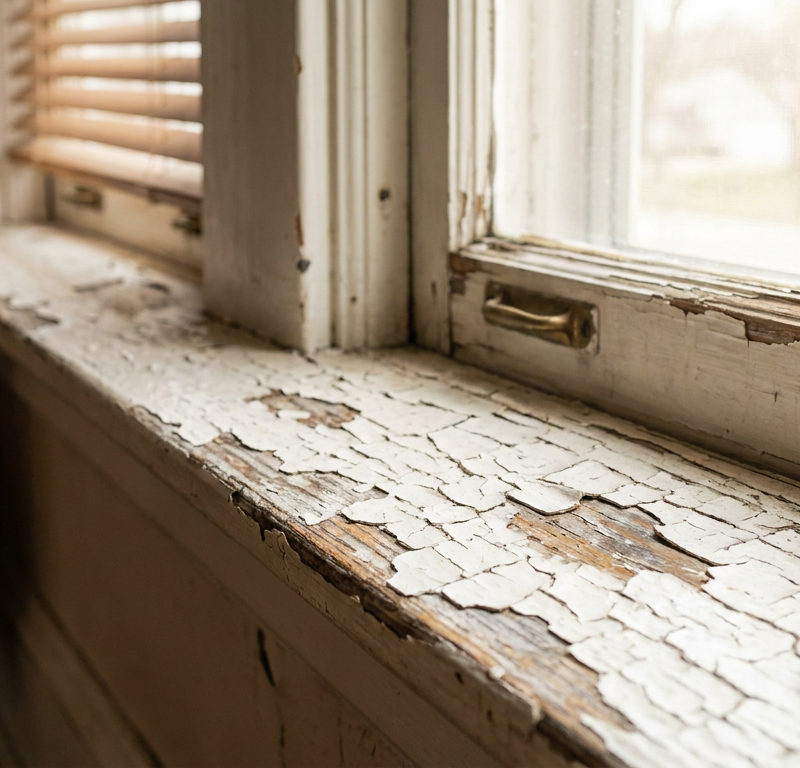
- Deterioration: Chipping, peeling, or chalking lead paint, especially on exterior surfaces, can release flakes and dust into the soil and air around the home.
- Lead Dust Transfer: Tracking lead dust from a contaminated work area into other parts of the home on shoes, clothes, or tools.
General remodeling · Renovation planning
| Project category | General remodeling |
|---|---|
| Problem type | Renovation planning |
| Trade required | General contracting |
| Urgency | Planned project |
| Safety risk | Low safety risk |
| DIY suitability | Pro recommended |
| Cost category | Major investment |
| Typical timeline | Design and permitting often 2–4 months before work starts |
| Contractor type | General contractor |
Repair option
Phase the work and fix the building envelope first.
Replacement option
Full renovation with permits, design, and a general contractor.
Common causes
- Space no longer fits how the household lives
- Resale preparation
- Deferred maintenance stacking up
Relevant tools:project cost estimatorcompare quoteshome improvement material prices
Published July 18, 2026Last updated August 17, 2026
Tools & materials you'll need
Affiliate linksAs an Amazon Associate FixlyGuide earns from qualifying purchases — at no extra cost to you. Prices and availability are accurate as of publication and subject to change.
Quick Answer
If your home was constructed before 1978, there's a significant chance that lead-based paint was used. While intact lead paint generally poses little danger, activities like sanding, scraping, drilling, or demolition can release microscopic lead particles into the air, creating a serious health hazard. Always test painted surfaces in older homes before disturbing them, and follow strict containment and cleanup protocols to protect yourself and your family from lead exposure.
The Problem
You've decided to tackle that renovation project – a new look for the living room, stripping old trim, or maybe even a full kitchen gut. Your home has character, a history... and potentially lead paint. For homes built before 1978, the risk of lead-based paint is real, and the consequences of disturbing it can be severe. Lead, a heavy metal, is neurotoxic and particularly harmful to children and pregnant women, but it can affect anyone. It accumulates in the body, leading to developmental delays, learning disabilities, kidney damage, and nervous system problems. When you sand, scrape, or chip old paint, you create fine dust and chips that can be inhaled or ingested. This dust can settle on surfaces throughout your home, contaminating carpets, furniture, and even your HVAC system, spreading the hazard far beyond your work zone. Understanding this invisible threat and taking proactive steps is not just a recommendation; it's a critical safety measure for any homeowner working on an older property.
How It Works
Lead-based paint was once valued for its durability, quick drying time, and moisture resistance, making it a popular choice for both interior and exterior surfaces. However, its toxicity became clear over time, leading to a federal ban on residential lead paint in 1978. When this paint ages, it can chip, peel, or chalk, especially in areas subject to friction or impact, like windows, doors, and stair railings. The real danger, however, comes when these painted surfaces are disturbed. Imagine a painted window sill. Over decades, layers of paint have been applied. If one of those layers contains lead, and you decide to sand it down, tiny, invisible lead particles are aerosolized. These particles are so small they can remain airborne for hours and easily travel through your home's ventilation system or on your clothes, shoes, and hair. Once settled, they can be ingested by children playing on the floor or inhaled by anyone in the vicinity. Even seemingly harmless activities like opening and closing a painted window or door can create friction that releases lead dust over time. The body, especially a child's developing system, can't efficiently excrete lead, leading to its accumulation in bones, blood, and soft tissues, where it interferes with normal biological processes. This is why proper containment, removal, and cleanup methods are absolutely essential when dealing with potential lead paint.
Step-by-Step Fix
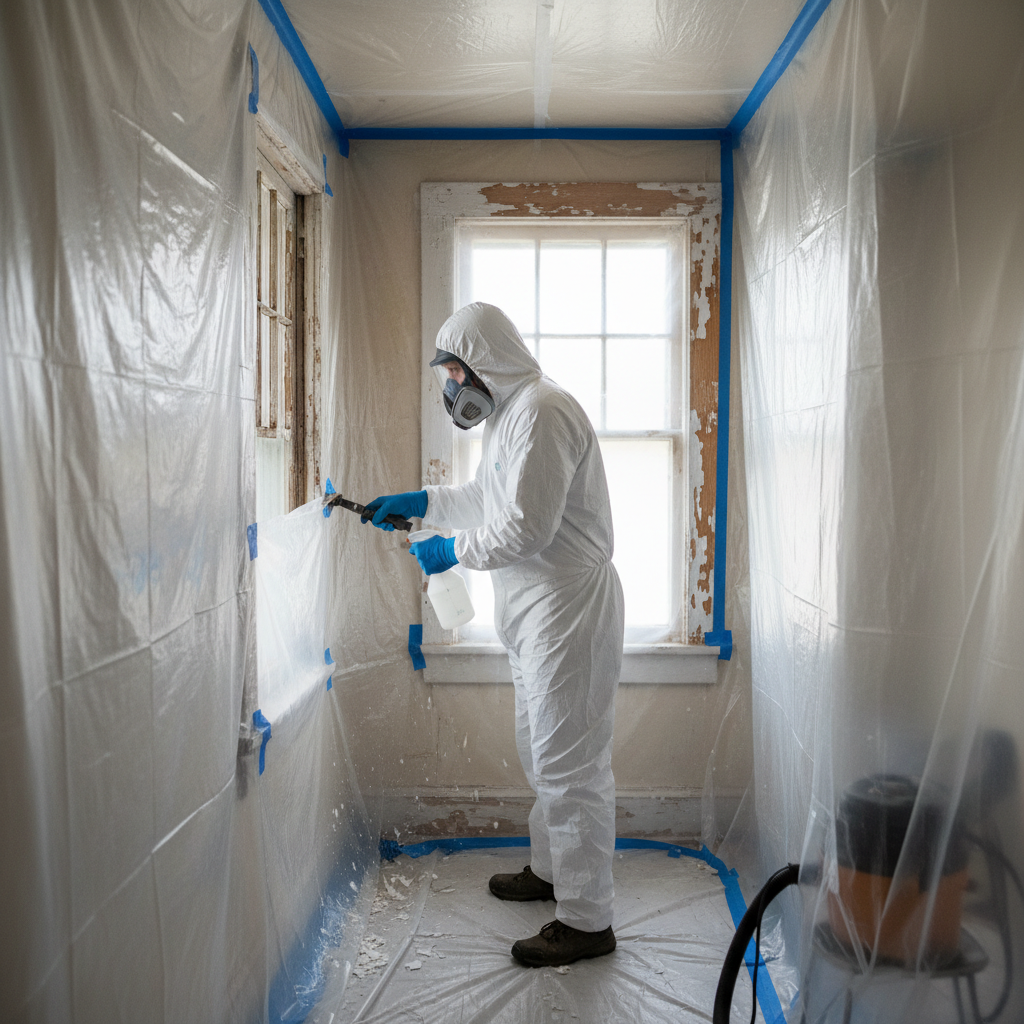
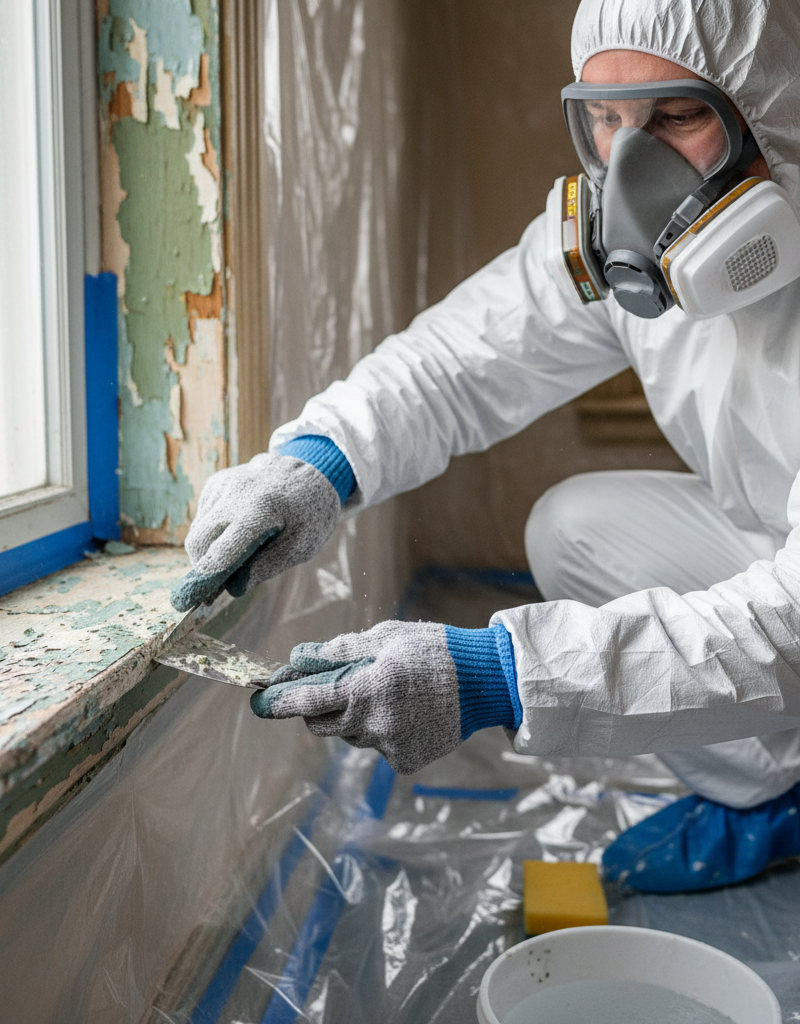
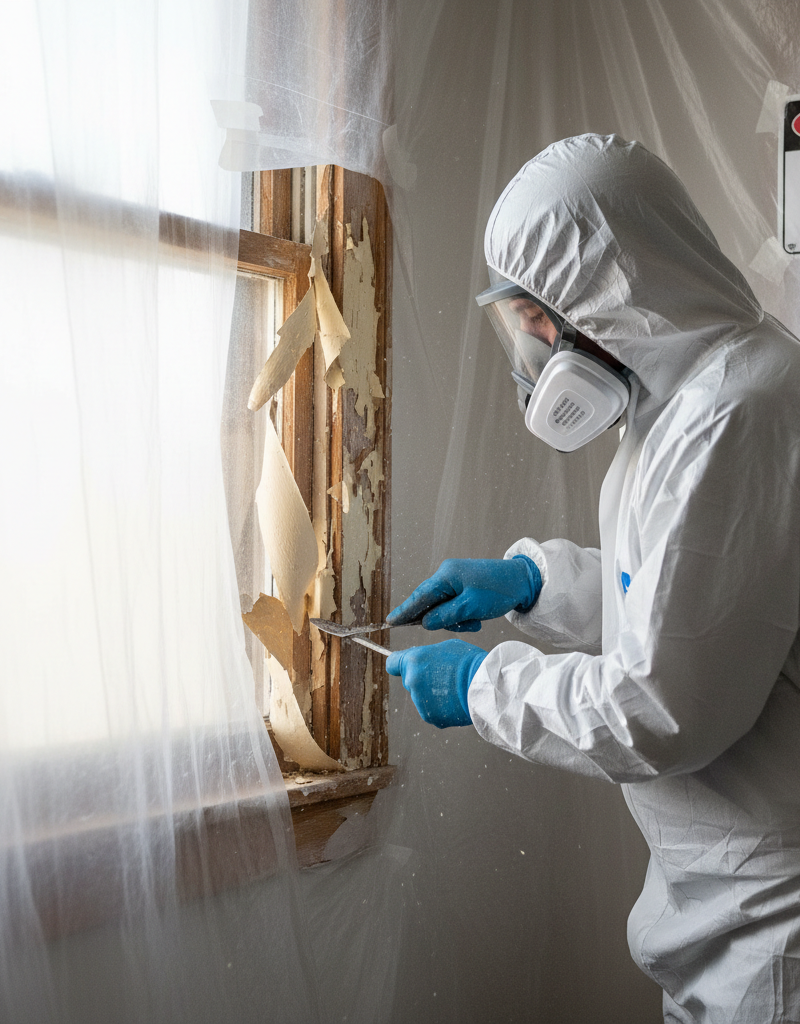
Safety First — Lead paint abatement is serious. Always wear appropriate personal protective equipment (PPE) before starting any work. This includes a respirator with a HEPA filter (N100 or P100), disposable coveralls, disposable shoe covers, and nitrile gloves. Ventilate the area as much as possible, but avoid using ordinary fans that can spread dust.
-
Test for Lead Paint — Don't guess, test! Purchase a reliable lead test kit from a hardware store. These kits usually involve swabbing a painted surface and observing a color change. Test multiple locations, especially high-friction areas like window sills, door frames, and baseboards, as well as different layers of paint if possible. If the test is inconclusive or you have concerns, consider hiring a certified lead inspector for more accurate results. Remember, a negative test doesn't mean zero chance; it means the specific spot you tested is clear. Always err on the side of caution.
- If this doesn't work: If you can't test due to the nature of the project (e.g., demolition), assume lead is present and proceed with full lead-safe work practices.
-
Isolate the Work Area — Create an airtight barrier. Close off the room from the rest of the house with 6-mil plastic sheeting taped securely around doorways and vents. Turn off HVAC systems to prevent dust circulation. Cover all furniture, floors, and non-movable items within the work zone with plastic sheeting, extending it at least 6 feet beyond the work area's perimeter. Use painter's tape to seal edges.
-
Prepare Surfaces Carefully — Avoid dry sanding, scraping, or grinding at all costs. These methods create the most dust. Instead, use wet scraping or wet sanding techniques. Mist the surface with water before disturbing it. If using power tools, ensure they are equipped with a HEPA-filtered vacuum attachment. For minor repairs, chemical paint strippers (gel-type are less prone to fumes) can be used, but always follow manufacturer instructions and ensure adequate ventilation.
- Safety Note: When using chemical strippers, wear chemical-resistant gloves and safety glasses in addition to your respirator.
-
Careful Removal — When scraping or chipping, work slowly and deliberately to minimize dust generation. Collect paint chips and debris on the plastic sheeting as you work. Use a putty knife or scraper to remove loose paint. For small areas, a heat gun (set to a low temperature, below 1100°F / 593°C, to avoid vaporizing lead) can soften paint, making it easier to remove, but use with extreme caution and never generate smoke or fumes.
- Tools Tip: A dedicated HEPA-filtered vacuum can be invaluable for containing debris during the process.
-
Clean Up Meticulously — This is crucial. After all work is complete, lightly mist the contaminated plastic sheeting covering the floor and carefully fold it inward, sealing it with tape. Place all debris, used PPE, and discarded sheeting into heavy-duty 6-mil plastic bags, seal them, and label them as lead waste. Use a HEPA-filtered vacuum to thoroughly vacuum all surfaces in the work area – floors, walls, and any exposed items. Never use a regular household vacuum, as it will simply spread lead dust.
-
Wet Wipe All Surfaces — After vacuuming, thoroughly wet wipe all hard, non-porous surfaces with a lead-specific cleaning solution or a general all-purpose cleaner. Use disposable cleaning cloths and change them frequently. Rinse surfaces with clean water and discard all used cloths immediately into sealed lead waste bags. Repeat the wet wiping process at least twice.
-
Final Cleanup and Disposal — Once the work area is visibly clean, vacuum again with the HEPA vacuum. Remove your disposable coveralls and shoe covers, placing them in the lead waste bag. Shower immediately and wash any clothing worn under coveralls separately from other laundry. Contact your local waste management facility for proper disposal procedures for lead-contaminated materials, as curbside pickup is typically not allowed.
Common Causes
- Historic Construction: Homes built before 1978 almost certainly contain lead paint on some surfaces. The older the house, the higher the likelihood and concentration.
- Disturbance During Renovation: Dry sanding, scraping, power washing, or demolition of painted surfaces without proper containment are the main ways lead dust is released.
- Friction and Impact: Doors and windows that stick, stairs, railings, and banisters can generate lead dust as painted surfaces rub against each other over time.
- Deterioration: Chipping, peeling, or chalking lead paint, especially on exterior surfaces, can release flakes and dust into the soil and air around the home.
- Lead Dust Transfer: Tracking lead dust from a contaminated work area into other parts of the home on shoes, clothes, or tools.
Common Mistakes
- Skipping the Test: Assuming a house built after 1978 is lead-free, or simply not bothering to test because the paint looks
Related Articles
Keep troubleshooting with these hand-picked guides from FixlyGuide:
- 7 Inspection Red Flags That Secretly Signal a $20,000 Bill — Don't let your dream home become a money pit. Many buyers and even some inspectors overlook subtle home inspection red flags that lead to f…
- The Single Board Secret to Attracting Bluebirds: A Quick DIY House — Discover how to construct an ideal bluebird house using just one cedar board, providing a safe and inviting home for these cherished backya…
- 7 Hidden Equity Drains Costing You Thousands Annually — Your home is an asset, but silent problems like minor leaks, poor insulation, and deferred maintenance can drain its value. Discover the se…
- The Hidden Culprit Behind Your AC Not Cooling (and How to Find It) — If your central AC isn't cooling your home, the issue often stems from a surprisingly simple problem that's easy to overlook. Learn how to…
- The 12 Checks That Prevent 80% of Costly Home Repairs — Don't wait for a disaster. Our comprehensive monthly home maintenance checklist reveals the surprising, simple tasks that catch small issue…
- The 7 Critical Home Inspection Mistakes Most Homeowners Make (and How to Spot Them) — Discover the crucial home inspection mistakes homeowners commonly overlook and learn how to identify potential problems before they become…
Should you do this yourself?
Answer five quick questions before you start. Safety outranks savings every time.
Your experience with work like this
How high do you have to work?
Does the job involve any of these?
Will it need a permit?
Specialty tools
Free and instant. Educational guidance only — not a quote, inspection, or professional diagnosis.
Estimate your own project cost
National averages are a starting point. Enter your details for a range that fits your house.
Interior paint estimator
- Paint$96
- Supplies (tape, rollers, drop cloth)$35
- Estimated total (DIY)$131
Hiring a pro? Add roughly $1.50–$4.00/sq ft for labor depending on prep work and trim detail.
Educational estimate only — always confirm with written local bids.
What should this project cost?
Enter your project details for a realistic cost range before you call anyone.
Cost depends heavily on which system turns out to be the source.
- Regional adjustment
- National average
- Labor share (typical)
- ~$1,620
- Quotes to collect
- 3 written estimates
Educational estimate based on national averages — not a binding quote. Always confirm with written local estimates.
Before you start
Check the difficulty, permits, and safety risk — then decide whether to call a pro.
Free, no signup required. Estimates are educational guidance, not a quote or an inspection.
Get the print-ready PDF of this guide
A clean, ad-free, printable version you can keep on your phone or pin to the workshop wall. Free with a FixlyGuide account.
- Print-optimized layout
- Tools, materials & every step included
- Saved to your account
This article was independently written by FixlyGuide based on the source topic.
Frequently asked questions
How do I know if my house has lead paint?+
The only way to know for sure is to test. Purchase a lead test kit from a hardware store or hire a certified lead inspector. If your home was built before 1978, assume lead paint is present, especially on windows, doors, and trim.
What are the dangers of lead paint dust?+
Lead dust is highly toxic. When inhaled or ingested, it can cause developmental problems in children, nervous system damage, kidney issues, and reproductive problems. Even small amounts are dangerous, particularly for children and pregnant women.
Can I remove lead paint myself?+
You can safely manage small, contained lead paint projects using strict lead-safe work practices, including containment, wet scraping, and HEPA vacuuming. For larger projects or if you're uncomfortable, it's best to hire EPA-certified lead abatement professionals.
What's the safest way to dispose of lead paint waste?+
Lead paint chips, dust, and contaminated materials must be double-bagged in heavy-duty plastic, sealed, and labeled as lead waste. Do not put them in regular trash. Contact your local waste management facility for specific disposal instructions, as regulations vary by municipality.
Discussion
Loading comments…