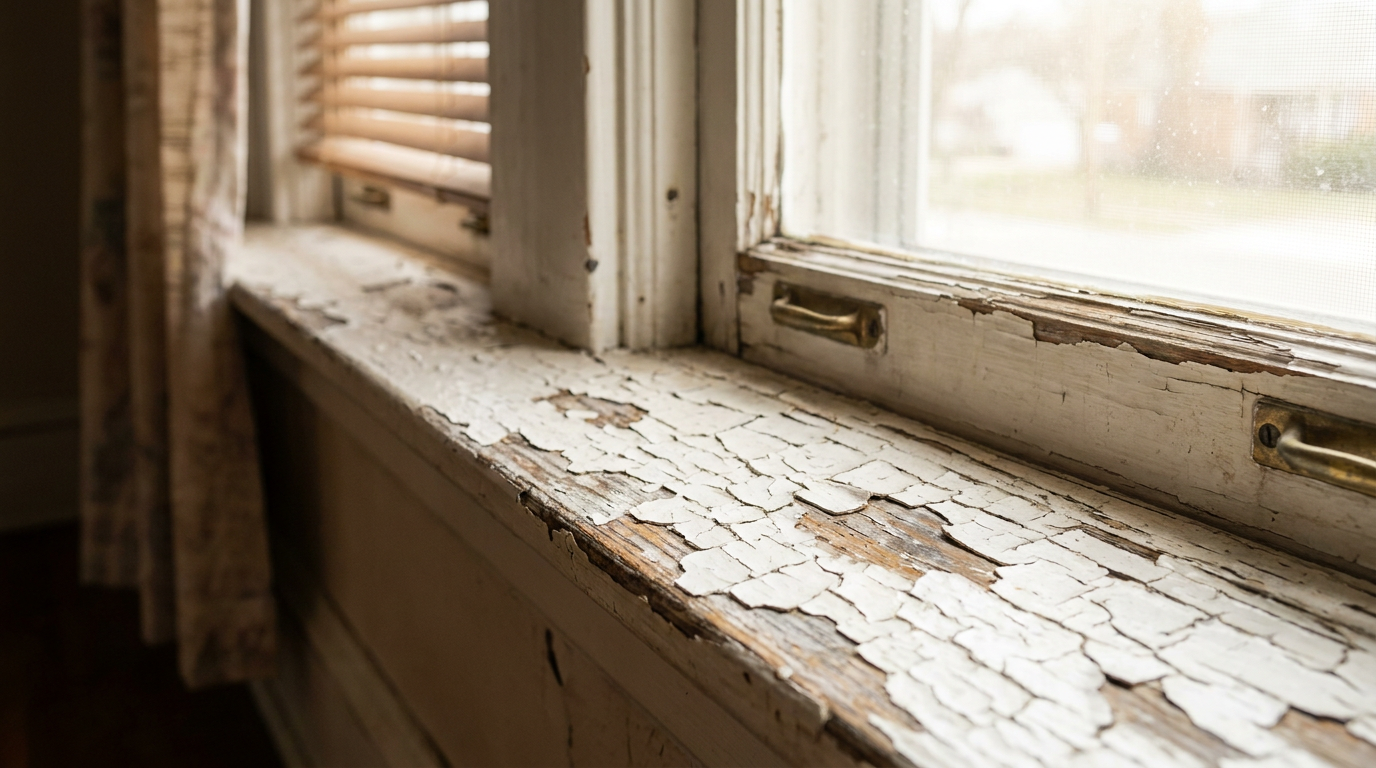
- Homes built before 1940: Extremely likely to have lead paint, often in multiple layers, inside and out.
- Homes built between 1940 and 1960: Still very likely to have lead paint, even though use started dropping off.
- Homes built between 1960 and 1978: Less likely, but still absolutely possible. Lead was still in some paints, especially exterior products and coatings for metal.
- Homes built after 1978: The original paint risk is very low, but watch out for remodels by previous owners who may have hauled in old doors or trim from somewhere else.
Published October 18, 2026Last updated October 18, 2026
Tools & materials you'll need
Affiliate links- AmazonP100 RespiratorNot a paper dust mask. Must be NIOSH-approved.
- AmazonEPA-recognized lead test kite.g., 3M LeadCheck
- AmazonDisposable coveralls
- AmazonNitrile gloves
- AmazonHEPA-filtered vacuumRent if you don't own one. Do not use your home vacuum.
- AmazonSpray bottleFor wet-sanding and wet-scraping.
- Amazon6-mil plastic sheeting1 roll
As an Amazon Associate FixlyGuide earns from qualifying purchases — at no extra cost to you. Prices and availability are accurate as of publication and subject to change.
Quick Answer
If your house was built before 1978, I’d treat it like it’s got lead-based paint until a test proves otherwise. The real problem starts the minute you sand, scrape, drill, or tear into painted surfaces, because that’s when lead dust gets made. You can’t see it. You can’t smell it. But you can breathe it in or swallow it without ever knowing, and that’s where the trouble starts—especially for kids and pregnant women. Before I touch a painted surface, I want an EPA-recognized lead test kit on it. If it comes back positive, I switch to lead-safe work: I seal the area, use wet methods to keep dust down, wear a P100 respirator, and clean the whole mess up with a HEPA vac when I’m done.
The Problem
That pretty old trim and those solid wood doors in your pre-1978 house might be hiding a real headache: lead-based paint. Back in the day, lead was common in residential paint because it held up well and looked good. The federal government banned it for consumer use in 1978, but nobody went around stripping it out of the millions of homes where it was already on the walls, trim, windows, and doors. It’s still there.
If the paint’s intact and nobody’s disturbing it, it usually isn’t an immediate issue. The trouble kicks in when you start remodeling, fixing stuff, or even hanging a picture. Anything that breaks the paint surface—sanding, scraping, drilling, demolition—can kick microscopic lead particles into the air. That dust is the enemy. It’s invisible, it settles everywhere, and it’s easy to breathe in or swallow. Kids are the big concern because they put hands and toys in their mouths all day long, and lead exposure can mess with developing brains and nervous systems in ways you can’t just shrug off. Adults aren’t immune either. You can see high blood pressure, joint pain, and reproductive problems. And no, it doesn’t stay neatly where you made it. It gets into other rooms. It rides on your shoes. It spreads.
How It Works
Lead got mixed into paint for a few solid reasons. As a pigment, lead carbonate, or "white lead," gave paint a bright, opaque white that other ingredients just couldn’t match. It also helped oil-based paint dry faster and more evenly. On top of that, it made the finish tougher and better at handling moisture. That’s why old exterior siding, window sills, and bathroom trim often have the thickest, most stubborn paint layers—those spots got beat up by weather and steam year after year.
The real danger comes from what happens when you disturb it. If you sand lead paint hard, you’re not making harmless dust. You’re grinding lead compounds into a super-fine powder that floats around and travels farther than folks expect. I pulled a water heater in Frisco last month that had exactly this kind of dust hanging around the basement joists—one bad sanding job from years ago, and it was still lingering. A single square foot of lead-painted surface can create enough dust to contaminate a whole room. And most folks don’t get exposed by licking a windowsill. It’s usually from breathing dust that got stirred up by opening a window, or touching a dirty surface and then eating without washing up. Think of lead dust like toxic glitter—it gets everywhere, and cleaning it up completely is a pain in the neck.
Step-by-Step Fix
This isn’t a “fix” for lead paint so much as a way to handle small DIY repairs safely when lead’s in the mix. If you’re talking about large-scale removal, that’s abatement work, and you need a certified pro. No dice otherwise.
1. Test for Lead
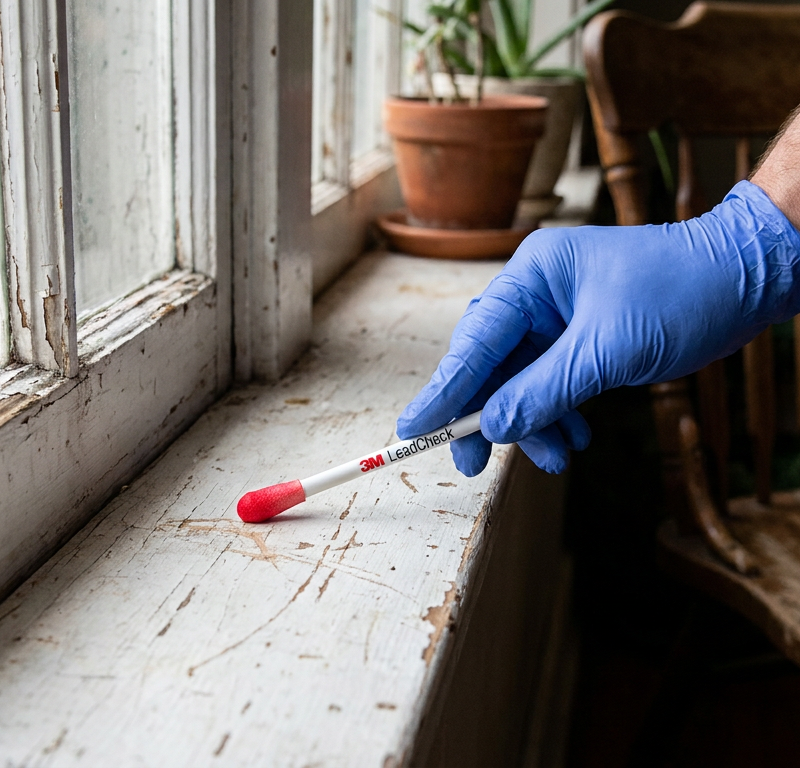
- Start here. Always. Buy an EPA-recognized lead test kit, like 3M LeadCheck. They run about $10–$20. Follow the directions exactly. You’ll nick the paint to expose all the layers, then swab it. If the swab turns red or pink, you’ve got lead.
2. Prepare the Work Area
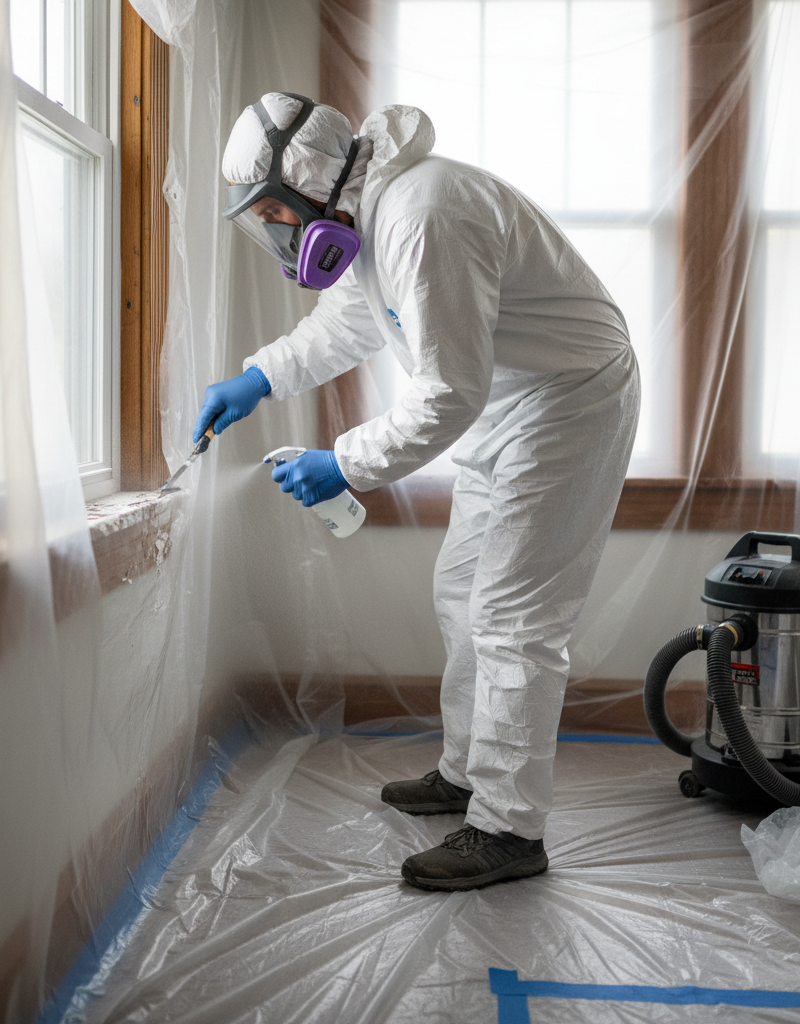
- Containment is the name of the game. Get furniture, rugs, and decor out of the room. If something can’t move, wrap it in two layers of 6-mil plastic sheeting and tape it shut. Shut off the HVAC and seal vents, outlets, and the gaps under doors with plastic and tape so dust doesn’t wander off.
3. Gear Up for Safety
- Don’t cheap out here. You need a P100-rated respirator, not a flimsy dust mask, plus disposable coveralls, safety goggles, and nitrile gloves. That gear keeps you from breathing or wearing lead dust home on your clothes. Leave your street clothes and shoes outside the work zone.
4. Scrape and Sand WET
- Never dry-sand or dry-scrape lead paint. I can’t say that enough. Keep a spray bottle handy and mist the surface as you work. That turns the dust into a wet sludge you can actually control. For scraping, use a sharp pull-scraper so you’re less likely to gouge the wood and chip the paint everywhere. For sanding, use wet/dry sandpaper and keep the surface damp.
5. Control the Debris
- Put a sheet of 6-mil plastic right under the work area so it catches chips and sludge. Don’t let the junk fall straight to the floor. If you stop for a break, mist the debris and fold the plastic over itself so it traps the mess instead of spreading it around.
6. Clean Up Meticulously
- This is the part people rush, and it bites them. First, vacuum all visible debris with a dedicated shop vacuum fitted with a HEPA filter. Do not use your household vacuum—that thing’ll just blow lead dust right back into the air. After that, wet-clean every surface in the work area—walls, floors, tools, all of it. Use a dedicated mop or disposable rags and a cleaning solution like a TSP substitute. Work top to bottom. Always.
7. Dispose of Waste Properly
- Fold all plastic sheeting, coveralls, gloves, and rags inward so the contaminated side stays tucked up inside. Bag it in a heavy-duty trash bag, seal it, then double-bag it. Call your local waste management authority and ask how they want lead-contaminated waste handled. Don’t just toss it in the regular trash and hope for the best.
8. Final Verification
- After one last HEPA vacuum and a wet wipe-down of the whole area, use special lead dust test wipes on surfaces like floors and windowsills. That gives you a decent check on whether your cleanup actually worked before you drag furniture back in and flip the HVAC back on.
Common Causes
Lead paint shows up mostly because of home age. Here’s the quick breakdown:
- Homes built before 1940: Extremely likely to have lead paint, often in multiple layers, inside and out.
- Homes built between 1940 and 1960: Still very likely to have lead paint, even though use started dropping off.
- Homes built between 1960 and 1978: Less likely, but still absolutely possible. Lead was still in some paints, especially exterior products and coatings for metal.
- Homes built after 1978: The original paint risk is very low, but watch out for remodels by previous owners who may have hauled in old doors or trim from somewhere else.
Common Mistakes
- Dry Sanding: This is the big one. It turns lead into a fine dust cloud you can breathe. By the time you see the haze, the damage is already done.
- Using a Heat Gun: If you run a heat gun above 1,100°F, you can vaporize lead and make toxic fumes. That’s worse than dust. Only use low-temp heat guns, below 700°F, and even then, be careful and ventilate the area well.
- Inadequate Cleanup: A quick broom sweep is worse than useless—it just throws dust back into the air. You need the HEPA vac and wet-wipe routine. Period.
- Ignoring Personal Protective Equipment (PPE): Saying “it’s just a small job” and skipping the respirator is a gamble I wouldn’t take. It doesn’t take much inhaled lead to cause problems.
- Contaminating the Rest of the House: If you don’t seal the work zone or you walk through the house in dusty clothes and shoes, you’re tracking lead around like you own the place.
Cost & Time Breakdown
This table covers small-scale DIY lead paint projects, like prepping a single window or door for repainting. Large-scale removal is pro-only territory.
| Task | DIY Cost | Pro Cost (for small jobs) | Time |
|---|---|---|---|
| Lead Test Kit | $10–$20 | N/A | 5 minutes |
| PPE (Respirator, coveralls, gloves) | $50–$80 | Included in labor | N/A |
| Containment Supplies (plastic, tape) | $30–$50 | Included in labor | 30-60 minutes |
| Wet-sanding/scraping one window | $0 (if you have tools) | $400–$800+ | 2-4 hours |
| Cleanup & Disposal | $20 (HEPA vac rental) | Included in labor | 1-2 hours |
Tips & Prevention
- Encapsulate, Don't Remove: A lot of times, the safest and easiest move is to cover the lead paint with an encapsulant primer and a fresh coat of modern paint. That seals the hazard in. It only works if the old paint is still in decent shape and not peeling like crazy.
- Check Friction Surfaces: In a well-kept house, the dust usually comes from things that rub. Window sashes that drag on the frame. Doors that stick to the jamb. That friction grinds paint into dust over time.
- Clean Regularly: If you know lead paint’s in the house, stick to wet-wiping for routine cleaning, especially on floors, windowsills, and baseboards.
- Get Your Kids Tested: If you’re living in a pre-1978 home with young kids, talk to your pediatrician about a blood lead test. Simple step. Smart move.
- Assume It's There: If you haven’t tested, act like lead is present in any pre-1978 house. That’s the safest assumption, and it keeps you out of trouble.
When to Call a Professional
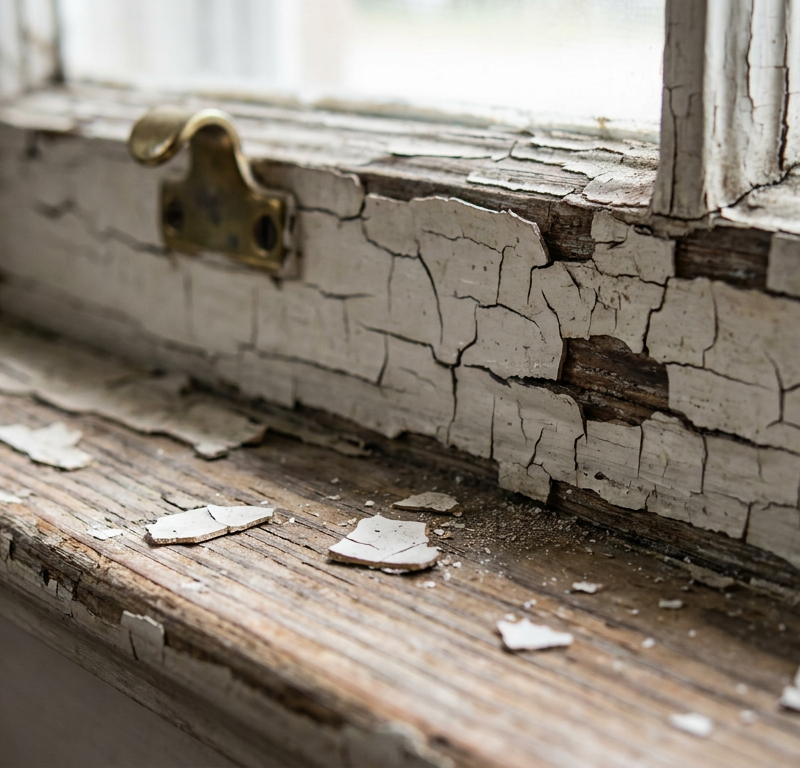
Stop right there and call a certified lead abatement pro if you run into any of the following. This isn’t everyday contractor work; it takes state or federal certification. Look for an "EPA Lead-Safe Certified Firm." DIY is off the table if the job involves large surface areas (more than 20 square feet interior or 20 sq ft exterior), widespread peeling or alligatoring paint, or if a child under six or a pregnant person lives in the house. Power sanders, grinders, and sandblasters on lead paint? That’s strictly pro territory. If you accidentally make a big dust mess, get out, seal the area off, and call somebody who knows how to clean it up and test it right. Don’t gamble with your family’s health.
Related Articles
Keep troubleshooting with these hand-picked guides from FixlyGuide:
- Worried About Lead Paint? How to Test for It and Stay Safe During DIY Repairs — If your home was built before 1978, you likely have lead paint. Here's how to test for it and what to do to keep your family safe during re…
- Paint Peeling in an Old House? Lead Dust Safety for DIY Repairs — If your home was built before 1978, repairs that disturb painted surfaces can create hazardous lead dust—here's how to test and work safely.
- The 1978 Homeowner's Mistake: How to Safely Handle Lead Paint — Many homes built before 1978 contain lead-based paint, posing serious health risks if disturbed during DIY projects.
- The One Mistake DIYers Make with Old Paint (It Could Cost You Your Health) — If your home was built before 1978, disturbing old paint during DIY projects can release dangerous lead dust. Learn how to protect your fam…
- The Silent Killer in Your Old Home: Why DIY Paint Jobs Can Poison You — If your home was built before 1978, disturbing old paint could release toxic lead dust, putting your family at risk during DIY projects.
- The Flickering Light Switch Fix Plumbers Don't Want You to Know (Because They Can't Help) — Don't live with flickering lights or a switch that feels loose. I'll walk you through diagnosing and replacing a faulty light switch safely…
What should this project cost?
Enter your project details for a realistic cost range before you call anyone.
Cost depends heavily on which system turns out to be the source.
- Regional adjustment
- National average
- Labor share (typical)
- ~$1,620
- Quotes to collect
- 3 written estimates
Educational estimate based on national averages — not a binding quote. Always confirm with written local estimates.
This article was independently written by FixlyGuide based on the source topic.
Frequently asked questions
How do I know for sure if I have lead paint?+
The only way to know for sure is to test. You can buy an EPA-recognized test kit, like the 3M LeadCheck swabs, at most hardware stores. For a more comprehensive analysis, you can send paint chips to a lab or hire a certified lead inspector.
Is it safe to just paint over lead paint?+
Yes, this is often the safest approach, a method called encapsulation. If the old paint is in good condition (not flaking or chipping), you can prime it with a special encapsulant primer and then topcoat with modern acrylic paint. This seals the lead paint safely behind a new, stable barrier.
What's the difference between a dust mask and a respirator?+
A basic paper dust mask will NOT protect you from lead dust. The particles are too small. You need a NIOSH-approved respirator with P100-rated cartridges. The 'P' means it's oil-proof and the '100' means it filters out 99.97% of airborne particles.
Can I use my household vacuum to clean up lead dust?+
No, absolutely not. A standard vacuum, even one with a 'HEPA-like' filter, will capture the larger particles but blow the most dangerous, microscopic lead dust right back into the air. You must use a true HEPA vacuum that seals tightly to prevent this.
My house was built in 1980. Am I totally in the clear?+
You are likely in the clear for any original paintwork. However, be mindful of any materials that might have been salvaged or brought in from older homes during past renovations, like a vintage door or antique trim. While the risk is low, it's never zero.
What are the first symptoms of lead poisoning in adults?+
In adults, early symptoms can be subtle and mistaken for other issues. They include fatigue, irritability, headaches, joint and muscle pain, high blood pressure, and difficulty concentrating or remembering things. If you've been renovating an older home and feel unwell, mention the possibility of lead exposure to your doctor.
Is lead paint dangerous to my pets?+
Yes, pets are also at risk for lead poisoning. They can inhale lead dust or ingest it by licking contaminated fur or surfaces. The symptoms can include vomiting, diarrhea, lethargy, and seizures. The same containment and cleanup procedures that protect people will also protect your pets.
How much does professional lead paint removal cost?+
Professional lead abatement is expensive due to the strict safety, containment, and disposal requirements. Costs can range from $8 to $17 per square foot, or more. A full-house abatement could easily cost $20,000 to $40,000+, which is why encapsulation is a much more common strategy.
Discussion
Loading comments…