- When you’re done, fold up the plastic carefully with the debris trapped inside, tape it shut, and put it in heavy-duty disposal bags. Double bag it. Don’t just toss it in the regular trash; check local rules for lead waste disposal.
- Wet wipe every surface — walls, floors, windowsills — with a heavy-duty cleaner like TSP (trisodium phosphate) or a lead-specific cleaning solution. Work top to bottom. No shortcuts.
- Use a HEPA-filtered vacuum cleaner. Your regular shop vac or household vacuum will just blow microscopic lead dust back into the air. HEPA is what catches the fine stuff.
Published September 17, 2026Last updated September 17, 2026
Tools & materials you'll need
Affiliate linksAs an Amazon Associate FixlyGuide earns from qualifying purchases — at no extra cost to you. Prices and availability are accurate as of publication and subject to change.
Quick Answer
Look, if your house went up before 1978, any paint on those walls, trim, or siding could be lead-based. The real problem isn’t just the paint sitting there. It’s the dust you make when you sand it, scrape it, drill it, or otherwise disturb it. That fine stuff gets airborne fast, and that’s how lead gets into your body. So if you’re doing any reno work, treat old paint like it means business: contain the dust, wear the right respirator, and clean up like you can’t afford to miss a speck — because, honestly, you can’t.
The Problem
I’ve seen this a hundred times. Homeowners get the itch to fix up an old house, start sanding trim or stripping a door, and they think they’re making progress. Meanwhile, they’re kicking up a silent hazard. Before 1978, lead was a common paint additive because it made the coating tougher and brighter. Handy for the manufacturer. Not so handy for the family living there.
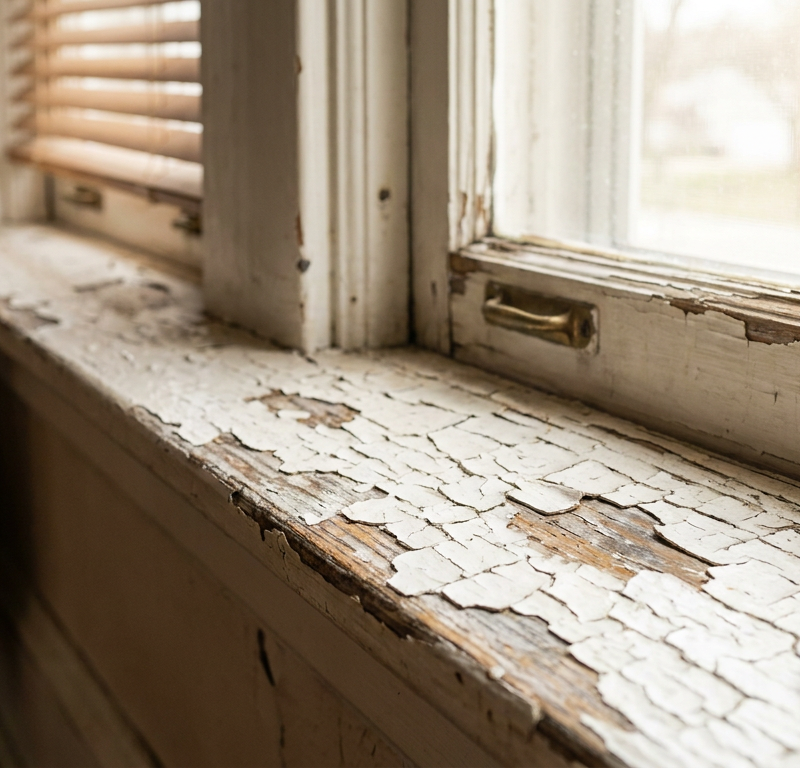
Once that paint starts chipping, cracking, or getting disturbed by a sander or hammer, it turns into microscopic particles. You can’t see ’em, but they’re there. They float around, settle on counters and toys, get tracked through the house, and end up in mouths and lungs. Kids are the big concern, sure, but adults aren’t off the hook either — lead exposure is tied to kidney damage, high blood pressure, and nervous system trouble. You don’t want that mess on your hands.
How It Works
Alright, here’s the short version of why old lead paint is such a headache. Lead acts like a sneaky heavy metal that your body mistakes for minerals it actually needs, like calcium. Once it’s in you, it hangs around in bones, blood, and soft tissue. Doesn’t just pass through and call it a day.
In paint, lead was used for pigment — hello, bright white — and for durability. The trouble starts when that coating ages. It gets chalky. It cracks. It flakes. Then you come along with a power sander or heat gun and, well, now you’ve made a lead dust machine. Wet scraping and wet sanding can cut down on what goes airborne, but you’re still left with contaminated sludge and debris that needs to be handled right.
Dry sanding? No dice. That’s how you make a cloud of fine dust that hangs in the air and settles everywhere. Even drilling one small hole can kick loose enough particles to contaminate a room. This isn’t the same as breathing sawdust from fresh lumber. This is microscopic poison your body can absorb. And once it’s in the house, that dust can stick around for years if nobody cleans it properly. I was in a bungalow in Frisco last month that had exactly this problem — the owners swore the room had been “cleaned,” but the lead dust was still hiding in the window track and under the baseboard.
Step-by-Step Safe Work Practices for Old Paint
1. Test Before You Touch — Don’t guess; know what you’re dealing with.
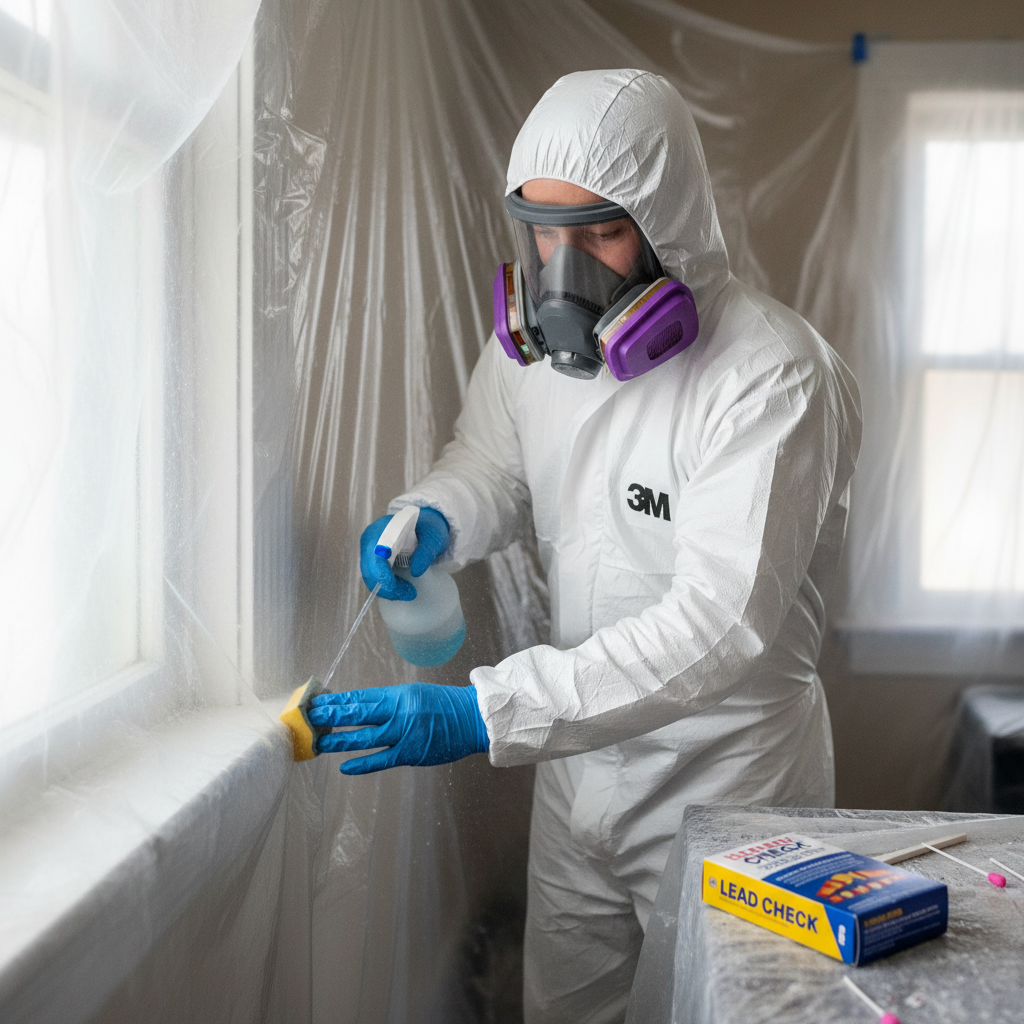
- Grab a reliable lead test kit from a big box store. Most are swab kits that change color if lead’s present. Good first check, but they’re still screening tools, not the final word. If you want the real answer, hire a certified lead inspector.
- Test a few spots, especially windowsills, doors, trim, and any area kids might chew on.
2. Isolate the Work Area — Seal it off like you mean it.
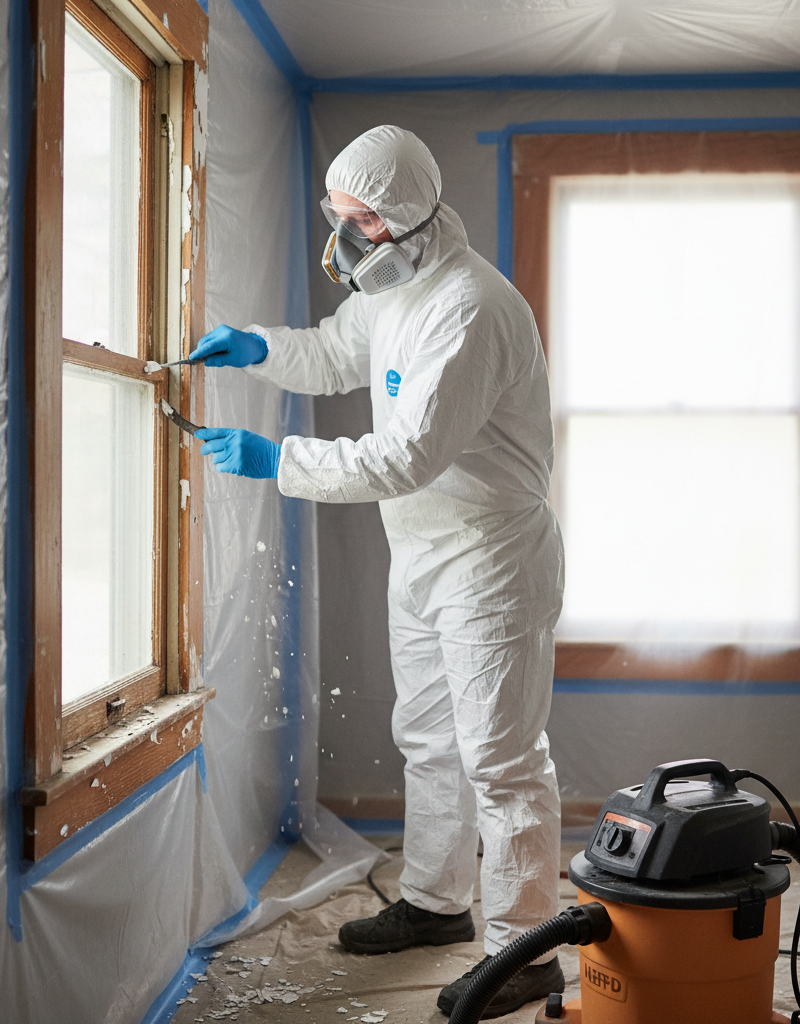
- Take out furniture, rugs, and decor if you can. If something has to stay, wrap it tight with 6-mil plastic sheeting and painter’s tape.
- Tape plastic over doors and open archways from floor to ceiling. Shut off forced-air heating and AC in the work zone so you’re not blowing dust all over the house. Cover vents too if you can.
3. Gear Up Right — Your lungs aren’t replaceable.
- You’ll want a respirator rated N100 or P100. Those paper dust masks? Forget it. They won’t stop lead dust. Get a half-face respirator with cartridges, and fit it right.
- Use disposable coveralls, shoe covers, gloves, and eye protection. Keep your street clothes out of the lead zone. That’s just asking for trouble.
4. Prepare for Wet Work — Keep the dust down.
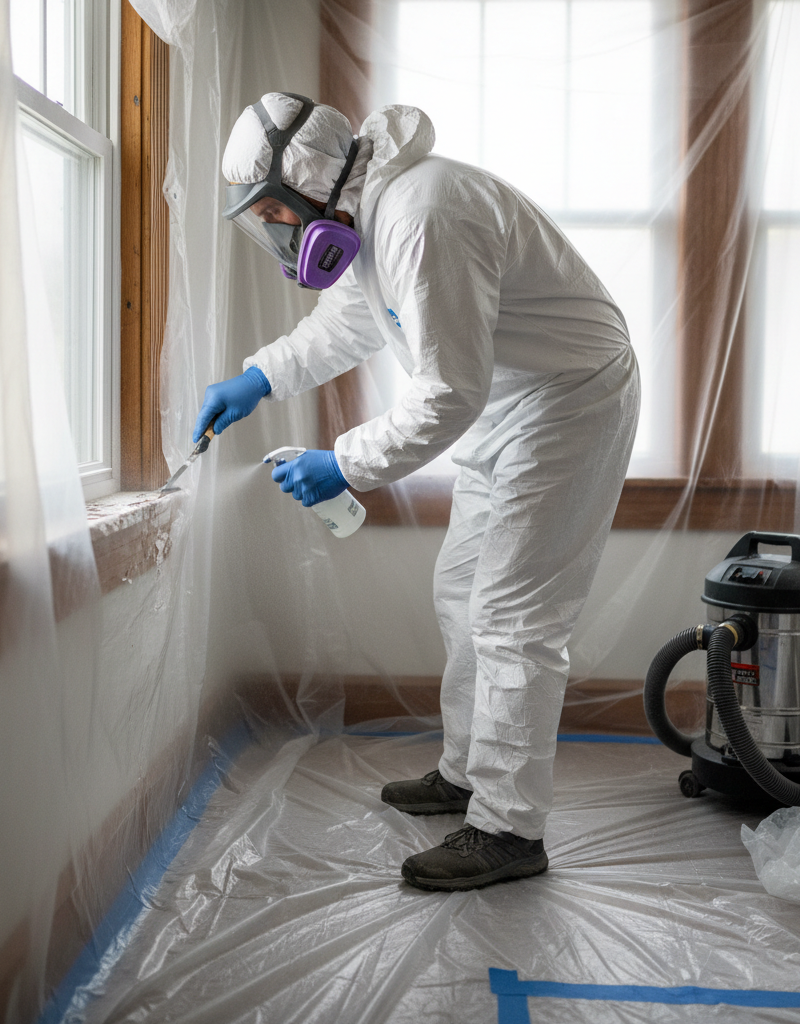
- Whenever you can, scrape or sand wet. Mist the surface lightly before you start so the dust doesn’t go airborne. Don’t use power sanders or heat guns on lead paint — that’s a fast way to make hazardous dust and fumes. For stripping, use chemical strippers made for lead paint, and follow the label like it’s gospel.
5. Contain the Debris — Chips matter.
- Put down thick plastic sheeting, at least 6-mil, directly under your work area and extend it a few feet past the edges. Tape it to the baseboards so it stays put. If you’re working outside, carry that protection outdoors too.
- Keep a spray bottle handy and mist dry debris before you sweep or pick it up. Don’t let it puff into the air.
6. Cleanup is Critical — This part’s not optional.
- When you’re done, fold up the plastic carefully with the debris trapped inside, tape it shut, and put it in heavy-duty disposal bags. Double bag it. Don’t just toss it in the regular trash; check local rules for lead waste disposal.
- Wet wipe every surface — walls, floors, windowsills — with a heavy-duty cleaner like TSP (trisodium phosphate) or a lead-specific cleaning solution. Work top to bottom. No shortcuts.
- Use a HEPA-filtered vacuum cleaner. Your regular shop vac or household vacuum will just blow microscopic lead dust back into the air. HEPA is what catches the fine stuff.
7. Final Wipe Down & Inspection — Don’t call it a day yet.
- After vacuuming and wet wiping, go back over everything with fresh wet rags. You’re trying to catch whatever got missed the first time.
- Look it over by eye. See dust? Then do the wet wipe and HEPA vacuum again. That’s not overkill. That’s doing it right.
8. Personal Decontamination — Don’t take it home with you.
- Before you leave the work area, strip off the disposable coveralls, shoe covers, and gloves, turning them inside out as you go so you trap the dust. Bag everything up with the rest of the lead waste.
- Wash your hands and face with soap and water right away. Shower and wash your hair as soon as you can after you’re out of the contaminated area.
Common Causes
- Ignorance: A lot of folks just don’t know lead paint’s a thing or how bad it can be. They see old paint, want to freshen it up, and hit it with a sander first. Bad move.
- Over-enthusiasm with power tools: Belt sanders, oscillating tools, angle grinders — all of ’em can chew through old paint and throw lead dust everywhere in seconds.
- Lack of containment: If you don’t seal off the work area, dust spreads through the whole house. Then it’s in carpets, furniture, and ductwork. Real mess.
- Improper cleanup: A standard vacuum just stirs the stuff up and sends it right back out. Sweeping with a broom isn’t much better.
- Skipping PPE: Thinking a cheap dust mask is enough, or skipping gloves and coveralls because “it’s just a small job.” That’s how lead gets into your body.
Common Mistakes
- Dry scraping or sanding: Probably the biggest blunder. You make airborne lead dust on the spot. Always wet the surface first.
- Using a heat gun: Heating lead paint can release toxic vapors and fumes. Don’t do it. Use chemical strippers if you need to, and follow all the safety steps.
- Not isolating the area: If dust escapes into other rooms, you’ve contaminated places kids and pets use every day. Seal doors and vents.
- Using a regular vacuum: Household vacs aren’t built for microscopic lead particles. They’ll just throw them back into the air. Get a HEPA vacuum.
- Eating or drinking in the work zone: Easy way to swallow lead. Step outside the contaminated area, remove your PPE, wash up first, then eat.
- Disposing of debris improperly: Tossing lead waste in the regular trash can create problems for sanitation crews and landfills. Check with local waste management.
Cost & Time Breakdown
| Task | DIY Cost ($) | Pro Cost ($) | Time (Hours) |
|---|---|---|---|
| Lead Test Kits | 15-30 | Included | 0.25 |
| PPE (Respirator, coveralls) | 50-150 | Included | - |
| Plastic Sheeting & Tape | 20-50 | Included | - |
| Wet Prep & Hand Scraping | 0-20 | 100-300+ | 4-8+ |
| HEPA Vacuum Rental / Purchase | 50-100 (rent) | Included | - |
| Specialized Cleanup | 30-80 | 200-500+ | 2-4+ |
| Professional Abatement | N/A | 1,000-10,000+ | 20-100+ |
Tips & Prevention
- Regular Cleaning: If you’ve got lead paint that’s still in decent shape, the best thing you can do is keep it clean. Wet-wipe windowsills, floors, and other surfaces now and then so dust and flakes don’t build up.
- Maintenance is Key: Keep an eye on painted surfaces in older homes. If you spot chipping, peeling, or cracking, deal with it right away using lead-safe methods. Don’t let it slide.
- Encapsulation: If the lead paint is intact, sometimes the smartest move is to encapsulate it. That means covering it with a special coating or new lead-free material like drywall or paneling. You’re not removing it, just locking it in.
- Protect Your Kids: Kids are the most vulnerable. Keep ’em away from deteriorating paint, make sure they wash their hands often, especially before eating, and if you’re doing any work, get them out of the house.
- Professional Testing: Think about hiring someone for lead testing, especially if you’ve got young children or you’re planning a big remodel. An inspection can tell you exactly where the trouble spots are.
- Know Your Local Regs: Lead paint abatement is regulated stuff. Before any major project, check with your local health department or EPA guidelines. There may be disposal or notification rules you’ve got to follow.
When to Call a Professional
Look, I’ve been at this a long time, and I’m not shy about saying when a job’s too big for DIY. If you’re dealing with large areas of badly damaged lead paint, exterior work where dust can drift into the yard, or you just don’t trust yourself to follow every safety step exactly, it’s time to bring in the pros. A certified lead abatement contractor’s got the training, equipment, and insurance to handle it safely and legally.
This isn’t a leaky faucet. This is toxic material that can cause permanent health damage. If kids live there or even visit often, don’t play around — get a licensed, lead-safe certified firm involved. They’ll contain it, remove it, and dispose of it without turning your whole house, or the neighbor’s yard, into a contamination problem.
Related Articles
Keep troubleshooting with these hand-picked guides from FixlyGuide:
- The Invisible Dust: Why Your Renovation Could Be Poisoning Your Family — Renovating a pre-1978 home? Disturbing old paint could release invisible lead dust, posing serious health risks if not handled correctly.
- The 1978 Homeowner's Mistake: How to Safely Handle Lead Paint — Many homes built before 1978 contain lead-based paint, posing serious health risks if disturbed during DIY projects.
- The Invisible Threat: 7 Critical Mistakes Homeowners Make with Old Paint — If your home was built before 1978, disturbing old paint can release invisible lead dust, posing serious health risks, especially to childr…
- The Invisible Dust: Why Your Renovation Could Be Poisoning Your Family — Renovating a pre-1978 home can unknowingly expose your family to lead dust. Learn how to identify, contain, and safely manage lead-based pa…
- The Invisible Dust: Why Your Renovation Could Be Poisoning Your Family — Renovating a pre-1978 home? Understand the silent danger of lead dust and how to protect your family from its invisible threat during DIY p…
- The 15-Minute Deadbolt Swap: Why Your Old Lock Is a Security Risk (And the Easy Fix) — Upgrade your home security in just 15 minutes by replacing an old or faulty deadbolt lock with a new, more secure model.
Estimate your own project cost
National averages are a starting point. Enter your details for a range that fits your house.
Interior paint estimator
- Paint$96
- Supplies (tape, rollers, drop cloth)$35
- Estimated total (DIY)$131
Hiring a pro? Add roughly $1.50–$4.00/sq ft for labor depending on prep work and trim detail.
Educational estimate only — always confirm with written local bids.
Questions to ask before you sign
Ask every contractor the same questions and the cheapest bid stops looking cheapest. Check them off as you go — your progress is saved on this device.
Free, no signup. Bring this to every walkthrough so you compare bids on the same terms.
What should this project cost?
Enter your project details for a realistic cost range before you call anyone.
Cost depends heavily on which system turns out to be the source.
- Regional adjustment
- National average
- Labor share (typical)
- ~$1,620
- Quotes to collect
- 3 written estimates
Educational estimate based on national averages — not a binding quote. Always confirm with written local estimates.
Check these numbers against your project
National averages are a starting point. These tools narrow it to your scope and ZIP.
Free, no signup required. Estimates are educational guidance, not a quote or an inspection.
This article was independently written by FixlyGuide based on the source topic.
Frequently asked questions
How do I know if my house has lead paint?+
If your home was built before 1978, assume painted surfaces might contain lead. You can use DIY lead test kits for a quick check, but for definitive results, hire a certified lead inspector to test specific areas or take paint chip samples.
Is intact lead paint dangerous?+
Intact lead paint that isn't peeling, chipping, or chalking usually isn't a direct hazard. The danger primarily arises when the paint is disturbed by sanding, scraping, drilling, or demolition, which creates lead-contaminated dust and chips that can be inhaled or ingested.
What's the most important safety equipment for lead paint work?+
A respirator rated N100 or P100 is crucial to protect your lungs from microscopic lead dust. Additionally, you need disposable coveralls, gloves, eye protection, and shoe covers to prevent lead dust from contaminating your clothes and tracking it through your home.
Can I use a regular vacuum cleaner for lead dust?+
No, absolutely not. Regular vacuum cleaners, even those with 'HEPA-like' filters, will simply blow microscopic lead dust particles back into the air. You need a true HEPA-filtered vacuum cleaner designed to capture hazardous particles.
What should I do if I accidentally disturb lead paint?+
Stop work immediately. Isolate the area, put on appropriate PPE, and begin cleanup using wet wiping methods and a HEPA vacuum. Thoroughly clean all surfaces, double-bag all debris, and decontaminate yourself before leaving the area. Consider professional testing afterward.
How do I dispose of lead-contaminated waste?+
Lead-contaminated debris (paint chips, dust, plastic sheeting, PPE) must be double-bagged in heavy-duty plastic and sealed. Check with your local hazardous waste facility or municipal sanitation department for specific disposal requirements in your area, as rules vary.
Is it better to remove lead paint or encapsulate it?+
If lead paint is in good condition, encapsulation (covering it with a new, non-lead material or special coating) is often the safest and most cost-effective option, as it avoids creating dust. Removal should only be attempted by professionals or by DIYers strictly following lead-safe practices.
What are the long-term health effects of lead exposure?+
In children, lead exposure can cause developmental delays, learning difficulties, and behavioral problems. In adults, it can lead to high blood pressure, kidney damage, reproductive issues, and neurological problems. The effects can be permanent and cumulative.
How long does lead dust remain a hazard in a home?+
Lead dust can remain a hazard in a home for many years if not properly cleaned. It settles on surfaces and can be easily re-suspended into the air by everyday activities like walking, dusting, or using a non-HEPA vacuum, posing a continuous risk.
Can lead paint be found outside my home?+
Yes, lead paint was commonly used on exterior surfaces like siding, porches, windows, and fences. Exterior lead paint can chip and flake, contaminating the soil around your home, which is especially dangerous for children who play outside.
Discussion
Loading comments…