- Purchase a new outlet: Ensure it matches the amperage rating of your circuit (usually 15A or 20A) and is a standard 120V duplex receptacle. If you're near water, opt for a GFCI outlet.
- Carefully disconnect the old outlet by loosening the terminal screws and removing the wires.
- Gently push the new outlet back into the electrical box, securing it with the mounting screws.
- Safety Note: Double-check your connections. A miswired outlet can be dangerous or prevent it from working.
Electrical · Breaker keeps tripping
| Project category | Electrical |
|---|---|
| Problem type | Breaker keeps tripping |
| Trade required | Electrical |
| Urgency | Urgent — within days |
| Safety risk | High safety risk |
| DIY suitability | Pro recommended |
| Cost category | Low cost |
| Typical timeline | Diagnosis in a single visit |
| Contractor type | Licensed electrician |
Repair option
Isolate the load, then repair the fault or replace the breaker.
Replacement option
New dedicated circuit when the load simply exceeds what the circuit was built for.
Common causes
- Genuine overload on a shared circuit
- Ground fault from moisture in an exterior box
- Failing breaker or a damaged appliance cord
Relevant tools:diy or hire a prodiy difficulty
Published May 15, 2026Last updated August 17, 2026
Tools & materials you'll need
Affiliate links- AmazonNew standard duplex outlet (15A or 20A)1 · if replacement is needed
As an Amazon Associate FixlyGuide earns from qualifying purchases — at no extra cost to you. Prices and availability are accurate as of publication and subject to change.
Quick Answer
If an electrical outlet stops working but the associated circuit breaker is still in the 'on' position, the most common culprits are a tripped GFCI (Ground Fault Circuit Interrupter) outlet located upstream, a loose wire connection within the outlet or an electrical box, or a damaged outlet receptacle itself. Less frequently, it could indicate an open circuit somewhere in the wiring, a failing circuit breaker (though visually 'on'), or a tripped internal breaker on an appliance. By systematically checking GFCI outlets and testing the dead outlet, you can often diagnose and resolve the issue without needing to flip the main breaker.
The Problem
You plug in your phone charger, a lamp, or perhaps a vacuum cleaner, and... nothing. The outlet is completely dead. Annoyingly, you check your electrical panel, and the breaker for that circuit is clearly in the 'on' position, showing no signs of having tripped. This common household electrical mystery can be confusing and frustrating, leaving many homeowners wondering why their power isn't flowing despite all apparent indications pointing to a healthy circuit. This isn't just an inconvenience; a dead outlet can disrupt daily routines and, depending on what's plugged into it, can sometimes be a symptom of an underlying wiring issue that's worth investigating.
The absence of power when the breaker is on suggests the problem isn't a simple overload that's flipped the circuit. Instead, it points to a more localized break in the electrical path, either at the outlet itself, further back in the circuit, or a safety device designed to cut power under specific conditions. Understanding the potential causes and having a systematic way to troubleshoot the issue can save you time, money, and the headache of a dark corner in your home.
How It Works
To understand why an outlet might be dead even when the breaker is on, it helps to grasp the basic flow of electricity in a typical residential circuit. Electricity from your utility company enters your home through the main service panel, where it's distributed to various circuits. Each circuit is protected by a circuit breaker, which acts as a safety switch, automatically cutting off power if the circuit is overloaded or a short circuit occurs. When a breaker trips, it moves to an 'off' or an intermediate position, breaking the circuit.
From the breaker, a 'hot' wire (typically black or red) carries electricity to the outlets and fixtures on that circuit. A 'neutral' wire (typically white) completes the circuit, carrying electricity back to the service panel. A 'ground' wire (typically bare copper or green) provides an essential safety path, diverting electricity safely into the earth in case of a fault. Outlets are wired in parallel, meaning each outlet receives the full circuit voltage independently, but a break in the hot wire at one point can disable all subsequent outlets downstream.
GFCI (Ground Fault Circuit Interrupter) outlets add another layer of safety, primarily in areas near water sources like kitchens, bathrooms, and outdoors. A GFCI monitors the current flowing in the hot and neutral wires. If it detects even a tiny imbalance (indicating electricity is escaping the circuit, possibly through a person), it trips almost instantly, cutting power to itself and any other outlets wired 'downstream' from it on the same circuit. Unlike standard breakers, a tripped GFCI's button pops out, and it must be manually reset directly on the outlet itself, even if the main breaker is still on. This is a critical distinction and often the overlooked cause of a dead outlet when the breaker seems fine.
Step-by-Step Fix
1. Check for a Tripped GFCI Outlet — Locate and reset any GFCI outlets on the circuit.
Many homeowners overlook the fact that a single GFCI outlet can control several standard outlets downstream from it. If a GFCI trips, it cuts power to everything connected after it on the same circuit, even if those are regular outlets.
- Action: Look for outlets with small 'Test' and 'Reset' buttons in bathrooms, kitchens, garages, basements, or outdoor locations. Press the 'Reset' button firmly. You might hear a small click. If it doesn't reset or trips immediately again, there's likely an electrical fault that needs further investigation.
- If this doesn't work: Move to the next troubleshooting step. The GFCI itself might be faulty if it won't reset at all.
2. Test Other Outlets and Lights on the Same Circuit — Is it just one outlet, or a whole section?
This helps narrow down the problem. If multiple outlets or lights are dead, the issue is more systemic, pointing towards the breaker, a loose connection further upstream, or a tripped GFCI you haven't found yet. If only one outlet is dead, the problem is likely localized to that specific receptacle or its immediate wiring.
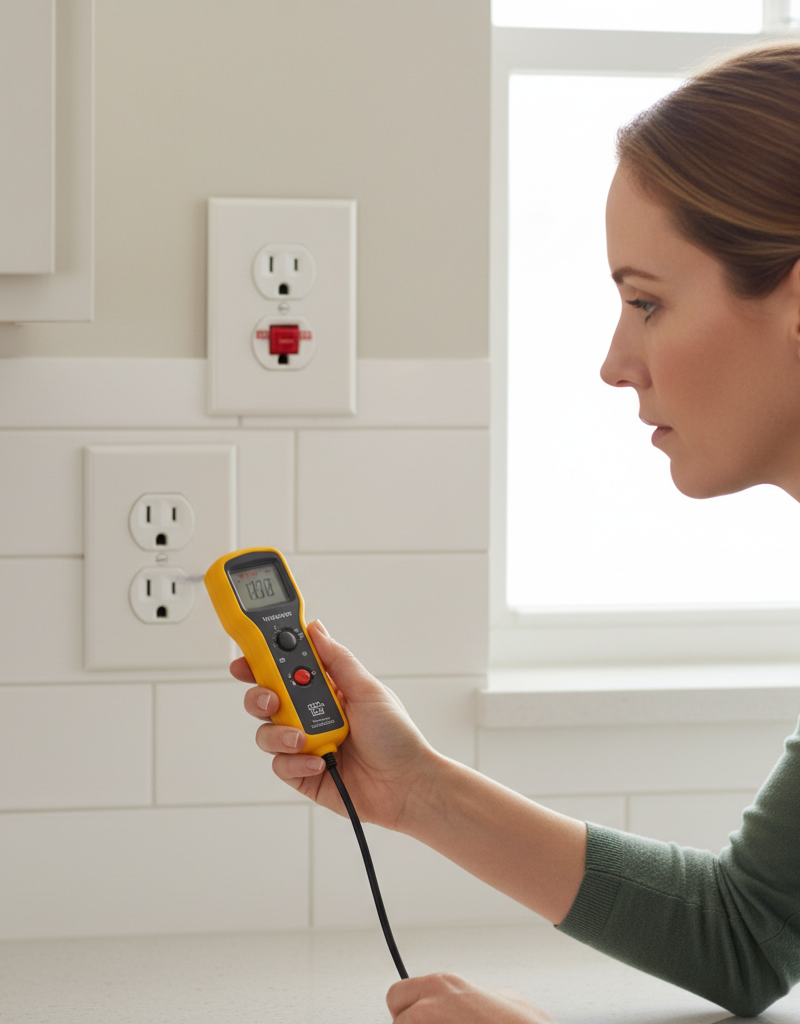
- Action: Plug a working lamp or a voltage tester into other outlets in the same room or general area. Turn on any light fixtures connected to the same breaker.
- If only one outlet is dead: The problem is likely with that specific outlet.
- If multiple outlets/lights are dead: Re-check all GFCI outlets in the house, particularly in utility areas. If none are tripped, the issue might be a loose wire connection at the first working outlet on the circuit, or a more complex wiring break that might require professional help.
3. Inspect the Breaker (Even if it Looks On) — Sometimes, a breaker trips silently.
Occasionally, a circuit breaker can trip without fully moving to the 'off' position. It might look 'on' but actually be in a nuanced tripped state, often slightly out of alignment with the other breakers.
- Action: Go to your electrical panel. Firmly push the suspicious breaker all the way to the 'off' position, then push it firmly back to the 'on' position. Listen for a solid click. This fully resets the breaker.
- Safety Note: Always use caution when working near an electrical panel. If you are unsure, do not touch the breakers and call a professional.
4. Test the Dead Outlet for Power — Confirm no voltage before proceeding.
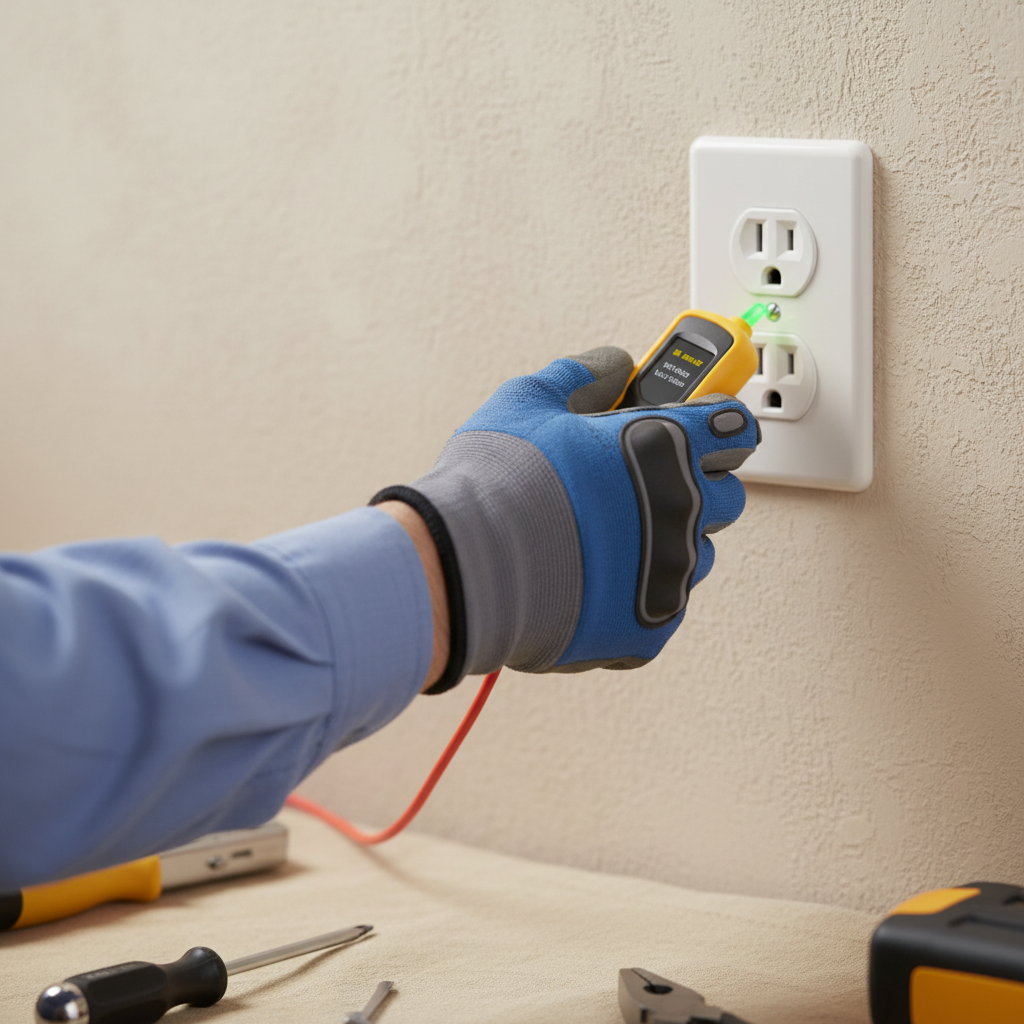
Before doing any work on the outlet, it's crucial to confirm it's actually dead and not just appearing so. A non-contact voltage tester offers a safe initial check.
- Action: Use a non-contact voltage tester by holding it near the outlet slots. If it lights up or beeps, there's still power. For a more definitive test, use a multimeter or a receptacle tester. A receptacle tester (the three-pronged plug-in type) can instantly tell you if the outlet has power and whether it's wired correctly. If no lights illuminate on the receptacle tester, the outlet truly is dead.
- Tools: Non-contact voltage tester, receptacle tester, or multimeter.
- Safety Note: Always assume wires are live until you have positively confirmed otherwise with a reliable testing tool. Never touch bare wires with your hands.
5. Turn Off Power to the Circuit — Crucial safety step.
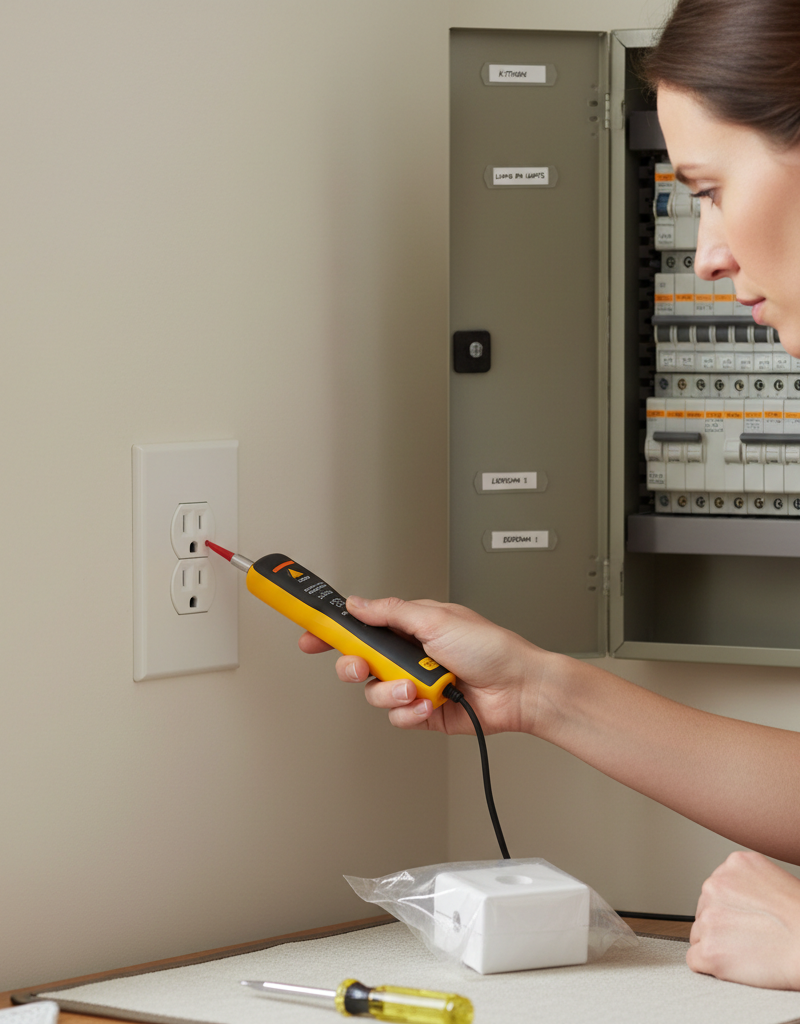
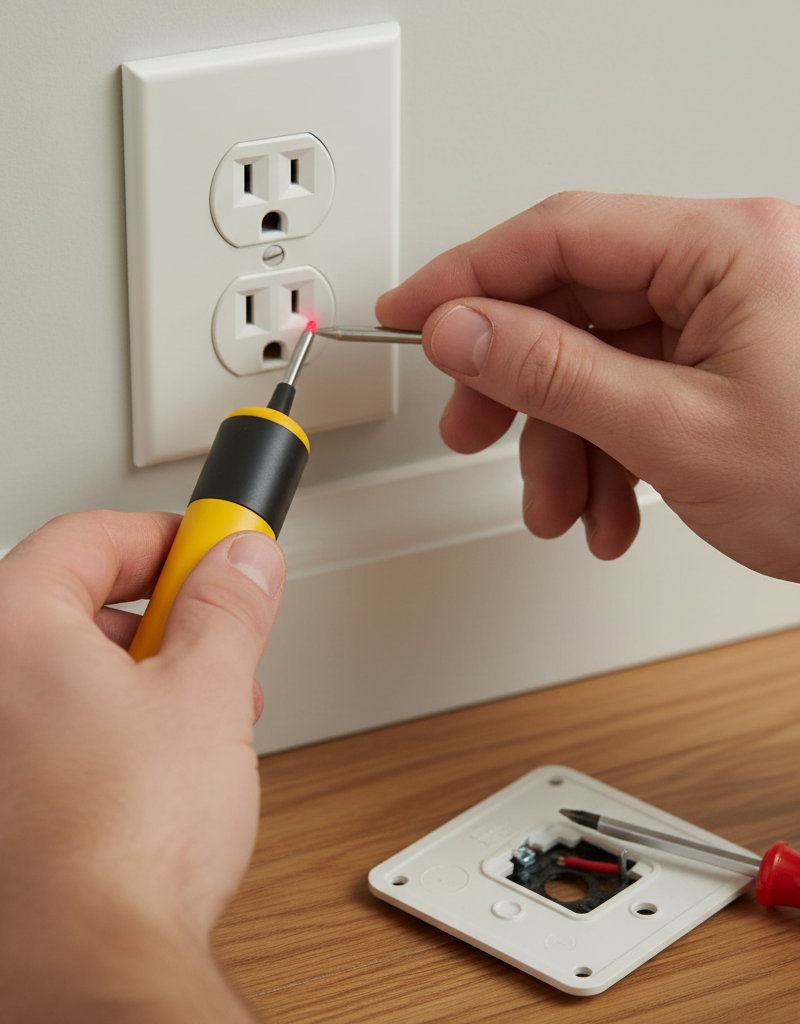
- Action: Go to your electrical panel and switch off the circuit breaker that controls the dead outlet. Verify the power is off using your voltage tester at the dead outlet before proceeding.
- Safety First: Don't skip this. Accidental electrocution can be fatal.
6. Remove the Outlet Cover Plate — Prepare for inspection.
- Action: Use a screwdriver to remove the screw(s) holding the cover plate in place, then gently pull the cover plate off.
7. Visually Inspect the Outlet Receptacle — Look for visible damage.
- Action: Carefully pull the outlet from the electrical box. Inspect the front and back of the outlet. Look for signs of burning, scorching, melted plastic, or loose wires. A burnt smell is also a strong indicator of a problem. Sometimes, the internal mechanism of the outlet simply fails.
- If you see damage: The outlet itself is likely faulty and needs replacement. Proceed to Step 9.
- If no damage is visible: Move to Step 8 to check wire connections.
8. Check for Loose Wire Connections — A common culprit.
Loose wires are a leading cause of intermittent or dead outlets. This can happen over time due to vibration, improper installation, or changes in temperature.
- Action: With the power still off, gently tug on each wire connected to the outlet (black, white, and green/bare copper). Ensure they are firmly secured under their respective terminal screws or pushed fully into the back-stab connections. If the outlet uses back-stab connections (wires pushed into small holes on the back), consider switching to the more reliable side screws. If any wire feels loose, tighten the screw or remove and correctly re-insert the wire into a screw terminal.
- Safety Tip: If you're unfamiliar with wiring, take a photo of the current connections before disconnecting anything, so you have a reference.
9. Replace the Faulty Outlet (If Necessary) — When diagnosis points to the receptacle.
If you found damage, loose connections that didn't resolve the issue, or if the outlet simply doesn't respond after previous steps, replacement is the next logical step.
- Action:
- Purchase a new outlet: Ensure it matches the amperage rating of your circuit (usually 15A or 20A) and is a standard 120V duplex receptacle. If you're near water, opt for a GFCI outlet.
- Carefully disconnect the old outlet by loosening the terminal screws and removing the wires.
- Connect the wires to the new outlet: Black (hot) wires to the brass-colored screws; white (neutral) wires to the silver-colored screws; the green or bare copper (ground) wire to the green screw terminal. Ensure all connections are tight and secure.
- Gently push the new outlet back into the electrical box, securing it with the mounting screws.
- Replace the cover plate.
- Safety Note: Double-check your connections. A miswired outlet can be dangerous or prevent it from working.
10. Restore Power and Test — The moment of truth.
- Action: Return to your electrical panel and flip the breaker back to the 'on' position. Use your receptacle tester or a known working device to test the newly installed or repaired outlet.
- If it works: Congratulations! You've successfully fixed your dead outlet.
- If it still doesn't work: The problem is likely further upstream in the circuit, potentially a broken wire within the wall, an issue with the circuit breaker, or a larger fault that requires professional diagnosis.
Common Causes
- Tripped GFCI Outlet: By far the most common reason for a seemingly dead outlet when the breaker is on. A GFCI trips to prevent shock and must be manually reset.
- Loose Wire Connections: Over time, wire connections at the outlet, switch, or even a junction box can loosen due to fluctuating temperatures, vibrations, or improper initial installation. This breaks the electrical path.
- Damaged Outlet Receptacle: The internal components of an outlet can wear out, burn, or break, especially with frequent use, plugging in high-draw appliances, or physical impact.
- Open Circuit: A break in the hot wire somewhere along the circuit path, often behind walls in splices or due to physical damage to the wire itself. This requires more involved diagnostic work.
- Overloaded Downstream Outlets/Devices: While the main breaker may not trip, an excessive load on a GFCI-protected portion of the circuit can cause the GFCI to trip.
- Faulty Circuit Breaker: Although rare, a circuit breaker can sometimes fail internally even if the toggle switch appears to be in the 'on' position, preventing power from flowing.
Common Mistakes
- Not Checking All GFCIs: Many homeowners only check obvious GFCI locations (bathrooms, kitchens) and miss one in the garage, basement, or outside that controls the dead outlet. Check every GFCI.
- Assuming the Breaker is Fully On: A breaker appearing 'on' doesn't always mean it is. Always push it fully 'off' then 'on' to ensure it's truly reset.
- Skipping the Voltage Test: Never assume power is off just because you've flipped the breaker. Always use a voltage tester to verify the circuit is dead before touching any wiring.
- Ignoring Loose Connections: Many DIYers jump straight to replacing an outlet when a simple tightening of a screw terminal would have fixed the issue. Loose wires are a surprisingly frequent cause.
- Using Back-Stab Connections: While convenient for installation, these are less secure than screw terminals and are prone to loosening over time, leading to intermittent or dead outlets. Always opt for screw terminals when wiring.
- Not Matching Amperage Ratings: Replacing a 15-amp outlet with a 20-amp outlet (or vice-versa) unnecessarily introduces risk or makes the circuit less safe and could cause problems. Always match the amperage.
Cost & Time Breakdown
| Task | DIY Cost | Pro Cost | Time |
|---|---|---|---|
| Diagnose GFCI / Breaker | $0 | $75–$150 | 5–15 min |
| Replace Standard Outlet | $5–$20 | $100–$250 | 20–30 min |
| Replace GFCI Outlet | $15–$35 | $120–$300 | 25–40 min |
| Diagnose Loose Wiring | $0 | $75–$150 | 15–45 min |
| Advanced Troubleshooting | $0 | $150–$400+ | 1–2 hours+ |
Tips & Prevention
- Regular GFCI Testing: Test all your GFCI outlets monthly by pressing the 'Test' button, which should trip the outlet (cutting power). Then press 'Reset' to restore power. If it doesn't trip, the GFCI is faulty and needs replacement.
- Tighten Connections During Renovations: Whenever you have an outlet or switch out during painting or other renovations, take a moment to gently tighten the wire terminals. This simple step can prevent loosening over time.
- Avoid Overloading Outlets: While circuit breakers prevent major overloads, consistently drawing high power from a single outlet (e.g., multiple high-wattage appliances on an extension cord) can stress the outlet and its wiring over time.
- Use Screw Terminals: When installing new outlets or replacing old ones, always use the screw terminals on the side of the outlet rather than the 'back-stab' holes. Screw terminals provide a much more secure and reliable connection.
- Inspect for Wear: During routine cleaning, inspect exposed outlets for cracks, discoloration, or loose-fitting plugs. Replace any damaged outlets promptly.
- Label Your Electrical Panel: Clearly label each circuit breaker in your electrical panel so you can quickly identify which circuit powers which rooms or outlets. This speeds up troubleshooting immensely.
When to Call a Professional
While many dead outlet issues can be resolved with basic DIY troubleshooting, there are clear indicators when it's time to call a licensed electrician. If you've systematically followed all the steps above and the outlet remains dead, or if multiple outlets suddenly stop working for no apparent reason, a professional is needed. You should also call an electrician immediately if you observe any burning smells, scorch marks around outlets or the electrical panel, hear buzzing or popping sounds from outlets or the panel, or if breakers are tripping frequently without an obvious cause. If your non-contact voltage tester indicates power is present even after flipping the breaker, or if you suspect a broken wire inside a wall, these situations require expert diagnostic tools and skills to safely locate and repair the issue without damaging your home or risking personal injury. Dealing with complex electrical faults is best left to those with proper training and equipment to ensure safety and code compliance.
Related Articles
Keep troubleshooting with these hand-picked guides from FixlyGuide:
- Why Your Outlet Died (Even If the Breaker's ON): The Hidden Causes Everyone Misses — Discover the surprising reasons why an electrical outlet might stop working even when the circuit breaker appears to be on, and learn how t…
- The 7 Head-Scratching Reasons Your Outlet Died (Even With The Breaker On) — Discover the surprising reasons why an electrical outlet might stop working even when its circuit breaker is fully engaged, and how to safe…
- Why Your Outlet Died But the Breaker's STILL On (The GFCI Culprit) — Discover the hidden reasons an electrical outlet stops working, even when the circuit breaker remains on, often pointing to a tripped GFCI.
- The Secret Reason Half Your Wall Outlet Dies (And It's Not What You Think) — Discover why only half of your electrical outlet might be working and how to diagnose and fix the common culprit, saving you from a costly…
- Why Does Only One Outlet Have No Power (When the Breaker Is On)? — Discover the surprisingly common reasons a single electrical outlet stops working while its circuit breaker remains on, and learn how to sa…
- The Hidden Reason Your GFCI Trips (It's Not Always a Faulty Outlet) — A continuously tripping GFCI outlet is a critical safety warning, often indicating moisture, a faulty appliance, or a wiring problem that r…
What should this project cost?
Enter your project details for a realistic cost range before you call anyone.
Outlet and switch work usually $150–$400; panel upgrades commonly $1,800–$4,200.
- Regional adjustment
- National average
- Labor share (typical)
- ~$709
- Quotes to collect
- 3 written estimates
Educational estimate based on national averages — not a binding quote. Always confirm with written local estimates.
Fixly Project Decision Box
- DIY difficulty
- Professional Recommended
- Estimated time
- Diagnosis 1–2 hours
- Cost level
- Moderate
Main tools / materials
- Non-contact voltage tester
- Outlet tester
- Flashlight
When to stop and call a pro
- Burning smell, scorch marks, or a warm outlet or switch plate
- A breaker that trips again right after being reset
- Any work inside the service panel
- Aluminum wiring or cloth-insulated wiring
Need professional help?
Talk to a Licensed ElectricianFrequently asked questions
What causes an outlet to stop working when the breaker is on?+
The most common reasons are a tripped GFCI (Ground Fault Circuit Interrupter) outlet upstream, loose wire connections within the outlet or electrical box, or a damaged outlet receptacle itself. Sometimes, a circuit breaker can be subtly tripped even if it appears 'on'.
How do I reset an outlet that isn't working?+
First, check for any GFCI outlets (with 'Test' and 'Reset' buttons) in kitchens, bathrooms, garages, or outdoors on the same circuit and press 'Reset.' If that doesn't work, go to your electrical panel, firmly flip the corresponding breaker to 'off,' then back to 'on' to ensure it's fully reset.
Can a bad outlet cause other outlets to stop working?+
Yes, if an outlet has a loose 'hot' wire connection, it can interrupt the electrical flow to other outlets wired 'downstream' from it on the same circuit. Also, a tripped GFCI outlet will cut power to all standard outlets connected after it.
When should I call an electrician for a dead outlet?+
You should call an electrician if you've tried troubleshooting all common issues (GFCIs, breaker reset, checking for loose wires) and the outlet remains dead. Also call if you smell burning, see scorch marks, hear buzzing, or if multiple seemingly unrelated outlets are dead, as this can indicate a more serious underlying wiring problem.
Discussion
Loading comments…