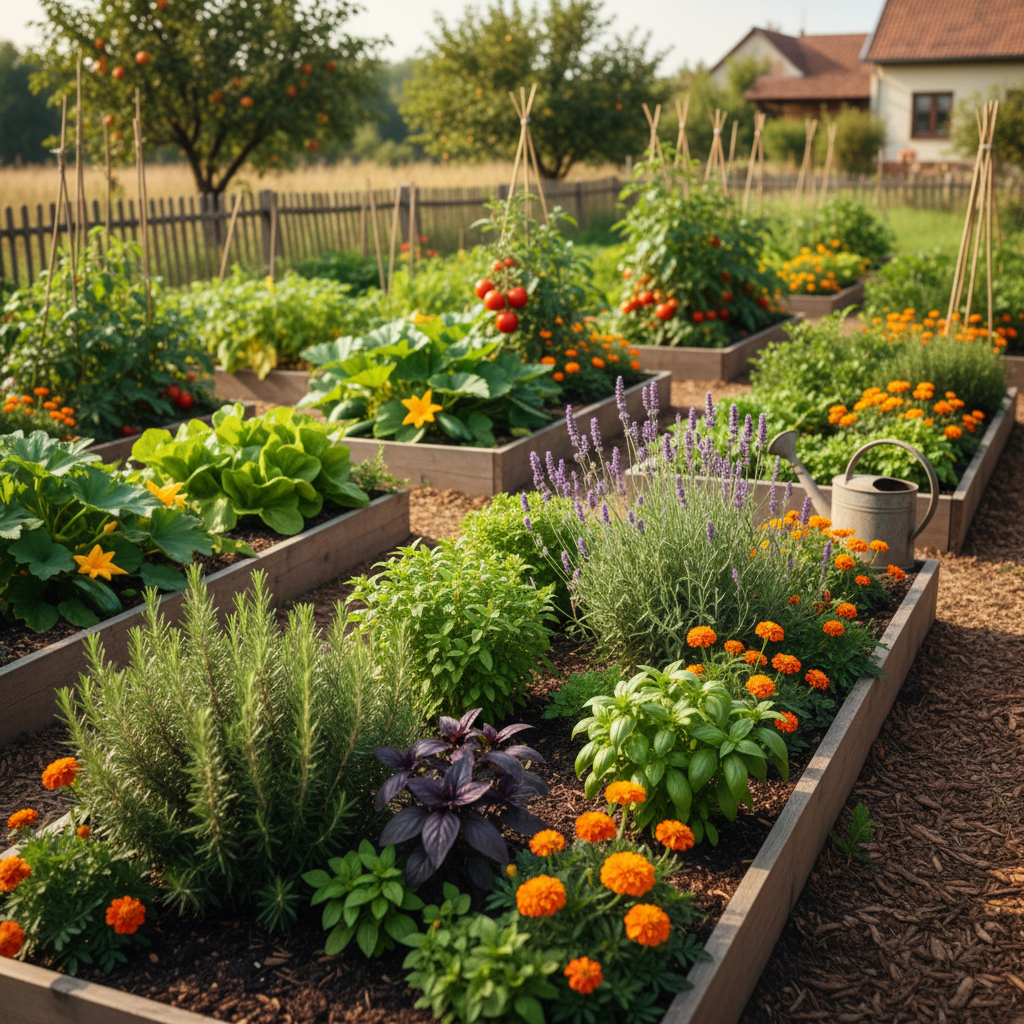
- Aphids: Chives, cilantro, nasturtium (as a trap crop), mint (though plant in a container as it spreads aggressively).
- Slugs/Snails: Borage, rosemary, lavender, mint (again, in containers).
- Mosquitoes: Citronella grass, lemon balm, catnip, basil, lavender.
- Whiteflies: Marigolds (strong varieties), nasturtiums.
- Cabbage Worms/Moths: Rosemary, thyme, sage, mint.
Kitchen · Kitchen remodel
| Project category | Kitchen |
|---|---|
| Problem type | Kitchen remodel |
| Trade required | General contracting |
| Urgency | Planned project |
| Safety risk | Low safety risk |
| DIY suitability | Pro recommended |
| Cost category | Major investment |
| Typical timeline | Design and cabinet lead time 8–16 weeks; build 4–8 weeks |
| Contractor type | Kitchen remodeler or general contractor |
Repair option
Refacing, new counters, or hardware for a fraction of a gut remodel.
Replacement option
Full remodel when layout, plumbing, or electrical needs to change.
Common causes
- Dated layout
- Failing cabinets or counters
- Adding function or resale value
Relevant tools:project cost estimatorcompare quoteshome improvement material prices
Published July 18, 2026Last updated August 17, 2026
Tools & materials you'll need
Affiliate linksAs an Amazon Associate FixlyGuide earns from qualifying purchases — at no extra cost to you. Prices and availability are accurate as of publication and subject to change.
Quick Answer
Integrating specific herbs into your landscaping creates a natural defense against common garden pests like aphids, slugs, and mosquitoes. These herbs emit strong scents or contain compounds that pests find repellent, reducing the need for chemical pesticides while simultaneously providing fresh ingredients for cooking, enhancing your home's aesthetics, and often requiring minimal maintenance once established.
The Problem
Homeowners often face a recurring battle against garden pests – aphids sucking the life from rose bushes, slugs munching on tender hosta leaves, and mosquitoes turning evenings into itchy ordeals. The conventional response often involves a trip to the garden center for chemical sprays, which can be costly, require repeated applications, and raise concerns about runoff, impacts on beneficial insects, and safety around children and pets. The desire for a beautiful, productive garden often clashes with the reality of persistent pest issues, leading to frustration and the environmental burden of chemical intervention. Many gardeners overlook a simple, elegant solution that's been used for centuries: companion planting with herbs.
How It Works
Herbs possess a surprising array of natural defenses that make them ideal companions in any garden. Their effectiveness against pests stems primarily from two mechanisms: their aromatic compounds and their physical properties. Most culinary herbs, such as rosemary, mint, and lavender, are rich in volatile essential oils. These oils, responsible for their distinctive fragrances, are a powerful deterrent to many insects. For example, rosemary contains compounds like camphor and 1,8-cineole that confuse and repel pests like cabbage moths and carrot rust flies by masking the scent of their target plants. Citronella, famously found in citronella grass and some geraniums, is a well-known mosquito repellent.
Beyond scent, some herbs offer physical barriers or even act as trap crops. Borage, for instance, has hairy leaves that can deter slugs and snails, while its vibrant blue flowers attract beneficial pollinators. Nasturtiums, with their peppery leaves, are a classic 'trap crop' for aphids; these pests will often congregate on nasturtium leaves, leaving other more valuable plants untouched, allowing for easy removal or targeted treatment. Similarly, some herbs contain compounds that are unpalatable or mildly toxic to certain insects when ingested. The roots of marigolds, while not technically herbs but often used for similar purposes, release thiophenes into the soil that can suppress harmful nematodes. This multi-faceted approach – repellent scents, physical deterrents, and even sacrificial planting – creates a natural, integrated pest management system that reduces reliance on synthetic chemicals, fosters a healthier garden ecosystem, and adds beauty and flavor to your home.
Step-by-Step Fix
1. Assess Your Pest Problem – _Identify your primary adversaries before choosing your herbal allies.
Walk through your garden and note which pests are causing the most damage. Are aphids a perennial problem on your vegetables? Do slugs decimate your leafy greens? Are mosquitoes making your patio unbearable? This initial assessment will guide your herb selection. For example, if mosquitoes are a main concern, focus on citronella-scented herbs. If cabbage worms are attacking your brassicas, rosemary or thyme might be better choices.
2. Research Herb-Pest Pairings – _Match the right herb to the right pest for maximum effectiveness.
Once you know your target pests, research which herbs are most effective against them. A quick search will reveal established companion planting guides. Some common pairings include:
- Aphids: Chives, cilantro, nasturtium (as a trap crop), mint (though plant in a container as it spreads aggressively).
- Slugs/Snails: Borage, rosemary, lavender, mint (again, in containers).
- Mosquitoes: Citronella grass, lemon balm, catnip, basil, lavender.
- Whiteflies: Marigolds (strong varieties), nasturtiums.
- Cabbage Worms/Moths: Rosemary, thyme, sage, mint.
3. Select Healthy Plants or Seeds – _Start with vigorous specimens for faster results.
Visit your local nursery or seed supplier and choose healthy herb plants or high-quality seeds. Look for plants with vibrant green leaves, no signs of disease or pest damage, and a strong root system. If buying seeds, check the germinating rate and expiration date.
4. Choose Strategic Planting Locations – _Placement is key to deterring pests effectively.
Don't just randomly place herbs. Consider where the pests are most prevalent. Plant basil near tomatoes to deter tomato hornworms. Place rosemary adjacent to cabbage and broccoli plants. Create a border of lavender or lemon balm around your patio seating area to ward off mosquitoes. For herbs that spread aggressively, like mint, plant them in pots or containers deeply sunk into the ground to prevent them from taking over your garden beds.
- Safety Note: Always consider the mature size of the herb and ensure it won't overshadow or compete too much with the plants you're trying to protect.
5. Prepare the Soil – _Provide the right foundation for robust herb growth.
Most herbs prefer well-draining soil and ample sunlight (at least 6 hours direct sun per day), though some, like mint and parsley, can tolerate partial shade. Amend heavy clay soils with compost or sand to improve drainage. For container planting, use a good quality potting mix specifically formulated for herbs or vegetables.
6. Plant Your Chosen Herbs – _Follow proper planting techniques for successful establishment.
Dign a hole slightly larger than the root ball of your herb plant. Gently remove the plant from its container, loosen any circling roots, and place it in the hole so that the top of the root ball is level with the surrounding soil. Backfill with soil, gently firming it around the base of the plant. Water thoroughly after planting to settle the soil.
- If planting from seed: Follow the specific instructions on the seed packet regarding planting depth and spacing. Keep the soil consistently moist until germination.
7. Water and Weeding – _Consistent care in the early stages helps herbs thrive.
Water your newly planted herbs regularly, especially during dry spells, until they are established. Most herbs prefer the soil to dry out slightly between waterings once mature. Keep the area around your herbs free of weeds, as weeds compete for water and nutrients and can harbor pests themselves.
8. Harvest and Maintain – _Regular harvesting promotes bushier growth and releases more deterrent oils.
Regularly harvest your herbs. This not only provides you with fresh ingredients but also encourages the plant to produce more foliage, which means more aromatic oils and a stronger pest-repelling presence. Prune any dead or yellowing leaves. Some herbs, like basil, benefit from pinching back flower buds to encourage leaf production. Others, like lavender, can be trimmed back after flowering to maintain shape.
Common Causes
- Lack of Biodiversity: Monoculture gardens (planting large areas with only one type of plant) are highly susceptible to widespread pest infestations because there are no natural deterrents or diverse host plants to confuse pests. Pests can easily find their target and multiply rapidly.
- Poor Soil Health: Weak, stressed plants are more vulnerable to pest attacks. Soil lacking in organic matter, essential nutrients, or proper drainage can lead to unhealthy plants that attract pests.
- Overwatering/Underwatering: Incorrect watering practices stress plants, making them weaker and more attractive to pests. Overwatering can lead to root rot, while underwatering causes wilting and nutrient uptake issues.
- Chemical Pesticide Reliance: Overuse of broad-spectrum chemical pesticides often kills beneficial insects (like ladybugs and parasitic wasps) alongside the target pests, leading to a rebound effect where pest populations explode without their natural predators.
- Ignoring Companion Planting Principles: Not understanding or utilizing the natural synergies between different plants means missing out on a powerful, organic pest control strategy.
- Introduction of Pests: Buying infected plants from nurseries, using contaminated soil, or even unwashed tools can introduce new pest problems into an otherwise healthy garden.
Common Mistakes
- Planting Mint Directly in the Ground: Mint is notorious for its aggressive spreading habit. Planting it directly in garden beds without containment will quickly lead to it taking over. Instead: Always plant mint in a pot, or in a bottomless container sunk deep into the ground to restrict its roots.
- Not Considering Sunlight Needs: Many herbs thrive in full sun, but some prefer partial shade. Planting a sun-loving herb in too much shade (or vice-versa) leads to weak plants that are less effective at deterring pests and produce fewer leaves. Instead: Research the specific light requirements of each herb and plant accordingly.
- Over-Harvesting Young Plants: Taking too much foliage too soon from a newly planted herb can stunt its growth and even kill it. Instead: Allow young plants to establish themselves and grow vigorously before beginning regular harvesting. Only take about a third of the plant at any one time.
- Ignoring Soil Drainage Needs: Most herbs prefer well-draining soil and can suffer from root rot in waterlogged conditions. This weakens the plant and decreases its pest-repelling abilities. Instead: Amend heavy clay soils with compost or grit to improve drainage, and use appropriate potting mixes for containers.
- Planting Too Far Apart: For pest deterrence, herbs need to be close enough to the target plants for their scent to be effective. Placing them too far away reduces their protective sphere. Instead: Plant herbs strategically interspersed among your vulnerable crops or around the borders of affected areas.
- Expecting Immediate Eradication: Herbal pest control is a preventative and deterrent strategy, not an instant kill-all like chemical sprays. It works by creating an unfriendly environment for pests over time. Instead: Be patient and understand that this is part of an integrated, long-term approach to a healthier garden.
Cost & Time Breakdown
| Task | DIY cost | Pro cost | Time |
|---|---|---|---|
| Herb seeds/starter plants | $10–$50 | N/A | 1–2 hours |
| Soil amendments (compost) | $10–$30 | N/A | 30–60 minutes |
| Pots/containers (if needed) | $15–$60 | N/A | 15–30 minutes |
| Planting & initial setup | $0 (DIY labor) | N/A | 2–4 hours |
| Ongoing watering & harvesting | $0 (DIY labor) | N/A | 1–2 hr/week |
Tips & Prevention
- Diversity is Key: Plant a variety of herbs and other plants to create a diverse ecosystem. This confuses pests and attracts beneficial insects that prey on harmful ones.
- Practice Crop Rotation: Rotate your vegetable crops annually. This prevents pests that overwinter in the soil from finding their preferred food source in the same spot year after year.
- Regular Garden Cleanliness: Remove fallen leaves, weeds, and spent plants regularly. These can harbor pests and diseases.
- Inspect New Plants: Before introducing new plants to your garden, thoroughly inspect them for any signs of pests or disease to prevent introducing problems.
- Encourage Beneficial Insects: Plant herbs and flowers that attract beneficial predatory insects like ladybugs, lacewings, and hoverflies. Dill, cilantro (allowed to flower), and borage are excellent for this.
- Use Row Covers for Extreme Cases: For severe infestations or highly vulnerable plants, consider using lightweight row covers to physically exclude pests, especially with young plants, until they are more established.
When to Call a Professional
While herbal pest control is highly effective for many common garden issues, there are instances where professional intervention might be necessary. If you're dealing with a widespread, unidentified pest infestation that is rapidly destroying significant portions of your landscaping or food crops, and your herbal strategies are not making a noticeable difference, a professional may be able to correctly identify the pest and recommend targeted, sustainable solutions. Additionally, for complex issues involving tree diseases, turfgrass problems that persist despite proper care, or pest problems that extend to your home's structure (e.g., termites, carpenter ants), a certified arborist or licensed pest control specialist is the appropriate contact. They have the expertise and access to treatments that are beyond the scope of a typical homeowner's DIY capabilities.
Related Articles
Keep troubleshooting with these hand-picked guides from FixlyGuide:
- The Secret to Lush Raised Beds? It's Not Just About How You Water — Smart irrigation for raised garden beds isn't just about automation; it's about delivering the right amount of water precisely when your pl…
- The 5-Minute Trick to Vacation-Proof Your Garden (Before You Leave Town) — Prevent your garden from wilting while you're away with simple, proactive steps that ensure lush growth and minimal fuss upon your return.
- The Secret to Scoring Deep Grill Discounts (Before Everyone Else Does) — Unlock massive savings on top-brand grills and outdoor cooking essentials by understanding the overlooked retail inventory cycles before Me…
- The Sneaky Way a Gas Tax Freeze Could Raise Your Property Bill — A gas tax freeze promises immediate relief at the pump, but for homeowners, it can trigger hidden costs, from deteriorating roads to potent…
- Is That Sweet Car Smell a Secret Killer? (& 6 Other Odors to Watch For) — Unusual odors in your car aren't just unpleasant; they're often critical warnings of underlying mechanical issues that could compromise saf…
- The #1 Mowing Mistake That Leaves Your Lawn Brown and Patchy — Discover the most common mowing mistake homeowners make that leads to unhealthy, patchy grass and how to fix it for a vibrant lawn.
What should this project cost?
Enter your project details for a realistic cost range before you call anyone.
Maintenance projects start a few hundred dollars; full redesigns often $6,000–$15,000.
- Regional adjustment
- National average
- Labor share (typical)
- ~$2,453
- Quotes to collect
- 3 written estimates
Educational estimate based on national averages — not a binding quote. Always confirm with written local estimates.
This article was independently written by FixlyGuide based on the source topic.
Frequently asked questions
Can herbs really keep pests away?+
Yes, many herbs contain aromatic compounds and essential oils that act as natural deterrents to common garden pests like aphids, slugs, mosquitoes, and cabbage worms. Their strong scents can confuse pests and mask the smells of target plants, reducing infestation.
Which herbs are best for mosquito control?+
For mosquito control, focus on herbs like citronella grass, lemon balm, catnip, basil, and lavender. Planting these herbs around seating areas or windows can help create a natural barrier.
Do I need to replant pest-repelling herbs every year?+
It depends on the herb. Perennial herbs like rosemary, lavender, and mint will return year after year. Annual herbs like basil and cilantro will need to be replanted from seed or new plants each spring after the last frost.
Will these herbs harm my other plants or pets?+
Most culinary herbs are safe for gardens and beneficial for other plants. However, always research specific herbs if you have curious pets, as some, like catnip (while generally safe for cats), might attract them and cause them to roll on or dig up plants. Ensure aggressive spreaders like mint are contained.

Discussion
Loading comments…