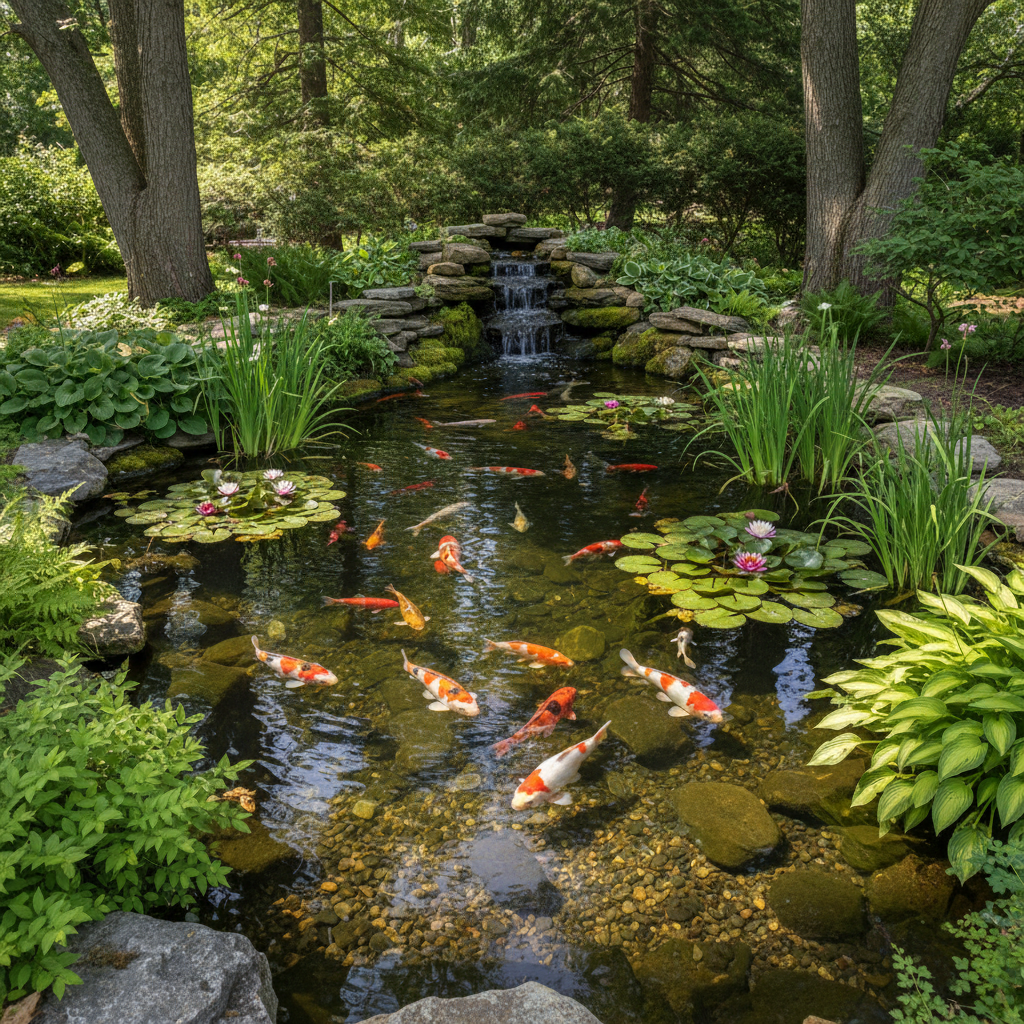
- Assess Your Pond's Condition – Before you do anything drastic, take a moment to observe.
- Is the water green, murky, or does it have stringy green mats? What kind of algae do you see?
- Are there many decaying leaves or other organic debris at the bottom?
- Is your pump running, and is the filter clean?
- How many fish do you have, and how much are you feeding them?
Published June 19, 2026Last updated August 17, 2026
Tools & materials you'll need
Affiliate linksAs an Amazon Associate FixlyGuide earns from qualifying purchases — at no extra cost to you. Prices and availability are accurate as of publication and subject to change.
Quick Answer
Many homeowners treat pond algae as a standalone problem, constantly skimming or adding algaecides. The real, underlying issue is almost always an imbalanced pond ecosystem. By addressing factors like excess nutrients, inadequate filtration, and a lack of beneficial bacteria, you can prevent algae from taking hold and maintain clear, healthy pond water naturally.
The Problem
Your once pristine backyard pond has turned a murky green, resembling a swamp more than a serene water feature. Algae blooms are unsightly, can clog pumps and filters, and, in severe cases, even deplete oxygen levels, harming fish and other aquatic life. The frustrating part for many homeowners is the recurring nature of the problem – they clean it, it comes back. This persistent green menace isn't just an aesthetic annoyance; it's a clear signal that something within your pond's delicate ecosystem is out of whack.
How It Works
To understand how to fight pond algae, you first need to grasp a few ecological basics. Algae are simple photosynthetic organisms. Like plants, they thrive on sunlight and nutrients (primarily nitrates and phosphates). In a balanced pond, these nutrients are absorbed by desirable aquatic plants (like water lilies or submerged oxygenators), beneficial bacteria break down organic waste, and a robust filtration system removes particulate matter.
When this balance tips, algae seize the opportunity. Excess nutrients often come from fish waste, uneaten fish food, decaying leaves, or runoff from fertilized lawns. Too much sunlight, especially in shallow areas, accelerates algae growth. Insufficient filtration allows these nutrients and suspended algae cells to accumulate. Furthermore, a lack of beneficial bacteria means organic debris isn't broken down efficiently, leaving more food for algae. Think of your pond as a miniature lake: if you introduce too many nutrients without natural consumption, you create a fertile breeding ground for unwanted growth. Algae outcompete the plants and bacteria that would otherwise keep the water clear, leading to rampant blooms.
Step-by-Step Fix
Here’s how to systematically tackle your pond’s algae problem and restore its natural balance:
-
Assess Your Pond's Condition – Before you do anything drastic, take a moment to observe.
- Is the water green, murky, or does it have stringy green mats? What kind of algae do you see?
- Are there many decaying leaves or other organic debris at the bottom?
- Is your pump running, and is the filter clean?
- How many fish do you have, and how much are you feeding them?
-
Clean Out Major Debris – Remove the immediate fuel for algae.
- Skim the Surface and Manual Removal – Use a pond net to remove as much string algae, leaves, and other floating debris as possible. For string algae, a stiff brush or even gloved hands can help disentangle it from plants and rocks.
- Safety Note: Always check for wildlife before reaching into the pond.
-
Perform a Partial Water Change – Reduce nutrient concentration quickly.
- Remove and Refill – Drain about 25-30% of your pond water using a submersible pump, then refill slowly with dechlorinated tap water or well water. This immediately dilutes harmful nutrient levels.
- If your tap water contains chlorine or chloramines, use a pond-safe dechlorinator.
- Ensure the refilling water temperature is similar to the pond's to avoid shocking fish.
-
Clean or Maintain Your Filtration System – A clean filter is a working filter.
- Rinse Filter Media – Turn off your pump. Remove sponges and bio-media from your filter and rinse them thoroughly with old pond water (not tap water, which can kill beneficial bacteria). This removes trapped debris and sludge.
- Check Pump Intake – Clear any debris from the pump's intake screen to ensure maximum flow.
- If your filter hasn't been cleaned in months, you might be surprised by how much gunk is hindering its performance.
-
Add Beneficial Bacteria – Reinforce your pond's cleanup crew.
- Introduce Bacterial Cultures – Purchase liquid or dry beneficial bacteria specifically formulated for ponds. These microbes consume excess nutrients and break down organic waste, reducing food available for algae.
- Follow Dosing Instructions – Apply according to the product's recommendations, usually near the skimmer or waterfall where water circulates well.
- Repeat dosage weekly or bi-weekly, especially after heavy rains or major cleanouts, until water clarity improves.
-
Increase Aeration and Water Movement – Oxygen helps bacteria thrive and discourages some algae.
- Check Waterfalls/Fountains – Ensure your existing water features are creating good surface agitation.
- Consider an Aerator – If your pond often looks stagnant or suffers from low oxygen, adding an aerator or air stone can significantly improve water quality and support beneficial bacteria.
-
Optimize Aquatic Plant Coverage – Plants are your natural algae competitors.
- Add More Plants – Aim for about 50-70% of the pond's surface to be covered by plants, especially water lilies (for surface shade) and submerged oxygenators like Anacharis or Hornwort (which absorb nutrients directly from the water).
- Prune Regularly – Remove dead or decaying plant matter promptly, as this adds nutrients back to the water.
-
Evaluate Fish Population and Feeding Habits – Fish contribute to nutrients.
- Don't Overstock – Determine if your pond is overstocked. A general rule is 1 inch of fish per 10 gallons of water for koi, or 1 inch per 5 gallons for goldfish. Overstocking leads to excessive waste.
- Feed Sparingly – Feed fish only what they can consume in 3-5 minutes, no more than once a day. Remove any uneaten food immediately. Reduce feeding significantly if algae is a major issue.
Common Causes
- Excess Nutrients: The number one culprit. This comes from fish waste, uneaten food, decaying plant matter, leaves, grass clippings, and runoff from fertilized lawns. Algae thrive on nitrates and phosphates.
- Too Much Sunlight: Direct, prolonged sunlight provides energy for photosynthetic algae to grow rapidly, especially in shallow, warm water.
- Inadequate Filtration: A filter that is too small for the pond's volume or one that is neglected and clogged cannot effectively remove suspended algae and debris.
- Lack of Beneficial Bacteria: These microorganisms are crucial for breaking down organic waste and converting harmful ammonia/nitrite into less harmful nitrates, which plants then absorb.
- Overstocking Fish: Too many fish produce too much waste, overwhelming the pond's natural ability to process nutrients.
- Infrequent Maintenance: Skipping routine skimming, partial water changes, and filter cleaning allows nutrient levels to build up unchecked.
Common Mistakes
- Relying Solely on Algaecides: Algaecides kill algae but don't address the underlying cause. Dead algae decay, releasing nutrients back into the water, often leading to a worse bloom later. It's a temporary fix at best and can deplete oxygen, harming fish.
- Cleaning Your Filter with Tap Water: Chlorine in tap water kills the beneficial bacteria living in your filter media, destroying your biological filtration and setting your pond back significantly.
- Overfeeding Fish: Uneaten food quickly breaks down into ammonia and nitrates, fueling algae growth. Most fish get plenty of sustenance from naturally occurring organisms in a healthy pond.
- Ignoring Decaying Organic Matter: Piles of leaves or submerged dead plants are nutrient bombs waiting to explode into an algae bloom. Remove them promptly.
- Not Enough Pond Plants: Aquatic plants compete with algae for nutrients and provide shade. Without them, algae have free rein.
- Sudden, Drastic Pond Cleanouts: Draining your entire pond and scrubbing it clean can crash your ecosystem, killing off beneficial bacteria and stressing fish. Gradual, regular maintenance is better.
Cost & Time Breakdown
| Task | DIY cost | Pro cost | Time |
|---|---|---|---|
| Manual Algae Removal | $0–$15 | N/A | 15–30 min |
| Partial Water Change | $10–$30 | N/A | 45–90 min |
| Filter Cleaning | $0 | N/A | 20–40 min |
| Beneficial Bacteria | $15–$50 | ~$100–$200 | 5 min to apply |
| Pond Plants (starter pack) | $50–$200 | ~$200–$500+ | 30–60 min |
| Aerator/Air Pump (if needed) | $40–$150 | ~$200–$400+ | 30–60 min |
Tips & Prevention
- Regular Skimming: Make it a habit to skim the pond surface for leaves and debris daily or every other day, especially in fall.
- Don't Overfeed: Establish a strict feeding schedule for your fish, offering only as much food as they can eat in a few minutes. If you have a severe algae problem, stop feeding for a few days to a week.
- Maintain Plant Coverage: Ensure 50-70% of your pond's surface is covered by floating plants (like water hyacinth or lilies) or submerged oxygenators. These plants shade the water and outcompete algae for nutrients.
- Test Your Water: Periodically test your pond water for ammonia, nitrites, and nitrates. While not always necessary for algae, high levels indicate an imbalanced cycle.
- Protect from Runoff: Ensure your pond is not receiving runoff from fertilized lawns, which can introduce a flood of algae-feeding nutrients.
- Seasonal Pond Care: Perform a larger cleanout in spring (removing sludge, cleaning filters thoroughly) and prepare for winter by removing most decaying plant matter.
When to Call a Professional
While most common pond algae issues are manageable with DIY methods, there are specific situations where a professional pond technician can be invaluable. If your pond consistently turns green despite your best efforts, or if you're struggling with persistent string algae that clogs your pump daily, a pro can diagnose underlying issues like an improperly sized filtration system, severe nutrient imbalances requiring specialized treatments, or issues with pond liner integrity affecting water quality. They can also provide comprehensive clean-outs for large or neglected ponds, safely re-balance the ecosystem, and advise on advanced solutions such as UV clarifiers or bog filters. If you notice distressed fish, rapid declines in water quality, or have invested significantly in your pond and want to protect that investment, a professional consultation is a wise choice.
Related Articles
Keep troubleshooting with these hand-picked guides from FixlyGuide:
- The 3 Hidden Ways Your — Uncover the surprising habits and hidden household issues that are silently increasing your homeownership costs and learn how to fix them.
- The Hidden Culprit Behind Your AC Not Cooling (and How to Find It) — If your central AC isn't cooling your home, the issue often stems from a surprisingly simple problem that's easy to overlook. Learn how to…
- The Hidden Reason Your AC Isn't Cooling (And Why Most Homeowners Get It Wrong) — When your central AC unit isn't cooling, the culprit often isn't what you think, leading to frustration and unnecessary repair calls.
- 7 Hidden Equity Drains Costing You Thousands Annually — Your home is an asset, but silent problems like minor leaks, poor insulation, and deferred maintenance can drain its value. Discover the se…
- The 12 Checks That Prevent 80% of Costly Home Repairs — Don't wait for a disaster. Our comprehensive monthly home maintenance checklist reveals the surprising, simple tasks that catch small issue…
- The #1 Mistake Homeowners Make When Their Ice Maker Stops (And the Easy Fix) — Before you call for service, learn the most common and easily fixable reason your refrigerator's ice maker isn't producing ice.
Should you do this yourself?
Answer five quick questions before you start. Safety outranks savings every time.
Your experience with work like this
How high do you have to work?
Does the job involve any of these?
Will it need a permit?
Specialty tools
Free and instant. Educational guidance only — not a quote, inspection, or professional diagnosis.
What should this project cost?
Enter your project details for a realistic cost range before you call anyone.
Cost depends heavily on which system turns out to be the source.
- Regional adjustment
- National average
- Labor share (typical)
- ~$1,620
- Quotes to collect
- 3 written estimates
Educational estimate based on national averages — not a binding quote. Always confirm with written local estimates.
Before you start
Check the difficulty, permits, and safety risk — then decide whether to call a pro.
- Estimate this projectGet a cost range for your scope and ZIP before you call anyone.Open
- Get local estimatesSend one request and compare written estimates from vetted pros.Open
Free, no signup required. Estimates are educational guidance, not a quote or an inspection.
Get the print-ready PDF of this guide
A clean, ad-free, printable version you can keep on your phone or pin to the workshop wall. Free with a FixlyGuide account.
- Print-optimized layout
- Tools, materials & every step included
- Saved to your account
This article was independently written by FixlyGuide based on the source topic.
Frequently asked questions
Why does my pond keep turning green?+
Your pond likely keeps turning green due to an imbalance in its ecosystem, leading to an overabundance of nutrients (from fish waste, uneaten food, decaying leaves) and/or too much sunlight, which fuels rapid algae growth.
Are algaecides safe for pond fish?+
While some algaecides are marketed as fish-safe when used correctly, they are generally a short-term solution. They kill algae but don't remove the underlying cause, and decaying algae can still deplete oxygen, stressing or harming fish. It's best to address the root cause for long-term health.
How often should I clean my pond filter?+
The frequency depends on your pond's size, fish load, and filtration type, but generally, you should rinse your filter media every 1-4 weeks during warmer months. Always use pond water or dechlorinated water to preserve beneficial bacteria.
Can too many fish cause algae?+
Yes, absolutely. An overstocked pond produces excessive fish waste and requires more feeding, both of which introduce high levels of nitrates and phosphates – primary food sources for algae – overwhelming the pond's natural processing capacity.
What are the best natural ways to prevent pond algae?+
The best natural ways include ensuring adequate filtration, introducing beneficial bacteria, achieving 50-70% coverage with aquatic plants (especially submerged oxygenators and water lilies), providing shade, and preventing overfeeding or nutrient runoff.


Discussion
Loading comments…