- UV Radiation & Weather Exposure: Sunlight breaks down sealants, and rain causes wood fibers to swell and shrink, stressing the finish. Snow and ice can also introduce moisture for prolonged periods.
- Improper Surface Preparation: The most common cause of sealant failure. Dirt, grime, mildew, or old failing finish prevent new sealant from adhering properly.
- Wrong Product Choice: Using an interior-grade finish outdoors, or a product not suited for your wood type or climate, leads to premature breakdown.
- Applying Too Thickly: Over-application of sealant, especially film-forming types, often results in peeling and flaking because the product can't cure or bond correctly.
- Poor Drainage: Areas where water pools on the deck surface, or where the deck remains damp, accelerate moisture intrusion and mildew growth.
Landscaping · Deck or fence project
| Project category | Landscaping |
|---|---|
| Problem type | Deck or fence project |
| Trade required | Landscaping |
| Urgency | Planned project |
| Safety risk | Moderate safety risk |
| DIY suitability | DIY for experienced homeowners |
| Cost category | High cost |
| Typical timeline | Most builds 3–10 days depending on size |
| Contractor type | Landscaping contractor |
Repair option
Replace failed boards, posts, and hardware; reseal the surface.
Replacement option
Rebuild when framing or the ledger connection is unsafe.
Common causes
- Rot at posts and ledger
- Storm damage
- Adding outdoor living space
Relevant tools:home improvement material pricesproject cost estimator
Published May 21, 2026Last updated August 17, 2026
Tools & materials you'll need
Affiliate linksAs an Amazon Associate FixlyGuide earns from qualifying purchases — at no extra cost to you. Prices and availability are accurate as of publication and subject to change.
Quick Answer
Many homeowners rush to apply a new coat of sealant to their wood deck without adequate preparation, believing more product equals more protection. However, this common oversight – failing to thoroughly clean, strip existing finishes, and properly sand the surface – is the single biggest reason deck sealants fail prematurely. This leads to moisture entrapment, peeling, and costly re-dos. The correct approach prioritizes surface readiness, ensuring the new sealant can bond effectively and provide the long-lasting defense your deck needs against the elements.
The Problem
Your beautiful wood deck, once a vibrant extension of your outdoor living space, naturally faces a relentless assault from sun, rain, snow, and fluctuating temperatures. Over time, these elements degrade the protective sealant, leaving the wood vulnerable to moisture damage, mildew, rot, and splintering. You might notice dullness, fading, water soaking into the wood instead of beading up, or even areas where the old sealant is peeling or flaking. When these signs appear, it's clear your deck needs a fresh coat of protection. The underlying problem is often not just the sealant's age, but the improper application in previous years, or the temptation to reapply without addressing the accumulated grime and failing finish beneath. This creates a cycle where each new coat is less effective than the last, trapping moisture and accelerating deterioration rather than preventing it.
How It Works
Wood is a naturally porous material, composed of cellulose fibers that can absorb and release moisture. This constant expansion and contraction, driven by changes in humidity and temperature, puts stress on wood cells and any surface coating. A deck sealant or stain works by penetrating the wood fibers or forming a protective film on the surface, or both. Its primary job is to repel water, block UV radiation, and prevent mildew growth.
Penetrating sealants, often oil-based, soak into the wood, conditioning the fibers and creating a water-repellent barrier from within. They allow the wood to breathe but prevent water absorption. Film-forming sealants, typically water-based acrylics or urethanes, create a durable layer on the surface that acts as a shield. Many modern products combine these properties.
When a deck is properly prepared, the wood's microscopic pores are open and clean, allowing the new sealant to penetrate deeply and bond securely. If the surface is dirty, contaminated with mildew, or covered in failing old finish, the new sealant cannot achieve this vital bond. Instead, it sits on top, poorly adhered, inevitably peeling, flaking, and allowing moisture to creep underneath. This trapped moisture then accelerates decay, creating perfect conditions for mold and mildew while the surface layer fails prematurely. The integrity of your deck's protection hinges entirely on the quality of the surface preparation, ensuring the sealant can perform its intended function effectively.
Step-by-Step Fix
1. Clear the Deck – Remove all furniture, planters, and decorative items. Begin by completely clearing your deck surface. This includes all outdoor furniture, grills, planters, and any other items. Sweep away loose debris, leaves, and dirt to give you a clean starting point for inspection and the next steps. Store items safely off the deck, perhaps on a nearby patio or in your garage.
2. Initial Cleaning and Inspection – Gauge your deck's condition. Before you dive into cleaning, perform a thorough inspection. Look for loose nails or screws, splintered boards, or signs of rot. Address these issues now: hammer in loose nails, replace damaged screws, and consider replacing severely rotted boards (if it's a small section). Next, give the deck a good scrub with a stiff broom and a garden hose to remove surface grime.
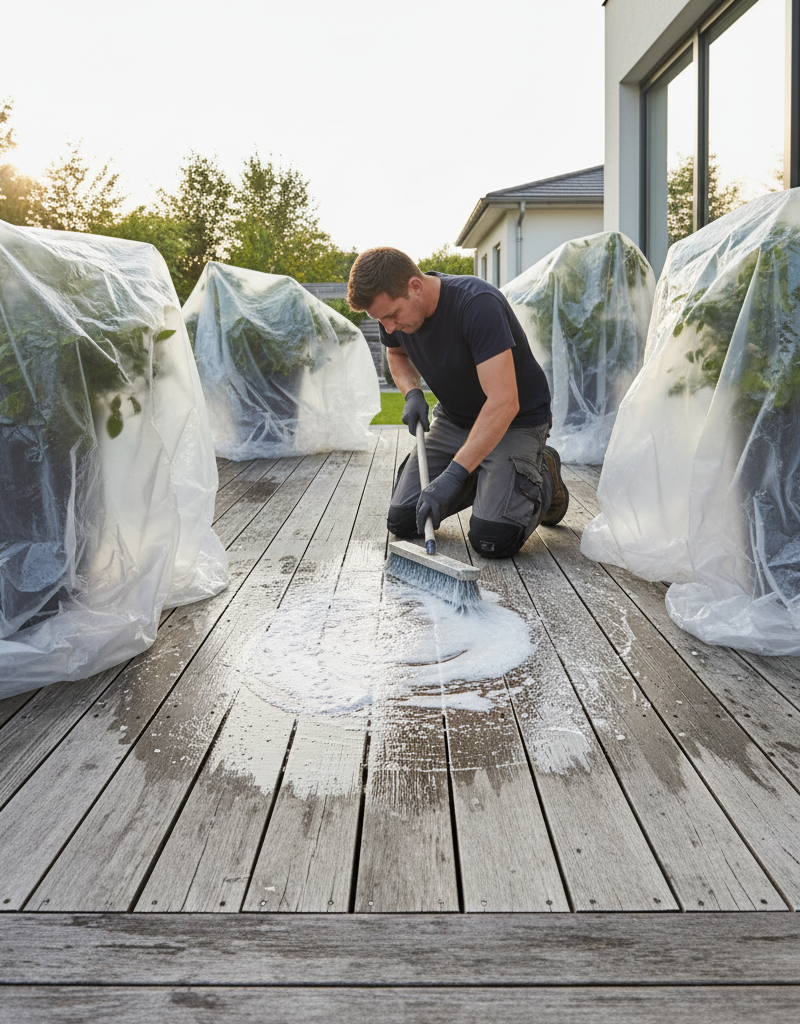
3. Chemical Cleaning & Mildew Removal – Attack deep-seated dirt and organic growth. Prepare a deck cleaner solution according to manufacturer instructions. For most decks, a good oxygen bleach-based deck cleaner is effective for removing mildew, dirt, and graying. Apply the cleaner to a small section of your deck, let it dwell for the recommended time (usually 10-15 minutes), and then scrub vigorously with a stiff-bristled non-metallic deck brush. Do not let the cleaner dry on the wood. Rinse thoroughly with a garden hose, working from high to low.
- Safety First: Wear eye protection, gloves, and old clothes. Protect nearby plants by wetting them down before cleaning and rinsing them again after you rinse the deck.
4. Pressure Washing (Use with Caution!) – When to use and how to use it safely. While a pressure washer can be incredibly effective, it can also easily damage wood if used improperly. Set your pressure washer to a low-pressure setting (no more than 1200-1500 PSI) and use a wide-angle (25-degree or 40-degree) nozzle. Hold the wand at least 12-18 inches from the deck surface, moving with the grain of the wood in long, overlapping strokes. Never point the nozzle directly at a single spot for too long, as this can splinter the wood. This step is optional if your deck is relatively clean or very old/fragile.
- If it's too much: If you're unsure about pressure washing, stick to manual scrubbing. It's safer for the wood.
5. Stripping Existing Finish (If Necessary) – Remove old, failing sealants or stains. If your current finish is peeling, flaking, or discolored, you'll need to strip it. Apply a deck stripper product according to its instructions. These are generally stronger chemicals, so wear appropriate PPE (chemical-resistant gloves, eye protection, long sleeves). Allow the stripper to work, then use a stiff brush or a pressure washer (carefully, as above) to remove the softened finish. This step is critical for proper adhesion of your new sealant. Rinse thoroughly and neutralize with a wood brightener if recommended by the stripper manufacturer.
6. Wood Brightening (Essential for a Clean Surface) – Restore wood's natural pH and color. After cleaning and stripping, apply a wood brightener. Brighteners contain oxalic acid or similar compounds that neutralize the cleaning chemicals, restore the wood's natural color, and open up the wood pores for better sealant penetration. Apply per instructions, let it work, and then rinse thoroughly. Let the deck dry completely for 2-3 days, or until the moisture content is below 12% (you can check this with a moisture meter).
7. Sanding for a Smooth Canvas – Achieve optimal adhesion and a splinter-free finish. Once the deck is completely dry, sand the entire surface. Use an orbital sander with 60-80 grit sandpaper for the main decking and a detail sander for railings and tight spaces. Sand with the grain, removing any raised grain, splinters, or remaining imperfections. This step ensures a smooth, uniform surface that will accept the sealant evenly and improve its longevity. Dust off the deck thoroughly with a leaf blower or shop vacuum after sanding.
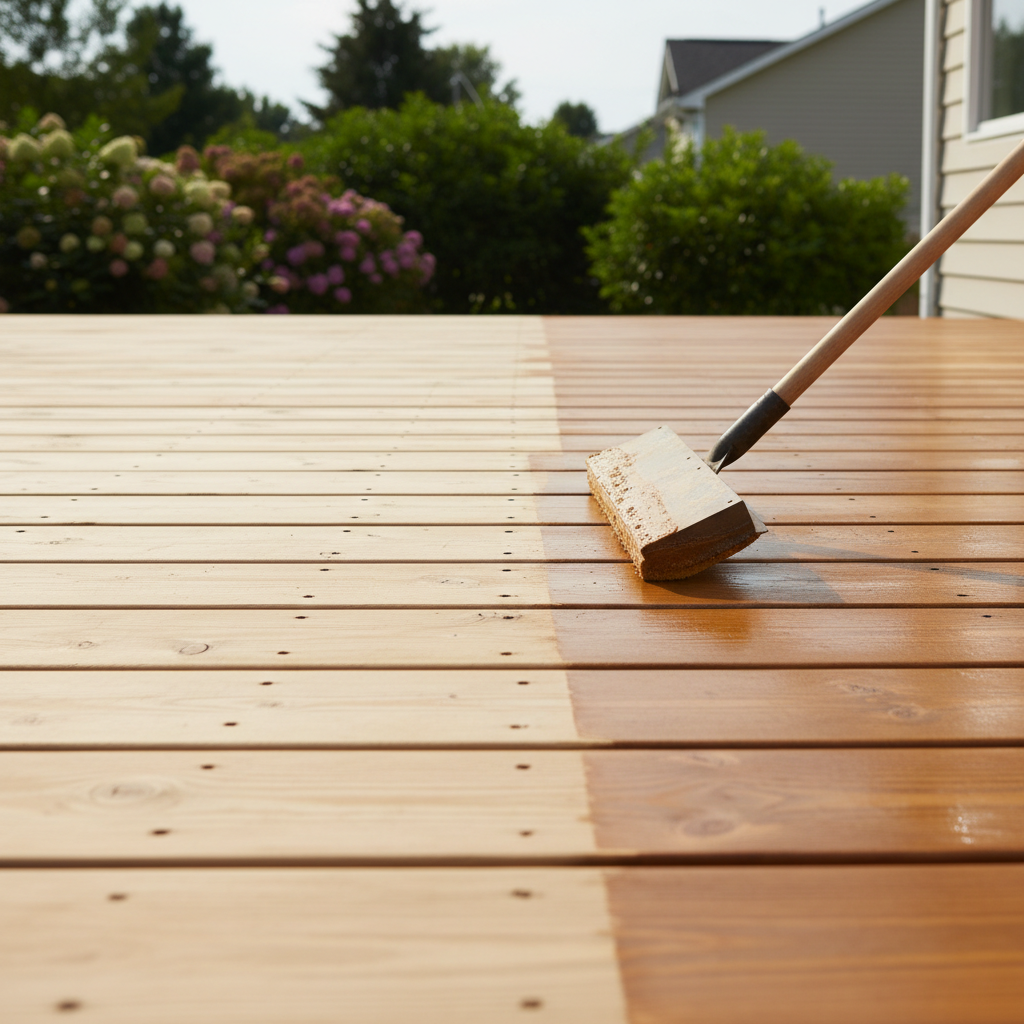
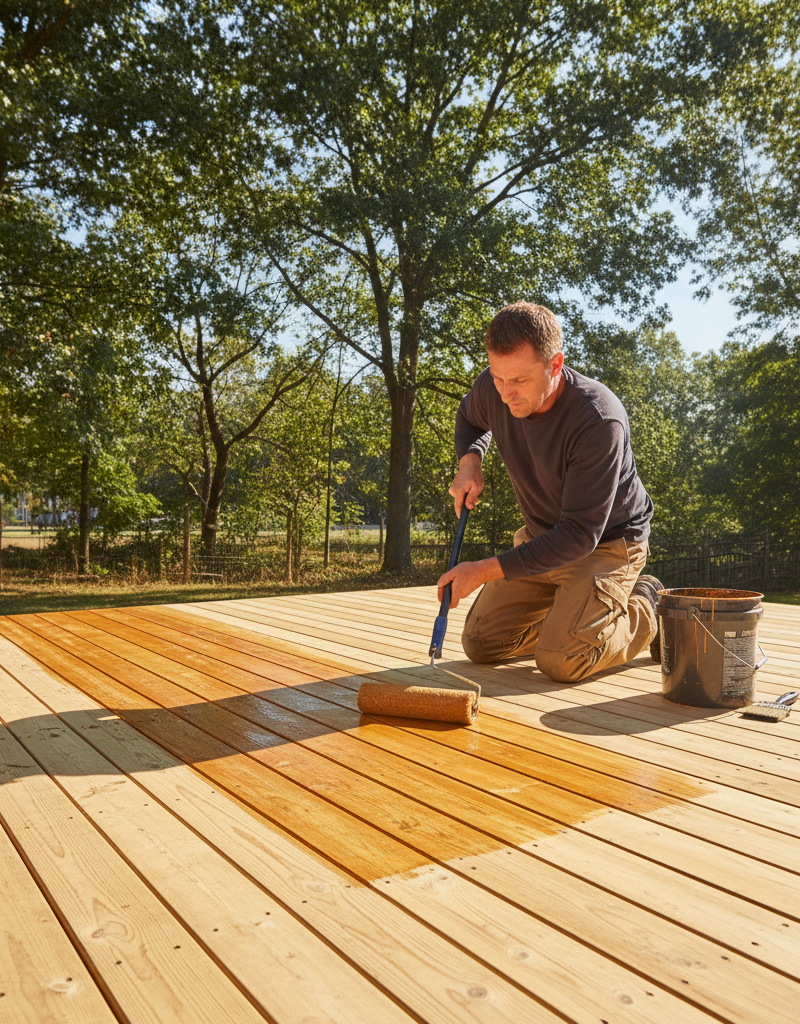
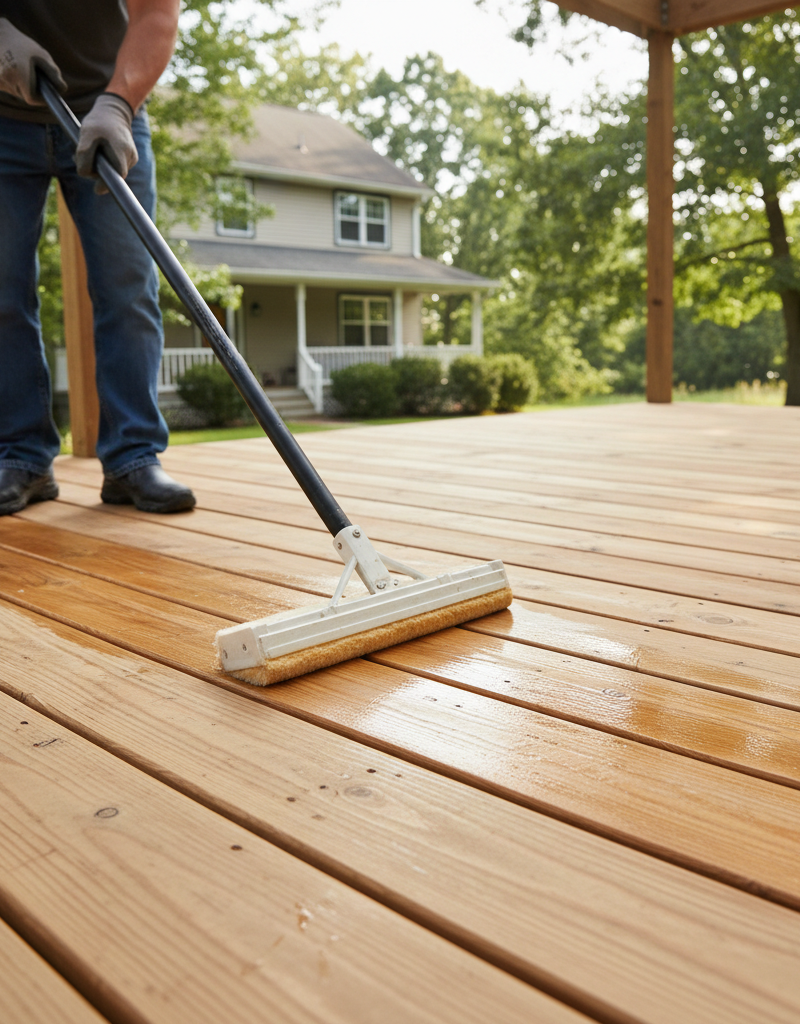
8. Apply the New Sealer – The final, protective layer. Choose a high-quality oil-based or water-based deck sealant or stain that's appropriate for your wood type and desired look. Stir the product thoroughly before and during application. Apply with a natural bristle brush, roller, or sprayer, working in small sections, following the grain of the wood. Avoid applying too thickly, which can lead to pooling and peeling. Wipe off any excess with a rag to prevent shiny spots. For best results, use a pad applicator for smooth, even coats.
- Weather Check: Apply on a dry, overcast day with temperatures between 50-90°F (10-32°C). Avoid direct sunlight, which can cause the sealant to dry too quickly.
- Coat Count: Most sealants require 1-2 thin coats. Read the manufacturer's instructions carefully for recoat times and total coats.
9. Curing Time – Patience prevents problems. Allow the sealant to cure completely before replacing furniture or allowing heavy foot traffic. This can take anywhere from 24 hours to several days, depending on the product, humidity, and temperature. Refer to the specific product’s recommendations.
Common Causes
- UV Radiation & Weather Exposure: Sunlight breaks down sealants, and rain causes wood fibers to swell and shrink, stressing the finish. Snow and ice can also introduce moisture for prolonged periods.
- Improper Surface Preparation: The most common cause of sealant failure. Dirt, grime, mildew, or old failing finish prevent new sealant from adhering properly.
- Wrong Product Choice: Using an interior-grade finish outdoors, or a product not suited for your wood type or climate, leads to premature breakdown.
- Applying Too Thickly: Over-application of sealant, especially film-forming types, often results in peeling and flaking because the product can't cure or bond correctly.
- Poor Drainage: Areas where water pools on the deck surface, or where the deck remains damp, accelerate moisture intrusion and mildew growth.
- Lack of Regular Cleaning: Allowing dirt and organic debris to accumulate on the deck promotes mildew and holds moisture against the wood, hindering the sealant's performance.
Common Mistakes
- Skipping the Stripping/Sanding: Applying new sealant over old, peeling, or rough finishes is a guaranteed recipe for failure. The new coat won't adhere and will peel quickly.
- Not Letting the Deck Dry Completely: Sealing a deck that still has moisture in the wood will trap that moisture, leading to rot, mildew, and sealant failure from the inside out.
- Pressure Washing Too Aggressively: Using too much pressure or too narrow a nozzle can permanently damage the wood fibers, creating an uneven surface and making it harder for sealant to penetrate evenly.
- Applying Sealant in Direct Sunlight or Extreme Heat: This causes the sealant to dry too quickly, preventing proper penetration and bonding, often resulting in a streaky, uneven finish.
- Using the Wrong Type of Applicator: Rollers can sometimes leave too much product or create bubbles. Brushes can leave brush marks. A pad applicator often gives the most even, thin coat for many sealants.
- Ignoring Railings and Vertical Surfaces: These areas also need proper preparation and sealing. Don't just focus on the deck floor, as they are equally exposed to the elements.
Cost & Time Breakdown
| Task | DIY Cost | Pro Cost | Time |
|---|---|---|---|
| Deck Cleaner/Stripper | $30–$70 | Included | 2–4 hours |
| Wood Brightener | $20–$40 | Included | 1–2 hours |
| Sandpaper/Sander Rental | $10–$50 | Included | 3–8 hours |
| Deck Sealer/Stain | $50–$150/gal | Included | 4–6 hours |
| Brushes/Applicators | $20–$40 | Included | N/A |
| Total (DIY) | $130–$350 | $500–$1500+ | 1–3 days |
Tips & Prevention
- Annual Cleaning: Sweep and wash your deck annually with a mild deck cleaner to remove dirt and prevent mildew buildup, extending the life of your sealant.
- Check Water Beading: Periodically test a small area by sprinkling water on the deck. If it soaks in rather than beading up, it's time to reseal.
- Inspect for Damage: Routinely check for loose fasteners, splinters, or signs of rot. Address small issues before they become major problems.
- Trim Overhanging Branches: Reducing shade and allowing more sunlight to reach the deck helps it dry faster after rain, inhibiting mildew growth.
- Use Deck-Friendly Furniture: Place protective pads under furniture legs to prevent scratches and wear on the sealed surface.
- Proper Product Storage: Store leftover sealant in a cool, dark place with the lid tightly sealed to preserve it for future touch-ups.
When to Call a Professional
While resealing a deck is a manageable DIY project for many homeowners, there are situations when calling a licensed professional is the smarter choice. If your deck shows significant structural damage, such as widespread rot, severely cracked or warped boards, or unstable railings, a professional can assess the integrity and safely make necessary repairs or recommend replacement. Similarly, if your deck is exceptionally large, multi-tiered, or has intricate designs that make manual preparation incredibly time-consuming and difficult, a pro with specialized equipment can complete the job more efficiently and effectively. If you're dealing with extensive mold or mildew that resists standard cleaners, or if you're uncomfortable using the chemicals required for stripping and brightening, a professional can handle these tasks safely and ensure proper disposal. Finally, if you lack the time, tools, or confidence to perform the thorough preparation steps correctly, investing in a professional ensures the job is done right the first time, protecting your investment and preventing future costly mistakes from improper application.
Related Articles
Keep troubleshooting with these hand-picked guides from FixlyGuide:
- The #1 Mistake Homeowners Make When Sealing a Deck (and How to Fix It) — Prevent costly damage and extend your deck's life by avoiding common sealing errors and following a simple, effective resealing process.
- The Invisible Hail Damage Mistake Most Homeowners Make (And How to Spot It) — Discover how to accurately assess hail damage on your home's siding, understand its hidden impacts, and perform essential repairs to protec…
- The 3 Hidden Reasons Your Deck Boards Warp (and the Easy Fixes) — Deck board warping can ruin your outdoor space, but understanding the root causes and applying simple fixes can restore your deck's beauty.
- The 3 Hidden Mistakes That Make Your Deck Sealer Fail (And How to Fix Them) — Resealing your wood deck protects it from weather and extends its life. Learn how to avoid common mistakes for a long-lasting finish and vi…
- The One Mistake Homeowners Make When Shingles Blow Off (And How to Fix It Right) — After a storm, finding missing roof shingles can be alarming. Learn the critical mistake homeowners often make and how to properly assess a…
- The #1 Mistake Homeowners Make When a Gas Burner Won't Light (And the Easy Fix) — Before you call a technician, discover the most common, overlooked reason your gas stove burner isn't lighting and how to fix it yourself i…
Get deck & patio quotes from local pros
Tell us about your project and we'll match you with vetted contractors in your area. Free, no obligation, and we never sell your info.
What should this project cost?
Enter your project details for a realistic cost range before you call anyone.
Spot repairs commonly run $400–$1,800; full replacement typically $9,000–$18,000 for an average home.
- Regional adjustment
- National average
- Labor share (typical)
- ~$2,948
- Quotes to collect
- 3 written estimates
Educational estimate based on national averages — not a binding quote. Always confirm with written local estimates.
Decide what your roof needs
Two minutes of questions turns "something is wrong up there" into a clear next step.
- Repair or replace your roof?Answer 10 questions about age, leaks, and damage to get a clear next step.Open
- Compare contractor quotesScore up to four bids on price, warranty, licensing, and timeline.Open
- Get local estimatesSend one request and compare written estimates from vetted pros.Open
Free, no signup required. Estimates are educational guidance, not a quote or an inspection.
Frequently asked questions
How often should I reseal my wood deck?+
The frequency depends on your climate, deck exposure, and the type of sealant used. Generally, oil-based sealants last 1-3 years, while water-based acrylics can last 3-5 years. The best indicator is when water no longer beads on the surface and soaks into the wood instead.
Can I just apply new sealant over old sealant?+
It is not recommended, especially if the old sealant is peeling, flaking, or discolored. Applying new sealant over a compromised old layer will prevent proper adhesion, trap moisture, and lead to premature failure of the new coat. Proper cleaning, stripping (if necessary), and sanding are crucial for longevity.
What's the difference between deck cleaner, brightener, and stripper?+
A deck cleaner removes dirt, grime, and mildew. A stripper removes old, failing stains or sealants. A brightener neutralizes cleaners/strippers, restores the wood's natural pH and color, and helps open the wood grain for better sealant penetration.
How long does a deck need to dry before sealing?+
After cleaning, stripping, and brightening, a deck needs to dry thoroughly for 2-3 days under optimal conditions (low humidity, warm temperatures). The wood's moisture content should ideally be below 12% before applying any sealant to prevent trapping moisture.
Discussion
Loading comments…